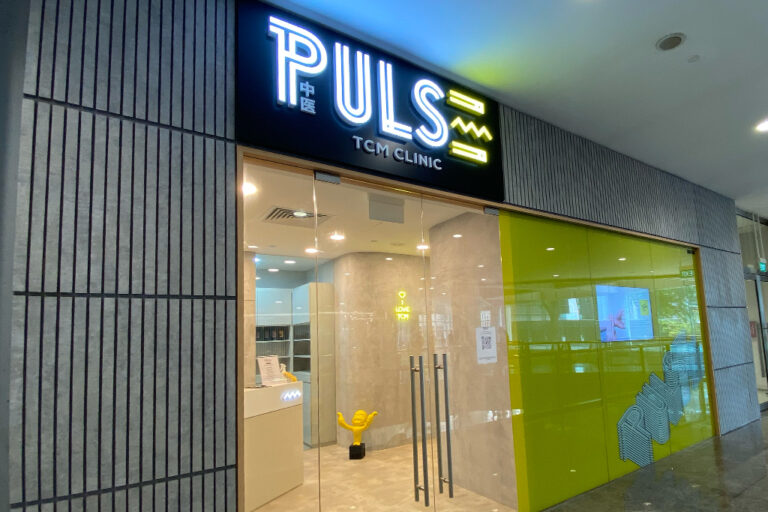
Feeling constantly fatigued, bloated, or struggling to manage a long-term health condition? PULSE TCM looks beyond superficial symptoms. By identifying internal disharmonies—from Qi deficiencies to organ imbalances—we deliver personalised, holistic TCM solutions designed to elevate your everyday quality of life and restore your health.
Restoring vital stamina and calming an overactive mind amidst intense daily pressures.
Safe, complementary clinical care designed to assist blood circulation and baseline metabolic functions.
Addressing subtle bodily discomforts and structural shifts before they turn into deeper clinical issues.
Our General Health Programme is built on the core principle of “Nourishing the Root to Restore Vitality.” By identifying your unique body constitution, we move beyond surface-level symptoms to address the underlying physical exhaustion, digestive issues, and long-term systemic imbalances affecting your daily well-being. Through targeted, physician-led clinical sessions, we ensure your path to wellness is both holistic and sustainable.
Tailored treatment protocols designed to regulate your nervous system, optimise organ functions, and reduce internal inflammation through specialised acupuncture.
Moving beyond temporary fixes to resolve the underlying Qi deficiencies, fluid dampness, and deep-seated stagnation that cause your body to feel constantly run down.
A powerful synergy of clinical acupuncture and safety-regulated herbal prescriptions to boost your body's healing and restore long-term vitality.
Our physician will recommend a combination of the following therapies based on your unique body constitution:

Stimulates targeted meridian points to regulate the nervous system, improve full-body circulation, and support optimal organ function.
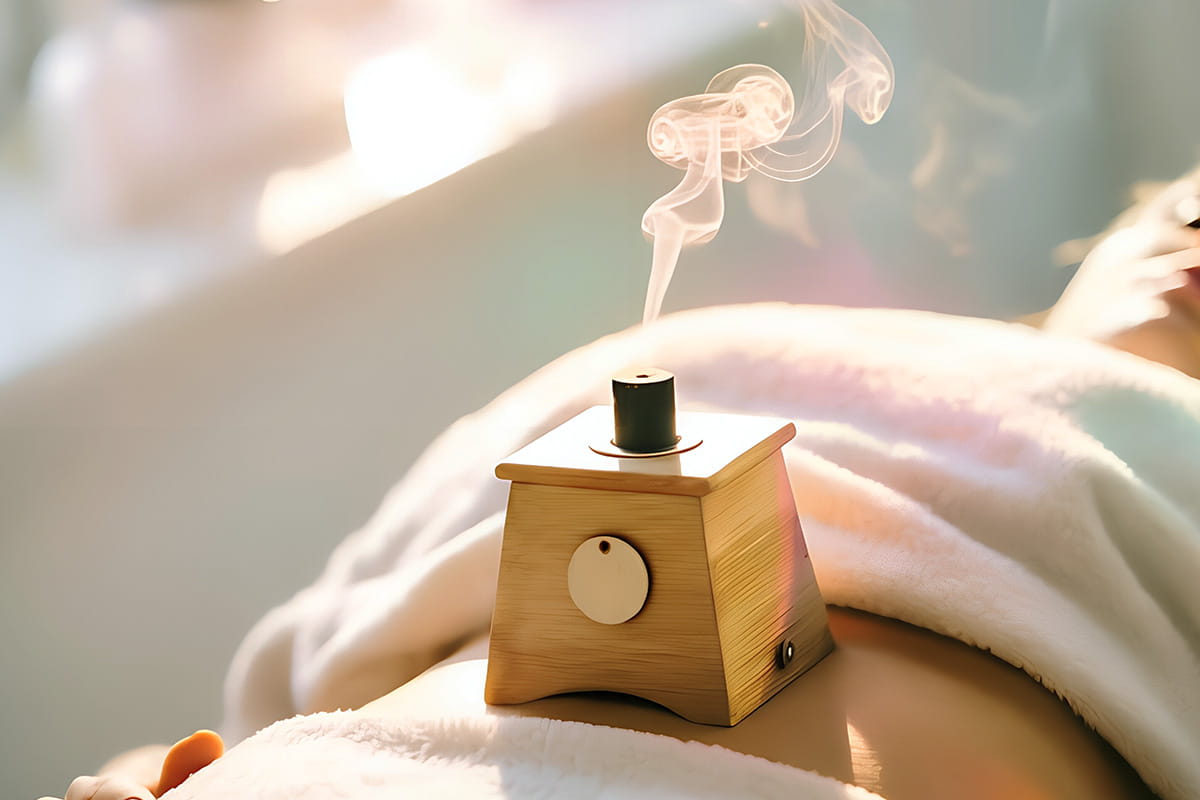
Applies soothing, deep-penetrating heat to specific areas to dispel internal cold, clear fluid dampness, and deeply relax the body.

A targeted stroking technique used to clear internal pathogenic heat, reduce systemic inflammation, and boost microcirculation.

A targeted stroking technique used to clear internal pathogenic heat, reduce systemic inflammation, and boost microcirculation.
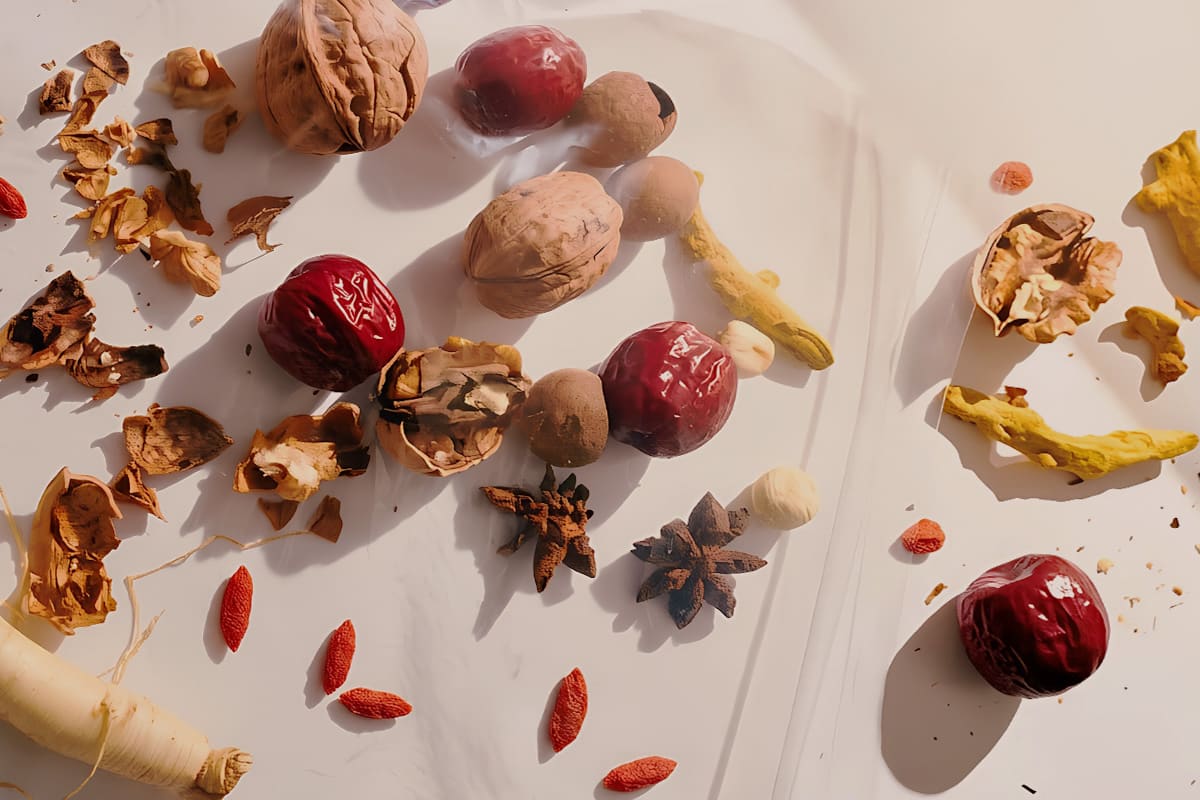
Formulated using safety-regulated herbal granules to address internal organ deficiencies, clear dampness, and gently rebuild vital energy from within.
Restoring internal balance is a journey of consistency. Here is what you can expect across your treatment phases:
This initial phase focuses on identifying your unique body constitution and addressing primary, immediate discomforts. By integrating targeted acupuncture with safety-regulated herbal prescriptions, we work to clear deep-seated stagnation, reduce internal inflammation, and kickstart your body’s natural healing mechanisms. This foundational work resets your internal baseline, transitioning your systems from a state of constant stress to one of rest and repair.
With your baseline symptoms stabilised, Phase 02 deepens the treatment to address the root causes of your imbalances—such as long-term Spleen Qi deficiency or Liver Qi stagnation. Treatment plans are refined to strengthen your internal organs, improve blood circulation, and regulate your metabolic pathways. This builds long-term physical resilience and prevents old sub-health symptoms from easily returning.
Once internal harmony is safely restored, the focus shifts from active treatment to proactive wellness maintenance. These seasonal or monthly check-ins act as a tune-up for your body, ensuring your systems adapt smoothly to changing lifestyle stressors, dietary shifts, or age-related changes.
Note on Personalised Care: The recovery roadmap outlined above serves as a general guide. Because every individual’s body constitution and lifestyle factors are unique, the exact number of sessions, treatment frequency, and progress speed will be dynamically customised by your attending physician following your initial clinical assessment.
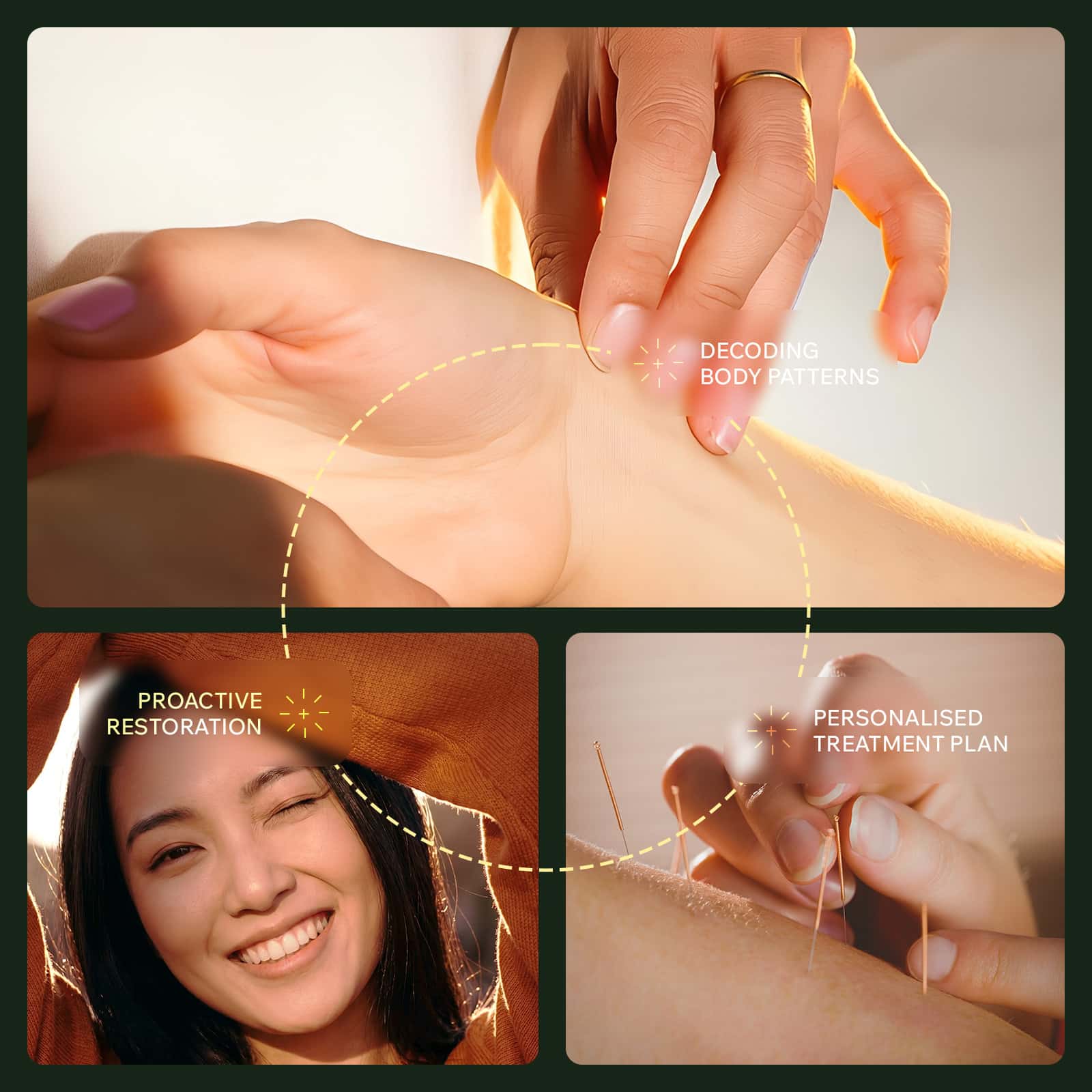
We decode your body’s unique internal signals to restore lasting vitality from the inside out.
A comprehensive assessment using traditional diagnostic methods—pulse reading, tongue analysis, and the Four Examinations—to pinpoint the internal organ imbalances and circulation blockages underlying your symptoms.
A bespoke clinical combination of targeted acupuncture and meridian regulation, tailored precisely to your unique constitutional pattern, lifestyle factors, and health goals.
Continuous, dynamic adjustments to your treatment plan as your internal baseline improves, keeping your body on the optimal path toward sustained energy and daily resilience.
Custom prescriptions of safety-regulated herbal compounds formulated to nourish vital organs, clear fluid dampness, and extend the restorative benefits of your acupuncture sessions.
NOTE: Our General Health Programme complements, rather than replaces, conventional Western medical care. For acute emergencies or sudden clinical changes, please seek immediate conventional medical attention. Our registered physicians will refer you to Western healthcare providers whenever necessary.
Clinical evidence supports the role of acupuncture and TCM in regulating metabolic systems, improving digestive functions, and reducing chronic low-grade inflammation (as detailed in global healthcare reviews and Evidence-Based Complementary and Alternative Medicine).
Initial improvements—such as better digestive comfort or a slight lift in daily energy—are often noticed within the first 3 to 5 sessions (Phase 1: Foundation). However, reversing long-standing sub-health imbalances or chronic fatigue typically requires a full 10-session care plan to safely rebuild your body’s baseline vitality.
Yes, absolutely. From a TCM perspective, burnout and chronic fatigue are closely linked to Liver Qi stagnation and Spleen Qi deficiencies. Our treatments focus on clearing internal blockages, regulating your nervous system, and restoring blood circulation to naturally relieve physical tightness and mental exhaustion.
Yes. Our registered physicians routinely design complementary care protocols that work safely alongside your existing conventional medical treatments. We recommend leaving a 2-hour gap between taking your Western medication and our safety-regulated herbal prescriptions to ensure optimal absorption.
Not at all. We use ultra-fine, single-use sterile needles designed for a comfortable experience. Most patients feel only a minor, brief tap upon insertion, followed by a dull, heavy, or tingling sensation known as De Qi (energy activation). Many find the sessions deeply relaxing and frequently fall asleep.
While acupuncture is excellent for regulating your nervous system and boosting immediate circulation, custom-prescribed herbal medication acts as continuous daily internal support. The herbs work from within to nourish depleted organ systems, clear fluid dampness, and sustain the therapeutic benefits between clinic visits.
No, our programme is designed to complement, not replace, conventional Western medicine. It focuses on systemic wellness, preventative care, and sub-health conditioning. For acute clinical emergencies or sudden medical changes, always seek immediate Western medical care.
If you constantly feel “off,” deal with persistent sluggishness, unrefreshing sleep, or slow digestion despite normal medical checkups, you are likely experiencing a state of sub-health. This programme is ideal for anyone looking to proactively rebalance their body, manage modern lifestyle stressors, or support long-term senior vitality.
Clarity, personalised support, and actionable insights are just a consultation away. Secure your session today to gain expert physician guidance and start your path toward optimal health. Prefer to chat? Connect with a specialist on WhatsApp.

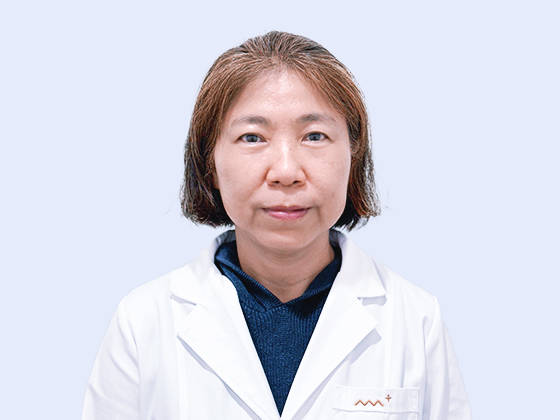
Dr Sim Beng Joo is a fully MOH-licensed Traditional Chinese Medicine Practitioner, registered with the Singapore TCMPB.
Note: The information shared is based on clinical experience and TCM principles. This is for educational sharing and should not replace a personalized consultation. Always speak to your healthcare provider before starting new treatments.