
Did you know that there is more than one type...
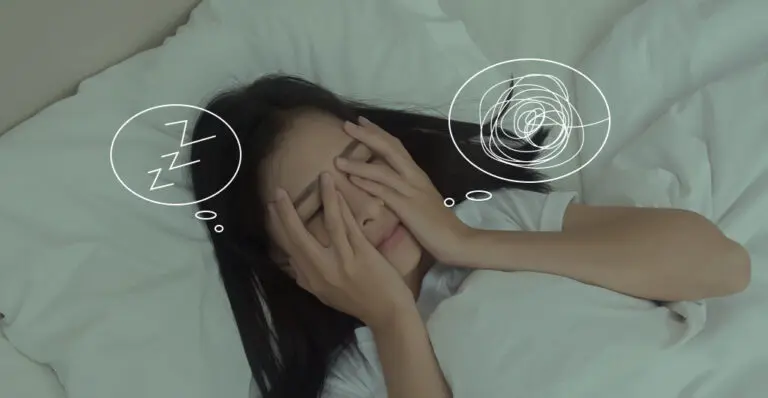
Read MoreHaving sufficient quality sleep is essential for us to function well, carry out our responsibilities and enjoy life. However, experiencing high levels of stress can often trigger insomnia– make it even more difficult for us to function and cope with daily life.
PULSE offers a natural, alternative approach to managing stress and insomnia. We provide Traditional Chinese Medicine (TCM) treatments to reduce stress and promote sleep. In this East-meets-West program, you also have the option to integrate evidence-based therapy for insomnia by a psychologist for more holistic results.


Acupuncture and Chinese herbal medication have been supported by research as effective for insomnia, with comparable effects to Western medication.


Cognitive Behavioural Therapy for Insomnia (CBT-I) is a designated ‘gold standard’ insomnia treatment by medical authorities. It has been backed by research evidence as one of the most effective treatments for insomnia with long-lasting benefits.


Insomnia is defined by a dissatisfaction with the amount of quality of one’s sleep. It can involve one or more of the following:
Insomnia can make it challenging to function and be productive the next day, as well as affecting one’s quality of life.
It is normal to experience short-term sleep disturbances due to various life events. However, insomnia could be a more serious problem when it is prolonged— such as continuing for weeks, causing significant distress, or disruption to functioning.
Traditional Chinese Medicine (TCM) focuses on how disruptions in the flow of Qi
Vital life force that flows through the body and can be regulated via TCM
and bodily functioning can contribute to insomnia.
Based on TCM theory, various organs regulate different types of emotions and mental activity. Imbalances in the functioning of the liver, heart and spleen in particular usually play a role in insomnia and other emotional issues.


Note that this list is not exhaustive and there are other types of imbalances that can also contribute to insomnia. Your physician will conduct a thorough assessment and examination to identify your own unique condition and health imbalances.
Acupuncture & Chinese herbal medication have been used in China for millenia to treat insomnia.


The effects of acupuncture treatment can be felt almost instantly. After sessions, patients have often reported feeling ‘reborn’ or ‘rejuvenated’, and as if their stress had ‘drained away’.


Prescribed herbal formulas usually involve a combination of several herbs, tailored to target each patient’s unique symptoms and imbalances. They effective on its own or combined with acupuncture.
Cognitive Behavioural Therapy for Insomnia (CBT-I) is an evidence-based therapy designed to help people develop skills and strategies to manage insomnia and improve their sleep. It has been proven through research as highly effective in treating various types of insomnia and is recommended as a first-line insomnia treatment before resorting to medications.


Dr. Jaswyn is a registered clinical psychologist with over 10 years of experience. She has extensive experience providing intervention for various a wide range of mental health issues from anxiety, depression, grief, insomnia, OCD, personality disorders, stress management to trauma.
Dr Jaswyn adopts a person-centred approach to therapy where she believes in working collaboratively with individuals through the process of recovery. She is also trained in multiple therapeutic modalities including cognitive-behavioural therapy (CBT), mindfulness-based cognitive therapy (MBCT), acceptance and commitment therapy (ACT) and eye movement desensitisation reprocessing therapy (EMDR).
During her free time, Jaswyn enjoys music and plays the piano. She is also a keen learner of new languages and loves to travel.
To engage our TCM services only, please refer to our Charges page. As a general guide, a typical TCM session would include a consultation + a choice of one treatment (patients can choose more than one treatment in some cases).
with Physician
or
with Lead Clinical Psychologist
or
value up to $400++
For questions about the programme, please contact [email protected] or 9831 9912 (Whatsapp)
To book an appointment, complete the Appointment booking form at the end of this page. Our team will get in touch with you to schedule your appointment with our psychologist and/or a TCM physician at your preferred clinic location.
As our psychologist and TCM physicians are based in different clinics, your psychotherapy and TCM sessions will be conducted in separate visits.
Each standard session consists of a consultation with our TCM physician and an acupuncture treatment (can be substituted with Chinese Herbal Medicine prescription) . Additional treatments or herbal prescriptions may be recommended. (Duration: 45 – 60 mins).
TCM sessions can be conducted at PULSE TCM clinics islandwide.
The psychotherapy sessions (Duration: 60 mins) are conducted at PULSE Allied Health clinic at Camden Medical Centre (by Orchard Blvd MRT), where our psychologist is based.
The number of sessions needed would vary person-to-person as it depends on many factors; from the severity of the presenting condition to external factors that can also affect the condition (e.g. lifestyle, stress level, etc).
Below is a general guide. Note that some people may need less or more.
TCM
Psychologist
In general, patients with simple, mild conditions would require less frequent and fewer sessions. Those with more complex conditions with additional contributing factors (e.g. a highly stressful job or lifestyle, psychological factors) will require more frequent visits and a longer duration of treatment.
Yes, you can choose to consult just a TCM physician or our Psychologist. On the appointment booking form, simply follow the booking process for either clinician rather than selecting the option for both.
However, please be aware that we would still highly recommend combining both clinicians for faster symptom relief and the most effective overall results.
More complex insomnia that involve psychological and behavioural components (e.g. sleep anxiety, poor sleep habits) may not be fully resolved from TCM treatments alone and can especially benefit from psychotherapy to help make the necessary changes.
Because our psychologist and TCM physicians are based at separate clinics, this may not be possible. We can try to arrange the sessions on the same day but they will be at different locations.
TCM physicians and psychologists commonly see patients with comorbid conditions. They would be able to tailor the treatment accordingly. Our psychologist can also additionally help non-mental health issues such as relationship and self-esteem issues.
Acupuncture needles are extremely thin, and most patients do not find acupuncture to be painful. Many actually find the process calming or it is common to fall asleep during treatment.
However, if you still do not wish to undergo acupuncture simply inform your physician. He or she will use other TCM treatments instead such as Chinese Herbal Medication; which is just as effective; or cupping therapy and moxibustion
Acupuncture and CHM have often been used in conjunction with prescription sleeping pills and psychiatric medications (antidepressants, anxiolytics). For CHM, it is recommended to be taken two hours apart from other medications. However, do also check first with your prescribing physician on this.
Did you know that there is more than one type...
Read MoreSleep is something that we spend around a third of...
Read More