Experience Deep Healing with Cupping Therapy (Ba Guan)
Restore · Recover · Rebalance
Struggling with stubborn muscle knots and persistent fatigue that rest just won’t fix? Ignoring these blockages can lead to chronic pain and a sluggish metabolism that hinders your daily life. Experience the rapid relief of Pulse TCM’s Cupping Therapy, unblocking your meridians to flush out toxins and revitalize your energy instantly.
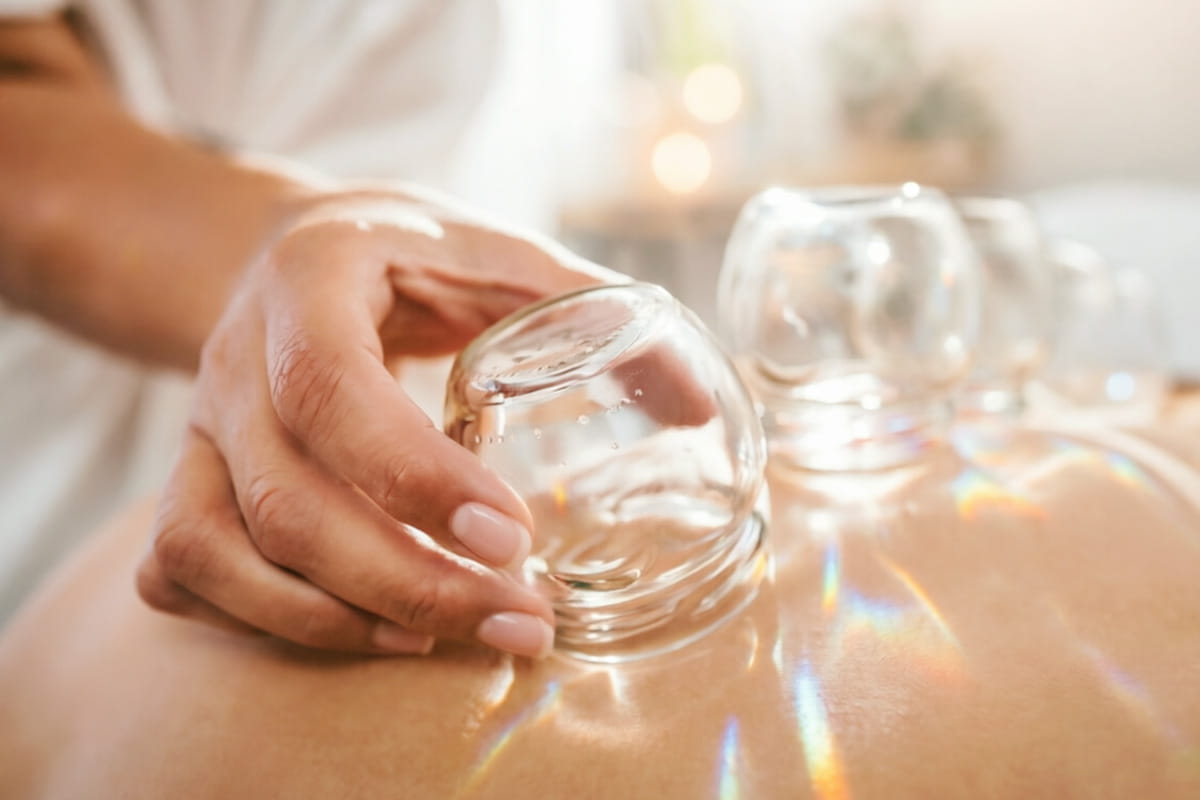
Cupping Therapy (Ba Guan)

Are you curious about the peculiar round, red marks that you might have seen on people’s backs sometimes? These marks likely stem from them having undergone cupping therapy, also called Ba Guan.
Some people and athletes, including Michael Phelps, swear by it. At the 2016 Rio Olympics, Phelps spurred much interest with the cupping marks on his back. As he shared with USA Today, cupping has “been the secret that I have had through this year that keeps me healthy,” and that “it’s been better than any money I’ve spent on anything else.”
What is Cupping Therapy?
Cupping therapy is a traditional Chinese medicine (TCM) treatment that involves placing cups on the skin to create suction through negative vacuum.
Dry Cupping (Fire Cupping)
At PULSE, we primarily conduct dry cupping where cups are placed on the skin and suction is created by applying flame to the glass cup.

Cupping therapy is a traditional Chinese medicine (TCM) treatment that involves placing cups on the skin to create suction through negative vacuum.
Another variation is wet cupping where small incisions are made on the skin using a lancet needle. The cups are then applied to draw out the small amount of blood. This may be recommended occasionally for certain conditions.
NOTE: Only select PULSE physicians practise wet cupping. Please indicate in the booking form if you are seeking this treatment particularly.
Benefits of Cupping
Common Conditions Where Cupping Can Help
Musculoskeletal pains
(e.g. shoulder, back,
hamstring pain)
Sports injuries
Sore or tense
muscles
Arthritis
Respiratory
conditions
Slimming
More details on our weight management page
Digestive issues
Detoxification &
cleansing
Shingles
Cupping is especially beneficial for bodily pains, such as shoulder pain, upper or lower back pain. Patients often report tremendous relief from their pain after cupping. Cupping is also performed on tense muscles, after which patients usually report feeling much relieved and relaxed on the treated body parts.
Cupping for Weight Loss
Cupping is commonly used for weight loss purposes. Particularly, cupping can promote slimming by:
- Helping to disintegrate fat lipids
- Reducing dampness, one of the contributing factors to weight gain.
- Improving Qi and blood circulation.
- Reducing fluid retention and bloating.
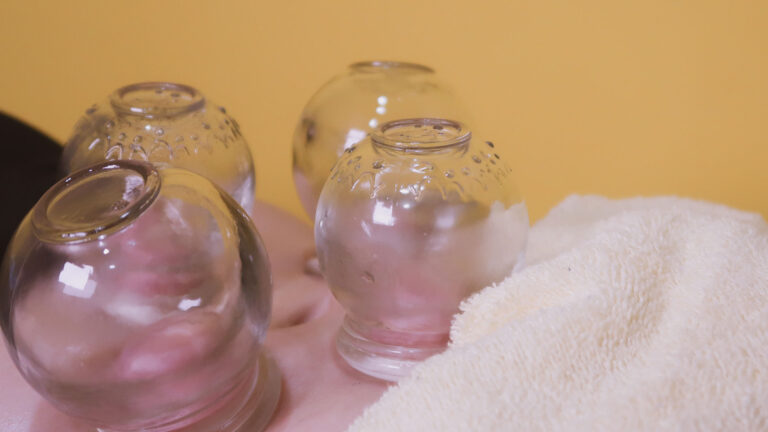
How Cupping Works

According to TCM, the human body is interconnected via a network of pathways called meridians through which blood and life energy (Qi) flow.
When there are blockages or stagnation in any areas, the Qi and blood are unable to flow normally. This results in an accumulation of harmful elements affecting the organs and body functioning. This leads to illness, pain and other symptoms.
In cupping therapy, a strong suction is created from the negative pressure in the cup. By deploying this suction on the meridians and collaterals, cupping is believed to:
Draw out impurities (toxins) from inside the body through the skin
Improve Qi and blood circulation to target areas
Reduce swelling and pain
Strengthen the immune system
Reduce fatigue
Remove ‘dampness’
Cupping Marks
The red marks that can result from cupping therapy are a common and expected side effect. They are caused by the rupture of tiny blood vessels just beneath the skin’s surface into the surrounding tissues.
These marks are not usually painful nor indicative of injury. On the other hand, they are often seen as a sign that the therapy is effectively releasing tension and promoting circulation.
The marks typically disappear within 1-2 weeks.

Meaning of Cupping Marks
The specific shade of cupping marks can provide insights into a person’s health and signify any underlying issues. Your physician might use this information in conjunction with other factors to inform your diagnosis and treatment.

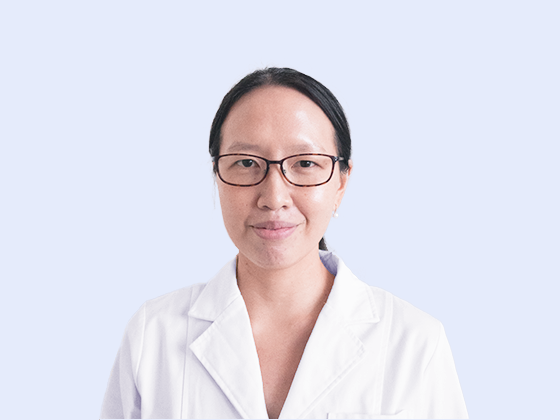
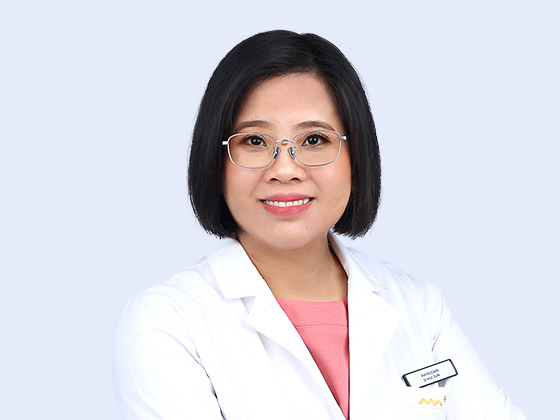
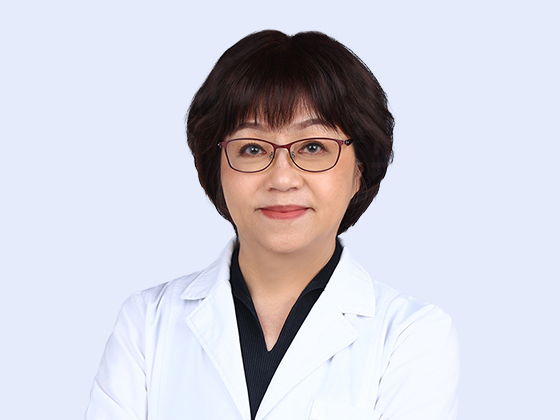
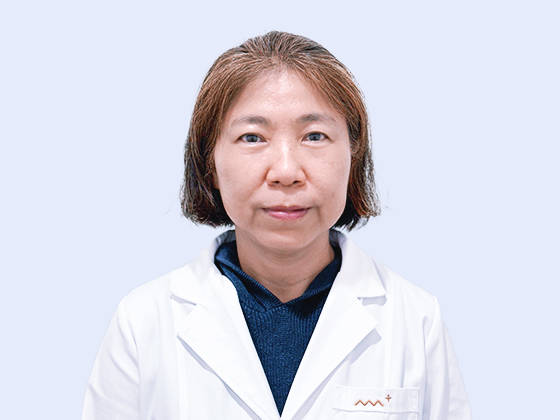
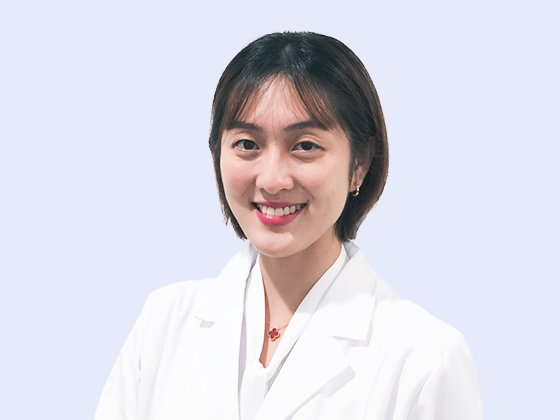
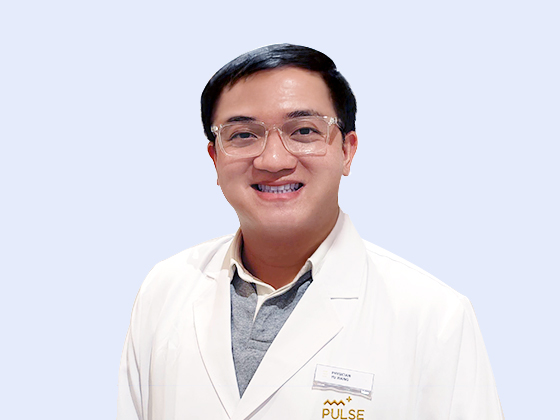
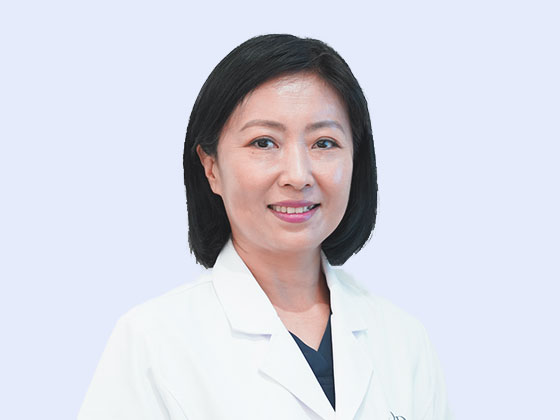
Engage our TCM Cupping Therapy Specialist

Testimonials & Patient Success Stories
PULSE TCM Cupping Therapy
Registered Bilingual Physicians
All our TCM Physicians are MOH-registered and bilingual in English and Chinese
Modern, Sanitary Clinics
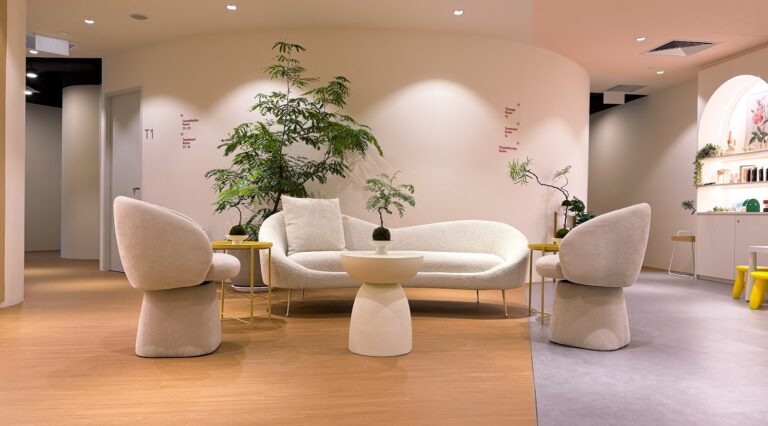
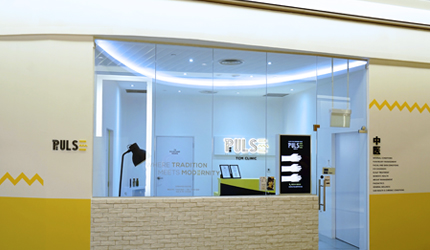
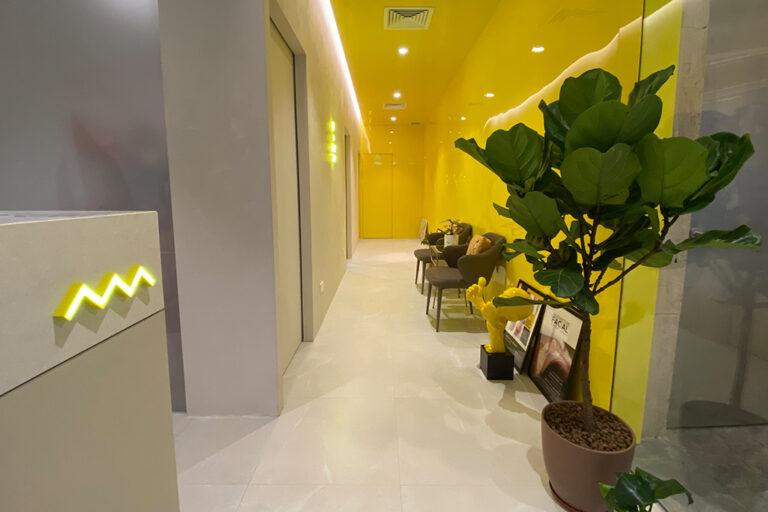
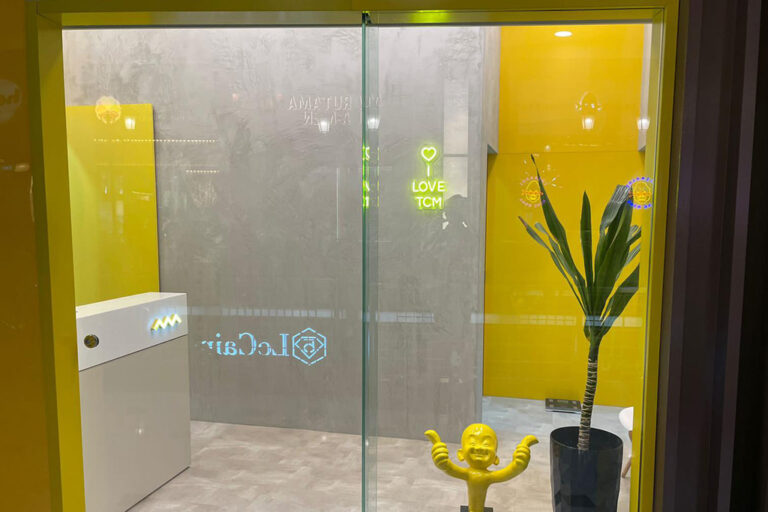
Enjoy your treatment in modern, comfortable clinic rooms with standard hygiene procedures in place
Personalised Treatment
Our physicians will diagnose your body condition and tailor treatment according to your unique needs
Cupping Therapy Price: From $40*
Indicated price is for cupping per area. Not inclusive of GST and a TCM consultation (from $40).
Frequently Asked Questions (FAQ)
Cupping generally is not painful. Some patients have described it as a suction force when the cups were placed on them, some said it has a massage-like effect, while others said they felt nothing. Certain cupping techniques; such as ‘slide cupping’; might lead to transient pain and discomfort. However, your physician might still recommend using them when judged to be beneficial. With slide cupping, for example, patients often report that despite the initial pain, they feel great relief from tense muscles after the process.
This varies person-to-person. For some patients, their cupping marks may disappear within a week. For others, it may take around two weeks.
To maximise the benefits from your treatment:
- Ensure that all of your cupping marks are gone before going for another session of cupping therapy.
- Wait at least two hours after your cupping session before showering.
- Do not consume cold drinks right after the treatment.
Yes, you are not recommended to undergo cupping if you have any of these conditions:
- Open wounds or active infections in the areas where cupping would be performed
- Pregnancy
- Bleeding disorders
- Taking anticoagulant (blood thinning) medications
During the initial consultation, please inform your physician of any medical condition you have or any medications that you are taking.
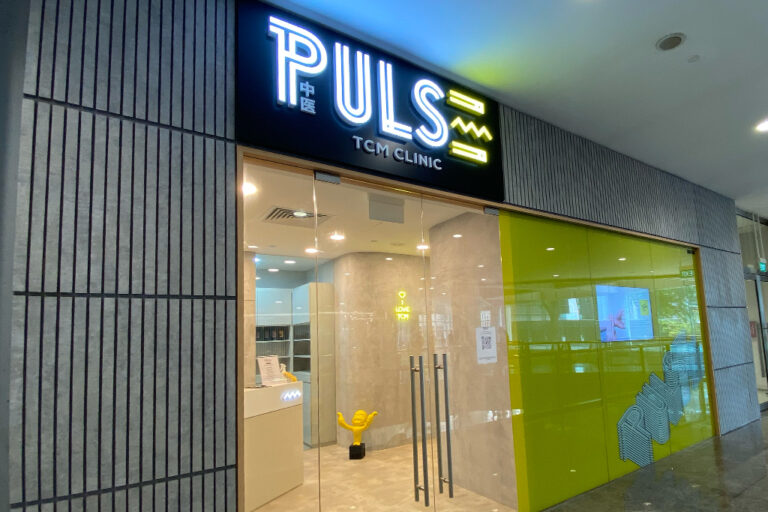
Ready to feel supported on your journey? Let's Talk .
Clarity, personalised support, and hope are just a consultation away. Secure your session today to gain expert guidance and start your path toward optimal health. Prefer to chat? Connect with a specialist on WhatsApp.
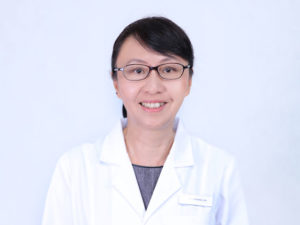
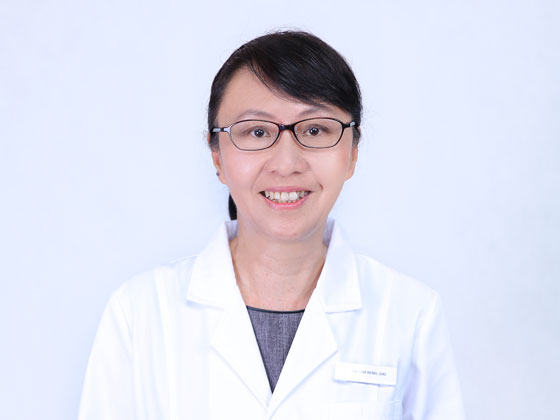
Dr Sim Beng Joo is a fully MOH-licensed Traditional Chinese Medicine Practitioner, registered with the Singapore TCMPB.
Note: The information shared is based on clinical experience and TCM principles. This is for educational sharing and should not replace a personalized consultation. Always speak to your healthcare provider before starting new treatments.