

In brief
The Weight Management programme at PULSE TCM is physician-led care for patterns that slow metabolism, disrupt digestion, or hold stubborn weight, such as dampness, qi stagnation, or Spleen and Kidney deficiency. Plans may combine acupuncture, cupping, herbs, and food guidance after consultation, with optional Allied Health nutrition support when you want structured meal planning.
- MOH-registered
- Pattern-based plans
- 15 clinics
The programme
Care that starts with the root pattern
Frustrated when calories and workouts do not shift the scale? This pathway looks at internal imbalances first, then builds a personalised TCM plan after consultation.
In TCM, healthy weight sits with smooth qi and blood flow and steady organ function. Stress, inactivity, or a diet that overloads the Spleen can tip the body toward dampness, stagnation, or deficiency, which people often feel as heaviness, bloating, cravings, or weight that settles in one area. Your physician names the pattern in plain language, then chooses modalities that move stagnation, clear dampness, or tonify where energy is low. At PULSE, MOH-registered physicians can also coordinate with PULSE Allied Health when nutrition support belongs beside the clinic plan.
How care unfolds
Body patterns
Constitutions often linked to weight gain
Three common patterns - dampness, qi stagnation, and Spleen & Kidney deficiency. Your assessment may name others.

Blocked or disrupted vital energy, often tied to stress and mood swings.
Stagnation of qi
Book this pathway
Organs with key roles in digestion and metabolic fire when they run low.
Spleen & Kidney deficiency
Book this pathway* Weight-management care is adjunctive under physician guidance. Seek medical assessment for unexplained weight loss, eating disorders, or endocrine red flags.
Approach to healing
Therapies used in weight management plans
Your physician recommends a combination based on your assessment. Not every visit uses every modality.
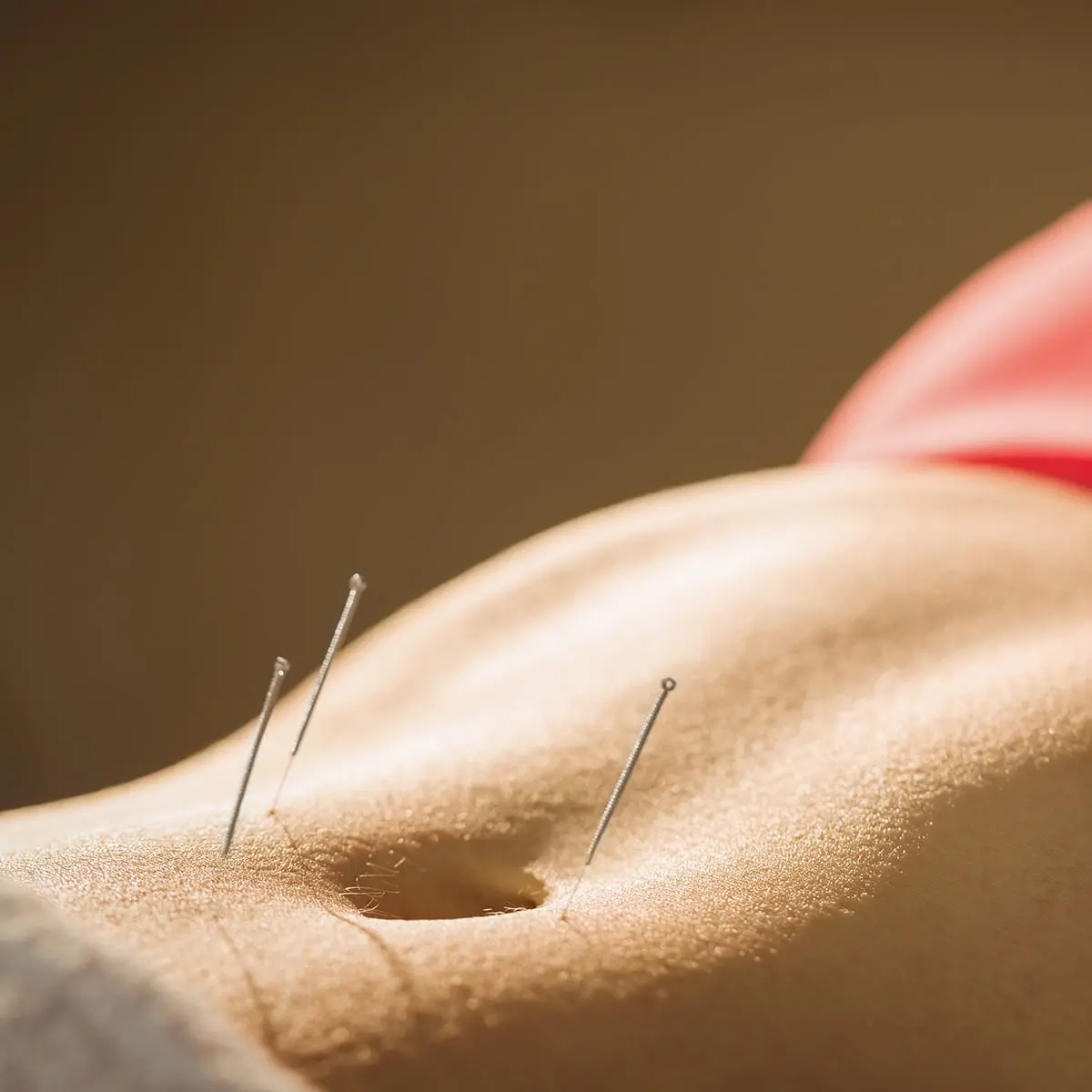
Acupuncture
Fine sterile needles at selected points after consultation, used to support circulation, digestion comfort, stress regulation, and appetite cues when they fit your pattern.
Acupuncture treatment
Therapeutic cupping (ba guan)
Cups create gentle suction to support circulation and ease dampness or fluid heaviness when that fits your pattern. Not used on every visit.
Cupping treatment
Dietary therapy (食疗)
Physician-guided food-as-medicine notes after consultation, matching food nature to your pattern. Distinct from Medical Nutrition Therapy with a dietitian.
Dietary therapy
Nutrition support (Allied Health)
Optional meal-planning and nutritional assessment with PULSE Allied Health when you want structured eating habits beside TCM care. Enquire when booking; fees sit with Allied Health, not the TCM schedule.
Medical Nutrition TherapyAcupuncture is a common foundation. Cupping may ease dampness and stagnation. Herbal medication and dietary guidance join when indicated. Allied Health nutrition is optional when you want structured meal planning beside the TCM plan.
Your care journey
A journey from pattern to pace
We read the pattern behind stubborn weight, then build a plan you can sustain between sessions.
-
Initial consultation
History, dietary patterns, lifestyle, and pulse/tongue diagnosis to name imbalances such as dampness or Spleen deficiency in plain language.
-
Pattern-led TCM plan
Acupuncture, cupping, moxibustion, or herbs matched to your constitution and goals. Areas treated may include the abdomen, limbs, or back.
-
Review and optional nutrition
Follow-up tracks digestion, energy, and measurements your physician agrees with you. Allied Health nutrition can join when structured meal support will help you maintain progress.
Why patients choose PULSE
-
MOH-registered, bilingual physicians
TCMPB-registered under MOH. English and Mandarin care across the network.
-
Pattern-led plans, not calorie menus
Pulse and tongue reading shape modality choice and pacing for your constitution.
-
Digestion and metabolism in one plan
Care addresses bloating, cravings, and sluggish energy as part of the same pattern.
-
East meets West when needed
Optional PULSE Allied Health nutrition beside TCM; Heartland Rehab when recovery needs both.
Physicians
TCM physicians for weight management
TCMPB-registered under MOH. Several physicians work with digestion, metabolic patterns, and general internal medicine relevant to weight care.
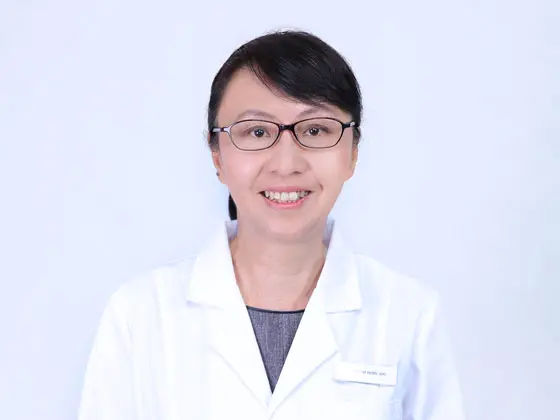
Dr Sim Beng Joo
Advisor / Consultant Physician
Gastrointestinal Syndromes · Pain Management · Sleep / Fatigue
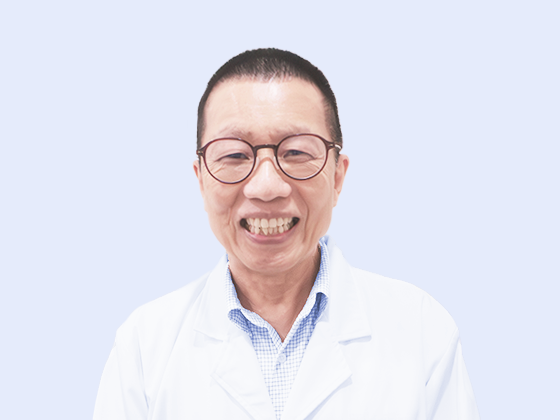
Dr Kevin Tang
Consultant Physician
TCM Oncology · Pain Management · Gynecology
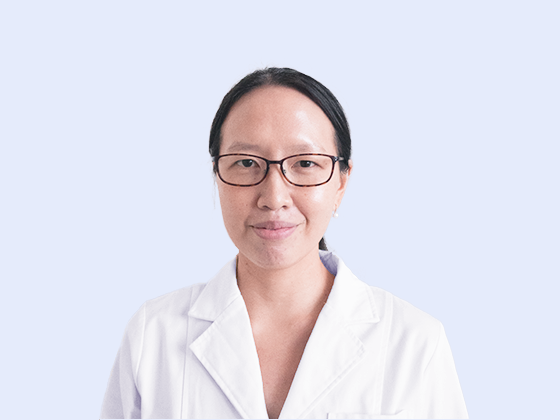
Physician Fang Ying
TCM Physician
Pain Management · Sports Injuries · Gynaecology

Physician Yumi Yen
TCM Physician
Pain & Injury · Dry eye · Internal Medicine
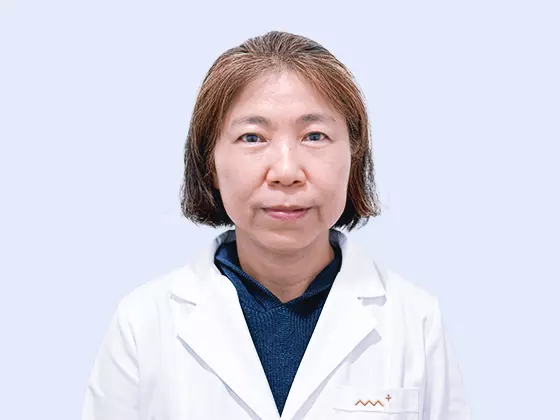
Physician Patricia Wang
TCM Physician
Eye Conditions · Internal Medicine · Pain Management

Physician Tanny Kong
TCM Physician
Gastrointestinal · Internal Medicine · Pain Management

Physician Ng Yu Xiang
TCM Physician
Internal Medicine · Pain & Injury · Aesthetic Care

Physician Judy Zhu
TCM Physician
Facial Beauty Acupuncture · Facial Nerve · Cosmetology
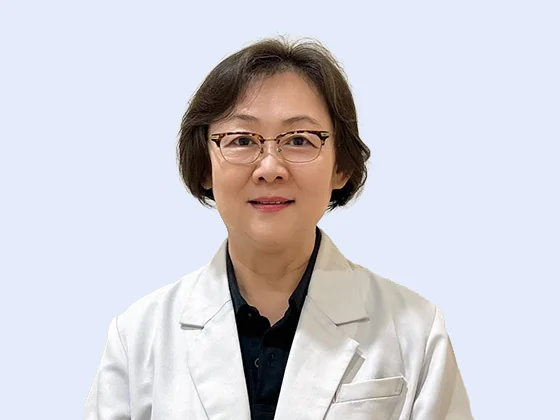
Physician Chen Hui Fang
TCM Physician
Women’s Health · Pain Management · Weight Management & Wellness
From the clinic
-
Suboptimal health often shows up as fatigue, digestion trouble, and weight that will not shift. Naming the pattern early lets us build a plan before those signals harden into something harder to change.
-
Metabolic patterns sit beside lifestyle and underlying conditions. I look past the scale alone so care addresses what is driving the weight change for that person.
Patient stories
Patient stories from weight management care

Limited-time offer
Promotion
TCM Fertility Management Trial
TCM fertility treatment with physician consultation and fertility acupuncture. A personalised, physician-led approach to fertility care in Singapore.
$88 U.P. $200
Promo period: Ongoing
Fertility trial details
Locations
Find a weight management clinic near you
Private treatment rooms islandwide, near MRT, with bilingual teams and consistent hygiene standards.
- 15 clinics islandwide Including ION Orchard, Great World, Paragon, Woodleigh, Millenia Walk, Raffles Place, and neighbourhood locations across Singapore.
- Comfort and privacy Calm rooms built for confidential consultations on metabolism, digestion, and body composition goals.
FAQs
Weight management questions, answered
Patterns vs calorie counting, nutritionist options, session timing, safety, and booking.
How does TCM approach weight management?
Rather than calorie counting alone, physicians assess patterns such as dampness, qi stagnation, or Spleen and Kidney deficiency. Care may use acupuncture, cupping, herbs, and food guidance to support metabolism, digestion, and appetite cues. Results vary; your physician sets expectations at consultation.
Can I see just a TCM physician or just a nutritionist?
Yes. This programme is TCM-led. You can book a physician alone. If you want structured meal planning, ask for PULSE Allied Health nutrition support when you book. Many people use both; neither replaces the other.
Is Dietary Therapy the same as seeing a dietitian?
No. Dietary therapy (食疗) is physician-guided food-as-medicine after a TCM consult. Medical Nutrition Therapy with a dietitian is Allied Health care. Your physician may share pattern-matched food tips; when medical nutrition support is needed, book our Medical Nutrition Therapy programme.
How many TCM sessions will I need?
It depends on your constitution and goals. A common course is weekly visits over about 8 to 12 weeks, then review. Your physician will outline a plan after assessment.
Does acupuncture help with appetite or metabolism?
Acupuncture may support circulation, digestion comfort, stress regulation, and appetite cues when they fit your pattern. It is not a guaranteed weight-loss device. Suitability and pacing are decided after consultation.
Which areas of the body are treated?
Treatments are customised. Needles or cupping may be applied to the abdomen, limbs, or back to target meridian points relevant to your assessment.
How do I prepare for my TCM session?
Wear loose, comfortable clothing. Have a light meal about an hour before and stay hydrated. Bring a list of medications or supplements and any goals you want to discuss.
Are the treatments safe?
Care is delivered by MOH-registered TCM physicians using sterile single-use Seirin needles where acupuncture is indicated. Tell us about pregnancy, anticoagulants, alcohol allergy (for skin prep), eating disorders, or unexplained weight loss so the plan can be adjusted or referred appropriately.
How can I book for the programme?
Use the online booking form, WhatsApp, or phone. Select Weight Management as the service interest and Slimming as the concern when prompted. Mention Allied Health nutrition in the note if you want that adjunct at the same time.
References
Sources & page citations
- National Center for Complementary and Integrative Health. Traditional Chinese medicine: What you need to know. 2019. nccih.nih.gov
- Zhao X, Tan X, Shi H, Xia D. Nutrition and traditional Chinese medicine (TCM): a system's theoretical perspective. European Journal of Clinical Nutrition. 2021;75(2):267–273. PubMed PMID 32884122. pubmed.ncbi.nlm.nih.gov/32884122
- Wu Q, Liang X. Food therapy and medical diet therapy of Traditional Chinese Medicine. Clinical Nutrition Experimental. 2018;18:1–5. doi:10.1016/j.yclnex.2018.01.001
- Traditional Chinese Medicine Practitioners Board. Registration & practice standards for TCM physicians. Ministry of Health, Singapore. healthprofessionals.gov.sg/tcmpb
- Ministry of Health Singapore. TCM practitioners (Healthcare Professional Portal). hpp.moh.gov.sg/tcm-practitioners
Clinically reviewed
Reviewed by Dr Sim Beng Joo
Advisor (Science & Strategy) / Consultant Physician · TCMPB T1303003A
MOH-licensed TCM physician and biomedical scientist, with clinical work spanning digestion, pain, sleep or fatigue, and gynaecological disorders and women's health.
View full profileEducational information based on clinical experience and TCM principles. Not a substitute for personalised consultation. Speak with your healthcare provider before starting new treatments. TCM complements (and does not replace) urgent or specialist Western medical care, including assessment for endocrine, eating-disorder, or unexplained weight-change concerns.

Book
Begin your weight management consultation
Tell us what feels stuck, metabolism, digestion, cravings, or bloating. We will match you with the right physician and clinic.