
You’ve likely heard relatives or friends describe certain foods or body conditions as “heaty” or “cooling.” But what do these terms actually mean? How do they affect your daily health, and are there specific foods you should eat to reverse imbalances?
In Traditional Chinese Medicine (TCM), understanding your body’s constitution is the first step toward holistic wellness. Here is everything you need to know about the concepts of ‘heaty’ and ‘cooling’.
What Do 'Heaty' and 'Cooling' Mean in TCM?
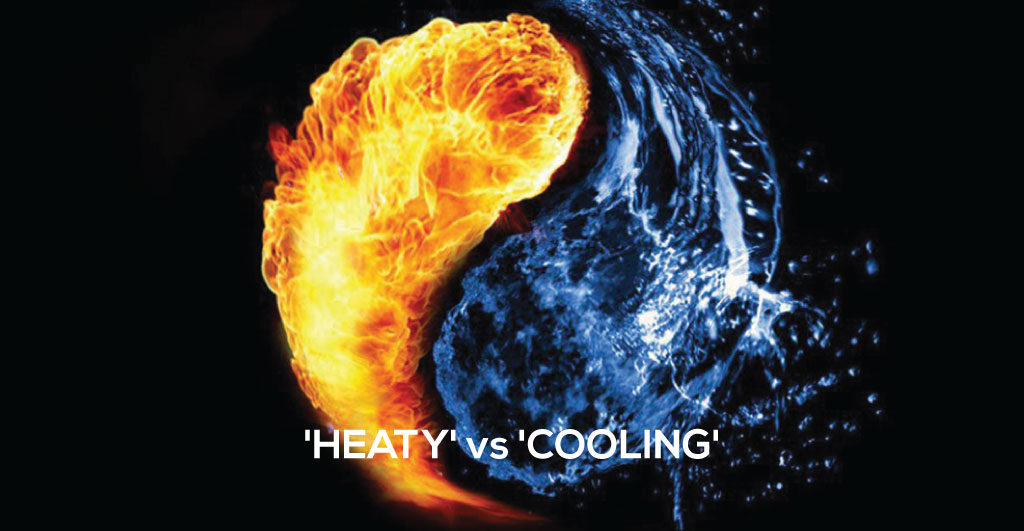
Originating from traditional Chinese medicine theory, everything in nature relies on a delicate balance of Yin (cooling, dark, passive energy) and Yang (heaty, bright, active energy).
- ‘Heaty’ in TCM (阳盛则热): This suggests an excess of Yang energy in the body. When Yang overpowers Yin, the body “overheats,” leading to inflammation, dryness, and agitation.
- ‘Cooling’ in TCM (阴盛则寒): This points to an excess of Yin energy or a deficiency in Yang. When Yin dominates, the body’s metabolic functions slow down, leading to feelings of coldness, fatigue, and sluggishness.
What Causes 'Heatiness' and 'Coldness'?
Your body’s constitution isn’t just random; it is influenced by two main factors:
- External Factors: The climate and your diet play a massive role. For instance, spending hours in a highly air-conditioned room can trigger ‘cooling’ symptoms. Conversely, overindulging in fried, spicy, or heavily processed foods can introduce excess ‘heat’ into your system.
- Internal Factors: We are all born with a unique innate constitution. Some individuals naturally lean towards a ‘cooling’ constitution, meaning they can eat spicy snacks frequently without developing heaty symptoms like sore throats or breakouts.
Are You 'Heaty' or 'Cooling'? Common Symptoms
Identifying your body’s state is crucial for choosing the right dietary and lifestyle remedies.
Signs of a 'Heaty' Body
(Excess Yang)
- Sore throat or mouth ulcers
- Flushed face and feeling physically hot
- Acne outbreaks
- Constipation or dark yellow urine
- Irritability, restlessness, or insomnia
- Persistent thirst for cold drinks
Signs of a 'Cooling' Body
(Excess Yin)
- Cold hands and feet
- Aversion to cold environments
- Fatigue and lethargy
- Pale complexion
- Loose stools or poor digestion
- Preference for warm drinks and hot foods
The TCM Diet: Characterisation of 'Heaty' and 'Cooling' Foods
A common misconception is that food characterisation is based on physical temperature. In reality, TCM food properties refer to the effect the food has on your body after consumption.
For example, green bean soup is often served hot, but it possesses ‘cooling’ properties that clear excess heat from the body.
Top 'Heaty' (Warming) Foods:
- Red meat (mutton, beef)
- Spices (ginger, garlic, chili)
- Tropical fruits (durian, mango, lychee)
- Fried or deep-fried foods
Top 'Cooling' (Yin-Nourishing) Foods:
- Leafy greens and cucumbers
- Green tea and chrysanthemum tea
- Fruits like watermelon, mangosteen, and pears
- Tofu and barley
The Rule of Balance: When you are ‘heaty’, consuming ‘cooling’ foods counteracts the heat, returning your Yin and Yang to equilibrium. If you have a ‘cooling’ body, adding ‘heaty’ or warming foods dispels the cold and improves circulation. Balance is often found in pairing foods—such as eating the ‘cooling’ mangosteen alongside the highly ‘heaty’ durian.
When Should You See a TCM Physician?
Because modern lifestyles are complex, it is very common to experience a mix of both heaty and cooling symptoms at the same time (e.g., feeling fatigued but also suffering from acne).
If you are unsure of your body constitution, it is best to consult a licensed TCM physician. Through pulse reading and tongue analysis, a physician can accurately diagnose your state and prescribe specific herbal medications or acupuncture to restore your body to its balanced state.