
Do you wake up feeling a sharp, stabbing pain at the bottom of your feet or heels when taking your first steps in the morning? Does the pain feel like pins and needles after sitting for long periods?
If these symptoms sound familiar, you may be experiencing Plantar Fasciitis—a painful inflammation of the connective tissue band stretching from the bottom of your foot to your toes. Fortunately, Traditional Chinese Medicine (TCM) offers effective, natural solutions to relieve this pain.

Common Causes of Heel Pain and Plantar Fasciitis
Heel pain can be caused by arthritis, heel spurs, or plantar fasciitis. Everyday habits that trigger or worsen heel pain include:
- Improper Footwear: Wearing high heels, unsupportive flats, or flip-flops for prolonged periods.
- Prolonged Standing: Walking or standing for long hours, which stresses the foot arch.
- High-Impact Sports: Activities like jumping or distance running that tighten the calf muscles and Achilles tendon.
- Foot Arch Issues: Having flat feet (fallen arches) or unusually high arches.

The "Bone Spur" Misconception
Many people mistakenly believe that a heel bone spur (骨刺) is the root cause of heel pain. This is a common misconception. You can have a bone spur without experiencing any heel pain, and conversely, you can suffer from severe plantar fasciitis without having a bone spur. The actual cause of the pain is usually repetitive impact and inflammation of the fascia, not the bone growth itself.
Why Does the Heel Bear the Most Pain?

To understand heel pain, we must look at the 4 Gait Phases of Walking:
- Heel Strike
- Foot-Flat
- Mid-Stance
- Push-Off (Heel rise & Toe off)
During the “push-off” phase, your foot acts as a lever to propel your body forward. As your toes extend, the plantar fascia tightens to elevate your foot’s arch. Because the bottom of your heel has a relatively small surface area, it absorbs the highest amount of force. An average person takes 3,000 to 10,000 steps daily. Over time, this chronic, repetitive impact leads to inflammation and heel pain.

How TCM Treats Heel Pain & Plantar Fasciitis
At PULSE TCM, we treat the root cause of your pain rather than just managing the symptoms. Depending on the physician’s diagnosis of your body constitution, a personalized combination of the following TCM treatments may be prescribed:
- Acupuncture: Helps to stimulate blood flow, reduce inflammation, and release tension in the tight muscles surrounding the foot and calf.
- Tuina Massage: A therapeutic Chinese massage that targets specific acupoints and meridians to break down blockages and improve mobility.
- Moxibustion: Uses the heat from burning mugwort to warm the meridians, promoting circulation and fast-tracking tissue healing.
- Chinese Herbal Medicine: Custom prescriptions formulated to nourish liver and kidney yin, strengthening your tendons and bones.
DIY TCM Tips: Acupressure and Stretches for Heel Pain Relief
While professional TCM treatment is highly recommended, here are a few home remedies to alleviate heel discomfort:
Acupoint Massage: Da Ling (PC 7 / 大陵穴)

- Location: In the middle of the inner wrist crease, between the two distinct tendons.
- How to do it: Massage the Da Ling point on the wrist opposite to your hurting heel (e.g., if your left heel hurts, massage your right wrist). Press with your fingertip until you feel a dull soreness, make small circular motions, and gently stamp your painful foot on the ground. You should gradually notice the heel pain decreasing.
Plantar Fascia Towel Stretch

- Sit upright and place a folded towel under the arch of the affected foot.
- Hold both ends of the towel and gently pull the top of your foot toward your body.
- Hold for 10 seconds, release, and rest for 5 seconds. Repeat 5 to 10 times per foot.
Foot Roller Massage
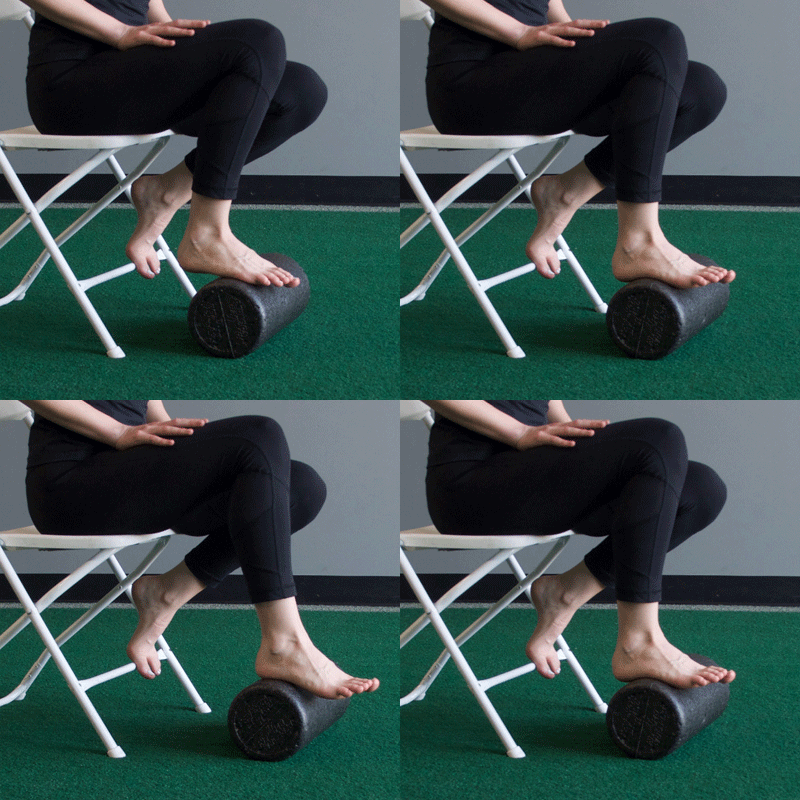
- While seated, place a foam roller or a cold water bottle under your foot.
- Roll your foot back and forth over it for one minute. Swap feet and repeat.
Wall Calf Stretch

- Stand an arm’s length away from a wall with your hands flat against it at chest level.
- Place one foot slightly behind the other. Keep the back leg straight and bend the front knee.
- Keep both heels flat on the ground and lean forward to feel the stretch in your calf.
- Hold for 15–30 seconds. Repeat 3 times per leg.
Don't Let Heel Pain Stop You in Your Tracks
Chronic pain can severely impact your quality of life. If home stretches aren’t resolving your plantar fasciitis, it’s time to seek professional help.