
Ever wonder why you might feel sluggish after certain meals, run cold while others sweat, or experience unexplained breakouts? In Traditional Chinese Medicine (TCM), the answer doesn’t just lie in your lifestyle, it’s rooted in your unique Body Constitution.
Think of it as your body’s internal blueprint. Knowing whether your system runs ‘hot,’ ‘cold,’ or ‘damp‘ is the ultimate key to unlocking personalized health, steady energy, and a stronger immune system. Ready to decode your symptoms and discover which of the 9 TCM body types you are? Explore the guide below.
Discover Your TCM Body Constitution: The Ultimate Guide to Personalized Health
Traditional Chinese Medicine (TCM) has a rich history spanning over two millennia. While its profound healing benefits once primarily served ancient Chinese populations, today, the allure of holistic health reaches a global audience.
Thanks to the internet, natural healing knowledge is more accessible than ever. However, TCM’s abstract principles and specialized medical terminology can still feel overwhelming. This article demystifies one of the most foundational concepts of this ancient practice: your Body Constitution.
The Core Philosophy: Healing isn’t just about treating symptoms; it’s about treating the individual.
What is a TCM Body Constitution?
In TCM, your body constitution is your unique physiological blueprint. It dictates your overall health, how your body reacts to its environment, and why you might be susceptible to certain illnesses while effortlessly fighting off others.
Because TCM views every person as entirely unique, understanding your specific constitution is the critical first step toward accurate diagnosis, effective treatment, and long-term disease prevention. Your constitution is shaped by two primary influences:
- Inborn Factors (Genetics): The inherited traits passed down from your parents. While these predispositions make you susceptible to certain conditions, they are deeply ingrained and difficult to change.
- Acquired Factors (Lifestyle): The variables you can control. These include your daily diet, environmental surroundings, emotional well-being, and overall lifestyle choices.
Because we cannot rewrite our genetics, TCM places heavy emphasis on optimizing our acquired factors. By making smart lifestyle adjustments, we can strengthen our constitution and actively avoid the triggers that harm our health.
TCM: The Original "Personalized Medicine"
Modern medicine heavily champions “personalized medicine”, using cutting-edge genetic testing to tailor treatments to a patient’s DNA for maximum effectiveness. Interestingly, TCM has been practicing its own form of personalized medicine for thousands of years.
In traditional practice, treatments are never one-size-fits-all. Even if two patients contract the exact same disease, a TCM practitioner will treat them differently based on their underlying body constitution.
To customize these treatments, practitioners use specialized diagnostic methods, including:
- Categorizing and analyzing specific symptom patterns.
- Observing the color and coating of the tongue.
- Feeling the pulse at the radial artery to gauge internal health.
3 General Classification – Neutral, Yang & Yin
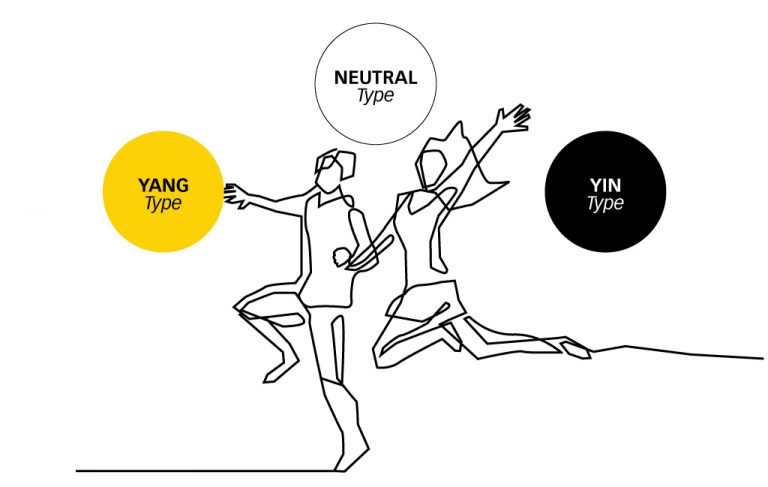
While modern TCM often expands into nine specific categories, body constitutions generally fall into three primary classifications: Neutral, Yang, and Yin.
The optimal body type is the neutral type which is deemed as the ideal body constitution of a healthy person with a strong immune system. Both the yin and yang body constitution types are in a state of imbalance.
Neutral
Internal organs function optimally, and the body maintains a perfect equilibrium between Yin and Yang.
A robust immune system and a high natural resistance to illness.
Yang
Prone to sweating easily, feeling thirsty, hyperactive, and highly sensitive to hot weather. Easily irritable or restless.
Susceptibility to “heat-based” ailments like fevers, headaches, insomnia, and abscesses.
Yin
Prone to fatigue, low energy levels (inactive), and highly sensitive to cold weather.
Susceptibility to “cold-based” or stagnant ailments like chills, water retention, and phlegmy coughs.
9 Body Constitution Types
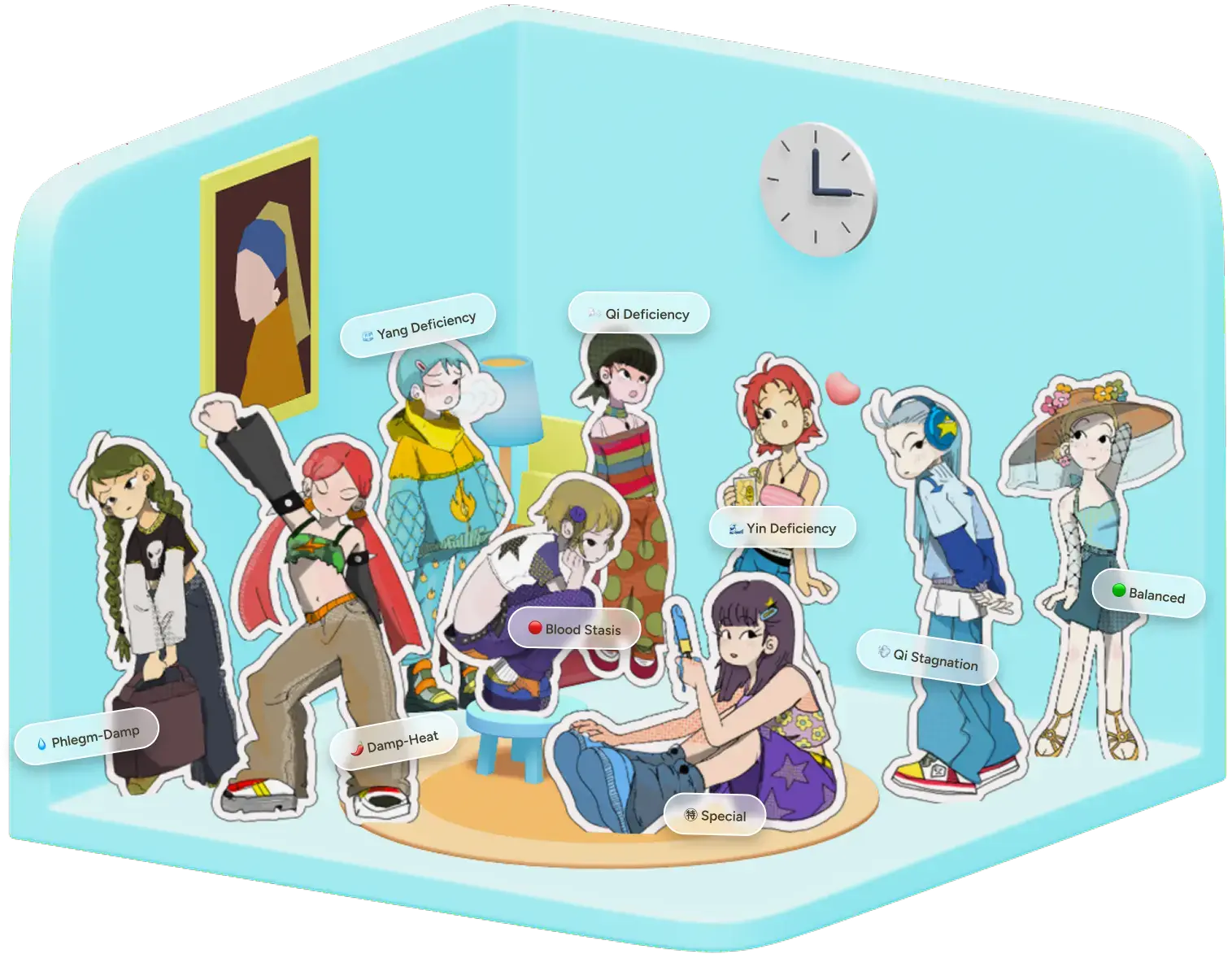
Neutral (平和质)
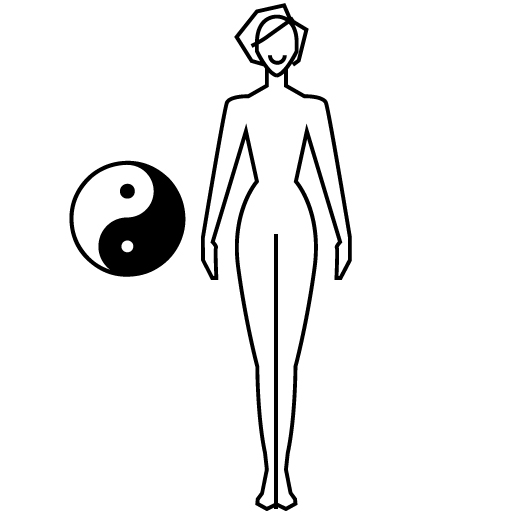
This is the ideal, balanced state of health. People with a neutral constitution have good energy, a healthy complexion, normal sleep, a good appetite, and strong immunity.
- Dietary Focus: Eat a balanced diet; avoid extremely hot or cold foods.
- Lifestyle Tip: Maintain a regular routine and moderate daily exercise.
Qi Deficiency (气虚质)
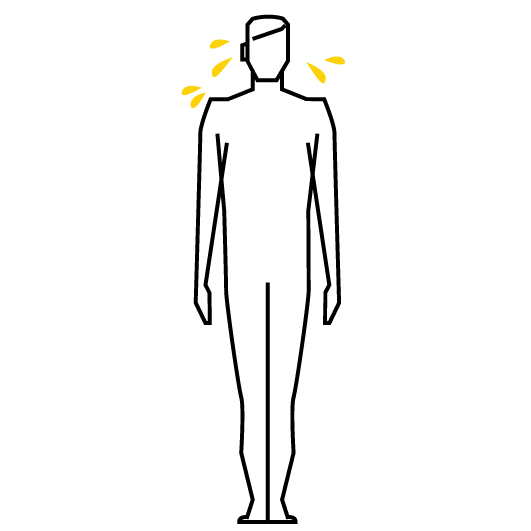
Characterized by a lack of energy, easily getting fatigued, shortness of breath, a pale complexion, and a tendency to catch colds easily.
- Dietary Focus: Eat warm, easily digestible foods like oats, chicken, and yams.
- Lifestyle Tip: Do gentle exercises (walking, Tai Chi); avoid overexertion.
Yang Deficiency (阳虚质)

The body lacks the “fire” to keep warm. Symptoms include an aversion to cold, cold hands and feet, a pale complexion, and a preference for hot drinks.
- Dietary Focus: Eat warming foods (ginger, lamb, cinnamon); strictly avoid raw or icy foods.
- Lifestyle Tip: Keep the body warm; get regular sunlight on your back.
Yin Deficiency (阴虚质)
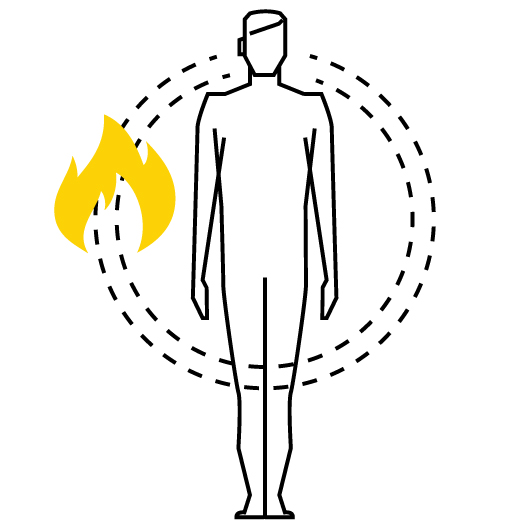
The body lacks cooling fluids, leading to internal heat. This manifests as a dry mouth and throat, feeling warm easily, prone to flushing, night sweats, and irritability.
- Dietary Focus: Eat cooling, moistening foods (pears, lily bulb); avoid spicy or fried foods.
- Lifestyle Tip: Sleep before 11 PM; avoid hot environments and intense workouts.
Phlegm & Dampness (痰湿质)
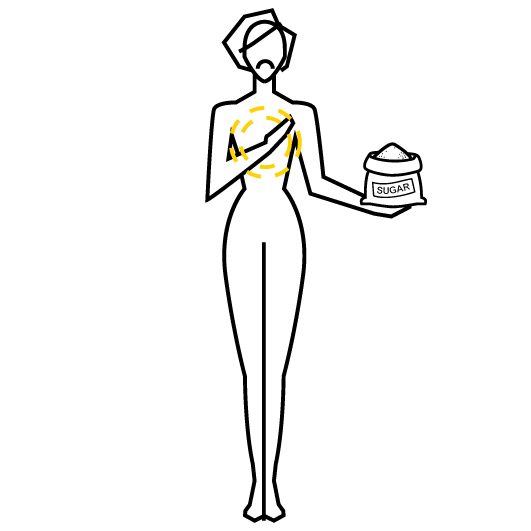
The body struggles with fluid metabolism, leading to a feeling of heaviness, sluggishness, oily skin, a sticky feeling in the mouth, and a tendency to gain weight easily.
- Dietary Focus: Eat light, fluid-draining foods (barley, radish); avoid sweets and greasy foods.
- Lifestyle Tip: Exercise vigorously to induce sweating; avoid damp environments.
Damp Heat (湿热质)
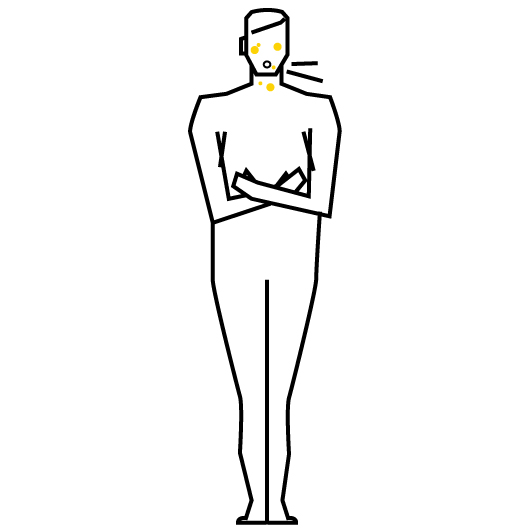
A combination of sluggish fluids and internal heat. This often leads to acne-prone skin, a bitter taste in the mouth, bad breath, irritability, and a feeling of heaviness combined with heat.
- Dietary Focus: Eat cooling, clearing foods (mung beans, celery); strictly avoid alcohol and spicy foods.
- Lifestyle Tip: Wear breathable fabrics and keep your environment cool and well-ventilated.
Blood Stasis (血瘀质)

Characterized by poor blood circulation. Signs include a dull or dark complexion, prone to dark circles under the eyes, easily bruising, dark spots on the skin, and sharp, localized pains.
- Dietary Focus: Eat blood-invigorating foods (hawthorn berries, black wood ear fungus, rose tea).
- Lifestyle Tip: Do regular cardio to pump blood; avoid sitting for prolonged periods.
Qi Stagnation (气郁质)

The body’s energy is stuck, heavily influenced by emotional stress. This type is prone to mood swings, anxiety, depression, frequent sighing, and feeling a “lump” in the throat.
- Dietary Focus: Consume Qi-moving foods and drinks (citrus, onions, jasmine tea).
- Lifestyle Tip: Prioritize stress relief, deep breathing, and spending time in nature.
Special Constitution (特禀质)

This is an inherited or highly sensitive constitution. People in this category are prone to allergies (like hay fever, asthma, or eczema) and are highly sensitive to seasonal or environmental changes.
- Dietary Focus: Eat a bland diet; strictly avoid personal allergens and “stimulating” foods like shellfish.
- Lifestyle Tip: Keep living spaces clean and dust-free; adapt quickly to seasonal temperature shifts.
What Is Your TCM Body Type? Take the Free Quiz
Decode your personal energy blueprint and find out exactly which of the nine TCM constitutions you belong to.
If you wish to know more about your body constitution and general health status, feel free to contact us and our TCM physicians will be glad to share more information with you!

Frequently Asked Questions (FAQ)
Yes. While your baseline constitution is heavily influenced by genetics (inborn factors), your dominant constitution can shift throughout your life. Aging, major life events (like pregnancy or severe illness), changing your diet, chronic stress, or moving to a different climate can all cause your body constitution to change over time.
Absolutely. While TCM categorizes body types into nine distinct groups for easier understanding, human bodies are complex. It is very common for an individual to exhibit a “complex constitution,” which is a mix of two or more types. For example, a person can be both Qi Deficient and have Damp-Heat simultaneously. A licensed TCM physician is trained to untangle these overlapping symptoms.
Because body constitutions are built over a lifetime of habits and genetics, rebalancing is a gradual process. Mild imbalances may see improvement within a few weeks of consistent acupuncture, herbal medicine, and lifestyle adjustments. However, deeply rooted or chronic imbalances may take several months of dedicated TCM treatment and dietary changes to achieve a “Neutral” state.
Different constitutions react differently to seasonal shifts. For example, individuals with a Yang Deficient (cold-prone) constitution often experience worsened symptoms during winter or rainy monsoon seasons, while those with a Damp-Heat constitution may struggle most during hot, humid summer months. Understanding your constitution helps you preemptively adjust your diet and lifestyle before the seasons change.
Yes. From a TCM perspective, men and women often lean toward different physiological balances, women’s health is closely tied to Blood, making them more prone to Blood Stasis or Blood Deficiency, while men’s health is often tied to Qi. Additionally, as we age, our natural Yin and Yang energies naturally deplete, which is why older adults frequently develop Qi Deficient or Yin Deficient constitutions.
While online quizzes can give you a generalized idea of your current imbalances, they cannot replace a clinical diagnosis. Many symptoms overlap across different constitutions (e.g., fatigue can be a symptom of Qi Deficiency, Damp-Heat, or Qi Stagnation). A TCM physician relies on tongue and pulse analysis, nuances that a quiz cannot measure, to provide a safe and accurate diagnosis.
Food therapy is a massive pillar of TCM. Once you know your constitution, your diet should ideally counterbalance your imbalances. For instance, someone with a “Yin Deficient” (excess internal heat/dryness) constitution should avoid spicy, fried foods and instead consume cooling, nourishing foods like cucumber, pear, and lily bulb. A targeted diet prevents acquired factors from worsening your condition.
Yes. In TCM, surface-level issues like stubborn weight or chronic adult acne are seen as manifestations of internal imbalances (often linked to Phlegm-Dampness or Damp-Heat). By treating the root body constitution rather than just the surface symptoms, TCM aims to naturally clear up the skin and improve metabolism as a byproduct of overall internal harmony.
References
河北省卫生健康委员会. (2026, January 20). 中医体质分类与判定有了国家标准 GB/T 46939-2025
[National standard for classification and determination of traditional Chinese medicine constitution published GB/T 46939-2025].
https://wsjkw.hebei.gov.cn/zwyw/416821.jhtml
国家中医药局. (2023, December 28). 中医体质分类与判定. 国家标准项目 – 全国标准信息公共服务平台.
https://std.samr.gov.cn/gb/search/gbDetailed?id=F963FFE38B4E7283E05397BE0A0AE4A7
National Center for Complementary and Integrative Health. (2019, April). Traditional Chinese medicine: What you need to know. NCCIH. https://www.nccih.nih.gov/health/traditional-chinese-medicine-what-you-need-to-know
Wang, Q., & Zhu, Y. (2009). Classification and determination of constitution in TCM (ZYYXH/T157–2009). World Journal of Integrated Traditional and Western Medicine, 4(4), 303–304.
https://scholar.google.com/scholar?q=Wang+Q+Zhu+Y+Classification+and+determination+of+constitution+in+TCM
王琦.(2009).9种基本中医体质类型的分类及其诊断表述依据.(eds.)中医药优秀论文选(上)(pp.226-236).北京中医药大学;
Wang, Q. (2005). Classification of 9 basic TCM constitution types and their diagnostic basis. Journal of Beijing University of Chinese Medicine, 4, 1-8.
https://scholar.google.com/scholar?q=Wang+Q+2005+Classification+of+9+basic+TCM+constitution+types+and+their+diagnostic+basis