Fibre, at its core, is profoundly unglamorous, it’s something associated with the constipated, with the elderly, and the chronically ill.
However, this humble nutrient goes far beyond its ability to help with constipation. There are many health benefits associated with a high-fibre diet, including a higher immunity, maintaining a healthy weight, better mental health, as well as a lower risk of diabetes, heart disease, and some types of cancer.
In Traditional Chinese Medicine (TCM), your gut is considered the “root of life.” While modern science emphasizes fibre for regularity and microbiome health, TCM views dietary fibre as a vital tool to balance the Spleen and Stomach, clear “Dampness,” and boost your overall vitality.
What is Fibre? A Bridge Between Two Philosophies
Nutritionally, dietary fibre is a complex plant carbohydrate. It doesn’t digest the same way as sugar or starch; instead, it passes relatively intact through your stomach and intestines.
From a TCM perspective, the Spleen is responsible for “Transformation and Transportation.” When we lack fibre, food lingers too long in the digestive tract, creating Stagnation and Internal Heat. Fibre acts as a natural “cleansing broom,” ensuring the smooth flow of Qi through the intestines.

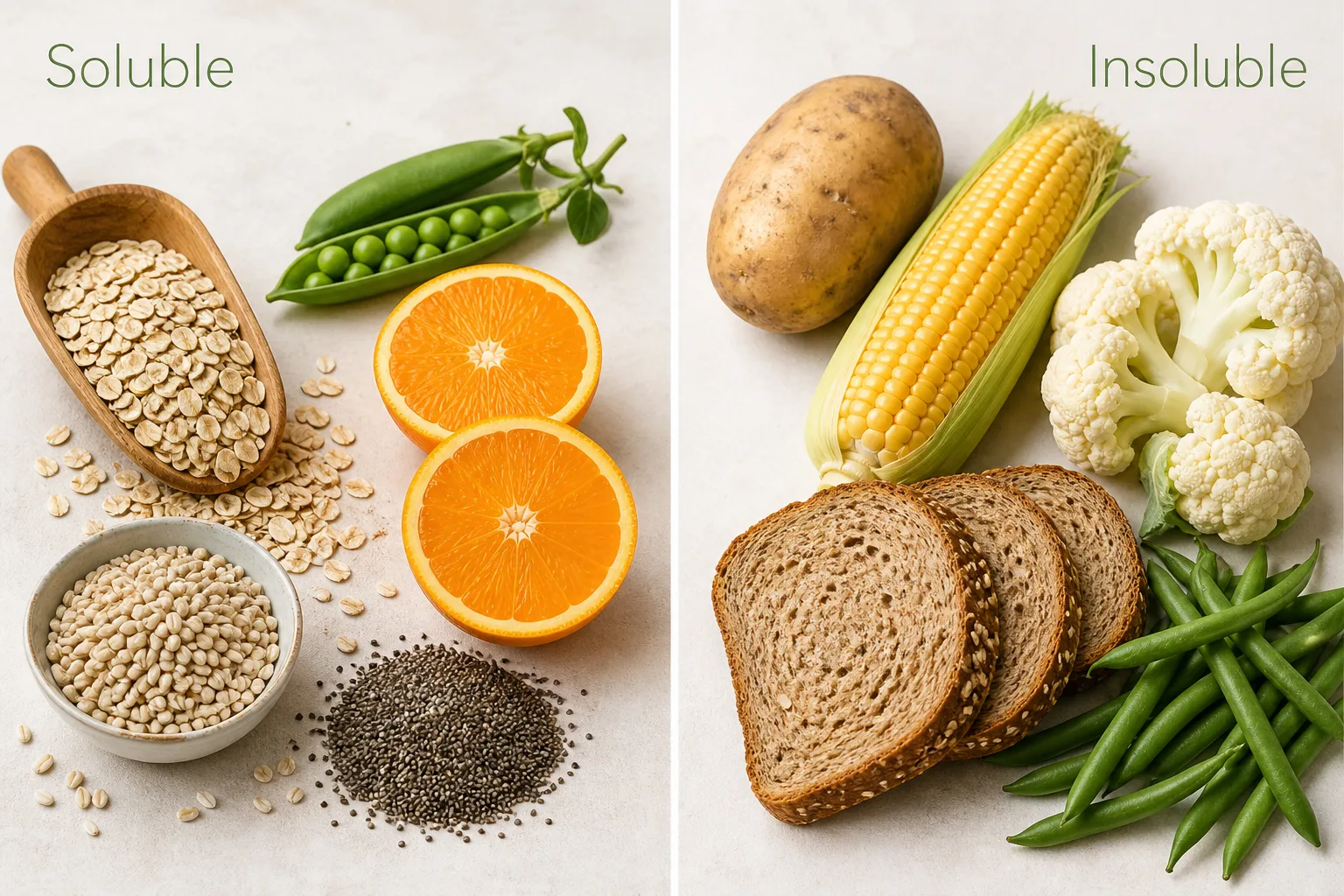
Dietary fibre is a complex plant carbohydrate that passes relatively intact through your stomach. But instead of being a passive passenger, it is highly active. There are two main types of fibre, which perfectly mirror the TCM concept of Yin and Yang:
- Soluble Fibre (The Yin): Dissolves in water to form a gel-like substance. Scientifically, this helps lower blood cholesterol and glucose levels. In TCM, it helps soothe the gut lining and acts to “moisten” the system.
- Insoluble Fibre (The Yang): Adds bulk and “moves” the stool. Scientifically, it promotes the movement of material through your digestive system. In TCM, it provides the kinetic energy needed to sweep out toxins and prevent Damp-Heat accumulation.

5 Key Health Benefits of a High-Fibre Diet
Regulating Bowels & Clearing Heat
In Singapore’s humid climate, many suffer from “Damp-Heat.” High-fibre foods with insoluble fibre adds bulk to your stool and absorbs fluid, moving waste efficiently. This helps expel toxins, preventing constipation and related skin issues like acne or eczema.
Fibre provides bulk for the intestines to grip, maintaining regularity. In TCM, this prevents Stomach Fire and Internal Heat, which often manifest as bloating or skin breakouts.
Strengthening the Immune System
Roughly 70% of the immune system is located in the gut. When fibre reaches the gut, it is fermented by the microbiome into short-chain fatty acids (SCFAs), which modulate immune cells. This modern finding perfectly aligns with TCM: by feeding healthy gut bacteria with prebiotic fibre, you strengthen your Wei Qi, the protective energetic layer that prevents you from catching external pathogens like colds and flu.
There are 3 main types of SCFAs, and are produced in different proportions depending on the individual’s variety of fibre intake and unique microbiome. However they all work together and have significant effects on:
- Modulating differentiation and movement of immune cells
- Cytokine production, among other anti-inflammatory functions
- Maintaining healthy intestinal and organ walls to prevent infiltration (such as “leakage” of gut bacteria into surrounding tissues where they can cause infections)
- Anti-proliferative effect on cancer/ tumour cells (note: this is useful for lowering long-term cancer risk, and not a reason to forgo treatment if one already has cancer)

Boosts Mental Health via the Gut-Brain Axis
The gut microbiome is known in scientific circles as “the Second Brain”, and for good reason. While the specific mechanisms are still being investigated, it is now well established that the gut directly influences brain health, development and activity through:
- The vagus nerve (the major nerve connection digestive system and brain)
- Modulation of the immune system
- Synthesising certain neurotransmitters
- Producing SCFAs, which reduce acute inflammatory responses in the nervous system and maintain healthy intestinal walls (preventing bacterial products from “escaping” and impacting the blood-brain barrier)
The gut-brain axis is well-documented in science, showing that a healthy microbiome reduces neuro-inflammation. TCM has long linked “Stomach Fire” or “Stagnant Qi” to irritability, anxiety, and insomnia. A healthy, moving gut nourished by fibre promotes a calm and focused mind.
Heart Health: Lowering Cholesterol and Phlegm
Fibre binds to bile acids (which contain cholesterol) in the intestines, preventing the body from reabsorbing them. By carrying these fats out of the body, fibre prevents the “Phlegm” accumulation that TCM associates with cardiovascular issues and blocked meridians.
Usually, cholesterol is reabsorbed in the intestine after it does its job here. However as we know, many of us struggle with high cholesterol levels, wouldn’t it be convenient just to not reabsorb the cholesterol? Turns out, fibre is useful in this regard as well.
By absorbing bile while passing through the intestines, holding onto it so that the body can’t reabsorb the cholesterol. With adequate fibre intake, we can excrete enough cholesterol to lower our blood levels by up to 10-15%. Now that’s handy!
Regulates Blood Sugar & Spleen Qi
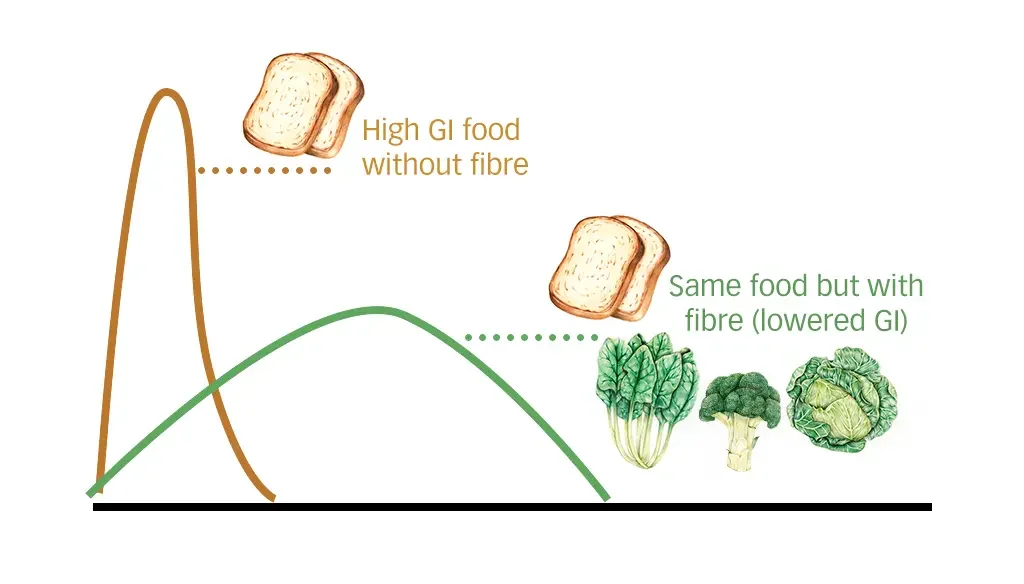
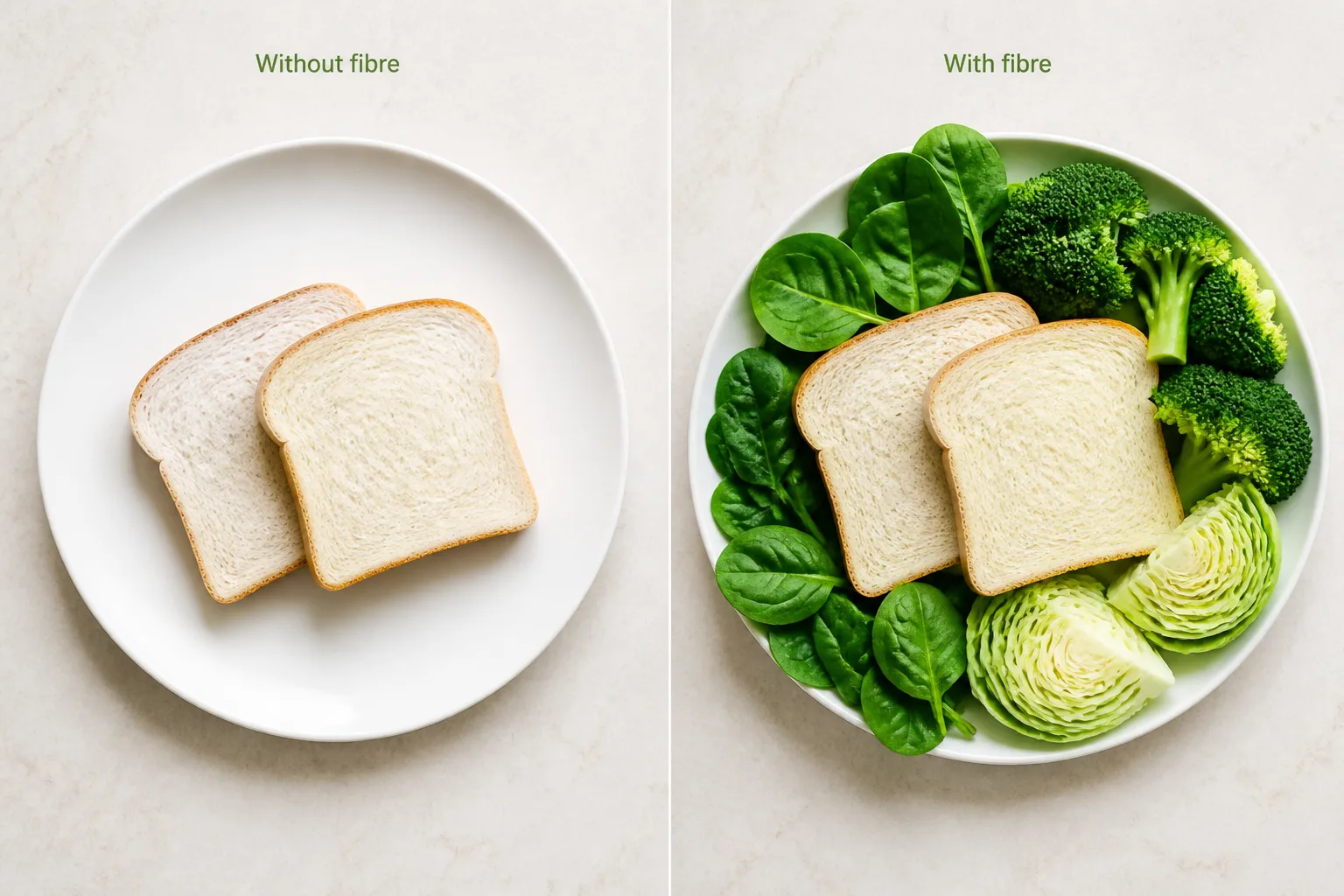
High-fibre foods have a lower Glycemic Index (GI). Because fibre is difficult to digest, it prevents rapid “Sugar Spikes.” In TCM, overconsumption of simple sweets dampens and drains your Spleen Qi, leading to chronic fatigue. Fibre protects against this energy crash, preventing chronic fatigue and lethargy.
Important clarification: GI is not an indicator of whether a food has sugar/ carbs or not. Far too many people misunderstand that “Low GI” means “Low sugar/ No sugar”, or “Low carb/ No carb”.

GI reflects how quickly a certain food raises your blood sugar (by being digested and absorbed). While it is easy to demonise white rice for being high GI, many don’t stop to think how often they eat white rice on its own (probably never).
The good news? Adding a generous dose of fibre will bring down the GI of the entire meal significantly – simply because fibre is so difficult to digest, that your body has to work a lot longer at extracting the carbs from the meal. This is actually the main reason we’re advised to eat brown rice instead of white rice- they’re actually the same plant, just that one version has more fibre!

TCM-Recommended High-Fibre Foods
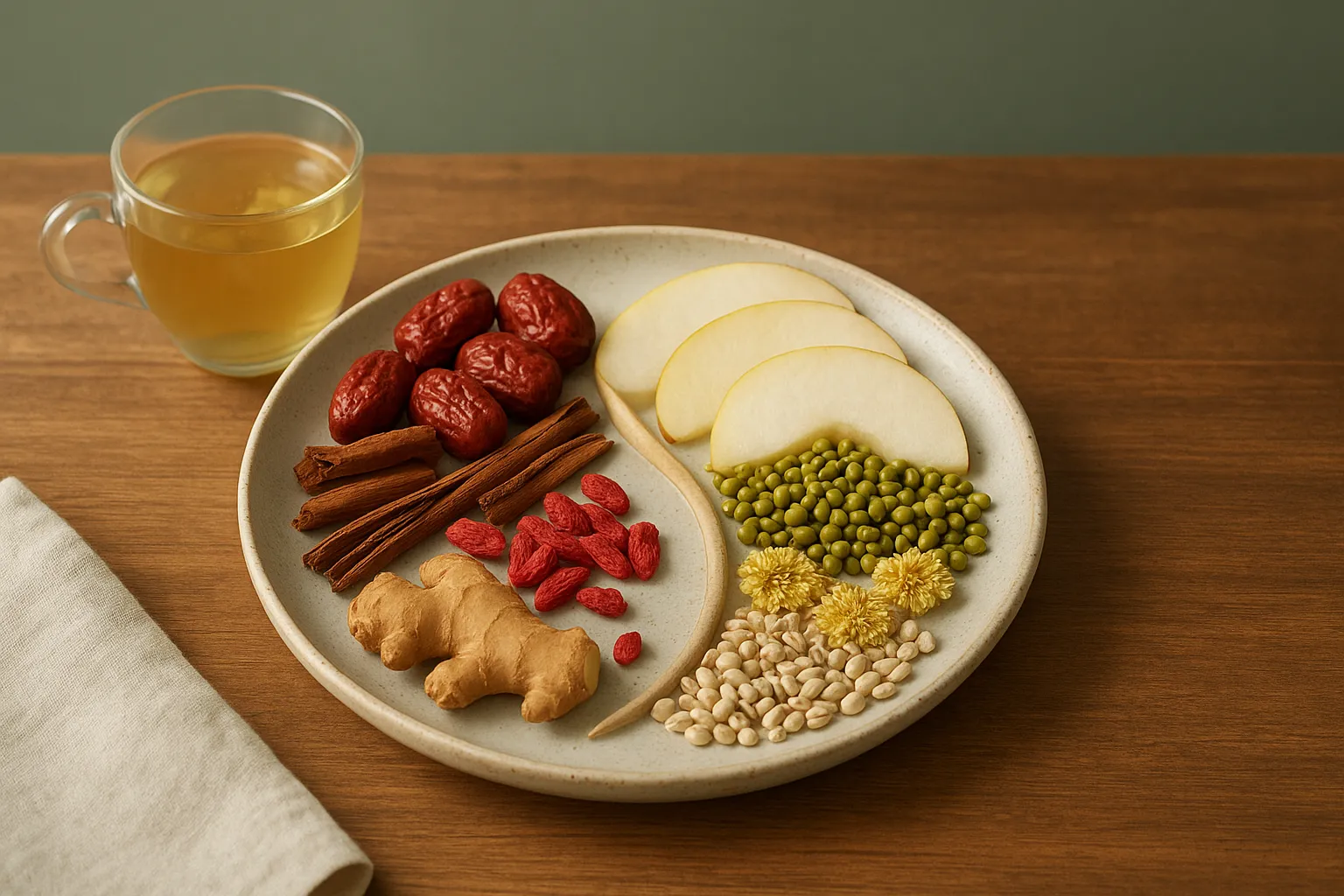
Different foods offer unique healing properties. Here is how TCM categorizes certain high-fibre ingredients to treat specific imbalances:
| TCM Body Condition | Recommended Fibre Source | TCM Benefit |
|---|---|---|
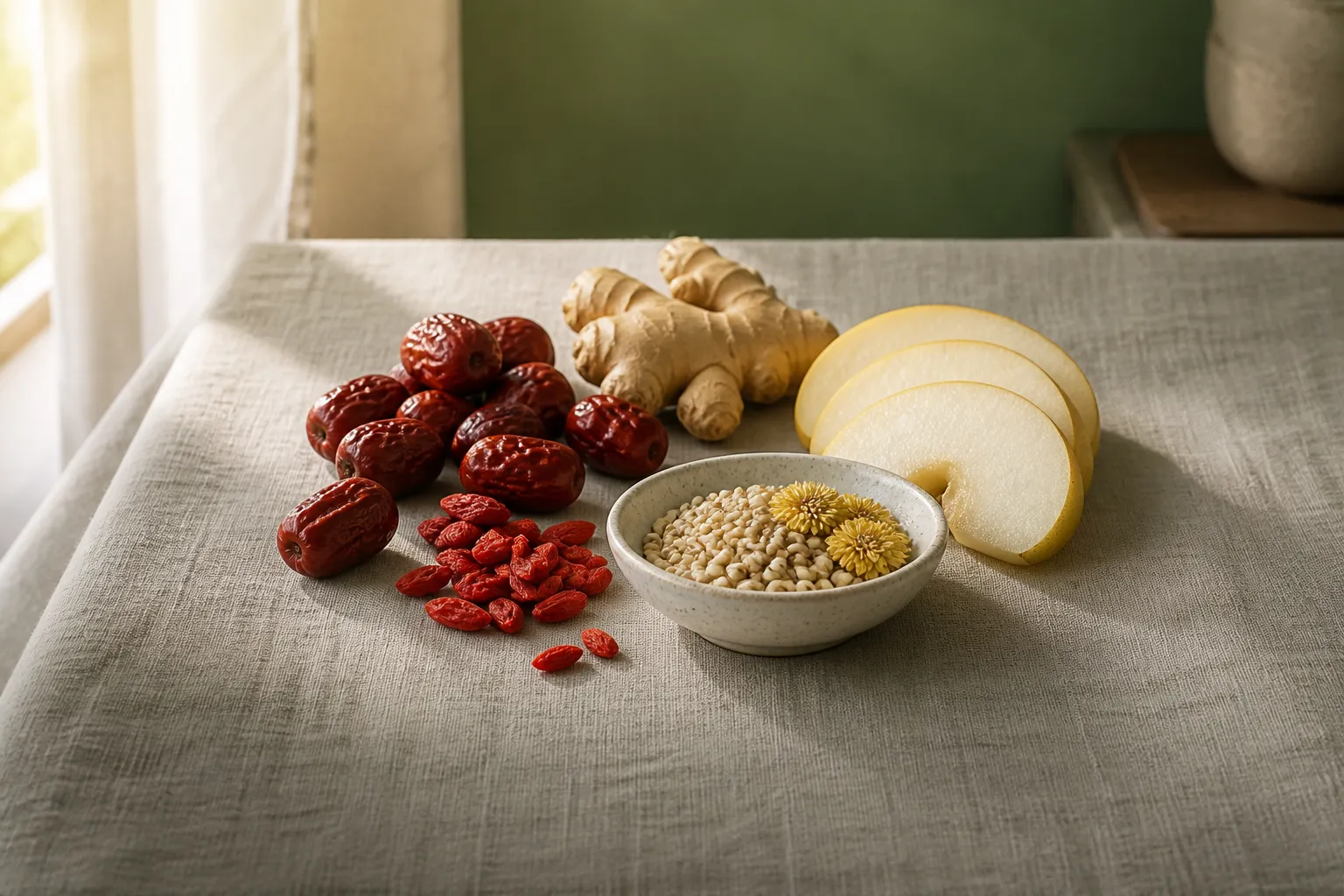
| Internal Heat (Constipation, dry mouth, acne) | Lotus Root, Asian Pear, Apples | Clears heat & lubricates the bowels |
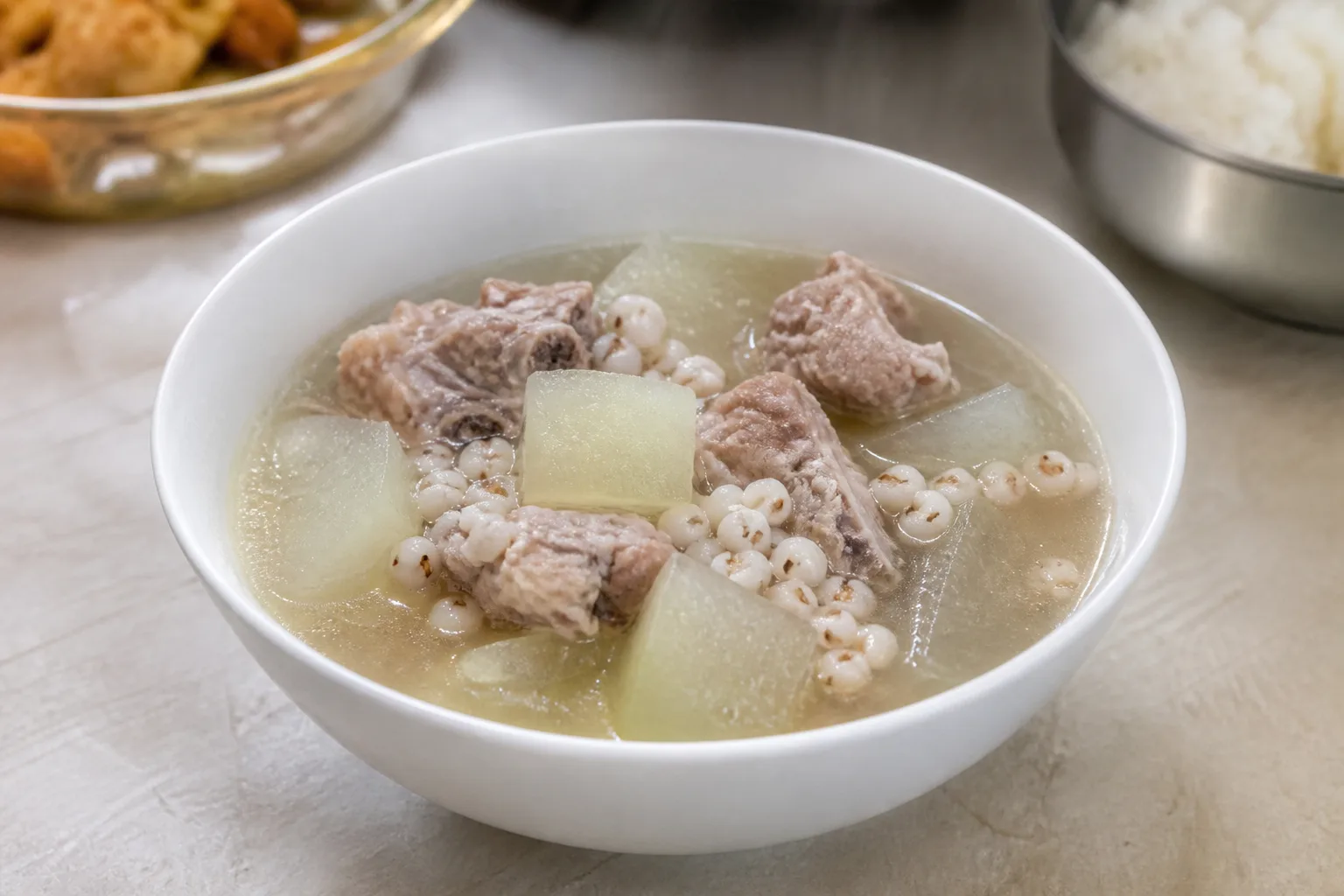
| Dampness (Bloating, sluggishness, loose stools) | Coix Seeds (Barley), Celery | Drains excess fluid & moves stagnation |
| Qi Deficiency (Fatigue, poor appetite) | Oats, Pumpkin, Sweet Potato | Strengthens Spleen Qi & provides sustained energy |
| Blood Stagnation (Sharp pains, irregular cycles) | Black Fungus (Wood Ear Mushroom) | Circulates blood & cleanses blood vessels |
How to Increase Your Daily Intake in Singapore
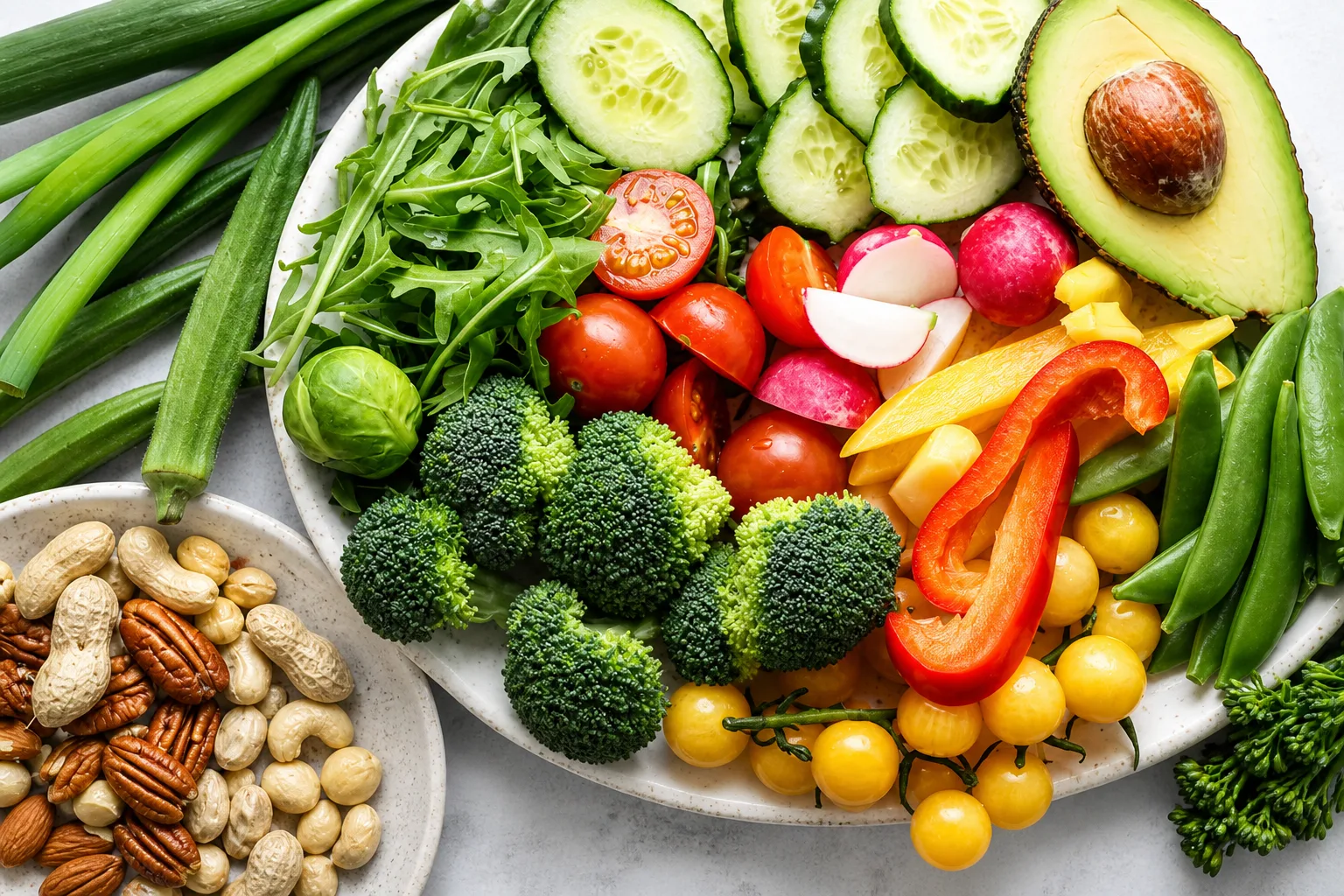
According to the Singapore Health Promotion Board (HPB), adults should aim for 20g to 26g of fibre daily. Incorporating TCM staples like brown rice, barley, and leafy greens is an excellent way to meet this goal. Remember to change up your variety of fruits and vegetables, and ensure adequate hydration, too little water with too much fibre can paradoxically cause constipation!
Follow these tips:
- Mix it up: Variety is key to a balanced gut microbiome. There is no “best fruit” or “best vegetable”.
- Go Whole: Even with adequate fruit and veggies, most people will need to include wholegrains to meet their fibre requirements. Choose brown rice or whole-wheat over white varieties, whole fruit over fruit juice as fibre is usually removed during processing.
- Food over Supplements: Getting fibre from whole foods provides a wider spectrum of nutrients than a simple supplement.
- Hydrate: Ensure adequate hydration! Increasing fibre without water can paradoxically lead to “Qi Stagnation” (constipation).
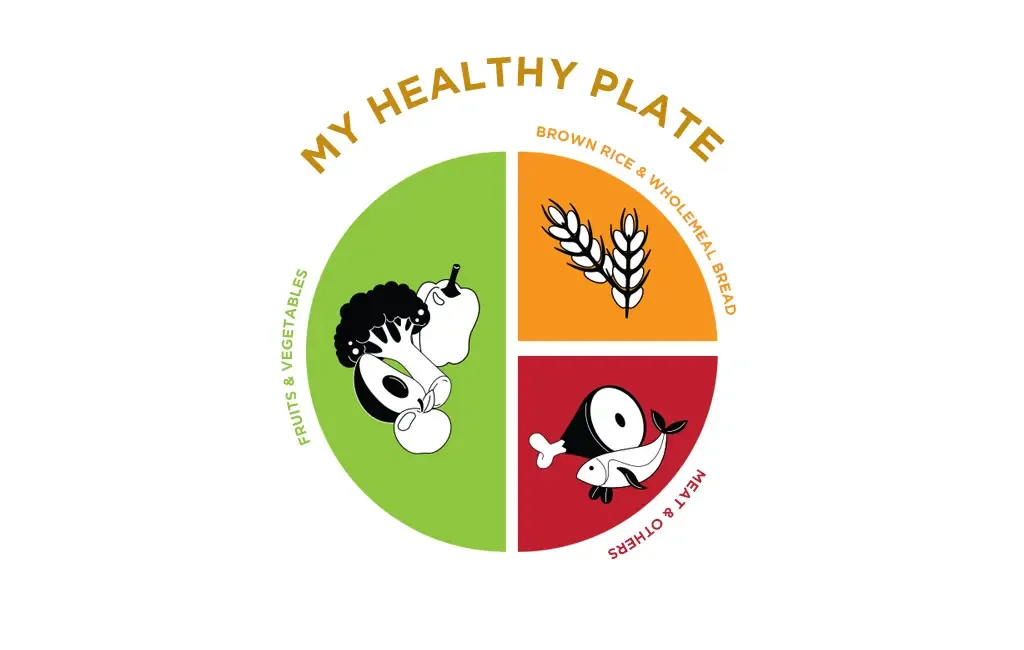
Before getting down to details of counting grammes and reading food labels, try to keep as close to the Health Promotion Board’s Healthy Plate model as possible! Sticking to these proportions at each meal will take you close to the recommended fibre intake.

Bridging East and West: TCM and Digestion
In Traditional Chinese Medicine (TCM), the Spleen and Stomach are the foundational organs of digestion and vitality. A diet rich in plant-based fibre supports the smooth flow of Qi in the digestive tract, preventing dampness and stagnation. Combining these holistic TCM principles with modern dietetics offers a comprehensive approach to gastrointestinal health.
Medical Nutrition Therapy

Medical Nutrition Therapy (MNT) is an evidence-based medical approach to treating certain medical conditions through the use of an individually-tailored nutrition plan and can only be conducted by a certified dietitian.
MNT is a key component of treatment for many chronic diseases, as well as for people who suffer from digestive issues, food intolerances, or sub-health conditions.
Dietitians can identify the right dietary balance for patients to maximise and sustain well-being. This means less restrictive/ rigid diets and vague advice like ‘eat more of’ or ‘avoid these foods’, and more tailored advice that also factors in your existing illnesses, body condition, medications, and even your food preferences.
This ensures a more efficient and effective result that is sustainable for you, and also gives you the knowledge to make well-informed decisions for your diet and your health in the future.