
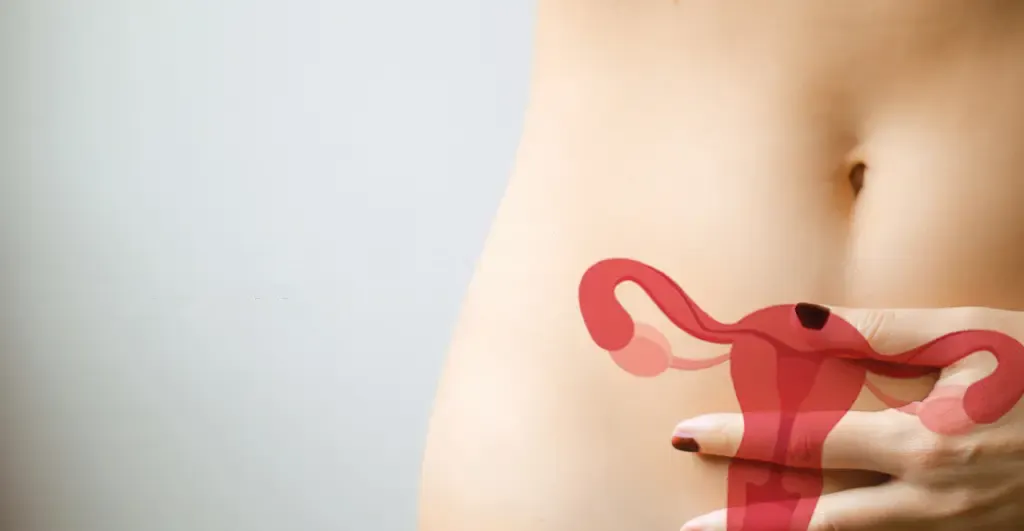
Have you ever wondered why Chinese elders or TCM physicians always give the same old advice not to drink cold water, especially to women during their menstrual periods? The reality is that having a “Cold Womb” is incredibly common, and it can significantly hinder the process of pregnancy, resulting in infertility.
In fact, having a cold womb is so common in Singapore due to our modern habits, indulging in iced beverages, eating “cold” foods like salads and sushi, staying in air-conditioned rooms for long hours, and wearing clothes that expose the midriff. Over time, these lifestyle habits lead to a cold womb (Gong Han).
What is a Cold Womb (Gong Han) in TCM?
In Traditional Chinese Medicine (TCM), the term “Cold Womb” (宫寒, Gōng Hán) does not refer to the literal temperature of the organ, but rather a pattern of disharmony where the uterine environment lacks the necessary “Yang” energy or warmth to function optimally. This energy is vital for blood circulation, regular menstruation, and successful conception.
The Meaning of Gong Han
- Gong (宫): Refers to the uterus, ovaries, and fallopian tubes.
- Han (寒): Signifies “cold” or stagnation.

There are two types of cold, acquired and endogenous cold.
- Acquired Cold occurs when cold pathogens invade the body from the outside environment. This is often the result of lifestyle choices or environmental exposure.
- Endogenous Cold is not “caught” from the outside; it is generated from within because the body’s “internal fire” is too weak to keep it warm.
Consuming cold foods or exposing yourself to cold air will deplete the internal fire produced by your Kidneys. In TCM, the Kidneys play the main role in reproduction. A Cold Womb implies that your body constitution belongs to Kidney Yang Deficiency. The Kidney Yang is essential for warming the uterus and promoting blood circulation so the reproductive organs are sufficiently nourished.
So what does it mean to have a cold womb/ Kidney Yang deficiency?
The Role of Kidneys in Fertility & Menstrual Health
In Traditional Chinese Medicine (TCM), the Kidneys are the foundation of reproductive health. A balance between Kidney Yang and Kidney Yin is essential for a healthy uterus and successful conception.
Kidney Yang vs. Kidney Yin
- Kidney Yang (The Fire): Warms the uterus and promotes blood circulation. This creates a nourished environment for embryo implantation.
- Kidney Yin (The Essence): Improves egg quality and produces vital fluids (like blood) to nourish reproductive tissues.

How a "Cold Womb" Causes Period Pain
TCM theory states: “Cold causes contraction and stagnation” (寒主收引,其性凝滞). When cold settles in the womb, it constricts blood vessels and slows the flow of Qi and Blood. This obstruction leads to:
- Irregular Cycles: Stagnation disrupts the natural menstrual rhythm.
- Dark Clots: Slow-moving blood thickens and darkens.
- Painful Cramps: According to the TCM principle “No flow equals pain” (不通则痛), menstrual cramps are a direct result of energy blockages.
To reduce pain and boost fertility, TCM focuses on clearing these blockages. By warming the Kidney Yang, you restore the “flow” necessary to eliminate cramps and optimize the body for pregnancy.
Cold Womb vs. Western Medicine (Luteal Phase Defect)
What does it mean to have a cold womb in Western medicine?
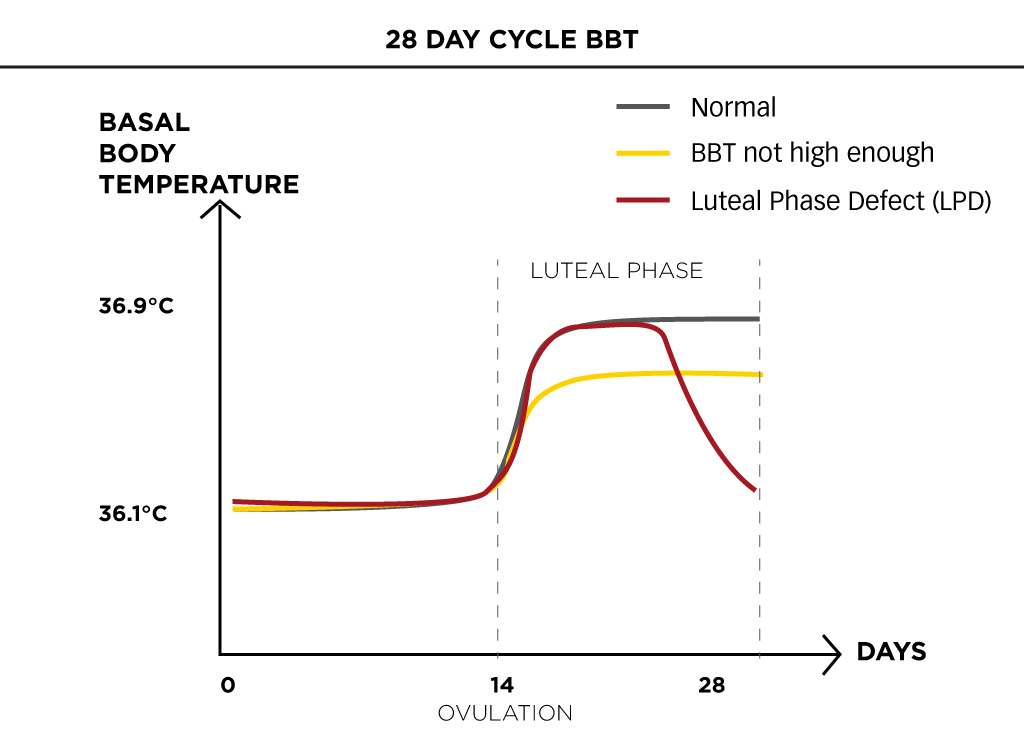
During the second half of the menstrual cycle (Luteal phase), a “warming” hormone called progesterone is produced to raise the body temperature in preparation for proper implantation. This is usually tracked using a Basal Body Temperature (BBT) chart.
Having a cold womb indicates that during the luteal phase, the progesterone level produced is not high enough or the luteal phase is shortened. This is also known as a Luteal Phase Defect (LPD). Because of this, it is harder for your uterus to build an appropriate lining thickness for the implantation of fertilized eggs, leading to potential problems like early menses, infertility, and miscarriage.
Why Does Cold Womb Happen? (The Singapore Context)
Living in Singapore, our lifestyle often contributes to internal coldness:
- Cold Consumption: Frequent intake of iced bubble tea, salads, and cold desserts.
- Air-Conditioning: Prolonged exposure to cold air, especially if the midriff or feet are exposed.
- Lack of Movement: Sedentary office jobs lead to poor Qi and Blood circulation in the pelvic region.
Common Signs and Symptoms of a Cold Womb
If you suspect you have a cold womb, look out for these common indicators:
- Puffiness around the eyelids
- Low libido
- Dark menstrual blood accompanied by blood clots
- Chronically cold hands, feet, and lower abdomen, weak knees
- Frequent lower backaches or a feeling of coldness in the lower back
- Irregular menstrual cycles or early shedding of the uterine lining, severe menstrual cramps
- Difficulty conceiving or unexplained infertility, low libido

How TCM Helps Treat a Cold Womb for Fertility
Since ancient times, TCM has emphasized warming the uterus to restore Kidney Yang, expel cold, and improve fertility. Proper TCM treatment can help regulate ovulation, reduce cramps, and improve the quality of eggs.
Acupuncture
Acupuncture uses thin needles to stimulate specific acupoints along the meridians. By stimulating these points, it invigorates the kidney system, promotes blood flow to the reproductive organs, and strengthens the womb.
Moxibustion
Moxibustion is a form of heat therapy using heated, dried mugwort placed above acupoints. It drives cold out of the body, promotes Qi, and restores blood circulation. It is commonly paired with acupuncture to effectively treat a cold womb.
Chinese Herbal Medicine
Customized herbal prescriptions are used to internally warm the Kidney Yang, nourish the blood, and expel damp-cold from the reproductive system.

How to Warm Your Womb & For Better Fertility:
TCM Tips & Remedies
Acupressure Massage
Massage these acupoints in circular motions for 1 to 2 minutes, 3 times a day:
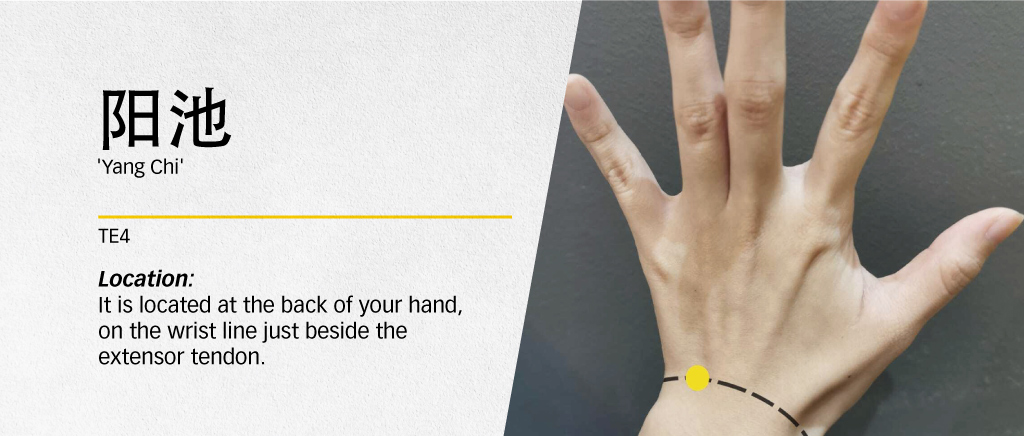
- Yang Chi (TE4): Stimulates Yang energy in the body.
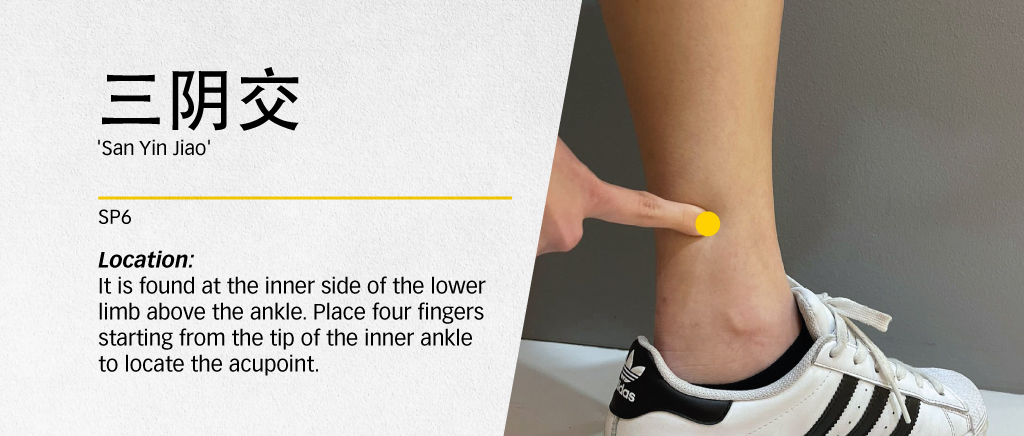
- San Yin Jiao (SP6): Tonifies the Liver, Spleen, and Kidney systems.
- Tai Xi (KD3): Beneficial for restoring kidney vitality.
- Shen Shu (BL23): Rub your lower back continuously to warm the kidney area.
阳池 (Yang Chi, TE4)
Yang Chi refers to a pool of Yang energy and thus, stimulating this acupoint can help with the stimulation of Yang energy in our body.
三阴交 (San Yin Jiao, SP6)
San Yin Jiao is associated with the Liver, Spleen and Kidney system and hence, able to tonify the following systems.
太溪 (Tai Xi , KD3)
Tai Xi belongs to the kidney meridian and it is an acupoint which vitality qi of the kidney passes through and stops at that point. Hence, it is beneficial in restoring the kidney system vitality.

肾俞 (Shen Shu, BL23)
Massage your lower back using your knuckles downwards. Repeat 10 times a day. Alternatively, you can use both palms, place it on your lower back and rub continuously for 1minute so as to warm the lower back.

Use a Moxa Pad
Place a self-heating MOXA Pad around the lower abdominal area before you sleep to introduce heat directly to the womb area. Warmth helps to dilate the blood vessels to promote better blood circulation and reduce painful menstrual cramps. Studies have also shown that better blood flow to the uterus is associated with higher pregnancy outcomes.
Food Therapy: Tea Recommendations
To reverse a Cold Womb, TCM focuses on “warming the palace” through thermal nutrition. By consuming foods and teas with warming properties, you can replenish Kidney Yang, break down blood stasis, and alleviate menstrual cramps.
Cinnamon Ginger Tea
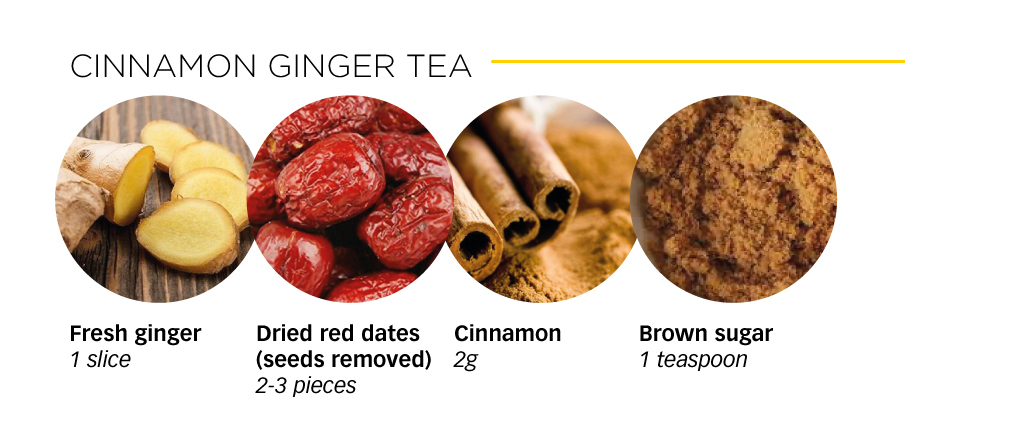
Ginger is good for warming the stomach as well as expelling cold.
Ingredients:
- A slice of fresh ginger
- 2-3 dried red dates (seeds removed)
- 2g of Cinnamon
- 1 teaspoon of brown sugar
Instructions:
- Add the ingredients into a cup and add 250ml of boiling water.
- Let it steep for 5 minutes.
Red Date Longan Tea

Both longan and red dates are beneficial for replenishing our body’s blood and Qi.
Ingredients:
- Longans, 5pcs
- Red dates (seeds removed), 3pc
- Water, 500ml
Instructions:
- Add the longans , red dates (seeds removed) and water.
- Bring to a boil.
- Once the water starts to boil, turn to low heat and simmer for 20mins before drinking.
Motherwort Rose Buds Tea
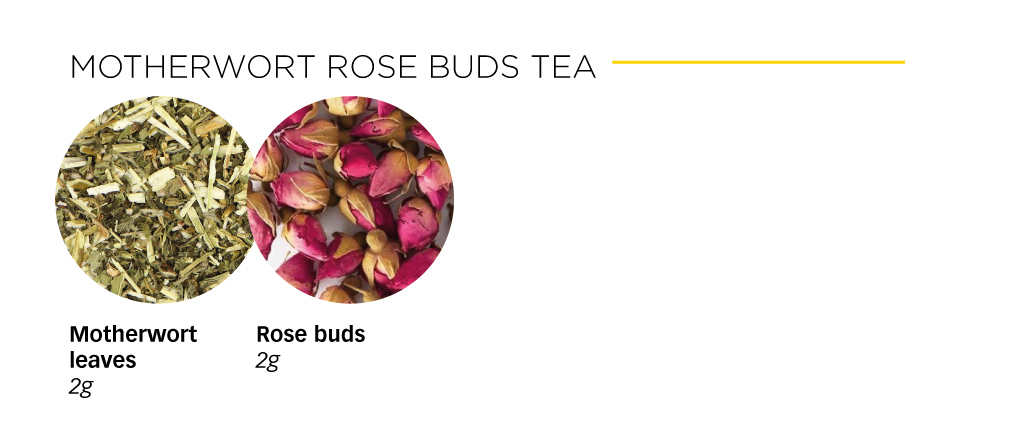
Both motherwort and rose buds are also good stress and anxiety relievers which help to treat menstrual issues.
Ingredients:
- Motherwort leaves, 2g
- Rose buds, 2g
- Water, 250ml
Instructions:
- Add 250ml of boiling water into 2g of motherwort leaves and 2g of rose buds.
- Let it steep for 5 minutes.
Self-care tips
- Avoid over consumption of cold drinks or raw food. You can cook the vegetables before consuming. Avoid consuming cold fruits directly taken out from the fridge.
- Ensure you have sufficient clothing especially around the lower abdomen during menstruation and postpartum.
- Take foot baths or wear socks to protect the meridians against cold from entering from your bare feet.
- Exercise at least 3 times a week for at least 30 minutes to improve blood circulation in our bodies. This helps to build up our immunity.
It’s never too late to give your uterus the proper care that it needs. Find out more about our Fertility programme and learn more about how TCM can help with Women’s Health.