
They say it takes 100 days to heal a tendon injury, but it doesn’t have to. If you’ve recently twisted your ankle and are facing swelling, bruising, and pain, TCM treatments like acupuncture and Tuina can bridge the gap between “resting” and “recovering.” Stop waiting for the pain to fade and start actively healing today.
Ankle sprains are a common occurrence and a bad fall may cause you to experience one or more of the following symptoms:
- Swelling and discolouration due to bruising
- Pain around the ankle or foot
- Decreased mobility and strength in the affected area
- Challenges in walking, especially up/ down stairs
- Sensations such as tingling, numbness, or pins and needles
In traditional Chinese medicine (TCM), it is believed that it takes 100 days to recover from injuries to muscles, tendons, and fractures. During the recovery process, a holistic approach is employed, aiming to restore balance and promote our body’s natural healing processes.
Learn more about how TCM can aid in managing your pain and injury and ease recovery.
Immediate Steps for Dealing with a Sprained Ankle
Assess the Injury
Identify if the pain is in the muscles or bones. If bone injury like a fracture is suspected, seek immediate medical attention.Immediate Actions
Stop walking, use cold compresses (ice or cold towels) for the first 24 hours to reduce swelling, and elevate the injured limb.Avoid Massaging
Do not massage the injured area within the first 24 hours. Do not use heat or take hot baths during this period.Elevate the Limb
Use adhesive tape for initial stabilisation. After 24 hours, switch to warm compresses to enhance blood circulation and lymphatic drainage.
TCM Treatments for a Sprained Ankle
For ankle sprain and other injuries, TCM treatments focus on using natural methods to
– Reduce pain and symptoms
– Strengthen the affected area, and
– Stimulate the body’s natural recovery processes to speed up the healing process.

Acupuncture involves inserting thin needles into specific points on the body to stimulate energy flow. For ankle sprains, acupuncture may be used to reduce pain, inflammation, and promote healing. Points related to the affected meridians might be targeted.


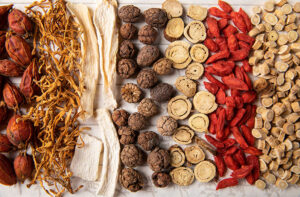
Chinese herbal formulations may be prescribed to be taken post-treatment to help reduce pain. Ingredients like frankincense, myrrh, and turmeric are commonly used for their anti-inflammatory properties.

Tuina involves various massage and manipulation techniques to stimulate blood flow, reduce swelling, and relieve pain. Specific techniques may be applied to the ankle area to improve mobility and flexibility.


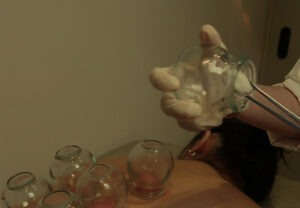
Cupping involves placing cups on the skin to create suction, promoting blood circulation and reducing inflammation. For ankle sprains, cupping can be performed around the ankle region to alleviate pain and improve healing.

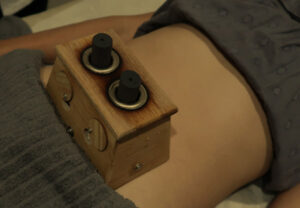
Moxibustion involves burning dried mugwort near specific acupuncture points. It is believed to stimulate circulation and enhance the body’s healing response. Moxibustion may be applied to points related to the ankle.

As needed post-treatment and before you go home, our physician may apply herbal ointments and bandaging to the affected area. This can help to:
– reduce inflammation
– alleviate strains, swelling and pain
– promote blood circulation
– promote mending of the fracture
– activate collaterals & stimulate natural healing


TCM often emphasises the importance of a balanced diet to support overall health and healing. Specific foods or herbal teas may be recommended to address inflammation and support the healing process.
Note that our physicians would recommend the treatment methods best suited for your condition after the initial assessment. TCM treatments are highly individualised. TCM physicians would typically tailor the treatment approach based on each patient’s specific symptoms, constitution, and the underlying causes of the ankle sprain. Always consult with a qualified TCM practitioner for personalised advice and treatment.
IMPORTANT TO NOTE: If you have a severe ankle sprain or suspect a fracture, it is crucial to seek conventional medical care for a proper diagnosis and appropriate treatment first. You can still engage TCM after to aid with the healing process.
Yumi Yen
Written by PULSE TCM physician Yumi Yen