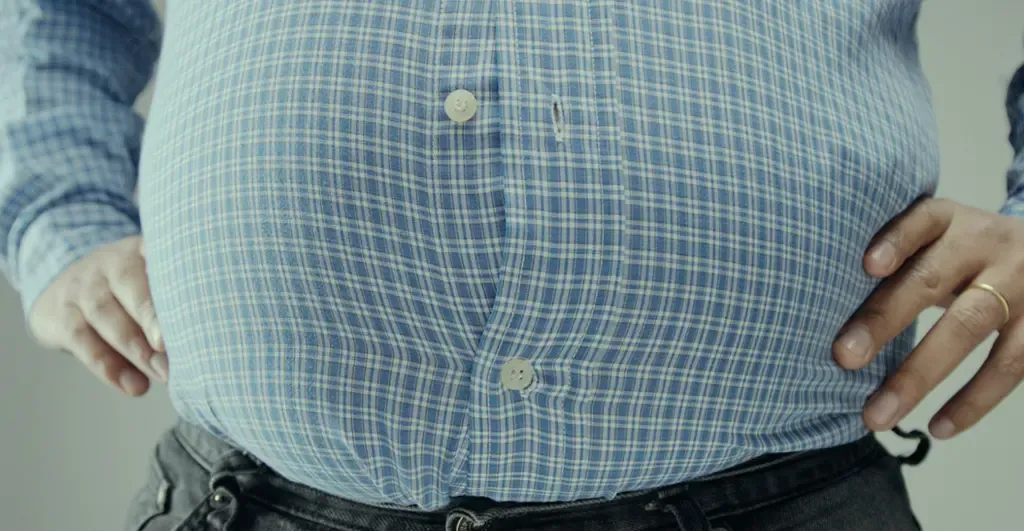
Close-up of a man's midsection in a tight checkered shirt showing abdominal obesity

Insights · General Health

3-in-1 approach to managing obesity

Weight sits on stress, sleep, metabolism, and meal pattern together. Psychology, dietetics, and TCM work the same picture so care stays sustainable, not a short crash diet alone.

In brief

Obesity is a complex disease shaped by mental health, biology, food access, sleep, and stigma, not willpower alone. A 3-in-1 plan pairs a psychologist for stress eating and sleep, a dietitian for sustainable loss that protects lean mass, and a TCM physician who reads excess fat as dampness and phlegm when Spleen transport slows. Asian BMI cut-offs and waist measures matter in Singapore. Crash diets often rebound; team care treats the picture behind weight and the 200-plus diseases linked to obesity.

01 · Context

Obesity is a disease, not a willpower test

Asian BMI · waist · team care

For Asian bodies, overweight often starts at BMI 23 and obesity at 27.5. Waist circumference of 80 cm in women or 90 cm in men flags abdominal obesity. Weight is one indicator; the goal is metabolic health.

A workable plan usually needs psychology, dietetics, and TCM together, not a single diet rule. Mental health, genetics, biology, food environment, sleep, stigma, healthcare access, and marketing all stack. This page maps the three-lane handoff; deeper damp-phlegm clinic tips sit on TCM & Obesity.

In Singapore, adult obesity was 10.5% in the National Population Health Survey 2019/20, matching 2010 and above the 8.6% seen in 2013 and 2017. Student overweight rose from 13% to 16% between 2017 and 2021. Adults aged 30–59 sit near 12.5%, versus about 6.6% in those 18–29. Globally, projections suggest that by 2035 about one in four people may live with obesity, around 1.9 billion.


02 · Drivers

Five pressures that feed the 3-in-1

These lanes decide whether psychology, dietetics, or TCM should lead first. Genetics, life events, access gaps, and marketing still stack beside them.

1. Mental health

Anxiety, low mood, and chronic stress change appetite, impulsivity, and whether fullness cues are heard.

2. Sleep

Short or broken sleep shifts hunger and satiety hormones and makes high-reward food harder to refuse.

3. Food environment

Easy access to sweet, fried, and greasy options raises damp load when Spleen transport is already slow.

4. Biology

Hormones, lean mass, and basal metabolic rate change with age, restriction, and prior weight cycles.

5. Stigma

Judgement around weight can delay care, raise stress eating, and make sustainable change feel unsafe.

Adult sitting on a bed edge with a hand on the abdomen during a quiet pause for stress and thin sleep

03 · Psychology

Stress and sleep reshape appetite

Psychology · stress eating · sleep hormones

Under stress, people often eat more or less, with a lean toward high-fat, high-sugar choices. A stressed body also stores fat more readily than a settled one. Emotional eating uses food to self-soothe and bypasses gradual physical hunger cues.

Insomnia is common worldwide, often cited around 10–30% and higher in older adults, women, and people with medical or mental illness. Short sleep raises hunger hormones, lowers satiety hormones, and makes food feel more rewarding. Heavy or spicy evening meals can worsen sleep through digestion and heartburn. Stress eating is changeable; it is not simply a lack of self-control elsewhere in life.

04 · Notice

Stress eating versus physical hunger

Separating the two cues helps psychology and habit work land.

1. Emotional or stress eating

Urge arrives with tension, boredom, or low mood. Fullness is easy to miss. Preference skews toward sweet, salty, or crunchy comfort foods.

2. Physical hunger

Build-up is gradual. Energy dips, stomach cues, and a wider range of foods feel acceptable once you start eating.

3. Sleep-linked appetite swing

After a short night, hunger rises earlier, satiety fades faster, and high-reward snacks pull harder through the day.

Psychology next step

Want help with stress eating or thin sleep?

Book a psychology consult when emotion regulation, insomnia, or stress keep steering the plate. Bring how evenings and work load show up before snacking.

Cupping therapy for dampness patterns during weight-pattern care at PULSE TCM

05 · TCM

Name the lean, then match clinic care

Dampness · phlegm · body types

Excess fat often reads as dampness and phlegm when Spleen transport slows from inactivity or sweet, fried, and greasy intake. Care treats that picture so metabolism works more efficiently; weight change then sits beside correct food and portions, not fat-chasing alone.

Three leans show up often: dampness (痰湿体质), qi stagnation (气滞体质), and Spleen-Kidney deficiency (脾肾虚体质), with up to two imbalances leading together. Full signs and food maps sit on the three body types prone to weight gain. Kitchen teas, ear Hunger Point, and modality detail sit on TCM & Obesity; clinic stacking lives on Weight Management.

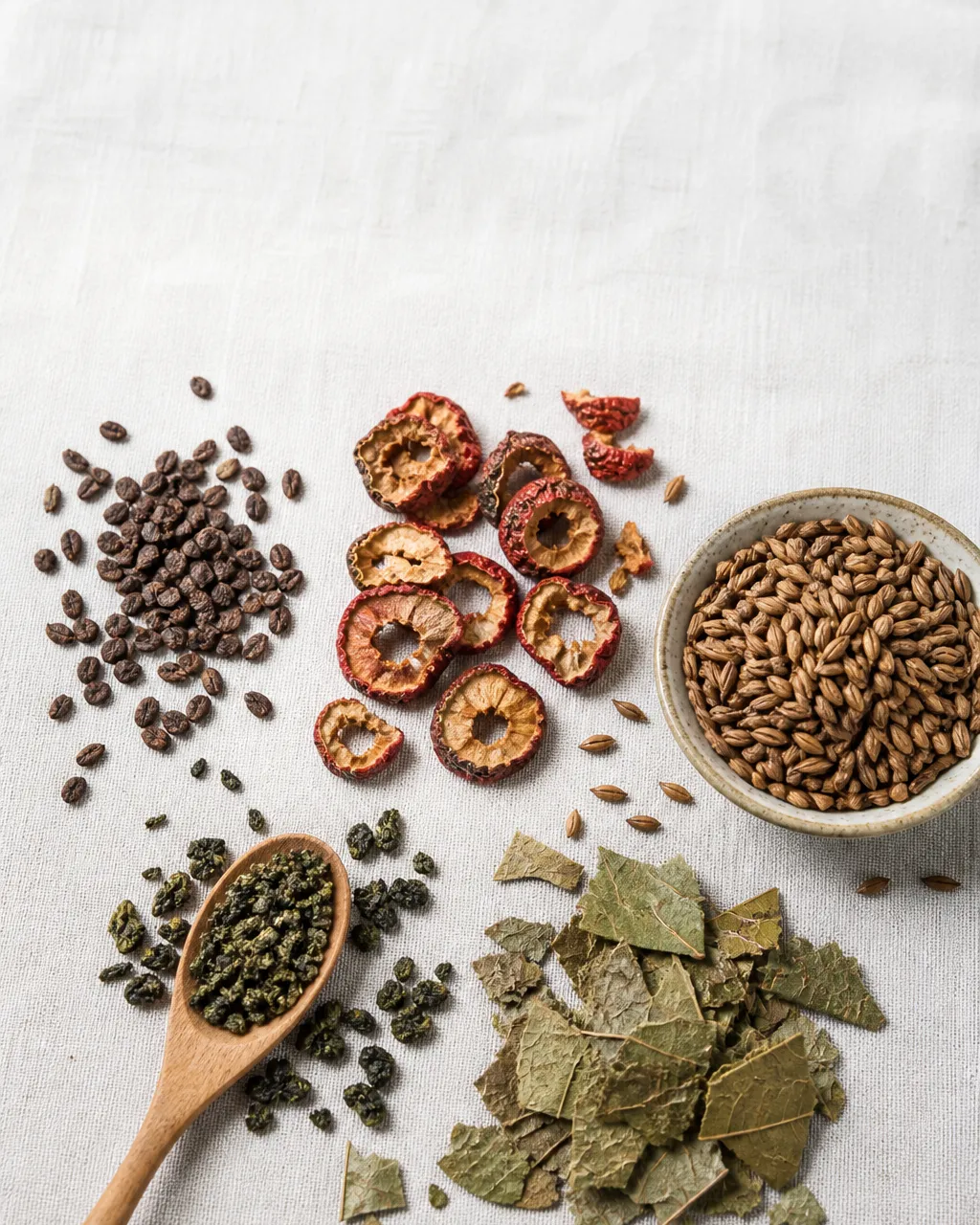
Fried cassia, dried hawthorn, malt, tea leaves, and lotus leaf for digestion tea

Tea · after heavy meals

Hawthorn malt lotus leaf tea

Cassia, hawthorn, malt, tea leaf, and lotus leaf. A short steep when greasy meals leave damp heaviness.

If there's any chance of pregnancy, don't use this. Ease off if you feel cold easily or have acid reflux.

Make the hawthorn malt lotus leaf tea
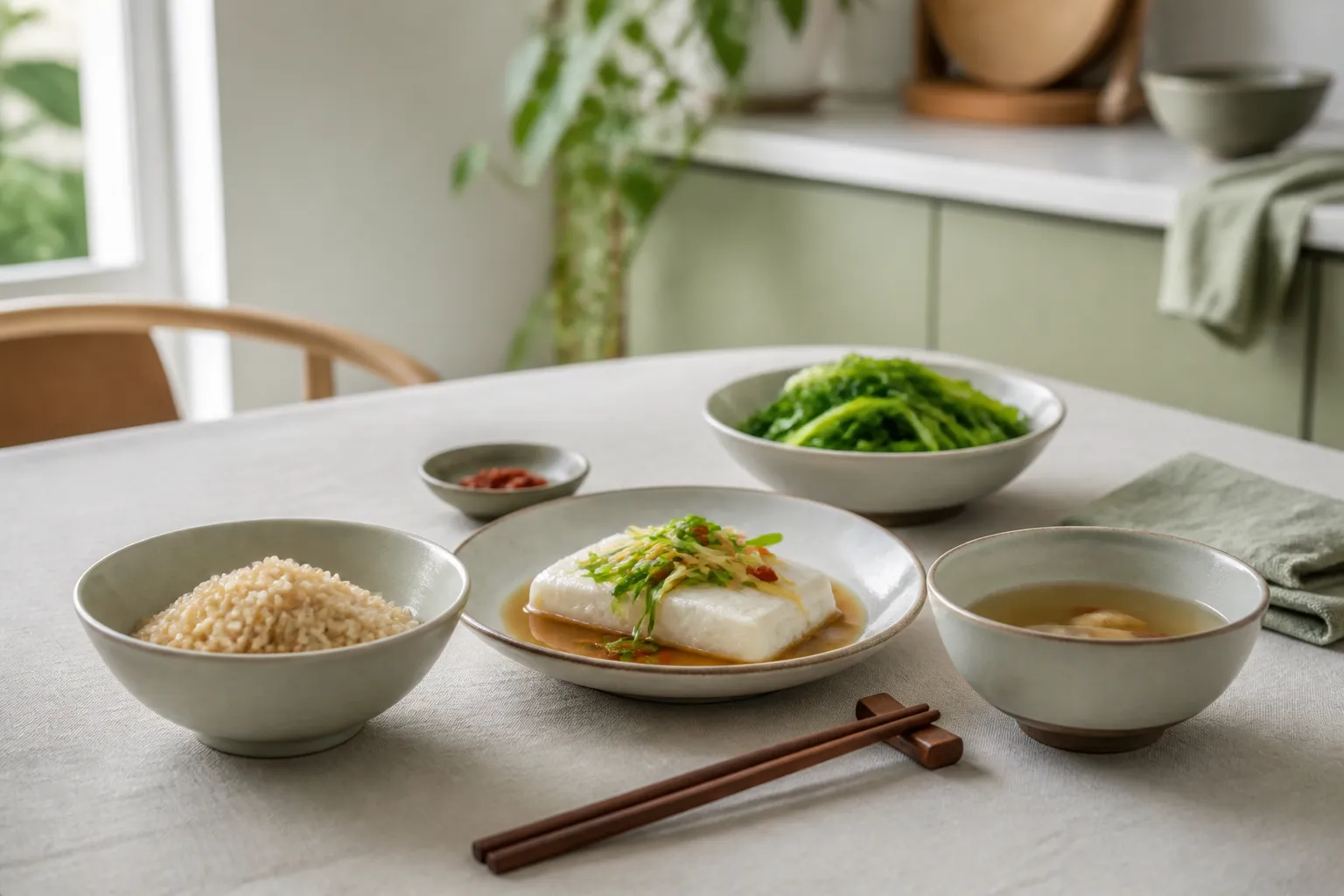
Balanced plate of tofu, brown rice, greens, and clear broth for sustainable weight care

06 · Dietetics

Keeping weight off is the hard part

Dietetics · metabolic health · lean mass

Initial loss is often easier than maintenance. Crash diets commonly rebound, sometimes with extras. Ageing changes muscle, hormones, and metabolism; diet type, calorie reduction, and exercise type all matter.

Calorie deprivation can shift physiology, attention, and reward so keep-off behaviours feel harder. Regain is not simply poor self-control; many dieters feel hungrier, attend more to food, and find it more reinforcing. The aim is metabolic health and retained lean muscle while weight changes. At PULSE, book Medical Nutrition Therapy when a registered dietitian should lead the plate plan.

07 · Crash diet risks

What severe restriction can cost

Short, aggressive cuts often trade early loss for later metabolic harm.

1. Lower basal metabolic rate

The body adapts to scarcity by burning less at rest, which makes the next plateau and regain more likely.

2. Muscle lost before fat

Without enough protein and resistance work, lean mass drops, which further slows metabolism and weakens function.

3. Chronic fatigue

Under-fuelling leaves low energy for training, work, and sleep, which then feeds stress eating loops.

4. Higher osteoporosis risk

Long severe restriction can stress bone health, especially when nutrient gaps and low muscle load stack.

08 · This week

Three moves while you choose a lane

Sleep · plate · team handoff

Small habits support the 3-in-1 plan. They do not replace a consult when stress eating, regain, or damp heaviness keep returning.

1. Protect one earlier night

Pick a wind-down window and ease heavy or spicy food in the last two hours before bed so sleep hormones and appetite cues settle.

2. Build plates that keep lean mass

Keep protein and resistance work in the plan while calories adjust. Avoid a second crash cut after a plateau; book MNT when regain cycles.

3. Book the lane that is loudest

Stress or insomnia first: psychology. Rebound or plate fear: dietetics. Damp heaviness or unclear body type: Weight Management pattern read.

09 · Why it matters

Obesity sits with many other conditions

Obesity links to more than 200 diseases. Diet and exercise alone are often not enough; long-term team care matches biology, psychology, behaviour, and prior attempts.

1. Metabolic and heart load

Diabetes, cardiovascular disease, and stroke risk rise with excess weight and abdominal fat.

2. Joints and movement

Osteoarthritis and body aches can make exercise harder, which then feeds further weight gain.

3. Sleep apnoea

Breathing pauses at night worsen thin sleep, which then worsens hunger hormones and daytime fatigue.

4. Fertility and cancer risk

Female infertility and at least thirteen cancers, including liver, kidney, and breast, sit in the wider risk picture.

Cupping therapy for dampness patterns at PULSE TCM

Team next step

Ready for an integrative weight plan?

Bring meal rhythm, stress and sleep notes, prior diet attempts, and any recent blood results. We will name the damp or phlegm picture and decide what belongs beside psychology and dietetics.

10 · Lanes

Who leads when symptoms stack

Psychology · dietetics · TCM

Post-pandemic rises underline that obesity behaves like a chronic disease needing long-term multidisciplinary care.

  • Psychology: stress coping, sleep, and emotional eating patterns.
  • Dietetics: sustainable plates that protect lean mass and metabolic rate via Medical Nutrition Therapy.
  • TCM: damp-phlegm and constitution reads with patterned acupuncture, herbs, and food nature on Weight Management.
  • Red flags: unexplained rapid weight change, severe endocrine symptoms, or eating-disorder signs need urgent Western care first.
Dr Sim Beng Joo

Clinically reviewed

Reviewed by Sim Beng Joo

Advisor (Science & Strategy) / Consultant Physician · TCMPB T1303003A

MOH-licensed TCM physician and biomedical scientist, with clinical work in digestion, pain, sleep or fatigue, and constitution patterns that show as damp, phlegm, or metabolic load.

View full profile

Educational information based on clinical experience and TCM principles. Not a substitute for personalised consultation, metabolic blood tests, dietetic advice, psychotherapy, or urgent care. Speak with your physician and GP before starting herbs, acupressure, or new self-care, especially with unexplained weight change, endocrine concerns, or eating-disorder history. TCM and allied care complement Western assessment; they do not replace it.

FAQs

Questions, answered

Common questions before you change habits, start therapy, or book a first weight-care visit.

What is a 3-in-1 approach to managing obesity?

A clinical psychologist, clinical dietitian, and TCM physician work the same weight picture. Psychology addresses stress eating and sleep that shift appetite, dietetics plans sustainable loss that protects lean mass, and TCM reads excess fat as dampness and phlegm when Spleen transport slows, then matches patterned clinic care.

How do stress and sleep affect eating and weight?

Stress can raise or lower intake and often steers people toward high-fat, high-sugar foods. Emotional eating soothes feelings and bypasses fullness cues. Short sleep raises hunger hormones, lowers satiety hormones, and makes food feel more rewarding. Heavy or spicy evening meals can also worsen sleep through digestion and heartburn.

How does TCM explain excess fat and obesity?

Excess fat often reads as dampness and phlegm. When the Spleen transports food and fluids poorly, from inactivity or sweet, fried, and greasy intake, fluids accumulate and settle as fatty tissue. Care treats that underlying picture beside realistic meals and movement, not fat alone.

What are the three TCM body types linked to weight gain?

Three leans show up often with stubborn weight: dampness, qi stagnation, and Spleen-Kidney deficiency. Up to two dominant imbalances may sit together. A physician names the lead lean on pulse and tongue; the full signs and food map sit on the three body types Insight.

Why does weight rebound after a crash diet?

Severe calorie cuts can drop basal metabolic rate, burn muscle before fat, and leave chronic fatigue, with higher osteoporosis risk over time. The body also becomes hungrier and more attentive to food cues. Sustainable plans support metabolic health and keep lean mass while weight changes.

When should I book multidisciplinary care for obesity?

Book when stress eating, insomnia, regain after diets, or metabolic load keep returning, or when weight sits with diabetes risk, sleep apnoea, joint pain, or fertility concerns. Seek urgent Western care for unexplained rapid weight change, severe endocrine symptoms, or eating-disorder red flags.

References

Selected sources

  1. Ministry of Health Singapore. National Population Health Survey (NPHS) 2019/20. Adult obesity prevalence 10.5% (matching 2010; 8.6% in 2013 and 2017); age and student overweight trends cited in article body. https://www.moh.gov.sg/resources-statistics/reports/national-population-health-survey-2019-20
  2. World Health Organization. BMI classification for Asian populations (overweight BMI ≥23; obesity BMI ≥27.5) and waist circumference thresholds for abdominal obesity commonly used in Singapore clinical practice. https://www.who.int/publications/i/item/9789241501491
  3. National Center for Complementary and Integrative Health. Traditional Chinese medicine: What you need to know. 2019. https://www.nccih.nih.gov/health/traditional-chinese-medicine-what-you-need-to-know/
  4. Ministry of Health Singapore. TCM practitioners (Healthcare Professional Portal). https://hpp.moh.gov.sg/tcm-practitioners/
  5. World Health Organization. Traditional, complementary and integrative medicine. https://www.who.int/health-topics/traditional-complementary-and-integrative-medicine
  6. Original article authors: Clinical psychologist Dr Jaswyn Chin, Dietitian Adelyn Khoo, and Physician Chelsea.

Next step

Ready for an integrative weight plan?

Bring meal rhythm, stress and sleep notes, prior diet attempts, and any recent blood results. We will name the damp or phlegm picture in plain language and decide what belongs beside psychology and dietetics.

Hours
Most clinics daily 11:00 AM – 8:00 PM
Care
Physician-led consultation