
Ease academic pressure, mental fatigue, and restlessness before exam seasons.


Woodleigh · Needle-free · From 6 months
Physician-led paediatric Tuina at Woodleigh. Gentle handwork on key body zones so your child can settle, recharge, and grow with calm care.
In brief
Paediatric Tuina (小儿推拿) at PULSE TCM is a gentle, physician-led, needle-free therapy for children rooted in Traditional Chinese Medicine (TCM). Guided by a TCM physician, skilled hand techniques are applied to specific meridian points to promote relaxation, restore balance, and support healthy growth without medicine or needles.
The experience
Paediatric Tuina is not just for when your child is unwell. It is also a gentle wellness experience. Beyond supporting healthy growth, each session gives your child the opportunity to relax, recharge, and enjoy a calming moment of care.
In TCM, a child's Spleen (脾) and Lung (肺) systems are still developing, which may be reflected in concerns such as picky eating, digestive discomfort, or restless sleep. At PULSE TCM, our TCM physicians assess each child's diet, constitution, and lifestyle (including pulse and tongue with age in mind) to guide personalised paediatric Tuina, supporting your child's wellbeing through a gentle and relaxing experience.
See care pathways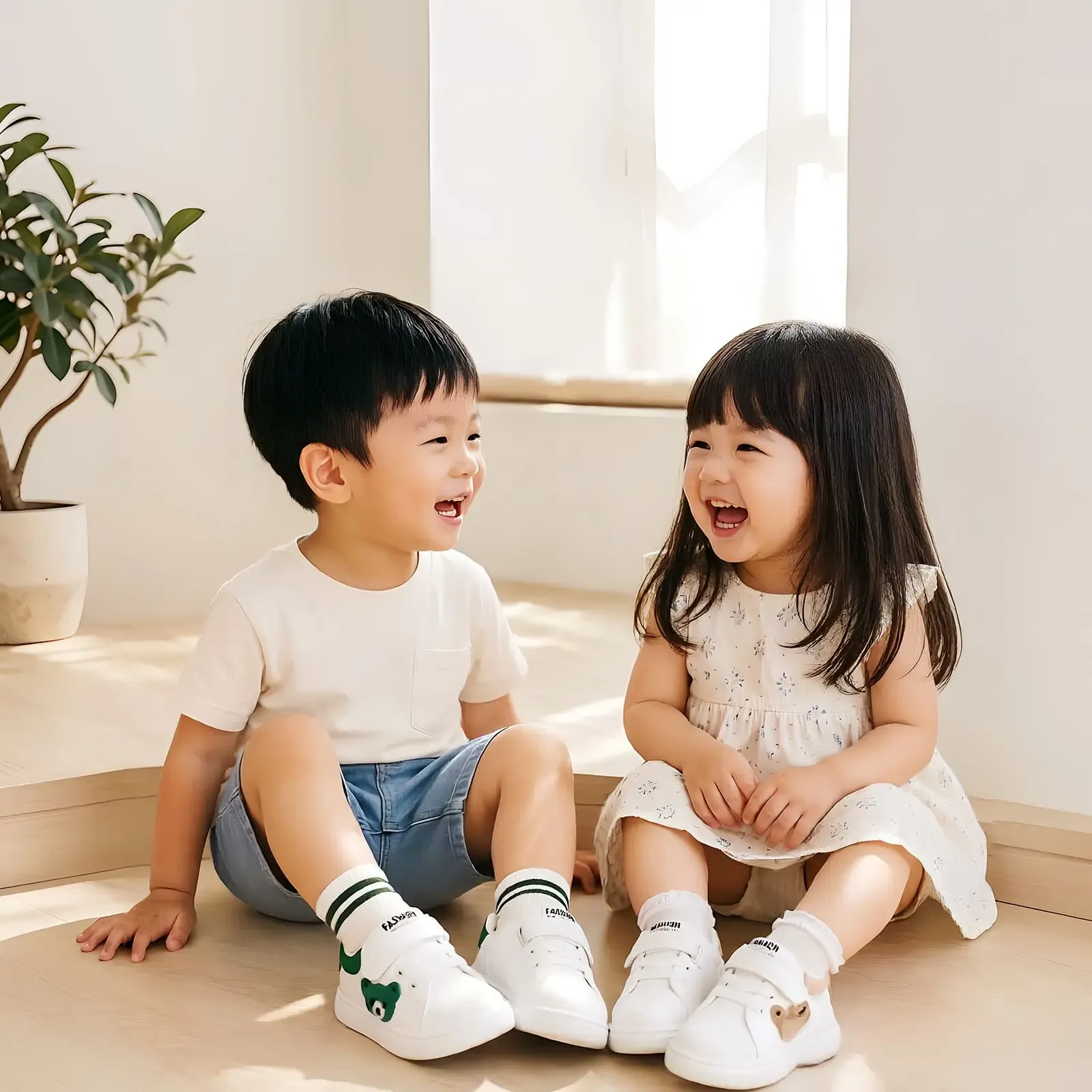
Care pathways
Three common reasons parents choose Paediatric Tuina. Each child is different, so your TCM physician will tailor the areas of focus to your child's needs.
Ease academic pressure, mental fatigue, and restlessness before exam seasons.
Comfort picky eaters, heavy post-meal sluggishness, and temporary tummy discomfort.

Unwind overactive systems for children who find it hard to switch off at night.
* Supportive, pattern-based care. Seek Western paediatric or emergency care first for high fever, breathing difficulty, dehydration, injury, or sudden change in alertness.
Body zones
Each zone focuses on different meridian points and offers different benefits. Your physician recommends a suitable zone or combination based on your child's constitution and wellbeing.
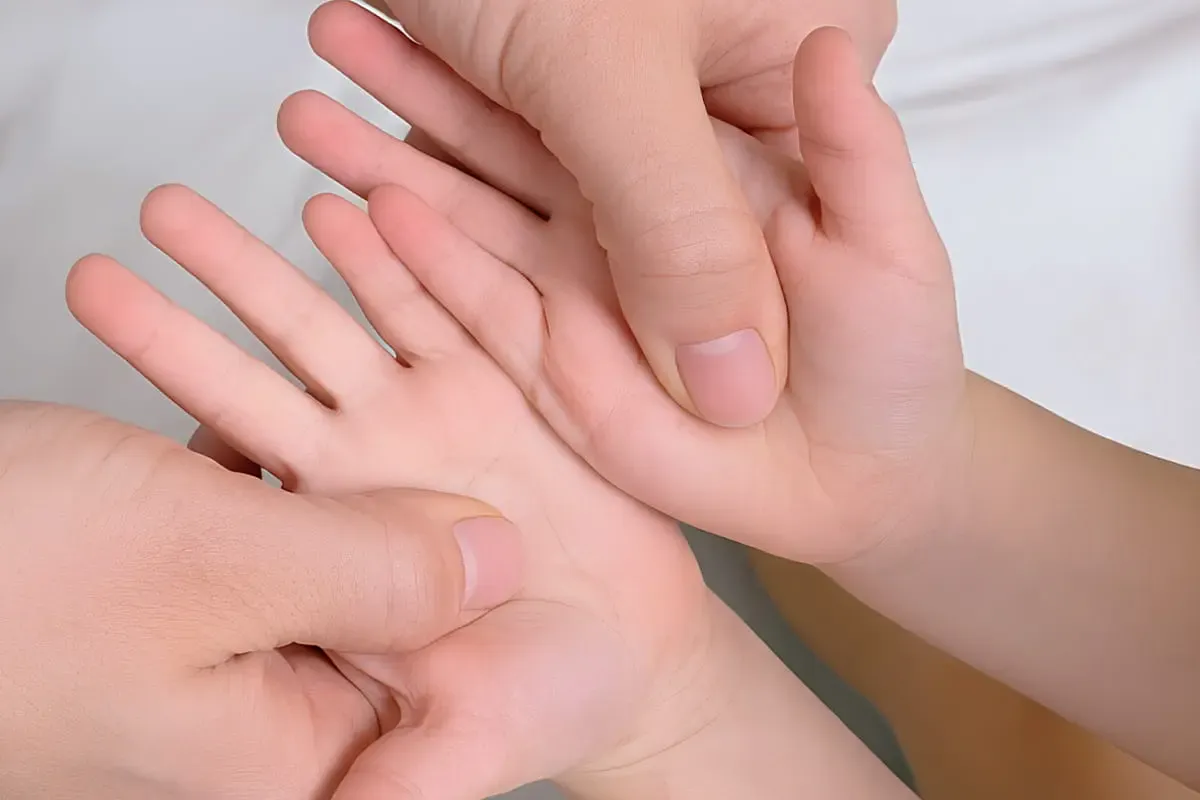
Each finger and palm zone connects to a major organ system. Gentle strokes and circular presses calm the mind, aid digestion, and support energy without undressing. Often a favourite first visit. Ages: 6 months & above. Typical duration: 20–30 minutes. Many children feel calmer, more focused, and more energised.
Paediatric TCM overview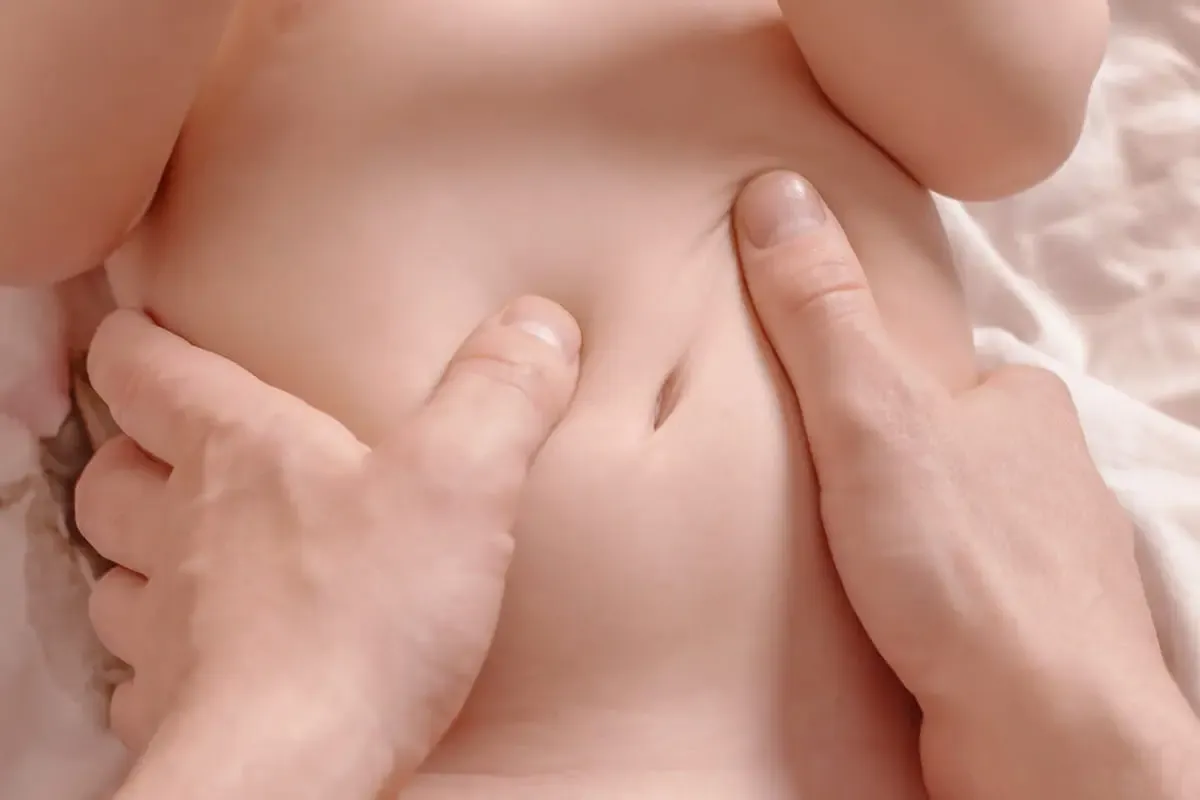
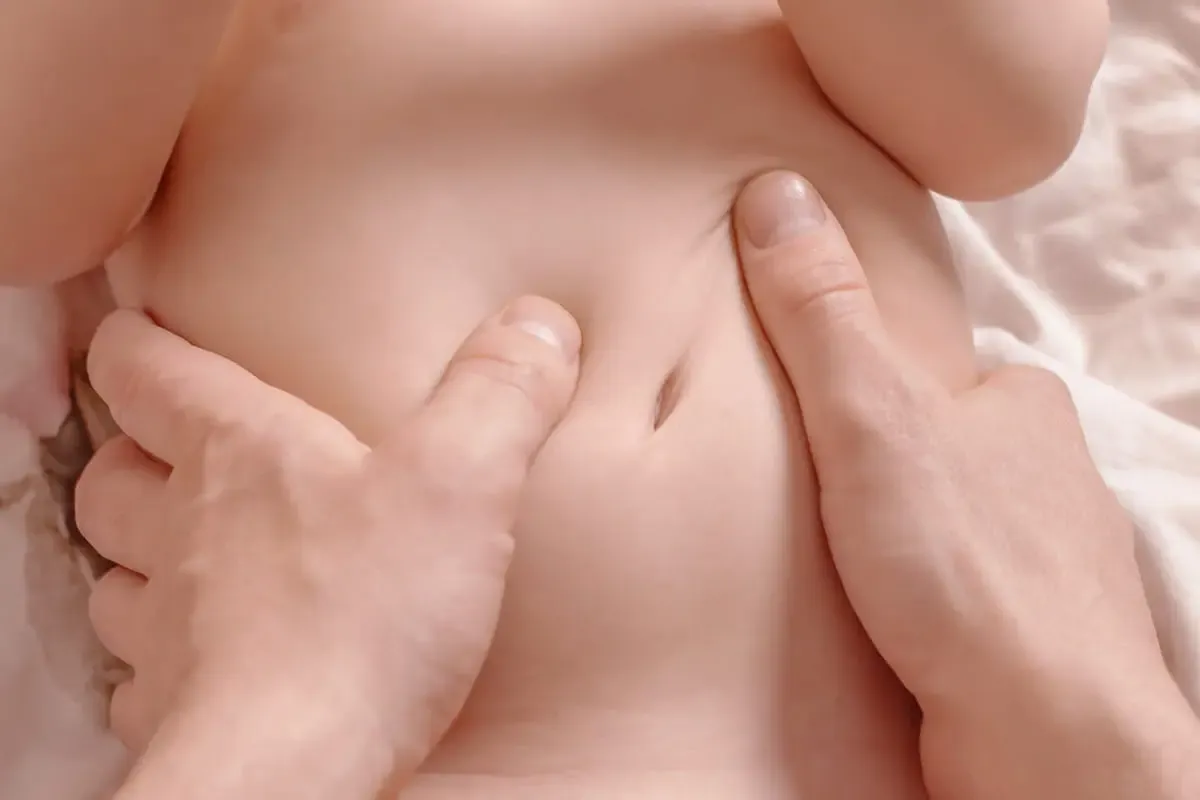
Slow, circular massage over the abdomen focuses on the spleen and stomach meridians. Comforting for children with sensitive tummies, poor appetite, or occasional digestive discomfort. Ages: 6 months & above. Typical duration: 15–25 minutes. Many children notice a warmer tummy and easier appetite.
Paediatric TCM overview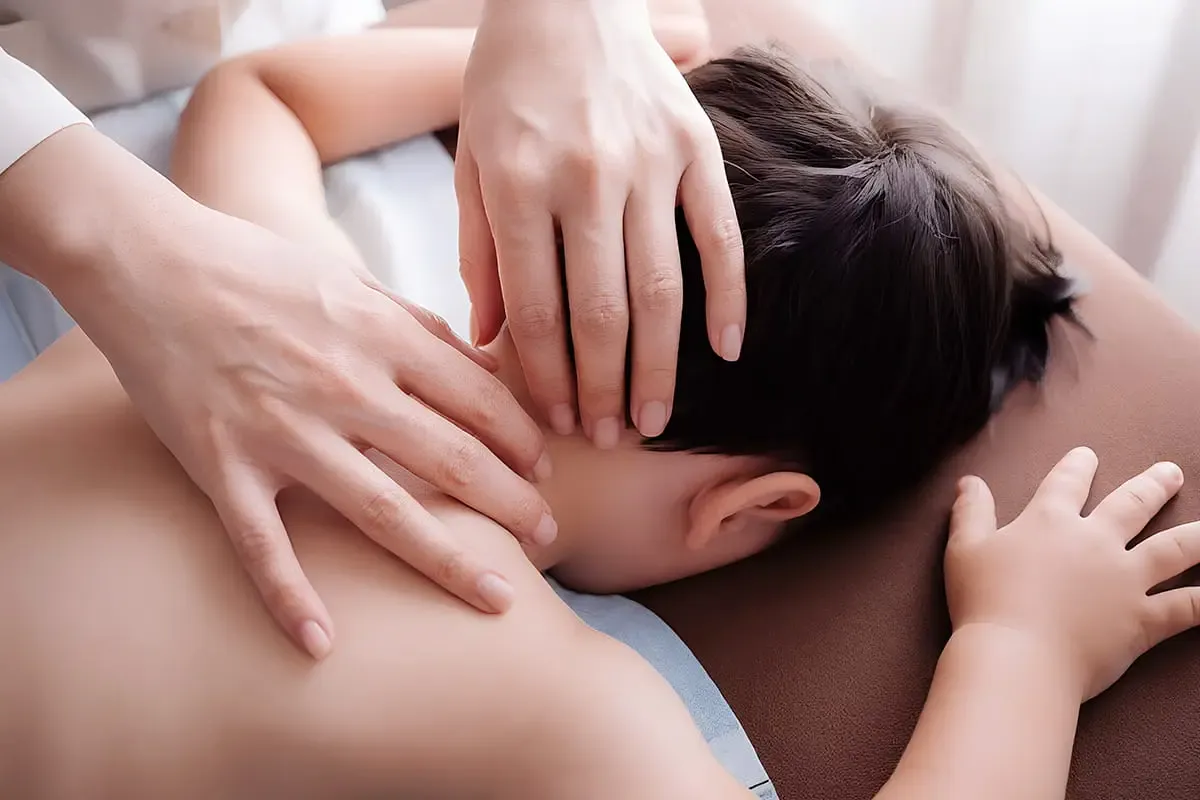
The spine is home to the Governing Vessel and Bladder Meridians, a pathway of Qi running from head to toe. Gentle rolling and pinching (Ji Zhu / nie ji 捏脊) promotes vitality, supports overall wellbeing, and encourages deep relaxation. Ages: 1 year & above. Typical duration: 20–30 minutes. Many children feel warmth, full-body ease, and better readiness for sleep.
Nie ji spine rolling Bite
Gentle techniques across the scalp, forehead, and face encourage relaxation and help ease tension. Like a purposeful mini scalp massage with added wellness benefits. A favourite during exam season. Ages: 3 years & above. Typical duration: 15–20 minutes. Many children feel clear-headed with refreshed eyes.
Paediatric TCM overview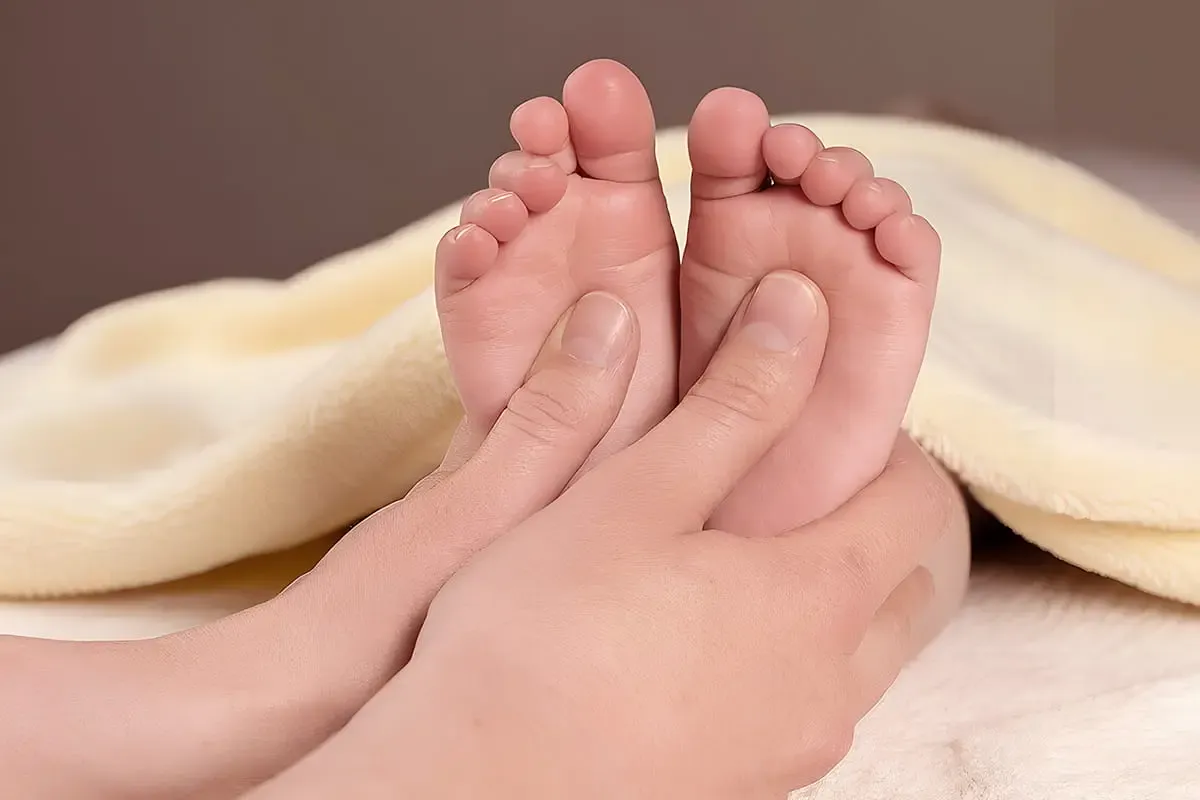
Acupoints on the legs and soles connect to the kidney, spleen, and stomach channels. A soothing experience that helps active or easily unsettled children feel calmer, more relaxed, and ready to rest. Ages: 2 years & above. Typical duration: 20–25 minutes. Many children feel calmer and ready to unwind.
Paediatric TCM overview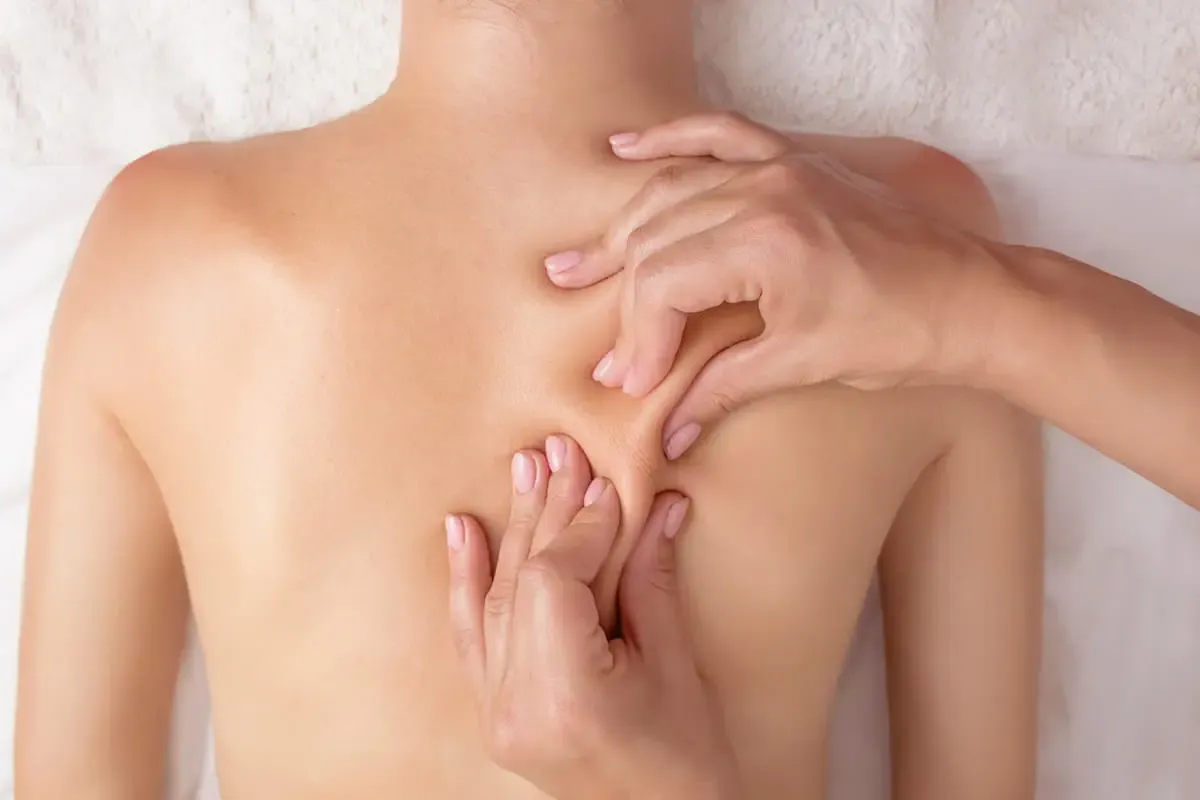
Gentle Tuina techniques across the chest and ribcage help open the lung channel, encouraging easier breathing while easing tightness in children who may be anxious or frequently sniffly, helping them feel calmer and more relaxed. Ages: 6 months & above. Typical duration: 15–20 minutes. Many children notice easier breathing and a more relaxed chest.
Paediatric TCM overviewPopular combinations parents often book: The Little Calm (hands + head) for school stress | Tummy & Back Reset (abdomen + back) for digestion and vitality | The Full Restore (hands + back + abdomen) as a fuller monthly ritual | The Wind-Down (head + back + feet) for children who struggle to switch off at night. Ultra-gentle strokes for infants. Clinical paediatric TCM across the network is covered on our Paediatric TCM page.

Your child's roadmap
Supporting healthy development is a journey of consistency. The phases below are a general guide. Zone mix, frequency, and pace are customised after the first assessment.
Understand your child's constitution and offer soothing relief for an overactive system or sluggish digestion. Sessions may use mixes such as The Little Calm or Tummy & Back Reset. Focus: settle tension and rest the mind. Frequency: often weekly or fortnightly during busy transitions or exam seasons. Many children notice fuller-body release and easier readiness for sleep.
Deepen care once acute tension eases. Comprehensive mixes such as The Full Restore often focus on spleen, stomach, and lung meridians to build internal reserves. Focus: steadier appetite, digestion, and mood. Frequency: often once every two weeks. Goals include a lighter feeling after meals and a more even daytime mood.
Shift toward preventive wellness as a regular ritual. Focus: defensive qi support, healthy sleep patterns, and longer-term stamina. Frequency: often once or twice a month. Aim: steadier daily energy and fewer bedtime disruptions, with plans adjusted as your child grows.
TCMPB-registered under MOH. English and Mandarin so parents and children can follow each step.
Light paediatric strokes only. You stay beside your child for the whole session.
Each visit is personalised based on your child's current concerns and overall wellbeing.
Bright, family-friendly rooms at The Woodleigh Mall, with network paediatric care available when needed.
Physicians
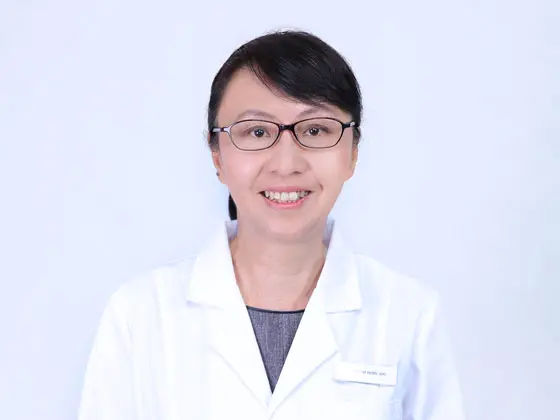
TCMPB-registered under MOH. Paediatric-experienced physicians lead this pathway, with Physician Ng Yu Xiang among the physicians available for children's care at Woodleigh.

TCM Physician
Internal Medicine · Pain & Injury · Aesthetic Care
Advisor / Consultant Physician
Gastrointestinal Syndromes · Pain Management · Sleep / Fatigue

Consultant Physician
TCM Oncology · Pain Management · Gynecology

TCM Physician
Pain Management · Sports Injuries · Gynaecology

TCM Physician
Pain & Injury · Dry eye · Internal Medicine
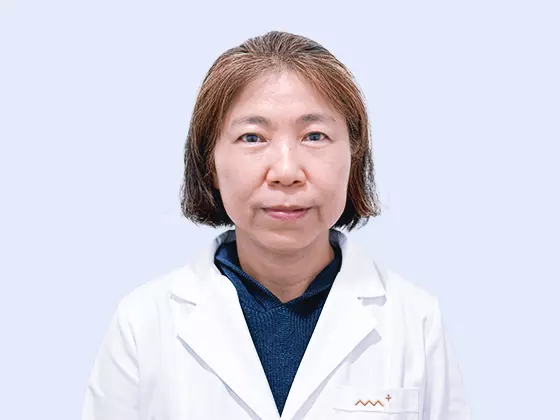
TCM Physician
Eye Conditions · Internal Medicine · Pain Management

TCM Physician
Gastrointestinal · Internal Medicine · Pain Management

TCM Physician
Facial Beauty Acupuncture · Facial Nerve · Cosmetology
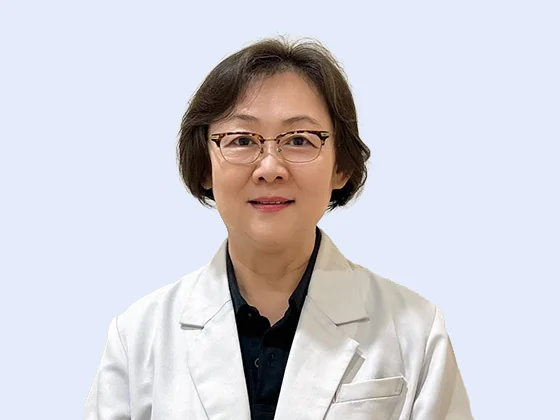
TCM Physician
Women’s Health · Pain Management · Weight Management & Wellness
At Woodleigh I keep the visit unhurried so children can settle with a parent in the room. Light paediatric Tuina works best when we shape that day's zones to what we see on pulse and tongue, and explain each step in plain language.
Parent stories
Programme
Programme
Physician-led Paediatric Tuina with personalised body-zone care for infants and children from 6 months.
Book consultation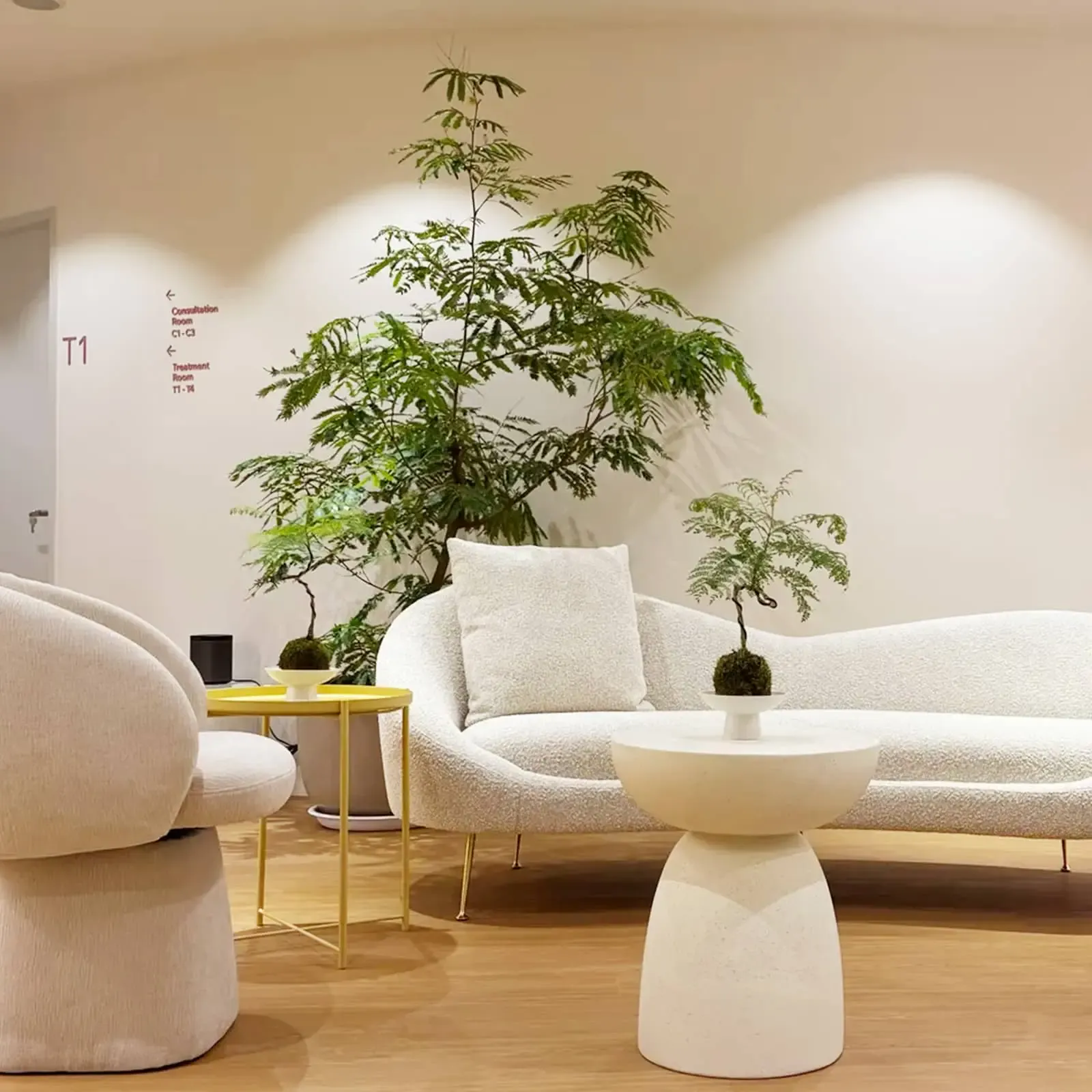
Locations
This paediatric Tuina programme is centred at PULSE TCM Woodleigh (The Woodleigh Mall), with calm rooms suited to families. Paediatric Tuina is also available across the PULSE network via our Paediatric TCM treatment page.
FAQs
Growth support, session rhythm, safety, supplements, home tips, age bands, and the first visit.
Paediatric Tuina gently stimulates specific meridian zones to support balance in a developing system. Many families use it for digestive comfort, restful sleep patterns, and school-related tension as complementary care beside Western paediatric advice.
Many children feel deep calm after the first session. Many families may choose once or twice a month as part of their child's wellness routine; others choose more frequent weekly or fortnightly sessions to help their child navigate busier or stressful periods, such as exams, school transitions, or changes in routine. Your physician will recommend a suitable frequency tailored to your child's overall wellbeing.
Techniques stay light, rhythmic, and adapted to a child's physiology. No needles or instruments are used. Tell your physician about open wounds, contagious skin issues, or acute illness so care stays appropriate.
Yes. This drug-free touch therapy is designed to complement everyday routines. Share all medicines and supplements at consultation so the session fits your child's constitution and lifestyle.
Yes. Physicians teach simple, non-invasive points at the end of the session when useful. Short daily practice between visits helps sustain comfort; start only with methods your physician has shown.
Yes. Care is designed from 6 months and above. Duration and zones are calibrated to developmental stage, with ultra-gentle strokes for infants and broader wellness sessions for older children.
The first visit often takes about 45 minutes. It begins with a relaxed consultation (pulse and tongue), then about 20–30 minutes of Tuina while you remain in the room, followed by take-home tips when appropriate.
Sources & page citations
Clinically reviewed
TCM Physician · TCMPB T2504104A
MOH-licensed TCM physician with clinical work in internal medicine, pain and injury, and aesthetic care, and a calm consult style suited to family visits at Woodleigh.
View full profileEducational information based on clinical experience and TCM principles. Not a substitute for personalised consultation or paediatric medical care. Speak with your child's healthcare providers before starting new treatments. Paediatric Tuina complements (and does not replace) urgent, emergency, or specialist Western care. Seek conventional care first for high fever, breathing difficulty, dehydration, injury, or sudden change in alertness.
Book
Tell us what you are noticing: sleep, appetite, school stress, or a general wellness check-in. We will match you with a physician at Woodleigh or guide you to network paediatric care when that fits better.