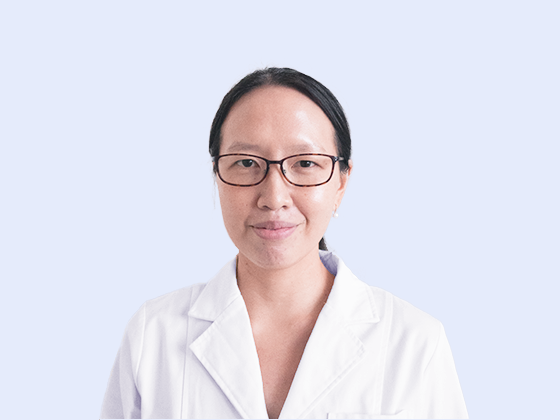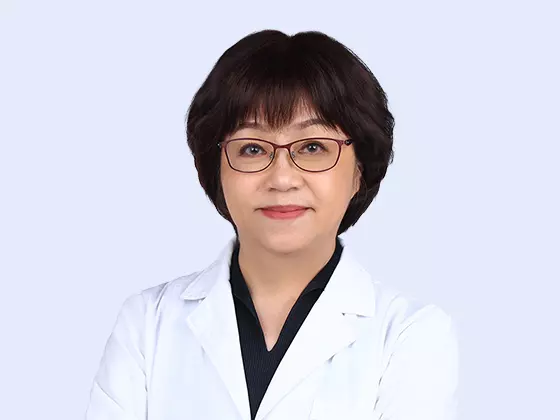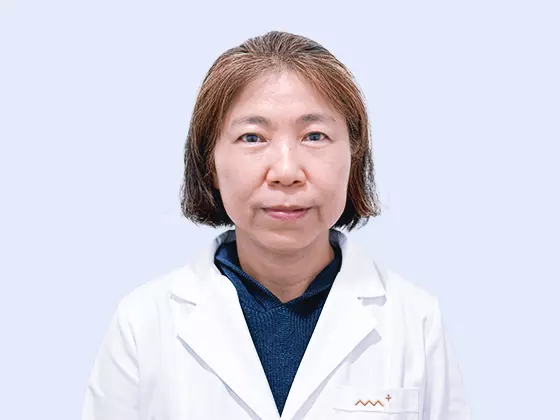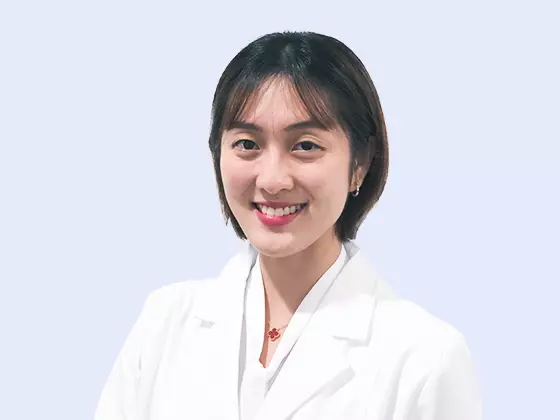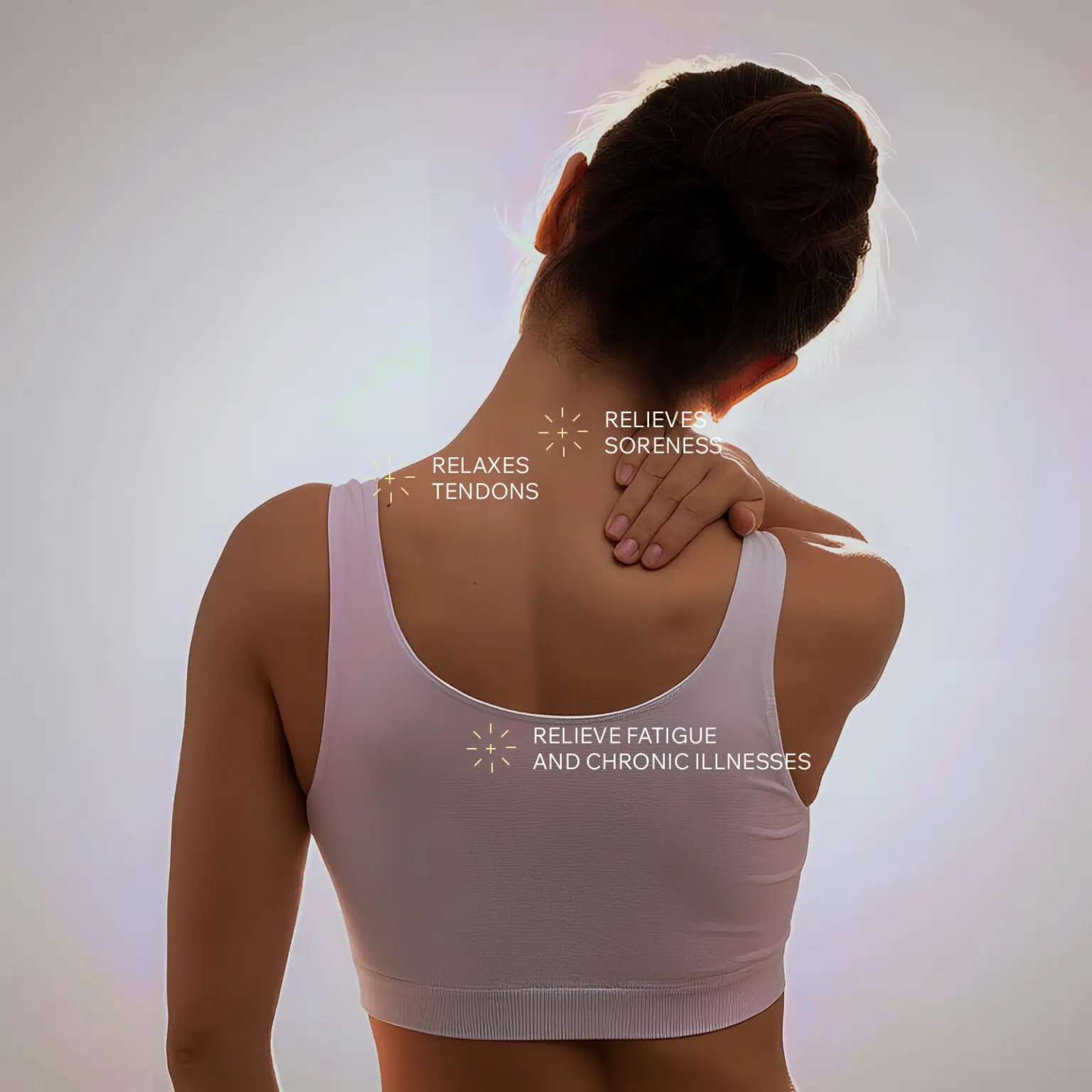
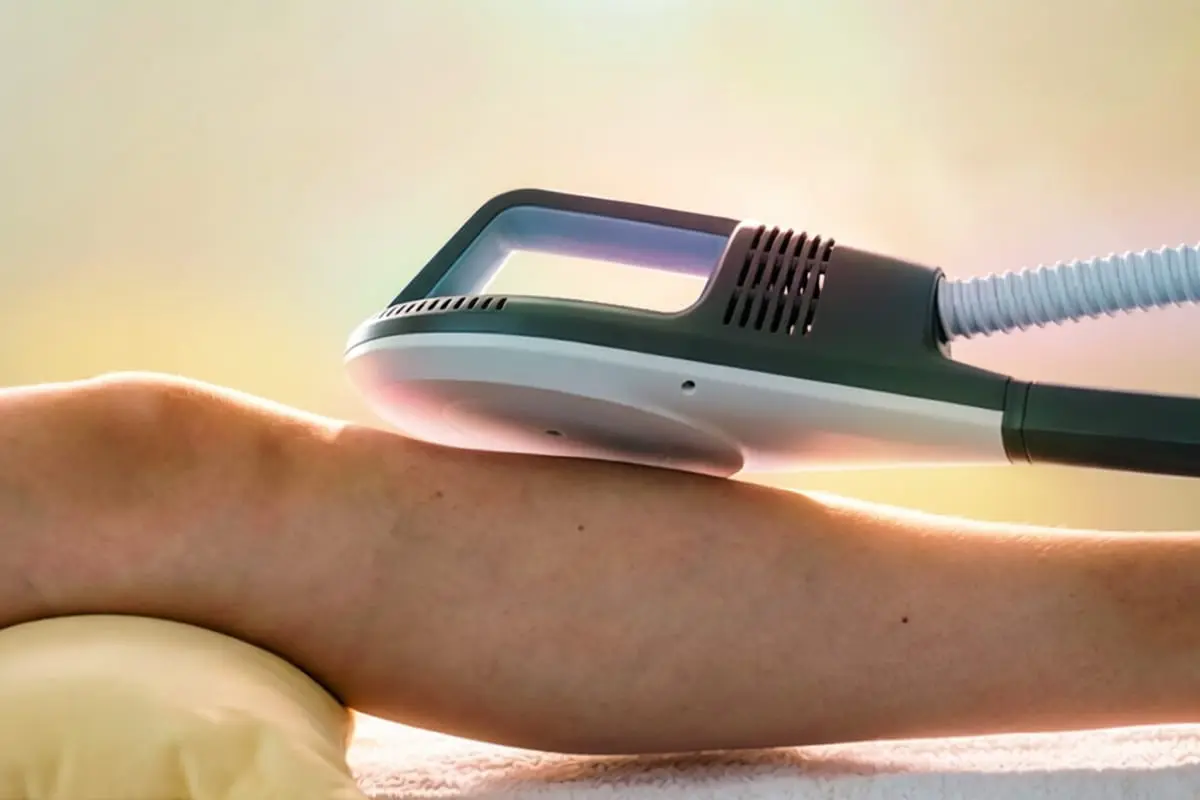
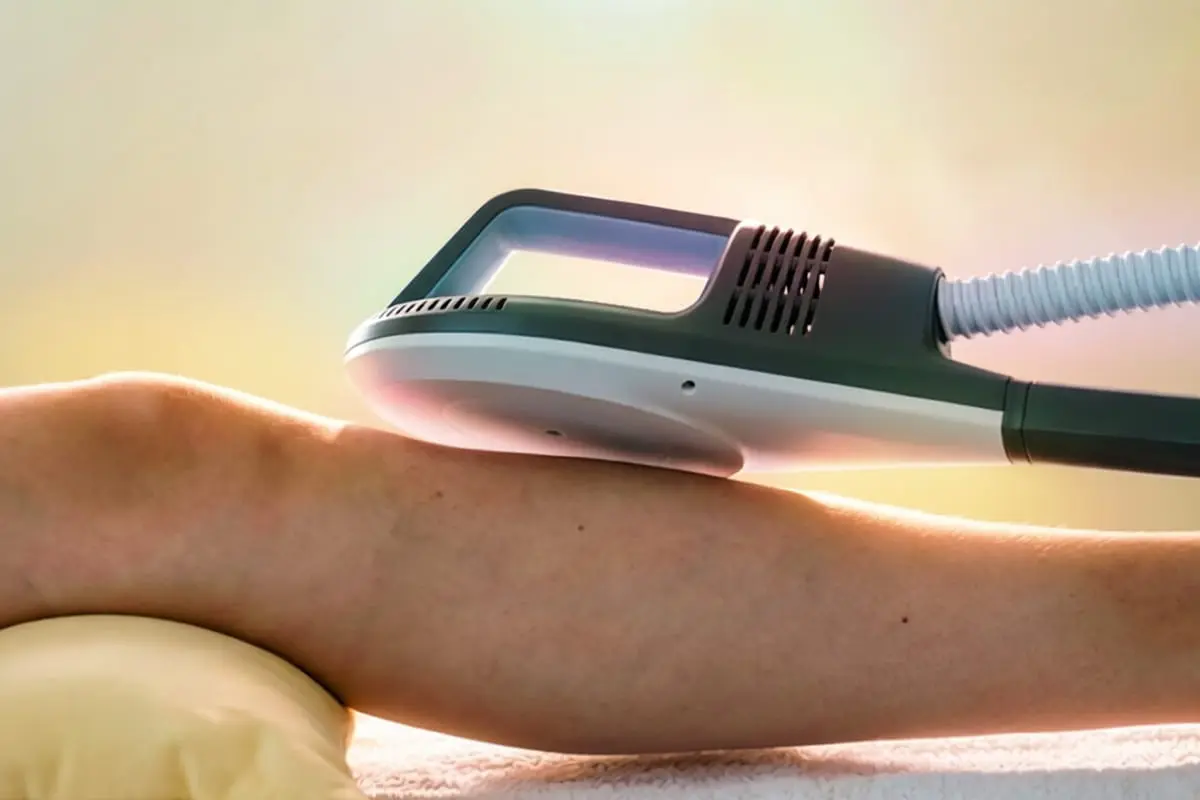
Super Inductive System electromagnetic therapy at a PULSE TCM clinic

Physician-indicated · MOH-registered

Super Inductive System in Singapore for pain and recovery

High-intensity electromagnetic therapy as a physician-indicated adjunct after a full TCM consultation, explained in both TCM and clinical terms.

  • MOH-registered physicians
  • Non-contact electromagnetic adjunct
  • Physician-indicated care
  • 15 clinics islandwide
  • East meets West care

In brief

The Super Inductive System (SIS) at PULSE TCM is a non-contact, high-intensity electromagnetic therapy used when your physician indicates it for pain modulation, muscle activation, and recovery support. It sits as an adjunct within TCM pain and injury plans across our Singapore clinics. Availability is confirmed at booking.

What it is

Electromagnetic support that meets the pattern

SIS uses a rapidly changing magnetic field to stimulate nerves and muscles without touching the skin. At PULSE it is never a stand-alone product menu; it joins the plan only when the assessment points that way.

In Chinese medicine there is a saying, 不通则痛: when qi and blood do not move freely, pain often follows. Your physician may describe stagnation, cold, or restricted channels in plain language after pulse and tongue reading. SIS can support local circulation and neuromuscular response as an East-meets-West adjunct beside acupuncture, tuina, or bone-setting. MOH-registered physicians decide if and when it belongs, and can coordinate with Heartland Rehab or PULSE Allied Health when recovery needs both.

How SIS works
Physician explaining SIS electromagnetic therapy at PULSE TCM

How it works

How the Super Inductive System works

Classical TCM framing and what clinic practice describes physiologically, side by side, with a short evidence sketch below.

A TCM perspective

Moving stuck qi and blood

When channels are obstructed, pain and stiffness often follow. SIS does not replace acupuncture or herbs; it can support local flow and muscle response so the area is less locked while the broader pattern is treated.
A clinical perspective

Field, nerve, muscle

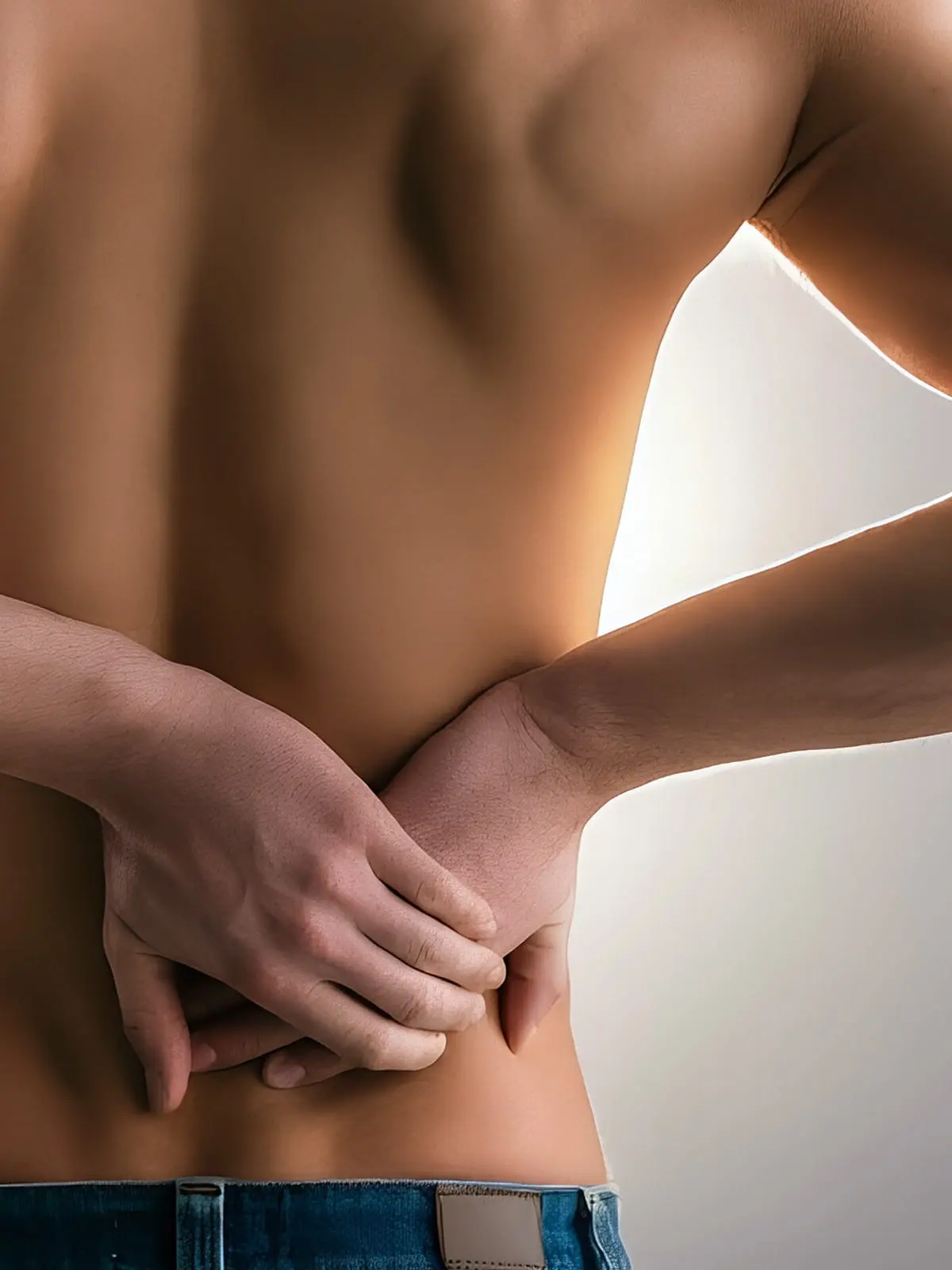
A high-intensity electromagnetic field from the applicator triggers action potentials in nearby nerves and produces therapeutic muscle contractions. Frequency and intensity are tuned to the region. Sessions are non-contact; clothing can usually stay on.

What research and practice help explain

A plain summary of electromagnetic stimulation literature, not a promise of outcome for every person.

  • Peripheral magnetic stimulation and pain Pilot work on repetitive peripheral magnetic stimulation has explored pain management in musculoskeletal and neurological settings. Results vary by protocol and condition; your physician interprets suitability for you. [1]
  • Spasticity and high-intensity fields High-intensity electromagnetic stimulation has been studied as one option to ease elevated muscle tone after stroke in selected patients. It is not a first-line emergency intervention. [2]
  • Tissue repair context Electromagnetic approaches have a longer history in orthopaedic and rehabilitation settings for supporting tissue recovery. SIS at PULSE is framed as an adjunct inside a TCM plan, not a stand-alone cure. [3]
  • Regulated practice in Singapore Care is delivered by TCM physicians registered with the Traditional Chinese Medicine Practitioners Board under MOH. Device use is physician-indicated and clinic-specific. [4]
Physician explaining Super Inductive System therapy at PULSE TCM

The device

Non-contact field, physician-led

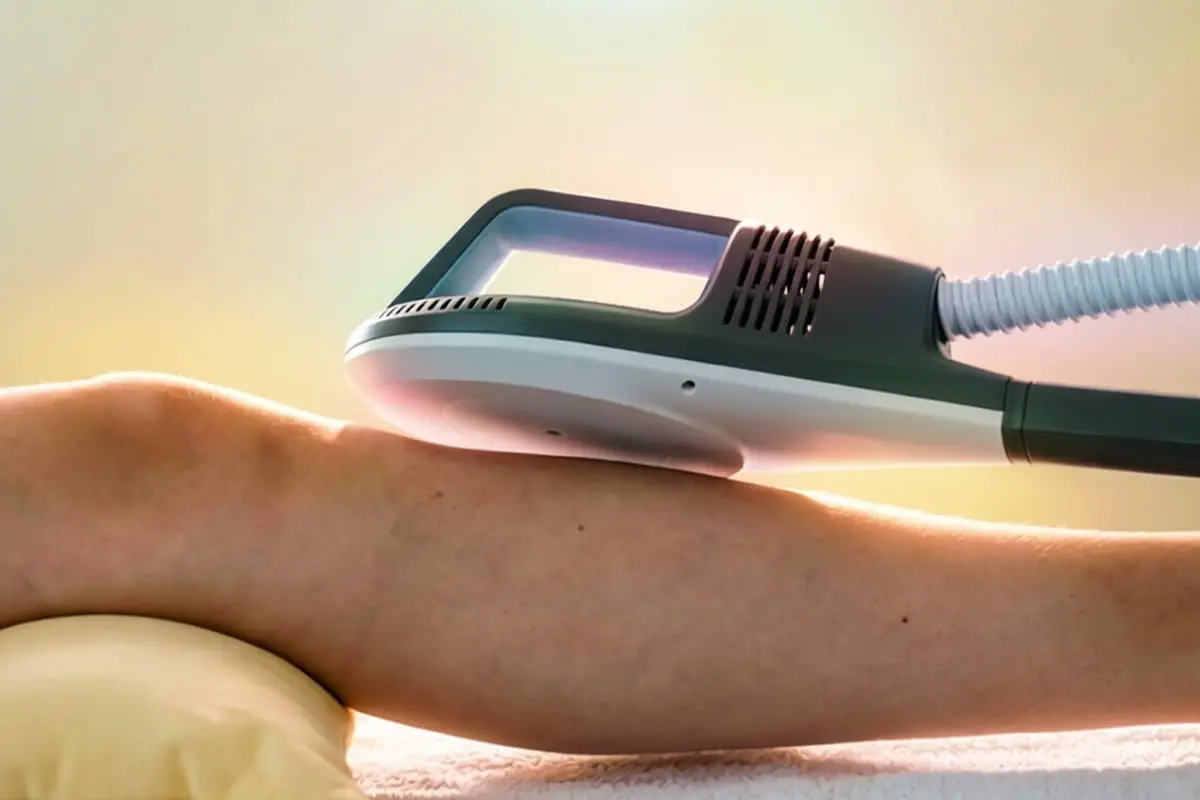
The Super Inductive System applicator delivers a high-intensity electromagnetic field without touching the skin. Clothing can usually stay on. Your physician sets frequency and intensity for the region after diagnosis.

Availability is confirmed at booking. SIS does not replace pulse, tongue, and a proper TCM consultation.

Common concerns

Where SIS may sit in a pain plan

SIS is considered for selected musculoskeletal and nerve-irritation patterns after consultation. Physicians treat patterns, not only disease names. The concerns below are common entry points and not exhaustive.

In TCM we may describe qi and blood stagnation, cold-damp in the channels, or soft-tissue restriction that keeps pain stuck. Your physician will name the pattern clearly so SIS, if used, matches that reading.

Muscle & joint pain

  • Acute and chronic regional pain*
  • Tendinopathy support*
  • Stiff or locked-feeling joints*
  • Overuse and sports-related strain
Pain & Injuries pathway

Nerve irritation

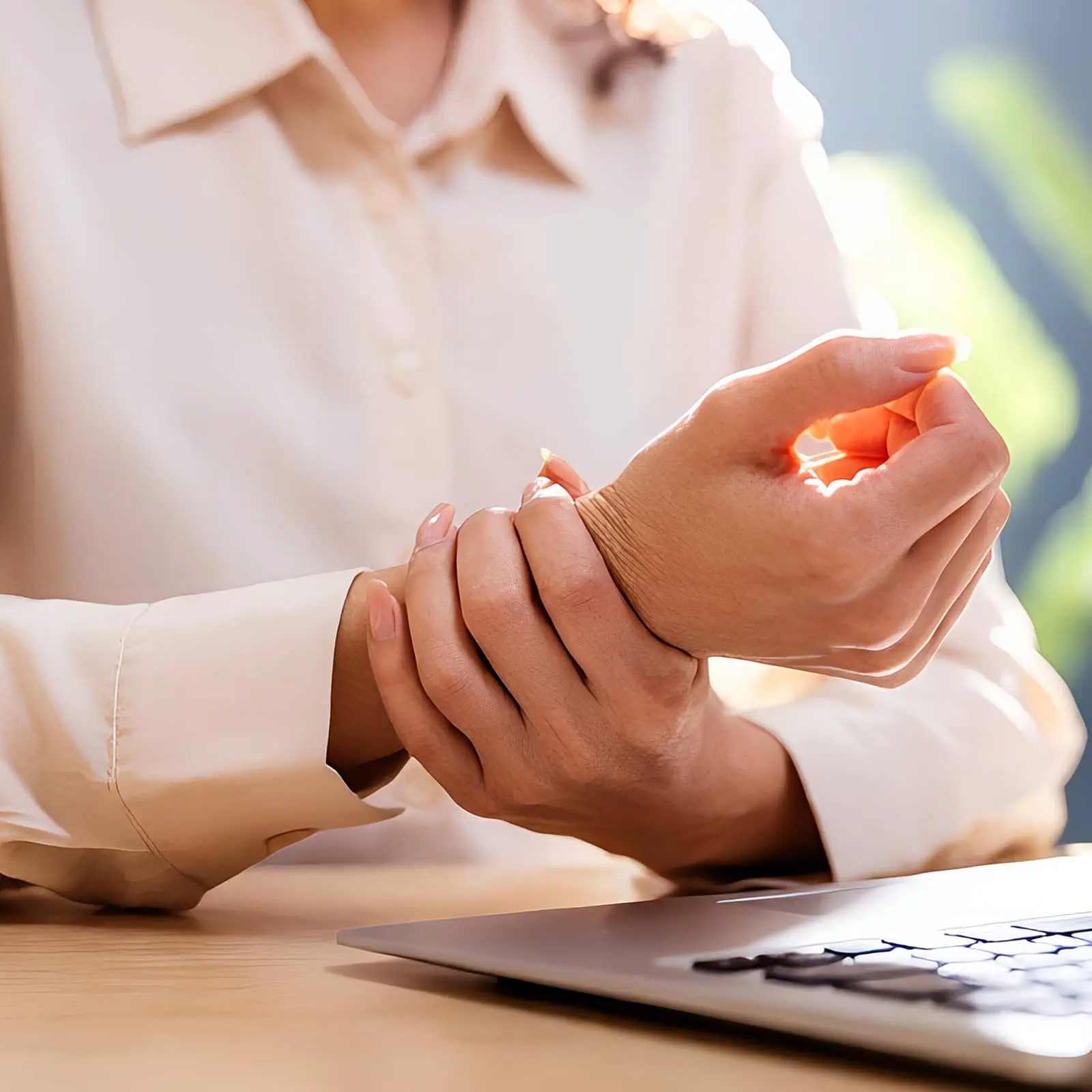
  • Nerve-related tingling or irritation*
  • Carpal-tunnel style patterns*
  • Spasticity support when indicated*
  • Postural nerve tension patterns*
Pain & Injuries pathway

Recovery & mobility

  • Muscle weakness after immobilisation*
  • Joint mobilisation support*
  • Circulation and swelling comfort*
  • Post-rehab adjunct when indicated*
Pain & Injuries pathway

* Degenerative and post-injury patterns are managed for comfort and function, not cured. Red-flag emergencies need Western medical care first.

SIS applicator positioned for pain-modulation therapy

What SIS supports

Where SIS sits in a pain plan

Settings are adjusted for the region and your comfort. SIS may run alone in a visit or beside other TCM modalities in the same plan, never as a walk-in gadget menu.

  • Pain modulation

    Electromagnetic pulses can depolarise peripheral nerves and interrupt pain signalling pathways. Used when your physician wants a non-contact option for acute, subacute, or longer-standing discomfort.

  • Neuromuscular activation

    Regulated contractions help re-engage muscles that have weakened after injury, rest, or underuse, supporting strength and control without manual force on the joint.

  • Joint and recovery support

    Rhythmic contractions can ease stiffness around a joint capsule and support local circulatory comfort after overload: recovery assistance, not a guarantee of faster healing for every case.

Most people feel deep muscular pulsing or mild tingling, not sharp pain. Intensity is adjustable. Say so if anything feels too strong so the physician can adapt.

Your visit

What to expect

Consultation first. SIS only when it fits your plan.

  1. Consultation

    Share history, imaging if you have it, implants, pregnancy status, medications, and goals. First visits usually take 45–60 minutes.

  2. TCM diagnosis

    Pulse, tongue, and musculoskeletal assessment guide whether SIS belongs and which region to treat.

  3. SIS session

    The applicator is held above the area. Most device portions last about 8 to 10 minutes. You may feel pulsing or tingling; intensity is adjustable.

  4. Plan & aftercare

    Leave with clear next steps. Mild next-day soreness can occur. You can usually return to normal activity the same day unless advised otherwise.

Physician reviewing contraindications before SIS therapy at PULSE TCM

Comfort & safety

Non-contact care with clear boundaries

SIS is generally well tolerated when indicated. It is not appropriate for everyone. Tell your physician about implanted devices and pregnancy before treatment is planned.

  • Always indicated and supervised by trained TCM physicians; intensity is adjusted to your comfort.
  • Not suitable for people with pacemakers, cochlear implants, or certain metal implants without specialist advice.
  • Pregnant individuals should discuss suitability with their healthcare provider before SIS.
  • Remove metallic accessories and keep phones away from the treatment field during the session.
  • Mild muscle soreness for 24 to 72 hours can occur. Seek urgent Western care for red-flag symptoms.

Why patients choose PULSE

  • MOH-registered, bilingual physicians

    TCMPB-registered under MOH. English and Mandarin care across the network.

  • Indicated adjunct, not a gadget menu

    SIS joins the plan after diagnosis, alongside acupuncture or bodywork when useful.

  • Modern, sanitary treatment rooms

    Calm private rooms with hygiene protocols you can ask about on the day.

  • East meets West when needed

    Coordination with Heartland Rehab and PULSE Allied Health when recovery needs both.

More in the FAQs

From the clinic

  • SIS is useful when I want a non-contact stimulus for stubborn regional pain or weak muscle firing, but only after the pattern is clear. The device does not replace pulse, tongue, and a proper diagnosis.

    Dr Sim Beng Joo

    Dr Sim Beng Joo

    Advisor / Consultant Physician · TCMPB T1303003A

    View profile
  • Patients often ask if it will hurt. Most describe a deep pulsing that we can dial to comfort. I spend as much time on contraindications and expectations as on the applicator itself.

Charges

Quoted after assessment

SIS fees are quoted after your physician confirms it belongs in the plan. Consultation starts from $40. Not inclusive of GST. Availability varies by clinic and is confirmed when you book.

Full charges
Book a consultation
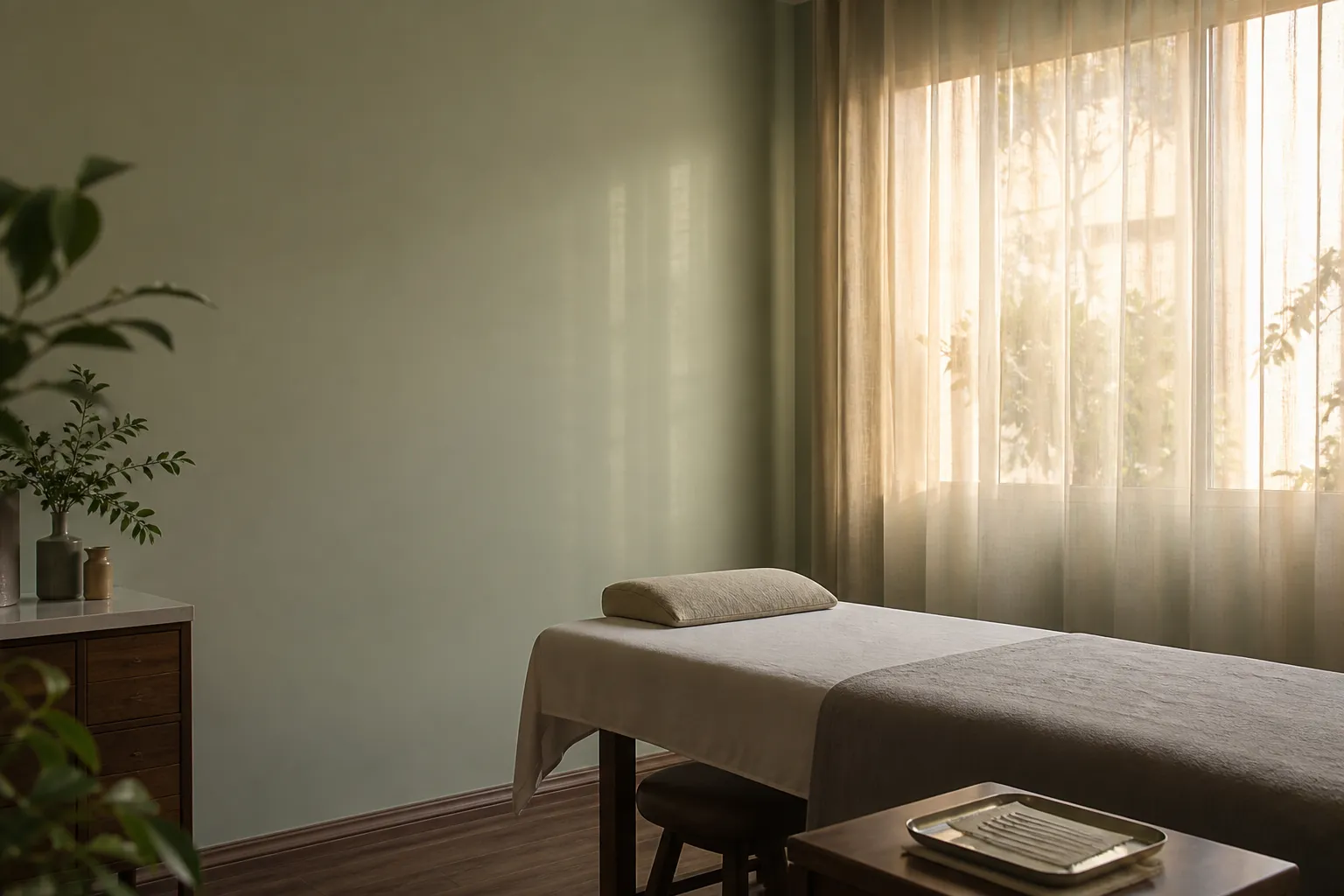
Calm PULSE TCM treatment room prepared for adjunct therapy

Locations

Ask which clinic offers SIS

PULSE has 15 clinics islandwide. SIS equipment is available at selected outlets; we confirm availability when you book or WhatsApp.

  • 15 clinics islandwide Orchard, CBD, and neighbourhood locations including ION Orchard, Paragon, Woodleigh, and more.
  • Confirm before you travel Device availability is clinic-specific. Booking or WhatsApp will match you to an outlet that can provide SIS when indicated.
Find a clinic

FAQs

SIS questions, answered

What it is, how it feels, contraindications, and how we quote fees.

What is the Super Inductive System (SIS)?

SIS is a medical device therapy that delivers a high-intensity electromagnetic field through a non-contact applicator. It stimulates nerves and muscles to support pain modulation, activation, and local recovery when your physician indicates it.

How does SIS work with TCM care?

In TCM, pain often relates to obstructed qi and blood. SIS can support local circulation and neuromuscular response while acupuncture, tuina, herbs, or bone-setting address the wider pattern. It is an adjunct, not a replacement for diagnosis-led TCM care.

Is SIS therapy painful?

Most patients describe moderate tingling or deep muscular pulsing, not sharp pain. Intensity is adjustable. Tell your practitioner if the sensation feels too strong.

How long does a session take?

The device portion commonly lasts about 8 to 10 minutes, depending on the region and plan. Your overall visit still includes consultation and any other modalities in the same appointment.

How many sessions will I need?

That depends on your pattern, goals, and how you respond. Some people notice change within the first few visits; others need a longer plan. Your physician sets expectations after assessment rather than a fixed package promise.

Do I need to prepare beforehand?

Yes. Remove metallic accessories and keep phones and similar devices away from the treatment field. Share implant, pacemaker, pregnancy, and medication details at consultation.

Is there downtime after SIS?

Usually none. Most people return to normal activity the same day. Mild next-day soreness can occur, similar to after a thorough workout or stretch.

Who should avoid SIS?

People with pacemakers, cochlear implants, certain metal implants, or pregnancy should seek medical advice before SIS. Your physician screens for contraindications before indicating the device.

How is SIS different from shockwave or manual therapy?

Shockwave uses acoustic pulses; manual therapy uses hands-on techniques; SIS uses a non-contact electromagnetic field to trigger nerve and muscle responses. Your physician chooses among them based on the pattern, not as competing product upsells.

How much does SIS cost at PULSE TCM?

SIS is quoted after assessment when it is part of your plan. Consultation starts from $40. GST is separate. Ask at booking which clinic can provide the device.

References

Sources & page citations

  1. Zarkovic D, Kazalakova K. Repetitive Peripheral Magnetic Stimulation as Pain Management Solution in Musculoskeletal and Neurological Disorders – A Pilot Study. International Journal of Physiotherapy. 2016;3(6):671–675. ijphy.org
  2. Prouza O, Kouloulas E, Zarkovic D. High-Intensity Electromagnetic Stimulation Can Reduce Spasticity in Post-Stroke Patients. International Journal of Physiotherapy. 2018;5(3):87–91. ijphy.org
  3. National Center for Complementary and Integrative Health. Traditional Chinese medicine: What you need to know. 2019. nccih.nih.gov
  4. Traditional Chinese Medicine Practitioners Board. Registration & practice standards for TCM physicians. Ministry of Health, Singapore. healthprofessionals.gov.sg/tcmpb
Dr Sim Beng Joo

Clinically reviewed

Reviewed by Dr Sim Beng Joo

Advisor (Science & Strategy) / Consultant Physician · TCMPB T1303003A

MOH-licensed TCM physician and biomedical scientist, with clinical work in digestion, pain, and sleep or fatigue.

View full profile

Educational information based on clinical experience and published literature on electromagnetic stimulation. Not a substitute for personalised consultation. Speak with your healthcare provider before starting new treatments. SIS complements (and does not replace) urgent or specialist Western medical care.

Book

Begin with a consultation

Tell us what you need help with. We will match you with the right physician and confirm whether SIS is available at your preferred clinic.

Hours
Most clinics daily 11:00 AM – 8:00 PM
From
Quoted after physician assessment