Joints & soft tissue
- Shoulder & elbow subluxations
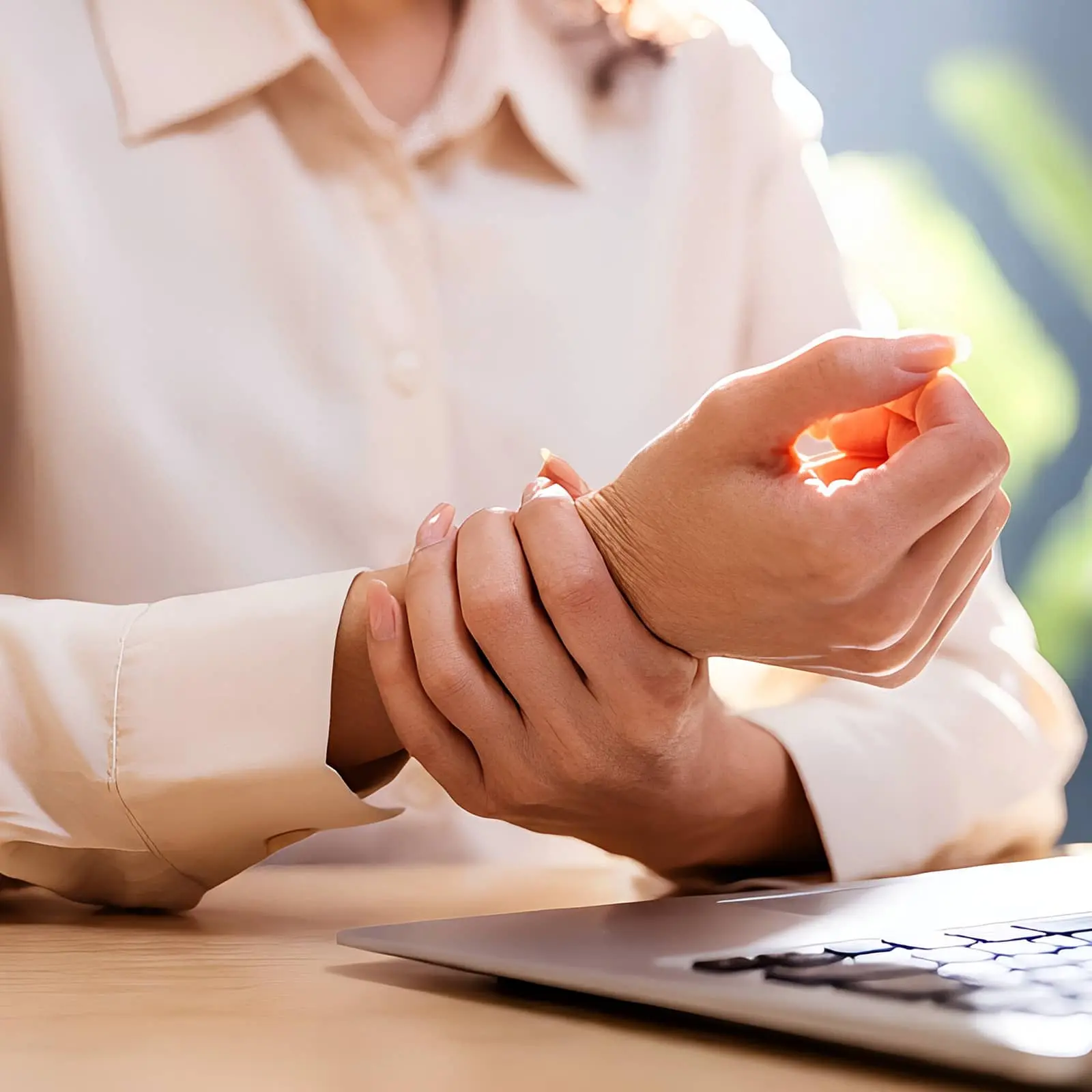
- Wrist, ankle, or finger misalignments
- Sprains, strains & rolled ankles
- Tendon tightness or “slipped” feel

From $150 · MOH-registered
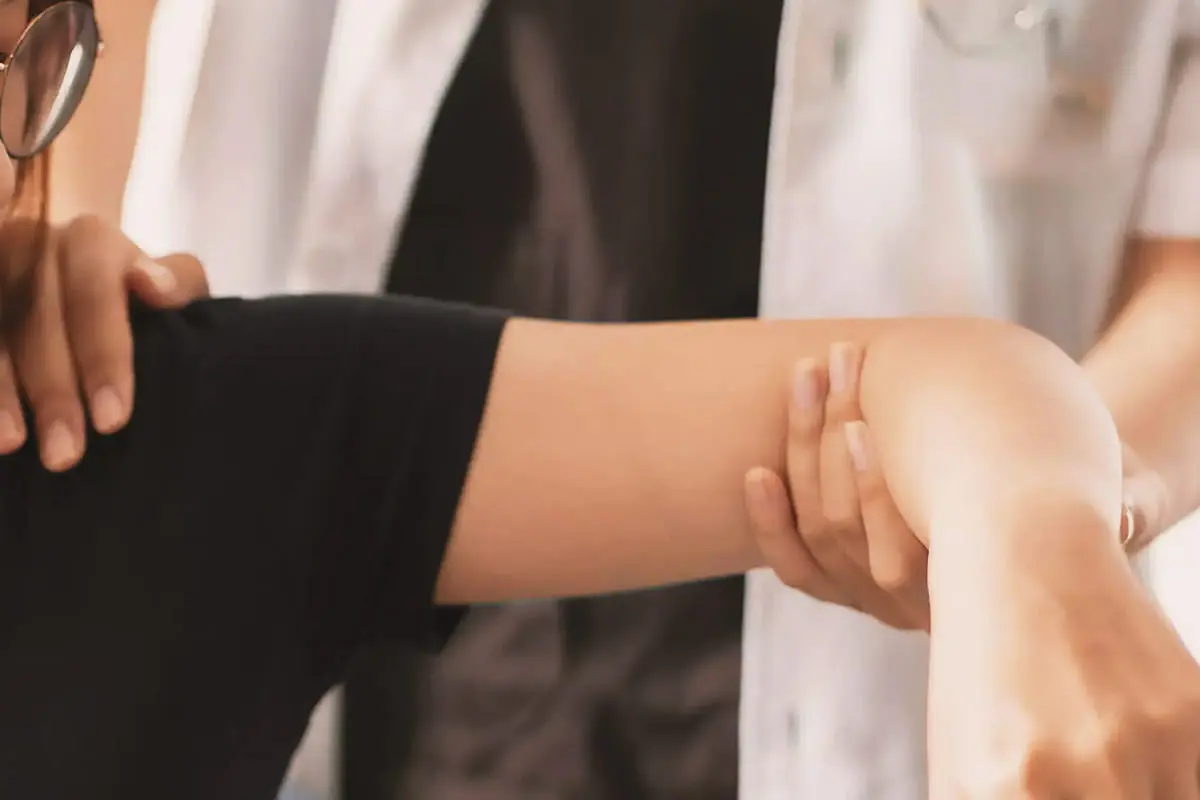
Physician-led Zheng Gu (正骨) after a full TCM consultation, explained in both TCM and clinical terms.
In brief
Bone setting (Zheng Gu) at PULSE TCM is physician-led manual therapy to realign joints and ease soft-tissue tension after consultation. Techniques may include gentle manipulation, traction, and tuina across 15 Singapore clinics. Not for major fractures. From $150.
What it is
TCM bone setting (Zheng Gu, 正骨) uses skilled hand techniques to address joint and muscle patterns, always after a physician consultation and TCM pattern diagnosis.
In Chinese medicine, misaligned joints and tight soft tissue can slow qi and blood, showing up as persistent back pain, stiff necks, or restricted movement. Bone setting gently restores alignment so local inflammation and stiffness have a better chance to settle. At PULSE, MOH-registered physicians choose techniques for your pattern, and can coordinate with physiotherapy and Allied Health when your plan needs both.
How bone setting works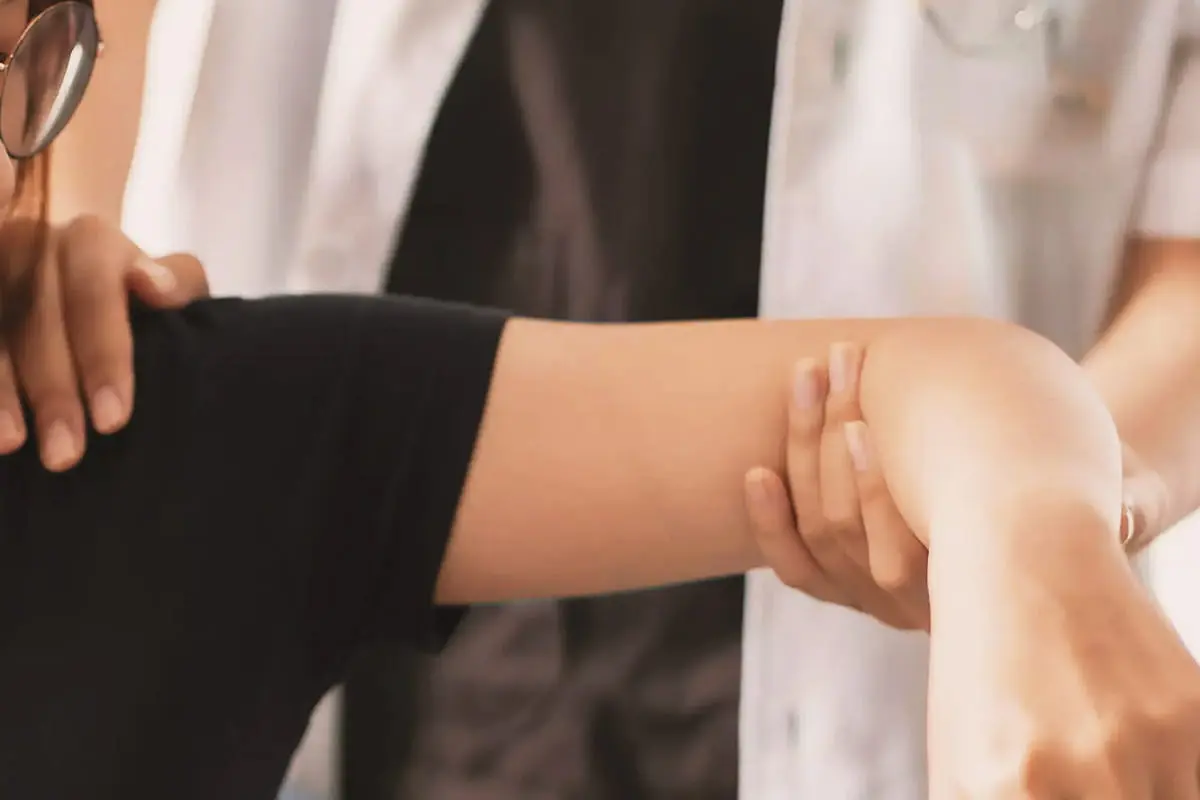


Coordinated with Heartland Rehab when joint or alignment work needs both East and West. Explore integrative care
Common concerns
Bone setting often sits with acupuncture, tuina, or cupping. Physicians treat patterns, not only disease names. The concerns below are common in clinic and not exhaustive.
In TCM we often describe stuck tendons, trapped vertebrae, or uneven posture that disrupt channel flow. Your physician will name the pattern in plain language (and in TCM terms when useful) so care stays specific to you.
* Degenerative conditions are managed for comfort and mobility, not cured. Major fractures and surgical emergencies need Western medical care first.
Pathways
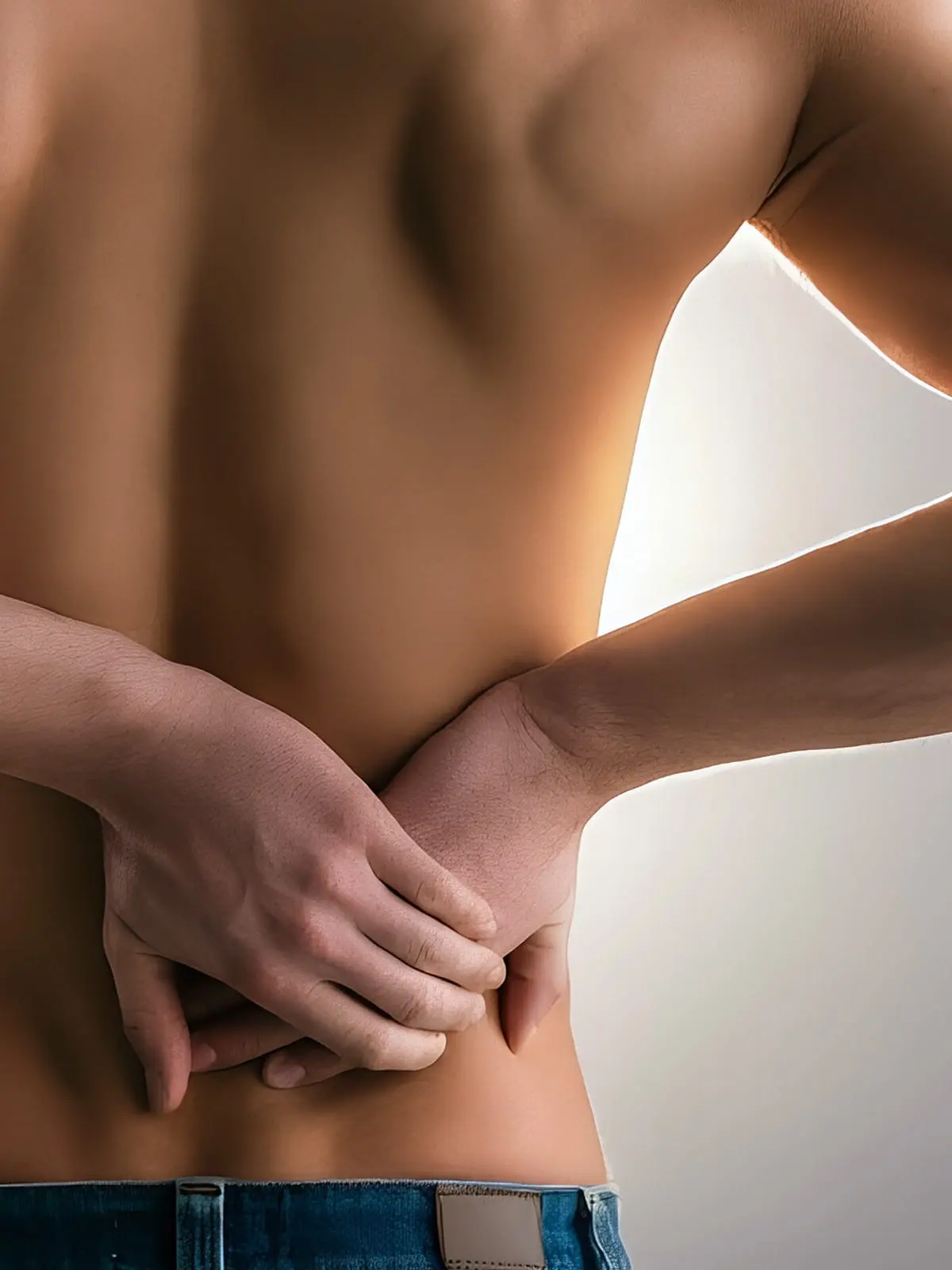
Pain and injury are the usual entry points. Use a programme pathway when you want care framed around a goal, not only a modality.
Common start










Modalities
All share the same diagnostic groundwork. Your physician chooses manipulation, traction, tuina, and supportive heat or herbal applications when they fit your condition.
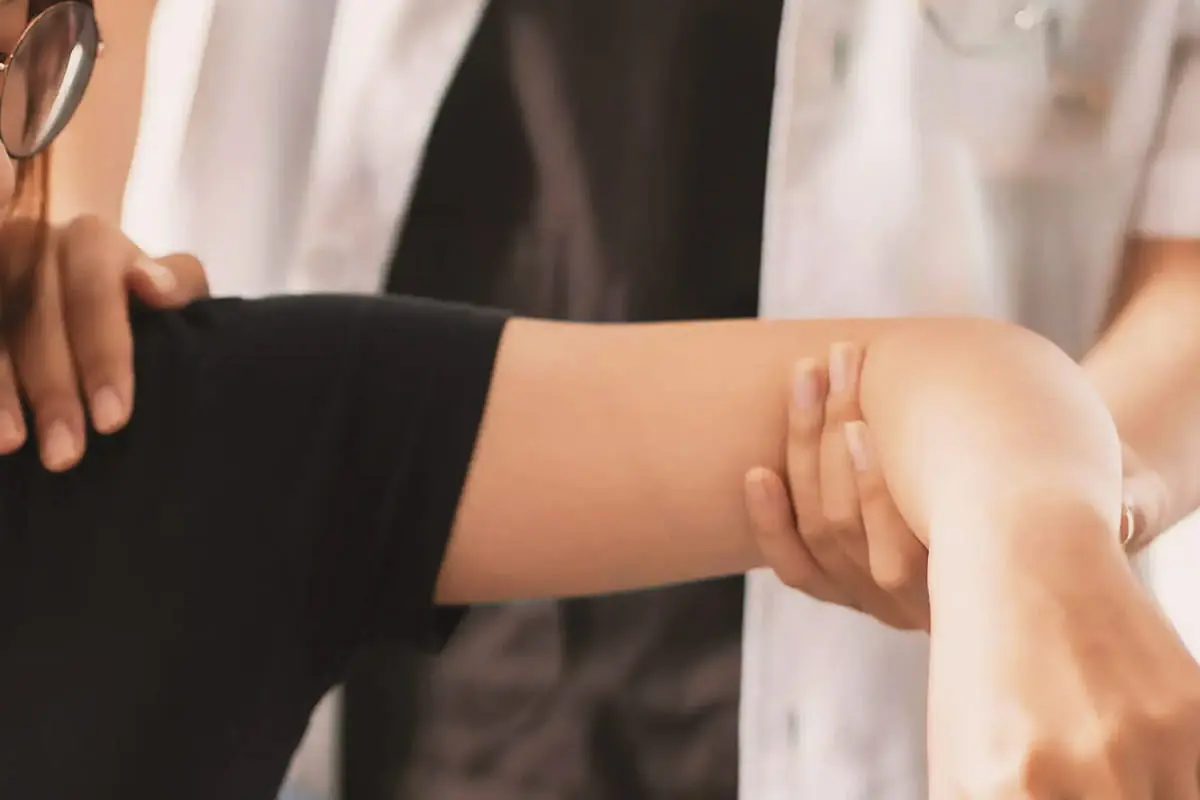
The core Zheng Gu technique. Physicians use their hands to gently adjust and realign joints, aiming for smoother movement and less local tension.
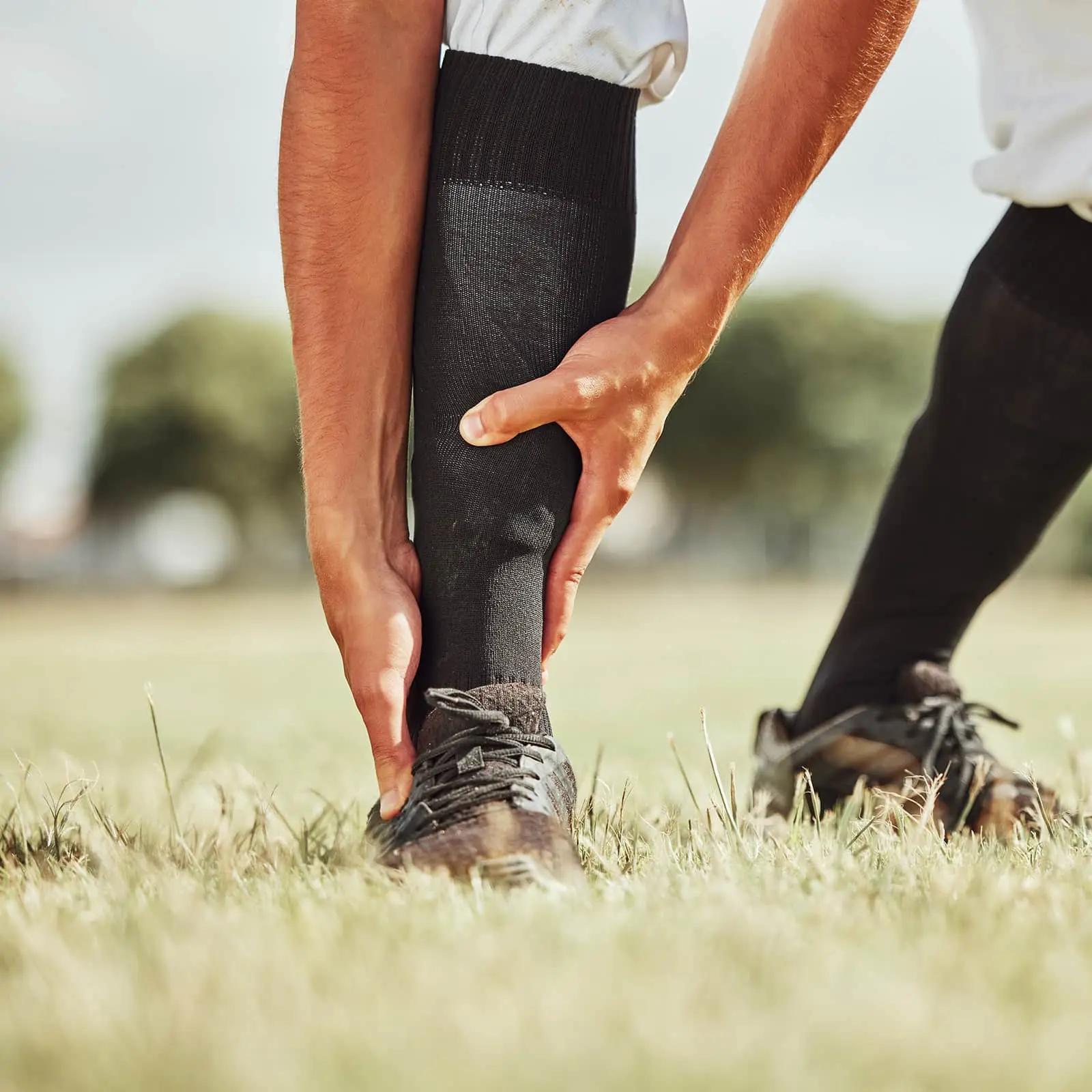
Affected areas are stretched to ease joint pressure. Often used for spinal or limb patterns where decompression supports comfort and mobility.
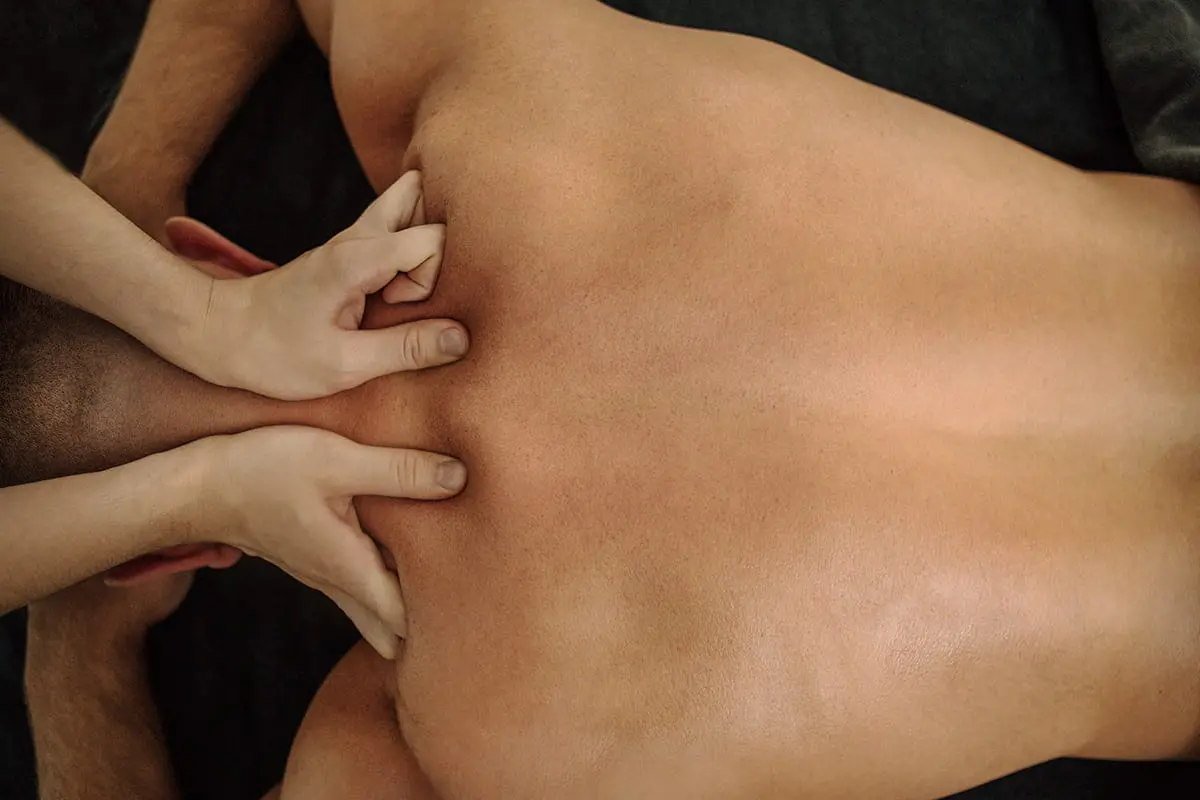
Soft-tissue massage techniques may run alongside bone setting to improve blood flow and ease pain or inflammation around the joint.

Heat can ease muscle tension before adjustment; cold may calm inflammation afterward. Topical herbal applications can support local comfort when indicated.
Sessions are hands-on and paced to your comfort. You may hear a brief release sound during adjustment; that should not feel acutely painful. Say so if pressure feels too strong so the physician can adapt.
After adjustment
Mild muscle soreness for one to two days can be a normal response as tissues settle, similar to post-exercise ache. Sharp or escalating pain is not expected. Contact the clinic if that happens.
Comfort & safety
Bone setting is designed to be gentle and physician-led. It is not a substitute for medical care in severe cases that need surgical intervention, such as major fractures and traumatic injuries. Seek medical attention immediately when those apply.
TCMPB-registered under MOH. English and Mandarin care across the network.
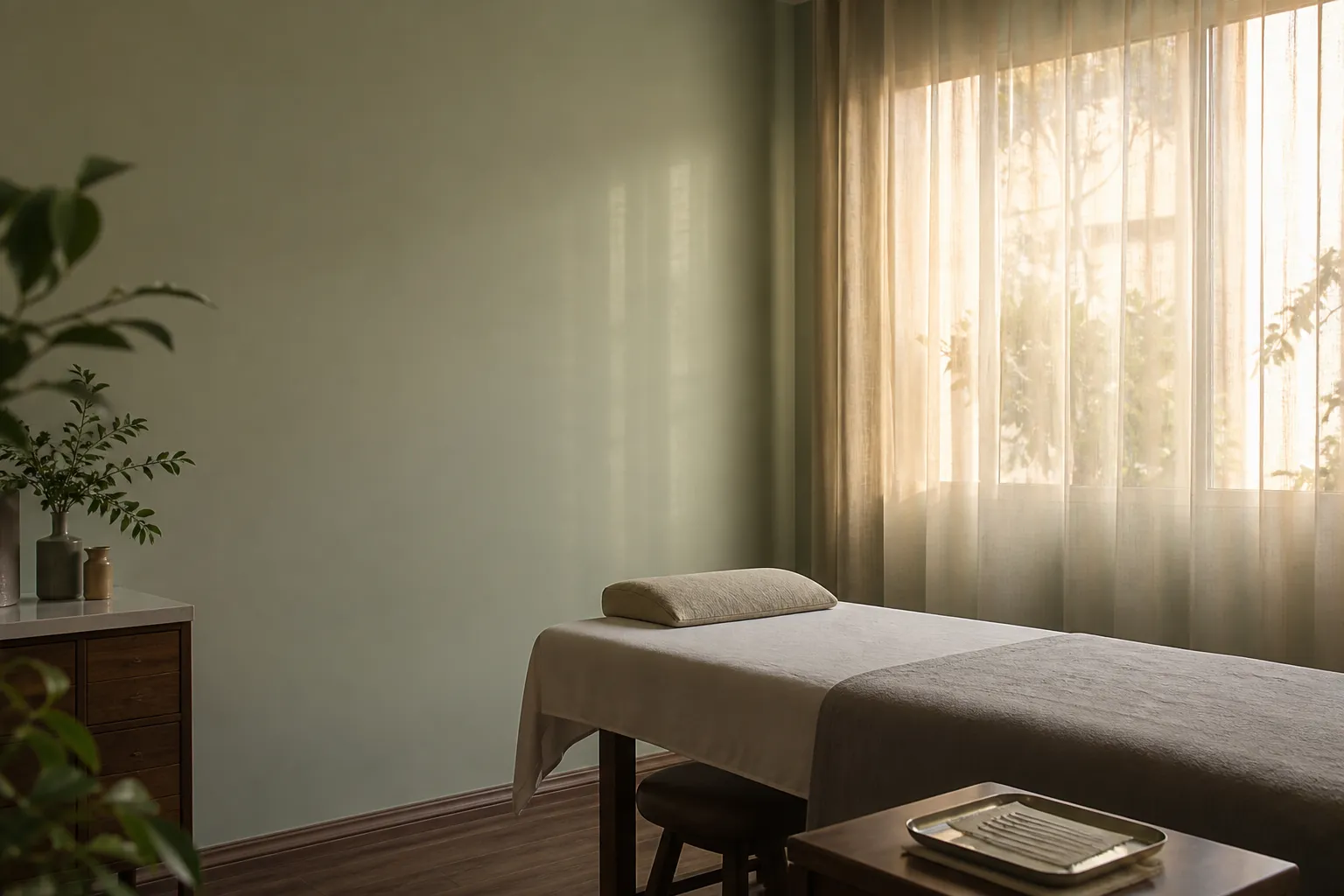
Calm private rooms with hygiene protocols you can ask about on the day.
Pulse, tongue, posture, and joint palpation shape which techniques belong.
Clear starting price; coordination with Heartland Rehab and PULSE Allied Health when recovery needs both.
How it works
Classical TCM framing and what clinic practice describes physiologically, side by side, with a short evidence sketch below.
A TCM perspective
Chinese medicine describes qi and blood moving through channels (meridians). When joints sit out of place or tendons knot and slip, flow can slow and show up as pain, stiffness, or radiating discomfort. Bone setting restores structural order so qi and blood can move more freely through the area.
A clinical perspective
Manual techniques aim to improve joint position and soft-tissue glide. Patients often feel a brief release, then a sense of lightness or freer range. Mild soreness for a day or two can follow as tissues settle into the new alignment.
A plain summary, not a promise of outcome for every person.
Related modalities
Both are hands-on. Your physician may use one focus or blend them in the same plan.
Joint position and Zheng Gu manipulation are the primary need after posture and palpation assessment.
Soft-tissue and channel tension dominate, and structured bodywork is the clearer first lever.
Your visit
Consultation first. Bone setting only when it fits your plan.
Share history, injury timeline, imaging if you have it, medications, and goals. First visits usually take 45–60 minutes.
Posture analysis, joint palpation, and pulse and tongue reading guide whether bone setting belongs and which techniques to use.
Manual adjustments are performed in a private room. You may feel pressure or a brief release; say so if anything feels acutely painful.
Leave with clear next steps. Stay hydrated, avoid strenuous activity for about 24 hours, and follow any stretches your physician suggests.
Physicians
TCMPB-registered under MOH. Bilingual teams across the network.
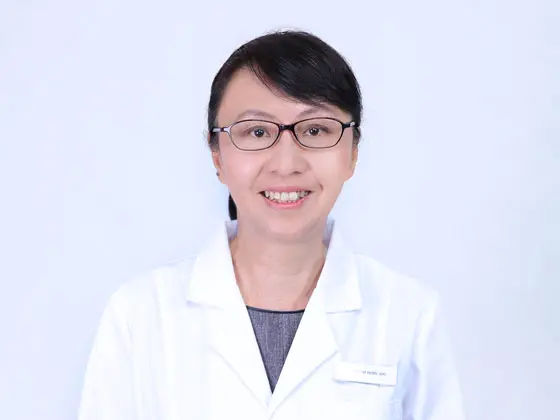
Advisor / Consultant Physician
Gastrointestinal Syndromes · Pain Management · Sleep / Fatigue
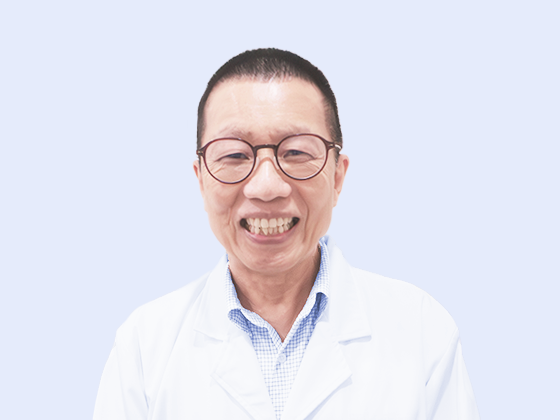
Consultant Physician
TCM Oncology · Pain Management · Gynecology

TCM Physician
Pain Management · Sports Injuries · Gynaecology

TCM Physician
Pain & Injury · Dry eye · Internal Medicine
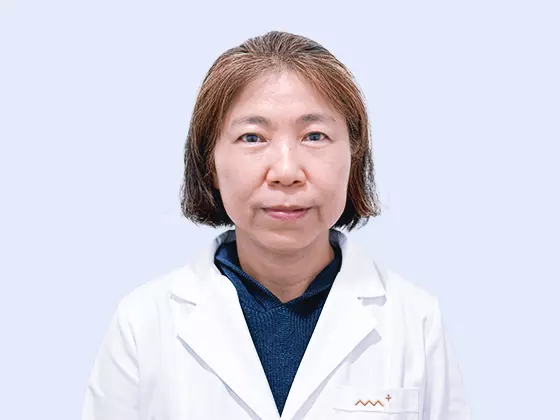
TCM Physician
Eye Conditions · Internal Medicine · Pain Management

TCM Physician
Gastrointestinal · Internal Medicine · Pain Management

TCM Physician
Internal Medicine · Pain & Injury · Aesthetic Care

TCM Physician
Facial Beauty Acupuncture · Facial Nerve · Cosmetology
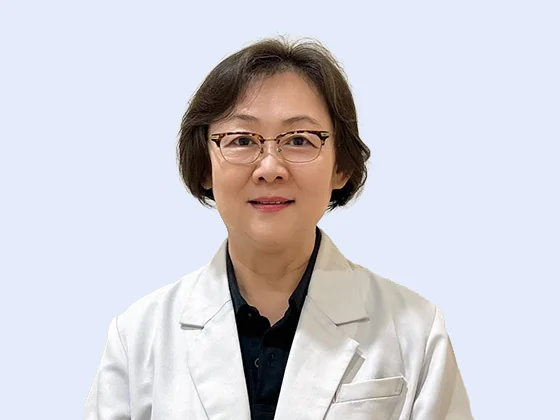
TCM Physician
Women’s Health · Pain Management · Weight Management & Wellness
Bone setting is less about forcing a joint and more about reading where soft tissue and structure are holding each other. I pace adjustments so the body can accept the new alignment without unnecessary strain.
As a biomedical scientist and TCM practitioner, I frame Zheng Gu in both languages: channel and tendon patterns in clinic talk, and joint mechanics plus comfort in physiological terms.
Charges
Indicated price is for bone setting from $150. Not inclusive of GST or a TCM consultation (from $40). Your physician confirms the recommended plan after assessing your condition.
Full charges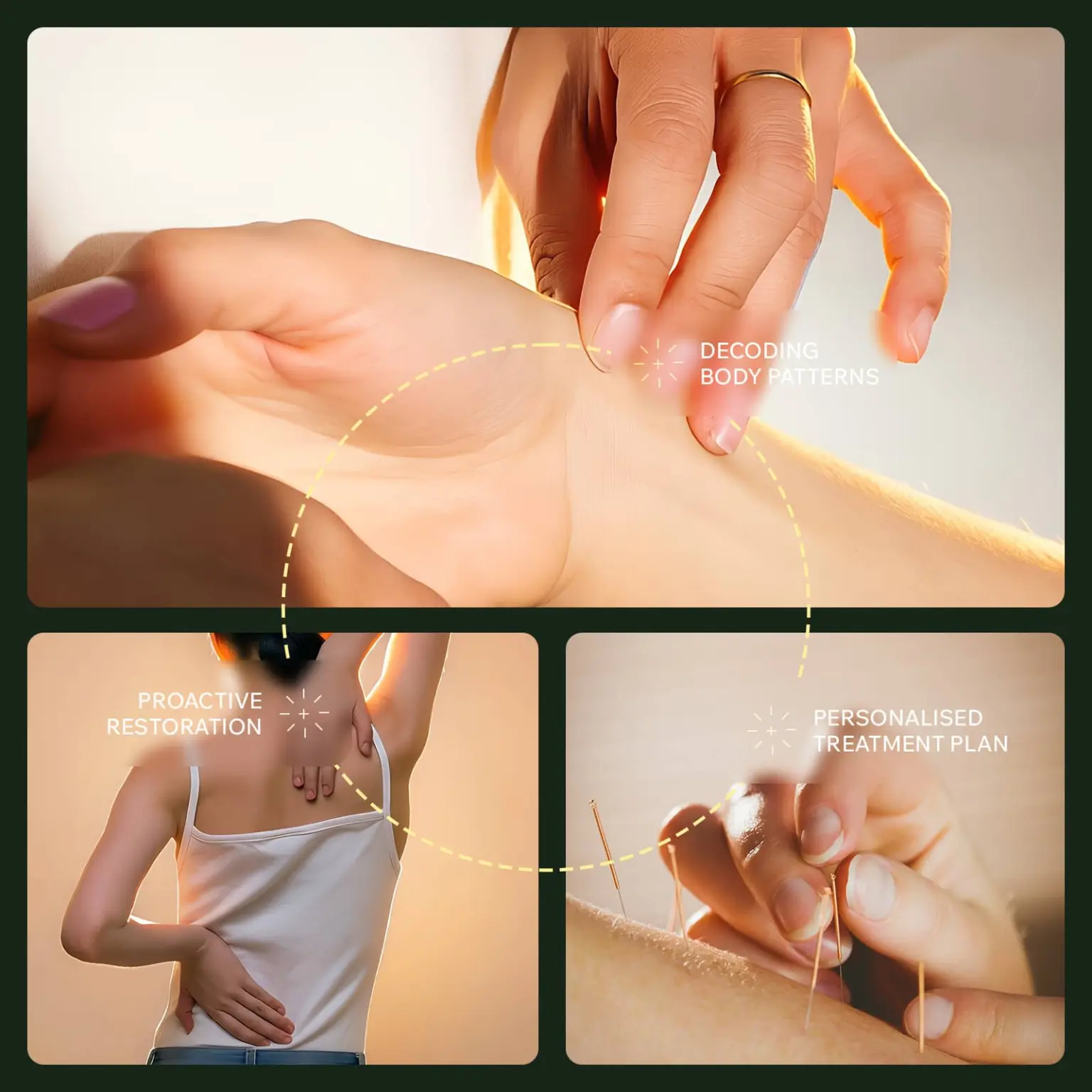
Locations
Private treatment rooms islandwide, near MRT, with bilingual teams and consistent hygiene standards.
FAQs
Zheng Gu basics, chiropractic comparison, suitability, aftercare, and pricing.
TCM bone setting, or Zheng Gu (正骨), is traditional manual therapy focused on realigning the musculoskeletal system. It uses specialised hand techniques such as traction and manipulation to restore balance to joints, bones, and soft tissues without surgery.
Both involve manual adjustments, but TCM bone setting is rooted in Traditional Chinese Medicine. It focuses on structural alignment and on restoring the flow of qi (energy) and blood through the meridians (channels). At PULSE, physicians may also combine acupuncture or tuina when that fits your pattern.
Treatment is designed to be gentle and safe. You may feel pressure or a brief sensation of release (sometimes with a popping sound), but it should not be acutely painful. Most patients describe immediate ease or lightness afterward. Say so if anything feels too strong.
It is often considered for chronic back, neck, and shoulder pain; joint stiffness and restricted range of motion; postural imbalances; sports injuries and muscle strains; and numbness related to minor misalignments. Suitability is confirmed after consultation.
This depends on severity and how long the pattern has been present. Minor or acute issues may improve over 1 to 3 sessions. Longer-standing postural or chronic patterns may need a personalised plan of about 4 to 8 sessions for lasting stability. Your physician will advise.
Every journey starts with a professional consultation. Your physician reviews history, posture, joint palpation, and traditional tongue and pulse reading. If bone setting fits, they perform manual adjustments tailored to your constitution and presentation.
No. Bone setting can help with misalignments, sprains, and general musculoskeletal pain, but it is not a substitute for emergency medical care. Severe cases needing surgery, such as major fractures or traumatic injuries, should be treated immediately at a hospital.
If you are dealing with sports injuries, joint stiffness, chronic pain, or limited mobility, bone setting may be a good fit. Discuss your concerns with our TCM physicians first. They will advise on the best plan after a thorough consultation.
Some patients experience mild muscle soreness for 1–2 days, similar to the feeling after a good workout. This is a normal part of the body adjusting to its new alignment.
Stay hydrated and avoid strenuous activities for at least 24 hours so your body can stabilise. Your physician may also suggest lifestyle or stretching advice to help maintain alignment.
Bone setting starts from $150. This does not include GST or a TCM consultation (from $40). Your physician will confirm the recommended plan during consultation.
Sources & page citations
Clinically reviewed
Advisor (Science & Strategy) / Consultant Physician · TCMPB T1303003A
MOH-licensed TCM physician and biomedical scientist, with clinical work in digestion, pain, and sleep or fatigue.
View full profileEducational information based on clinical experience and TCM principles. Not a substitute for personalised consultation. Speak with your healthcare provider before starting new treatments. Bone setting complements (and does not replace) urgent or specialist Western medical care. Seek immediate medical attention for major fractures or traumatic injuries.
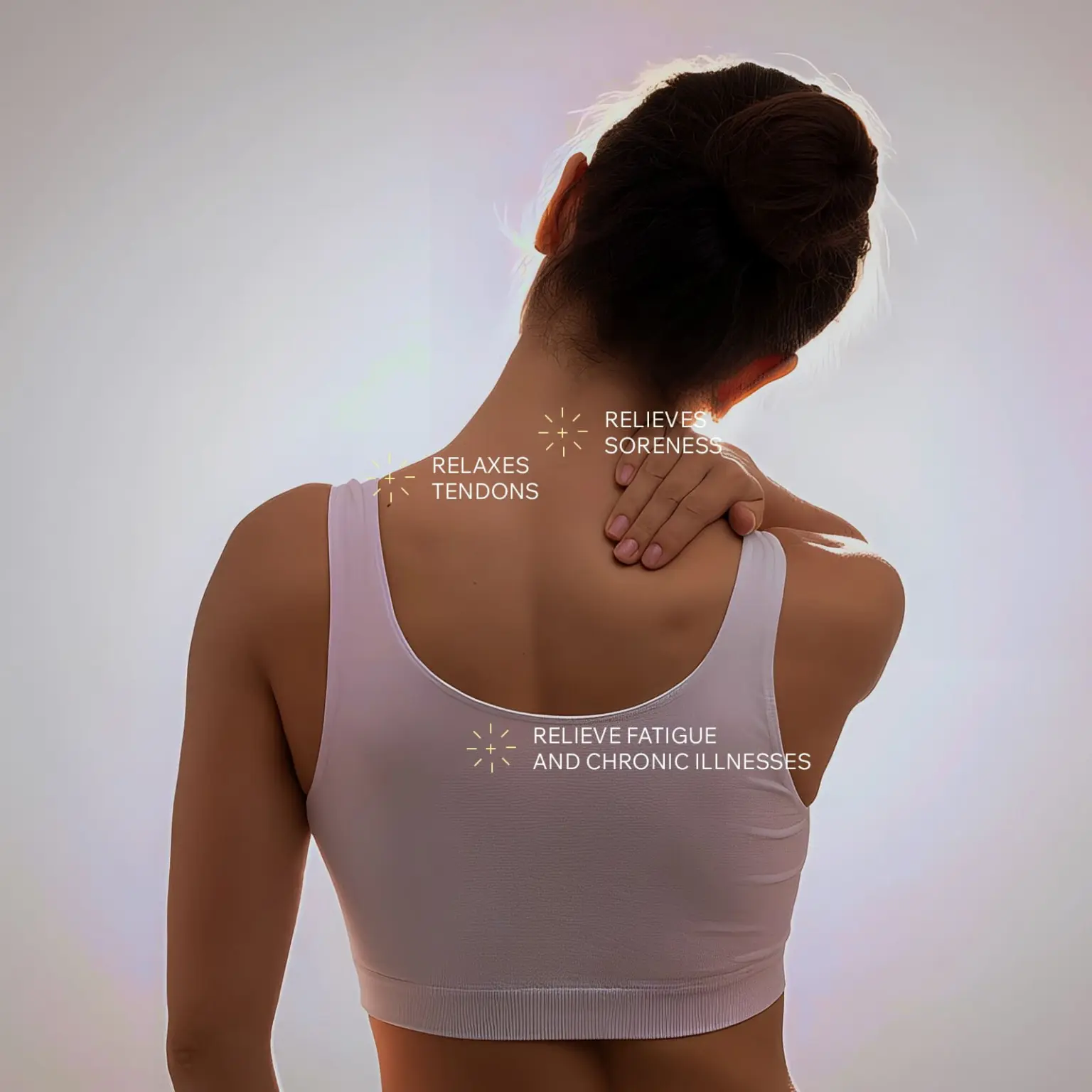
Book
Tell us what you need help with. We will match you with the right physician and clinic. Bone setting from $150.