
Nourishing vitality through life's transitions, including postpartum and menopause-related change.


Physician-led · MOH-registered
Nourish the root pattern. Support scalp vitality from the inside out.
In brief
The Hair Loss programme at PULSE TCM is physician-led care for thinning, shedding, and scalp imbalance viewed through Liver and Kidney patterns, Qi and Blood deficiency, and Damp-Heat on the scalp. Plans may combine scalp acupuncture, plum blossom needling, gua sha, cupping, and herbal tonics after consultation. Results vary; your physician sets expectations at assessment.
The programme
Thinning and shedding are often more than a surface issue. This pathway looks at internal patterns and the scalp environment first, then builds a personalised TCM plan after consultation.
In TCM, hair volume and quality reflect qi and Blood reaching the scalp, with the Liver and Kidneys playing a central role. Stress, postpartum depletion, hormonal change, or Damp-Heat (excess oil and irritation) can tip the balance toward shedding, oily scalp, or brittle texture. Your physician names the pattern in plain language, then chooses modalities that clear stagnation, nourish Blood, or calm the scalp environment. At PULSE, MOH-registered physicians also refer to dermatology or other specialists when sudden total loss or infectious scalp disease needs conventional care first.
How care unfolds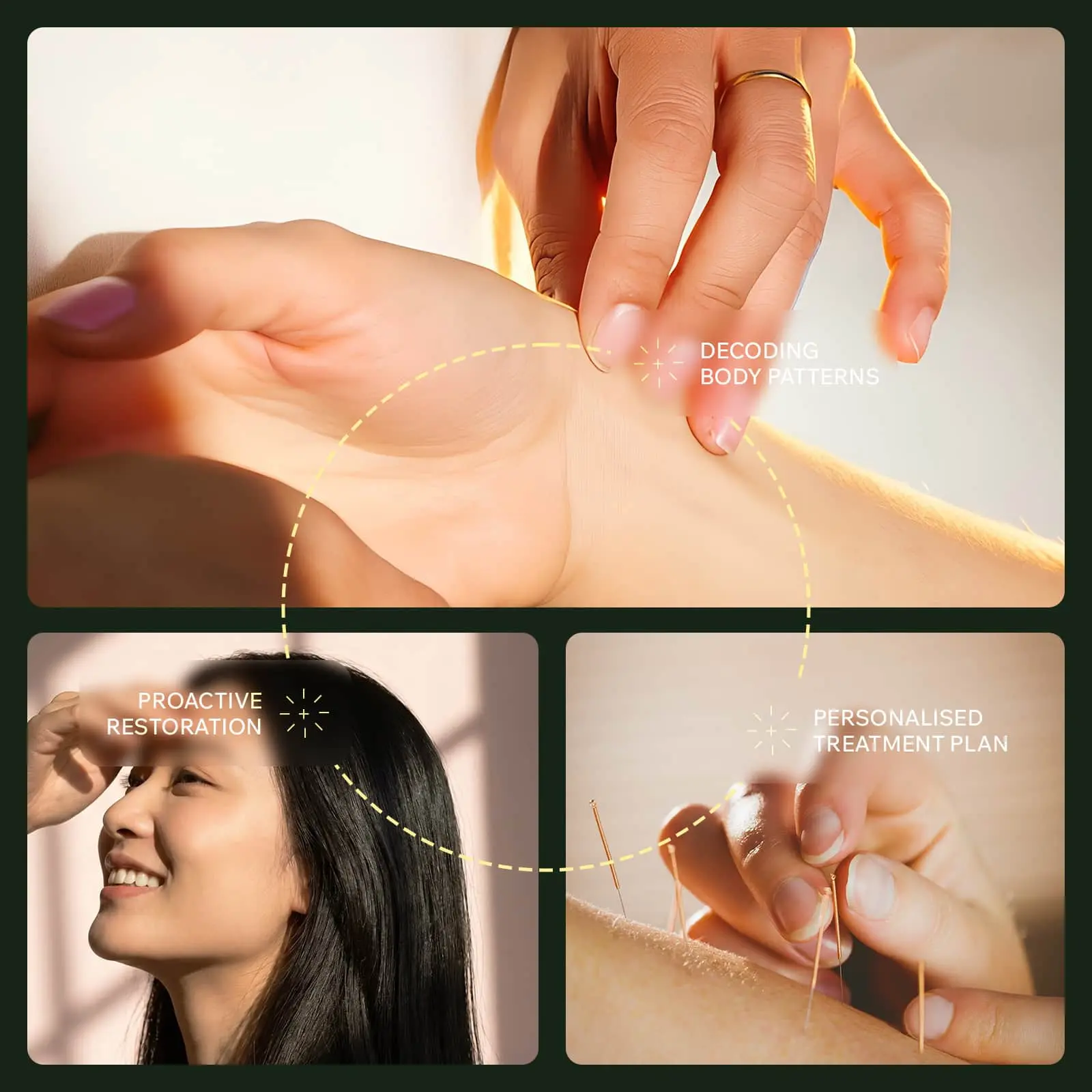
Care pathways
Three common entry points. Your assessment may name a different mix of patterns and goals.
Nourishing vitality through life's transitions, including postpartum and menopause-related change.
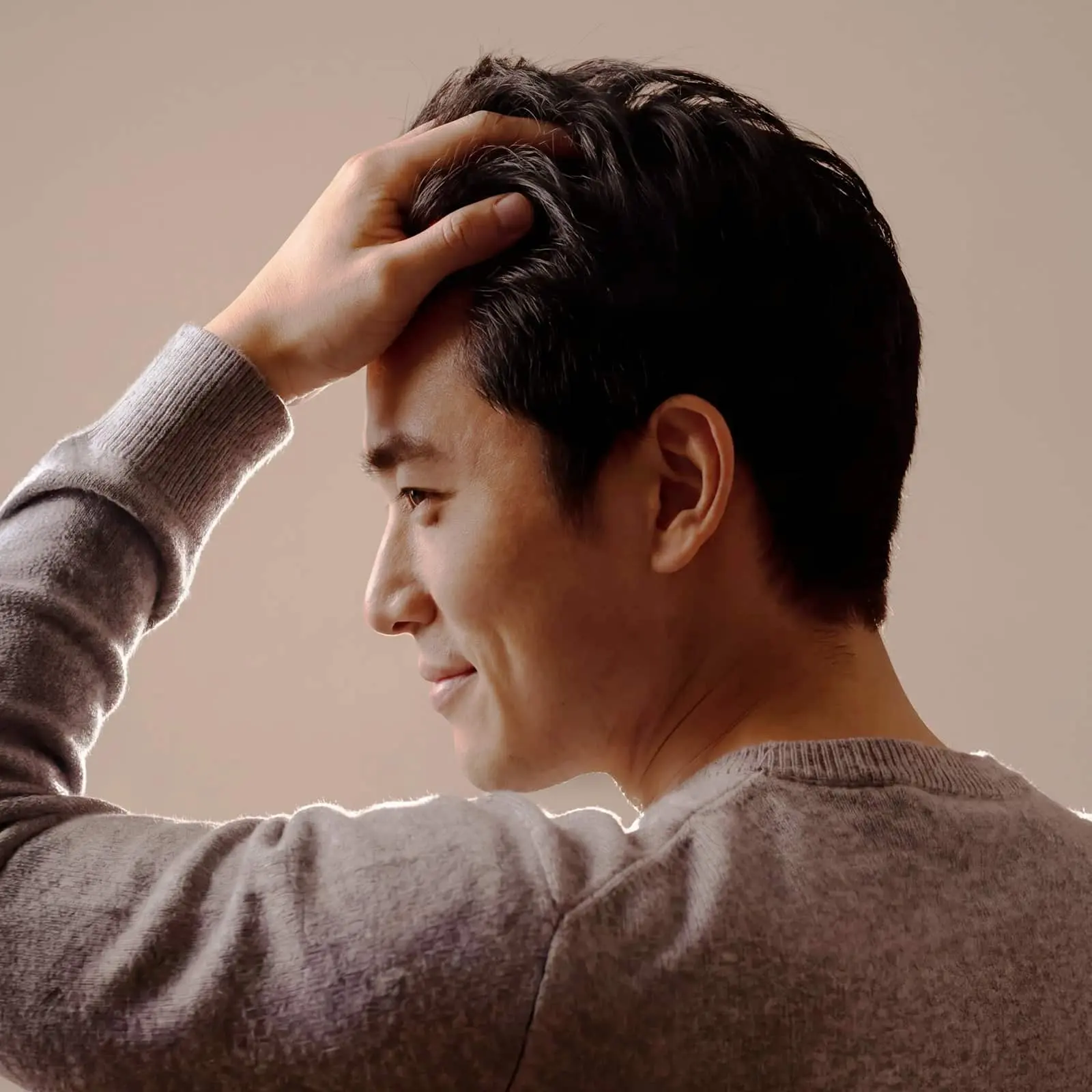
Managing density and scalp health at the root, including early pattern change.
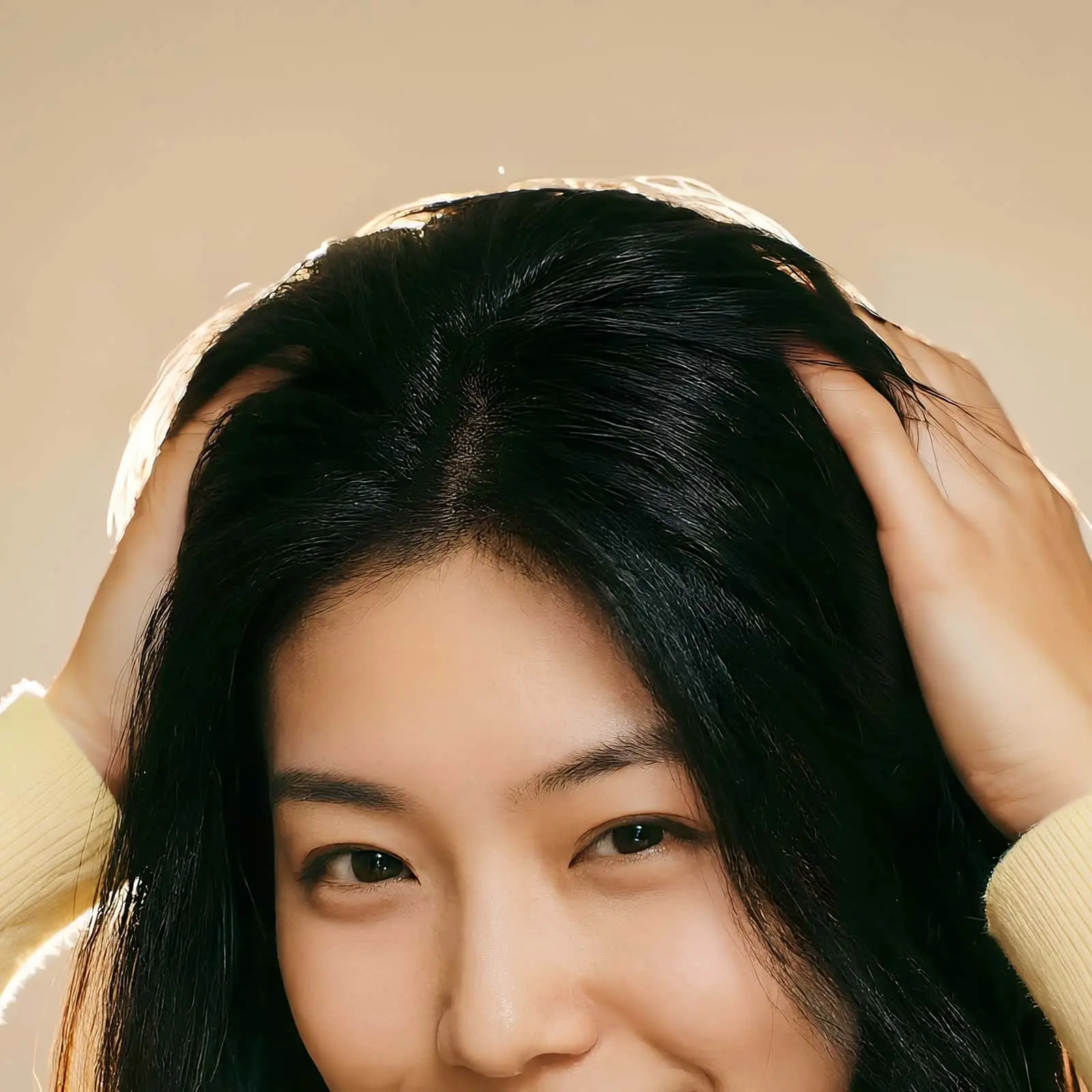
Creating a calmer foundation for growth when oil, dandruff, or sensitivity dominate.
* Hair-loss care is adjunctive under physician guidance. Seek medical assessment for sudden total alopecia, infectious scalp disease, or severe allergic reactions.
Approach to healing
Your physician recommends a combination based on your assessment. Not every visit uses every modality.
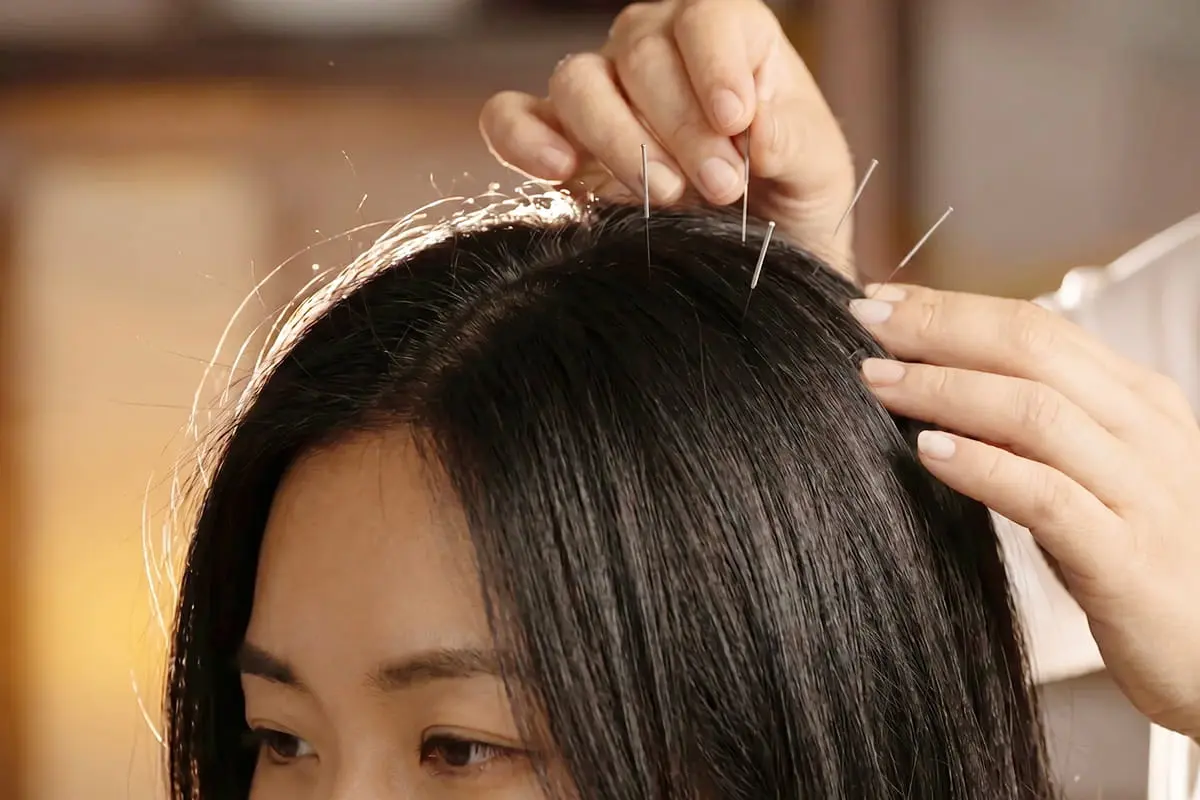
Localised and distal needling after consultation, used to support circulation, stress regulation, and nutrient delivery to follicles when they fit your pattern.
Acupuncture treatment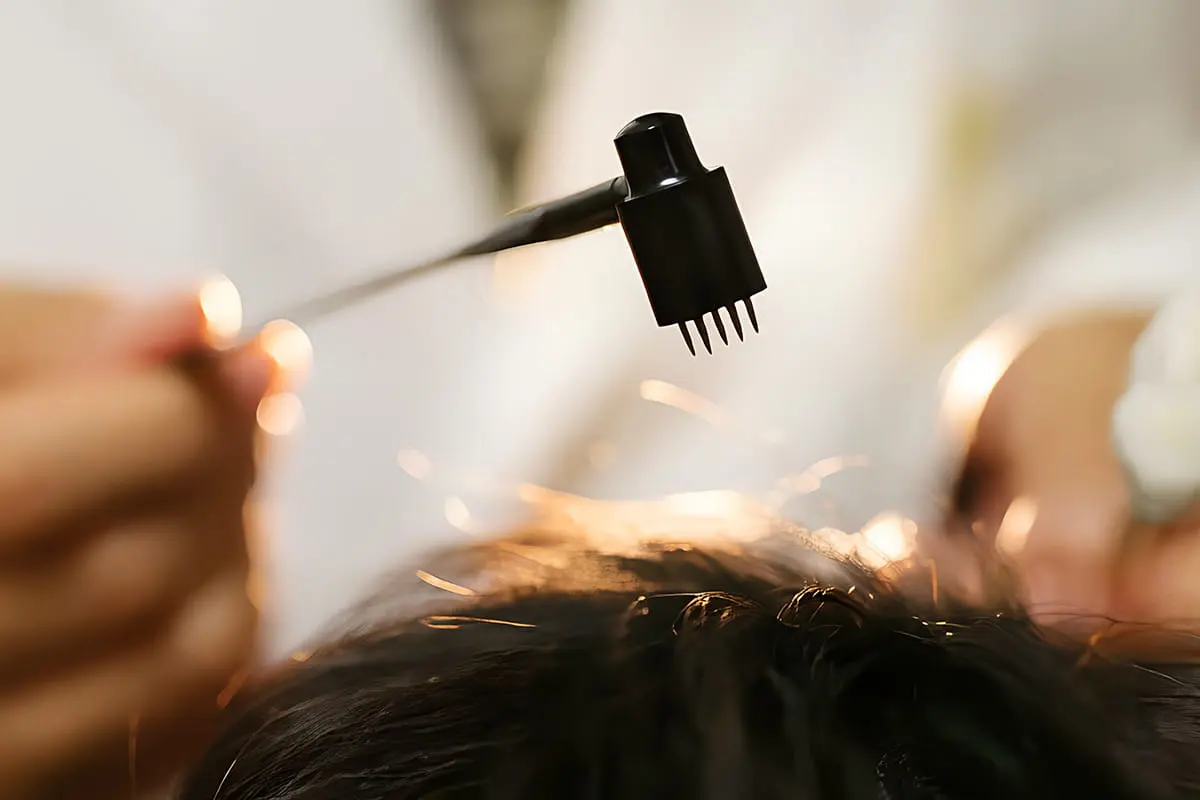
A specialised dermal tapping technique that stimulates micro-circulation and prepares the scalp for topical tonics when your physician includes it. Pressure is adjusted to comfort and scalp sensitivity.
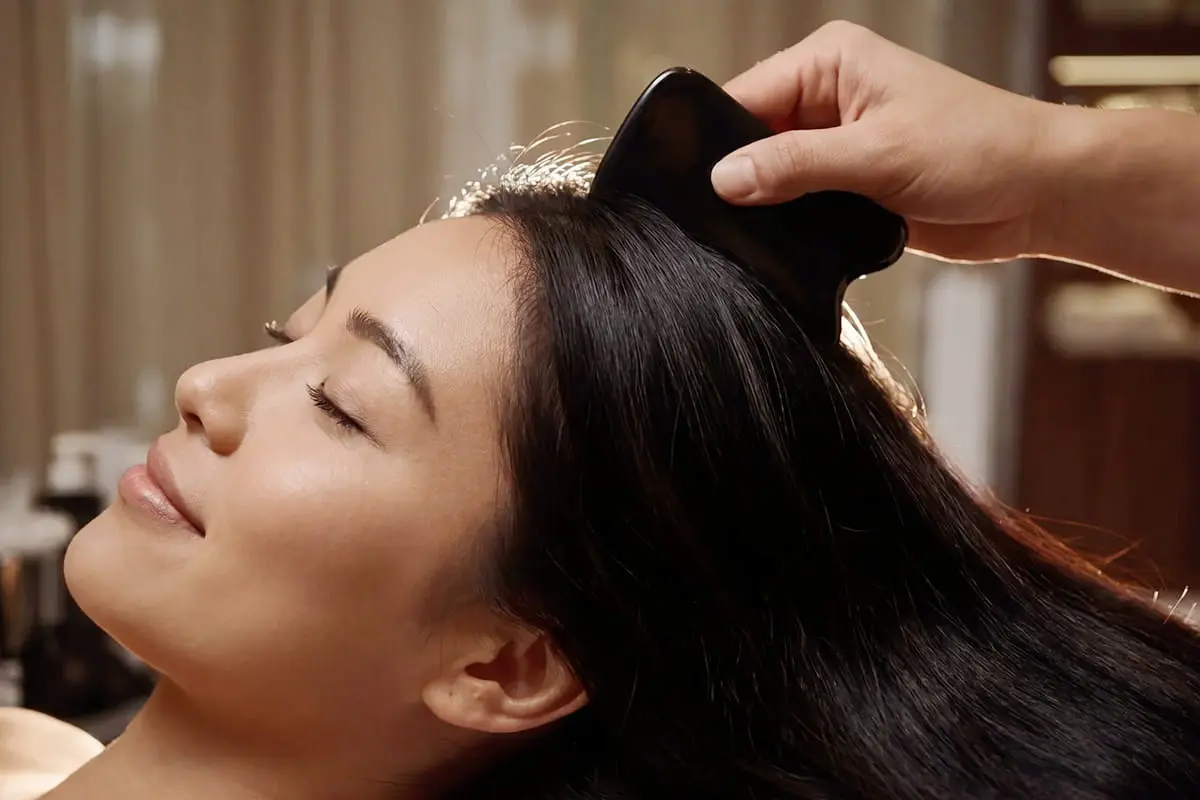
Gentle scraping with specialised tools to ease meridian tension and support qi flow across the scalp when that fits your pattern.
Gua sha treatment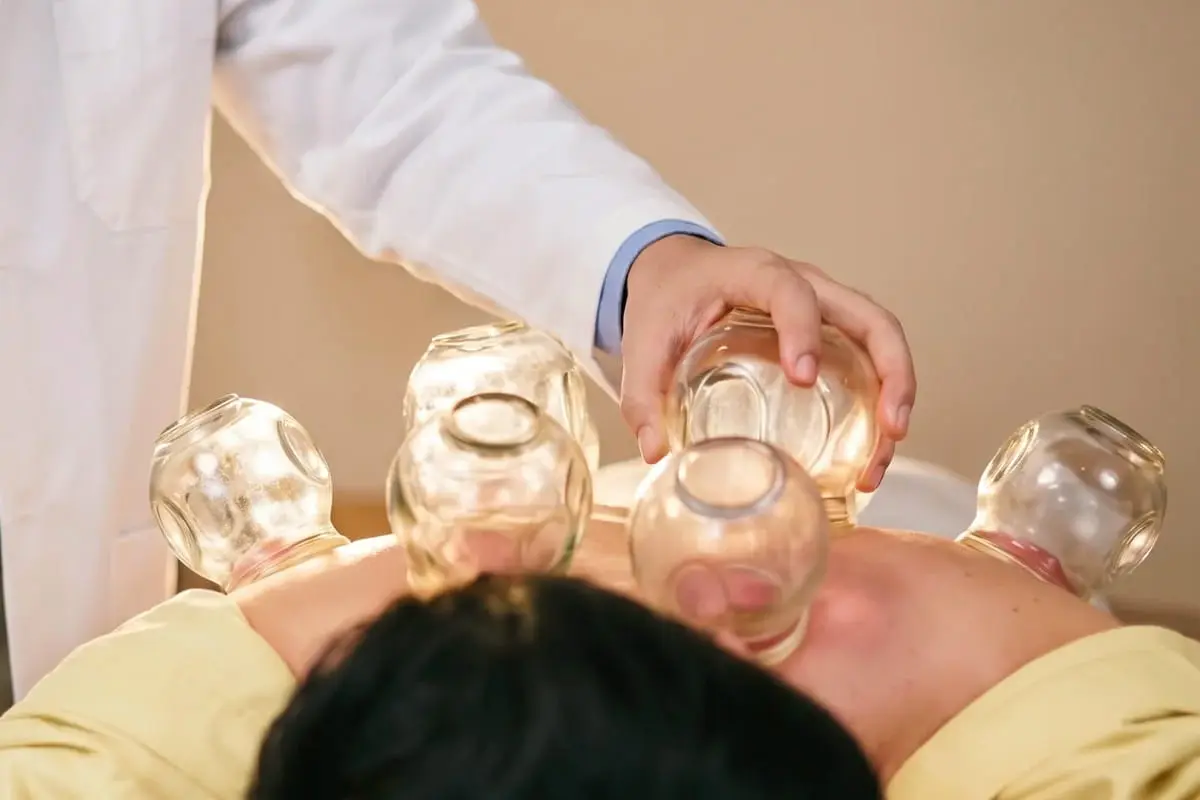
Gentle suction used in selected clinical situations to ease stagnation and support drainage around the scalp or related channels. Not used on every visit.
Cupping treatment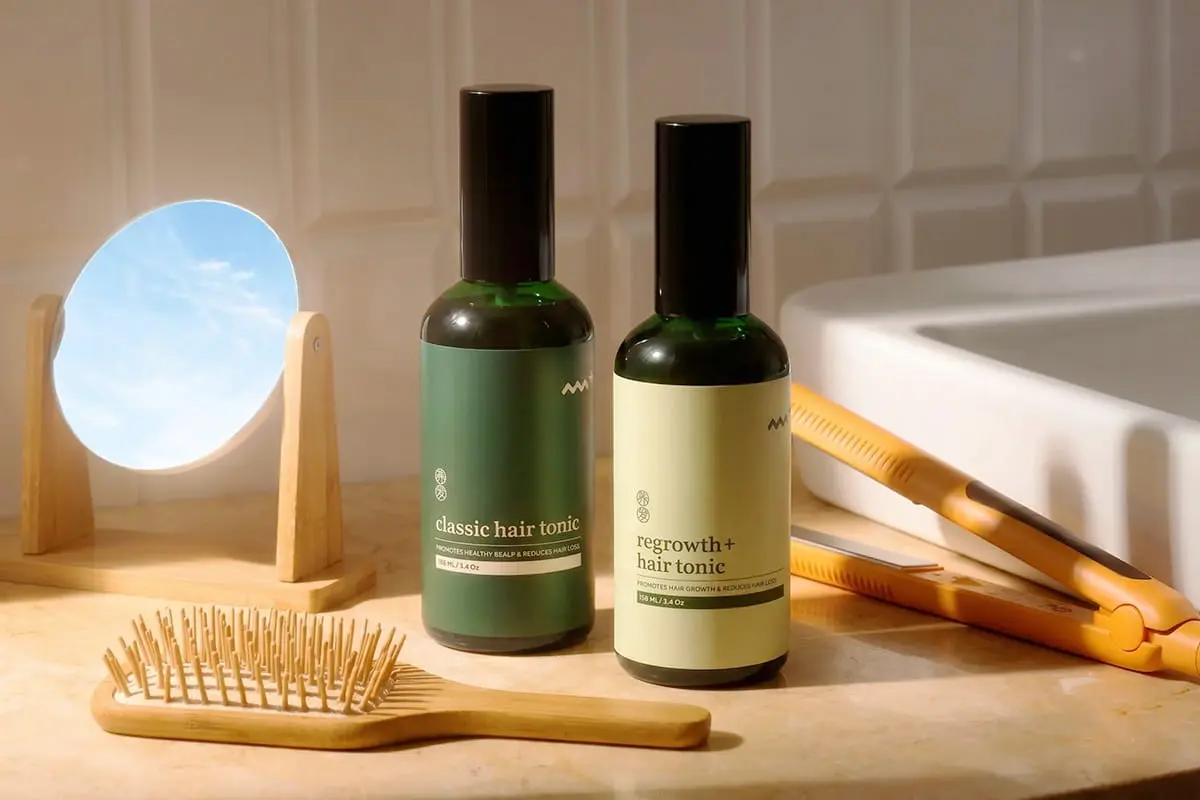
Proprietary topical compounds, often including herbs such as He Shou Wu, applied to nourish the follicular environment when your physician recommends them. Formulation is matched to oily, dry, or sensitive scalp.
Scalp acupuncture is a common foundation. Plum blossom needling and scalp gua sha may awaken local circulation. Cupping and herbal tonics join when indicated.
Your recovery roadmap
Hair restoration is a journey of consistency. The phases below are a general guide. Session count, frequency, and pace are customised after your initial clinical assessment.
Recalibrate the scalp and balance the body. Targeted acupuncture with scalp stimulation helps clear Damp-Heat blockages that show as oiliness or irritation. Focus: stabilise the scalp and reduce active shedding. Frequency: once or twice weekly. Many people notice less shed and better oil control in this phase.
Shift toward deep nourishment and follicular support. Care channels Blood and qi toward the root, aiming to thicken existing strands and encourage dormant follicles toward the active growth phase (anagen). Focus: new growth signals and strand strength. Frequency: once weekly. Fine regrowth and improved hair quality may appear over these weeks.
Lock in progress by tonifying the Kidneys and Liver, the root organs for hair health in TCM. Sessions act as a protective rhythm during stress. Focus: sustain density and prevent regression. Frequency: bi-weekly or monthly, physician-advised. Goal: steady volume and a balanced scalp.
TCMPB-registered under MOH. English and Mandarin care across the network.
Four examinations name Blood deficiency, Damp-Heat, or related patterns in plain language.
Local scalp work sits beside internal regulation, not as a one-off surface fix.
Plans evolve as oil control, shedding, and density shift; referral when dermatology is safer first.
Physicians
TCMPB-registered under MOH. Several physicians work with internal medicine, women's health, and facial or scalp-related care relevant to this pathway.
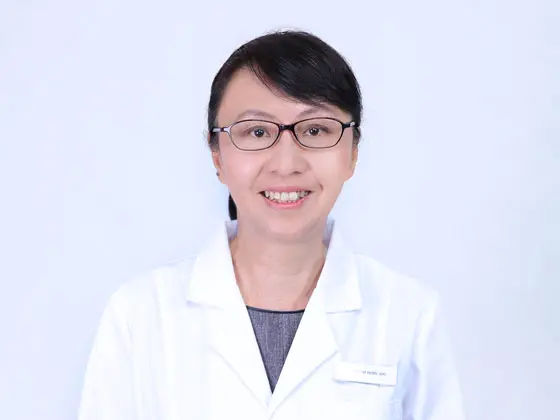
Advisor / Consultant Physician
Gastrointestinal Syndromes · Pain Management · Sleep / Fatigue
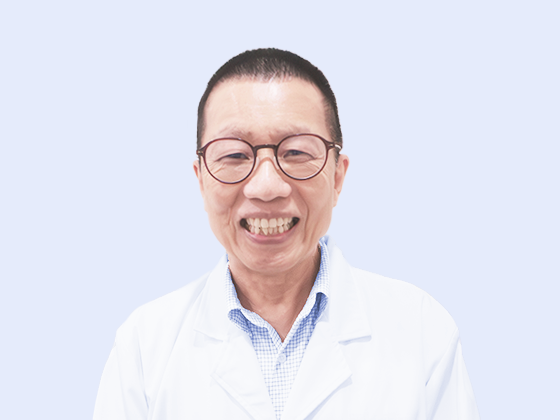
Consultant Physician
TCM Oncology · Pain Management · Gynecology
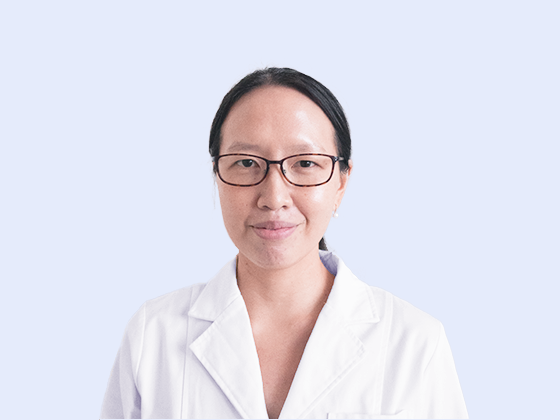
TCM Physician
Pain Management · Sports Injuries · Gynaecology
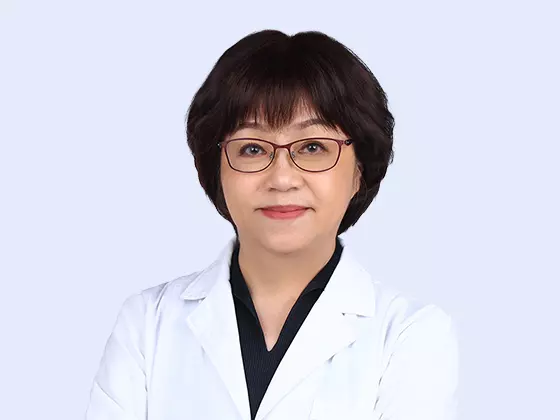
TCM Physician
Pain & Injury · Dry eye · Internal Medicine
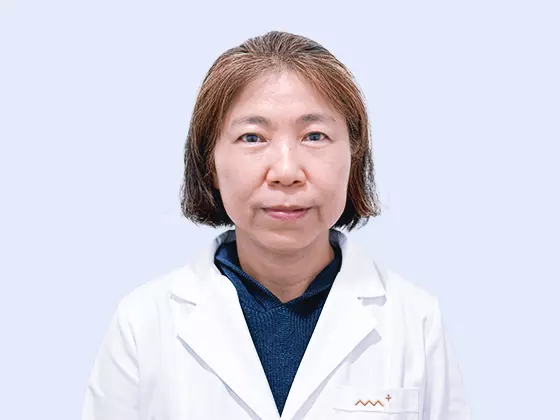
TCM Physician
Eye Conditions · Internal Medicine · Pain Management
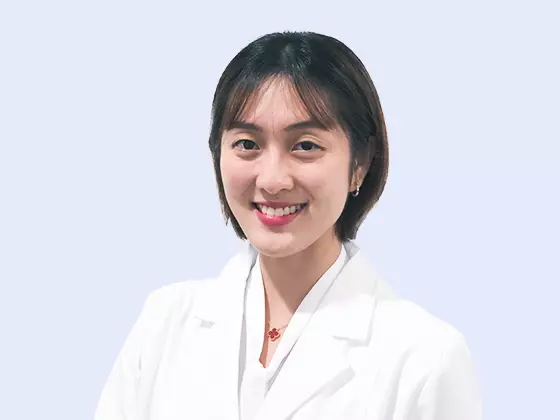
TCM Physician
Gastrointestinal · Internal Medicine · Pain Management

TCM Physician
Internal Medicine · Pain & Injury · Aesthetic Care
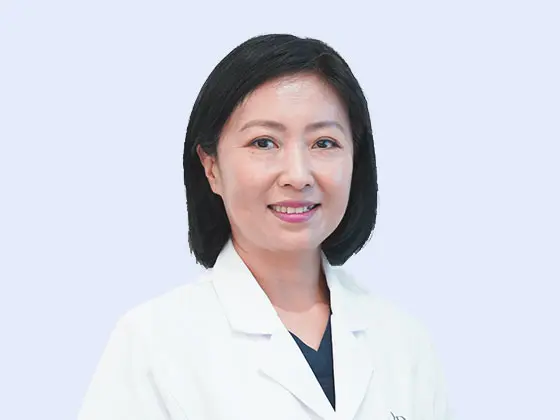
TCM Physician
Facial Beauty Acupuncture · Facial Nerve · Cosmetology
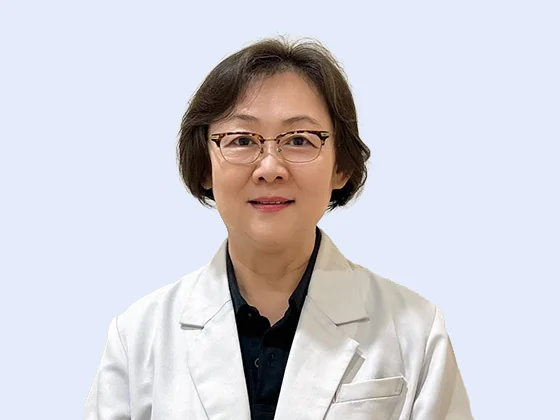
TCM Physician
Women’s Health · Pain Management · Weight Management & Wellness
Hair change often mirrors sleep, stress, and digestion as much as the scalp itself. Naming the pattern early lets us support follicles without promising a one-size timeline.
Scalp work and constitution care belong together. I look at oil, density, and how the whole system is holding before choosing plum blossom, acupuncture, or tonics.
Patient stories

Limited-time offer
Promotion
$188 (U.P. $390) at The Woodleigh Mall for first-time patients. Visit 1: book TCM consultation with acupuncture or tuina now. Visit 2: Heartland Rehab schedules physiotherapy at the same mall after your TCM visit.
$188 U.P. $390
Promo period: Ongoing
TCM × Physio trial details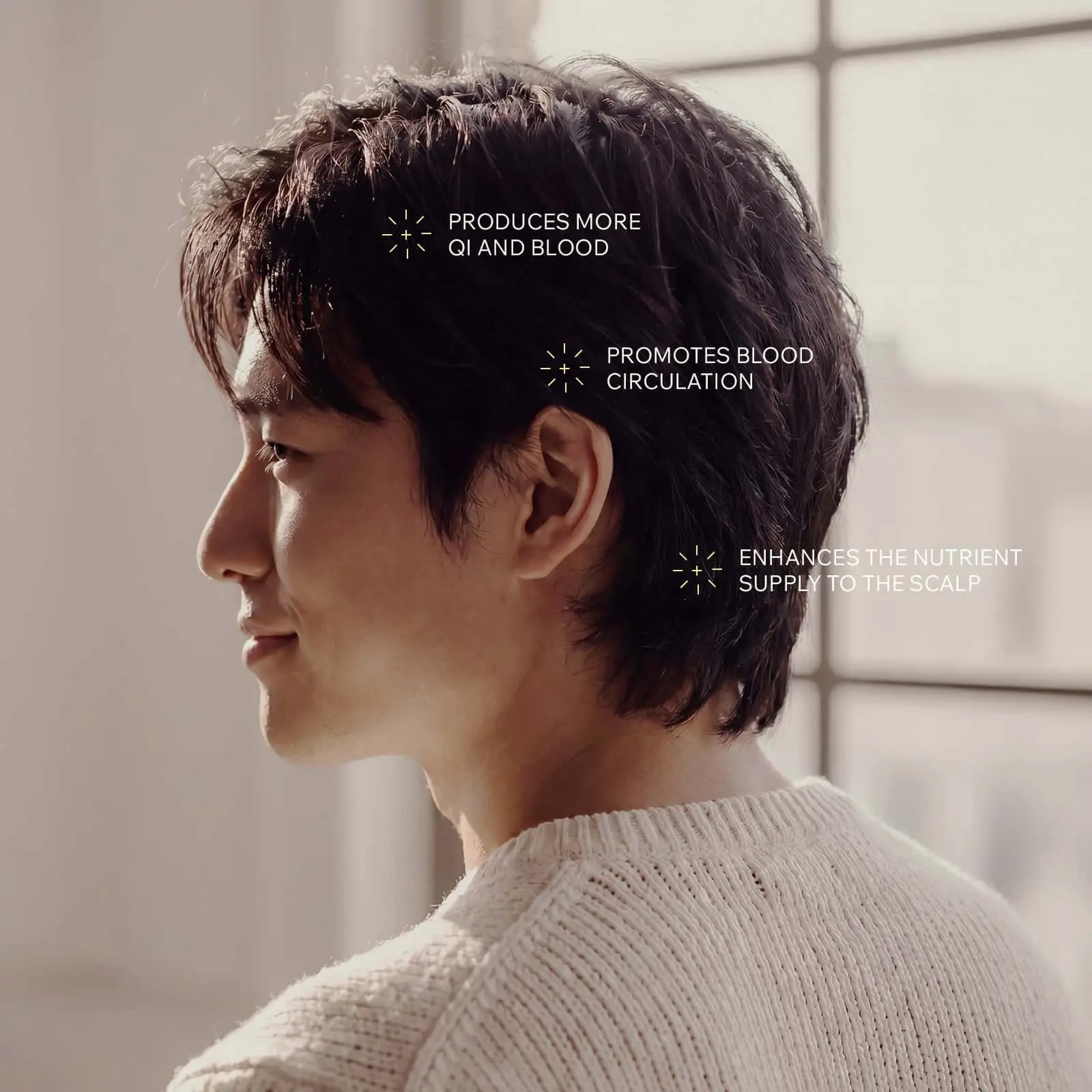
Locations
Private treatment rooms islandwide, near MRT, with bilingual teams and consistent hygiene standards.
Quick answers
Three frequent questions. Full answers sit further down the page.
FAQs
Timelines, plum blossom sensation, Western medication, tonics, postpartum care, and booking.
Hair growth follows biological cycles. Scalp comfort and oil control often improve within a few sessions, while visible density changes typically need about 3 to 6 months of consistent care. Your physician sets a realistic pace after assessment; results vary.
Most people describe light, rhythmic tapping or mild tingling. It is generally less intense than body acupuncture. Physicians adjust pressure to your comfort and scalp sensitivity.
Often yes, as a complementary approach to circulation and internal patterns. Tell your MOH-registered physician about any medications so care stays coordinated and safe. Do not stop prescribed treatment without your medical doctor's advice.
Tonics are formulated with TCM herbs and matched to your scalp after assessment, for example clearing Damp-Heat for oiliness or nourishing Blood for dryness. Suitability is confirmed before application.
Yes, postpartum shedding is a common reason people seek this pathway. TCM often addresses Qi and Blood depleted after childbirth. Plans are tailored to recovery stage; mention breastfeeding and any medications at booking.
Weekly sessions are common in the Foundation phase, then spacing may ease into Vitality and Maintenance. Consistency supports micro-circulation for follicle recovery. Your physician outlines frequency after the first visit.
Use the online booking form, WhatsApp, or phone. Select Hair Loss as the concern and Hair Loss Treatment as the service interest when prompted.
Sources & page citations
Clinically reviewed
Advisor (Science & Strategy) / Consultant Physician · TCMPB T1303003A
MOH-licensed TCM physician and biomedical scientist, with clinical work spanning digestion, pain, sleep or fatigue, and related internal patterns that often sit beside hair and scalp change.
View full profileEducational information based on clinical experience and TCM principles. Not a substitute for personalised consultation. Speak with your healthcare provider before starting new treatments. TCM complements (and does not replace) urgent or specialist Western medical care, including sudden total hair loss, infectious scalp conditions, or severe allergic reactions.
Book
Tell us what you are noticing, thinning, shedding, oily scalp, or postpartum change. We will match you with the right physician and clinic.