
In brief
The Pain & Injury Management programme at PULSE TCM is physician-led care for chronic, sports, and specialised pain patterns. Plans may combine acupuncture, cupping, tuina, bone-setting, gua sha, moxibustion, and SIS after consultation at our Singapore clinics.
- MOH-registered
- Pattern-based plans
- 15 clinics
The programme
Care that meets pain where it starts
Tired of masking flare-ups or restarting the same cycle after a tweak? This pathway frames care around your pattern and goal, with personalised acupuncture and bodywork after a full TCM consultation, in a private room at an easy pace.
In TCM, stubborn pain often reflects qi and blood stagnation, cold-damp obstruction, or blockage along the channels (meridians) that move through muscles and joints. Your physician names the pattern in plain language, then chooses modalities that move stagnation, warm cold, or restore mobility where it is stuck. At PULSE, MOH-registered physicians can also coordinate with Heartland Rehab and PULSE Allied Health when recovery needs both East and West.
How care unfolds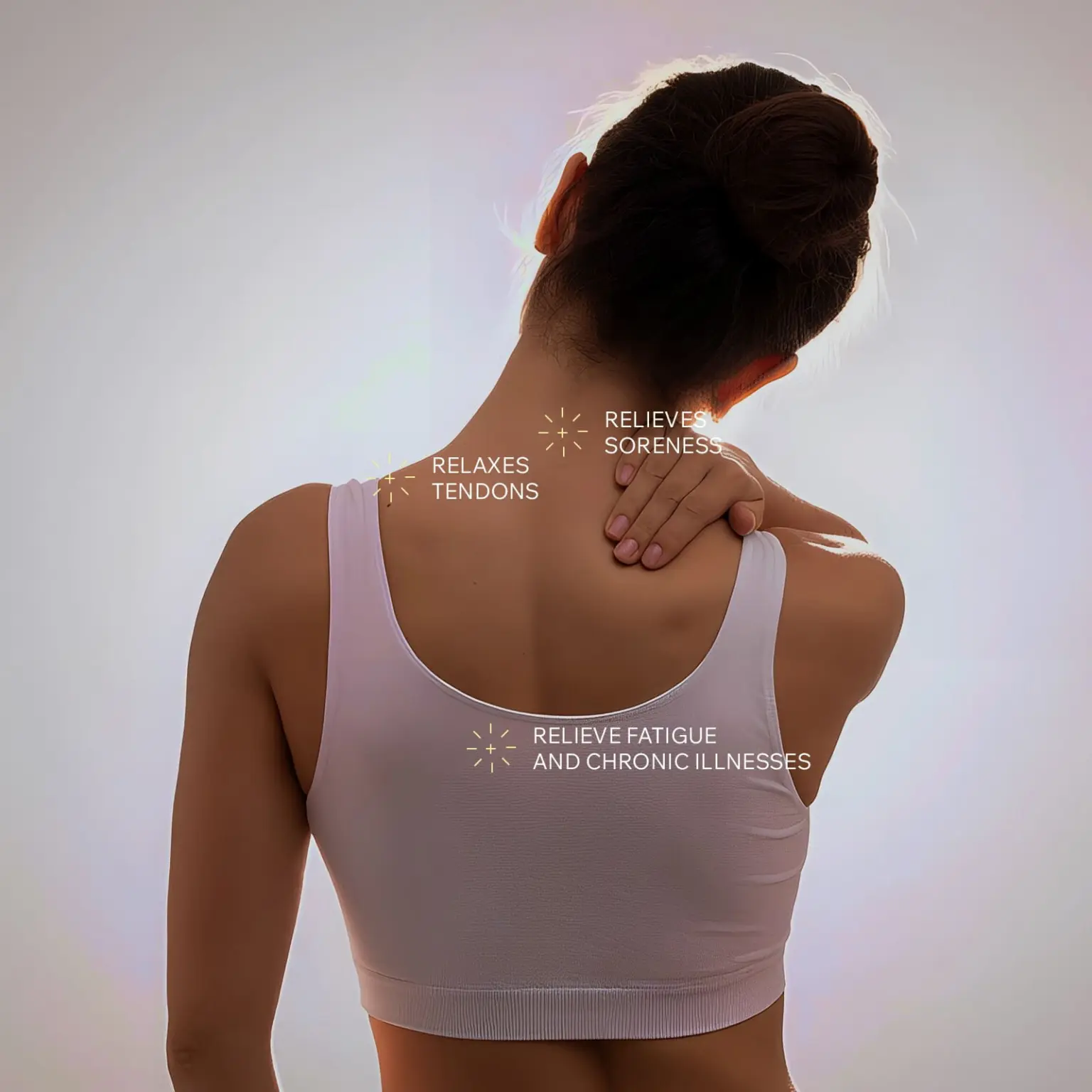
Care pathways
Pathways for pain and recovery
Three clear pathways - chronic and lifestyle pain, sports and acute injuries, and specialised targeted care.
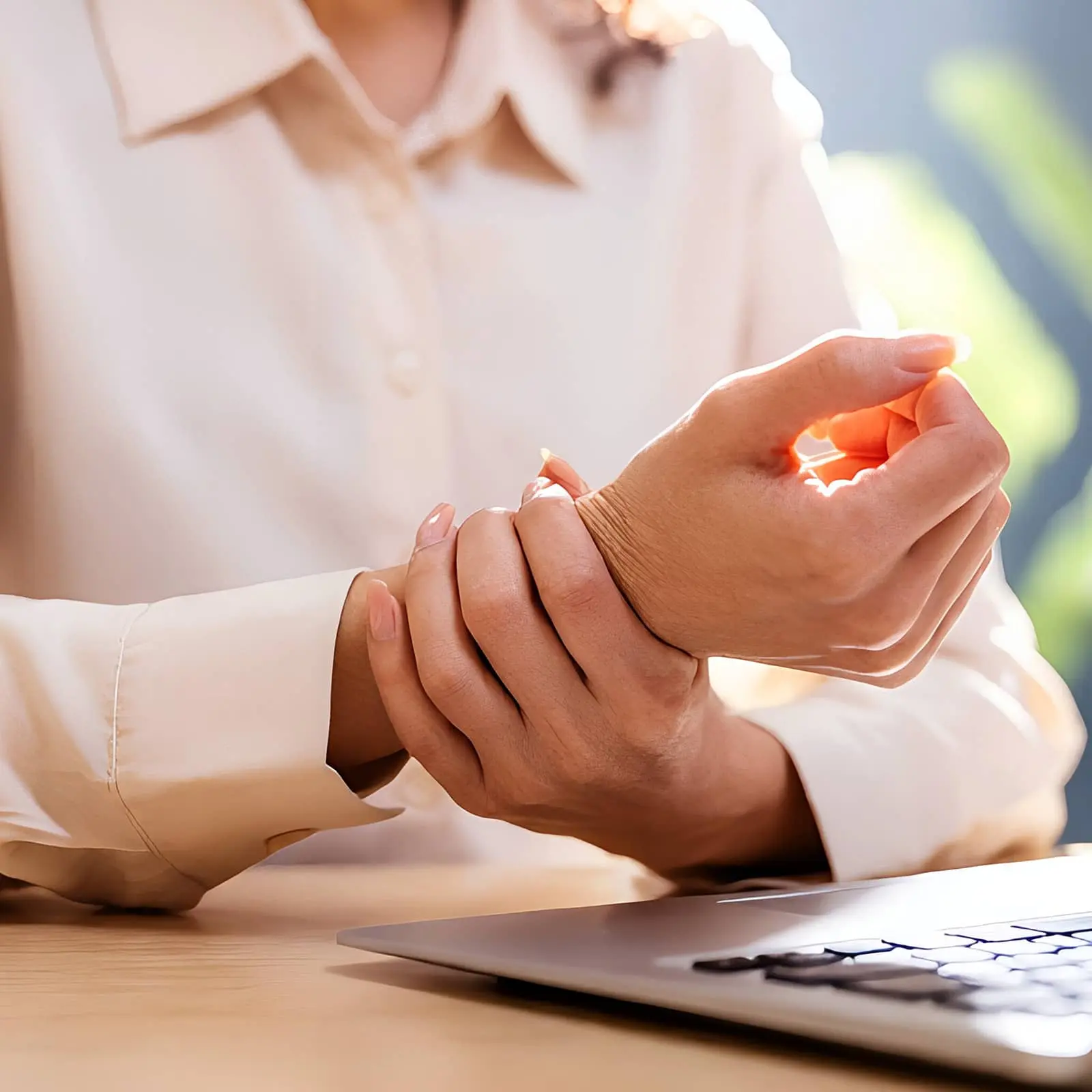
* Care for acute injury is adjunctive under physician guidance. Seek urgent or specialist Western assessment for fracture, severe trauma, or red-flag neurological symptoms.
Approach to healing
Therapies used in pain & injury plans
Your physician recommends a combination based on your assessment. Not every visit uses every modality.
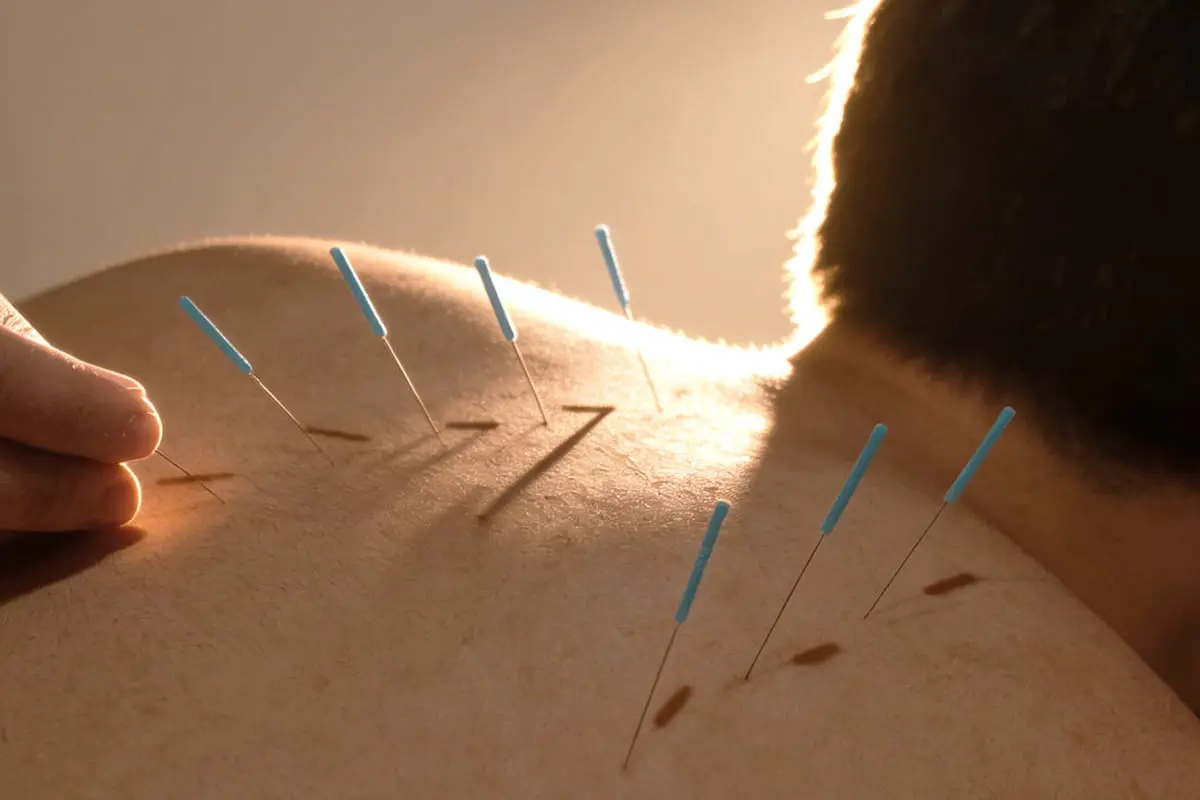
Acupuncture
Fine sterile needles at selected points after consultation, used to ease stagnation, support local circulation, and settle pain patterns along the channels.
Acupuncture treatment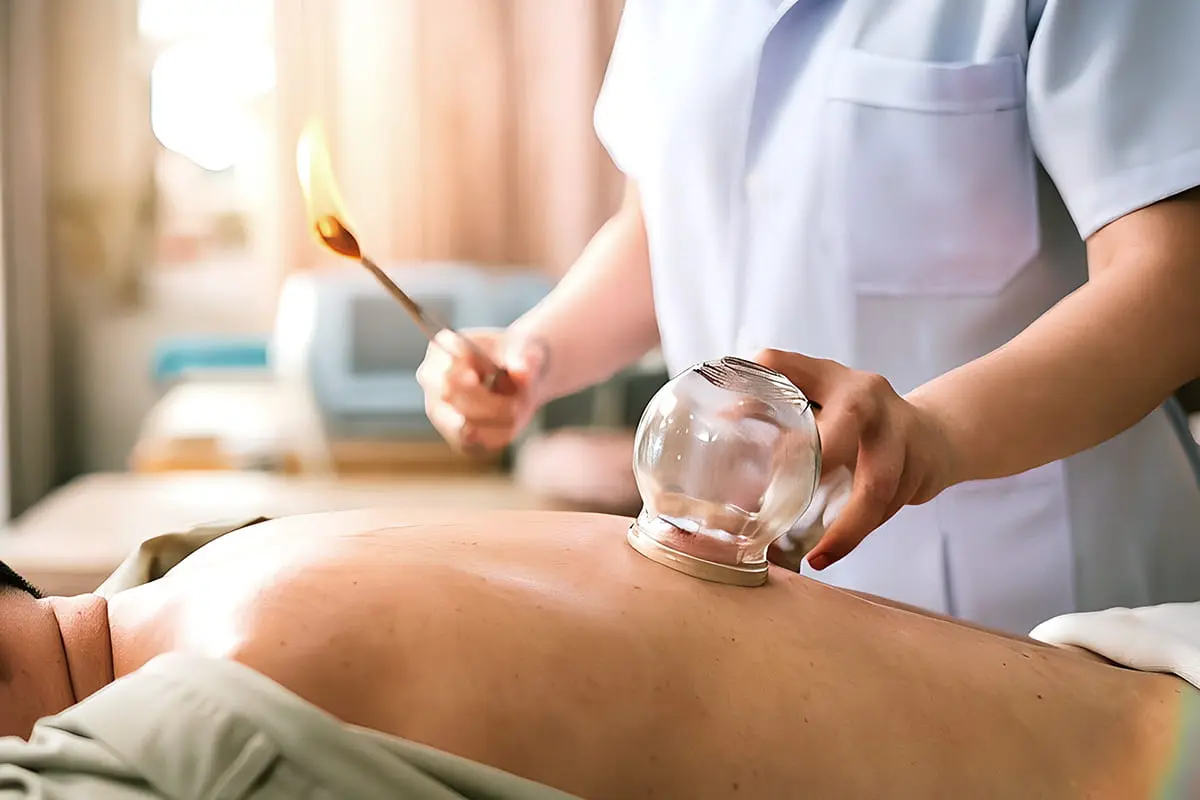
Therapeutic cupping (ba guan)
Cups create gentle suction to ease deep-seated tightness and stagnation across the back, neck, and limbs when that fits your pattern.
Cupping treatment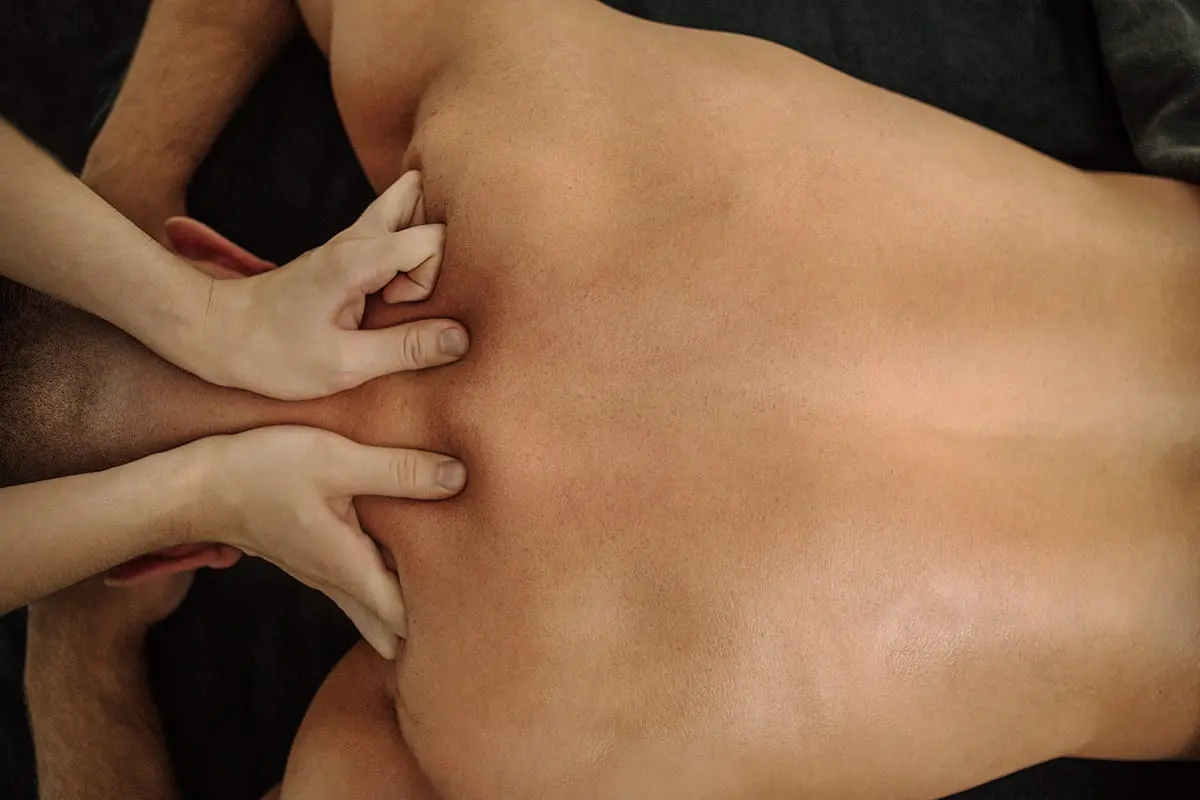
Tuina
Structured TCM bodywork on soft tissue and joints to improve mobility and comfort after assessment.
Tuina treatment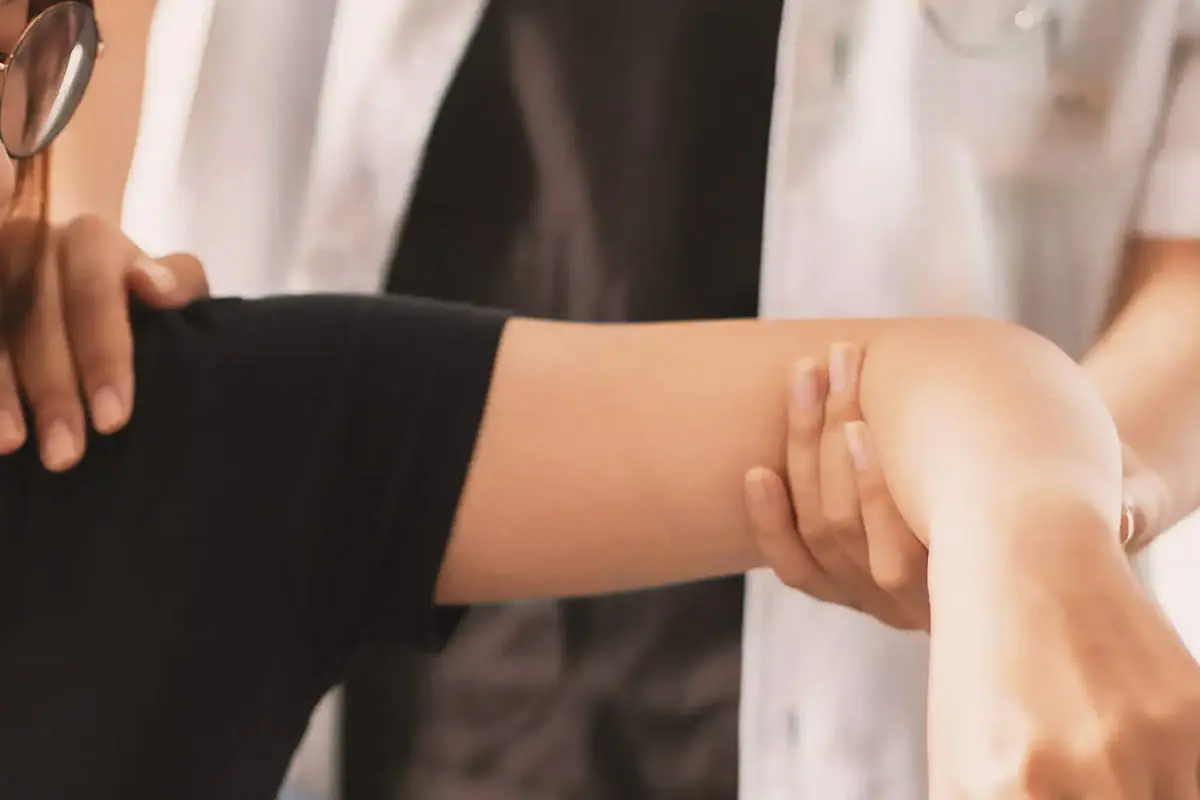
Bone-setting
Manual techniques used when your physician assesses joint alignment and local restriction as part of the plan.
Bone setting treatment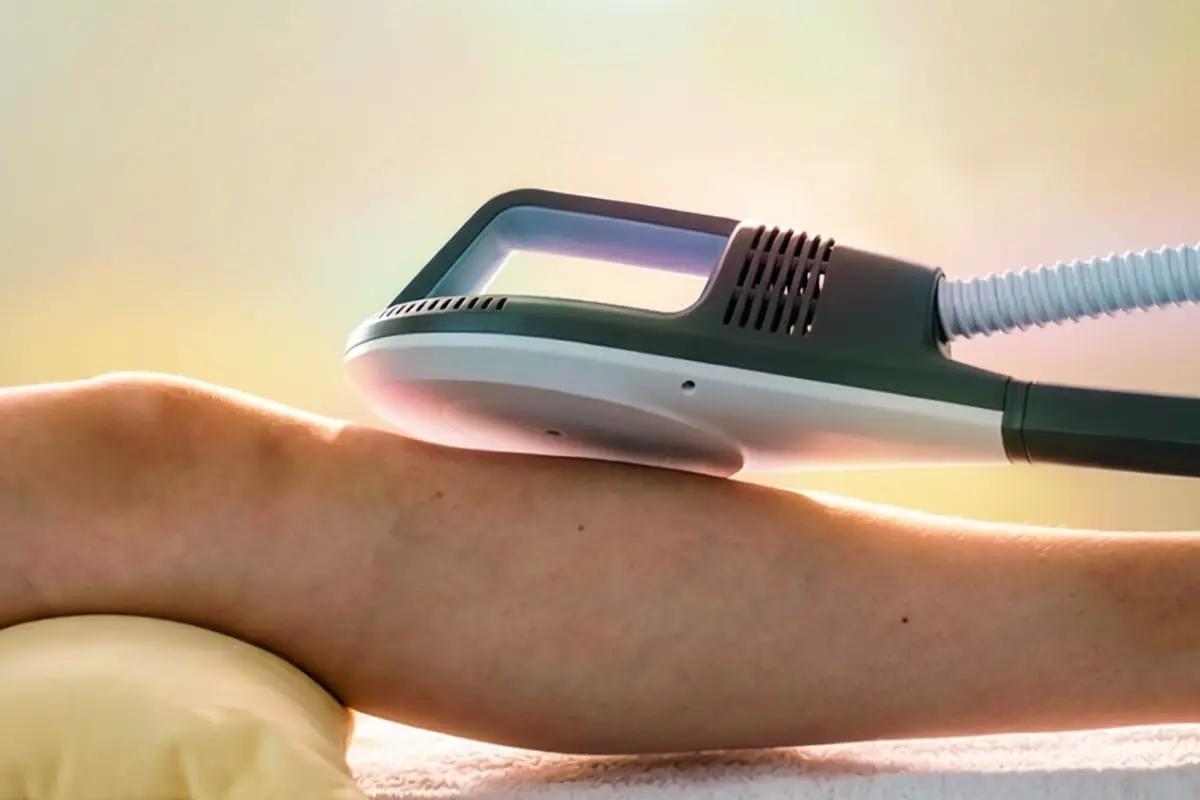
Super Inductive System (SIS)
Non-contact electromagnetic adjunct for pain modulation, muscle activation, and recovery support when your physician indicates it.
SIS treatment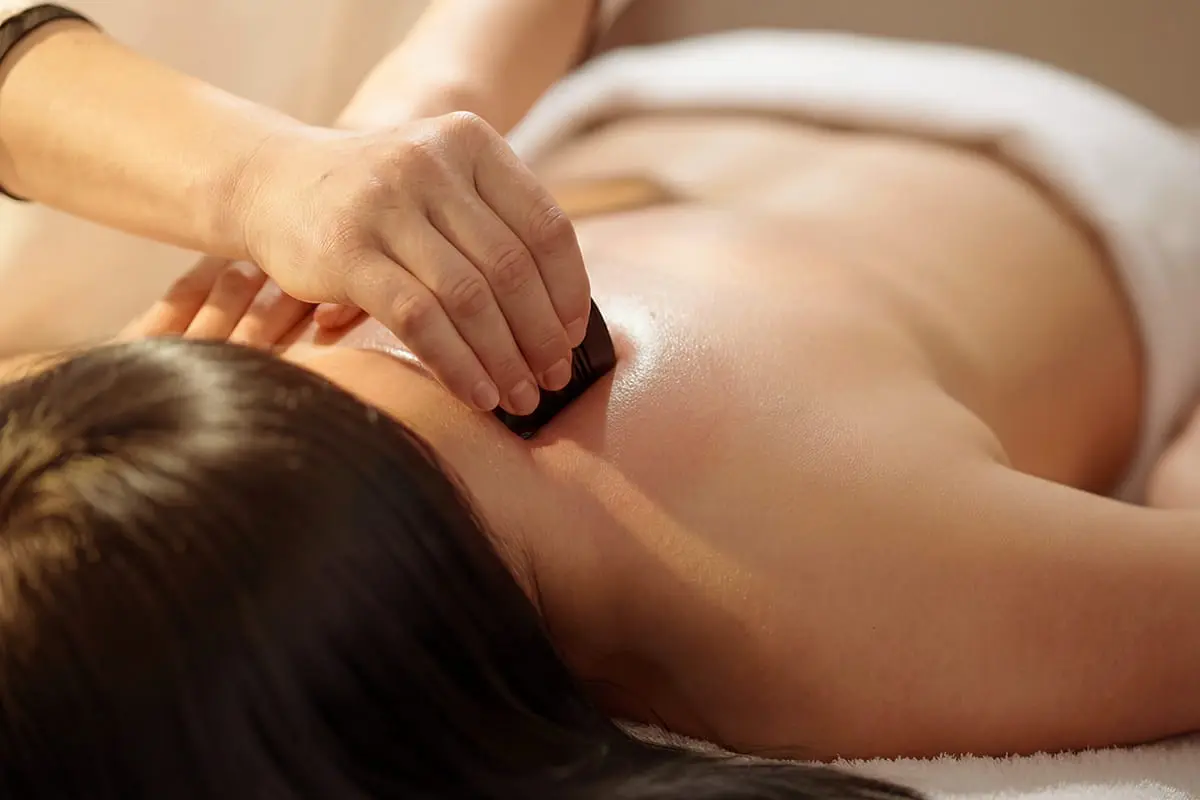
Gua sha (scraping)
A scraping technique used to clear stagnation and surface tension when clinically appropriate.
Gua sha treatment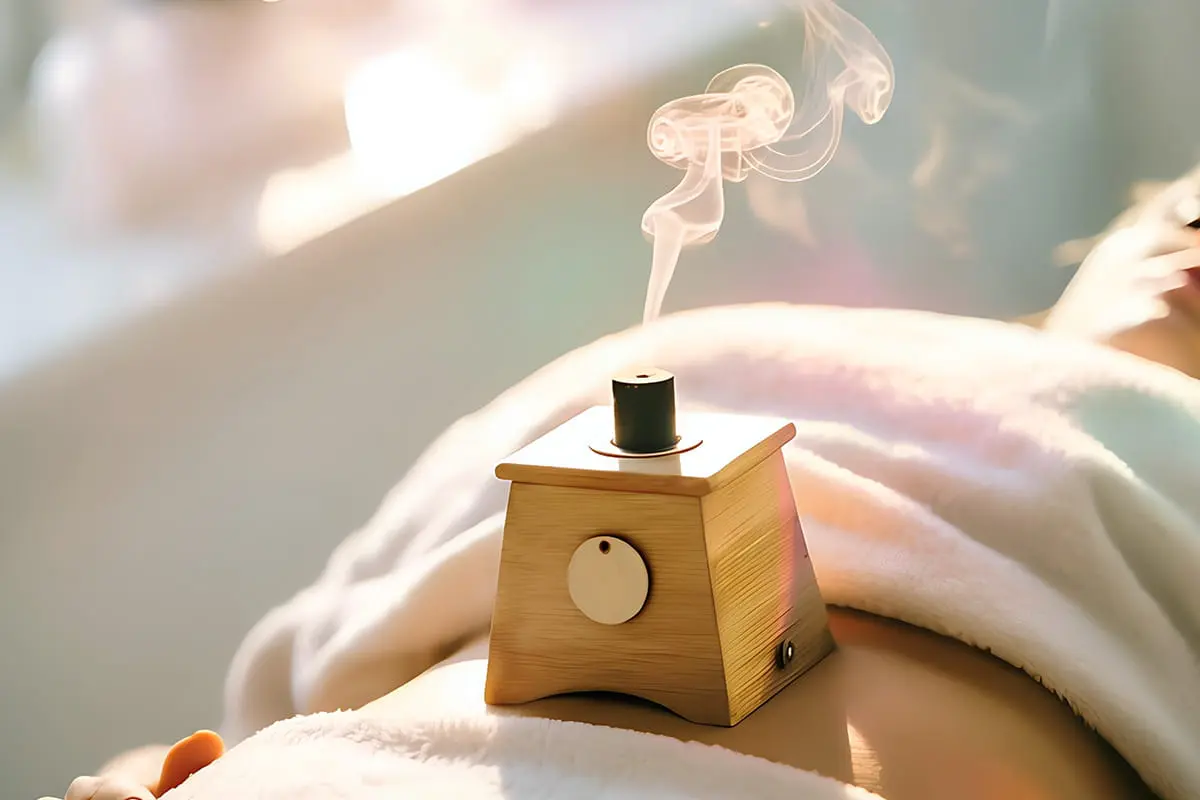
Moxibustion
Applying heat to selected points to warm cold patterns and support circulation when the assessment points that way.
Acupuncture is a common foundation. Cupping and tuina may ease stagnation and tight tissue. Bone-setting, gua sha, moxibustion, and SIS join when the pattern calls for them.
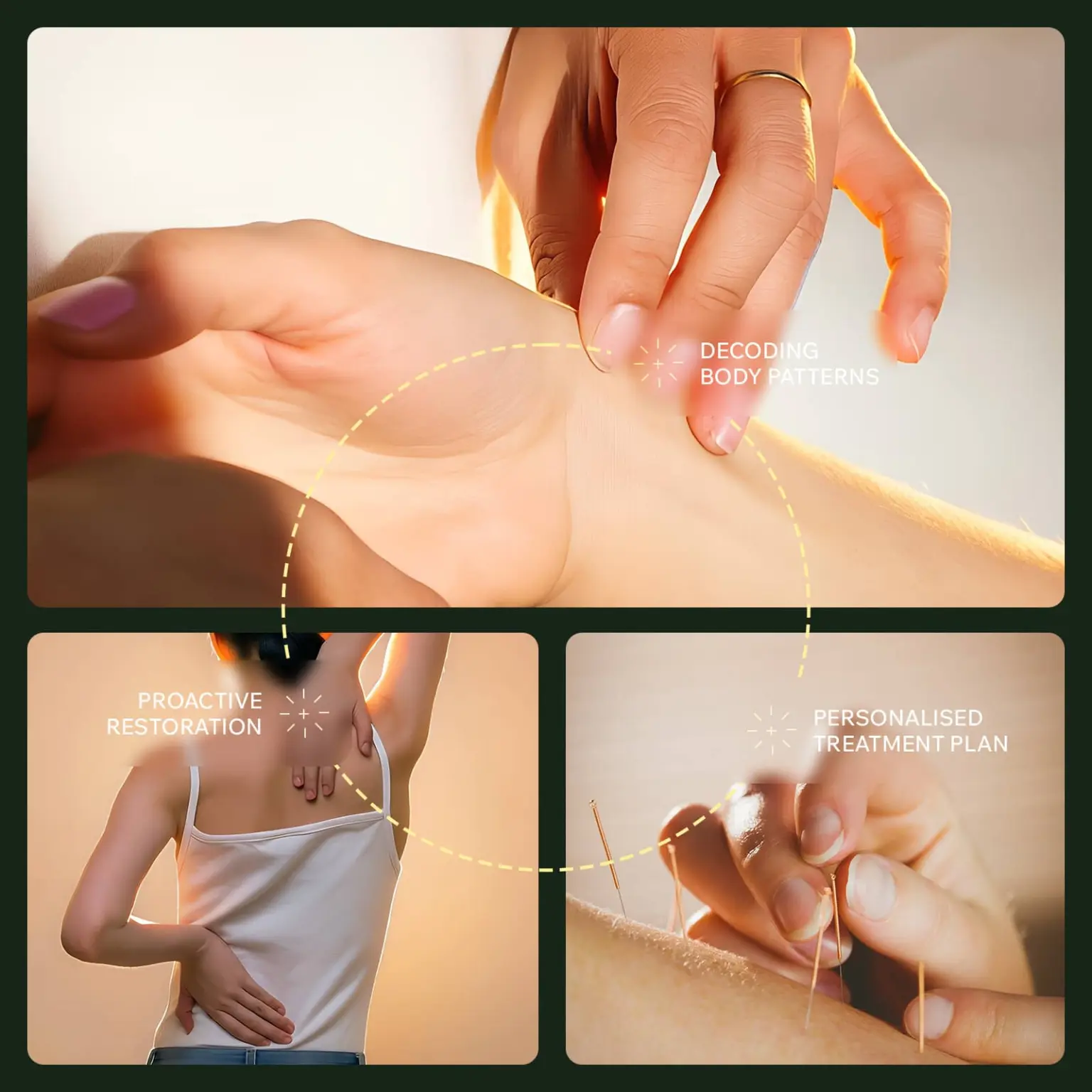
Your care journey
A visit shaped for calm recovery
We read the pattern behind the flare-up, then build a plan you can sustain between sessions.
-
Decode body patterns
History, the Four Examinations, and pulse/tongue diagnosis to name imbalances such as qi stagnation or cold-damp in plain language.
-
Personalised treatment plan
A mix of acupuncture, cupping, tuina, and related modalities matched to your pathway and goals.
-
Steady recovery support
Follow-up to track comfort and mobility. Your physician refers to Western specialists or rehab partners whenever that is the safer next step.
Why patients choose PULSE
-
MOH-registered, bilingual physicians
TCMPB-registered under MOH. English and Mandarin care across the network.
-
Private rooms and steady pacing
Unhurried consults; bodywork and needling in calm treatment rooms.
-
Pattern-led plans, not a menu
Pulse and tongue reading shape modality choice and pacing for your injury or ache.
-
East meets West when needed
Coordination with Heartland Rehab and PULSE Allied Health when recovery needs both.
Physicians
TCM physicians for pain & injuries
TCMPB-registered under MOH. Several physicians focus on pain management, sports injuries, and musculoskeletal care.
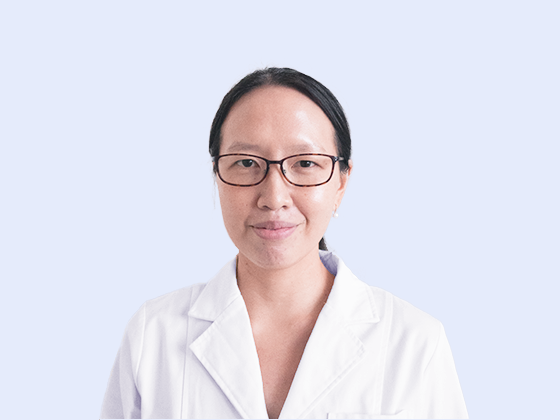
Physician Fang Ying
TCM Physician
Pain Management · Sports Injuries · Gynaecology
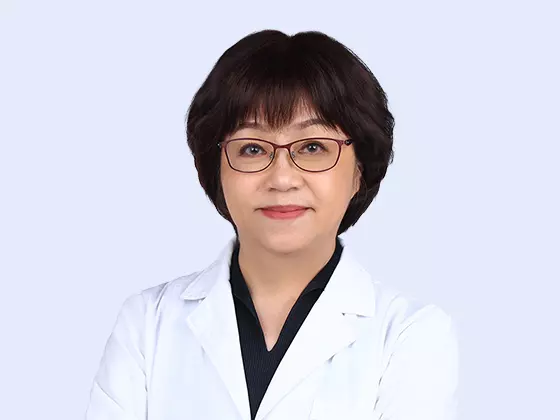
Physician Yumi Yen
TCM Physician
Pain & Injury · Dry eye · Internal Medicine
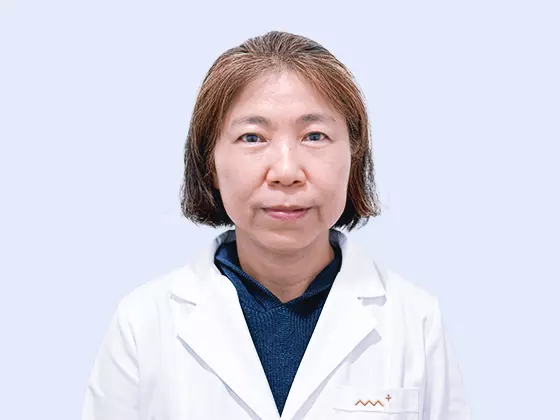
Physician Patricia Wang
TCM Physician
Eye Conditions · Internal Medicine · Pain Management
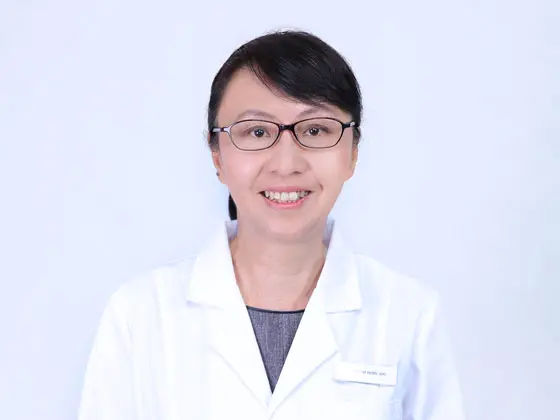
Dr Sim Beng Joo
Advisor / Consultant Physician
Gastrointestinal Syndromes · Pain Management · Sleep / Fatigue
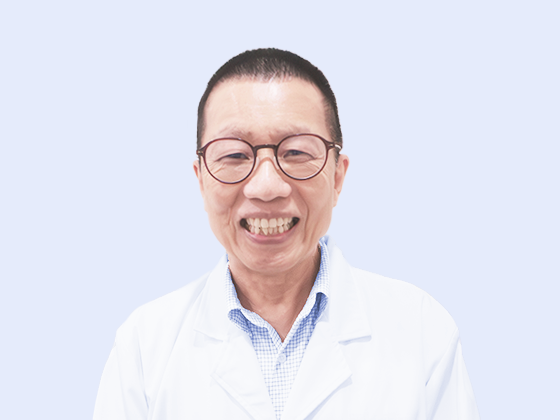
Dr Kevin Tang
Consultant Physician
TCM Oncology · Pain Management · Gynecology
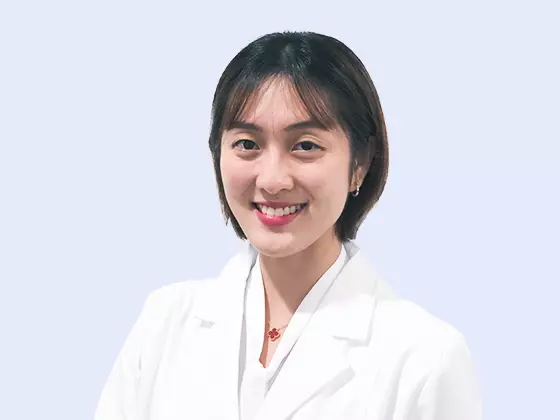
Physician Tanny Kong
TCM Physician
Gastrointestinal · Internal Medicine · Pain Management
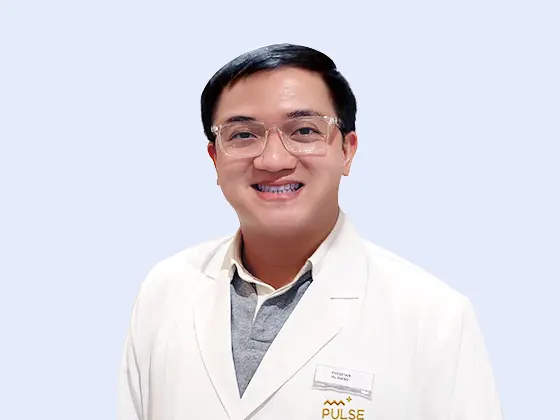
Physician Ng Yu Xiang
TCM Physician
Internal Medicine · Pain & Injury · Aesthetic Care
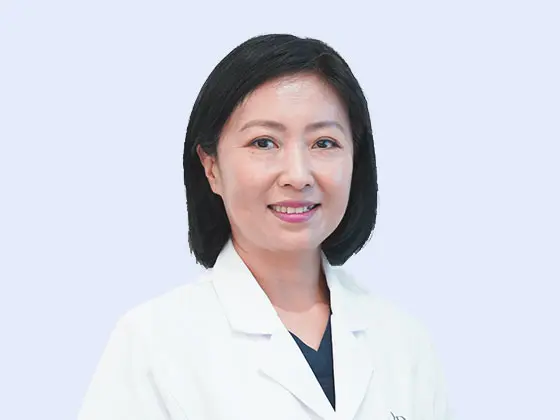
Physician Judy Zhu
TCM Physician
Facial Beauty Acupuncture · Facial Nerve · Cosmetology
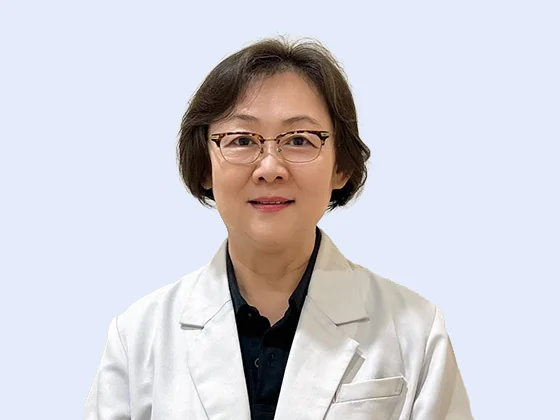
Physician Chen Hui Fang
TCM Physician
Women’s Health · Pain Management · Weight Management & Wellness
From the clinic
-
Intensive clinical years shape how I approach pain and sports recovery: restore channel flow carefully, then build a plan you can sustain between sessions.
-
Complex shoulder and back patterns need to be heard first. I pace care so relief feels concrete, without forcing the body faster than it can go.
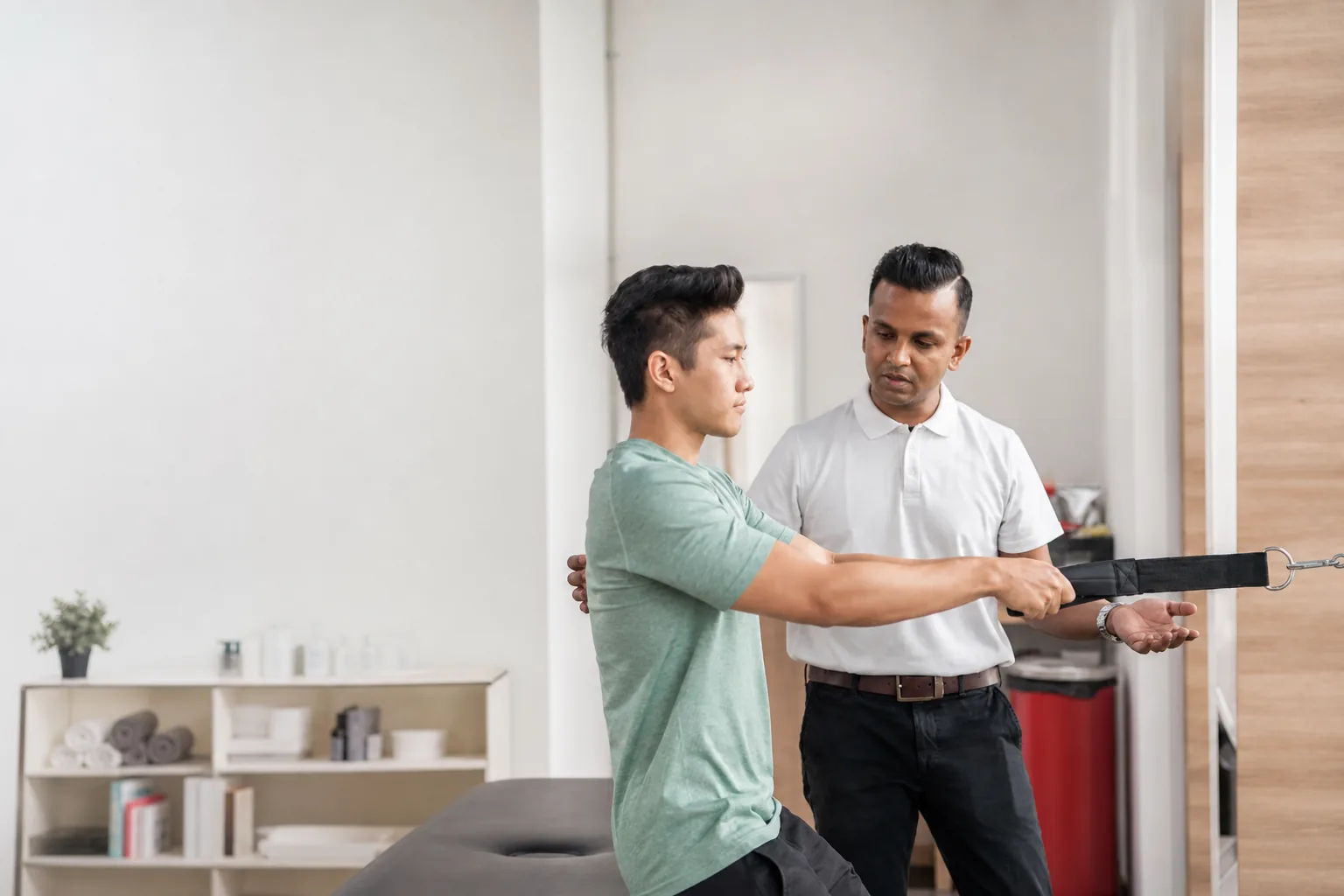
Limited-time offer
Promotion
TCM × Physiotherapy Recovery Trial
$188 (U.P. $390) at The Woodleigh Mall for first-time patients. Visit 1: book TCM consultation with acupuncture or tuina now. Visit 2: Heartland Rehab schedules physiotherapy at the same mall after your TCM visit.
$188 U.P. $390
Promo period: Ongoing
TCM × Physio trial details
Locations
Find a pain & injury clinic near you
Private treatment rooms islandwide, near MRT, with bilingual teams and consistent hygiene standards.
- 15 clinics islandwide Including ION Orchard, Great World, Paragon, Woodleigh, Millenia Walk, Raffles Place, and neighbourhood locations across Singapore.
- Comfort and privacy Calm rooms built for confidential consultations on chronic pain, sports recovery, and joint mobility.
FAQs
Pain & injury questions, answered
Patterns vs painkillers, sports care, session timing, physiotherapy, safety, and booking.
How does TCM treat chronic pain differently from painkillers?
Painkillers mainly blunt the sensation. TCM aims at the pattern behind the flare-up, such as qi and blood stagnation or cold-damp obstruction, using acupuncture and related therapies after consultation. Results vary; your physician sets expectations first.
Can acupuncture help sports injuries?
Often as adjunctive care for soft-tissue recovery, swelling comfort, and channel-related tightness when your physician assesses it as suitable. Severe trauma, fracture, or red-flag neurological symptoms need urgent or specialist Western assessment first. For fitness plateaus, DOMS, or event prep without an active injury focus, see our Sports Enhancement programme. For device-led muscle activation at Paragon, see Muscle Recovery with BIXEPS.
Do you offer BIXEPS for muscle recovery?
Yes. BIXEPS ten-minute muscle activation sessions are available at our Paragon clinic, with optional TCM consultation beside the device course. It complements, rather than replaces, physician-led injury plans on this pathway.
How many sessions will I need for back or neck pain?
It depends on how long the pattern has been present and what else is going on. Many people start with a short course and review progress; chronic patterns usually need steadier follow-up. Your physician will outline a plan at consultation.
Can I combine TCM with physiotherapy?
Yes. PULSE often coordinates with Heartland Rehab and PULSE Allied Health when East and West sit beside each other. Share your physio plan and imaging so modalities stay complementary.
Does cupping help muscle tightness?
Cupping may ease local stagnation and deep tightness when it fits your pattern. It is not used on every visit; your physician decides after assessment.
Are the treatments safe?
Care is delivered by MOH-registered TCM physicians using sterile single-use Seirin needles where acupuncture is indicated. Tell us about anticoagulants, pregnancy, skin conditions, or recent surgery so the plan can be adjusted.
Which physicians focus on pain and sports injuries?
Several physicians list pain management and sports injuries among their focuses, including Physician Ong Fang Ying and Physician Yumi Yen. We will help match you via booking or WhatsApp.
Which clinic is my preferred physician at?
Many physicians consult across more than one outlet. Check schedules via online booking, WhatsApp, or phone, and we will help you find a suitable slot.
References
Sources & page citations
- National Center for Complementary and Integrative Health. Acupuncture: What you need to know. nccih.nih.gov
- National Center for Complementary and Integrative Health. Traditional Chinese medicine: What you need to know. 2019. nccih.nih.gov
- Traditional Chinese Medicine Practitioners Board. Registration & practice standards for TCM physicians. Ministry of Health, Singapore. healthprofessionals.gov.sg/tcmpb
- Ministry of Health Singapore. TCM practitioners (Healthcare Professional Portal). hpp.moh.gov.sg/tcm-practitioners
- World Health Organization. Traditional, complementary and integrative medicine. who.int
Clinically reviewed
Reviewed by Physician Ong Fang Ying
TCM Physician · TCMPB T1303099F
MOH-licensed TCM physician with clinical work spanning pain management, sports injuries, gynaecology, and fertility support.
View full profileEducational information based on clinical experience and TCM principles. Not a substitute for personalised consultation. Speak with your healthcare provider before starting new treatments. TCM complements (and does not replace) urgent care, orthopaedics, or specialist Western medical assessment for acute injury, fracture, or red-flag neurological symptoms.
Book
Begin your pain & injury consultation
Tell us what is flaring or holding you back. We will match you with the right physician and clinic.