Sprain & soft tissue
- Fresh sprain or bruise comfort*
- Local swelling after strain*
- Soft-tissue recovery adjunct*
- Guarded movement after minor injury*

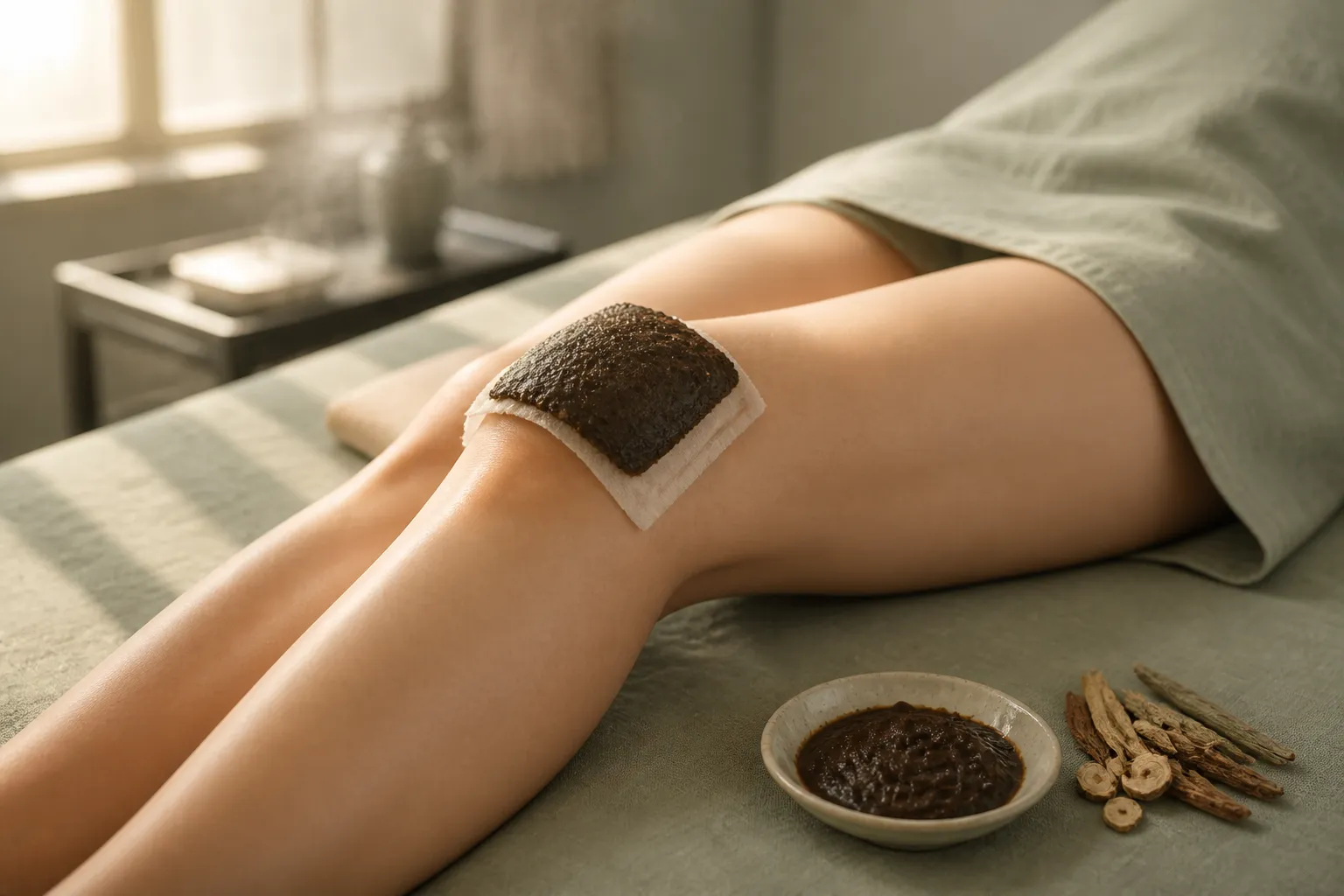
MOH-registered · Plaster-led
Physician-prescribed herbal plasters and patches after a full TCM consultation, with ointments or medicinal soaks when your pattern needs them.
In brief
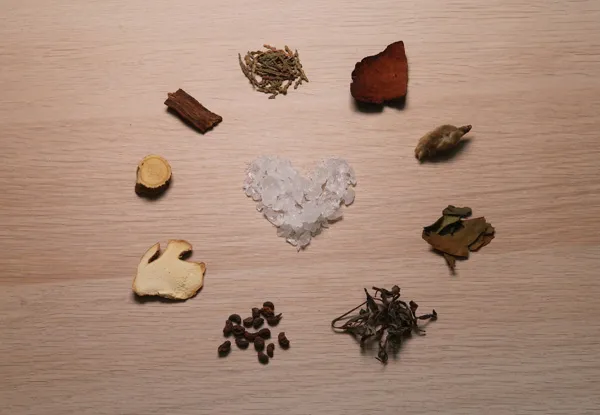
External herbal therapy (外治, Wai Zhi) at PULSE TCM means herbs applied to the body rather than swallowed. Herbal plasters and patches are the usual format once pulse and tongue are checked. Ointments or medicinal soaks may join when local comfort needs another form. It is distinct from Chinese herbal medicine granules taken by mouth.
What it is
External herbal therapy uses plasters, ointments, compresses, or soaks so herbs meet the skin and channels where discomfort sits. At PULSE it joins the plan only after physician consultation and TCM diagnosis.
In Chinese medicine, local pain or swelling often reflects stagnation of qi and blood in the channels. Applying herbs externally aims to support comfort at that site while the broader pattern is still read through pulse and tongue. MOH-registered physicians choose plaster, ointment, or soak when it fits, and can pair external care with acupuncture or oral herbal formulas when your plan needs both routes.
How external herbal therapy works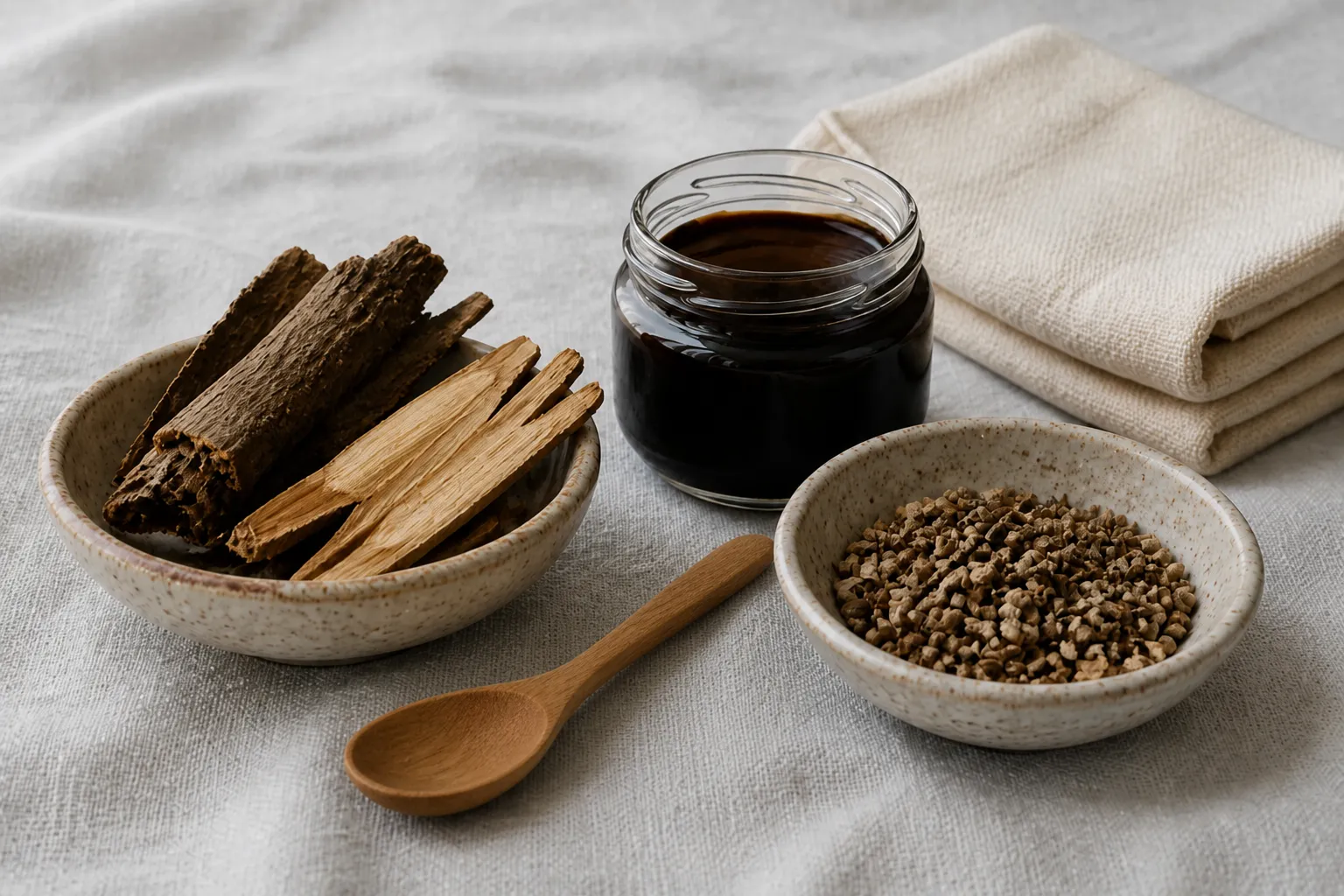
How it is used
After consultation, your physician chooses what fits the pattern. Plasters are the usual choice for local pain or swelling.
Applied to the affected area or selected points. Wear time and skin checks follow your physician's instructions.
Rubbed onto the skin when a spreadable preparation suits better than a stick-on plaster. Clinic prescriptions differ from retail balms.
Shu Jin Gao pain relief ointmentPrescribed herbal soaks or foot baths (药浴 / 泡脚) for home use when immersion fits the plan.
Plaster or bandage is typically $20–$40 as prescribed. Other topicals and soaks are quoted after prescription. For formulas you take by mouth, see Chinese Herbal Medicine.
Common concerns
External herbs are considered for selected local patterns after consultation. Physicians treat patterns, not only disease names. The concerns below are common entry points and not exhaustive or guaranteed outcomes.
In TCM we may describe qi and blood stagnation, cold or damp lodging in the channels, or soft-tissue strain that shows up as ache, swelling, or limited movement. Your physician will name the pattern clearly so the plaster or other format, if used, matches that reading.
* Supportive care for comfort and function within a broader plan. Red-flag emergencies, fractures needing imaging, and unexplained serious symptoms need Western medical care first.
Pathways
Pain and injury pathways are the usual entry when you want care framed around a goal, not only a plaster or ointment.
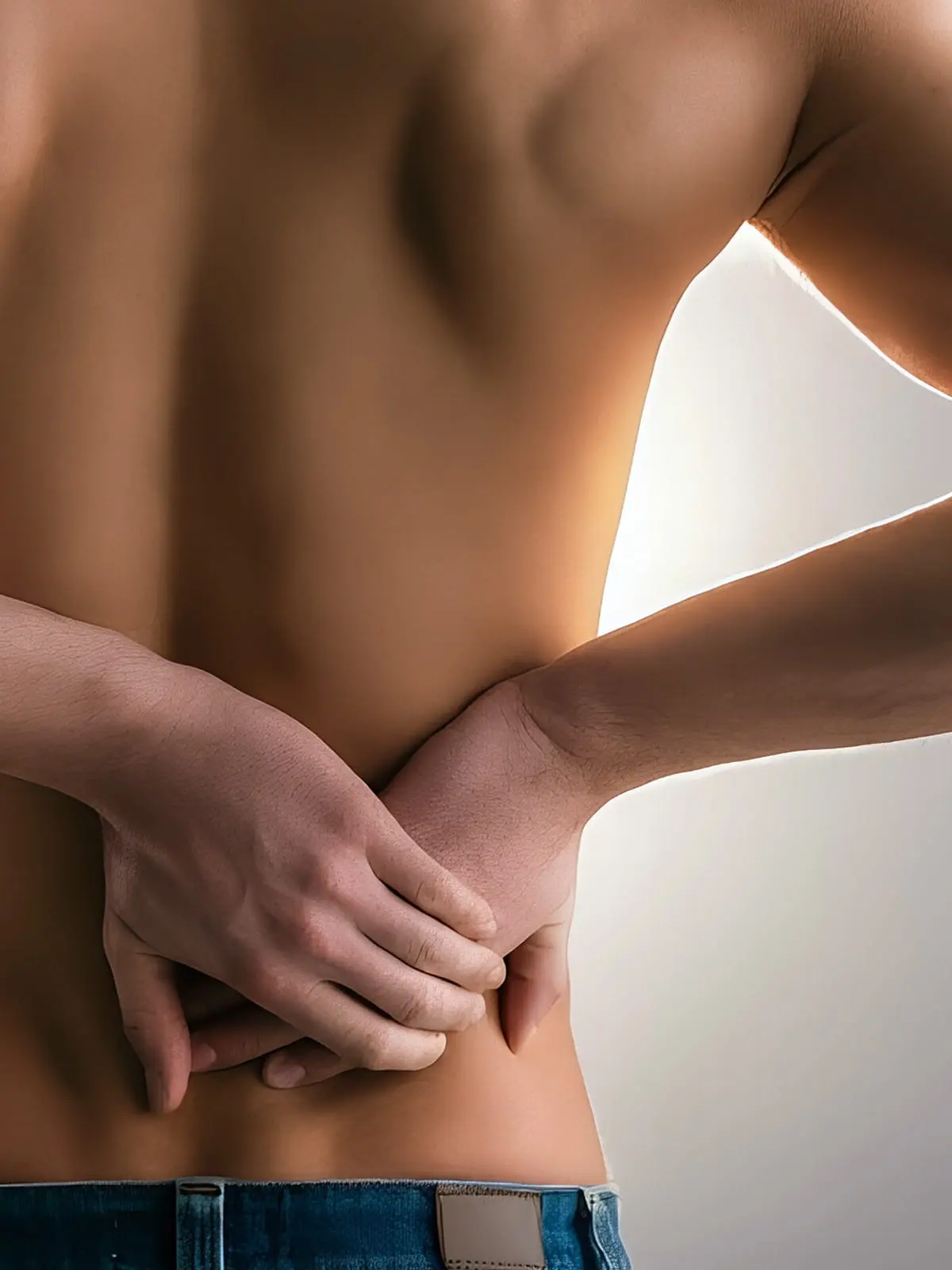
Common start






How it works
Classical TCM framing and what clinic practice describes physiologically, side by side, with a short evidence sketch below.
A TCM perspective
External treatment (外治) places herbs where qi and blood feel stuck in the channels or soft tissue. A plaster or compress aims to support warmth, movement, and comfort at that site while the broader constitution is still addressed with lifestyle advice, acupuncture, or oral formulas when needed.
A clinical perspective
Plasters and wet compresses keep herbal constituents in contact with skin and nearby tissue. Research has explored gel plasters and herbal compresses for selected pain and soft-tissue settings. Formulas and methods differ by clinic; we frame external herbs as an adjunct after assessment, not a guarantee of outcome.
A plain summary of plaster and compress literature, not a promise that any single study formula matches your prescription.
Related modalities
Both are physician-prescribed. Route follows the pattern. This is orientation, not a ranking.
Local pain, sprain, or swelling needs herbs on the skin (plaster, ointment, or soak) more than granules you drink.
Constitution and internal pattern need an oral formula, with external care added only when the site also needs topical support.
Your visit
Consultation first. Plaster, ointment, or soak only when they fit your plan.
Share history, skin sensitivities, adhesive allergies, pregnancy status, medications, and goals. First visits usually take 45–60 minutes.
Pulse, tongue, and symptom pattern guide whether external herbs belong and which format to use.
A plaster or patch may be applied in clinic, or you receive ointment or soak instructions for home use with clear timing.
Follow wear-time guidance. Remove sooner if itch, redness, or swelling develops, and tell your physician at follow-up.
Comfort & safety
External herbs are generally well tolerated when used on intact skin as directed. They are not appropriate on broken or infected skin unless your physician specifically advises. Tell your physician about adhesive allergies and pregnancy before application.
TCMPB-registered under MOH. English and Mandarin care across the network.
External herbs join the plan after diagnosis, beside acupuncture or oral formulas when useful.
Plaster or bandage is typically $20–$40 as prescribed; consultation from $40.
Coordination with Heartland Rehab and PULSE Allied Health when soft-tissue recovery needs both lanes.
Physicians
TCMPB-registered under MOH. Bilingual teams across the network.
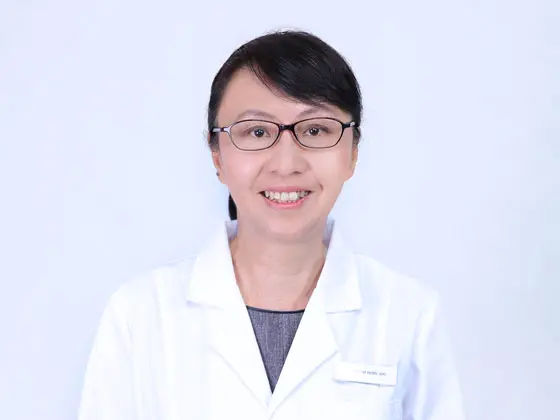
Advisor / Consultant Physician
Gastrointestinal Syndromes · Pain Management · Sleep / Fatigue
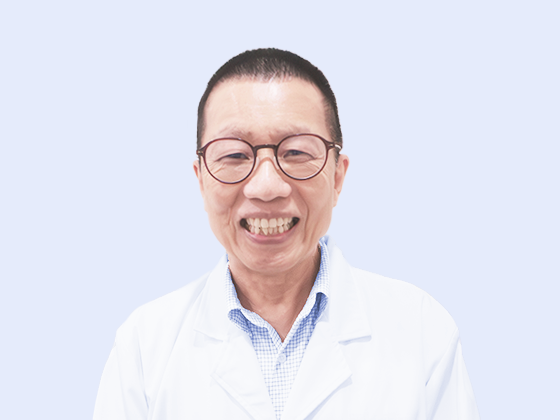
Consultant Physician
TCM Oncology · Pain Management · Gynecology

TCM Physician
Pain Management · Sports Injuries · Gynaecology

TCM Physician
Pain & Injury · Dry eye · Internal Medicine

TCM Physician
Eye Conditions · Internal Medicine · Pain Management

TCM Physician
Gastrointestinal · Internal Medicine · Pain Management

TCM Physician
Internal Medicine · Pain & Injury · Aesthetic Care

TCM Physician
Facial Beauty Acupuncture · Facial Nerve · Cosmetology
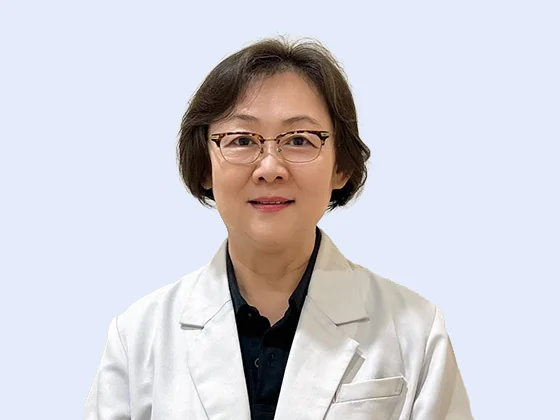
TCM Physician
Women’s Health · Pain Management · Weight Management & Wellness
A plaster is useful when I want local support after the pattern is clear. It does not replace pulse, tongue, and a proper diagnosis, and it works best when patients know how long to wear it and when to remove it if the skin reacts.
Acute sprain and chronic local ache are common reasons I reach for a plaster. When oral granules or acupuncture also belong, we build both into one plan rather than treating external care as a retail add-on.
Charges
Consultation starts from $40. Plaster or bandage is typically $20–$40 as prescribed. Other ointments and medicinal soaks are quoted after prescription. Not inclusive of GST. Your physician confirms the recommended plan after assessing your condition. See full charges.
Full charges
Locations
PULSE has 15 clinics islandwide. External herbal therapy is indicated after consultation; we confirm the right physician and outlet when you book.
FAQs
Plasters, ointments, soaks, safety, and how we quote fees.
External herbal therapy (外治) means herbs applied to the body rather than taken by mouth. At PULSE this is usually a herbal plaster or patch after consultation, with ointment or a medicinal soak when indicated.
Chinese herbal medicine at PULSE is mainly concentrated granules you dissolve and drink. External herbal therapy is plaster-led care applied to the skin. Many patients use one route, or both, when the physician builds a combined plan. Oral formulas are covered on the Chinese Herbal Medicine treatment page.
They are commonly considered for local sprain or bruise comfort, joint and back discomfort, and soft-tissue recovery adjuncts after diagnosis. Physicians treat patterns, not only Western labels, and outcomes vary.
Follow the wear time your physician gives for that plaster. Many clinic plasters are worn for hours to a day or as labelled. Remove sooner if the skin becomes itchy, red, or blistered.
Ask when the plaster is applied. Some stay on through a quick shower if you pat the area dry; others should be removed first. Avoid long hot soaks that loosen adhesive unless you were told otherwise.
No. Plasters stick on and hold herbs against one site. Ointments are rubbed on. Medicinal soaks immerse the area or the feet in a prescribed herbal bath. Your physician chooses the format that fits your pattern.
Yes, when prescribed. A medicinal foot soak (泡脚) is a form of external herbal care. It is not automatic with every plaster visit, and it is not positioned here as treatment for blood pressure or other systemic disease on its own.
They are generally safe on intact skin when used as directed. Stop and remove them if irritation develops. Share adhesive allergies and pregnancy status before use. Seek medical care for unexplained or severe symptoms.
Consultation starts from $40. Plaster or bandage is typically $20–$40 as prescribed. GST is separate. Other ointments and soaks are quoted after prescription.
Some PULSE retail balms, such as Shu Jin Gao pain relief ointment, are sold online for general body-ache comfort. That is separate from a physician-prescribed plaster or ointment after consultation. Clinic fees and retail product prices are not the same thing.
Often yes, when your physician writes both into one plan. Oral granules and external plasters address different routes. Timing and suitability are confirmed at consultation.
Sources & page citations
Clinically reviewed
Advisor (Science & Strategy) / Consultant Physician · TCMPB T1303003A
MOH-licensed TCM physician and biomedical scientist, with clinical work in digestion, pain, and sleep or fatigue.
View full profileEducational information based on clinical experience and TCM principles. Not a substitute for personalised consultation. Speak with your healthcare provider before starting new treatments. External herbal therapy complements (and does not replace) urgent or specialist Western medical care. Research on specific formulas does not mean the same product or outcome applies at PULSE.
Book
Tell us what you need help with. We will match you with the right physician and confirm whether a plaster, ointment, or soak fits your plan.