Pain relief & rehabilitation
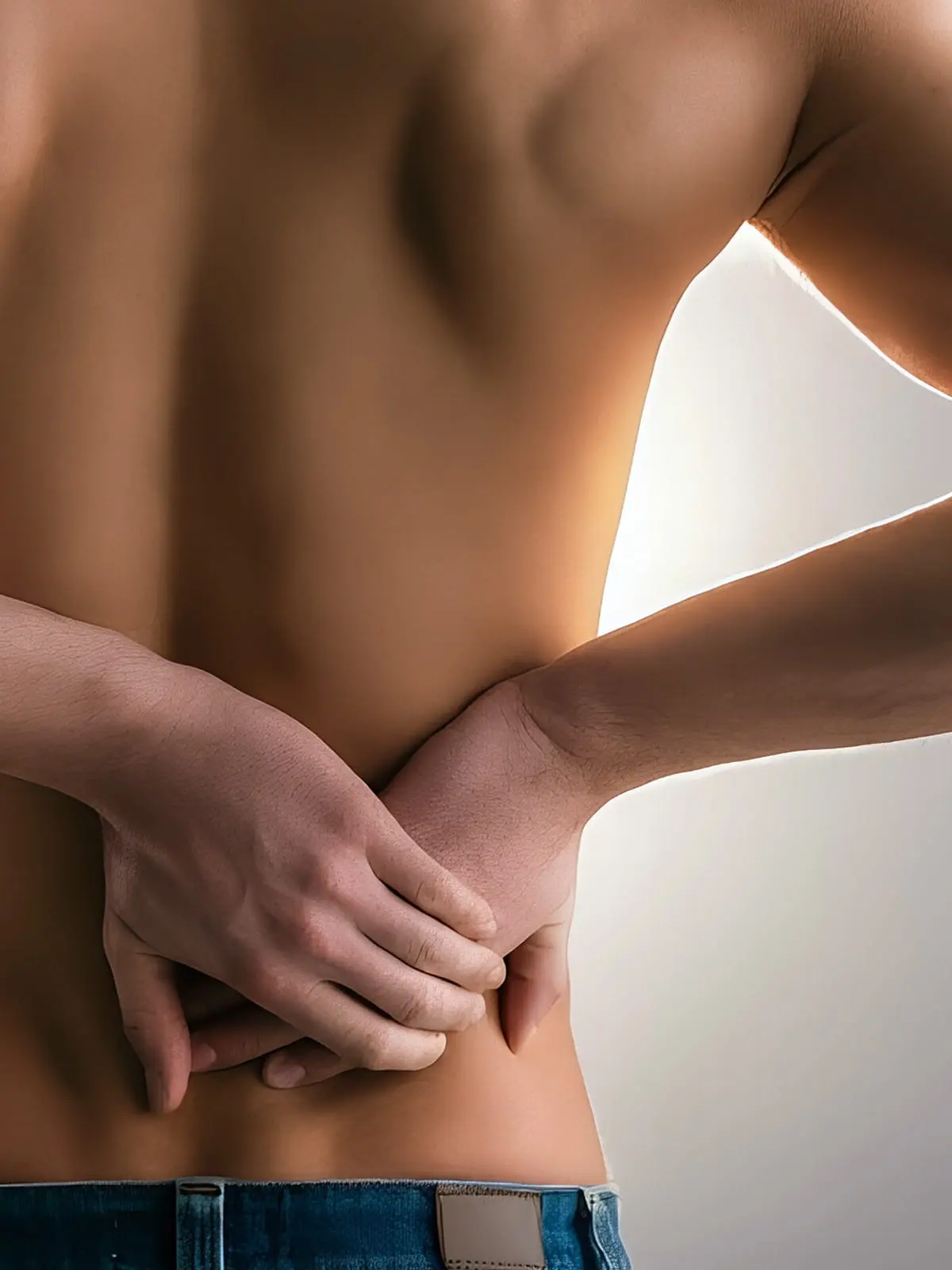
- Back, neck & knee pain
- Frozen shoulder
- Sports injuries & spasm
- Headaches & migraine
- Arthritis & joint stiffness
- Sciatica
- Post-stroke rehab support
- Bell's palsy support

From $70 · MOH-registered
Personalised, physician-led care, explained in both TCM and clinical terms.
In brief
Acupuncture at PULSE TCM is physician-led care with fine, sterile needles after a full TCM consultation. Traditional or electroacupuncture is chosen for your pattern across 15 Singapore clinics. First visits usually take 45–60 minutes. Sessions from $70.
What it is
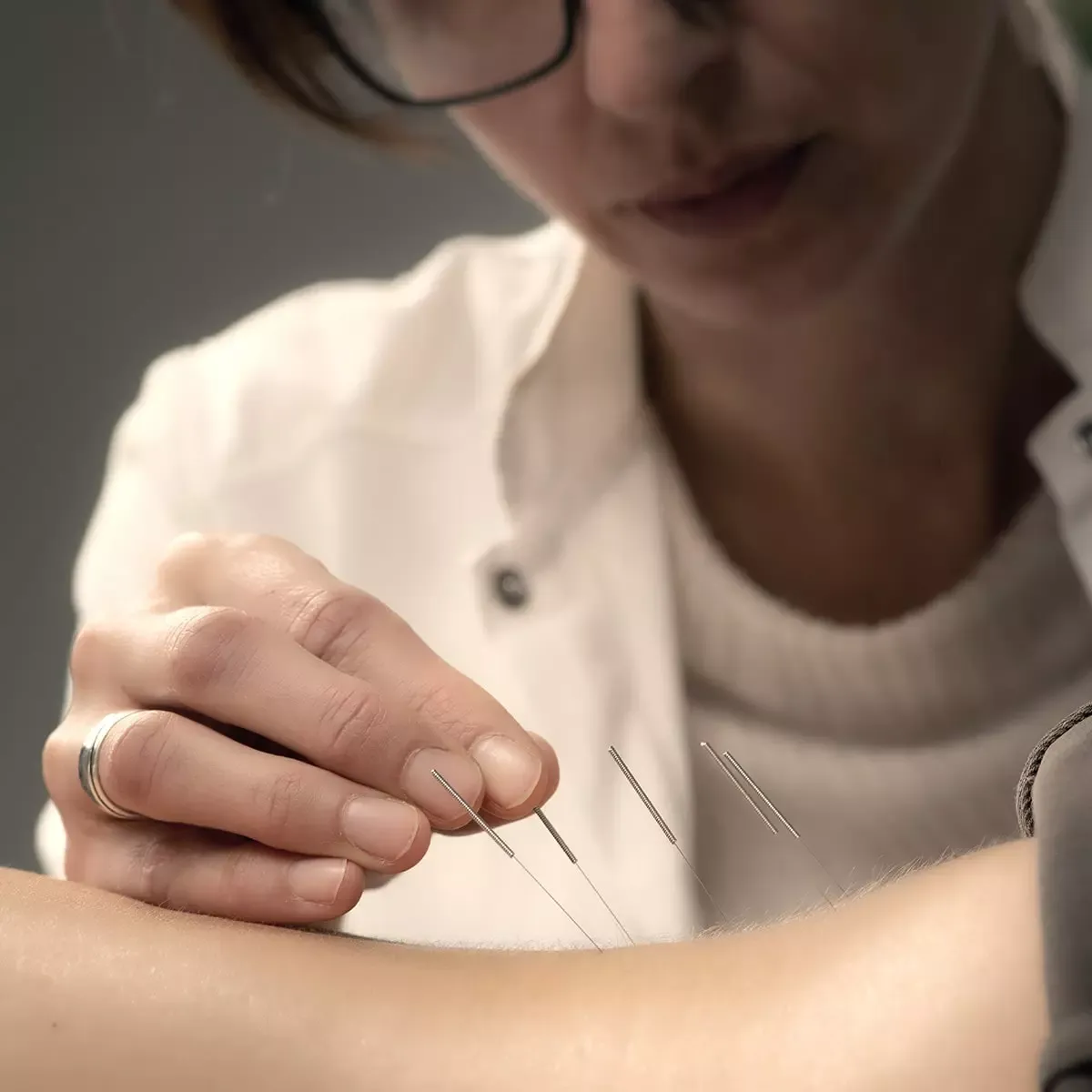
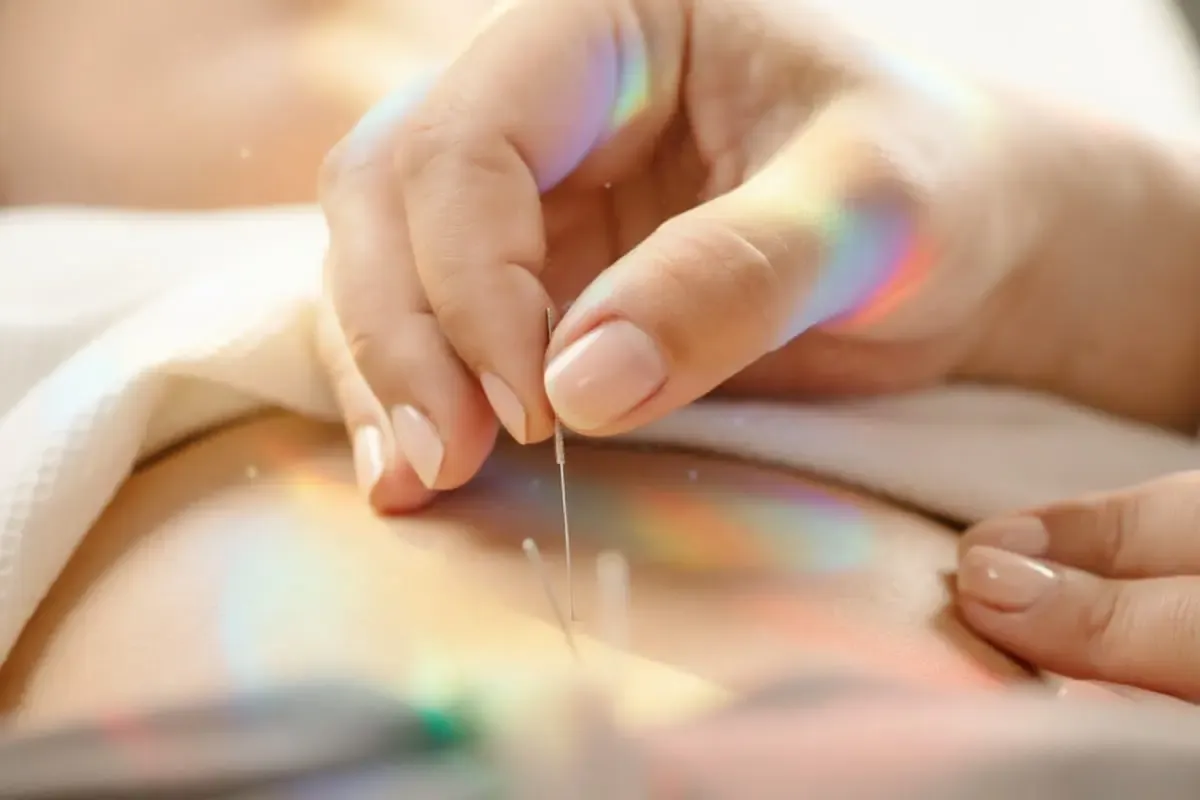
Fine, sterile needles at selected points along the body’s channels (meridians) to support pain relief, recovery, and internal balance, always after a physician consultation and TCM pattern diagnosis.
In Chinese medicine, acupuncture regulates qi and blood through the channel network. A consultation looks at your pattern (zheng): for example stagnation, deficiency, cold, or heat, not only a Western disease label. Clinically, needling also engages nerves, circulation, and the body’s own calming and pain-modulating responses. At PULSE, MOH-registered physicians hold both lenses, and can work alongside physiotherapy and Allied Health when your plan needs both. Across Singapore’s public hospitals, acupuncture is also expanding as adjunct care for pain, stroke rehabilitation support, and cancer-related symptoms: complementary framing, not a substitute for specialist Western care.


Coordinated with Heartland Rehab & PULSE Allied Health. Explore integrative care
Common concerns
Acupuncture can stand alone or sit with herbs, tuina, or Western rehab. Physicians treat patterns, not only disease names. The concerns below are common in clinic and not exhaustive.
In TCM we describe disharmony in the channels and organ systems: qi stagnation, blood stasis, cold or heat, dampness, deficiency. Your physician will name the pattern in plain language (and in TCM terms when useful) so care stays specific to you.
* Supportive / adjunctive only under physician guidance. Not a substitute for oncology or specialist addiction programmes.
Pathways
Pain is a common entry point. Use a programme pathway when you want care framed around a goal, not only a modality.
Common start










Modalities
Both share the same diagnostic groundwork. Your physician chooses traditional needling, electroacupuncture, or a blend (not a one-size protocol).
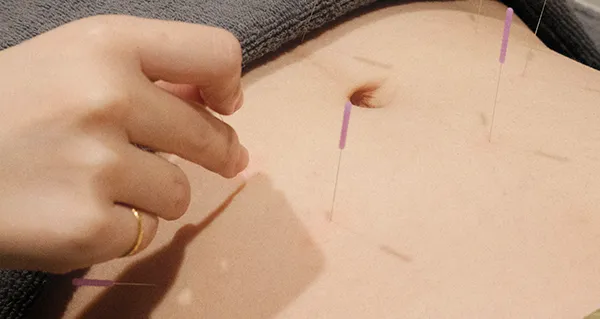
Fine needles at selected points to support comfort, recovery, and internal balance: a calm foundation for first visits and ongoing plans.
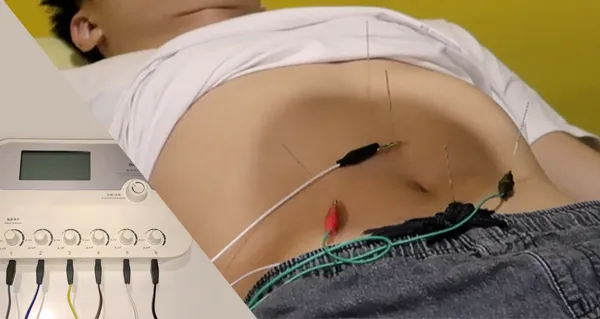
A mild electrical current through selected needles when pain or muscle patterns need more intensive, evenly paced input. Sensation is usually a light buzz or tap. Say so if it feels too strong; settings are adjustable.
Traditional needling suits many first visits and constitutional or stress-linked patterns. Electroacupuncture may be added when pain is more stubborn or muscle holding patterns need steadier stimulus. You will hear the recommendation in plain language before needles go in.
How it works
Classical TCM framing and what research describes physiologically, side by side, with a short evidence sketch below.
A TCM perspective
Chinese medicine describes qi and blood moving through a network of channels (meridians). Points along those pathways are chosen for your pattern: to move stagnation, warm cold, clear heat, or nourish deficiency. Different concerns call for different combinations. Your physician explains the pattern in clinic language as well as TCM terms when they help.
A clinical perspective
Needling stimulates sensory nerves in skin and muscle, signalling the brain and spinal cord. That can release endorphins and other messengers involved in pain modulation, while local blood flow and a calmer nervous-system state support repair and ease.
A plain summary, not a promise of outcome for every person.
Your visit
Consultation first. Needles only when they fit your plan.
Share history, goals, and any reports or medications. First visits usually take 45–60 minutes.
Pulse and tongue diagnosis guide a personalised point selection, traditional or electro as needed.
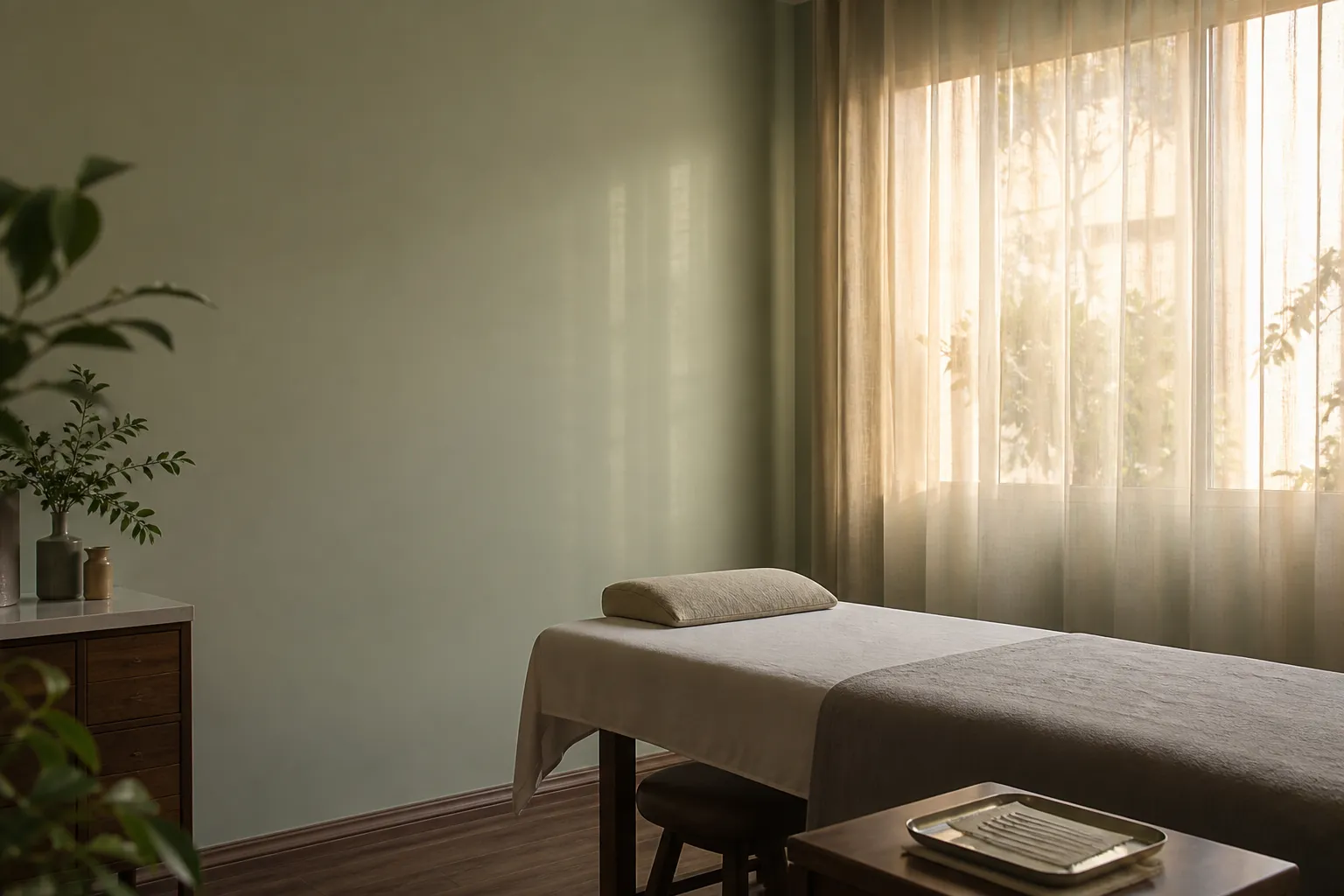
Single-use sterile needles in a private room. Most sessions include quiet rest while needles remain in place.
Leave with clear next steps. Take it easy, hydrate, and avoid strenuous activity for 12–24 hours when you can.
How it feels
Most people feel a brief pinch, then a dull ache, warmth, or tingle that settles. You rest quietly while needles stay in place. Tell your physician if anything feels sharp so they can adjust.
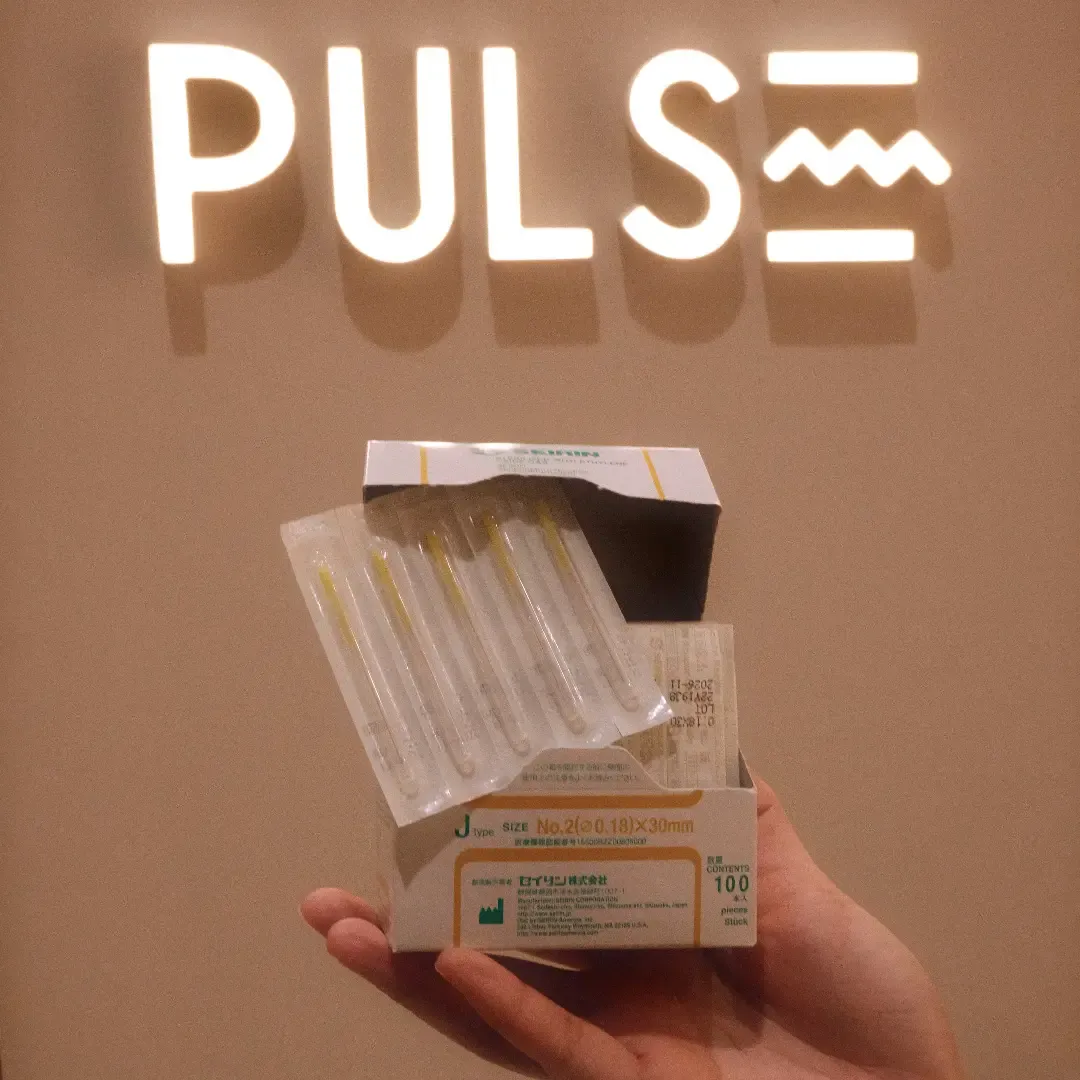
Comfort & safety
Needles are far finer than those used for injections. Many people feel a brief pinch, tingling, or dull pressure, then settle into a quiet, restful session.
TCMPB-registered under MOH. English and Mandarin care across the network.
Calm treatment rooms and Japan-made Seirin needles (sterile, single-use) with hygiene protocols you can ask about on the day.
Pulse and tongue reading shape point selection, pacing, and whether electro belongs.
Clear starting price; coordination with Heartland Rehab and PULSE Allied Health when recovery needs both.
Physicians
TCMPB-registered under MOH. Bilingual teams across the network.
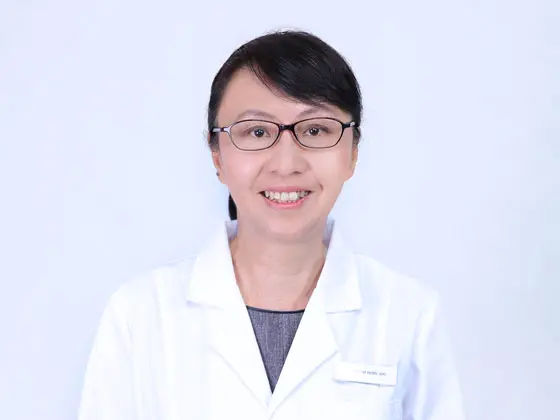
Advisor / Consultant Physician
Gastrointestinal Syndromes · Pain Management · Sleep / Fatigue
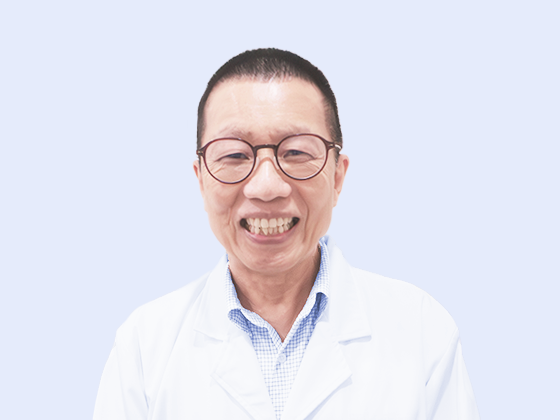
Consultant Physician
TCM Oncology · Pain Management · Gynecology
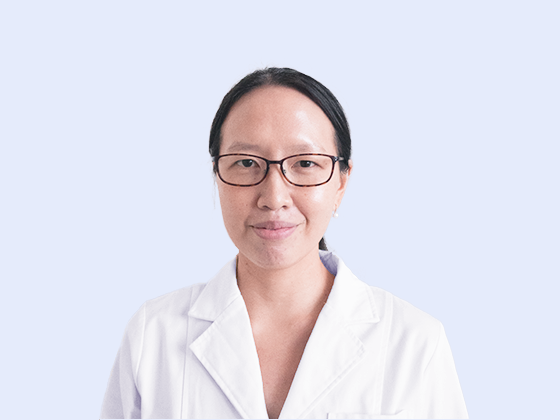
TCM Physician
Pain Management · Sports Injuries · Gynaecology
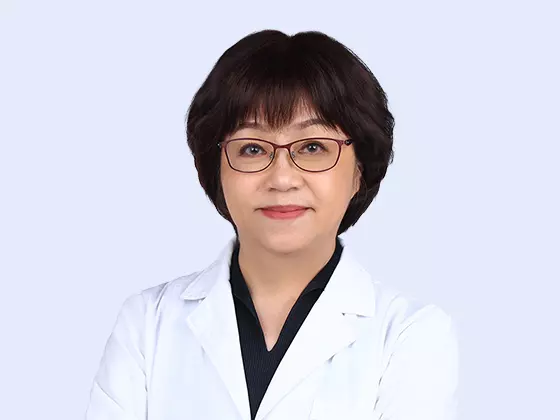
TCM Physician
Pain & Injury · Dry eye · Internal Medicine
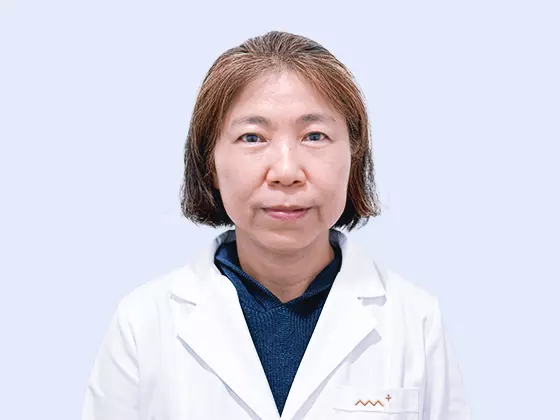
TCM Physician
Eye Conditions · Internal Medicine · Pain Management
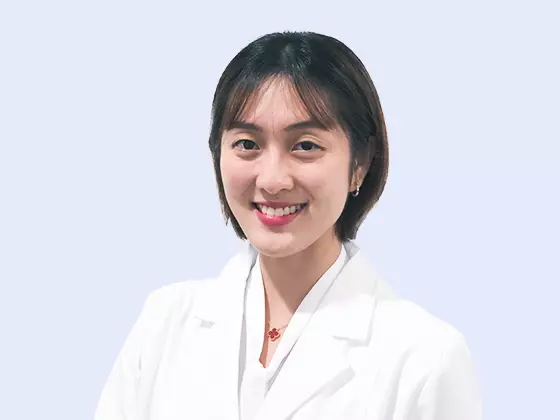
TCM Physician
Gastrointestinal · Internal Medicine · Pain Management
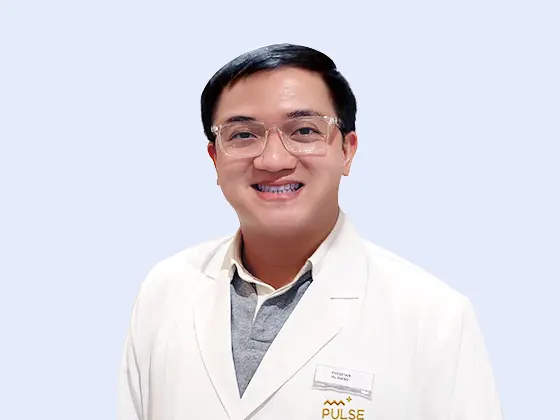
TCM Physician
Internal Medicine · Pain & Injury · Aesthetic Care
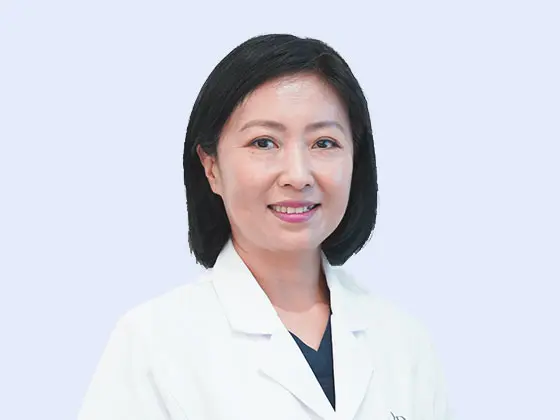
TCM Physician
Facial Beauty Acupuncture · Facial Nerve · Cosmetology
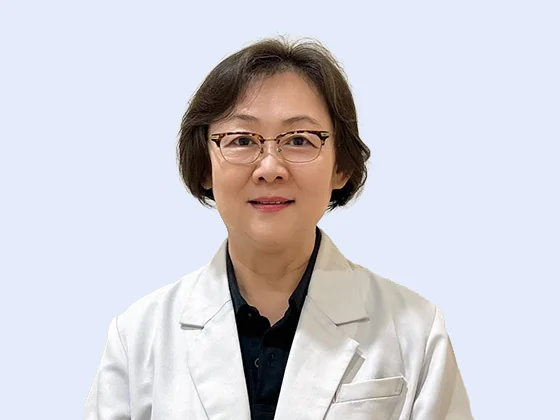
TCM Physician
Women’s Health · Pain Management · Weight Management & Wellness
Having served over a decade in community clinics, I know that true healing begins when a patient feels truly heard. I am dedicated to resolving complex pain and systemic issues at your own pace, with relief that is as compassionate as it is effective.
As a biomedical scientist and TCM practitioner, I bridge ancient clinical craft with modern precision. My focus is intercepting suboptimal health (fatigue, gut patterns, pain) before it settles into something harder to shift.
Patient stories
Charges
Session pricing starts at $70. Your physician confirms the recommended plan and any packages after assessing your condition.
Full charges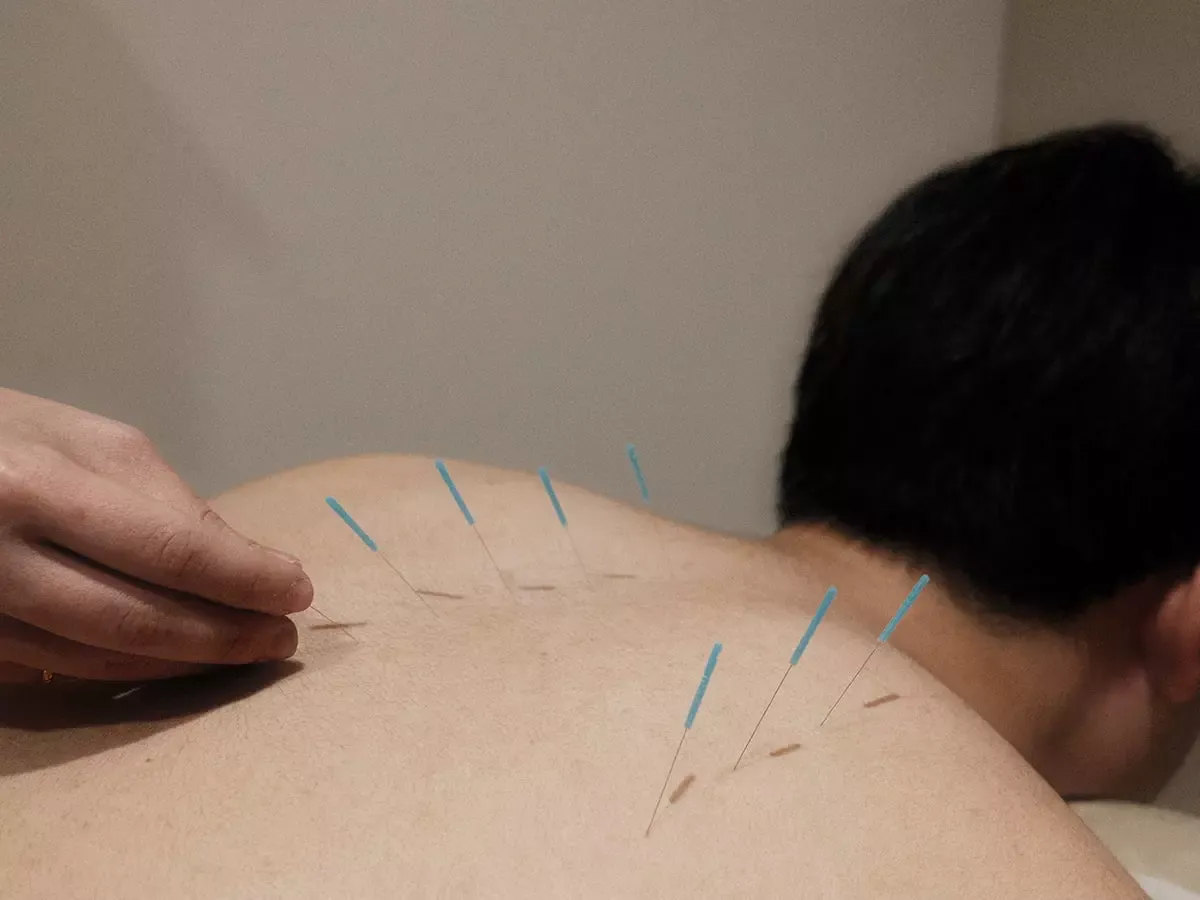
Locations
Private treatment rooms islandwide, near MRT, with bilingual teams and consistent hygiene standards.
FAQs
Prep, comfort, timing, aftercare, and how we work with your wider care.
Wear loose, comfortable clothing that can be rolled above the elbows and knees. Have a light meal or snack 1–2 hours before your appointment. Avoid arriving on an empty stomach, and refrain from alcohol or heavy, greasy meals beforehand.
Acupuncture needles are much finer than injection needles. Many people feel little more than a brief pinch, tingling, or pressure. Sessions are designed to be relaxing, and some patients doze during treatment. Brief soreness around treated points can occur afterwards and usually settles. PULSE uses Japan-made Seirin needles chosen for Light Touch Insertion™ and sterile single-use packs.
A first visit is typically 45–60 minutes including a full health assessment. Follow-up sessions are usually 30–45 minutes.
It depends on whether your concern is acute or chronic. Some people notice change after one or two sessions; longer-standing patterns usually need a short course. Your physician will propose a personalised plan at the first consultation.
Yes, with adapted point selection. Acupuncture can also be used for related symptoms such as PMS cramps or morning sickness when appropriate. Tell your physician if you are pregnant, trying to conceive, or menstruating so they can choose the safest approach for you.
Yes. Acupuncture can complement Western care, physiotherapy, and Allied Health. Singapore’s public hospitals have likewise been expanding acupuncture alongside conventional treatment for selected pain, stroke rehab support, and cancer-related symptoms. Share current medications and treatments with your physician. At PULSE, care can be coordinated with Heartland Rehab and PULSE Allied Health when helpful.
Take it easy for the rest of the day and drink warm water. Avoid strenuous exercise, heavy lifting, swimming, cold showers, and alcohol for 12–24 hours when possible.
Acupuncture sessions start from $70. Your physician will confirm the recommended plan and any package options during consultation.
Common areas include pain and rehab (back pain, sciatica, arthritis, frozen shoulder, migraine), internal and reproductive health (sleep, cycles, fertility support, IBS and digestion), and ENT, skin, and lifestyle concerns (sinuses, allergies, asthma support, eczema, facial acupuncture). Care is pattern-based in TCM and confirmed after consultation. Supportive care only for cancer journeys and addictions; not a substitute for specialist Western programmes.
Sources & page citations
Clinically reviewed
Advisor (Science & Strategy) / Consultant Physician · TCMPB T1303003A
MOH-licensed TCM physician and biomedical scientist, with clinical work in digestion, pain, and sleep or fatigue.
View full profileEducational information based on clinical experience and TCM principles. Not a substitute for personalised consultation. Speak with your healthcare provider before starting new treatments. Acupuncture complements (and does not replace) urgent or specialist Western medical care.
Limited-time offer
Promotion
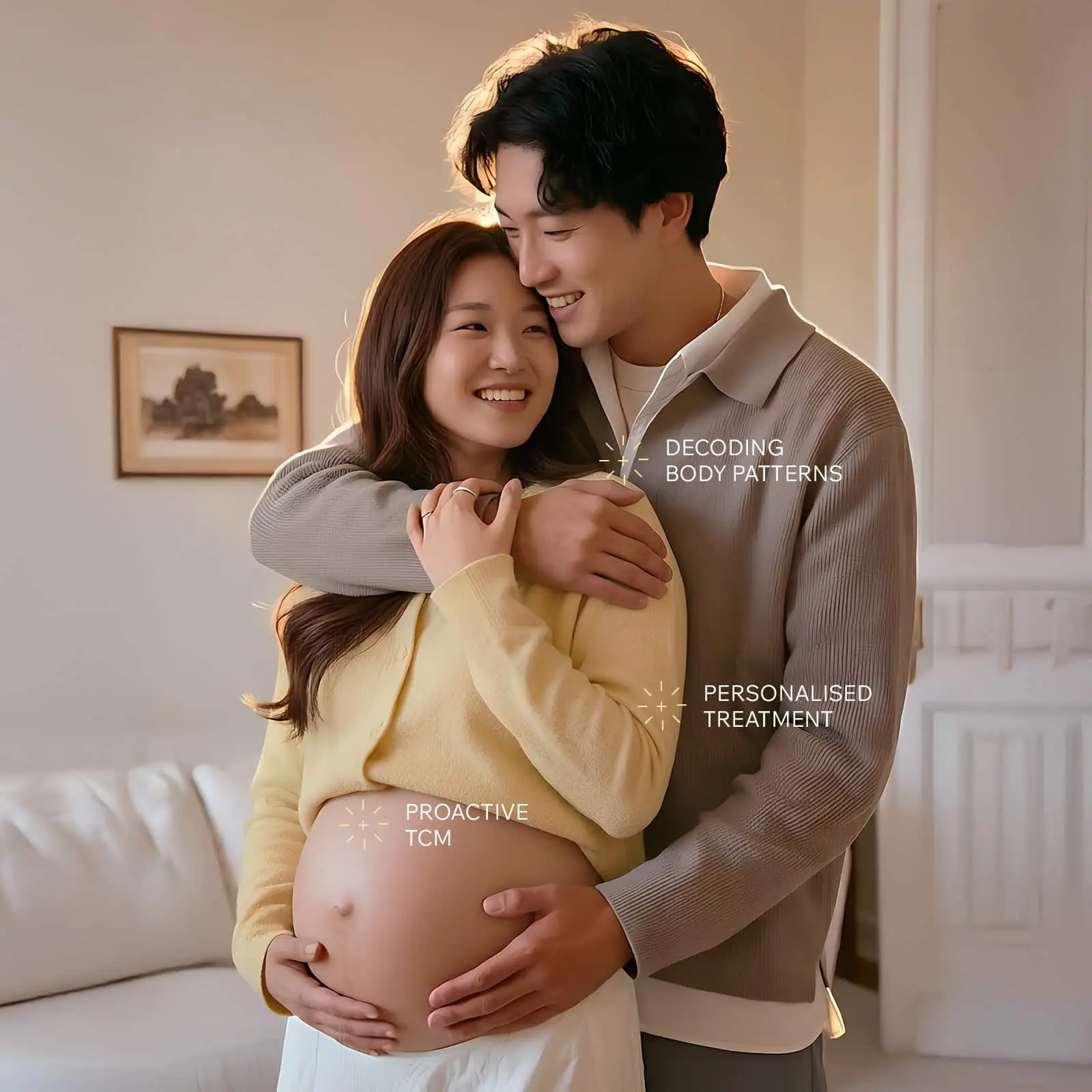
TCM fertility treatment with physician consultation and fertility acupuncture. A personalised, physician-led approach to fertility care in Singapore.
$88 U.P. $200
Promo period: Ongoing
Fertility trial details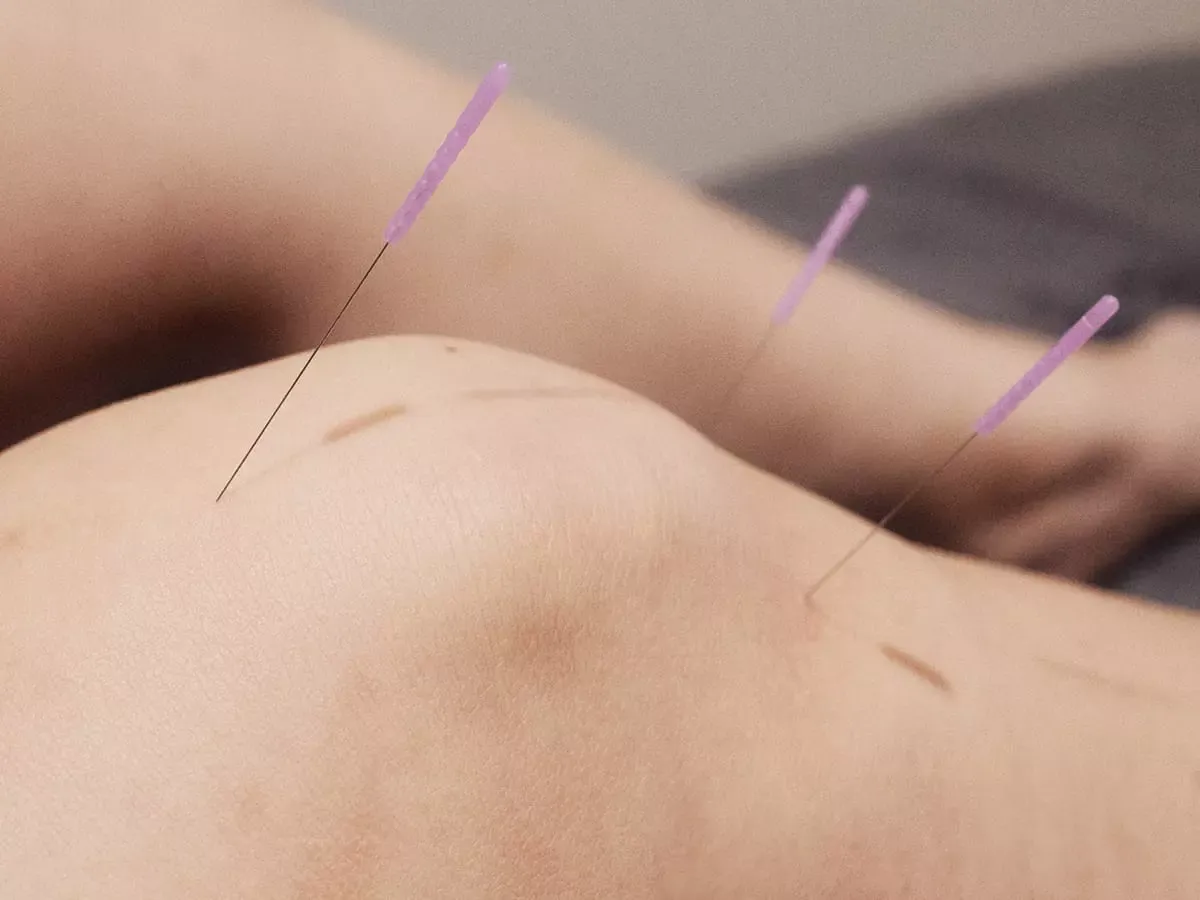
Book
Tell us what you need help with. We will match you with the right physician and clinic. Sessions from $70.