
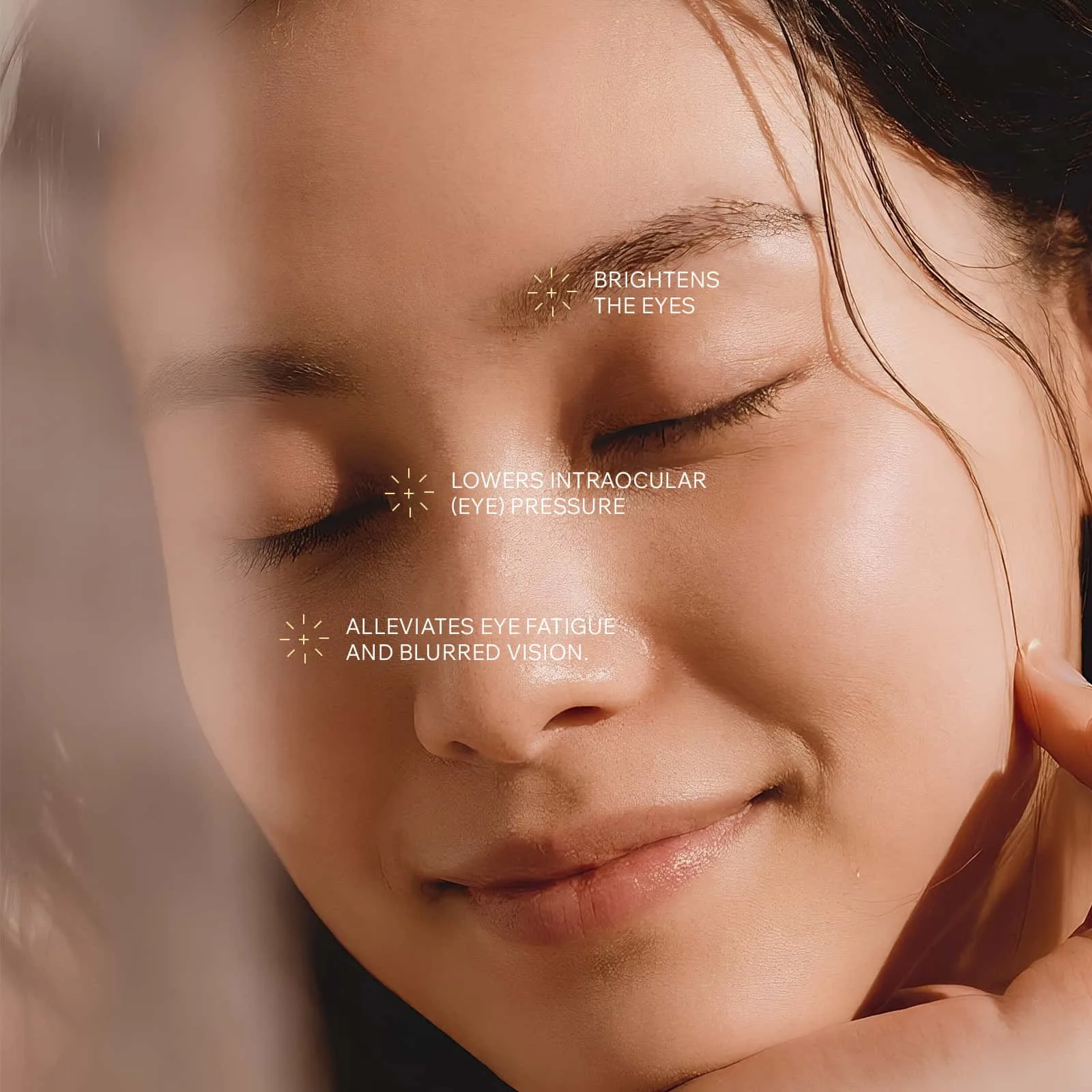
Easing pixel strain, dryness, and temporary blurriness from prolonged screen use.

Physician-led · MOH-registered
Ease digital strain. Soften under-eye dullness. Support clearer comfort from the pattern outward.
In brief
The Eye Care programme at PULSE TCM is physician-led support for digital eye strain, dark under-eyes, and puffiness viewed through Liver Blood and Qi, Spleen dampness, and local stagnation around the eyes. Plans may combine periocular acupuncture, gentle Eye Gua Sha, and herbal prescriptions after consultation. Results vary; your physician sets expectations at assessment.
The programme
Screen fatigue and under-eye change are often more than a surface issue. This pathway looks at internal patterns and local circulation first, then builds a personalised TCM plan after consultation.
In TCM, the eyes relate closely to Liver Blood and qi, while fluid retention under the eyes often tracks with Spleen dampness. Long hours on screens, poor sleep, and stagnant local circulation can show as dryness, temporary blurriness, bluish shadows, or morning puffiness. Your physician names the pattern in plain language, then chooses modalities that nourish Blood, drain dampness, or move qi around the eye area. At PULSE, MOH-registered physicians refer to optometry or ophthalmology first for sudden vision loss, acute infection, trauma, or other medical eye emergencies.
How care unfolds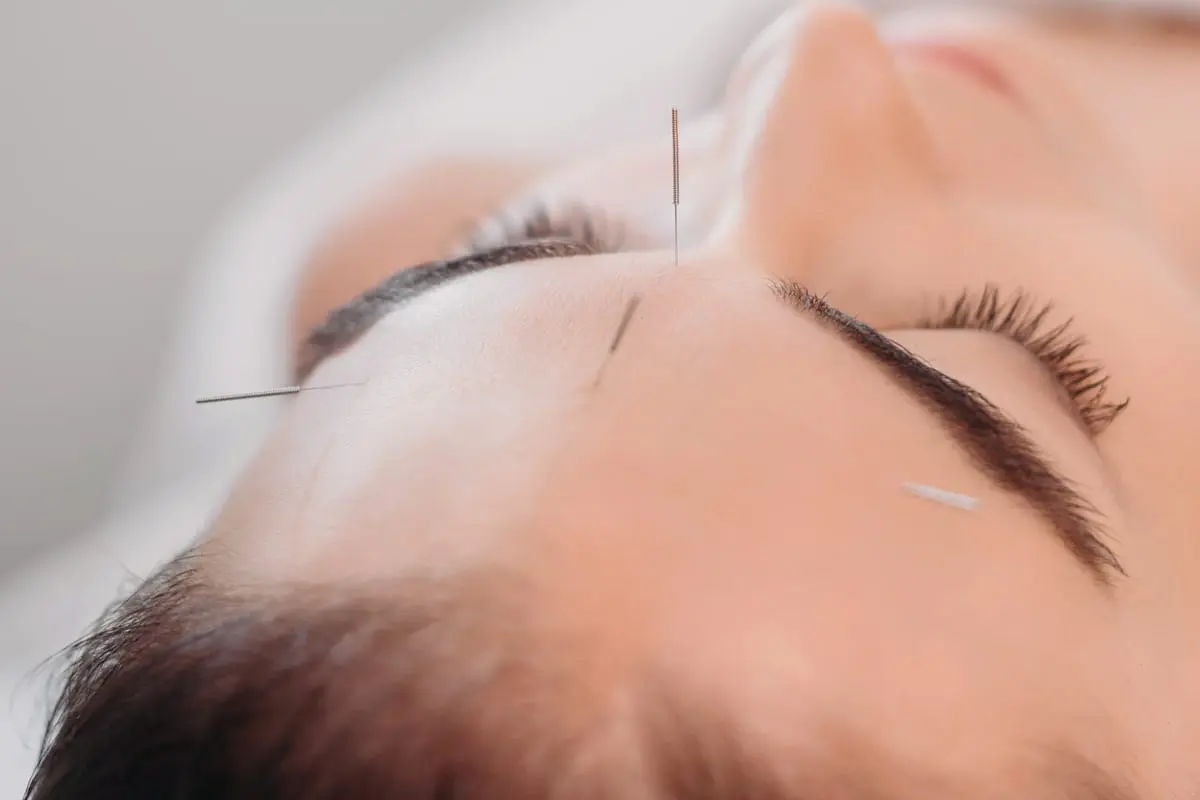
Care pathways
Three common entry points. Your assessment may name a different mix of patterns and goals.
Easing pixel strain, dryness, and temporary blurriness from prolonged screen use.
Supporting local blood flow so stubborn shadows look less sleep-deprived over time.
Helping the body move trapped fluid and morning swelling under the eyes.
* Eye-care support is adjunctive under physician guidance. Seek urgent medical care for sudden vision loss, acute eye infection, trauma, severe pain, or flashing lights with new floaters.
Approach to healing
Your physician recommends a combination based on your assessment. Not every visit uses every modality.
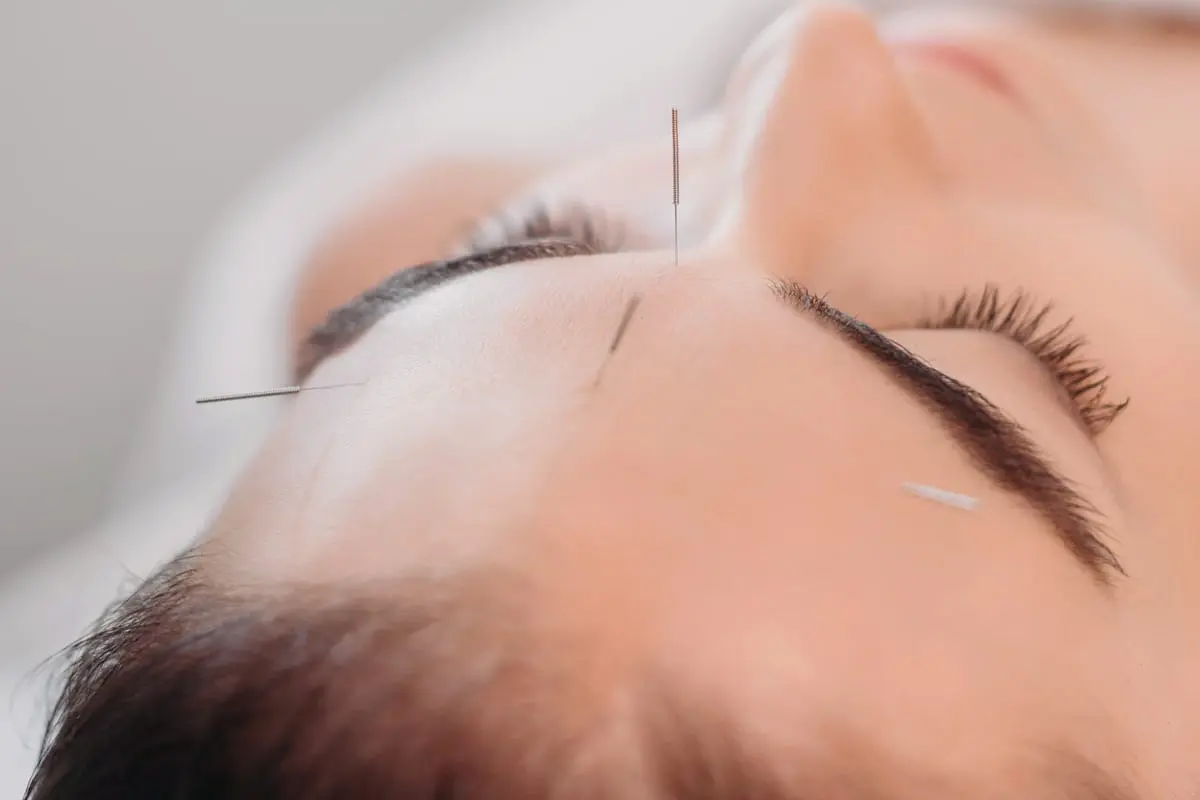
Precise points around the eyes to support microcirculation and ease local fluid retention, paired with body points chosen to cool internal heat and soothe screen strain when they fit your pattern.
Acupuncture treatment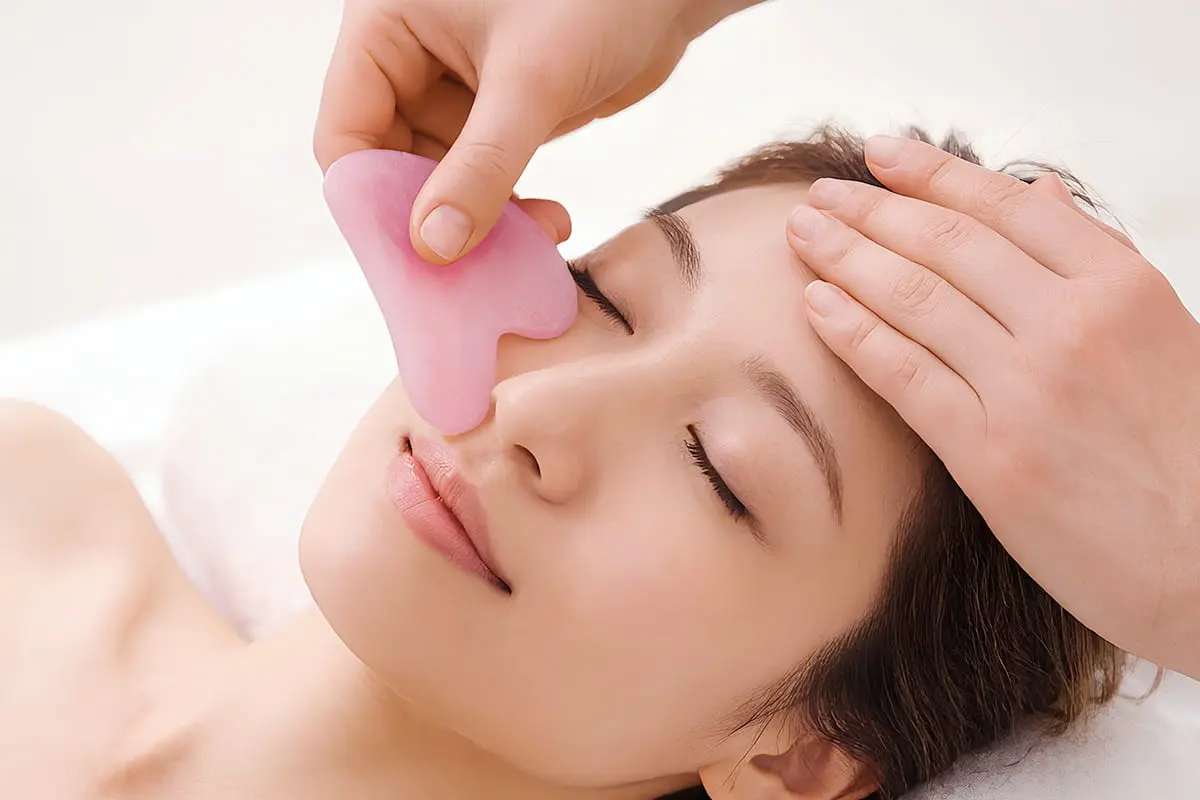
A gentle, cooling glide with a smooth tool along delicate eye contours to encourage lymphatic drainage and relax tired eye muscles after long screen hours. Pressure stays light and physician-directed.
Gua sha treatment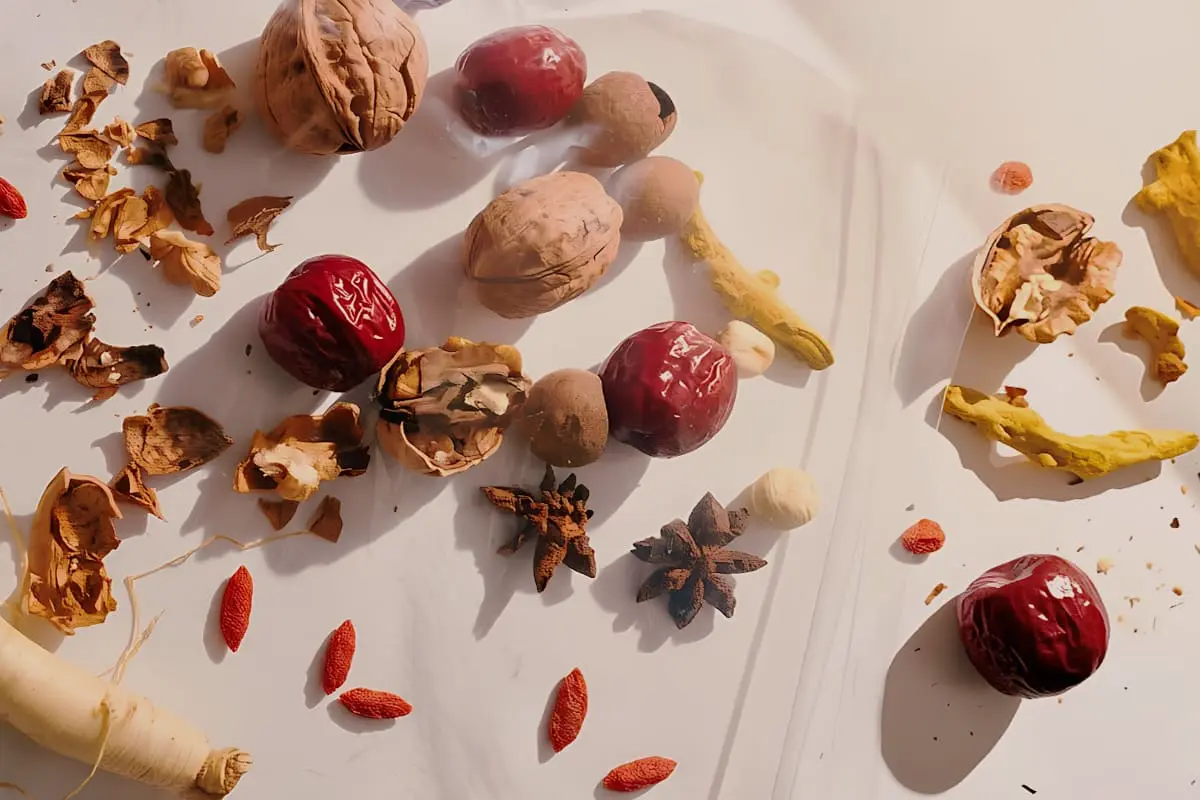
Safety-regulated formulas prescribed after consultation to nourish Liver Blood, strengthen Spleen energy, and support chronic fluid patterns when your physician includes them.
Chinese herbal medicinePeriocular acupuncture is a common foundation. Gentle Eye Gua Sha may support local drainage. Herbal prescriptions join when internal Liver or Spleen patterns need longer support.
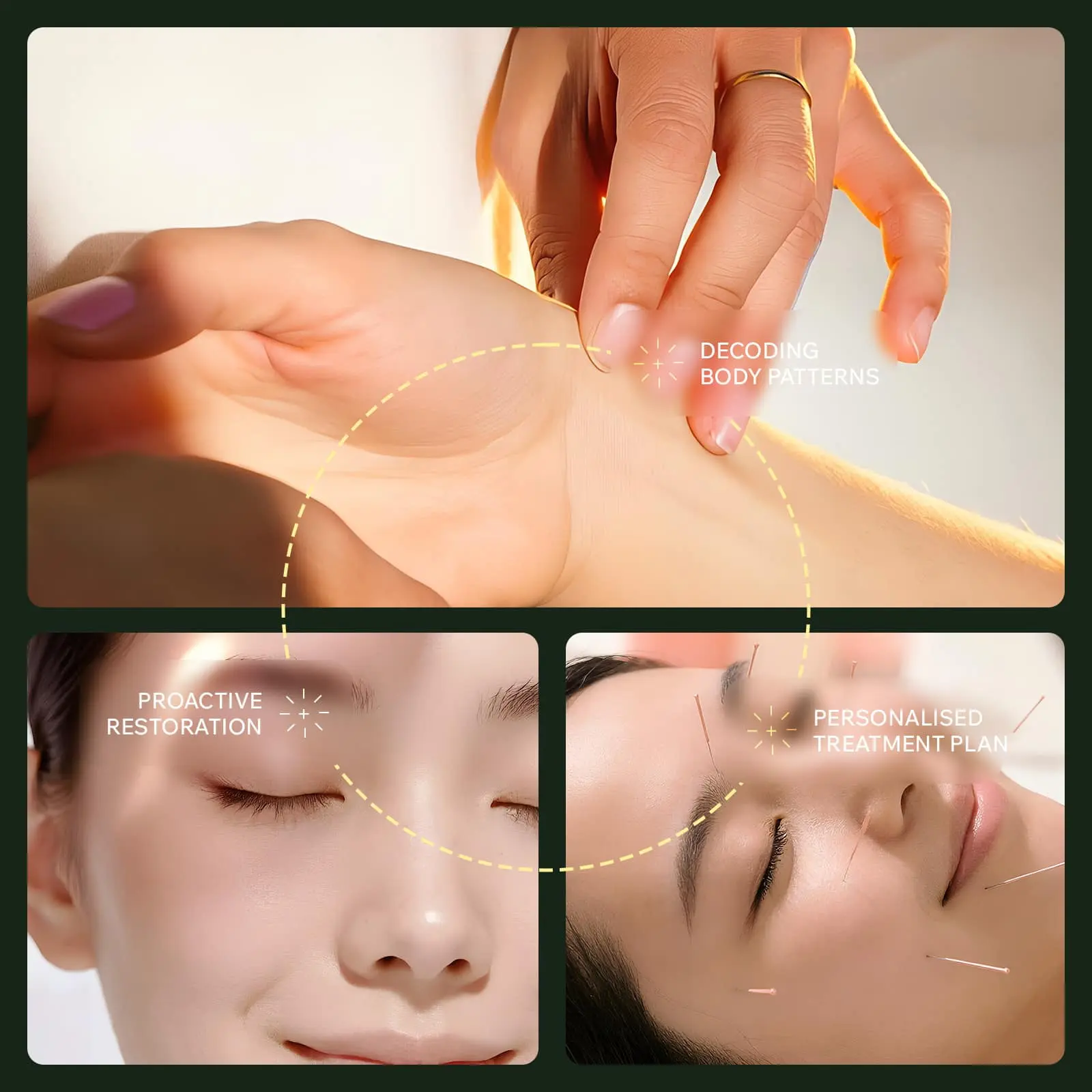
Your recovery roadmap
Supporting eye comfort and under-eye appearance is a journey of consistency. The phases below are a general guide. Session count, frequency, and pace are customised after your initial clinical assessment.
Diagnose your constitution and ease overtaxed, tired eyes. Periocular acupuncture with localised Eye Gua Sha may reduce screen-induced muscle tension and morning puffiness. Focus: dry, gritty strain, locked brows, and stagnant under-eye circulation. Frequency: once or twice weekly. Many people notice less daily screen fatigue and a fresher under-eye look on waking.
Shift toward internal regulation. Customised herbs may nourish Liver Blood and strengthen Spleen energy to address longer fluid retention and sluggish under-eye tone. Focus: sleep-deprived shadows and heavier bags. Frequency: once weekly or fortnightly with daily herbs when prescribed. Comfort during work hours and under-eye brightness may improve steadily.
Safeguard progress against recurring screen load and natural ageing. Sessions shift toward preserving local microcirculation and skin elasticity around the eye contours. Focus: digital resilience and early expression-line comfort. Frequency: about monthly, physician-advised. Goal: steadier resistance to daily strain and a more rested look.
TCMPB-registered under MOH. English and Mandarin care across the network.
Four examinations name Liver Blood deficiency, Spleen dampness, or local stagnation in plain language.
Periocular acupuncture and Eye Gua Sha sit beside internal regulation, not as a one-off cosmetic fix.
Plans evolve as strain, shadows, and puffiness shift; referral when Western eye care is safer first.
Physicians
TCMPB-registered under MOH. Several physicians work with dry-eye related patterns, facial acupuncture, and internal medicine relevant to this pathway.

Advisor / Consultant Physician
Gastrointestinal Syndromes · Pain Management · Sleep / Fatigue

Consultant Physician
TCM Oncology · Pain Management · Gynecology

TCM Physician
Pain Management · Sports Injuries · Gynaecology

TCM Physician
Pain & Injury · Dry eye · Internal Medicine

TCM Physician
Eye Conditions · Internal Medicine · Pain Management

TCM Physician
Gastrointestinal · Internal Medicine · Pain Management

TCM Physician
Internal Medicine · Pain & Injury · Aesthetic Care

TCM Physician
Facial Beauty Acupuncture · Facial Nerve · Cosmetology

TCM Physician
Women’s Health · Pain Management · Weight Management & Wellness
Protecting vision needs a whole-person view. I look at dry-eye comfort, floaters context, and internal patterns before choosing periocular work or herbs.
Dry-eye related patterns often track with sleep, digestion, and screen load. Naming the pattern early keeps care specific without promising a fixed timeline.

Limited-time offer
Promotion
First-timer bundle for the TCM × PSYCH Insomnia programme: physician consultation with acupuncture or herbal prescription, one psychotherapy session, and AŌRA Joy or Calm. Exclusive of GST.
$328 U.P. $400++
Insomnia programme details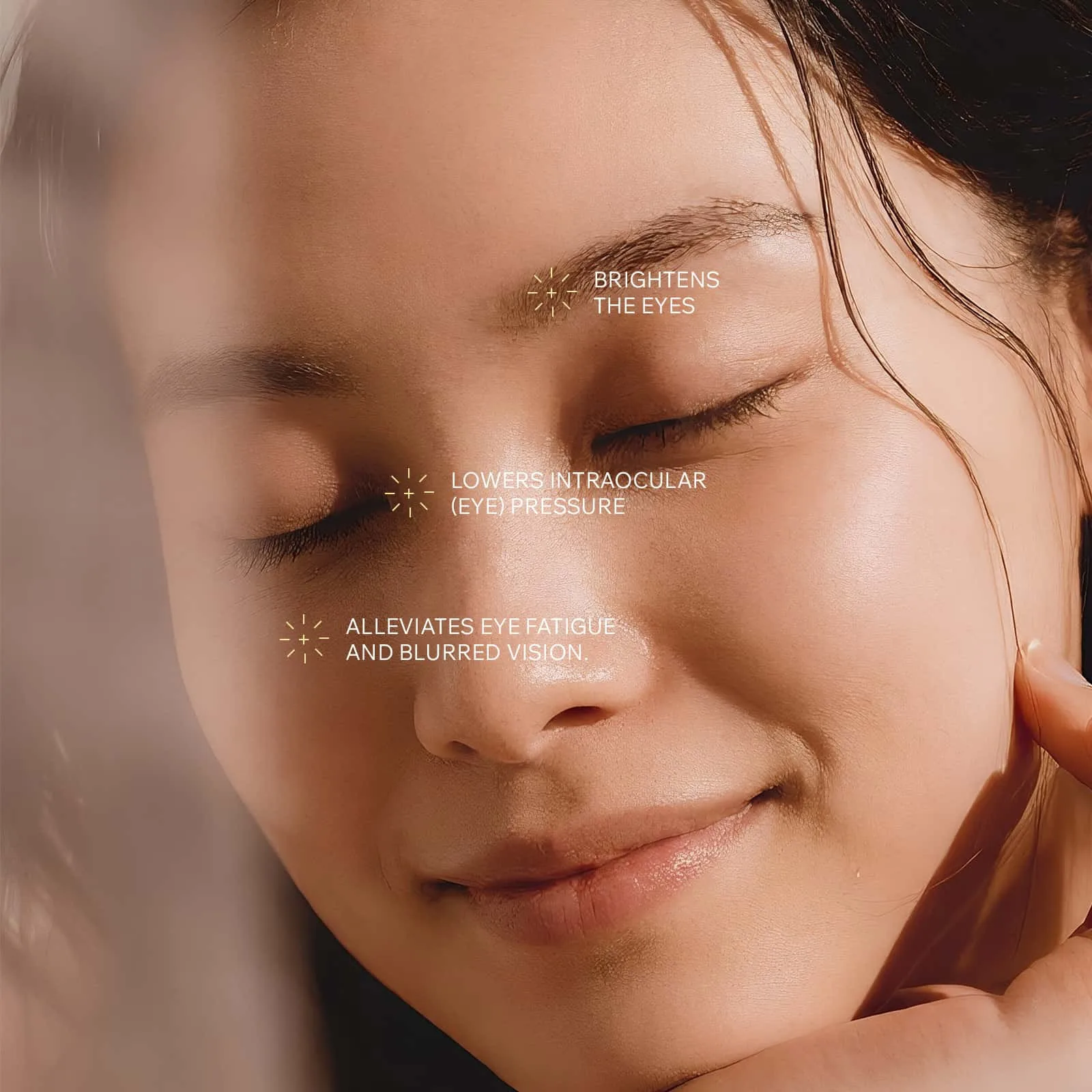
Locations
Private treatment rooms islandwide, near MRT, with bilingual teams and consistent hygiene standards.
FAQs
Digital strain, session timelines, Eye Gua Sha, aesthetics timing, herbs, seniors, and booking.
Long screen hours tire the small muscles around the eyes and may deplete what TCM calls Liver Blood, leading to dryness and temporary blurriness. Care focuses on periocular and body points to ease tension and support fresh local circulation. Your physician explains what to expect after assessment; results vary.
Because TCM addresses internal patterns such as fluid retention or sluggish circulation, change is usually progressive. Many people notice fresher morning puffiness and less tired-looking eyes within about 6 to 8 consistent weekly sessions, alongside lifestyle adjustments. Your physician sets a realistic pace; timelines differ.
Eye Gua Sha is a gentle therapy. Therapists use a smooth tool with light pressure suited to the delicate eye area to encourage fluid drainage. Mild, temporary pinkness can appear as circulation improves; bruising is uncommon when technique stays light and physician-directed.
If you recently had fillers, Botox, or laser around the eye contour, we usually wait at least 2 to 4 weeks before localised Eye Gua Sha or facial acupuncture. Tell your physician at consultation so the plan stays safe.
Granular herbs used at PULSE are safety-regulated and prescribed only by MOH-registered physicians, matched to your constitution. Mention all medications and allergies so dosing stays coordinated. Allow about a two-hour gap between herbs and Western medicines unless advised otherwise.
Yes. In TCM, ageing often links to a gradual decline in Kidney and Liver essence, which can affect eye hydration and muscle elasticity. Care may focus on nourishing those patterns to ease chronic dryness and support general eye comfort. Plans are tailored after assessment.
Your first visit includes an in-depth consultation with pulse, tongue, and lifestyle assessment. Once your pattern is clear, you typically receive a first eye-focused treatment, which may include acupuncture or soothing Eye Gua Sha depending on your presentation.
Sources & page citations
Clinically reviewed
Advisor (Science & Strategy) / Consultant Physician · TCMPB T1303003A
MOH-licensed TCM physician and biomedical scientist, with clinical work spanning digestion, pain, sleep or fatigue, and related internal patterns that often sit beside eye strain and under-eye change.
View full profileEducational information based on clinical experience and TCM principles. Not a substitute for personalised consultation. Speak with your healthcare provider before starting new treatments. TCM complements (and does not replace) optometric or ophthalmological care. Seek urgent medical attention for acute eye infections, sudden vision loss, trauma, or medical eye emergencies.
Book
Tell us what you are noticing, screen strain, dark circles, puffiness, or dry-eye comfort. We will match you with the right physician and clinic.