
Quieting overthinking and generalised worry when the mind will not settle.


TCM × Allied Health
Settle the body’s stress response with physician-led TCM. Rebuild calmer thinking and facing skills with CBT when worry and avoidance keep looping.
In brief
The TCM × PSYCH Anxiety programme pairs physician-led acupuncture and herbal care with optional Cognitive Behavioural Therapy from a PULSE Allied Health psychologist. TCM may help target the physiological stress response, ease tension, and support relief from anxiety symptoms; CBT works on thoughts, behaviours, and skills that keep anxiety going. Visits are separate. Care complements, rather than replaces, psychiatry or prescribed medication.
The programme
Anxiety involves feeling anxious and worried to a degree that is hard to control and may affect wellbeing and day-to-day function. Short spells under pressure are common. When worry, panic, avoidance, or body tension stay frequent and interfere with life, a structured plan helps.
Signs often span emotion (panic, irritability, stress), cognition (excessive worry, irrational fears, negative thoughts, poor concentration), the body (restlessness, muscle tension, trembling, fatigue, sleep disturbance), and behaviour (avoiding places or situations that trigger anxiety). In TCM, emotional imbalance often reflects qi flow and organ function. Classic organ-emotion pairings include Heart with joy, Liver with anger, Spleen with contemplation, Lung with worry, and Kidney with fear. Excessive worry, overthinking, or stress can further block qi and worsen symptoms. At PULSE, MOH-registered physicians name the pattern in plain language, then may add acupuncture and safety-regulated herbs. When thinking patterns, avoidance, or trauma-linked anxiety need structured psychological work, PULSE Allied Health psychotherapy (CBT) can sit beside TCM. For sleep-first integrative care, see our Insomnia programme; for TCM-only sleep, tension, and burnout without a psych arm, see Sleep & Stress.
Persistent, excessive worry about everyday things, often without a single clear trigger.
Sudden, repeated episodes of intense fear that may include chest pain, palpitations, shortness of breath, or dizziness.
Excessive fear of social situations and scrutiny by others, often leading to avoidance of gatherings or interactions.
Anxiety as a withdrawal symptom from regular caffeine, alcohol, cigarettes, drugs, or medication, which can make quitting harder.
Occasional anxiety is part of life. Frequent, excessive symptoms that interfere with daily function or quality of life are a signal to seek professional assessment. Your clinicians clarify which presentation fits before recommending TCM, psychotherapy, or both.
How care unfolds


TCM care coordinated with PULSE Allied Health psychotherapy. Explore integrative care
Looking for sleep-first or TCM-only care?
For sleep-first integrative care, see Insomnia. For physician-led TCM sleep, stress, and burnout without a psychotherapy arm, see Sleep & Stress. This programme centres anxiety with optional CBT at Allied Health.
Explore Sleep & StressHow visits are organised
You may use TCM alone, psychotherapy alone, or both. Diaries stay separate so each clinician can do their work without rushing a combined appointment.
Physician consultation with acupuncture or herbal prescription as agreed.
Structured psychology with a PULSE Allied Health clinical psychologist.
This programme is not crisis care. Seek urgent mental-health help for severe mood change, panic, or thoughts of self-harm.
Care pathways
Three common entry points drawn from how anxiety shows up in clinic. Your assessment may name a different mix of TCM patterns and behavioural goals.
Quieting overthinking and generalised worry when the mind will not settle.

Settling restlessness, muscle tension, irritability, and panic-body signals.
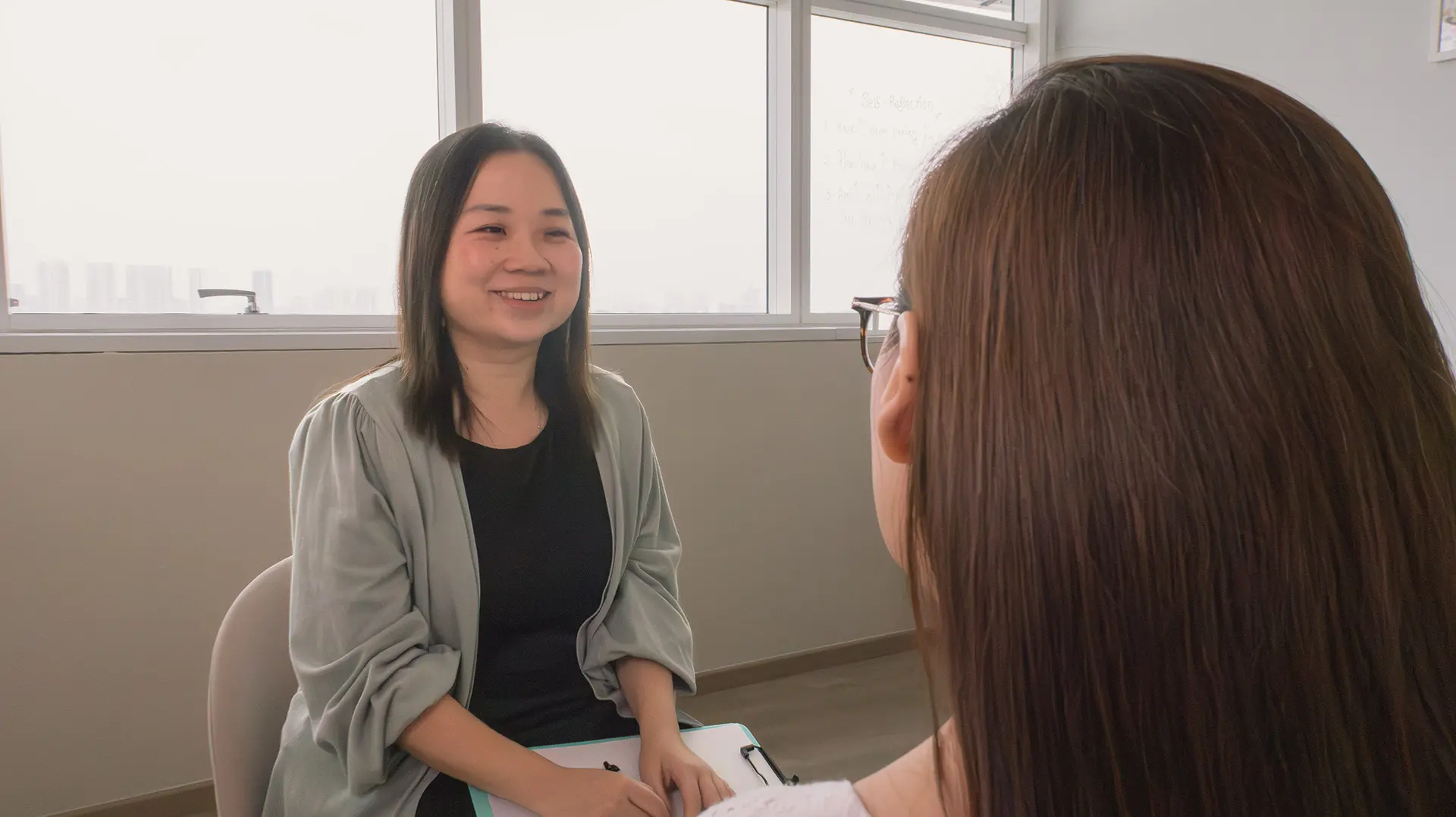
CBT strategies spanning thought work, graded exposure to break the avoidance cycle, psychoeducation, and relaxation or mindfulness practice.
* Mental-health chips describe complementary support. This programme is not a substitute for psychiatry or crisis care. Seek urgent help for severe mood change, panic, or thoughts of self-harm.
Approach to healing
Your clinicians recommend a combination based on assessment. Not every visit uses every modality, and TCM and psychotherapy are booked as separate visits.
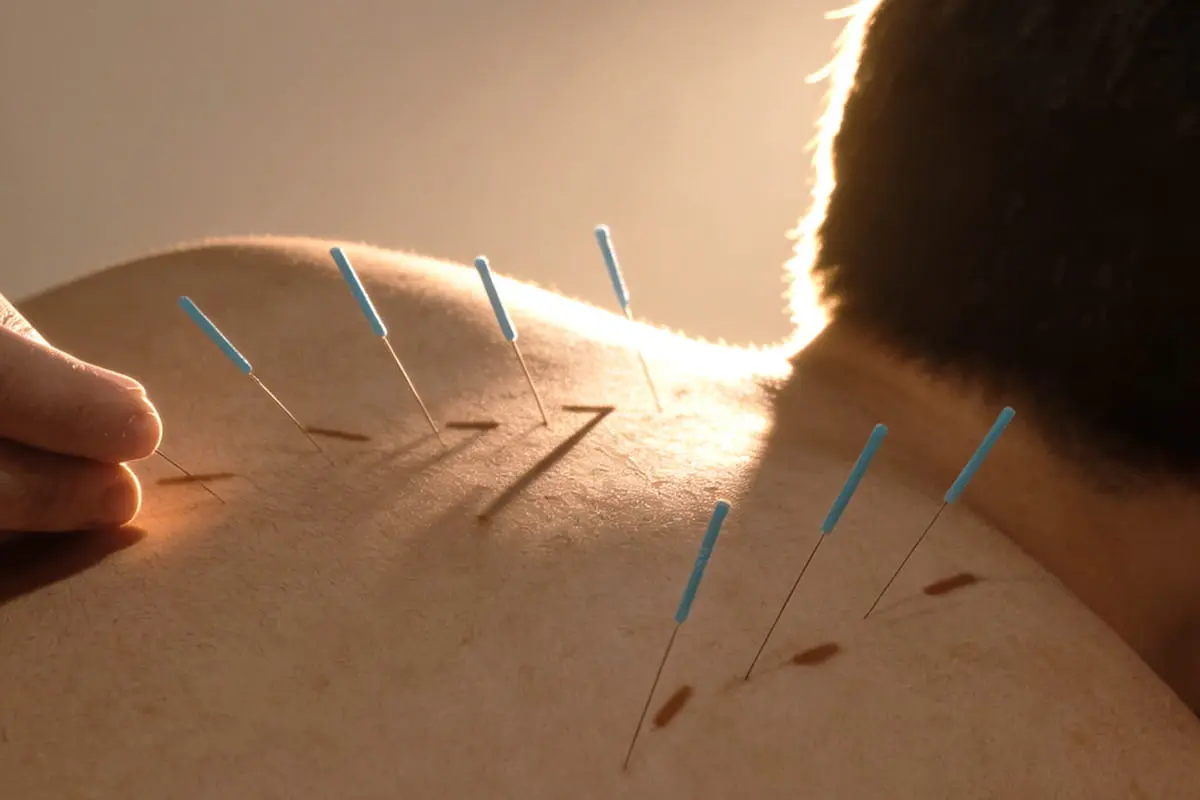
Anxiety and stress can sit with meridian blockages and muscle tension. Needling selected points related to emotion and relaxation may help stimulate the flow of qi through the body, ease tension, stress, and anxiety symptoms, and promote a sense of calm when that fits your pattern. Many patients find sessions settling; suitability is confirmed after consultation.
Acupuncture treatment
Safety-regulated herbal formulas are tailored to your constitution and pattern. Prescribed blends may help restore qi flow and organ function, carry calming properties to soothe an overactive stress response and support relaxation, and ease anxiety symptoms between visits when indicated. Used alone or with acupuncture, under physician oversight.
Chinese herbal medicine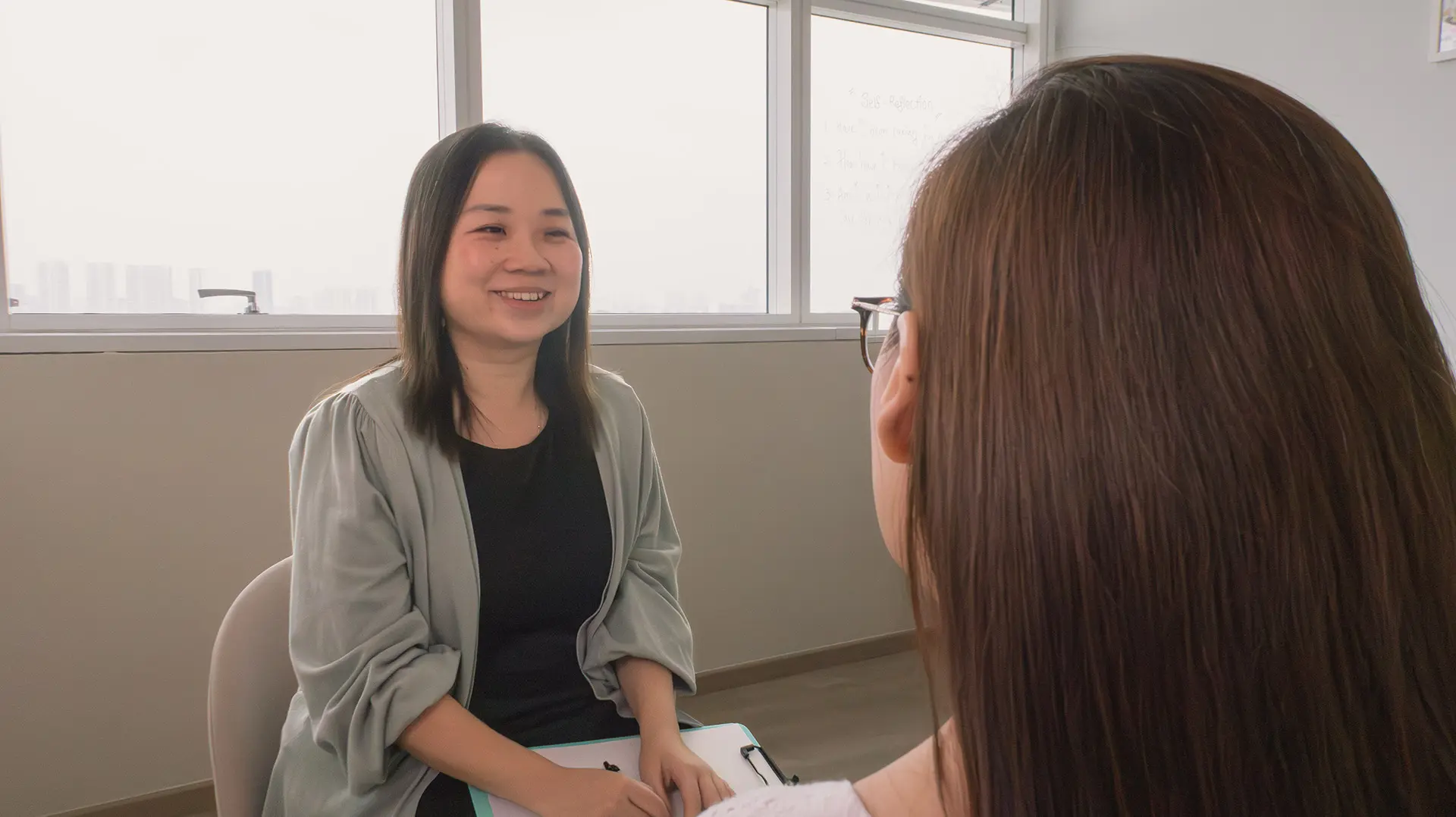
Cognitive Behavioural Therapy works the loop between thoughts, behaviours, and emotions. A common anxiety thought might be “If I go to this event, I will panic and embarrass myself,” which feeds fear and leads to skipping the event. Avoidance then brings brief relief, but anxiety often intensifies next time, repeating the cycle. CBT helps you catch exaggerated danger thinking, shift toward more realistic thoughts, and use graded exposure to face triggers in manageable steps, with psychoeducation and mindfulness or breathing skills for self-management. Mild, short-lived stress may settle with TCM alone; chronic, severe, or trauma-linked anxiety usually needs this psychological layer as well. Sessions are with a PULSE Allied Health clinical psychologist (including Lead Clinical Psychologist Dr Jaswyn Chin, Doctor of Psychology Clinical, SRP-registered, with training across CBT, MBCT, ACT, and EMDR). Fees sit with Allied Health; enquire when booking.
Meet Dr Jaswyn ChinOn the TCM side, care aims to target the physiological response of anxiety, reduce stress, and support relief from symptoms through qi and organ balance. CBT is widely used for anxiety because it helps identify underlying drivers, change thoughts and behaviours that maintain anxiety, teach relaxation skills, and support longer-lasting change. Allied Health psychotherapy joins when psychological and behavioural patterns need structured work.
What to expect
Your anxiety picture is unique, and your care should be too. The phases below are a general guide. Session count, frequency, and whether you use TCM, psychotherapy, or both are customised after assessment. TCM and psychology visits are scheduled separately.
A TCM consultation names Liver, Heart-Spleen, and Kidney patterns in plain language. When psychotherapy is part of the plan, a separate Allied Health intake maps triggers, avoidance, and goals. Focus: clear diagnosis across both lenses before treatment intensifies.
Acupuncture and, when indicated, herbal medication settle acute stress and body tension at PULSE TCM clinics. CBT sessions build thought skills, graded exposure, and relaxation tools at Allied Health. Focus: quieter days and usable skills between visits.
Review spacing, reinforce what works, and decide whether Insomnia (sleep-first) or Sleep & Stress (TCM-only) fits once skills and patterns are steadier. Focus: durable habits and a realistic long-term plan.
TCM pattern care and CBT skills sit in one programme story, with clear hand-offs between physician and psychologist.
Acupuncture and herbs work on qi, organ balance, and stress response; CBT covers thought work, graded exposure, psychoeducation, and relaxation.
TCM islandwide; psychotherapy at PULSE Allied Health. Same-day dual visits may be arranged at different locations when diaries allow.
We never ask you to stop prescribed anxiolytics or psychiatric medication without your prescribing doctor’s guidance.
Care team
MOH-registered TCM physicians work with stress, sleep, fatigue, and related patterns islandwide. CBT and exposure-informed sessions are with PULSE Allied Health, booked separately from TCM visits.

Clinical Psychologist
CBT · Anxiety skills · Mood & stress

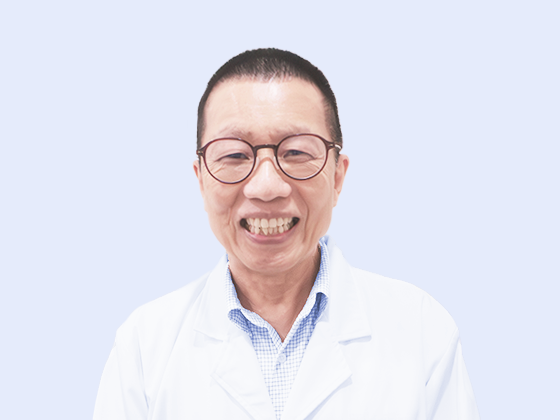
Advisor / Consultant Physician
Gastrointestinal Syndromes · Pain Management · Sleep / Fatigue
Consultant Physician
TCM Oncology · Pain Management · Gynecology
TCM Physician
Pain Management · Sports Injuries · Gynaecology

TCM Physician
Pain & Injury · Dry eye · Internal Medicine

TCM Physician
Eye Conditions · Internal Medicine · Pain Management

TCM Physician
Gastrointestinal · Internal Medicine · Pain Management

TCM Physician
Internal Medicine · Pain & Injury · Aesthetic Care

TCM Physician
Facial Beauty Acupuncture · Facial Nerve · Cosmetology

TCM Physician
Women’s Health · Pain Management · Weight Management & Wellness
When avoidance and worry loops sit beside a TCM pattern, acupuncture may settle the body while situations still feel unsafe. Naming both layers early keeps the plan honest.
Many people arrive already on Western mental-health medication. I design TCM as complementary support, and I never advise stopping prescribed care without the prescribing doctor’s guidance.

Limited-time offer
Promotion
First-timer bundle for the TCM × PSYCH Anxiety programme: physician consultation with acupuncture or herbal prescription, one psychotherapy session, and AŌRA Joy or Calm. Exclusive of GST.
$328 U.P. $400++
Anxiety programme details
Locations
TCM in private treatment rooms islandwide, near MRT. Psychotherapy is scheduled separately at PULSE Allied Health (Camden Medical Centre per current programme guidance).
Quick answers
Three frequent questions. Full answers sit further down the page.
FAQs
Booking, separate visits, session counts, TCM-or-psych alone, medications, and when Insomnia or Sleep & Stress fits instead.
You may use TCM alone, psychotherapy alone, or both. TCM visits include a physician consultation with acupuncture or a herbal prescription as agreed (about 45 to 60 minutes) at PULSE TCM clinics islandwide. Psychotherapy sessions (about 60 minutes) are with a PULSE Allied Health psychologist and are booked as separate visits.
Yes. On booking, choose your concern and add Psychology under services if you want the psych arm, or mention both in the note. Combining clinicians often helps when avoidance, overthinking, or trauma-linked patterns sit beside a TCM picture, but neither is mandatory. More complex anxiety with strong psychological or behavioural components may especially benefit from psychotherapy. For sleep-first integrative care, see Insomnia; for TCM-only sleep, stress, and burnout, see Sleep & Stress.
It varies with severity, lifestyle stress, and whether behavioural factors are strong. As a general guide, TCM may run about 5 to 10 sessions (often weekly; twice weekly for more serious cases), and psychology about 4 to 8 sessions (weekly at first, then fortnightly). Your clinicians set a realistic pace; results vary.
Psychotherapy is conducted at PULSE Allied Health (programme guidance currently points to Camden Medical Centre, near Orchard Blvd MRT). TCM sessions remain available at PULSE TCM clinics islandwide. Same-day dual visits may be possible but will be at different locations.
TCM physicians and psychologists commonly see people with mixed presentations and tailor care accordingly. When nights and sleep skills are the primary concern, the Insomnia (TCM × PSYCH) programme may fit better. Our psychologist can also support related issues such as relationship or self-esteem concerns when relevant. Severe mood change, panic, or thoughts of self-harm need appropriate mental-health support promptly; this programme is complementary, not crisis care.
Acupuncture needles are very fine, and many people find sessions calming or even drift toward rest during treatment. If you prefer not to have acupuncture, tell your physician. Chinese herbal medication, or other indicated TCM modalities such as cupping or moxibustion, may be used instead when suitable.
Acupuncture and Chinese herbal medicine are often used alongside prescribed anxiolytics or psychiatric medicines. For herbs, leave about a two-hour gap from other medicines unless your physician advises otherwise, and check with your prescribing doctor first. We never advise stopping prescribed medication without that clinician’s supervision.
Use the online booking form, WhatsApp, or phone. Select Mental health as the concern and Psychology (Allied Health) under services when you want the psych arm, and mention TCM × PSYCH Anxiety in the note. A first-timer trial bundle is available at $328 (value up to $400++, exclusive of GST): one TCM consultation with acupuncture or herbal prescription, one psychotherapy session, and AŌRA Joy or Calm, when you notify the clinic at registration; otherwise regular pricing applies. If acupuncture is chosen, extra herbs or modalities are charged separately. Subsequent sessions are charged à la carte; discounted credit packages are discussed in clinic. For programme questions, contact [email protected] or WhatsApp 9831 9912.
Sources & page citations
Clinically reviewed
Advisor (Science & Strategy) / Consultant Physician · TCMPB T1303003A
MOH-licensed TCM physician and biomedical scientist, with clinical work spanning gastrointestinal syndromes, pain management, and sleep, fatigue, or concentration patterns.
View full profileEducational information based on clinical experience and TCM principles. Not a substitute for personalised consultation. Speak with your healthcare provider before starting new treatments. This programme complements (and does not replace) psychiatry, prescribed anxiolytics or antidepressants, or urgent Western medical care. If you have persistent panic, severe mood change, or thoughts of self-harm, seek appropriate mental-health support promptly.
Book
Living with constant worry is exhausting. Tell us whether days feel hardest with racing thoughts, body tension, panic signals, or avoidance. We will help you book TCM, Allied Health psychotherapy, or both.