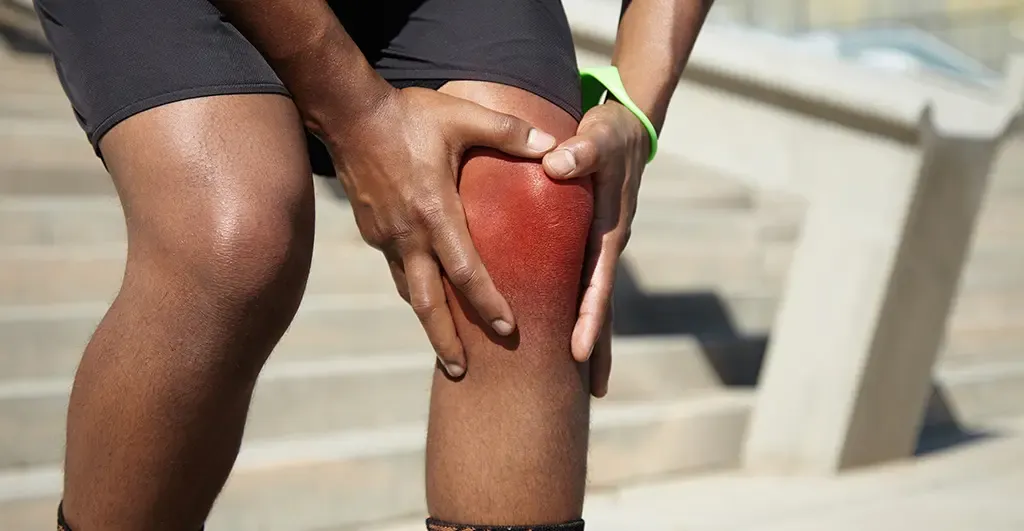
Hands holding a painful knee from rheumatoid arthritis

Insights · Pain & Injuries

Acupuncture for rheumatoid arthritis relief

Rheumatoid arthritis is 类风湿关节炎. Acupuncture aims to move qi and blood, ease inflammatory load, and support mobility alongside rheumatology care.

In brief

Rheumatoid arthritis is 类风湿关节炎, an autoimmune attack on the joints that inflames the synovial lining and can damage cartilage and bone over time. Acupuncture is a core TCM method that aims to restore qi and blood flow; research has linked it with lower inflammatory markers, less pain, fewer swollen and tender joints, and better range of motion. A common course is 6–12 weekly or biweekly sessions, then monthly maintenance. It is not a cure and complements rheumatology rather than replacing DMARDs or biologics.

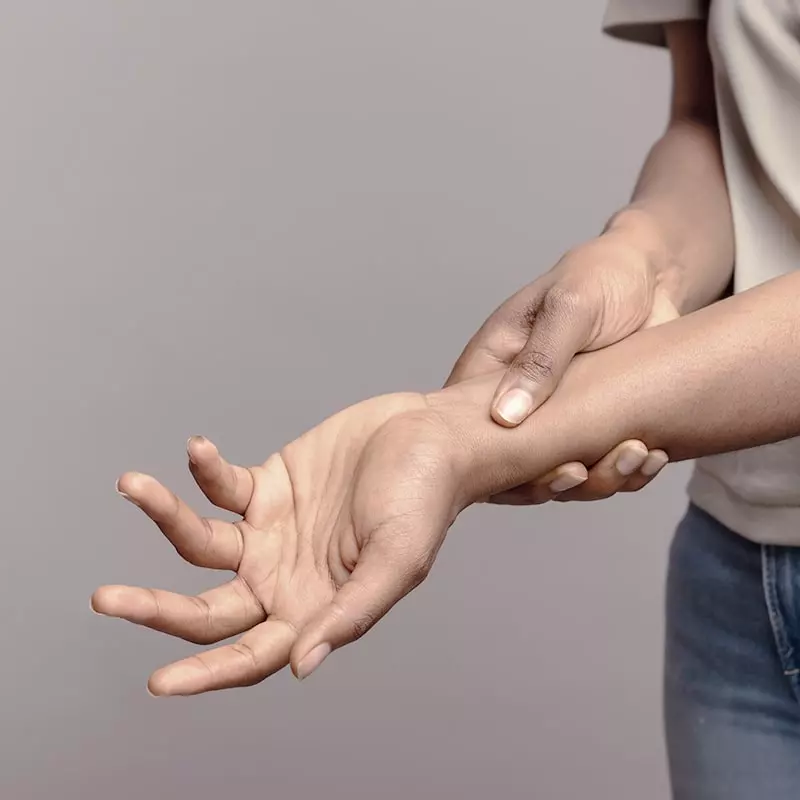
Hands supporting a painful wrist in rheumatoid arthritis

01 · Definition

What is rheumatoid arthritis

类风湿关节炎 · autoimmune · synovial lining

Rheumatoid arthritis is 类风湿关节炎. It is an autoimmune disease in which the immune system attacks the joints, causing inflammation and pain. The lining of the joints becomes swollen and inflamed and can damage cartilage and bone over time. RA usually affects the joints symmetrically, meaning the same joints on both sides of the body are involved.

  • Swelling, pain, and stiffness in the joints, especially the hands, wrists, and knees
  • Fatigue and low energy
  • Loss of appetite
  • Mild fever

When rheumatology leads first

Seek urgent conventional care for a hot swollen joint with fever, sudden inability to use a joint, or symptoms that worsen rapidly. TCM complements disease-modifying care; it does not replace it.

RA is not the same as osteoarthritis

Autoimmune attack · wear and tear

Osteoarthritis is wear and inflammation of joint cartilage, often with age or after earlier injury. Rheumatoid arthritis is autoimmune: the immune system attacks the joint lining. Both can ache in the knee or hand, but the pattern read and the medicine plan differ. This guide is for RA.

02 · Acupuncture

How acupuncture can help with rheumatoid arthritis

Meridians · qi and blood · inflammatory load

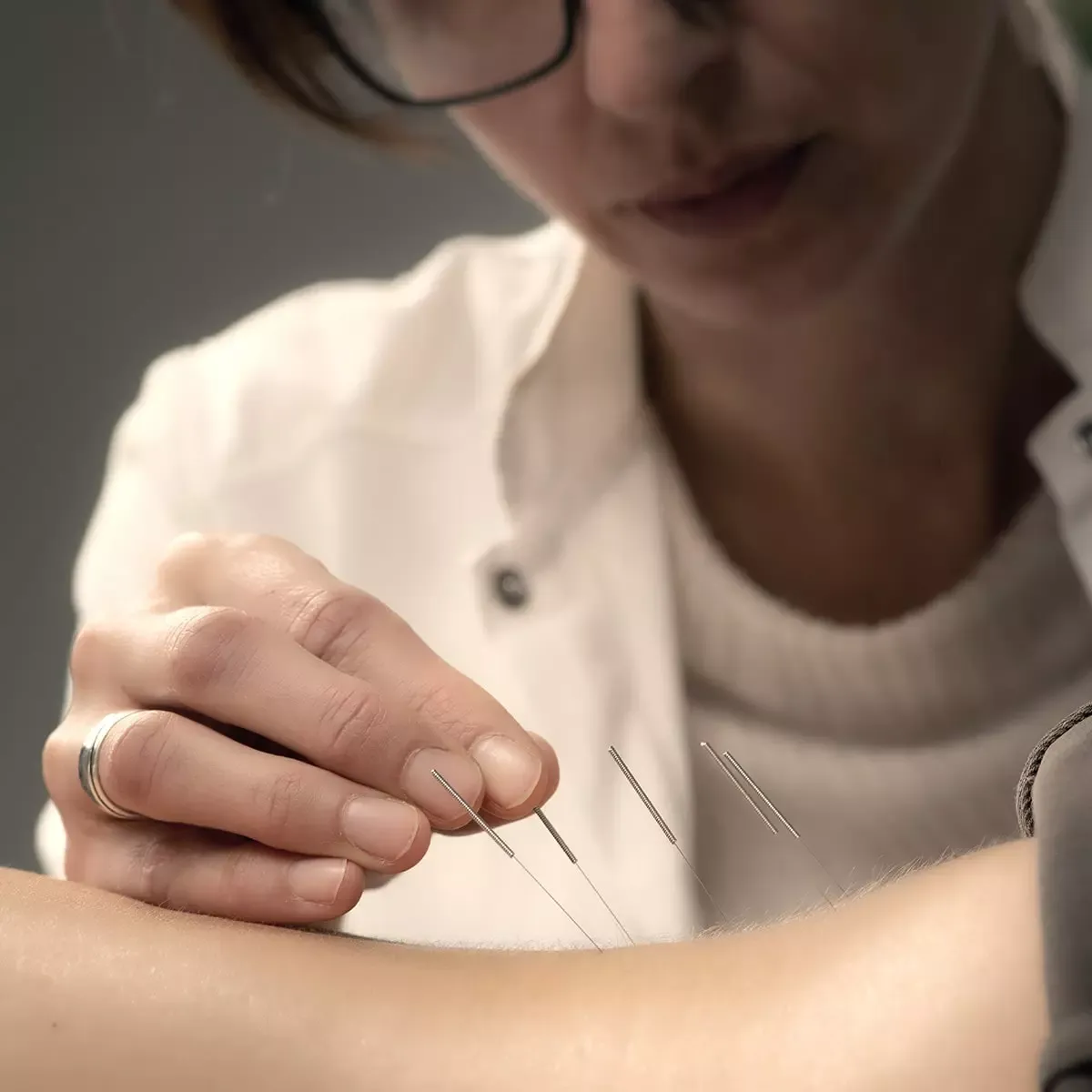
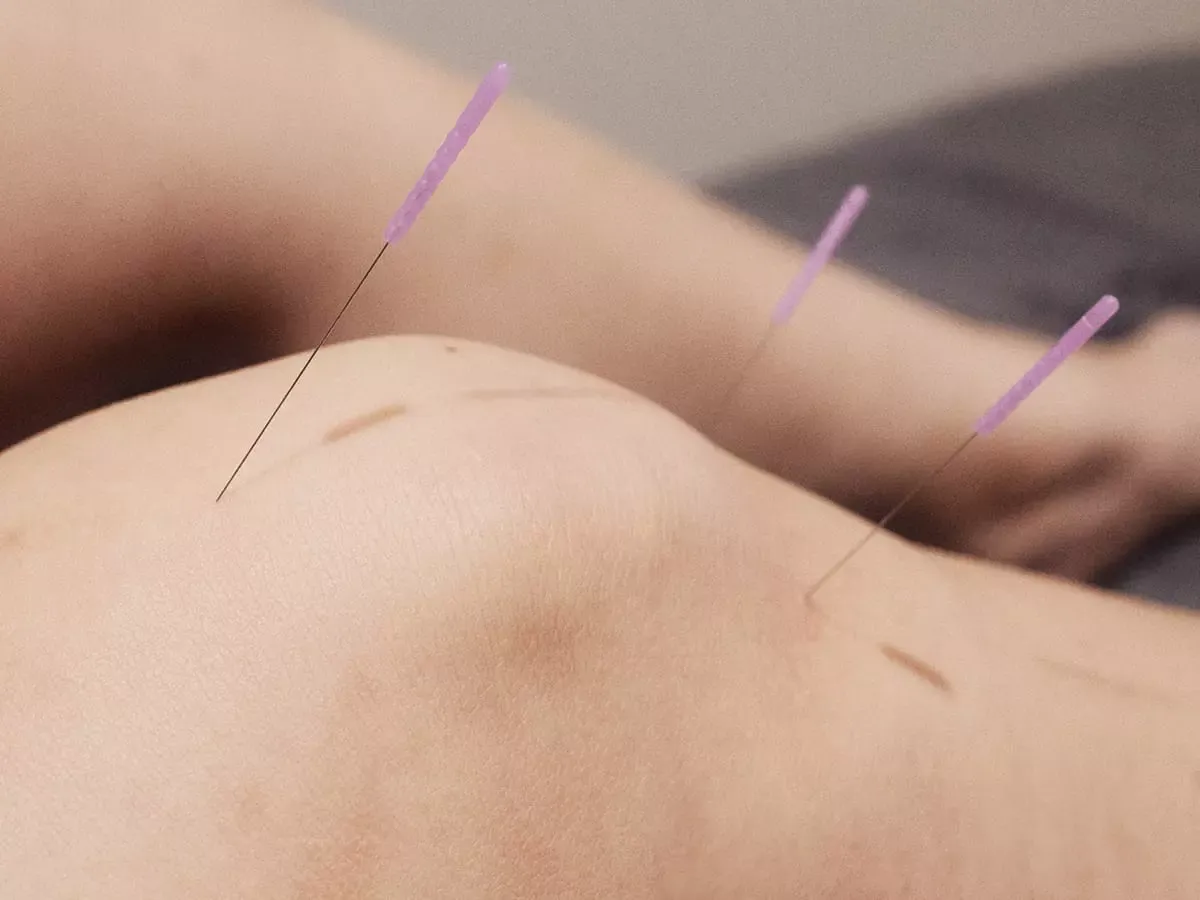
Acupuncture is a core TCM method. Fine needles at selected points are used to restore qi and blood flow through the meridians so blocked channels can rebalance.

In TCM, smooth qi supports the organs and tissues. When flow stalls, pain and inflammation can settle in the joints. For RA, acupuncture aims to restore qi and blood circulation around those joints. Physicians often choose distal points away from an actively inflamed site so systemic load can fall without irritating a swollen joint.

Research on acupuncture and related techniques for rheumatoid arthritis has reported reductions in inflammatory markers, pain, swollen-joint count, and tender-joint count, with improved range of motion (Lu et al., 2022). That evidence sits as an adjunct to rheumatology, not a replacement for DMARDs or biologics.

Fine acupuncture needle at a point on the hand at PULSE TCM

03 · Pattern scan

TCM patterns behind rheumatoid arthritis

The Western label is RA. TCM still names whether heat and dampness are active, whether cold-dampness sits in the joints, and whether Zheng Qi needs support in remission. Pulse and tongue decide which reading leads.

Flare, cold-damp, and remission readings
Pattern What TCM reads May help
Heat and dampness (flare)Active redness and intense swelling.
  • Hot, red, swollen joints in an acute flare
  • Pain that feels angry rather than cold and heavy
Needling to clear heat and remove dampness; distal points when the joint itself is too tender.
Cold-dampness in the jointsA common RA channel reading.
  • Joints that feel cold, heavy, or worse in air-conditioning
  • Stiffness that eases with gentle warmth
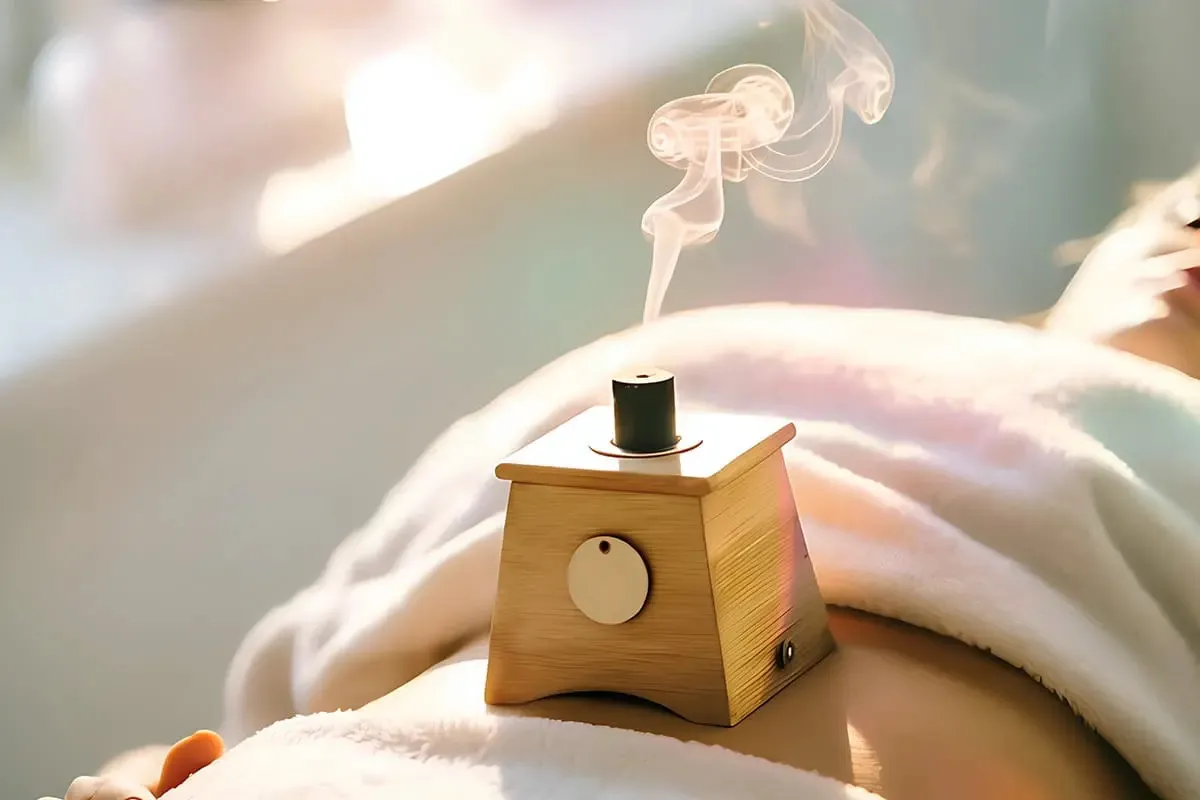
Acupuncture with moxibustion to warm the points and help expel cold-dampness.
Zheng Qi in remissionVital energy that helps prevent the next flare.
  • Quieter joints between flares, with fatigue or low reserve
  • A plan aimed at fewer and milder flares over time
Needling and herbs that strengthen Zheng Qi once the acute heat picture has settled.
Qi and blood stagnationFlow stalls, then fixed pain.
  • Fixed or stabbing joint pain where flow cannot move
  • Morning stiffness that eases only after movement
Needling (and herbs when named) to move what has stalled after pulse and tongue.

04 · Outcomes

What acupuncture may improve

After a few treatments, many people notice less joint pain, swelling, and morning stiffness. Fuller movement often follows when inflammation eases, especially when needling sits with exercise. Slowing of joint damage remains a hedged adjunct aim, not a guarantee.

Aims, what you may notice, and evidence stance
Aim What you may notice Evidence stance
Less pain and inflammationPain signals and inflammatory load. Less joint pain, swelling, and stiffness after a few treatments; effects often last several months before maintenance refreshes them. Supported by reported drops in inflammatory markers, pain, and swollen- and tender-joint counts (Lu et al., 2022).
Fuller range of motionFlexibility and strength around the joint. Easier movement as local inflammation eases; helps limit muscle atrophy when you keep using the range. Acupuncture plus exercise is often more effective for mobility than exercise alone.
Possible slowing of joint damageCartilage and bone under inflammatory load. An adjunct hope when inflammation falls, not a promise of structural repair. Some research suggests a possible slowing of progression; more studies are needed. Keep rheumatology imaging and DMARD plans in the lead.

05 · Clinic methods

TCM methods that sit with RA

A physician assesses first, then matches acupuncture, moxibustion, and herbs to the pattern. The mix changes with flare versus remission.

Clinic methods for rheumatoid arthritis
Method What it does for RA When it sits in the plan
AcupunctureFine needles to move qi and blood. Modulates inflammatory load and pain signalling; distal points when a joint is too tender to needle locally. Often first-line once pulse and tongue have named the pattern, including alongside DMARDs or biologics.
MoxibustionMugwort warmth on points. Warms channels and helps expel cold-dampness from the joints. When the joint reads cold, heavy, or weather-sensitive rather than hot and red.
Chinese herbal medicineInternal formulas after pulse and tongue. Addresses the internal autoimmune imbalance alongside external needling or moxa. When the pattern needs an internal formula; never over-the-counter dosing, and always flagged to your rheumatologist.

Acupuncture

Acupuncture treatment at a PULSE TCM clinic

Qi, blood, and inflammatory load

Needling is used to restore meridian flow and ease systemic and joint inflammatory load, with point choice matched to flare or remission.

Acupuncture at PULSE

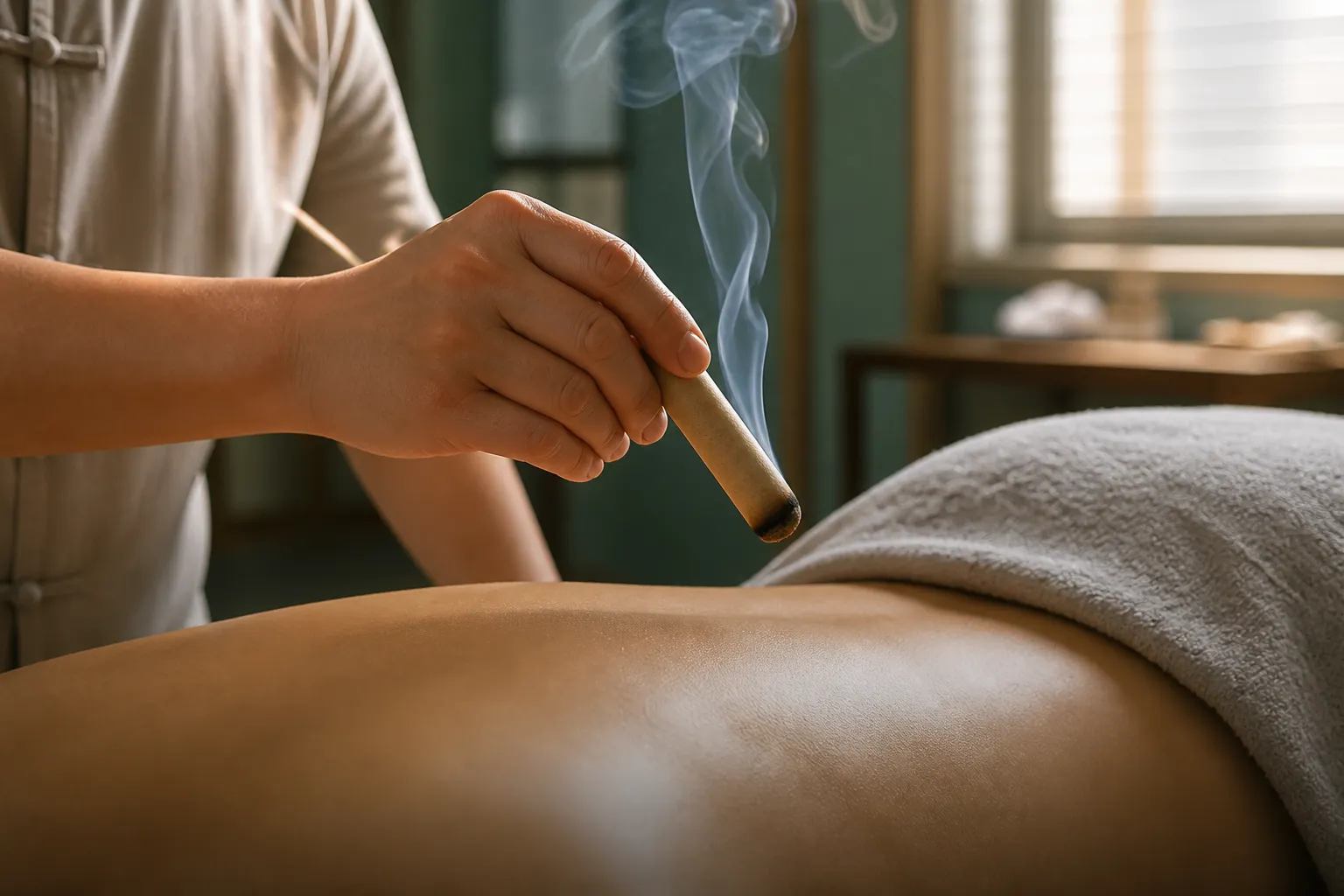
Moxibustion

Moxibustion treatment with mugwort warmth at PULSE TCM

Cold-damp · mugwort warmth

Mugwort heat on points sits when cold-dampness weighs in the joints, often paired with acupuncture rather than used alone.

Moxibustion at PULSE

When to book for rheumatoid arthritis

If flares, morning stiffness, or RA-related fatigue are shaping your week, bring your rheumatology notes and medicine list. A physician can name whether the picture reads as heat-damp, cold-damp, or Zheng Qi support and decide what belongs alongside your conventional plan.

06 · Course

How many acupuncture sessions are needed

6–12 treatments · weekly or biweekly · monthly maintenance

A common course is 6 to 12 treatments, weekly or biweekly. After that, monthly sessions (or a similar cadence) often maintain relief. Your physician may also recommend Chinese herbal medicine and dietary advice matched to your pattern. Some people notice joint lightness after the first session; clearer change in morning stiffness usually shows after 3 to 4 visits.

Complement, not cure

Acupuncture is not a cure for rheumatoid arthritis. It can ease symptoms and support quality of life as a complement to rheumatology care, including DMARDs and biologics. Keep both your rheumatologist and your TCM physician in the plan.

Dr Sim Beng Joo

Clinically reviewed

Reviewed by Sim Beng Joo

Advisor (Science & Strategy) / Consultant Physician · TCMPB T1303003A

MOH-licensed TCM physician and biomedical scientist, with clinical work in digestion, pain, sleep or fatigue, and constitution patterns that show as tendon and joint load.

View full profile

Educational information based on clinical experience and TCM principles. Not a substitute for personalised consultation, rheumatology care, or urgent attention. Speak with your rheumatologist and TCM physician before starting herbs or new self-care alongside DMARDs, biologics, or immunosuppressants. Seek urgent care for a hot swollen joint with fever, sudden inability to use a joint, or symptoms that worsen rapidly. TCM complements conventional RA care; it does not replace disease-modifying treatment.

FAQs

Questions, answered

Common questions on acupuncture with DMARDs or biologics, how soon stiffness eases, distal points on tender joints, flare heat-damp versus Zheng Qi, moxa and herbs, fatigue, and first-visit prep.

Can I undergo acupuncture while taking immunosuppressants or biologics for Rheumatoid Arthritis (RA)?

Yes. Acupuncture is complementary care that can sit alongside conventional RA medicines such as DMARDs or biologics. It does not interfere with the biochemical action of those drugs. It is used to help manage systemic inflammation and medication-related side effects such as fatigue or digestive discomfort. Keep your rheumatologist and TCM physician informed of your full medicine list.

How soon will I feel the effects of acupuncture on joint stiffness?

Some people notice a lightness in the joints after the first session. Clearer cumulative change usually shows after 3 to 4 sessions. Acupuncture modulates the nervous system and blood flow, so morning stiffness often eases gradually across the course rather than overnight.

Is acupuncture painful if my joints are already tender and inflamed?

Acupuncture needles are very fine, much thinner than vaccination needles. For RA, physicians often choose distal points away from the actively inflamed joint so systemic inflammation can fall without irritating a swollen site locally.

Are there specific flare-up protocols for acute RA pain?

Yes. In an acute flare, TCM focuses on clearing heat and removing dampness to ease redness and intense swelling. In remission, the focus shifts to strengthening Zheng Qi so flares are less likely. Needle technique and point selection change with active versus dormant phases.

Does TCM offer other treatments for RA besides acupuncture?

Acupuncture is often paired with moxibustion, mugwort warmth on points, to help expel cold-dampness from the joints, a common TCM reading for RA. Chinese herbal medicine may also address the internal autoimmune imbalance, so care can work both externally and internally.

Can acupuncture help with RA-related fatigue?

RA often brings heavy fatigue beyond the joint pain. Acupuncture can stimulate endorphin release and regulate the autonomic nervous system, which may support sleep and daytime energy. Lowering systemic inflammatory load is one reason many people report more stamina for daily activity.

What should I do to prepare for my first RA acupuncture session?

Eat a light meal and stay hydrated. Wear loose clothing that allows access to the elbows, knees, and ankles. Bring a list of your current RA medicines so the physician can plan integrated, safe care with your rheumatology regimen.

References

Selected sources

  1. Lu HL, Chang CM, Hsieh PC, Wang JC, Kung YY. The effects of acupuncture and related techniques on patients with rheumatoid arthritis: A systematic review and meta-analysis. J Chin Med Assoc. 2022. https://pubmed.ncbi.nlm.nih.gov/34772862/
  2. National Center for Complementary and Integrative Health. Traditional Chinese medicine: What you need to know. 2019. https://www.nccih.nih.gov/health/traditional-chinese-medicine-what-you-need-to-know/
  3. World Health Organization. Traditional, complementary and integrative medicine. https://www.who.int/health-topics/traditional-complementary-and-integrative-medicine
  4. Ministry of Health Singapore. TCM practitioners (Healthcare Professional Portal). https://hpp.moh.gov.sg/tcm-practitioners/

Next step

Ready for an RA pattern read?

Bring your rheumatology notes, current DMARDs or biologics list, and how flares show in your joints. We will name the TCM pattern in plain language and decide what belongs alongside your conventional plan.

Hours
Most clinics daily 11:00 AM – 8:00 PM
Care
Physician-led consultation