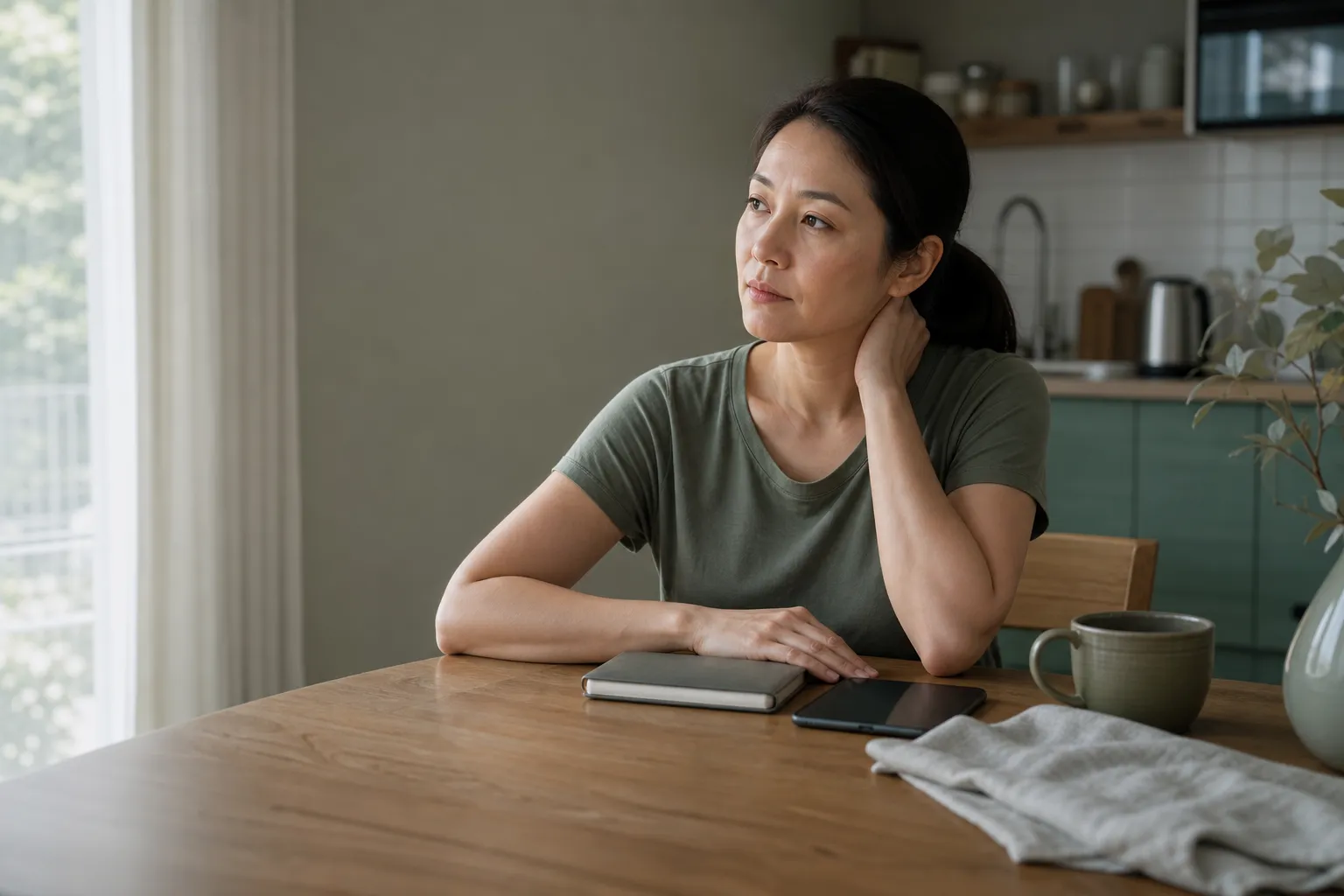
Woman pausing at a kitchen table with a planner and phone, illustrating gender stress gap caregiving load

Insights · Stress

Is there a difference in stress levels between men and women

Women report higher stress year after year. Naming caregiving load and worry work guides home skills and when psychology sits with TCM.

In brief

Yes. A 2016 Brain and Behavior review found women nearly twice as likely as men to experience anxiety disorders, and APA surveys show women report higher stress symptoms. Shared work and money load sits beside caregiving and invisible household worry work that more often falls on women. In Singapore, desk stress is already common; dual roles can stack it further. Six skills help: rest and meals, scheduled me-time, confiding, kind exercise, a short settle or press, and professional help when you cannot cope alone. Psychology and physician-led TCM can sit together when stress stacks with sleep or mood.

01 · The gap

Women report higher stress

Year after year, women report higher stress levels than men. That pattern is often called the gender stress gap.

Dr Jaswyn Chin, SRP-registered clinical psychologist at PULSE Allied Health, notes that a 2016 review in the Journal of Brain and Behavior found women nearly twice as likely as men to experience severe stress and anxiety. According to the American Psychological Association (APA), women are also more likely to report physical and emotional symptoms such as crying, headaches, upset stomach or indigestion, and muscle tension.

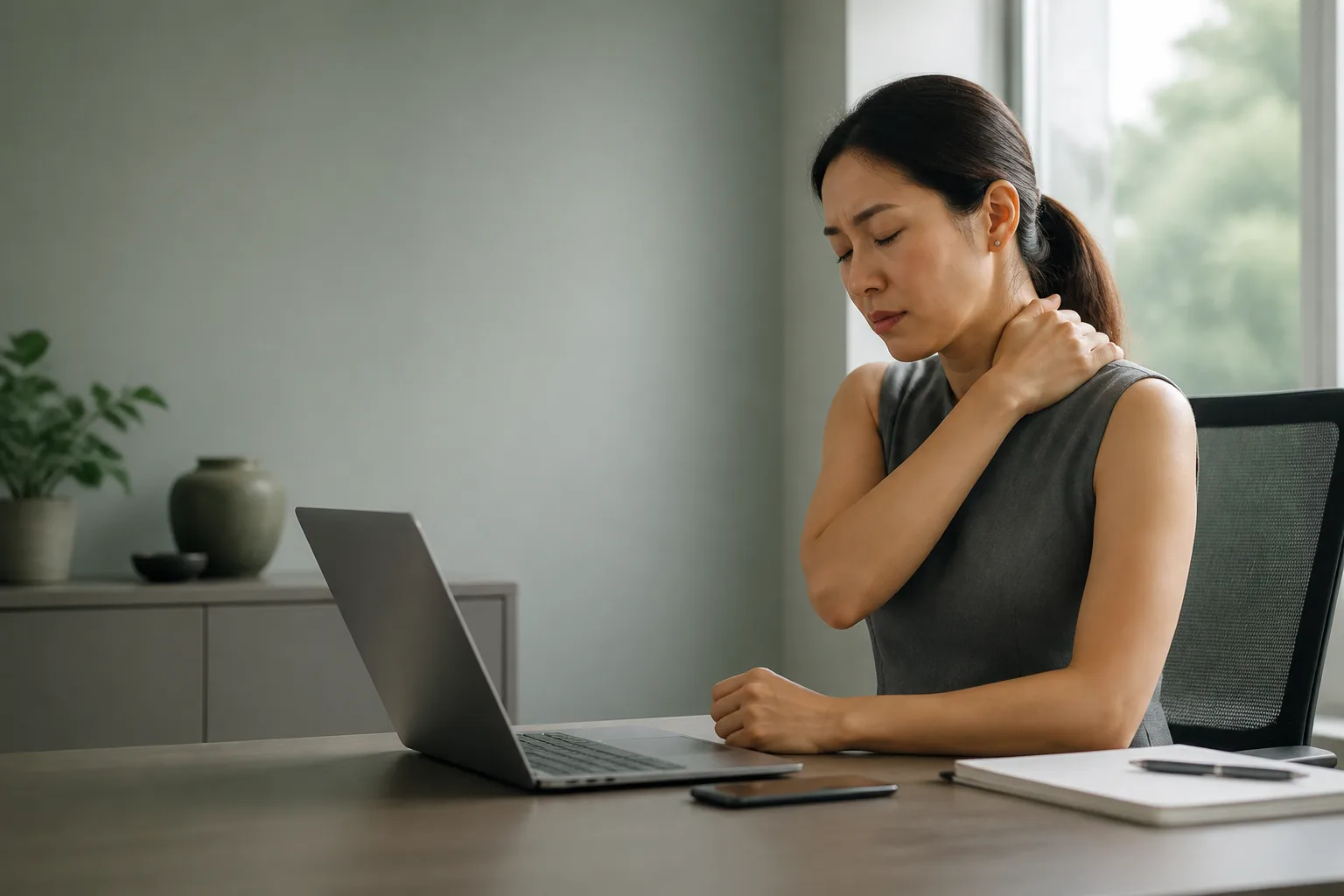
In Singapore, a 2019 Cigna survey found 92 per cent of working respondents named work-related stress. Dual-income homes, eldercare, and childcare often stack that desk load with invisible household worry work, a pattern that still falls more often on women.

Shared load versus load more often named for women
Shared stressors More often named for women
Work and money Deadlines, hours, and financial pressure.
Home and care Relationships and everyday household needs.
Health and rest Illness, sleep debt, and recovery.

When that stacked load stays high, common reported signs include headache, muscle tension, indigestion, tearfulness, low mood, anxiety, thin sleep, and fatigue. Over time, neglected self-care raises the risk of depression and anxiety.
02 · What may help

What can women do to better manage their stress?

Six practical skills support recovery when caregiving load and worry work stay high. Match the skill to the week you are in.

Skill 1

Rest and regular meals

Protect a sleep window and three meals before you give leftover hours to everyone else. Under caregiving load, skipped meals and late nights are often the first self-care cuts. If thin sleep keeps returning with burnout, Sleep & Stress can sit with these basics.

Skill 2

Scheduled me-time

Block a short, recurring slot that is not errands for others: a walk, a bath, a call that restores you. Put it on the same calendar as school runs and clinic visits so worry work does not eat it by default.

Skill 3

Confide in people you trust

Name the load out loud to a partner, friend, or family member who can share tasks or listen without fixing. Invisible worry work stays heavier when it stays unspoken. If support at home is thin or conflicted, psychology can help you set boundaries and ask clearly.

Skill 4

Exercise in a kind range

Move most days in a range that leaves you steadier, not depleted. When neck and shoulders clamp from desk stress plus caregiving, short release moves (neck stretch, child pose, 4-7-8 breathing) discharge tension without needing a long gym block.

Skill 5

Relaxation, meditation, or a calm press

Practise a short settle when the mind stays busy: paced breathing, a brief meditation, or a wrist press at Nei Guan (内关, PC6) for one to two minutes when anxiety or chest tightness rises. These are interrupts, not a substitute for therapy when distress stays high.

Skill 6

Seek professional help

Book care when stress, anxiety, or low mood will not settle with home skills, or when sleep, work, or relationships suffer. At PULSE, Allied Health psychology (request Dr Jaswyn Chin when you want her diary) can sit beside physician-led TCM. Mental Wellness or Anxiety pathways fit mood and panic load; Sleep & Stress fits thin sleep with burnout.

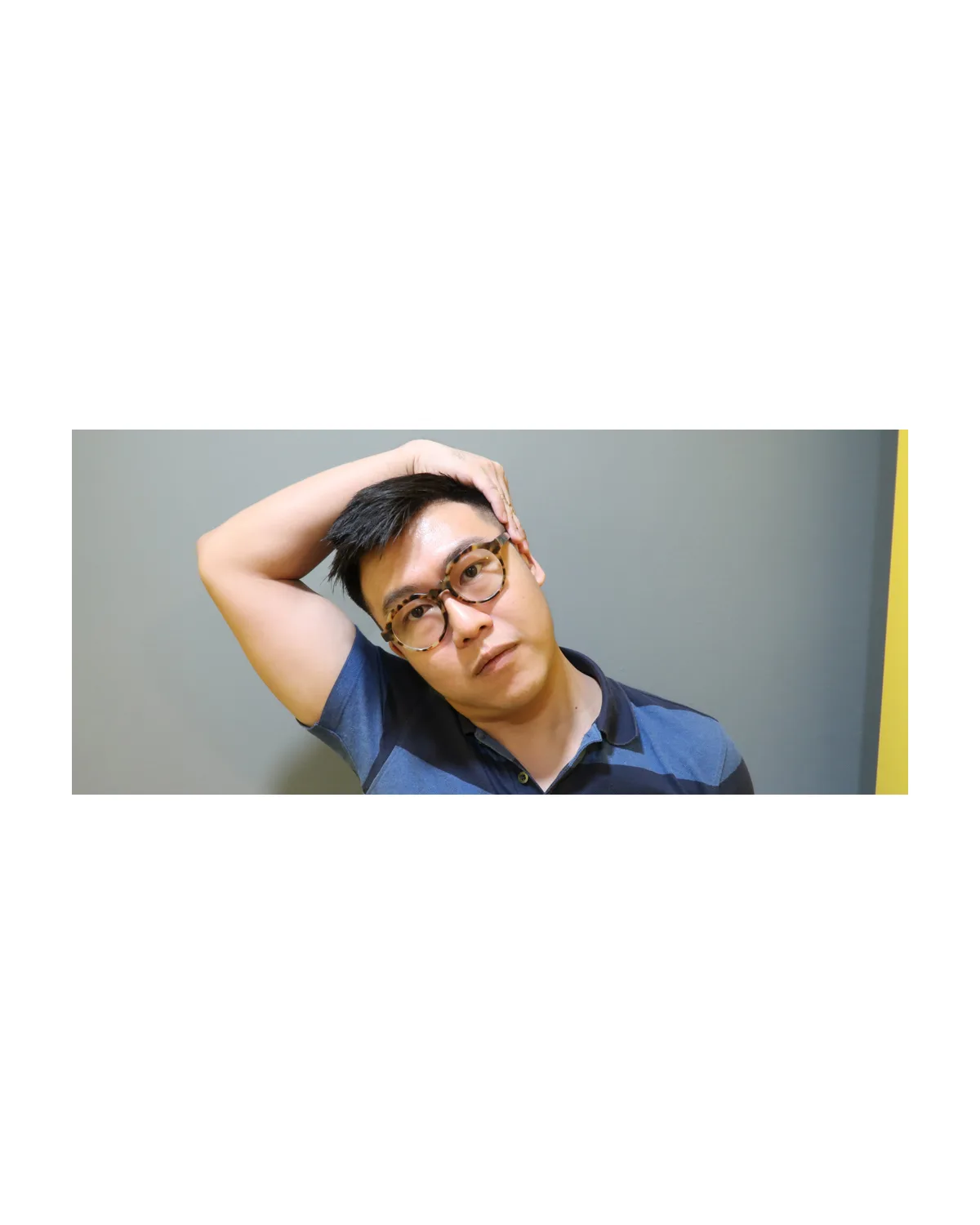
Person doing a gentle standing neck stretch for stress-linked tension

Move · about 8 minutes

Stress release moves

Neck stretch, child pose, and 4-7-8 breathing when stress clamps the neck, braces the low back, or lifts anxiety.

Stay kind. Ease off if the range feels sharp.

Do the release moves
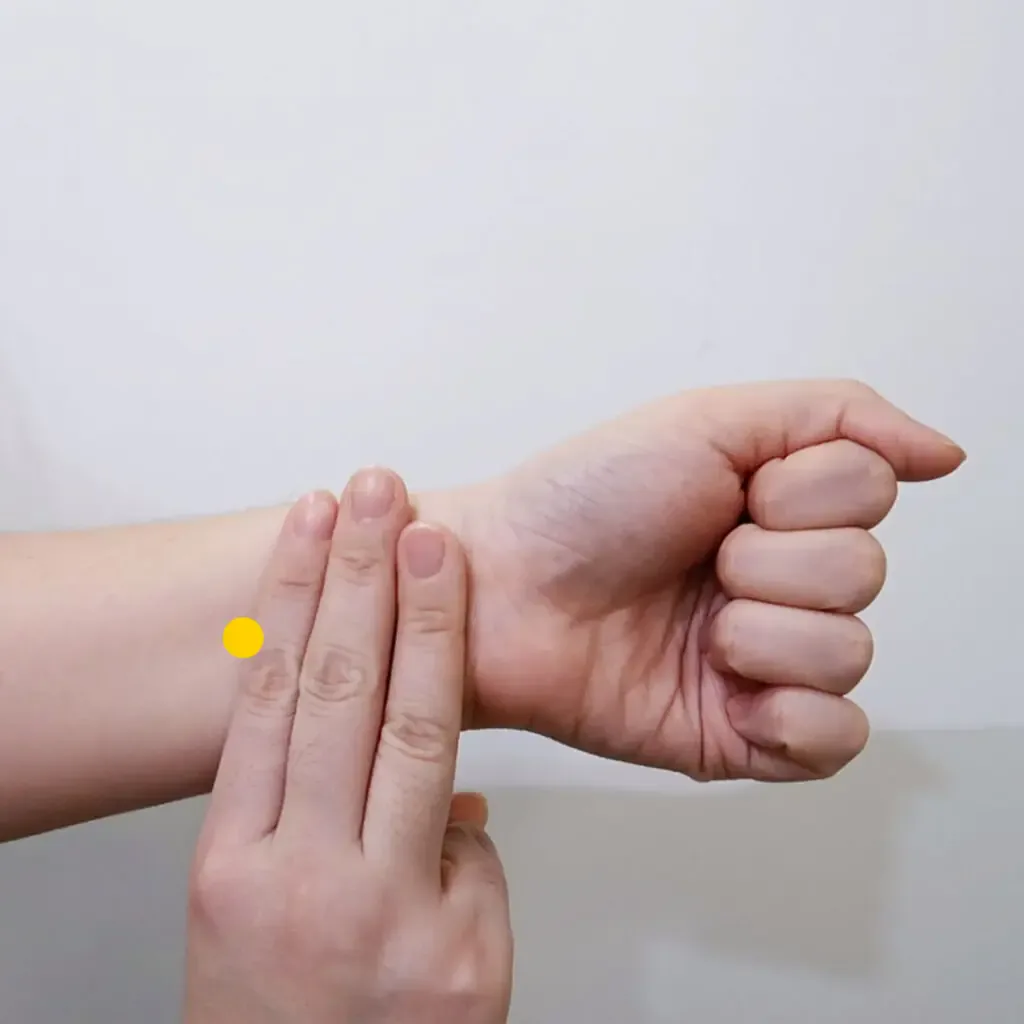
Three fingers on the inner forearm locating Nei Guan PC6 between two tendons

Acupoint · 1–2 minutes

Nei Guan (PC6)

Two cun above the inner wrist crease, between two tendons. Press for a dull ache when anxiety or chest tightness sits with stress load.

Either arm works. Skip if the wrist is injured or swollen.

Press Nei Guan

03 · TCM view

How TCM may read the same load

Psychology skills name caregiving load and worry work. In TCM education, the same stress may show as Liver qi stagnation or Spleen worry patterns.

Liver qi stagnation (肝郁气滞) often sits with irritability, sighing, or rib tightness when emotions stay constrained. Spleen worry load may show as rumination, poor appetite, or bloating when contemplation overworks digestion. A physician names the closer picture after pulse and tongue, then decides whether home support, Sleep & Stress, or another pathway sits nearer.

Dr Jaswyn Chin, SRP-registered clinical psychologist at PULSE Allied Health

Allied Health

Talk with a psychologist

When stress, anxiety, or low mood will not settle with home skills, book Allied Health psychology. Request a psychologist and note Dr Jaswyn Chin when you want her diary.

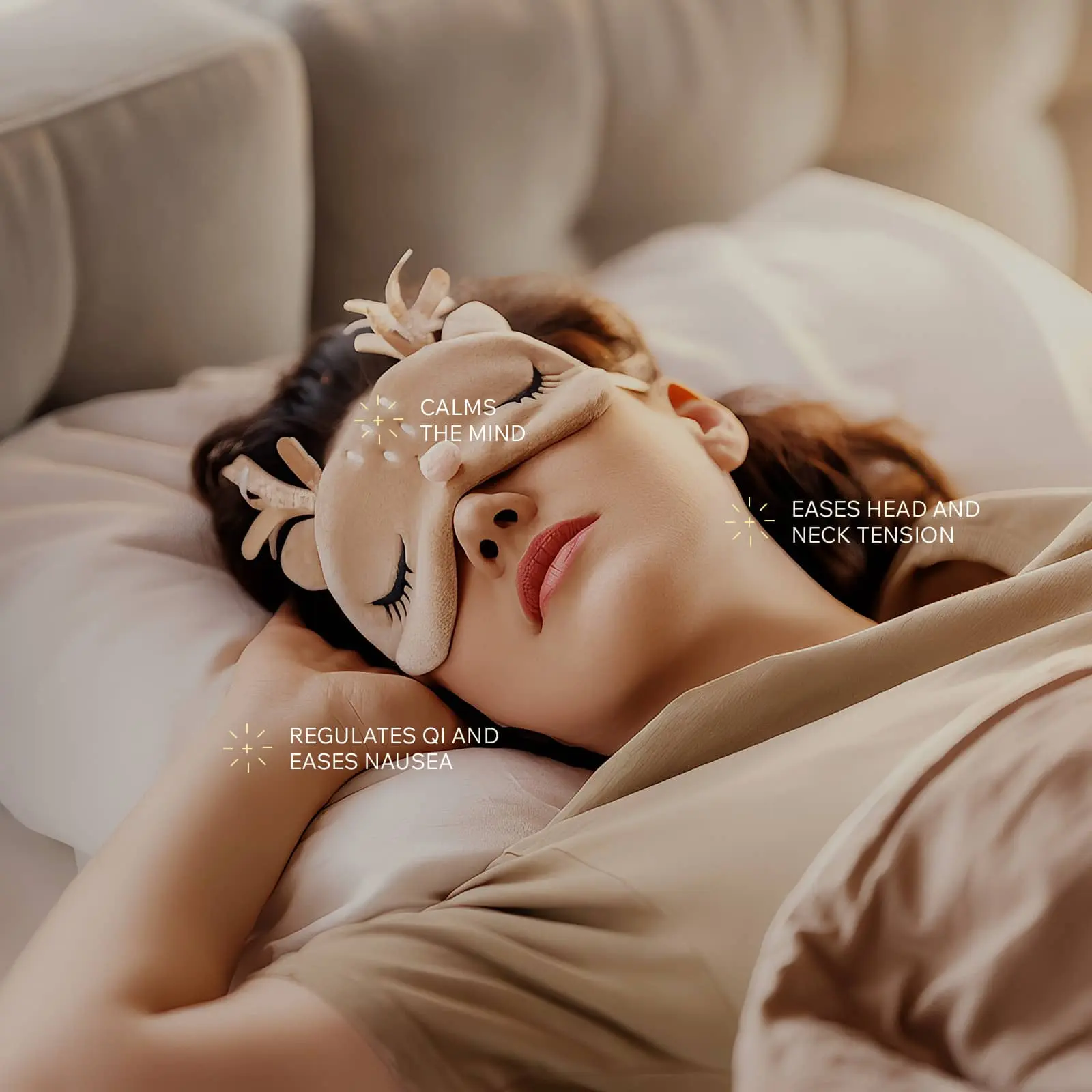
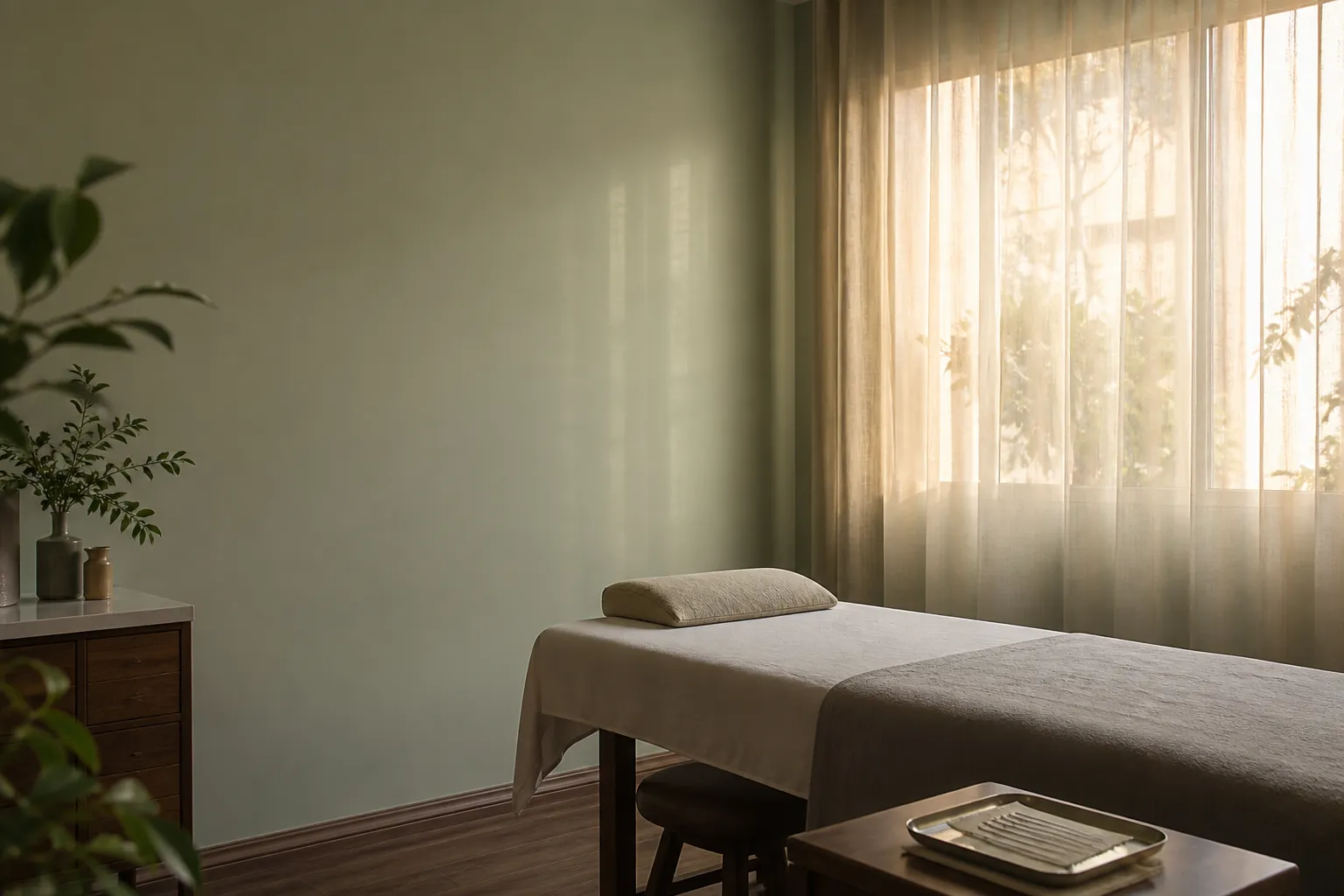
Quiet rest illustrating the Sleep and Stress programme at PULSE TCM

Programme

Sleep & Stress when load stacks with rest

When thin sleep stacks with stress, tension, or burnout, the Sleep & Stress programme offers physician-led care. Mental Wellness sits nearby when mood load dominates.

Dr Sim Beng Joo

Clinically reviewed

Reviewed by Sim Beng Joo

Advisor (Science & Strategy) / Consultant Physician · TCMPB T1303003A

MOH-licensed TCM physician and biomedical scientist, with clinical work in digestion, pain, sleep or fatigue, and constitution patterns that stack with stress load.

View full profile

Educational information from psychology and clinic teaching. Not a substitute for personalised medical, psychiatric, or psychology care, or for urgent attention. Seek emergency or crisis care if you are at risk of harm. TCM and Allied Health psychology at PULSE complement, and do not replace, GP, specialist, or prescribed care for persistent stress or anxiety.

FAQs

Questions, answered

Common questions on the gender stress gap, cognitive load, home skills, and when psychology sits with TCM care.

Is there a difference in stress levels between men and women?

Yes. Year after year, women report higher stress levels than men, a pattern often called the gender stress gap. A 2016 review in Brain and Behavior found women nearly twice as likely as men to experience anxiety disorders. APA surveys also find women more likely to name physical and emotional stress symptoms.

Why do women often report more stress than men?

Men and women share work, relationship, money, and health stressors. Statistics more often place family obligations and caregiving for children or elderly parents with women, alongside other roles. Invisible household cognitive load, or worry work, can stack on top and crowd out self-care. In Singapore, high work-related stress can stack with those dual roles.

What is cognitive load or worry work in household stress?

Cognitive load, sometimes called worry work, covers anticipating needs, identifying options, making decisions, and monitoring progress in managing a household. The work is taxing yet often invisible, and research finds it tends to fall more on women. When it grows without relief, mental-health risk such as depression or anxiety can rise.

What can women do to manage stress?

Six practical skills help: keep rest and regular meals, schedule me-time, confide in people you trust, exercise in a kind range, use a short settle or Nei Guan press when arousal rises, and seek professional help when you cannot cope alone. Short release moves (neck stretch, child pose, 4-7-8) fit when desk and caregiving tension clamp the body.

When should I see a psychologist for stress?

Seek professional help when stress, anxiety, or low mood stays hard to manage alone, when self-care no longer settles the load, or when daily function, sleep, or relationships suffer. At PULSE, Allied Health psychology can sit beside physician-led TCM.

Can psychology sit with TCM for stress?

Yes. Naming caregiving load and worry work sits well with psychology skills. In TCM education, the same stress may show as Liver qi stagnation or Spleen worry patterns. Sleep & Stress or Mental Wellness can pair both pathways when sleep or mood load keeps returning.

References

Selected sources

  1. Remes O, Brayne C, van der Linde R, Lafortune L. A systematic review of reviews on the prevalence of anxiety disorders in adult populations. Brain and Behavior. 2016;6(7):e00497. https://onlinelibrary.wiley.com/doi/10.1002/brb3.497
  2. American Psychological Association. Women say they’re stressed, misunderstood, and alone (Stress in America reporting on gender and stress). https://www.apa.org/topics/stress/women-stress
  3. Cigna. 2019 Cigna 360 Well-Being Survey — Well and Beyond (92% of working respondents in Singapore reported work-related stress). https://www.hrinasia.com/press-release/cigna-well-being-survey-reveals-decline-in-singaporeans-wellness/
  4. National Center for Complementary and Integrative Health. Traditional Chinese medicine: What you need to know. 2019. https://www.nccih.nih.gov/health/traditional-chinese-medicine-what-you-need-to-know/
  5. Ministry of Health Singapore. TCM practitioners (Healthcare Professional Portal). https://hpp.moh.gov.sg/tcm-practitioners/
  6. World Health Organization. Traditional, complementary and integrative medicine. https://www.who.int/health-topics/traditional-complementary-and-integrative-medicine

Next step

Ready for a stress pattern read?

Bring caregiving load, sleep change, mood signs, and any GP or psychology notes. We will name the picture in plain language and decide whether Allied Health psychology, Sleep & Stress, or Mental Wellness sits closer.

Hours
Most clinics daily 11:00 AM – 8:00 PM
Care
Physician-led consultation