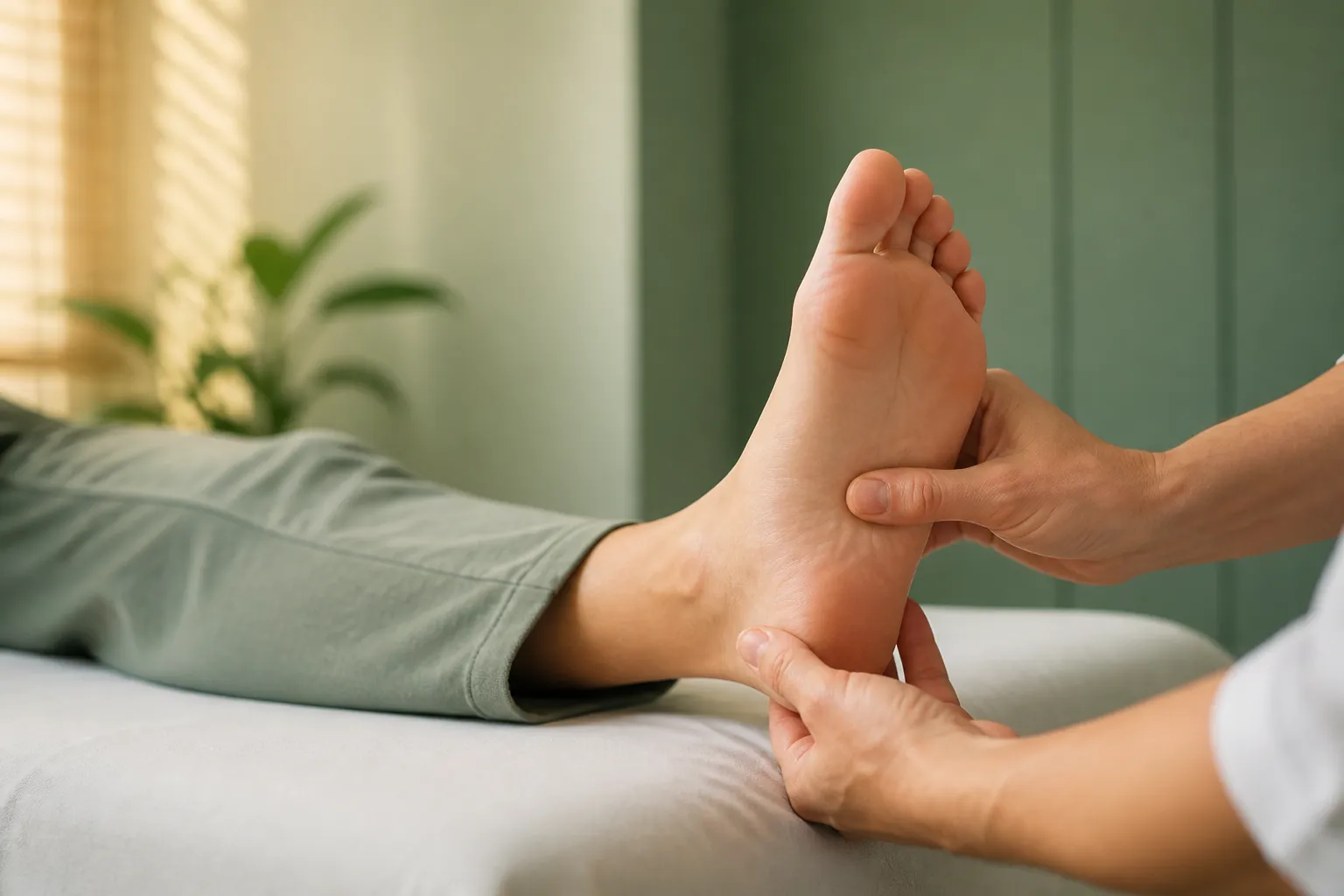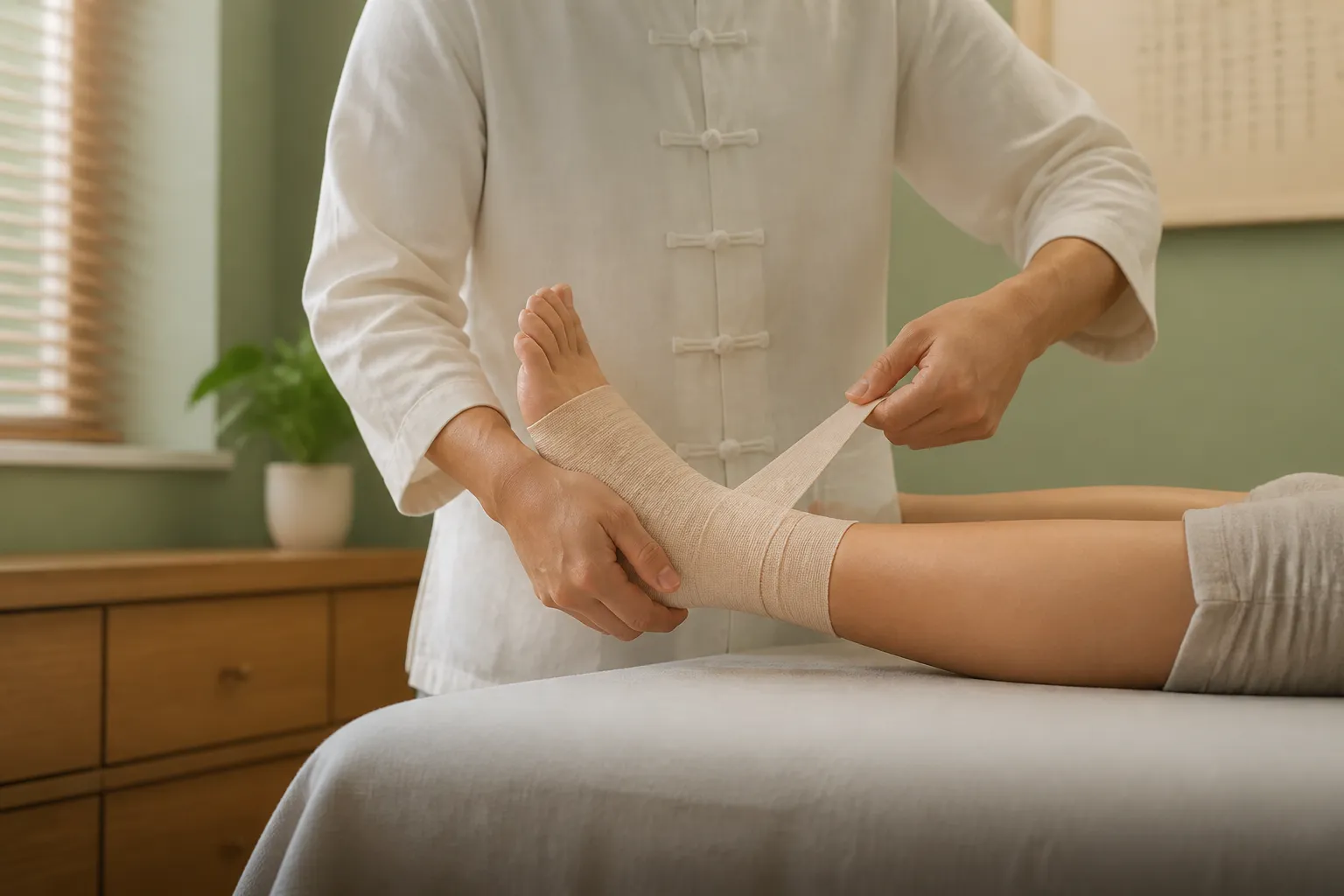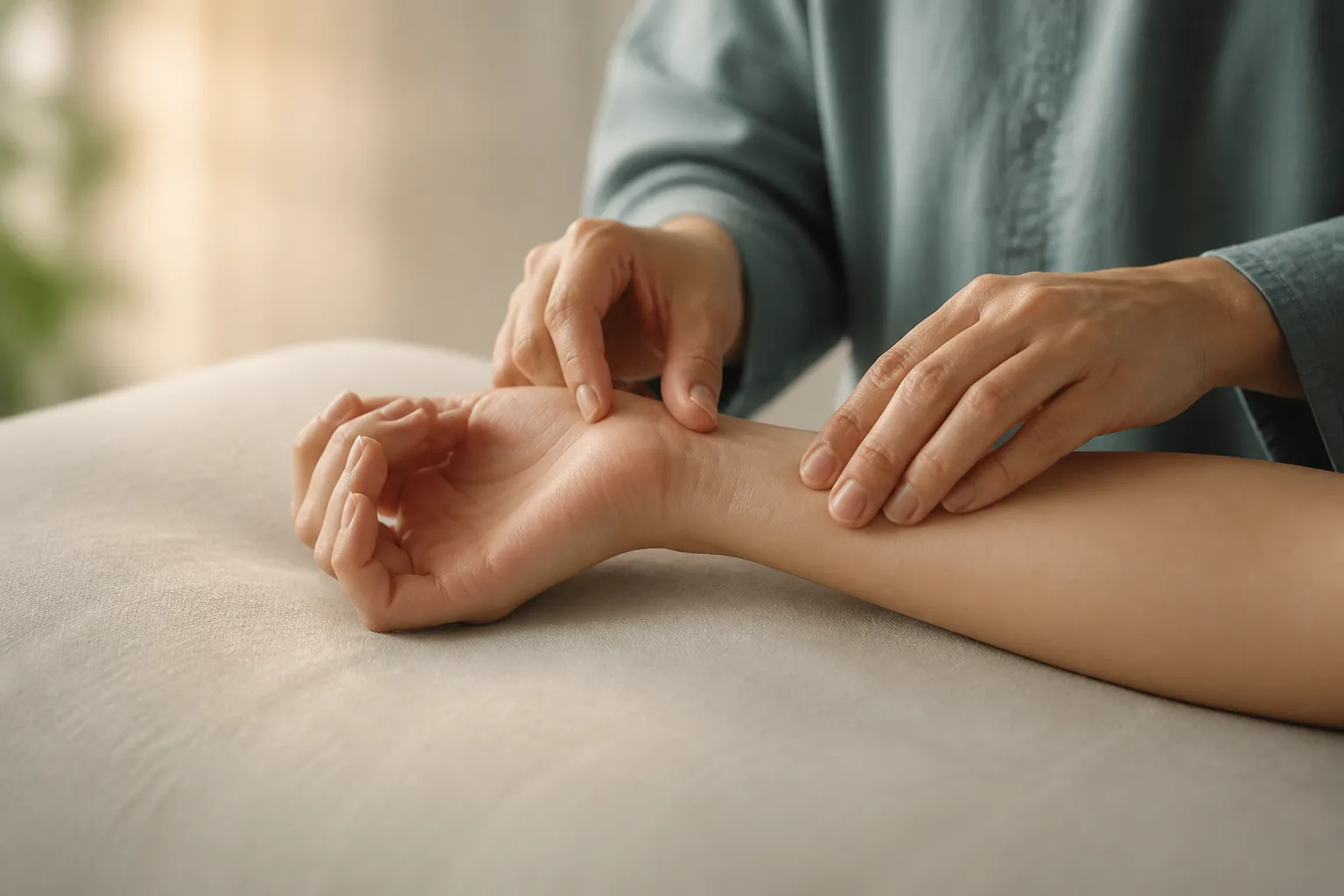
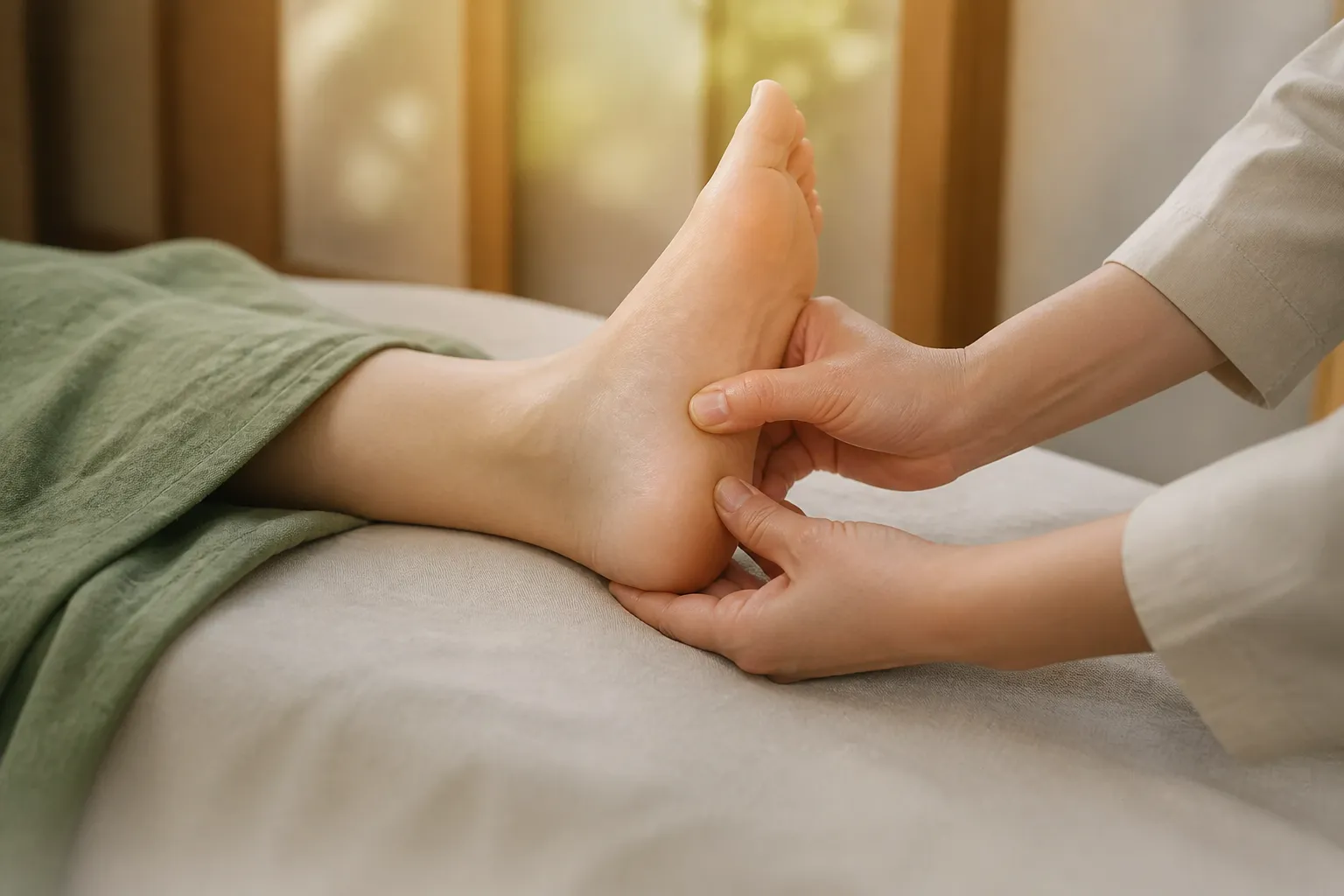
Physician assessing a heel for plantar fasciitis at PULSE TCM

Insights · Pain & Injuries

TCM tips for heel pain (plantar fasciitis)

Sharp first steps out of bed often mean pain under the heel or arch, not only a spur. Acupuncture, stretching, and home care usually work alongside rest.

In brief

Sharp first steps out of bed often mean the band under the arch (the plantar fascia) is sore. Pain on the bottom of the heel usually reads as plantar fasciitis; pain at the back of the heel as Achilles tendinitis. TCM often names Qi and Blood stagnation from repetitive load, or Kidney weakness when the heel lacks nourishment. A spur (骨刺) can exist without pain. Warmth is preferred over ice. Press Da Ling (PC7) on the opposite wrist, and work the calf and arch at home.

01 · Causes

Common causes of heel pain and plantar fasciitis

Heel pain can sit with arthritis, a heel spur, or the band under the arch (plantar fasciitis). Everyday load on the arch is what usually flares that band.

Everyday loads that flare the arch band
Trigger What loads the heel Typical picture
Improper footwearHigh heels, unsupportive flats, or flip-flops for long hours. The arch has little support, so the band under the heel takes the strain. Pain after a day in thin soles or a night in heels.
Prolonged standingWalking or standing for long hours. Steady compression on a small heel surface. Retail, kitchen, or ward shifts that leave the heel sore by evening.
High-impact sportJumping or distance running. Calf and Achilles tighten; the arch band pulls harder at push-off. First-step pain after a run or a jump session.
Foot arch typeFlat feet (fallen arches) or unusually high arches. The arch band either over-stretches or stays short and tight. One or both heels, often worse after rest.

The bone-spur misconception

骨刺

A heel bone spur can sit on imaging with no pain at all. Severe arch-band pain can sit with no spur. The usual driver is repetitive impact on the band under the heel, not the bone growth itself.

02 · Pattern scan

Where the heel hurts, and the pattern

Pain on the bottom of the heel often sits in the band under the arch. Pain at the back of the heel often sits in the tendon there. The same place can still read as Qi and Blood stagnation or Kidney weakness.

Where the heel hurts
Where it hurts Likely structure Typical tell
Bottom of the heelUnder the heel pad, toward the arch. Band under the arch (plantar fasciitis) Sharp first steps after rest or sleep.
Back of the heelWhere the tendon meets the heel bone. Tendon at the back of the heel (Achilles tendinitis) Pain when rising onto the toes, or after hills and jumps.
Common TCM patterns for heel pain
Pattern Typical signs Clinic lean
Qi and Blood stagnation气滞血瘀: the most common heel reading.
  • After repetitive load, a twist, or long standing
  • Wind, Cold, or Damp exposure that leaves the heel tight
  • Local ache that eases as the tissue warms
Needling, tuina, and mugwort warmth to move qi and blood.
Kidney weakness肾虚: the Kidney channel reaches the heel and sole.
  • More common with age, wear, and slower recovery
  • Lower-back ache, easy fatigue, night urination
  • The heel lacks nourishment and is easier to injure
Herbs that nourish Liver and Kidney yin, with needling matched to pulse and tongue.

Signs that need urgent care

These signs sit outside a first-step heel picture. Get assessed the same day.

1. Cannot bear weight

Sudden inability to stand on the heel after a twist, fall, or impact.

2. Hot swollen joint

A hot, red, swollen heel, especially with fever.

3. Spreading numbness

Numbness or weakness that spreads up the foot or leg.

4. Sudden pop

A snap at the back of the heel, then weakness on push-off.

03 · Gait

Why the heel bears the most pain

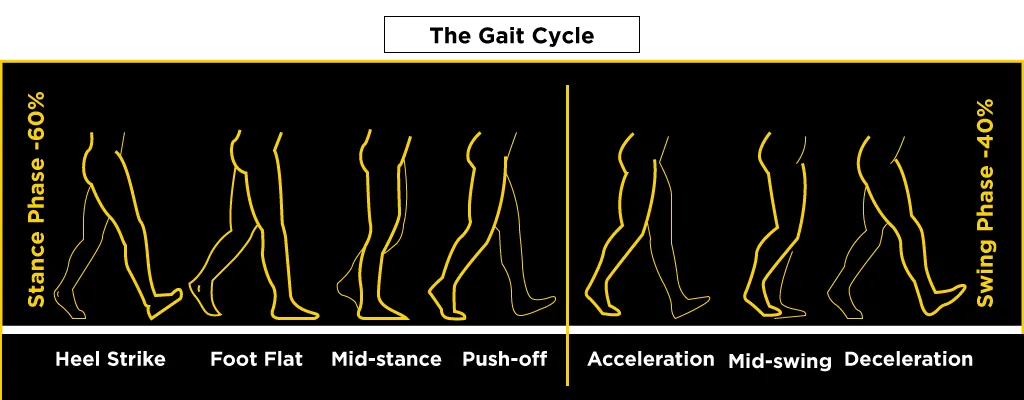
Heel strike · Foot-flat · Mid-stance · Push-off

During push-off the foot acts as a lever. As the toes extend, the band under the arch tightens to lift the arch. The bottom of the heel has a small surface, so it takes the highest force.

  • Heel strike: the heel meets the ground first.
  • Foot-flat: the whole sole shares the load.
  • Mid-stance: body weight passes over the standing foot.
  • Push-off: heel rise and toe-off; the fascia tightens to lift the arch.

An average person takes 3,000 to 10,000 steps a day. Over time that chronic, repetitive impact inflames the fascia and the heel hurts.

Four gait phases of walking, from heel strike to push-off

04 · Clinic methods

How TCM treats heel pain and plantar fasciitis

Qi and Blood stagnation often leans toward needling, tuina, and warmth. Kidney weakness often leans toward herbs that nourish Liver and Kidney yin.

Clinic methods matched to the heel pattern
Method What it does for the heel Pattern lean
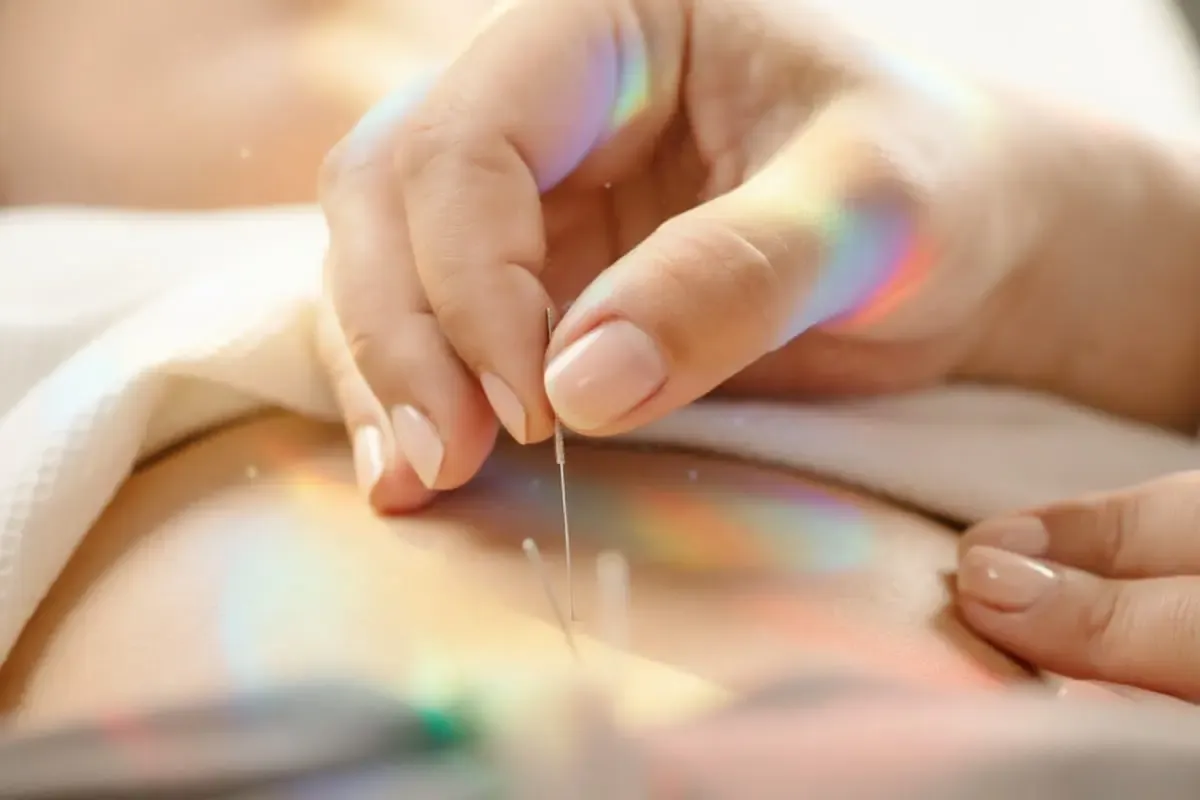
AcupunctureNeedling to move qi and blood. Eases local inflammation and releases tight calf and foot tissue. Often first-line when stagnation sits from repetitive load.
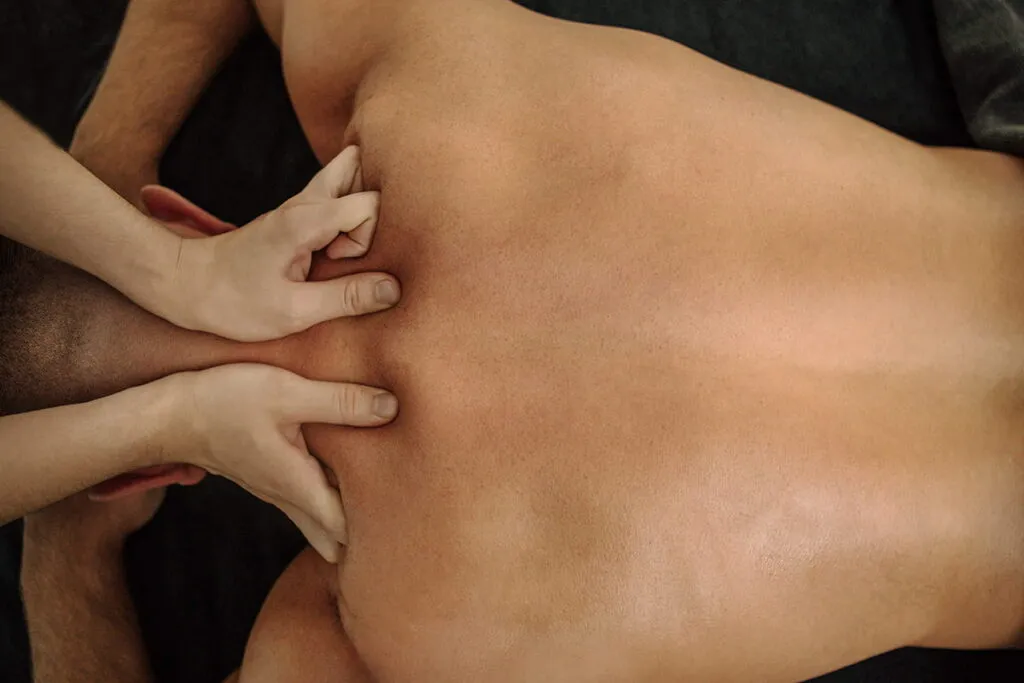
Tuina massageHands-on work on points and channels. Breaks down blockages and improves mobility in the calf and foot. Pairs with needling when the calf and fascia stay tight.
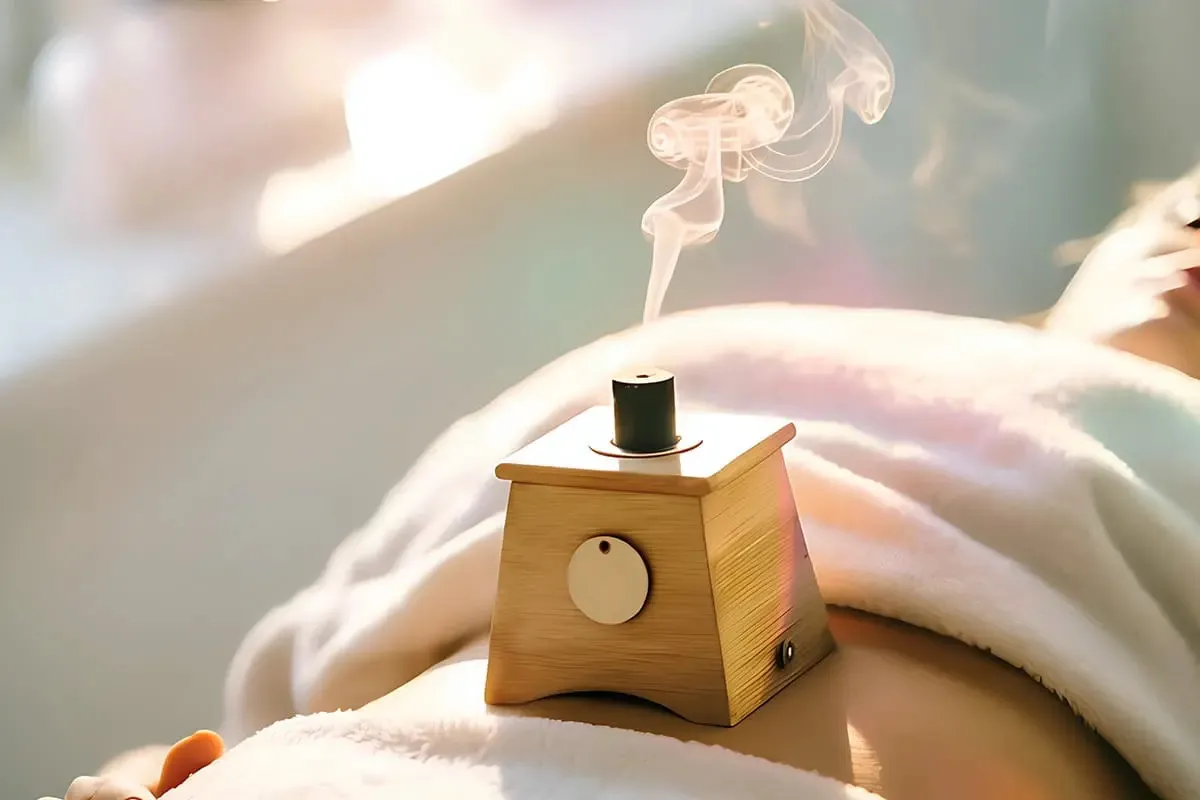
MoxibustionMugwort warmth on the meridians. Opens circulation so tight tendons and fascia can ease. When Cold or Dampness sits with the stagnation.
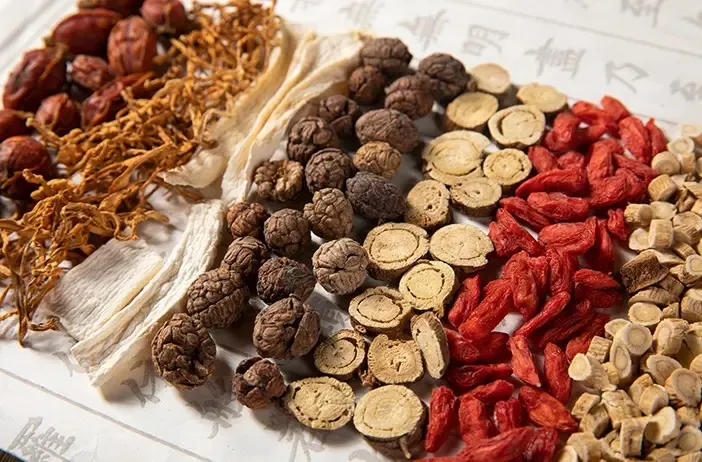
Chinese herbal medicineFormulas after pulse and tongue. Nourishes Liver and Kidney yin to support tendons and bones. When Kidney weakness sits with wear, age, or night urination.

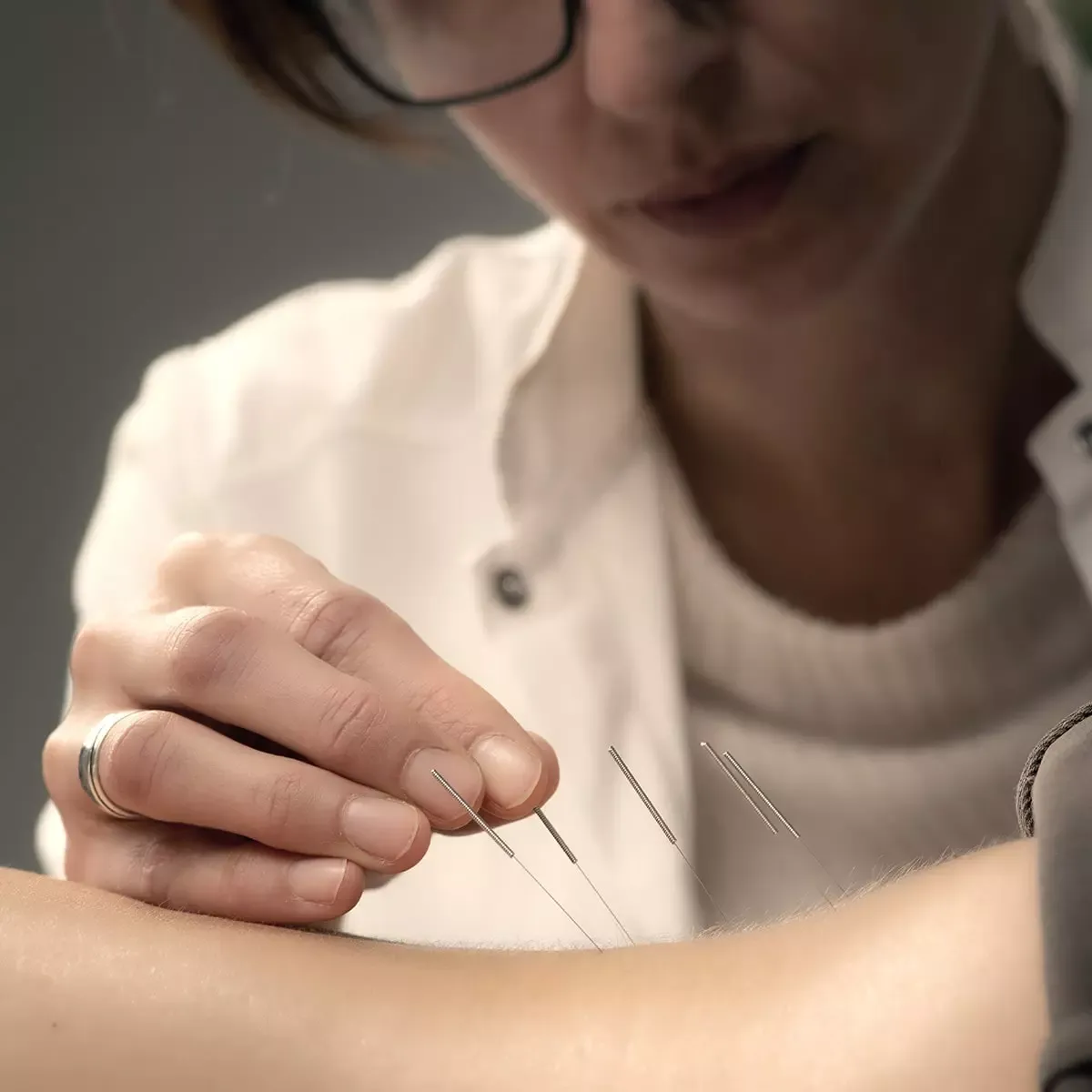
Acupuncture

Fine acupuncture needle at a point on the hand

Qi and Blood

Needling is used to move qi and blood when stagnation sits from repetitive load, and to ease sore tissue around the arch band and calf.

Acupuncture at PULSE

Chinese herbal medicine

Assorted Chinese herbal medicines prepared for prescription at PULSE TCM

Liver and Kidney yin

Custom prescriptions nourish Liver and Kidney yin when the heel lacks support, after pulse and tongue, not as a fixed heel pack.

Chinese herbal medicine

When to book for heel pain

If first-step pain has lasted weeks, or home stretches are not settling it, a physician can name whether the heel reads as stagnation or Kidney weakness and decide which methods belong in your plan.

05 · Home care

Acupressure and stretches for heel pain relief

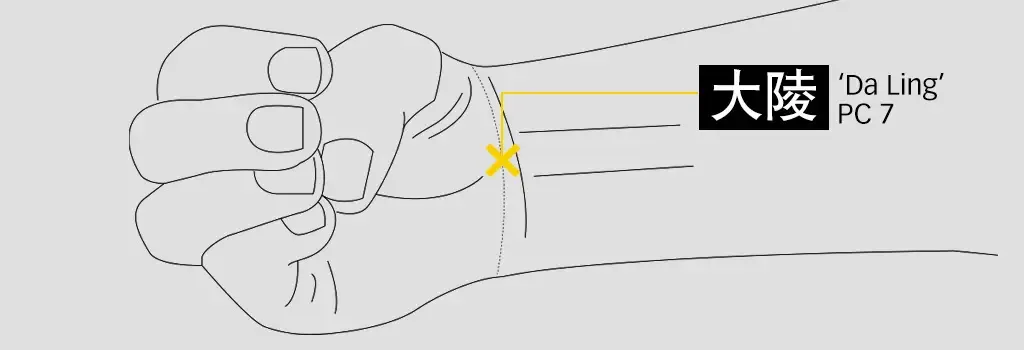
Da Ling (PC7) is pressed on the wrist opposite the sore heel. Tight calves load the arch band at push-off, so a towel stretch, a foot roller, and a wall calf hold sit alongside clinic care.

Illustration locating Da Ling PC7 at the inner wrist crease

Acupoint · 大陵穴

Da Ling (PC7)

Middle of the inner wrist crease, between two tendons. Press the wrist opposite the sore heel until you feel a dull soreness, circle, and gently stamp the painful foot.

Skip over cuts or a swollen wrist. Ease off if the press turns sharp.

Press Da Ling
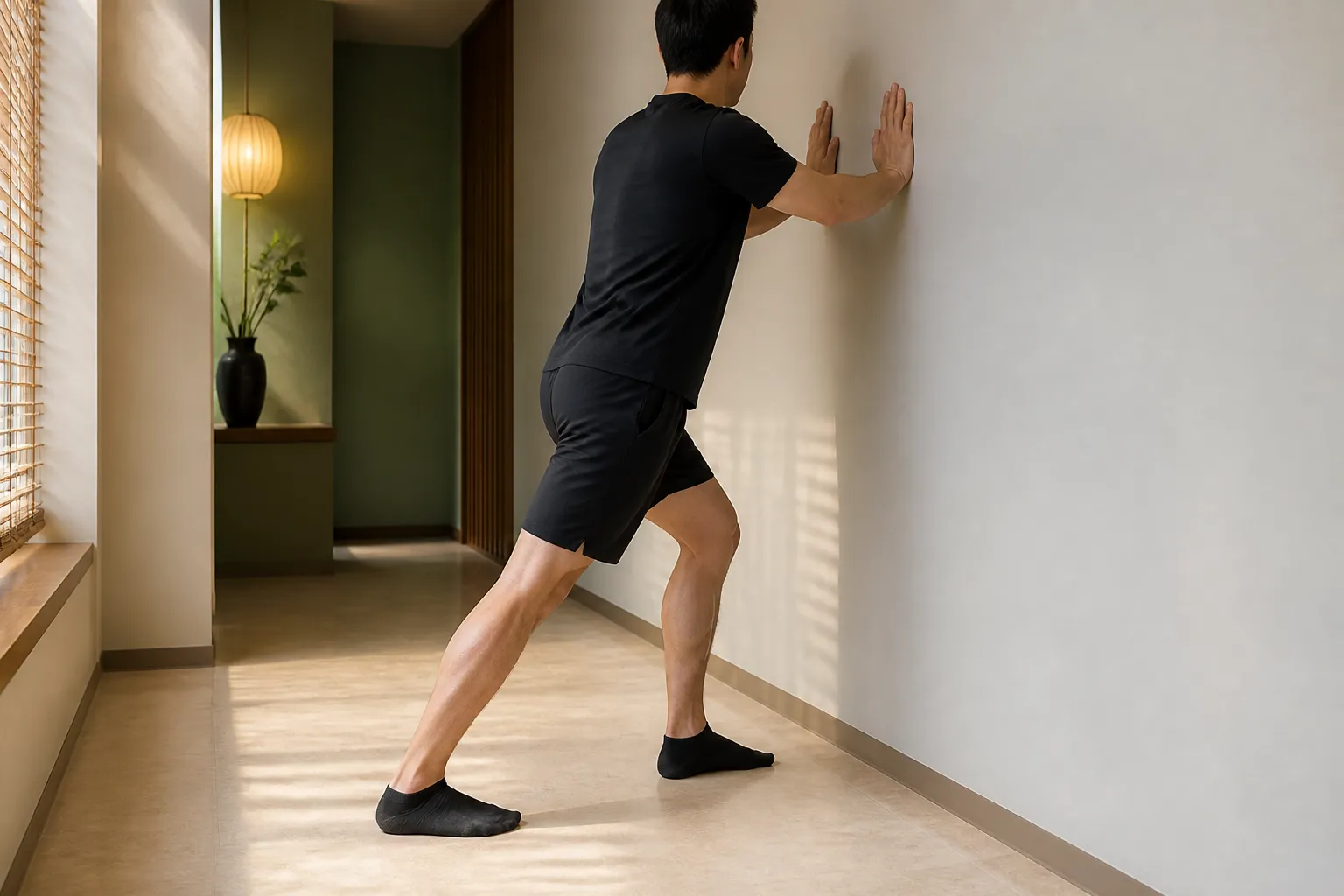
Wall calf stretch for plantar fasciitis at PULSE TCM

Move · fascia and calf

Towel, roller, and wall calf

Towel under the arch, pull 10 seconds, rest 5, repeat 5–10 times. Roll the foot for one minute. Wall calf stretch with both heels down, 15–30 seconds, three times each side.

Pause running and HIIT while the fascia is inflamed.

Do the three stretches

06 · Daily habits

Home habits while the heel settles

Warmth, cushioned indoor shoes, and a pause on high-impact load give the arch band a chance to quiet.

Ice or heat for heel pain
Approach TCM lean What it does at the heel
WarmthCompress or a ginger or mugwort foot soak. Preferred for fascia pain. Moves qi and blood so tight tendons can ease.
IceCold pack on an inflamed heel. Usually avoided. Constriction can worsen Blood stagnation.

1. Cushion the indoor heel

Skip barefoot walking on tiles, marble, or hardwood. Supportive indoor slippers or thick cushioned socks protect the arch.

2. Pause running and HIIT

Switch to swimming, stationary cycling, or Pilates until the fascia quiets.

3. Warming food

Ease off iced drinks, raw salads, and sugary processed food when Cold or Dampness sits in the pattern.

Dr Sim Beng Joo

Clinically reviewed

Reviewed by Sim Beng Joo

Advisor (Science & Strategy) / Consultant Physician · TCMPB T1303003A

MOH-licensed TCM physician and biomedical scientist, with clinical work in digestion, pain, sleep or fatigue, and constitution patterns that show as tendon and joint load.

View full profile

Educational information based on clinical experience and TCM principles. Not a substitute for personalised consultation, medical care, or urgent attention. Speak with your physician before starting herbs, moxibustion, or new self-care in pregnancy or with a chronic condition. Seek urgent care for sudden inability to bear weight, fever with a hot swollen joint, or numbness that spreads. TCM complements orthopaedics and physiotherapy for acute injury or suspected fracture.

FAQs

Heel pain questions

Common questions on bone spurs, ice or heat, footwear, and whether TCM belongs in a plantar fasciitis plan.

How long does it take for TCM to relieve plantar fasciitis?

Timelines depend on how long the heel has been sore and on your constitution. Mild or recent heel pain may ease within 3 to 5 acupuncture sessions. Heel pain that has lasted for months may need a longer plan, combining acupuncture, herbal medicine, and load changes over several weeks.

Should I use ice or heat for heel pain according to TCM?

Western advice often suggests icing an inflamed heel. TCM usually prefers warmth. A warm compress or a daily warm foot soak (often with ginger or mugwort) helps move qi and blood. Warmth eases tight calves and the arch band; cold can tighten vessels and worsen stagnation.

Are there specific foods I should avoid if I have heel pain?

From a TCM perspective, chronic joint and tendon pain is often linked to Cold or Dampness accumulating in the body, as well as Liver and Kidney deficiencies. Minimise cold, raw foods (such as salads and iced drinks) and highly processed sugary foods, which can promote inflammation. Warming foods and nourishing soups such as bone broth support bone and tendon health.

Is it safe to walk barefoot indoors with plantar fasciitis?

No. Walking barefoot on hard indoor surfaces such as tiles, marble, or hardwood increases the direct impact on your heel and can aggravate the inflamed fascia. While recovering, wear supportive indoor slippers, orthotic sandals, or thick cushioned socks to protect the arch and heel.

Can I still exercise while recovering from heel pain?

Pause high-impact activities such as running, skipping, or HIIT until the inflammation subsides, as these place immense stress on the plantar fascia. You do not have to stop exercising completely. Switch to low-impact alternatives such as swimming, stationary cycling, or Pilates to keep cardiovascular fitness without overloading the feet.

Does a heel bone spur cause plantar fasciitis?

No. A heel bone spur (骨刺) can sit on imaging with no pain at all. Severe plantar fasciitis can sit with no spur. The usual driver is repetitive impact and inflammation of the fascia, not the bone growth itself.

Can TCM help with plantar fasciitis?

TCM can sit alongside orthopaedics and physiotherapy for plantar fasciitis. A physician names whether the heel reads as Qi and Blood stagnation or Kidney weakness, then matches acupuncture, tuina, moxibustion, and herbs. Mild or acute pain may ease within a few sessions; chronic fascia pain often needs a longer combined plan.

References

Selected sources

  1. National Center for Complementary and Integrative Health. Traditional Chinese medicine: What you need to know. 2019. https://www.nccih.nih.gov/health/traditional-chinese-medicine-what-you-need-to-know/
  2. World Health Organization. Traditional, complementary and integrative medicine. https://www.who.int/health-topics/traditional-complementary-and-integrative-medicine
  3. Lee JW, Lee JH, Kim SY. Use of acupuncture for the treatment of sports-related injuries in athletes: a systematic review of case reports. Int J Environ Res Public Health. 2020;17(21):8226. https://pubmed.ncbi.nlm.nih.gov/33172218/
  4. Zhang H, Zhao M, Wu Z, et al. Effects of acupuncture, moxibustion, cupping, and massage on sports injuries: a narrative review. Evid Based Complement Alternat Med. 2022;2022:9467002. https://pubmed.ncbi.nlm.nih.gov/35668787/
  5. Ministry of Health Singapore. TCM practitioners (Healthcare Professional Portal). https://hpp.moh.gov.sg/tcm-practitioners/
  6. Original article author: Physician Vivian Lee.

Next step

Ready for a heel pattern read?

Bring how long the first-step pain has lasted, what footwear you use, and any GP or physio notes. We will name the pattern in plain language and decide what belongs in your plan.

Hours
Most clinics daily 11:00 AM – 8:00 PM
Care
Physician-led consultation