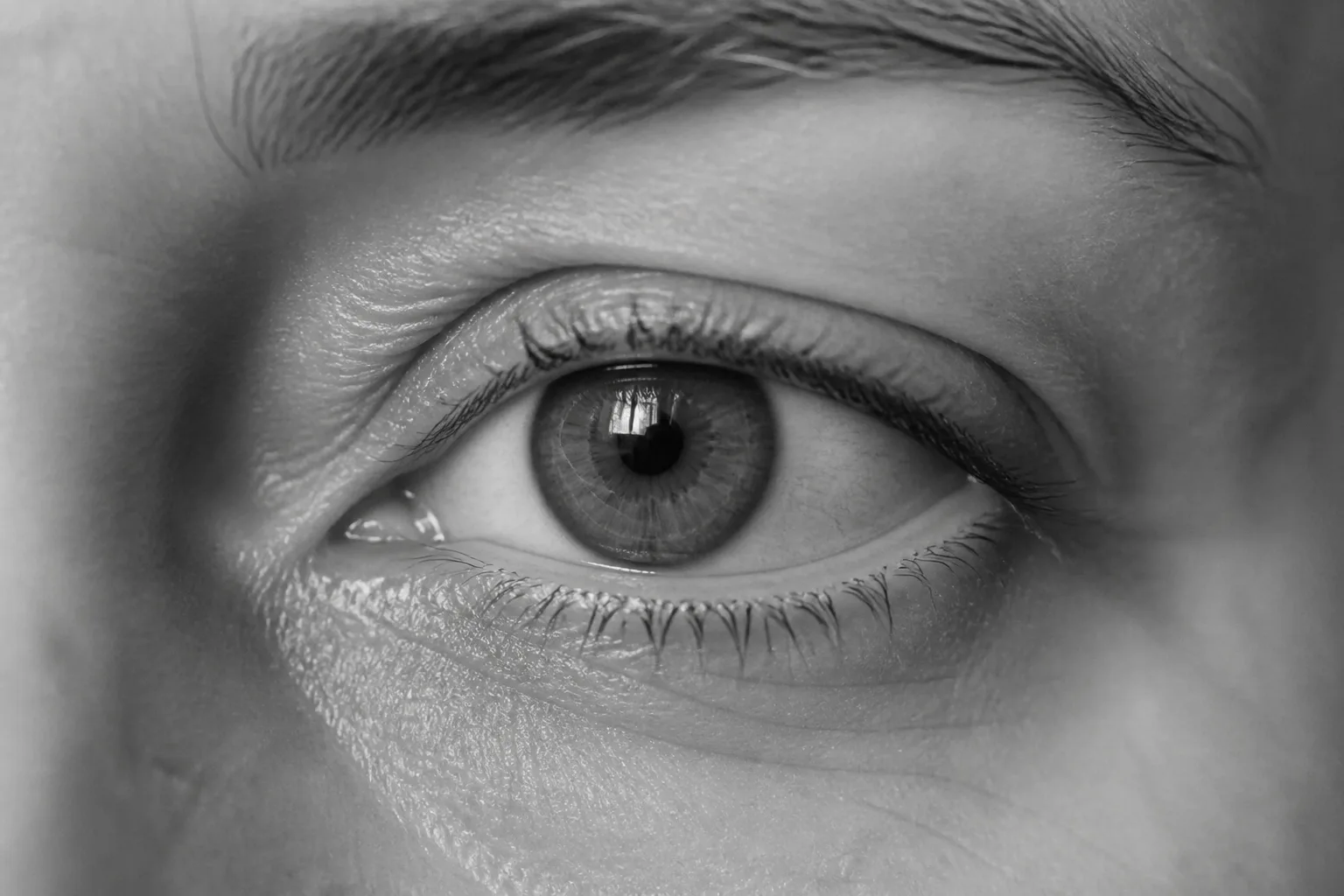
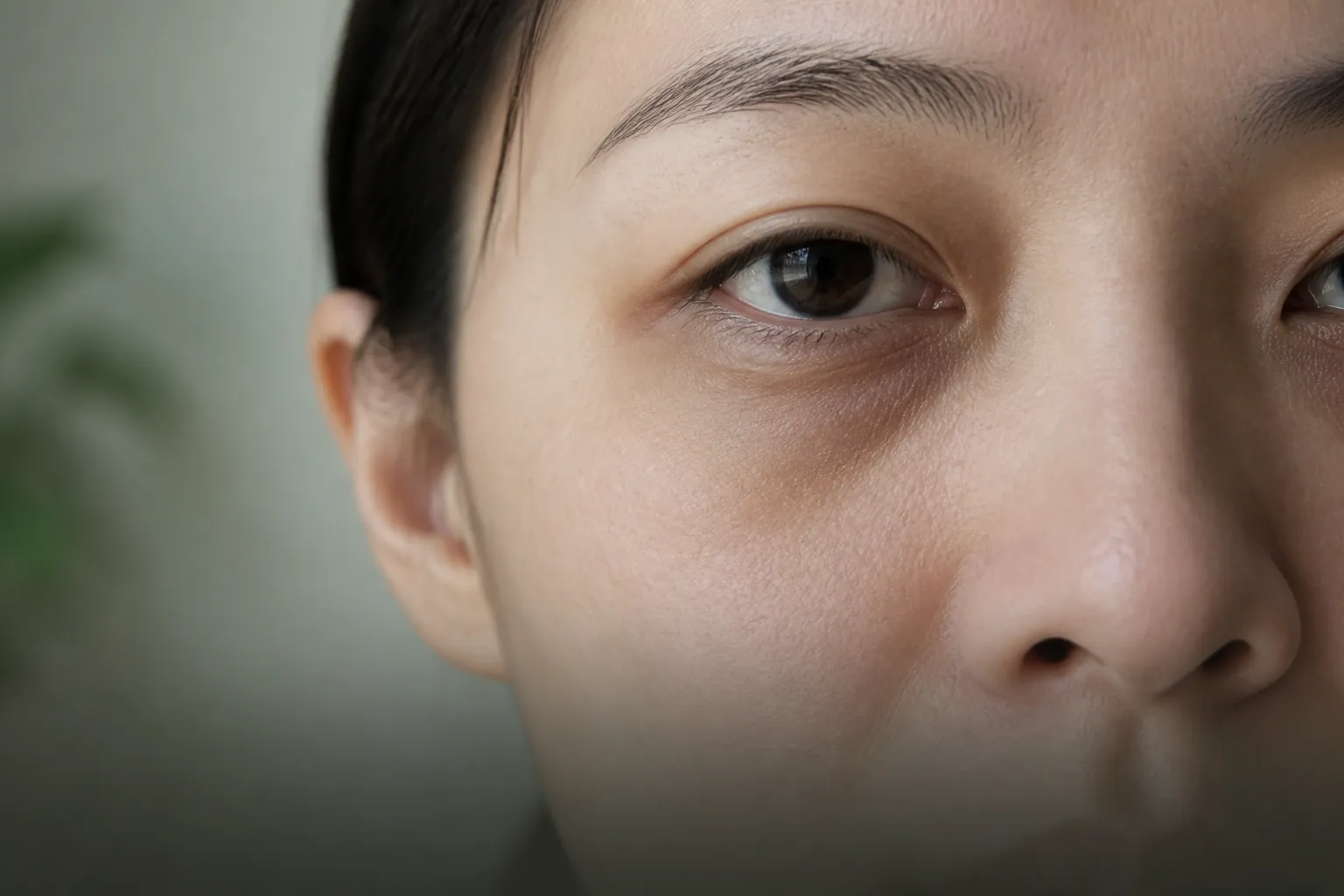
Close-up of dark under-eye circles on infraorbital skin

Insights · Eye Care

TCM for dark eye circles: causes, types & care

Under-eye darkening often stacks pigment, thin skin, or fluid. Eye-mapping, acupuncture, and home care usually fit once the pattern is named.

In brief

Dark eye circles darken the thin skin under or around the eyes. Circles are mainly a tone change; bags are fullness from fluid. Pathways include melanin, sun exposure, periorbital swelling, shallow vessels, and shadowing from skin laxity. Eye strain, stress, short sleep, and an oily or acidic diet often sit in the history. TCM eye-mapping reads tone, puffiness, and strain with pulse and tongue. Clinic care may combine eye and body acupuncture, facial Gua Sha, and acupressure. At home, use a warm cloth for 2–3 minutes without pressing the eye, then gently massage the temple and under-eye area.

01 · What they are

What are dark eye circles?

Periorbital · Circles vs bags

Dark eye circles present as darkening of the thin skin under or around the eye. Facial consults often start with aesthetic concerns; among pigmentary changes, under-eye darkening is one of the most common. Circles and bags can sit together, yet they are not the same problem.

Dark circles versus under-eye bags
Concern What you may notice Usual pathway
Dark circlesTone change Brown, blue, or purple shadow that stays when puffiness settles Melanin, sun, shallow vessels, or contour shadow
Under-eye bagsFullness Morning swelling or a heavy pad that softens through the day Fluid and drainage; often read with Spleen dampness in clinic

02 · Pathways

Pathways that form dark circles

More than one pathway can sit in the same face. These are the usual routes that point to a local or systemic irregularity.

Common pathways for under-eye darkening
Pathway What you may notice
Melanin depositionPigment load Brownish tone under or around the eye when melanin sits in the thin periocular skin.
Sun exposureUV load Extra pigment after unprotected sun on an already thin under-eye area.
Periorbital edemaFluid Morning puffiness or fluid that changes how light falls and how dark the area reads.
Superficial vasculatureShallow vessels Bluish or purplish tone when vessels show through thin skin.
Shadowing from skin laxityContour A hollow or softer under-eye casts a shadow even when pigment is mild.

Daily drivers that often sit beside these pathways include long hours of eye strain, stress, insufficient rest, and an oily or acidic diet.

03 · Why some get them

Why some people get them and some do not

Gut · Blood · Fluid

The gut and its system is a predisposing factor in how much daily habit shows on the face. When lifestyle stays unbalanced, blood, fluid, and oxygen flow can slow. Other organ systems then feel the strain, and clearer signs appear beside the under-eyes.

  • Fatigue that does not lift with a short rest
  • Head grogginess
  • Dry eyes
  • Flatulence
  • Cold extremities

04 · TCM view

How TCM reads dark eye circles

Eye-mapping · Liver Blood · Spleen

Eye-mapping means the physician reads under-eye tone, puffiness, dryness, and strain signs together with pulse, tongue, and questions about sleep, screens, digestion, and stress. The aim is to name the imbalance behind the surface change and support the skin from within, not only lighten pigment.

Clinic patterns often linked with under-eye change
Pattern How it may show
Liver Blood & Qi肝血 · 气 The eyes relate closely to Liver Blood and qi. Disharmony here can sit with dryness, strain, and under-eye dullness.
Spleen dampness脾虚湿 Weak Spleen function slows fluid transformation and drainage. Heavy under-eye bags and morning swelling often sit beside it.
Local Qi-Blood stagnation眼周气血 Stagnation around the periocular area can deepen bluish tone and a tired look even when sleep has improved.

See the Eye Care programme for how periocular acupuncture and Eye Gua Sha fit those patterns after consult.

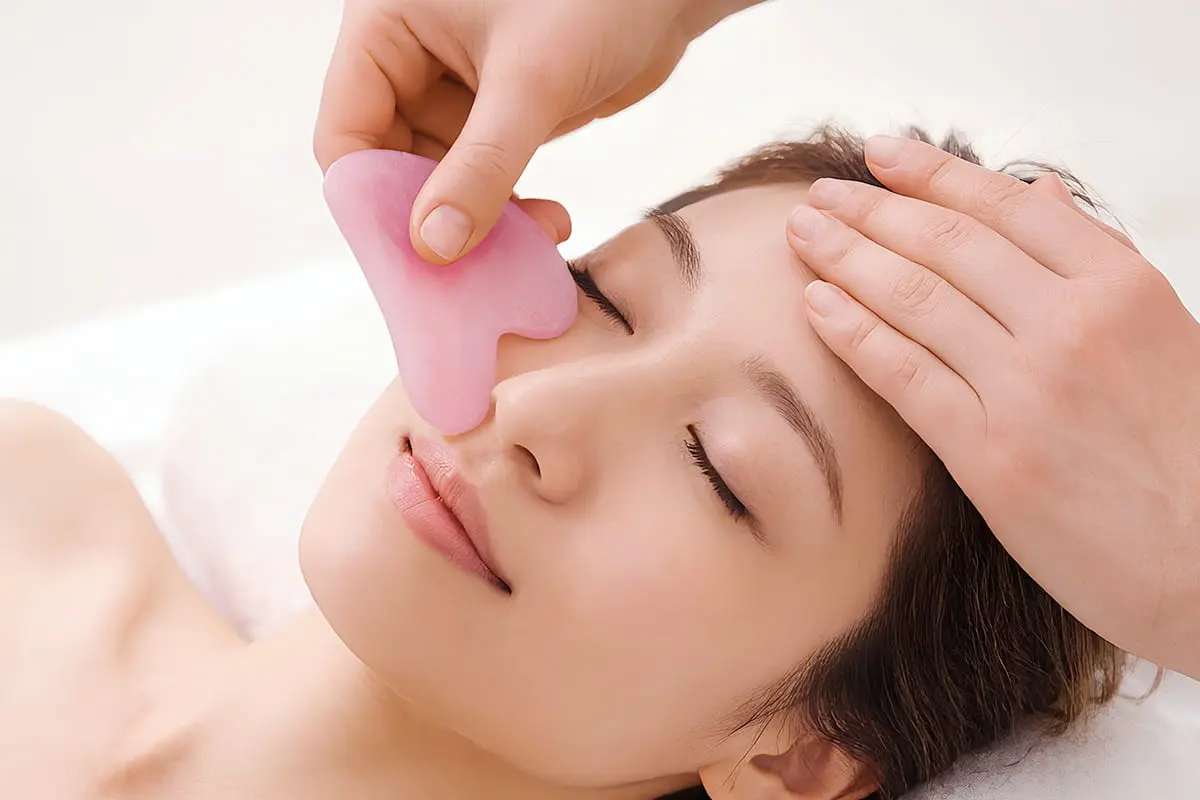
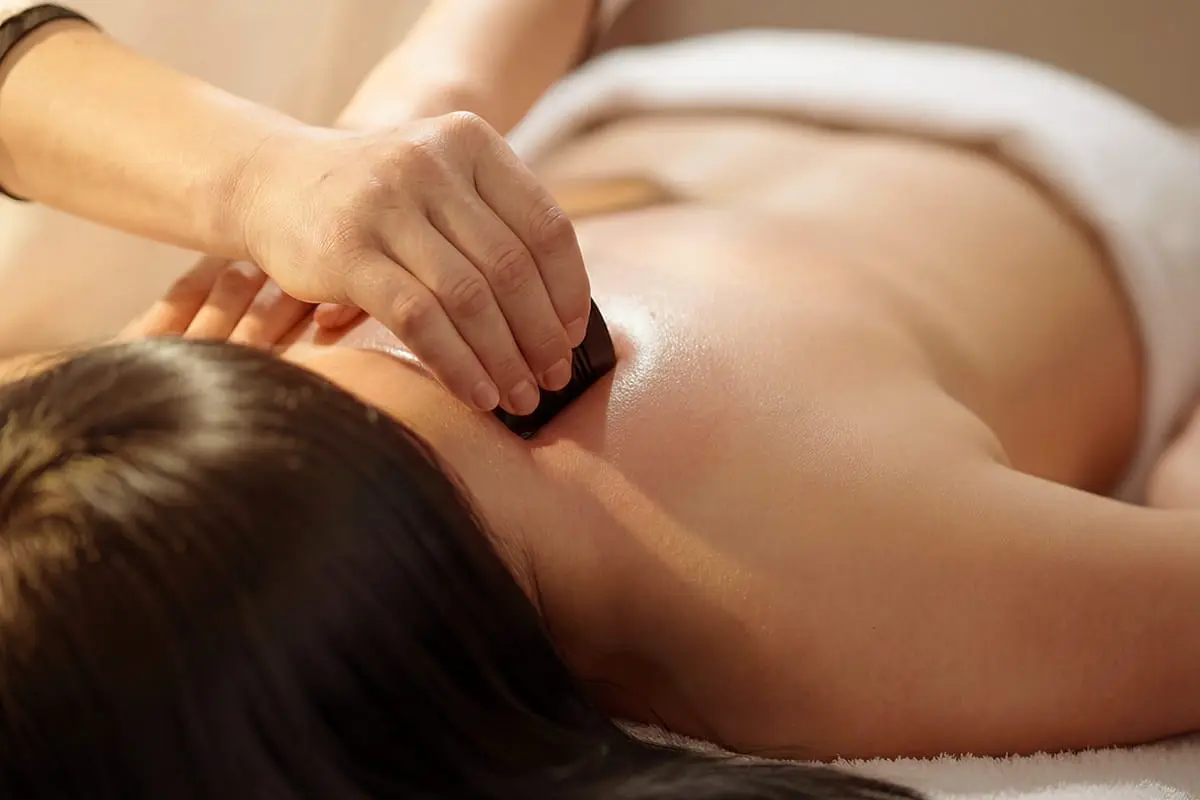
Gentle Eye Gua Sha along the under-eye and cheek for dark circles at PULSE TCM

05 · Clinic methods

How TCM can help with dark eye circles

Treatment typically combines local and whole-body methods once the physician has named the pattern. Mix and frequency follow your constitution, not a fixed pack for every face.

Clinic methods for dark under-eyes
Method What it does Where
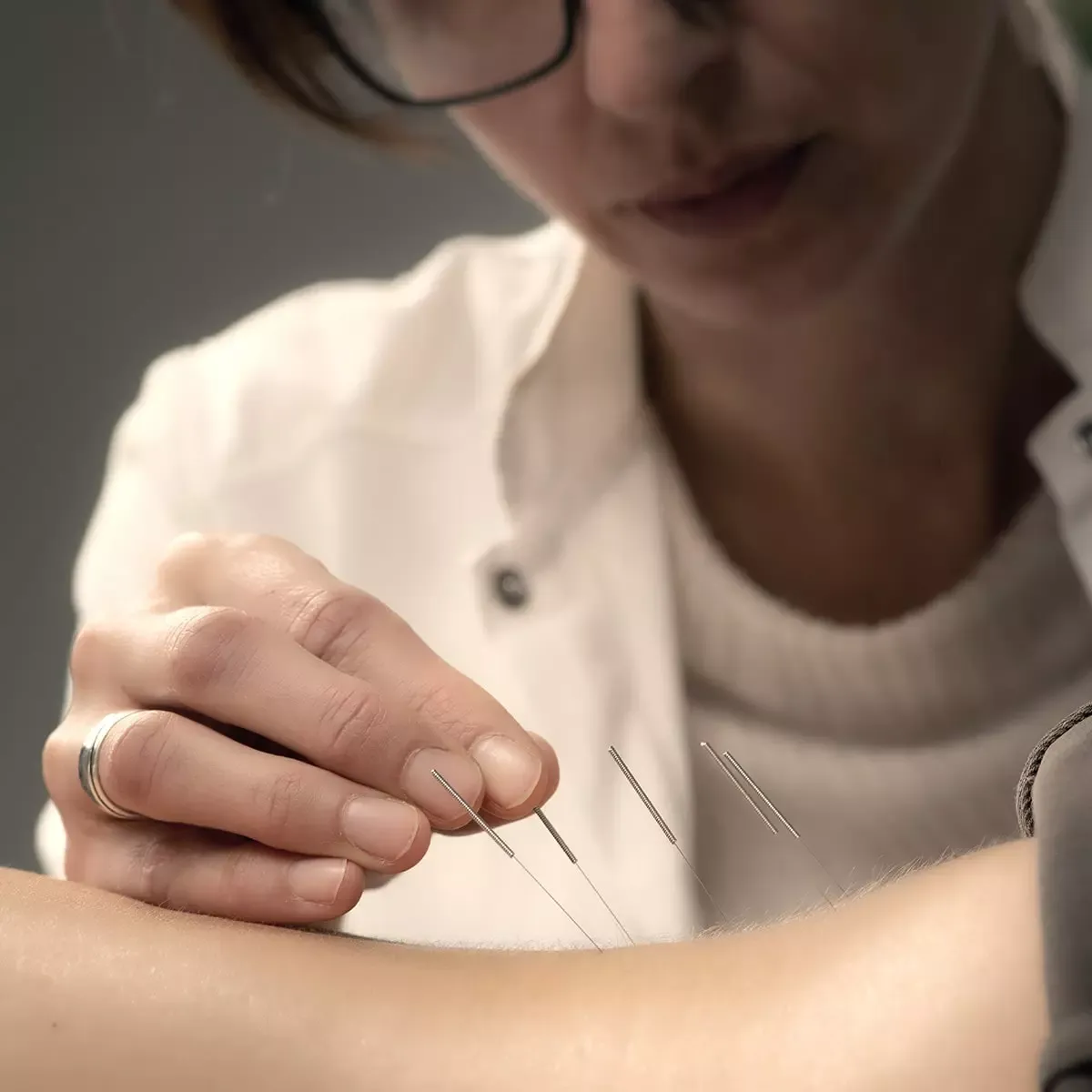
Eye and body acupuncturePeriocular + distal Needling around the eyes and selected body points to support circulation and the pattern behind the darkening. Clinic
Facial Gua ShaGentle scraping Soft instrument work on the face to encourage local flow when the physician judges the tissue ready. Clinic
AcupressurePress points Physician-guided pressure on points that match the pattern, sometimes taught as a short home routine. Clinic / guided home

When to book for dark under-eyes

Seek urgent Western care for sudden vision change, severe swelling, or unexplained bruising. If circles sit with fatigue, dry eyes, digestion change, or screen strain, or home habits alone do not shift the look, a physician can name the pattern and decide whether acupuncture, Gua Sha, or food shifts belong in your plan.

06 · Home care

What you can do for yourself

Start with local comfort, then protect sleep and food. These habits support the under-eye area while you address the pattern. They do not replace a consult when circles persist or sit with wider symptoms.

1. Warm cloth hydrotherapy

Place a warm cloth over closed eyes for 2–3 minutes at night. Do not press on the eyeball.

2. Temple and under-eye massage

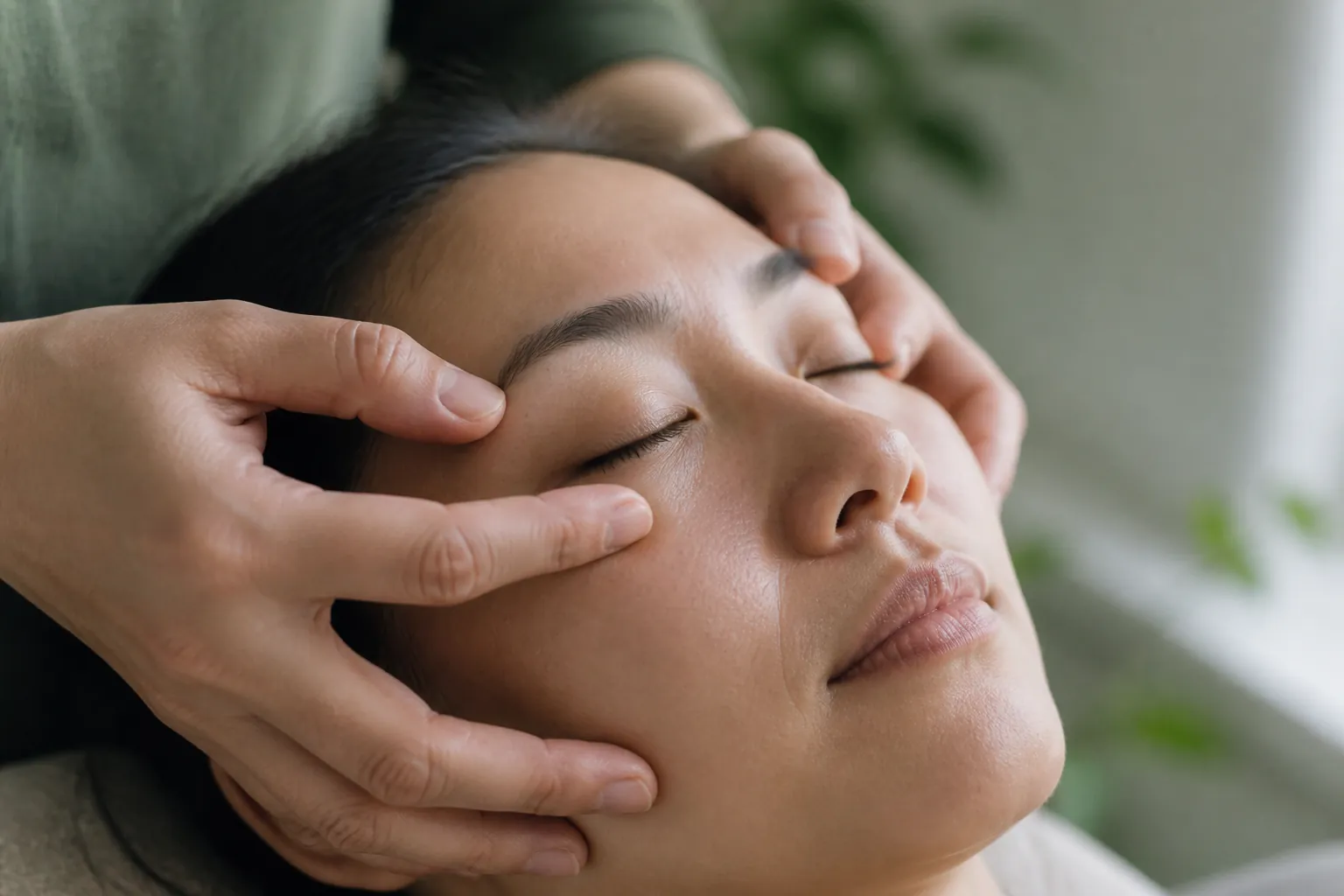
Gently massage the temple and under the eyes with clean hands. Keep pressure light on thin skin.

3. Sufficient sleep

Protect a full night. Short sleep is a common driver of under-eye darkening and morning puffiness.

4. Hydration

Drink enough water through the day so fluid and circulation are less likely to stagnate overnight.

5. Stress management

Ongoing stress slows recovery of blood and fluid flow. Build a short wind-down before sleep.

6. Balanced diet

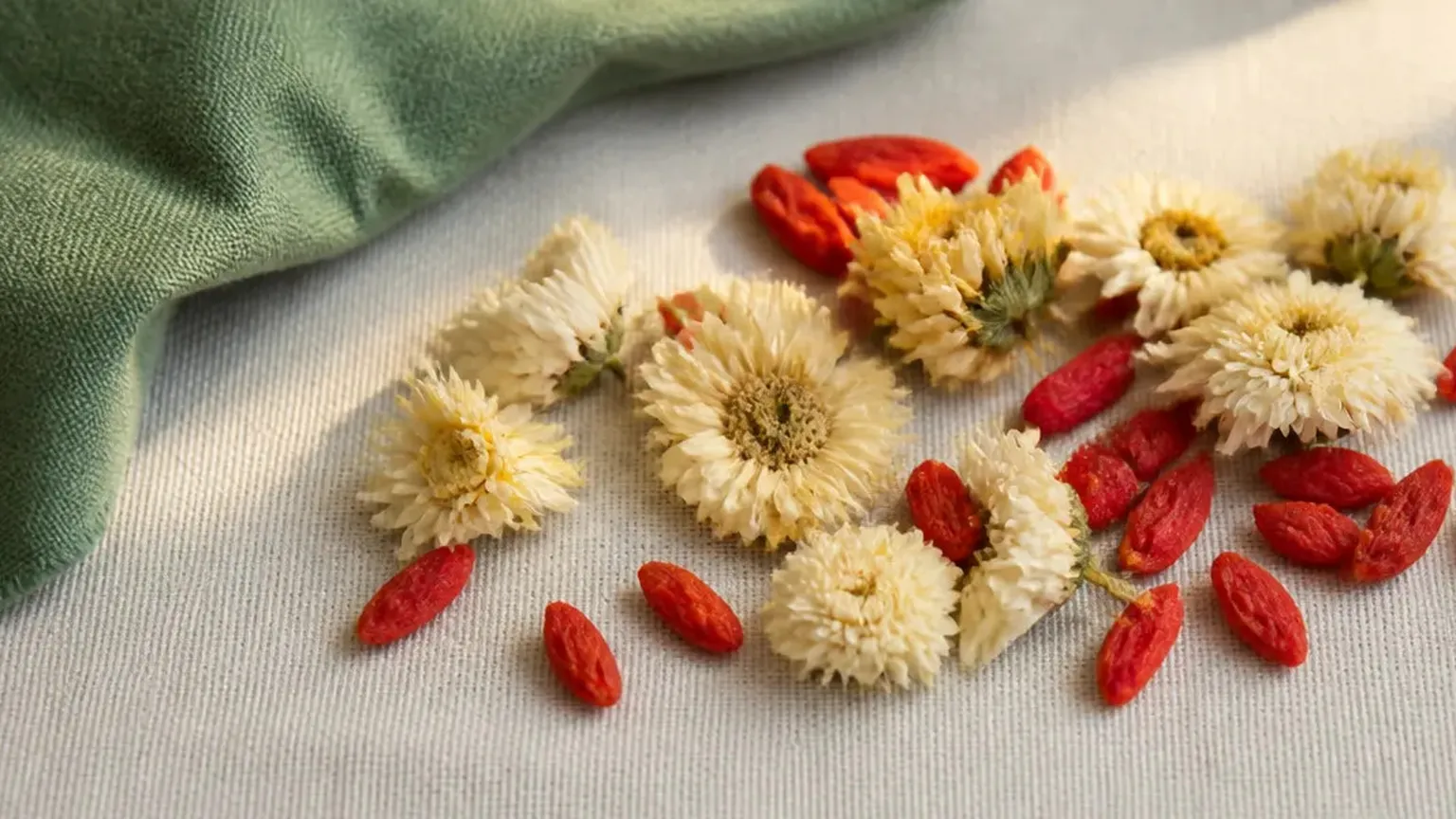
Include more fruits and vegetables. Ease oily and acidic foods that keep the gut and face inflamed. See heaty versus cooling for how Singapore kitchen habits stack Heat.

07 · Gentle massage

Temple and under-eye massage

Work the temple and the under-eye rim with light circular pressure. Stop if the skin reddens sharply or vision feels strained.

Light pressure only

Do not press into the eyeball. Skip massage over broken skin, active infection, or unexplained bruising until a physician has reviewed the area.

Light temple and under-eye massage for dark eye circles
Dr Sim Beng Joo

Clinically reviewed

Reviewed by Sim Beng Joo

Advisor (Science & Strategy) / Consultant Physician · TCMPB T1303003A

MOH-licensed TCM physician and biomedical scientist, with clinical work in digestion, pain, sleep or fatigue, and constitution patterns that show around the eyes and face.

View full profile

Educational information based on clinical experience and TCM principles. Not a substitute for personalised consultation, medical care, or urgent attention. Speak with your physician before starting herbs, scraping, or new self-care in pregnancy or with a chronic condition. Seek urgent care for sudden vision change, severe swelling, or unexplained bruising around the eyes. TCM complements dermatology and ophthalmology for pigment and vessel concerns.

FAQs

Questions, answered

Common questions before you change habits, try a warm cloth, or book a first visit.

What are periorbital dark circles?

Periorbital dark circles are homogeneous pigment macules on the thin skin under or around the eyes. They present as darkening of that infraorbital region. Several pathways can stack: pigment, sun, swelling, shallow vessels, and shadow from laxity.

What causes dark eye circles under the eyes?

Common pathways are melanin deposition, sun exposure, periorbital edema, superficial vasculature showing through thin skin, and shadowing when tissue softens. Daily drivers often include long eye strain, stress, short sleep, and an oily or acidic diet.

Are dark circles different from under-eye bags?

Yes. Circles are mainly a tone change (brown, blue, or purple shadow). Bags are fullness or morning swelling that often softens through the day. Fluid and drainage problems sit closer to bags; pigment and vessels sit closer to circles. Both can appear together, and a physician names which mix you have.

Is it melanin, vessels, swelling, or shadowing?

It can be more than one. Brownish tone often tracks melanin or sun load. Bluish or purplish tone can track shallow vessels. Morning puffiness points toward fluid. A hollow or soft under-eye can cast a shadow even when pigment is mild. A physician names which mix you have.

How does TCM view dark eye circles?

Eye-mapping reads under-eye tone, puffiness, dryness, and strain with pulse, tongue, and questions about sleep, screens, digestion, and stress. Clinic patterns often name Liver Blood and Qi disharmony, Spleen dampness that slows drainage, or local Qi-Blood stagnation around the eyes. Care aims to regain balance from within, not only lighten the skin.

Can lack of sleep alone cause dark circles?

Short sleep is a common driver, yet gut health and wider lifestyle also shape how much the under-eye area shows strain. When blood, fluid, and oxygen flow slow, other signs such as fatigue, head grogginess, dry eyes, flatulence, or cold extremities can appear beside the circles.

Does a warm cloth help dark under-eyes?

A warm cloth over closed eyes for 2–3 minutes at night can support local comfort when you do not press on the eyeball. Pair it with sleep, hydration, and gentle temple and under-eye massage. It is home support, not a substitute for pattern-based clinic care when circles persist.

When should I see a TCM physician for dark eye circles?

Book when under-eye darkening sits with fatigue, dry eyes, digestion change, or screen strain, or when home habits alone do not shift the look. Seek urgent Western care for sudden vision change, severe swelling, or unexplained bruising. TCM complements dermatology and ophthalmology.

How can the Eye Care programme help?

The Eye Care programme is physician-led care for screen strain, dark under-eyes, and puffiness. Plans may use periocular acupuncture, gentle Eye Gua Sha, and herbal support when indicated after consultation. Frequency and mix follow your pattern, not a fixed pack for every face.

References

Selected sources

  1. National Center for Complementary and Integrative Health. Traditional Chinese medicine: What you need to know. 2019. https://www.nccih.nih.gov/health/traditional-chinese-medicine-what-you-need-to-know/
  2. World Health Organization. Traditional, complementary and integrative medicine. https://www.who.int/health-topics/traditional-complementary-and-integrative-medicine
  3. Ministry of Health Singapore. TCM practitioners (Healthcare Professional Portal). https://hpp.moh.gov.sg/tcm-practitioners/
  4. American Academy of Ophthalmology. Dark circles under eyes. https://www.aao.org/eye-health/tips-prevention/bags-under-eyes
  5. HealthHub Singapore. Skin pigmentation. https://www.healthhub.sg/a-z/diseases-and-conditions/skin-pigmentation
  6. Original article author: Physician Victoria Tan.

Next step

Book a consult for dark under-eyes

Bring how long the circles have lasted, sleep and screen habits, and any dermatology or eye notes. We will name the pattern and decide what belongs in your plan. The Eye Care programme supports screen strain, dark under-eyes, and puffiness.

Hours
Most clinics daily 11:00 AM – 8:00 PM
Care
Physician-led consultation