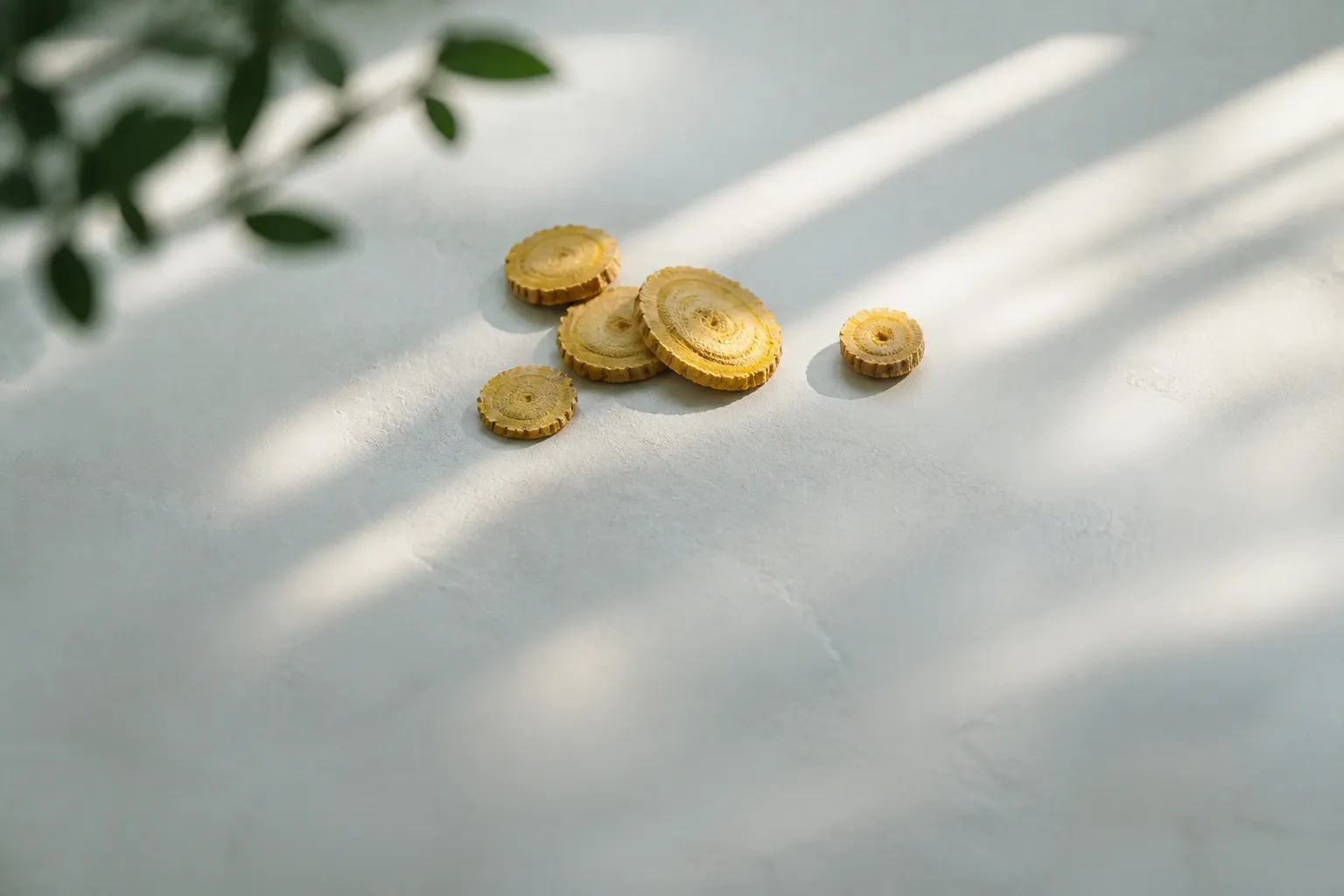
Huang Qin root slices for TCM cancer care at PULSE TCM

Insights · Opinion · General Health

Cancer: Role of TCM in Treatment and Prevention

Why host resilience matters when cancer cells keep outmanoeuvring single pathways, and where East-meets-West care can sit without competing goals.

In brief

Conventional oncology is strong at rapid disease control, yet tumour heterogeneity and treatment toxicity can leave patients too depleted to continue. TCM oncology prioritises the patient over the lesion, with debilitation recovery (补虚) as a core strength. Used alongside specialist care, it may help prepare for treatment, ease adjuvant strain, support post-treatment immunity, or improve quality of life in palliative stages.

01 · Biology

From hallmarks to host. Why single-pathway wins rarely last

In 2000, Hanahan and Weinberg published “The Hallmarks of Cancer,” naming six acquired capabilities of cells progressing toward malignancy: sustaining proliferative signalling, evading growth suppressors, resisting apoptosis, enabling replicative immortality, inducing angiogenesis, and activating invasion and metastasis. Those traits have guided much of modern oncology since.

Updates in 2011 and 2022 expanded the map further, adding traits such as reprogrammed metabolism, immune evasion, phenotypic plasticity, senescent cells, and enabling factors including genome instability, tumour-promoting inflammation, non-mutational epigenetic reprogramming, and polymorphic microbiomes. From six hallmarks to a denser set of key traits, the picture of how cancer cells keep a growth advantage has grown more detailed, and more incomplete.

Intensive discovery will continue. Cancer cells already use multiple-pathway and pathway-switching strategies to slip past the barriers we put in place. Even when growth is slowed, the pause can be temporary. Tumour heterogeneity, from divergent evolution within a neoplasm, fosters genomic instability and clonal diversity. That diversity sits behind much of drug resistance and relapse, and is why many interventions remain palliative rather than curative.

Heterogeneity also complicates detection. A biopsy, the basis for many treatment choices, may sample only a fraction of cells that do not represent the whole tumour. Living solutions that revive host immune capacity, as in CAR-T approaches, aim further ahead. The durable answer keeps circling back to a resilient host. That is also where TCM oncology can meaningfully complement contemporary medicine.

02 · East meets West

Complementary strengths, not competing ones

Stable alliances share goals and beliefs, and bring complementary, non-competing skills. Contemporary medicine has an expanding arsenal for a capricious disease landscape. Those tools can stop cancer growth in its tracks, yet may lose efficacy over time, and they work best when the patient’s general health remains intact enough to tolerate them.

Some patients, because of deteriorating condition or harsh adverse effects, must defer treatment. Those gaps are costly when cancer cells remain active. Orthodox options often elicit a rapid response and may also take a toll on general health, sometimes leaving the patient more vulnerable to other pathogens even after the disease is brought under control.

An NHK documentary once featured a Japanese university surgeon who referred a post-surgical gastric cancer patient who was anorexic, emaciated, and non-ambulatory to a Kampo practitioner. After a course of herbal treatment, the patient could eat his favourite udon and literally walk in the park. The prescription was Six Gentlemen Decoction (六君子汤), a TCM formula from the Han era.

TCM’s lack of disease-level specificity can look like a shortcoming. In that gap sits a strength. Effort is directed at the patient rather than only the disorder, so care is moderated and whole-person rather than fixed narrowly on the lesion. Uplifting well-being is prioritised over a binary win-lose against the disease. As a last resort, that may mean peaceful coexistence with cancer (与癌共存).

Debilitation recovery (补虚) is a distinctive forte across TCM modalities. Debilitation is read as imbalance among interrelated organ systems under the Five Elements concept, which guides diagnosis and shifting treatment permutations as the patient’s condition changes. When orthodox cancer treatment’s constructive destruction is paired with TCM’s work on recovery, clinicians and patients sometimes see outcomes that neither approach produces alone.

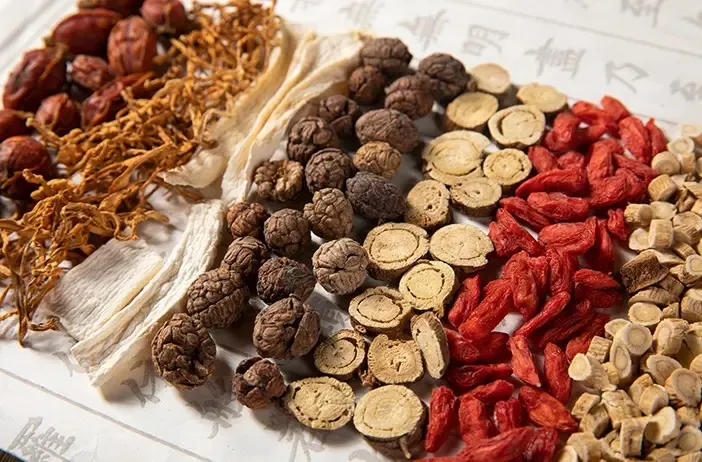
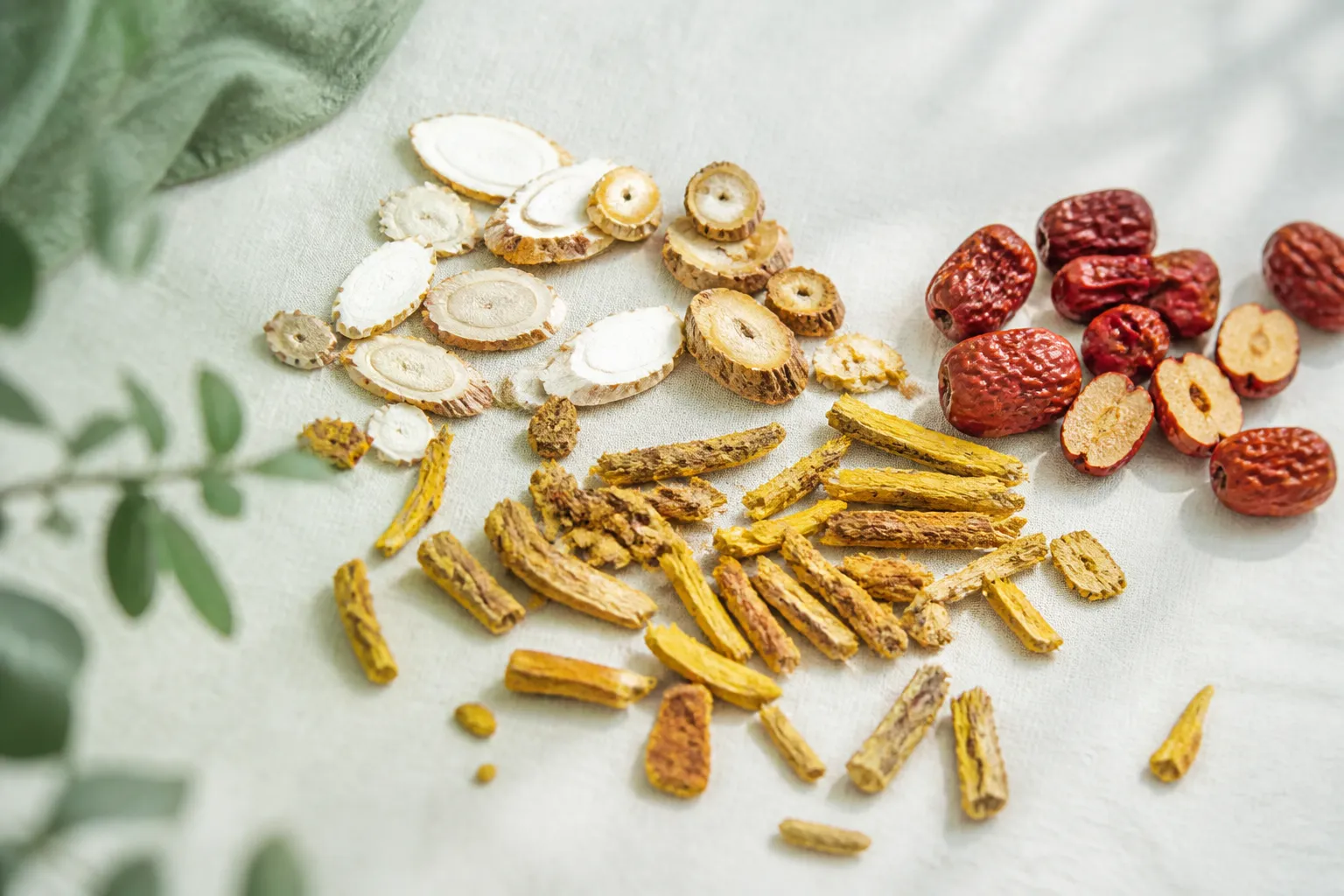
Dried Huang Qin and companion herbs for PHY906 decoction

03 · Research

PHY906: Huang Qin Decoction as an adjuvant

黄芩汤 · YIV-906

PHY906 is a pharmaceutical-grade Huang Qin Decoction (黄芩汤), a four-herb TCM formulation developed some 2,000 years ago.

Research on PHY906, published across pharmacology and oncology literature, is one example. For more than a decade, PHY906 has been studied for enhancing therapeutic indices of a range of anticancer agents in colorectal, liver, and pancreatic settings as an adjuvant to chemotherapy. A 2021 Nature Scientific Reports paper reported that YIV-906 (also known as PHY906) potentiated anti-PD1 action against hepatocellular carcinoma by supporting adaptive and innate immunity in the tumour microenvironment. In studied contexts, PHY906 reduced chemotherapy-induced toxicities and/or increased chemotherapeutic efficacy without altering the pharmacokinetics of the agents used.

Chinese herbal medicine at PULSE

04 · Stages

Four places TCM may sit beside modern care

These are practical staging aims when TCM is deployed with specialist oncology. Plans always depend on the patient’s reports, tolerance, and the oncology team’s advice.

1. Neo-adjuvant stage

Prepare the patient for mainstream treatment by supporting overall condition: immunity, vital fluids, Qi, and blood adequacy.

2. Adjuvant stage

Help the patient remain “treatment-worthy” through the regime by mitigating adverse effects where appropriate, supporting efficacy of orthodox care, easing chronic inflammation load, and sustaining immunity.

3. Post-treatment, before remission

Support maintenance dosing aimed at immunity alongside passive surveillance and reviews, with the goal of reducing relapse risk.

4. Palliative stage

Promote coexistence with cancer by improving quality of life and supporting lifespan when cure is no longer the primary aim.

05 · Choosing

How to choose a TCM counterpart for integrative care

On paper, an East-meets-West alliance looks ideal. In clinic, the two sides rarely confer on the same patient. The person with the most vested interest often becomes the matchmaker. Cancer is usually diagnosed in acute centres, so a specialist team is assigned from medical findings. The patient’s task is to find a TCM clinician who can hold a meaningful conversation with that team, with working knowledge of modern medicine, especially immunology and cancer biology.

Without watching that interaction, bring pathology reports, radiology, laboratory results, and discharge summaries to the first TCM consult. If the clinician treats those reports as irrelevant, integrative cancer care is unlikely. If commentary is missing or inconsistent with the wider picture, seek a second opinion before major herbal or treatment recommendations.

When to book oncology-support care

If you want TCM alongside specialist treatment, bring your reports and ask for a physician who can read them in context. Dr Kevin Tang’s clinical focus includes TCM oncology.

06 · Prevention

Prevention as maintenance, not magic

Cancer’s legacy stretches far beyond human history. Longer human lifespans have made its footprint more visible. Modern science has made real advances by rejuvenating immune capacity. The durable metaphor is still refurbishing the machine, not only chasing each new pathway.

Why wait for failure before acting? Two low-drama habits may help defer risk for some people: keeping a positive outlook, and supporting longevity practices that TCM has long treated as preventive maintenance. Murine models have linked higher happiness-related signalling, including dopamine, with better cancer outcomes in those settings. For “turning back the biological clock,” TCM’s longevity tradition is one place patients look. Neither path replaces screening, vaccination where indicated, or specialist advice.

Dr Kevin Tang

Clinically reviewed

Reviewed by Dr Kevin Tang

Consultant Physician · TCMPB T0502026E

MOH-licensed TCM physician with clinical work in TCM oncology, rehabilitation after oncological complications, pain management, and related complex patterns.

View full profile

Educational opinion based on clinical experience and TCM principles. Not a substitute for oncology, haematology, or other specialist medical care. TCM does not replace surgery, chemotherapy, radiotherapy, immunotherapy, or other conventional cancer treatments. Speak with your oncology team and a registered TCM physician before starting herbs or adjunctive care. Seek urgent care for acute symptoms, fever, bleeding, or emergencies.

FAQs

TCM and cancer care

Common questions before seeking integrative oncology support.

Can TCM sit alongside conventional cancer treatment?

Often, yes, when the oncology team agrees and the TCM physician reads the same reports. TCM may support host resilience, recovery from debilitation, and quality of life. It does not replace surgery, chemotherapy, radiotherapy, immunotherapy, or other specialist protocols.

What is PHY906 in TCM oncology research?

PHY906 (also studied as YIV-906) is a pharmaceutical-grade Huang Qin Decoction (黄芩汤), a four-herb formula. Research has explored it as an adjuvant that may reduce certain chemotherapy toxicities and support efficacy in specific cancer settings. It is not a consumer substitute for prescribed oncology care.

How should I choose a TCM partner for integrative cancer care?

Look for a clinician who can interpret your pathology, imaging, labs, and discharge notes in context, and who understands enough modern oncology to speak with your specialist team. If reports are dismissed or commentary is thin, get a second opinion before major recommendations.

Does TCM replace oncology care?

No. At PULSE, TCM oncology support is complementary. Acute cancer diagnosis and disease-directed treatment stay with your medical oncology team. Seek emergency care for fever, uncontrolled pain, bleeding, or sudden deterioration.

When should I book a TCM oncology-support consult at PULSE?

Book if you want TCM support while preparing for, enduring, or recovering from conventional treatment, or for palliative quality-of-life care. Bring recent specialist notes so plans stay coordinated. Ask for Dr Kevin Tang when oncology support is the focus.

References

Selected sources

  1. Hanahan D, Weinberg RA. The hallmarks of cancer. Cell. 2000;100(1):57–70. https://doi.org/10.1016/S0092-8674(00)81683-9
  2. Hanahan D, Weinberg RA. Hallmarks of cancer: the next generation. Cell. 2011;144(5):646–674. https://doi.org/10.1016/j.cell.2011.02.013
  3. Hanahan D. Hallmarks of cancer: new dimensions. Cancer Discov. 2022;12(1):31–46. https://doi.org/10.1158/2159-8290.CD-21-1059
  4. Tilton R, et al. Mechanism based quality control (MBQC) of herbal products: a case study YIV-906 (PHY906). Front Pharmacol. 2018;9:1324. https://doi.org/10.3389/fphar.2018.01324
  5. Lam W, et al. The four-herb Chinese medicine PHY906 reduces chemotherapy-induced gastrointestinal toxicity. Sci Transl Med. 2010;2(45):45ra59. https://doi.org/10.1126/scitranslmed.3001270
  6. Yang X, Lam W, Jiang Z, et al. YIV-906 potentiated anti-PD1 action against hepatocellular carcinoma by enhancing adaptive and innate immunity in the tumor microenvironment. Sci Rep. 2021;11:13482. https://doi.org/10.1038/s41598-021-91623-3
  7. National Center for Complementary and Integrative Health. Traditional Chinese Medicine: What You Need To Know. 2019. https://www.nccih.nih.gov/health/traditional-chinese-medicine-what-you-need-to-know/
  8. World Health Organization. Traditional, complementary and integrative medicine. https://www.who.int/health-topics/traditional-complementary-and-integrative-medicine
  9. Ministry of Health Singapore. TCM practitioners (Healthcare Professional Portal). https://hpp.moh.gov.sg/tcm-practitioners/

Book

Start with an oncology-support consult

Share your specialist notes and current treatment stage. We will match you with a suitable physician.

Hours
Most clinics daily 11:00 AM – 8:00 PM
Care
Physician-led consultation