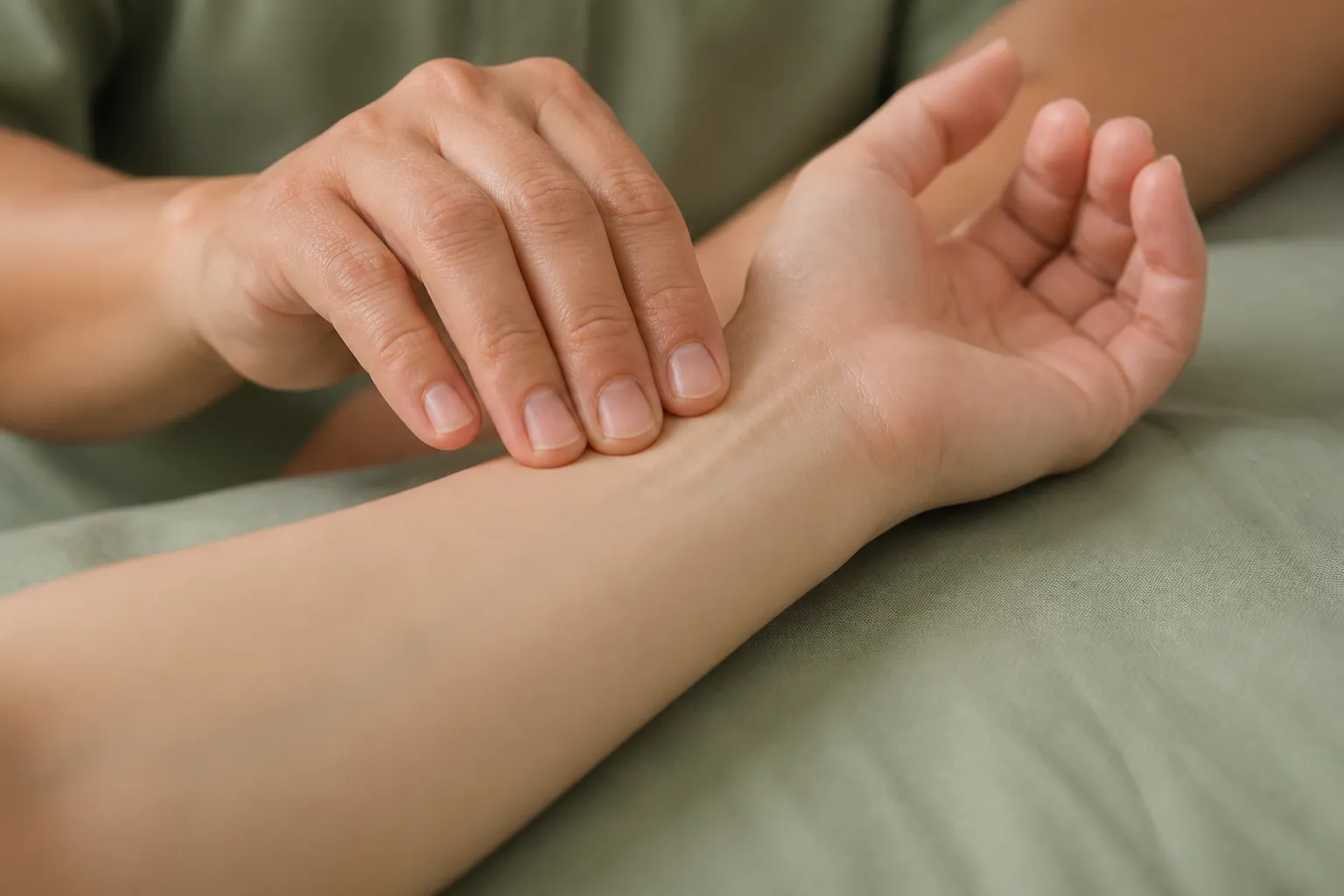
Hands taking a radial pulse during a TCM constitution consult at PULSE TCM

Insights · General Health

Understanding your body constitution

Why some people run cold while others flush, and why the same meal sits differently. TCM reads constitution so food and care can match the type.

In brief

Some people flush easily and run hot; others feel cold hands and feet and tire quickly. In TCM that lean is body constitution (体质): how you respond to climate, food, and stress, and which illnesses you tend to meet. Nine types (Wang Qi) sit under a simpler Neutral, Yang, and Yin read. Inborn traits are hard to rewrite; diet, sleep, and emotion still shift the dominant type. Mixed constitutions are common. Pulse and tongue decide. A quiz can suggest a type.

01 · Definition

What is a TCM body constitution?

先天 · 后天

Some people flush easily and run hot; others feel cold hands and feet and tire quickly. In TCM that lean is body constitution (体质): how your body tends to react to climate, food, and stress.

  • Inborn factors (先天): inherited traits from your parents. These predispositions are deeply ingrained and hard to rewrite.
  • Acquired factors (后天): diet, surroundings, emotion, and daily habits. These are the levers TCM works with.

Because genetics cannot be rewritten, clinic care places weight on acquired factors. Steady food, sleep, and climate habits can strengthen constitution and reduce the triggers that keep a pattern stuck.

02 · Personalised care

TCM as personalised medicine

Pattern · tongue · pulse

Two people can share a Western disease label and still need different TCM plans. Treatment follows the constitution underneath, not only the named illness.

  • Categorising and analysing symptom patterns.
  • Observing the colour and coating of the tongue.
  • Feeling the pulse at the radial artery to gauge internal health.

03 · Three classes

Hot, cold, or balanced?

A hot, cold, or balanced lean is a first filter. The nine types name it more closely. Mixed leans are common.

1. Neutral

Organs function well, with Yin and Yang in equilibrium. Steady immunity and a high natural resistance to illness. See Neutral (平和质).

2. Yang (heat lean)

Sweating easily, thirst, restlessness, and sensitivity to hot weather. Fevers, headaches, insomnia, or abscesses show up more readily. Start with Yin deficiency and damp-heat.

04 · Singapore

Why mixed constitutions are common here

Climate · AC · iced drinks

A hot, humid climate stacked with long hours in cold rooms and iced drinks often produces mixed signs: tired and still breaking out, or a sore throat with cold feet.

  • Air-conditioning: long cold rooms can feed a Yang-deficient or Qi-deficient lean even in a heatwave.
  • Iced drinks and raw food: bubble tea, salads, and cold desserts add cold load on digestion.
  • Humidity: damp-heat and phlegm-dampness flare more in monsoon months.
  • Mixed types: Qi deficiency with damp-heat is a frequent clinic picture. Pulse and tongue decide which food nature fits.
Hands holding a phone showing a yin-yang for a TCM body constitution quiz at PULSE TCM

P:TTERN

What is your TCM body type?

Find out with this simple quiz.

05 · Nine types

Nine TCM body constitution types (九种体质)

Mixed types are common. Pulse and tongue decide which food nature fits.

Nine TCM body constitution types
Type Typical signs Food and habits
Neutral (平和质)The balanced state. Steady energy, healthy complexion, normal sleep and appetite, strong immunity
  • Balanced meals; avoid extremes of very hot or very cold food
  • Regular routine and moderate daily exercise
Qi deficiency (气虚质)Defensive energy runs low. Easy fatigue, shortness of breath, pale complexion, frequent colds
  • Warm, easy-to-digest foods such as oats, chicken, and yam
  • Gentle walking or tai chi; avoid overexertion
Yang deficiency (阳虚质)Not enough internal fire. Aversion to cold, cold hands and feet, pale complexion, preference for hot drinks
  • Warming foods such as ginger, lamb, and cinnamon; skip raw or icy food
  • Keep the body warm; take regular sunlight on the back
Yin deficiency (阴虚质)Cooling fluids run low. Dry mouth and throat, easy flushing, night sweats, irritability
  • Moistening foods such as pear and lily bulb; ease off spicy or fried food
  • Sleep before 11 pm; avoid hot rooms and intense workouts
Phlegm and dampness (痰湿质)Fluids transform slowly. Heaviness, sluggishness, oily skin, sticky mouth, easy weight gain
  • Light, fluid-draining foods such as barley and radish; ease off sweets and grease
  • Exercise vigorously enough to sweat; avoid damp rooms
Damp-heat (湿热质)Sluggish fluids plus internal heat. Acne-prone skin, bitter taste, bad breath, irritability, heavy heat
  • Clearing foods such as mung bean and celery; skip alcohol and spice
  • Breathable fabrics; keep rooms cool and well ventilated
Blood stasis (血瘀质)Circulation moves poorly. Dull or dark complexion, dark circles, easy bruising, dark spots, sharp local pain
  • Blood-moving foods such as hawthorn, black wood ear, and rose tea
  • Regular cardio; avoid sitting for long stretches
Qi stagnation (气郁质)Qi sticks, often with stress. Mood swings, anxiety, frequent sighing, a lump-in-throat feel
  • Qi-moving foods such as citrus, onion, and jasmine tea
  • Stress relief, deep breathing, and time in nature
Special constitution (特禀质)Inherited sensitivity. Allergies such as hay fever, asthma, or eczema; strong seasonal sensitivity
  • Bland diet; skip personal allergens and stimulating foods such as shellfish
  • Keep living spaces clean and dust-free; adapt to seasonal temperature shifts

06 · Food therapy

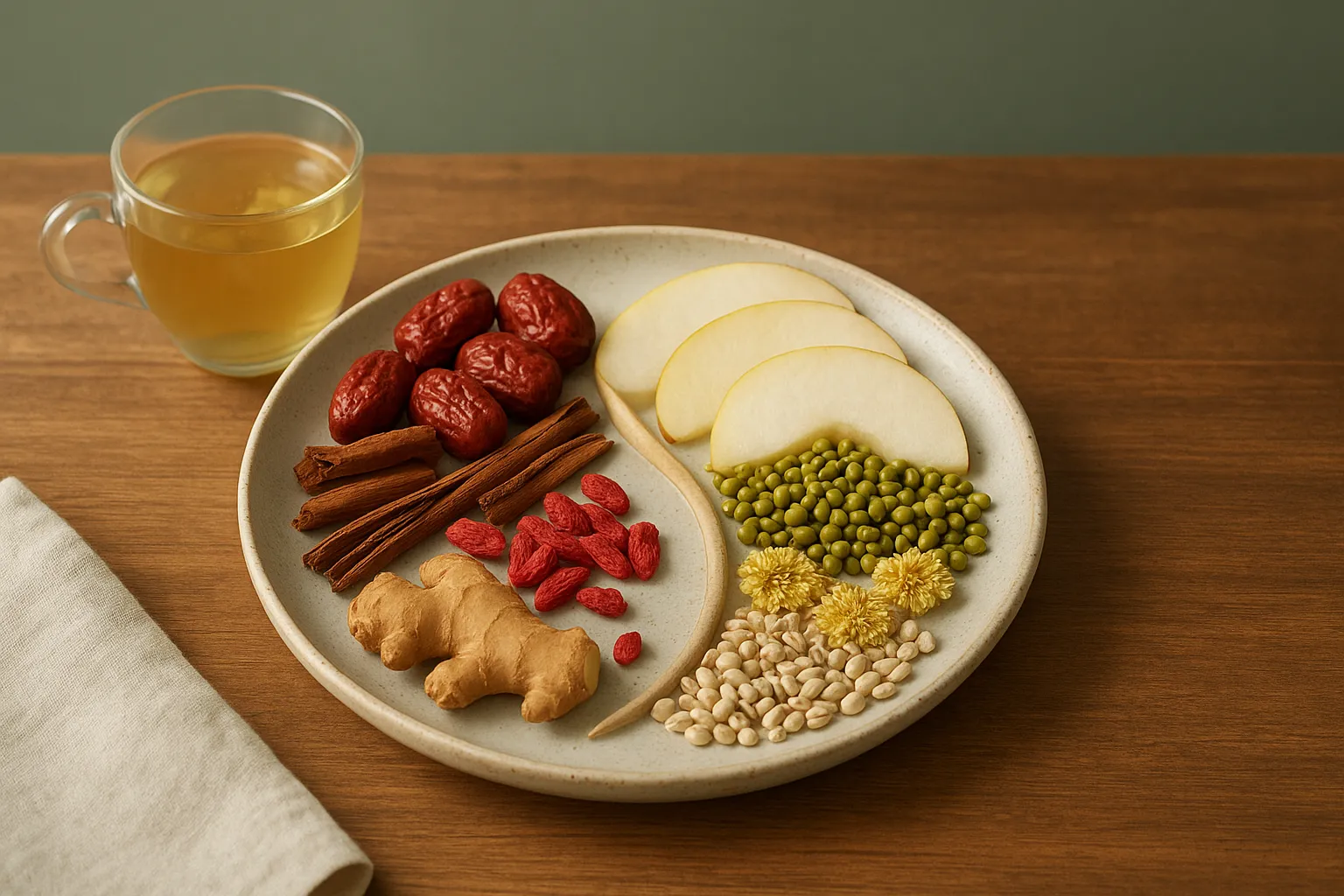
What may help, matched to the type

Food therapy supports the pattern.

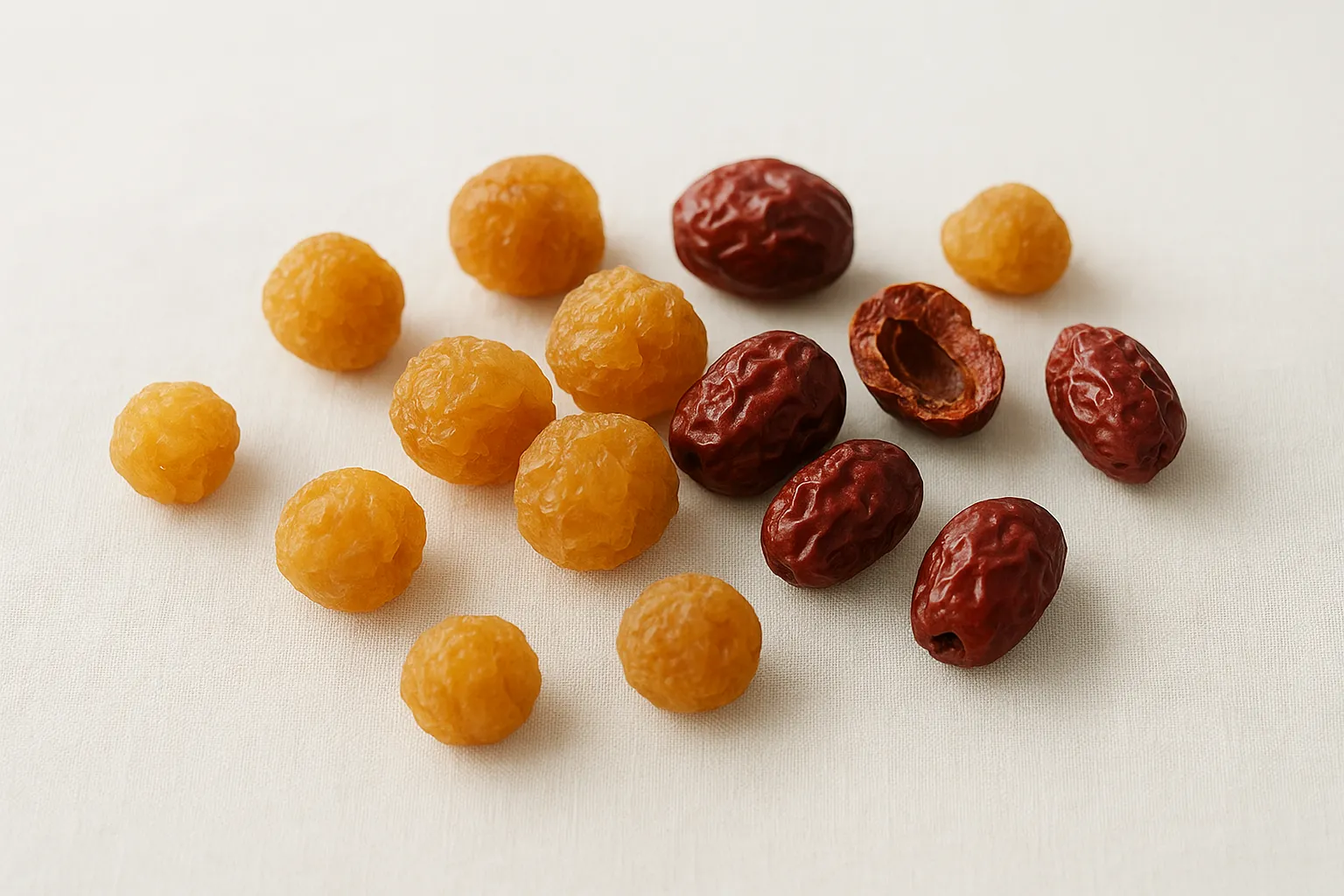
Dried red dates and longans for tea at PULSE TCM

Qi deficiency · 气虚质

Red date longan tea

Red dates and longan are a classic brew for Blood and Qi when energy and colour run thin.

Make the red date longan tea
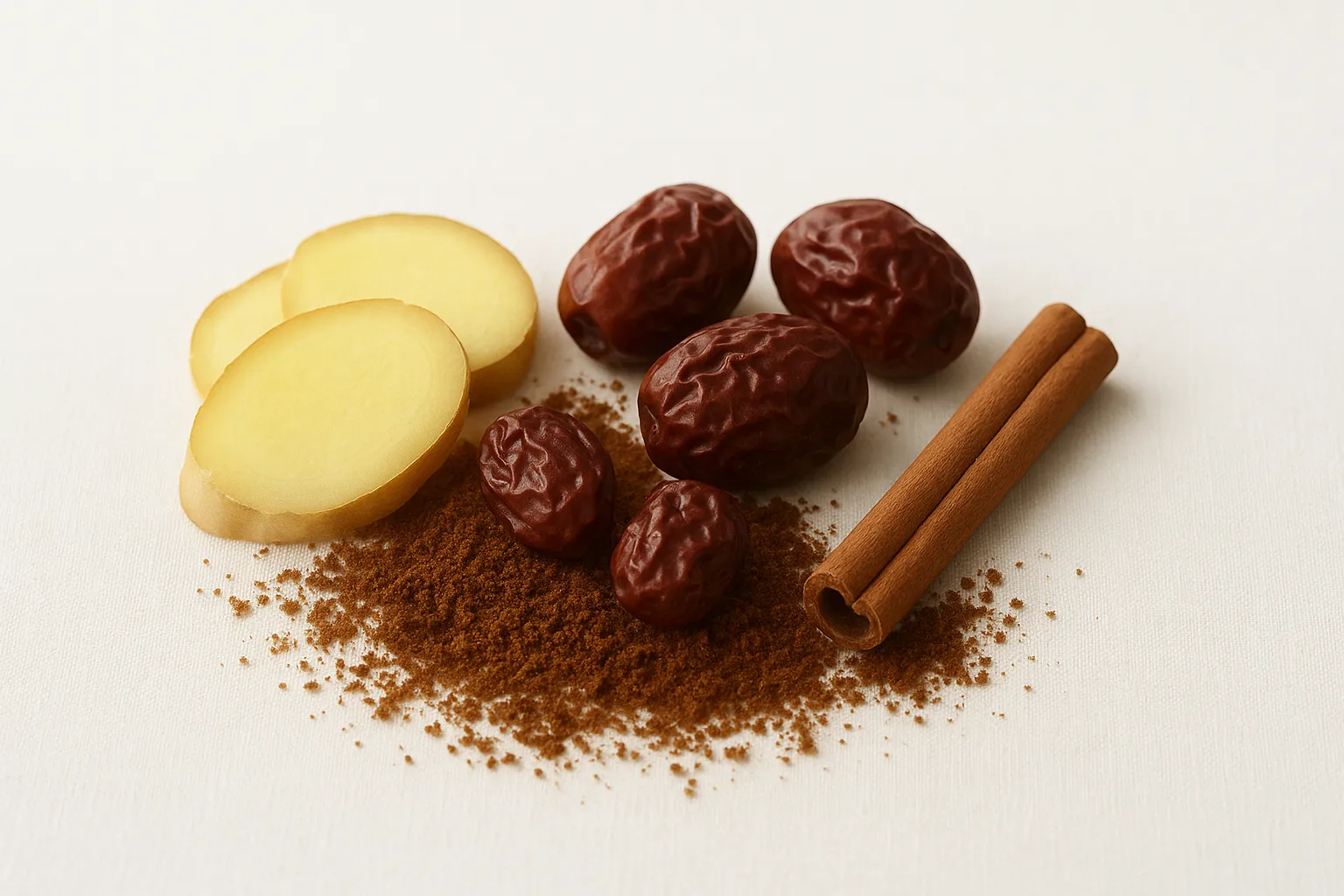
Ginger, red dates, cinnamon, and brown sugar for tea at PULSE TCM

Yang deficiency · 阳虚质

Cinnamon ginger tea

Ginger with cinnamon and red dates is a short warming brew when hands and feet stay cold.

Skip raw salads and iced drinks. If you run heaty (sore throat, strong thirst, facial flushing), ask a physician before daily warming brews.

Make the cinnamon ginger tea
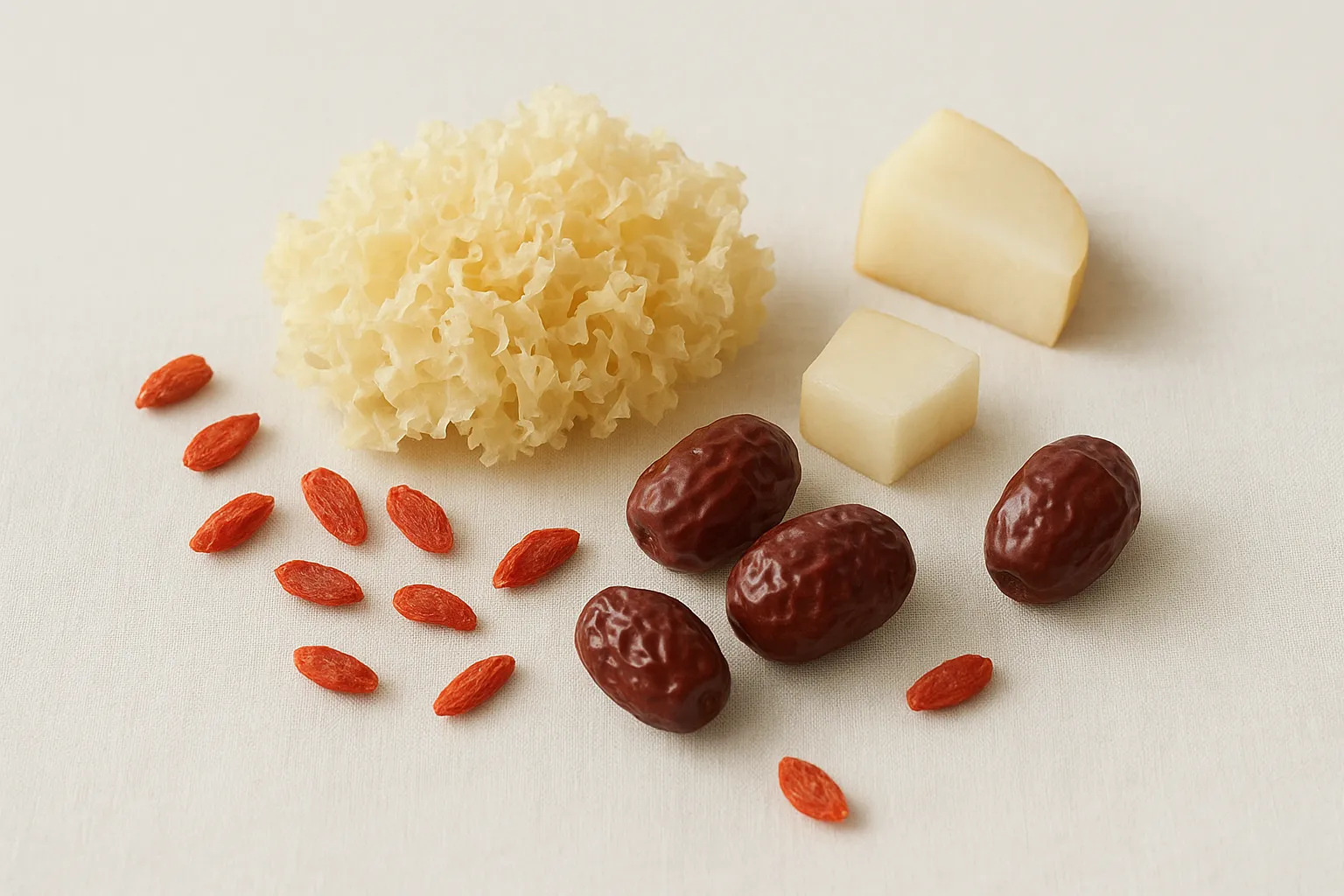
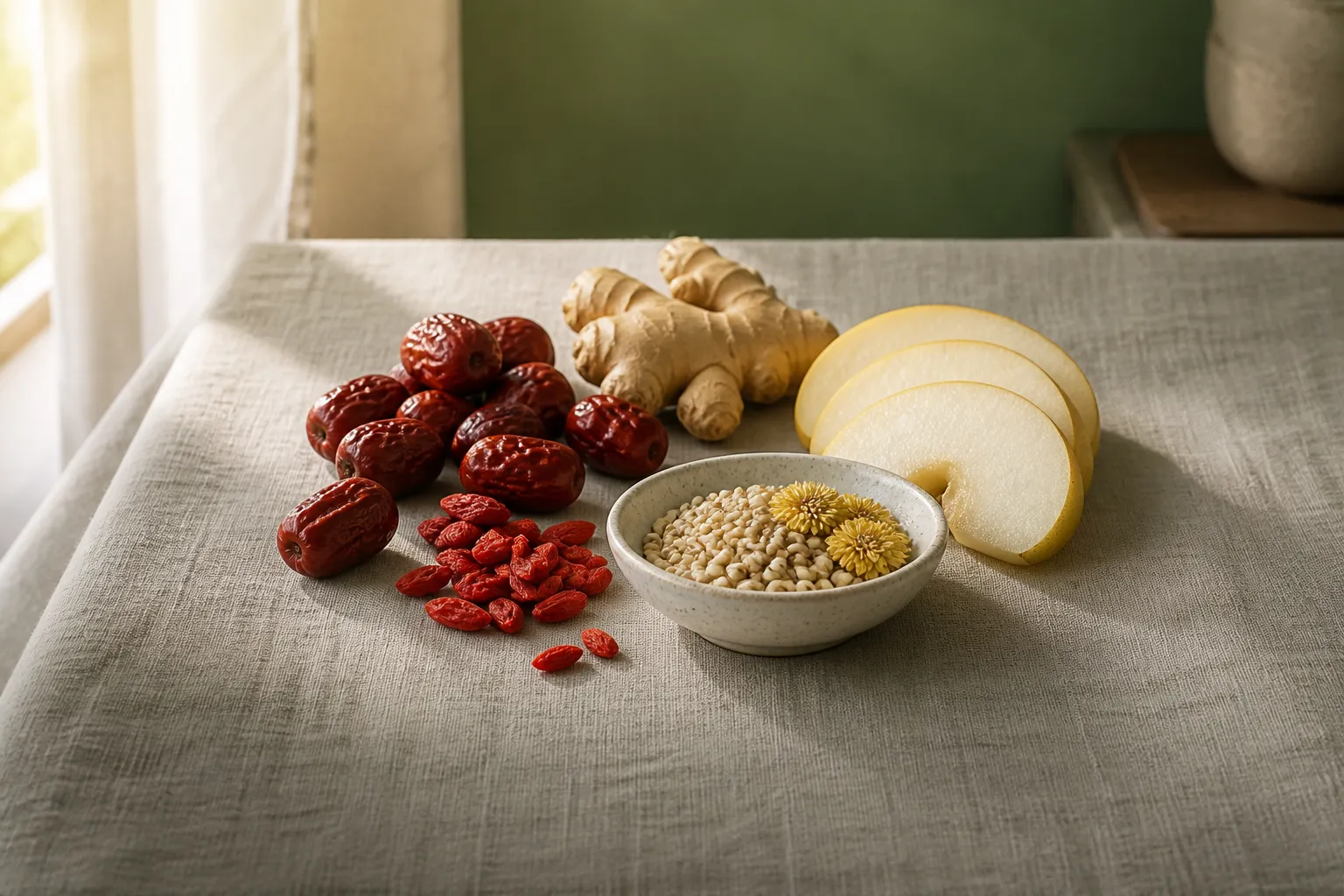
Dried snow fungus, pear, goji, and red dates for soup at PULSE TCM

Yin deficiency · 阴虚质

Snow fungus soup with pears

Snow fungus with pear, goji, and red dates is a moistening pot when dryness and empty heat sit together.

Make the snow fungus pear soup
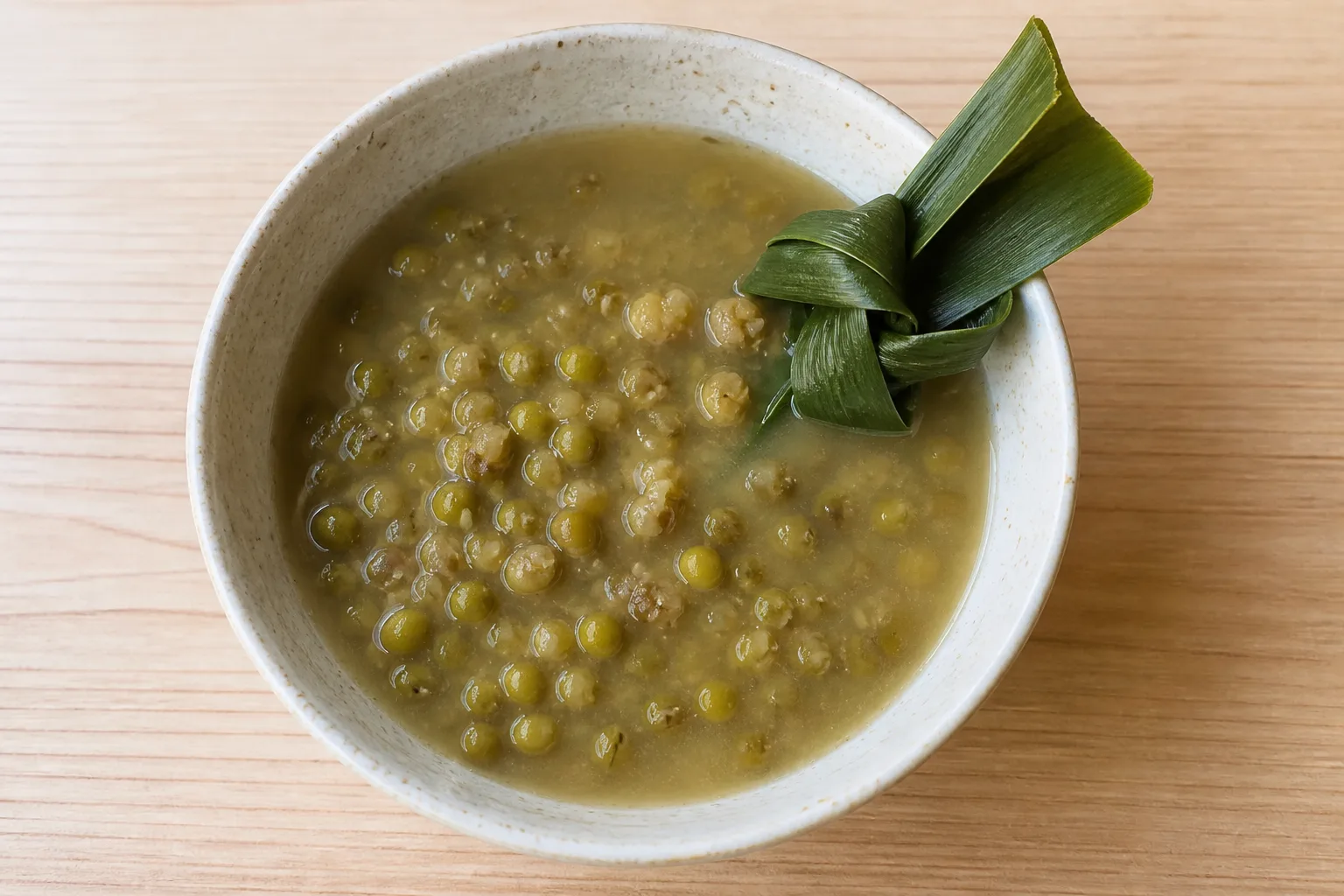
Bowl of mung bean soup with pandan

Damp-heat · 湿热质

Cooling mung bean soup

Mung bean (green bean) soup with pandan is a classic clearing pot when diet heat and damp-heat stack up.

Skip alcohol and spice. Ease off or stop if stools loosen.

Make the mung bean soup
Dr Sim Beng Joo

Clinically reviewed

Reviewed by Sim Beng Joo

Advisor (Science & Strategy) / Consultant Physician · TCMPB T1303003A

MOH-licensed TCM physician and biomedical scientist, with clinical work in digestion, pain, sleep or fatigue, and constitution patterns that show as heaty or cooling signs, dampness, or everyday sub-health.

View full profile

Educational information based on clinical experience and TCM principles. Not a substitute for personalised consultation, medical care, or urgent attention. Speak with your physician before starting herbs, strong warming or cooling foods, or new self-care in pregnancy, with allergies, or with a chronic condition. Seek urgent care for high fever, severe pain, or acute illness. An online quiz is orientation, not a diagnosis.

FAQs

Constitution questions

Common questions before you change food or book a first visit.

Can my TCM body constitution change over time?

Yes. While your baseline constitution is heavily influenced by genetics (inborn factors), your dominant constitution can shift throughout your life. Ageing, major life events (like pregnancy or severe illness), changing your diet, chronic stress, or moving to a different climate can all cause your body constitution to change over time.

Is it possible to have a mix of different body constitutions?

Absolutely. While TCM categorises body types into nine distinct groups for easier understanding, human bodies are complex. It is very common for an individual to exhibit a “complex constitution,” which is a mix of two or more types. For example, a person can be both Qi deficient and have damp-heat simultaneously. A licensed TCM physician is trained to untangle these overlapping symptoms.

How long does it take to rebalance or improve my body constitution?

Because body constitutions are built over a lifetime of habits and genetics, rebalancing is a gradual process. Mild imbalances may see improvement within a few weeks of consistent acupuncture, herbal medicine, and lifestyle adjustments. However, deeply rooted or chronic imbalances may take several months of dedicated TCM treatment and dietary changes to achieve a “Neutral” state.

How do seasonal changes affect my TCM body type?

Different constitutions react differently to seasonal shifts. For example, individuals with a Yang deficient (cold-prone) constitution often experience worsened symptoms during winter or rainy monsoon seasons, while those with a damp-heat constitution may struggle most during hot, humid summer months. Understanding your constitution helps you pre-emptively adjust your diet and lifestyle before the seasons change.

Does age or gender influence my body constitution?

Yes. From a TCM perspective, men and women often lean toward different physiological balances. Women’s health is closely tied to Blood, making them more prone to Blood stasis or Blood deficiency, while men’s health is often tied to Qi. Additionally, as we age, our natural Yin and Yang energies naturally deplete, which is why older adults frequently develop Qi deficient or Yin deficient constitutions.

Can I accurately self-diagnose my body constitution using online quizzes?

While online quizzes can give you a generalised idea of your current imbalances, they cannot replace a clinical diagnosis. Many symptoms overlap across different constitutions (e.g., fatigue can be a symptom of Qi deficiency, damp-heat, or Qi stagnation). A TCM physician relies on tongue and pulse analysis, nuances that a quiz cannot measure, to provide a safe and accurate diagnosis.

Should I eat specific foods for my body constitution?

Food therapy is a massive pillar of TCM. Once you know your constitution, your diet should ideally counterbalance your imbalances. For instance, someone with a Yin deficient (excess internal heat or dryness) constitution should avoid spicy, fried foods and instead consume cooling, nourishing foods like cucumber, pear, and lily bulb. A targeted diet prevents acquired factors from worsening your condition.

Can improving my body constitution help with stubborn issues like weight gain or acne?

Yes. In TCM, surface-level issues like stubborn weight or chronic adult acne are seen as manifestations of internal imbalances (often linked to phlegm-dampness or damp-heat). By treating the root body constitution rather than just the surface symptoms, TCM aims to naturally clear up the skin and improve metabolism as a byproduct of overall internal harmony.

References

Selected sources

  1. Wang Q. Classification of 9 basic TCM constitution types and their diagnostic basis. Journal of Beijing University of Chinese Medicine. 2005;4:1–8. https://scholar.google.com/scholar?q=Wang+Q+2005+Classification+of+9+basic+TCM+constitution+types+and+their+diagnostic+basis
  2. 王琦. 9种基本中医体质类型的分类及其诊断表述依据. In: 中医药优秀论文选(上). 北京中医药大学; 2009. p. 226–236.
  3. Wang Q, Zhu Y. Classification and determination of constitution in TCM (ZYYXH/T157–2009). World Journal of Integrated Traditional and Western Medicine. 2009;4(4):303–304. https://scholar.google.com/scholar?q=Wang+Q+Zhu+Y+Classification+and+determination+of+constitution+in+TCM
  4. National Center for Complementary and Integrative Health. Traditional Chinese medicine: What you need to know. 2019. https://www.nccih.nih.gov/health/traditional-chinese-medicine-what-you-need-to-know/
  5. World Health Organization. Traditional, complementary and integrative medicine. https://www.who.int/health-topics/traditional-complementary-and-integrative-medicine
  6. 国家中医药局. 中医体质分类与判定. 国家标准项目 – 全国标准信息公共服务平台. 2023.
  7. Ministry of Health Singapore. TCM practitioners (Healthcare Professional Portal). https://hpp.moh.gov.sg/tcm-practitioners/
  8. Li H, Lu J, Jie F, et al. Traditional Chinese medicine-based pattern differentiation system of deficiency and excess using traditional Chinese medicine-based inspection characteristics. Science Progress. 2025. https://doi.org/10.1177/00368504251386320
  9. 河北省卫生健康委员会. 中医体质分类与判定有了国家标准 GB/T 46939-2025. 2026. https://wsjkw.hebei.gov.cn/zwyw/416821.jhtml
  10. Original article author: Physician Benjamin Xiao.

Next step

Ready for a constitution read?

Bring how you sleep, what you eat, and whether you run hot, cold, or heavy. We will name the pattern in plain language and decide whether food guidance, herbs, or acupuncture belong in your plan.

Hours
Most clinics daily 11:00 AM – 8:00 PM
Care
Physician-led consultation