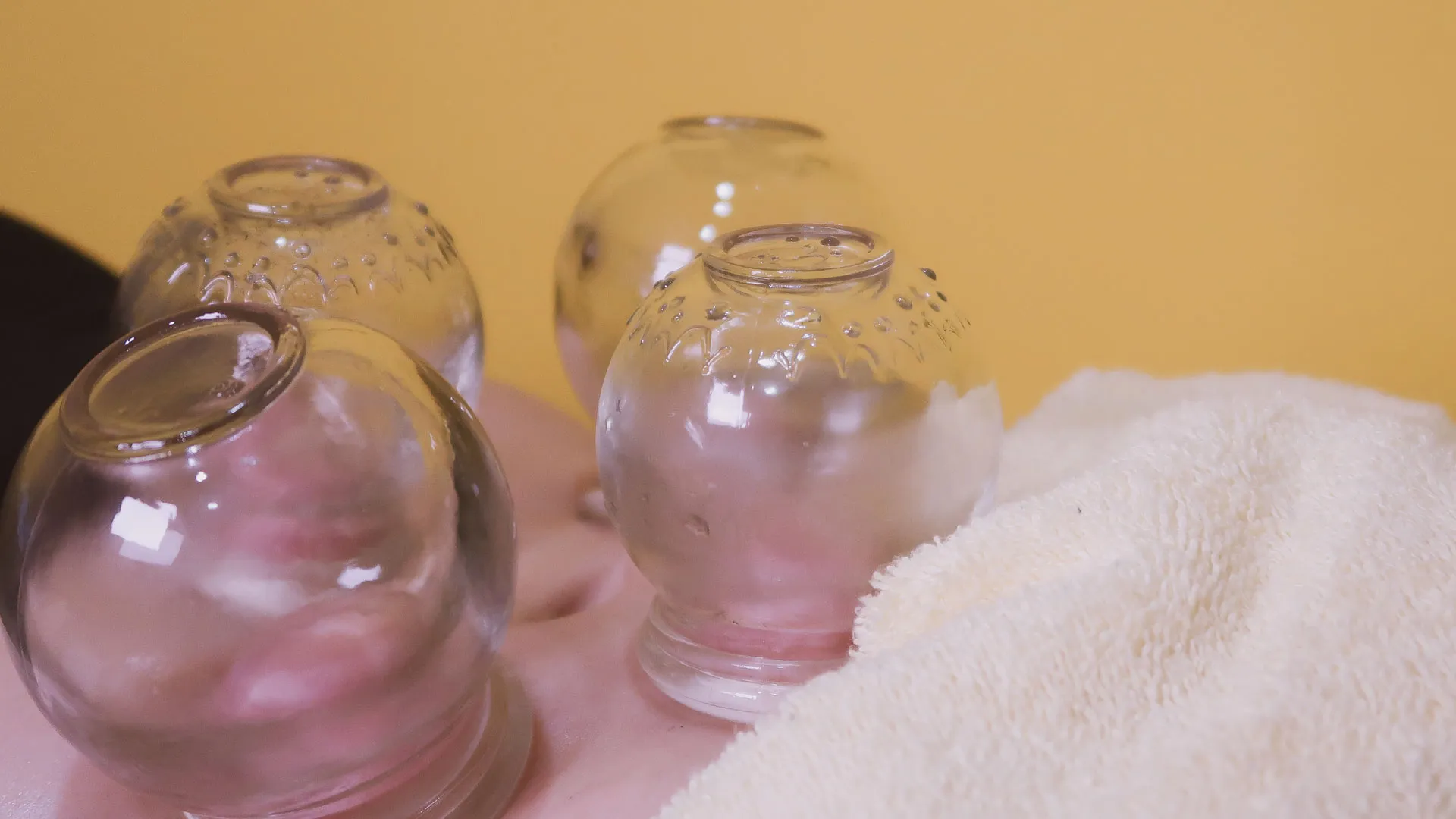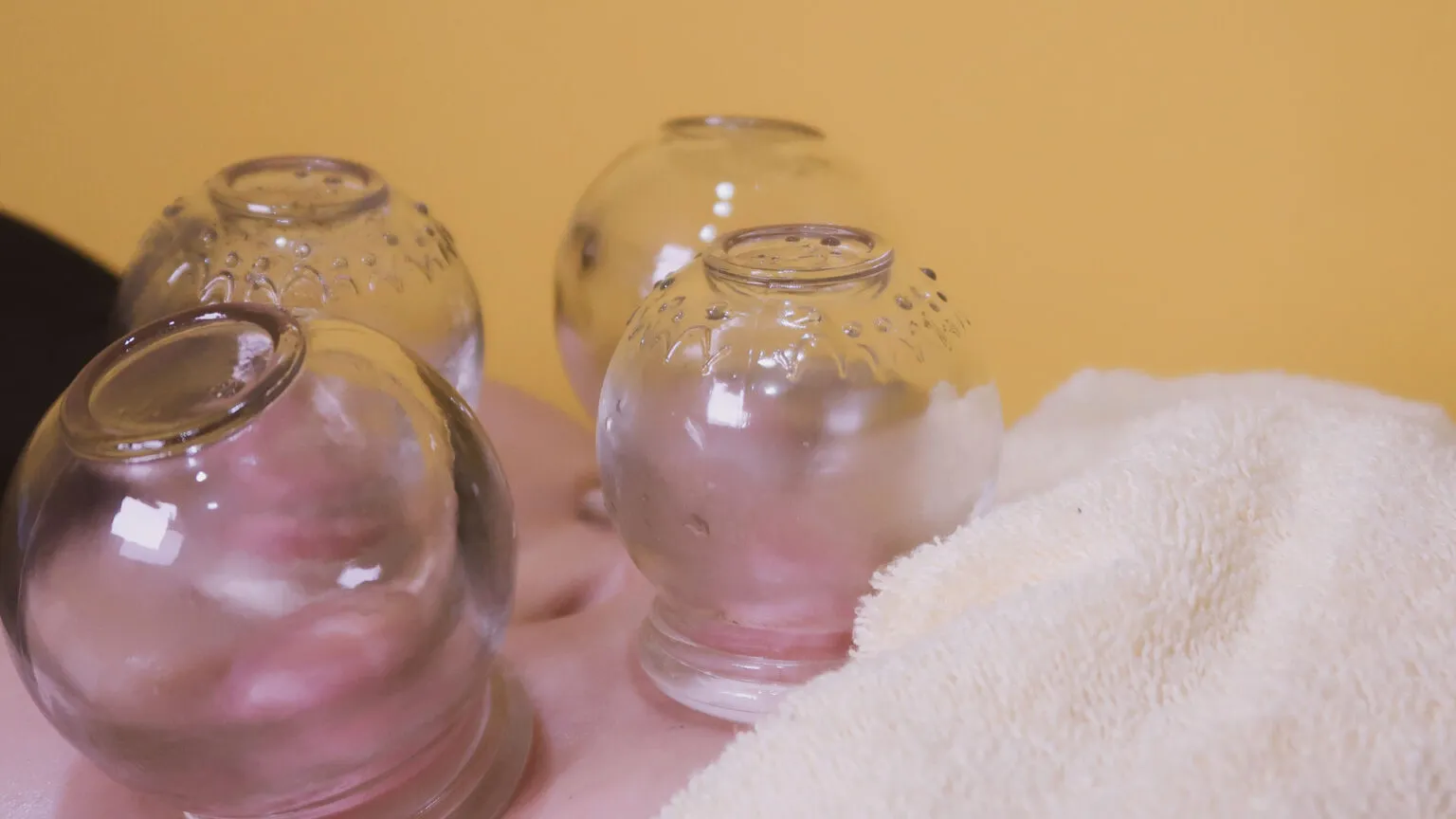
Glass cups on an athlete’s upper back and shoulder during cupping for sports recovery

Insights · Pain & Injuries

Cupping for sports recovery and performance

Suction lifts soft tissue instead of pressing down. That reverse pull can ease stagnation, support circulation, and sit beside training recovery.

In brief

Cupping is a reverse pull: suction lifts muscle and fascia instead of pressing down, moving Qi and Blood to ease stagnation pain. Dry methods include stationary (about 5–15 minutes), flash, and glide; wet cupping is used only when a physician indicates it. Athletes often use it for sore muscles, back pain, hamstring strain, and plantar fasciitis patterns. Book when DOMS, adhesions, or training niggles keep interrupting load.

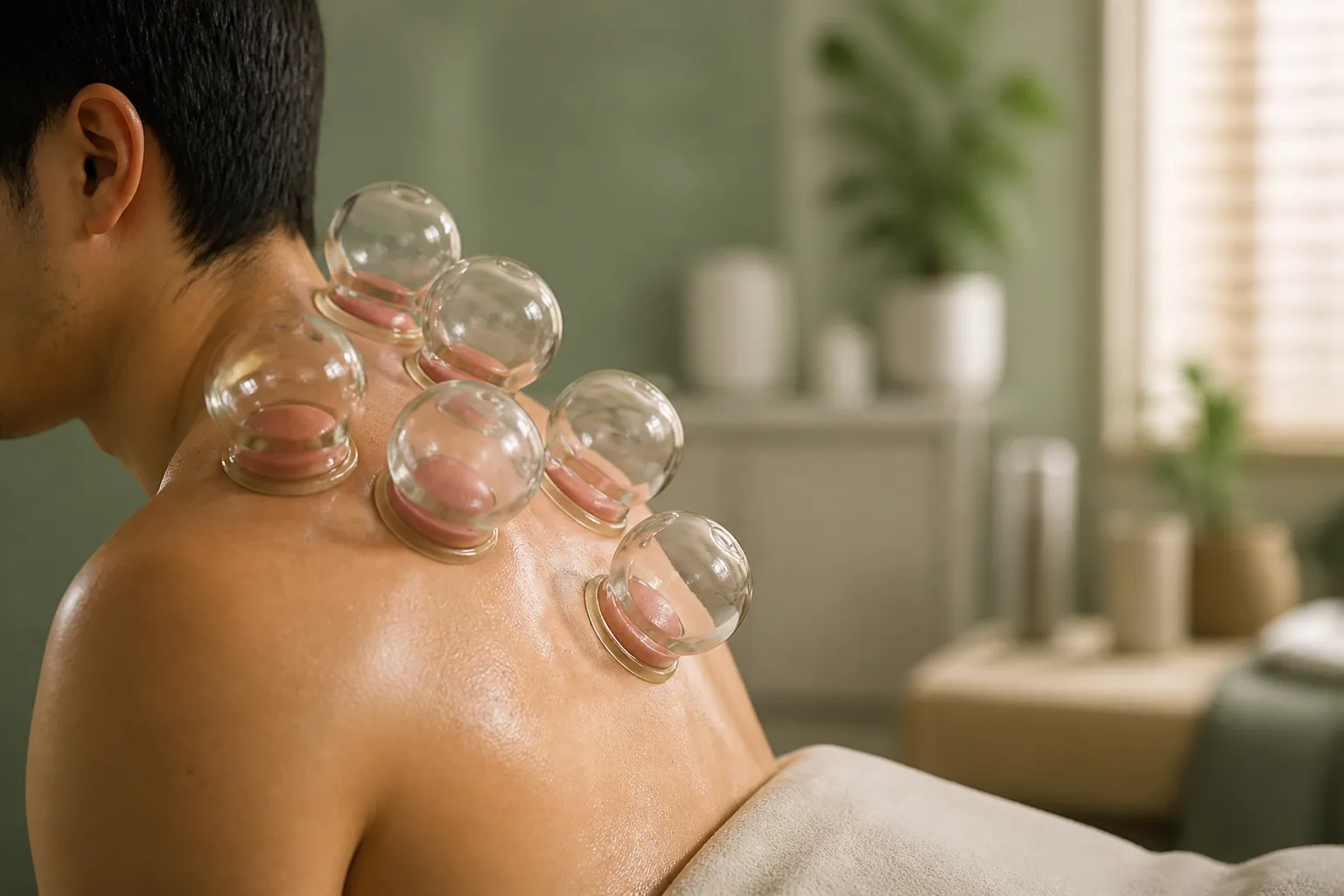
Glass cups on the back during dry cupping in clinic

01 · Ba guan

What cupping therapy is

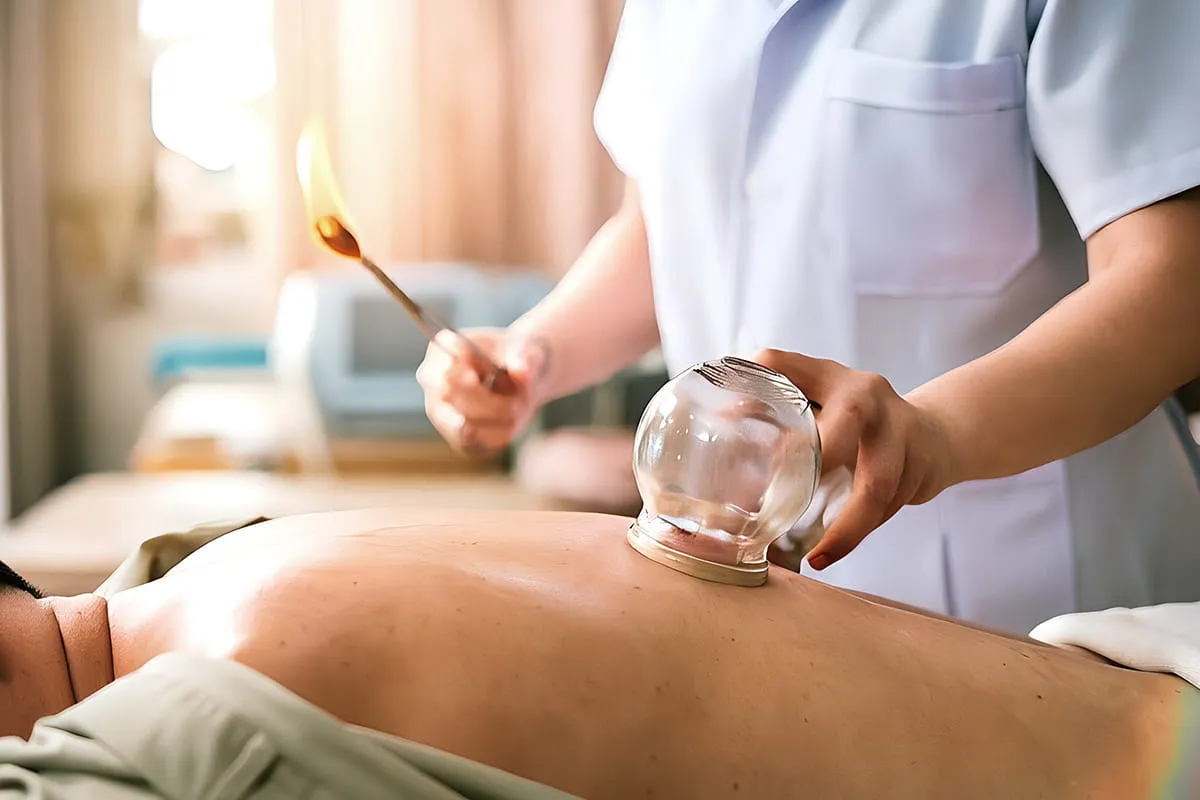
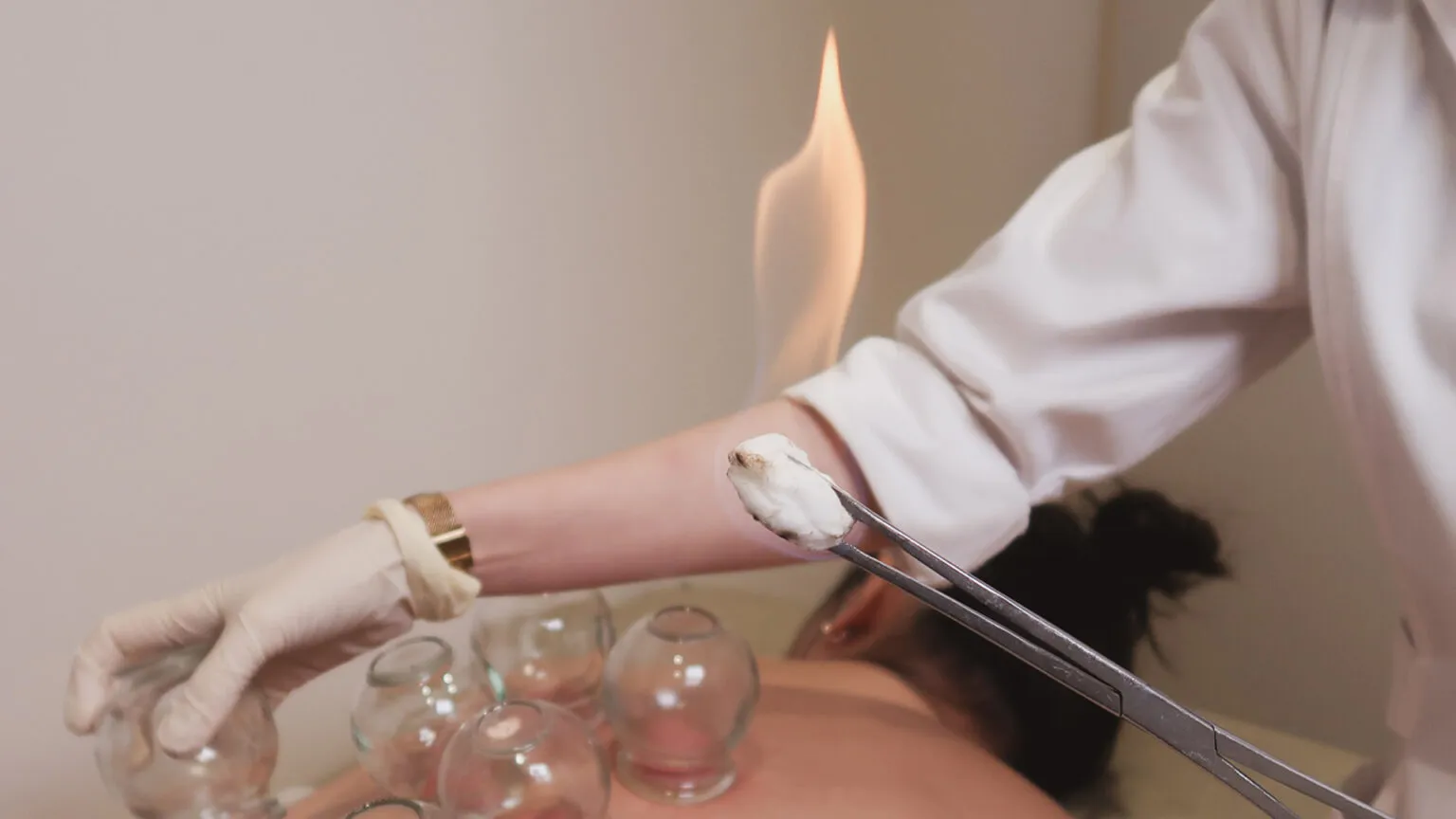
Cupping creates suction on the skin through negative pressure in the cups. Glass, bamboo, and plastic cups are common. Flame heats glass cups, bamboo may be boiled in a herbal decoction, and plastic cups often use a pump.

Wet cupping

Wet cupping needs clear skin and a physician who judges the dose and sites safe for you. Flag pregnancy, bleeding disorders, anticoagulants, and open wounds before any cupping.

Dry and wet cupping at a glance
Method What happens Sports note
StationaryDry cupping. Cups rest on one area for about 5–15 minutes. Common for dense back or shoulder load.
FlashDry cupping. Cups are applied and removed quickly over tense muscle. Useful when tissue feels locked but a long hold is too strong.
GlideDry cupping. Cups slide along a meridian pathway or muscle group with oil on the skin. Suits long fascial lines after speed or endurance work.
Wet cuppingBlood-letting cupping. A small prick lets a little blood enter the cup when indicated. Not a default sports add-on; needs a full consult.
Cupping therapy at PULSE

02 · TCM view

How cupping works from a TCM view

不通则痛,通则不痛

Where there is stagnation, there is pain. Remove the stagnation, and the pain eases.

Meridians and collaterals circulate Qi and Blood so zang-fu organs and soft tissue stay nourished. When Qi, Blood, or pathogenic factors stagnate, function drops and pain appears.

  • Cupping can disperse Wind and Cold (风寒), unblock meridians and collaterals, invigorate Qi and Blood, reduce swelling, and relieve pain when the pattern fits.
  • Strong suction on chosen lines draws stagnation toward the surface so the channel can open again.
  • That dredging supports yin-yang balance and zang-fu regulation under physician assessment, not as a self-applied sports shortcut.

03 · Sports role

Cupping’s role in recovery and performance

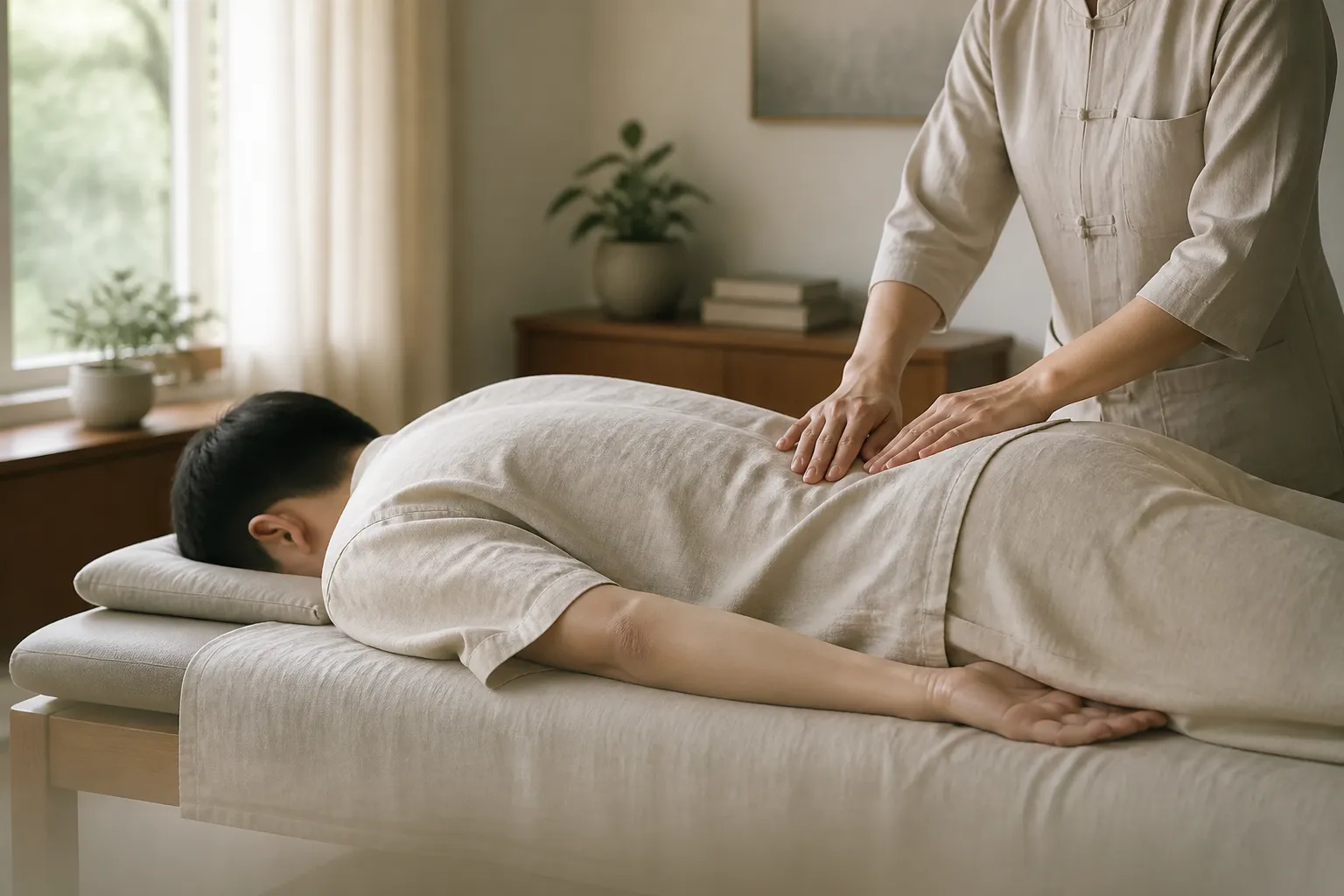
Suction lifts muscle and fascia, stimulates blood flow, eases soft-tissue adhesions, and supports drainage of metabolic waste. Compared with tuina or sports massage that press down, cupping pulls upward, which many athletes find gentler while still working dense tissue.

Athlete patterns cupping often addresses
Pattern Why cupping may sit here Clinic note
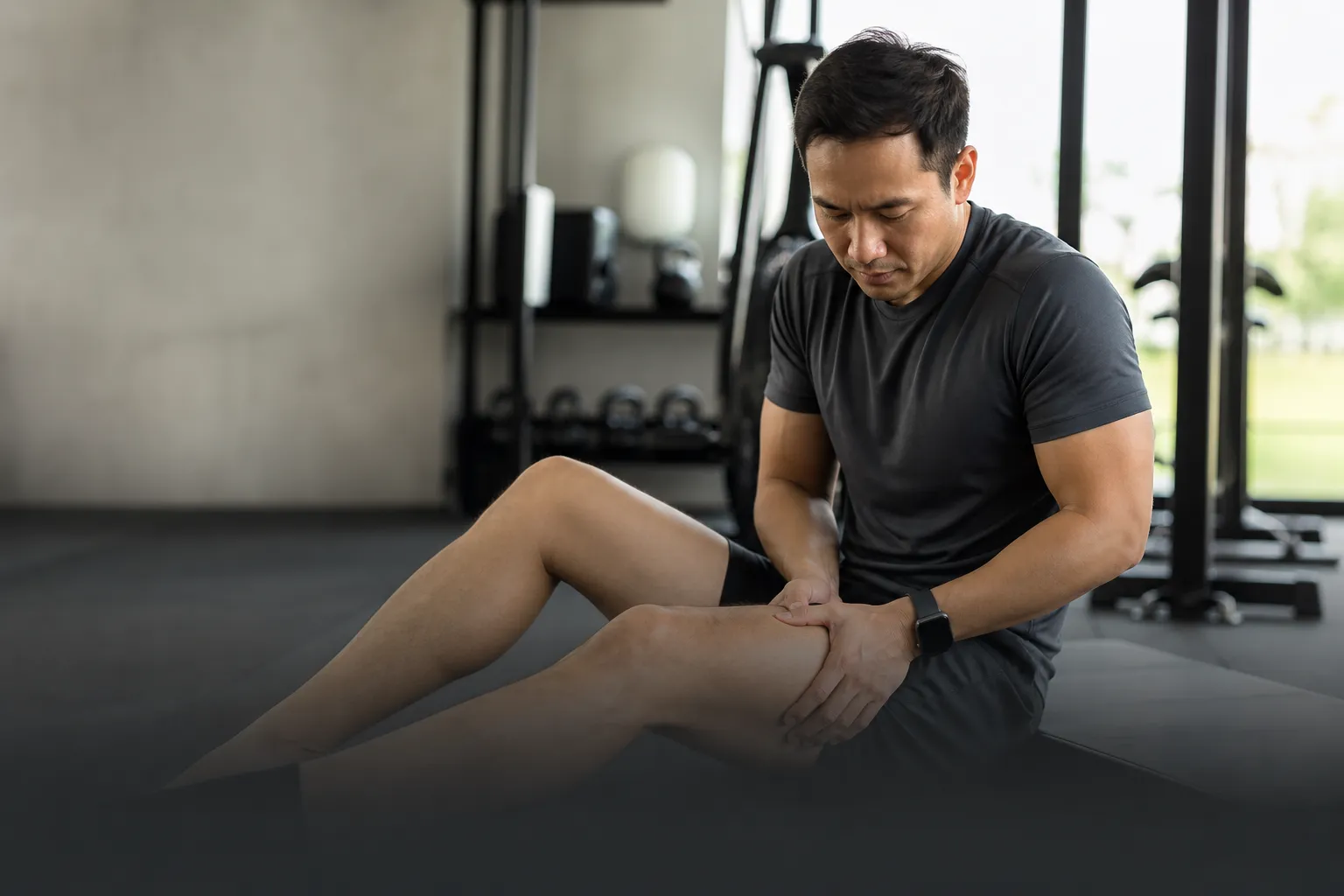
Sore musclesPost-load DOMS and heavy limbs. Lift and perfusion can ease stiff, congested soft tissue after hard sessions. Pair with rest days and load review.
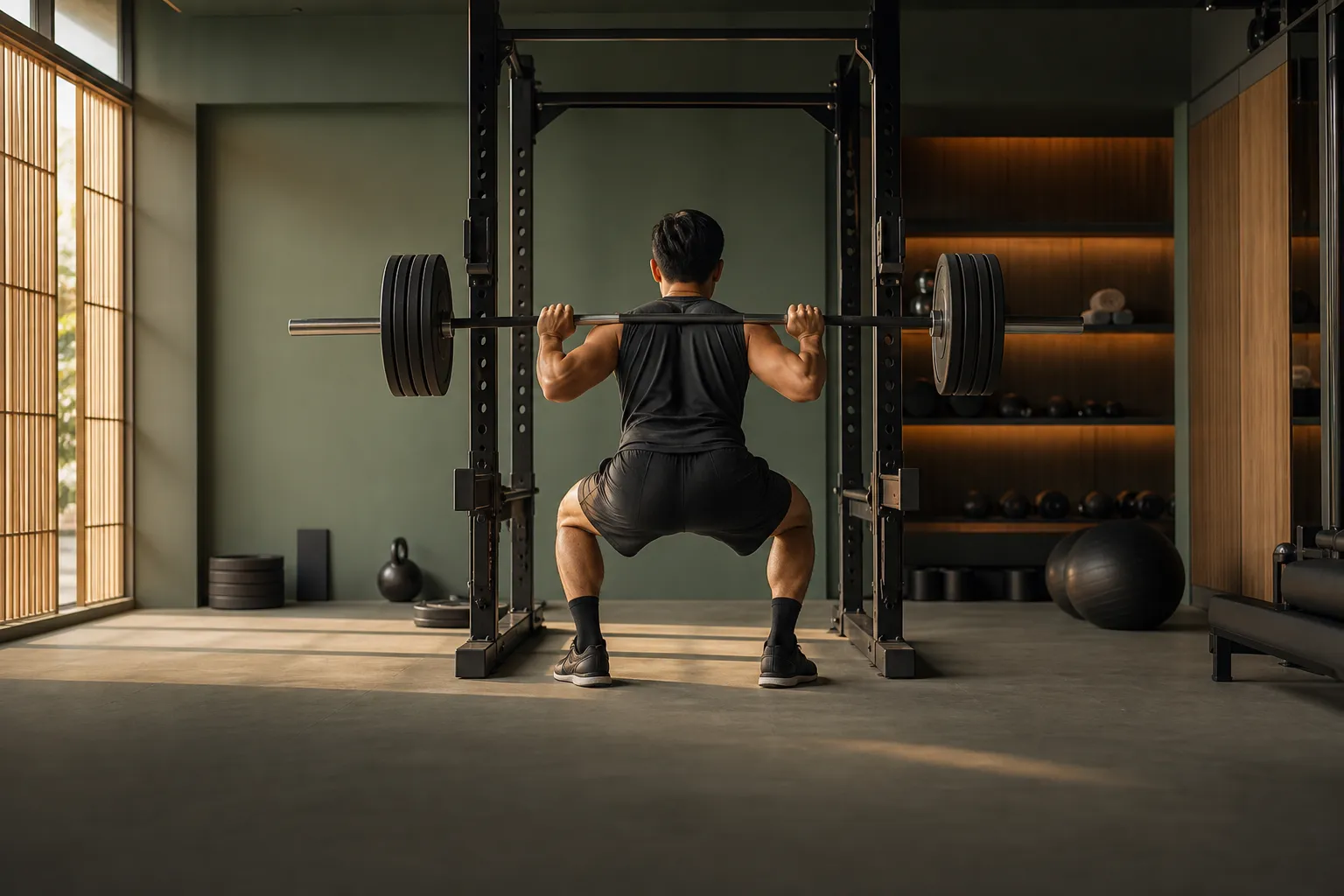
Back painTraining or desk-plus-gym load. Stationary or glide work along the Bladder line and paraspinals when stasis sits there. Rule out red-flag neurological signs first.
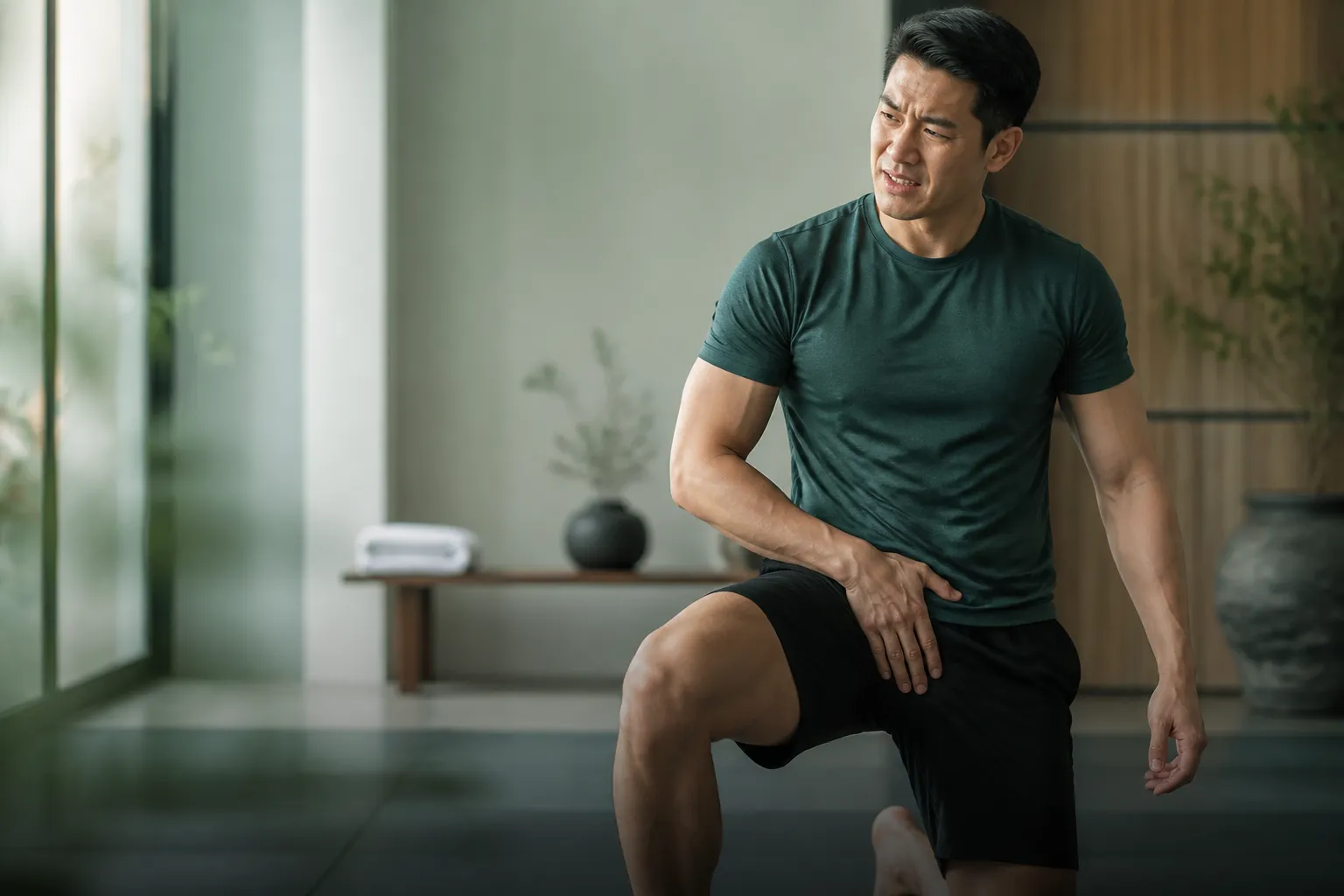
Hamstring strainsPosterior chain tightness after speed work. Gentle lift around the strain line once acute swelling has settled. Coordinate with physio staging.
Plantar fasciitisFirst-step heel or arch tension. Local or related-channel cupping may sit with calf and foot care when Qi-Blood lag. Footwear and stretch habits still matter.
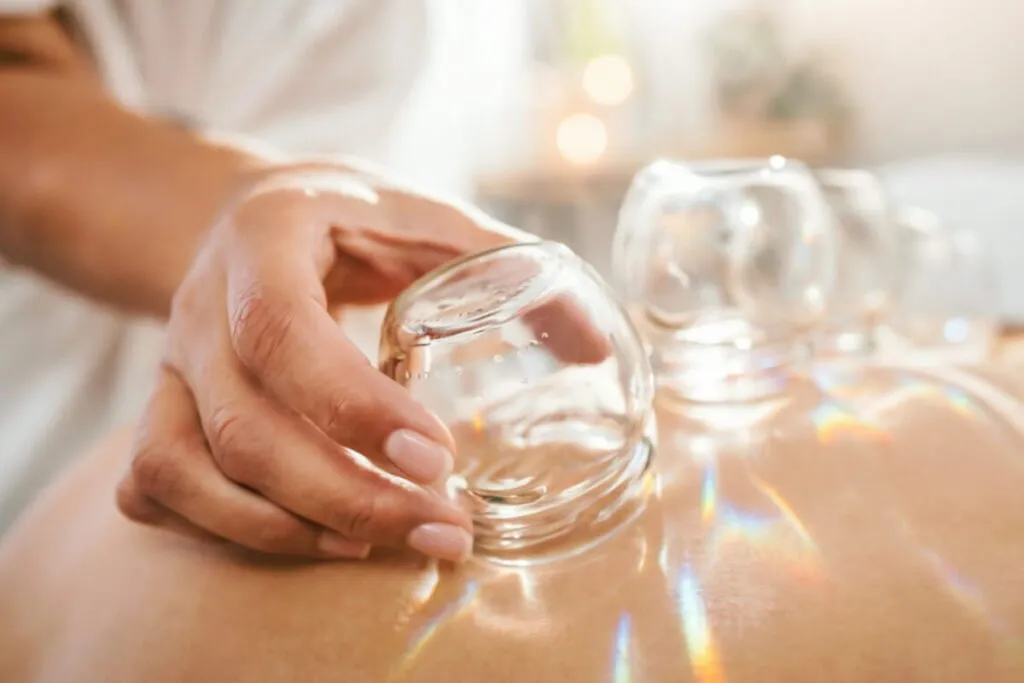
Close detail of glass cups lifting soft tissue on the back

Plateau, lingering DOMS, or soft-tissue niggles?

When recovery lags or the same line keeps interrupting training, Sports Enhancement can sit beside physiotherapy and Cupping therapy.

Physician applying fire cupping on the back in clinic

04 · How it helps

How cupping helps athletes recover

Hard training creates micro-tears and metabolic load in muscle and fascia. Cupping lifts tissue so oxygen- and nutrient-rich blood and lymph can move through the area and support repair.

  • Lift and perfusion: fresh blood and lymph move into the worked area so DOMS and heaviness can settle sooner when the pattern fits.
  • Mobility: when fascia is stiff, joint play shrinks. A mild capillary response and vessel opening can cue relaxation and freer range.
  • Clearance: after intensive work, metabolic waste sits in soft tissue. Better circulation helps clear that load so cramping and next-day stiffness ease.
  • Inflammation load: easing local inflammatory factors can reduce joint stiffness and free capacity for the next training block, beside load management and physio.

05 · Singapore

Marks, heat, and aftercare

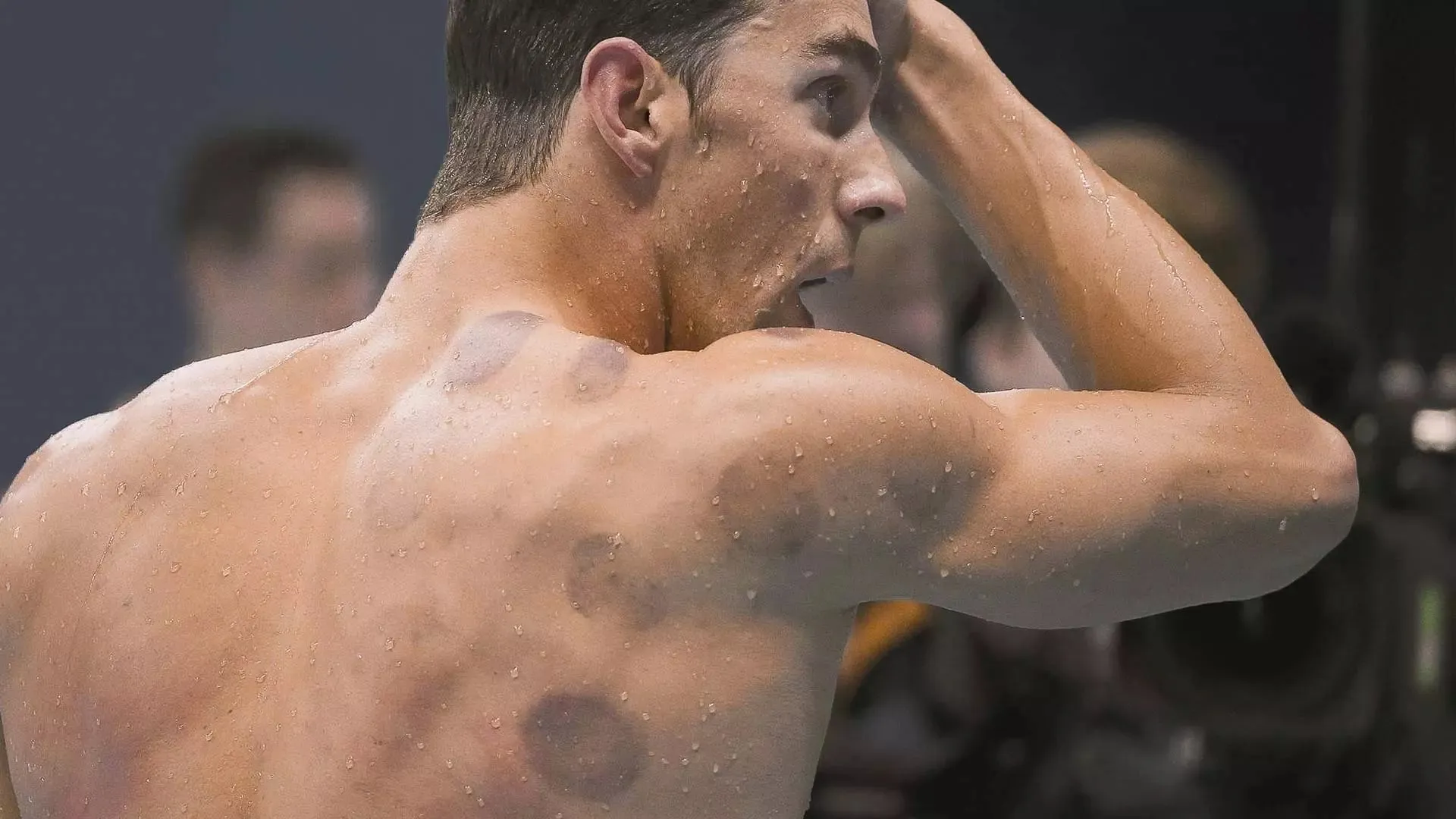
Circular marks are usually small capillary responses, not burns. They often fade over several days to about a week. Colour depth varies with suction strength and how stagnant the tissue was.

  • Humid outdoor sessions and cold AC gyms both stress the surface. Keep fresh cupping areas warm, skip harsh sun or ice baths on new marks, and ask about shower timing before you train again.
  • Olympic and celebrity cupping marks raised awareness, but clinic cupping still follows pulse, tongue, and the injured line, not a photo template.
Circular cupping marks on the back during recovery aftercare
Cupping cups and clinic setup prepared for treatment

Clinic next step

Ready to pair cupping with your training plan?

Bring load notes and where the tissue feels stuck. We will decide whether Cupping therapy, Sports Enhancement, or both belong beside your plan.

Dr Sim Beng Joo

Clinically reviewed

Reviewed by Sim Beng Joo

Advisor (Science & Strategy) / Consultant Physician · TCMPB T1303003A

MOH-licensed TCM physician and biomedical scientist, with clinical work in digestion, pain, sleep or fatigue, and soft-tissue patterns that shape training recovery.

View full profile

Educational information based on clinical experience and TCM principles. Not a substitute for personalised consultation, sports medicine, physiotherapy, or urgent care. Speak with your physician before cupping in pregnancy, with bleeding disorders, on anticoagulants, or over broken skin. Seek urgent care for sudden severe pain, chest symptoms, or unexplained swelling after injury. TCM complements physiotherapy and medical care; it does not replace them.

FAQs

Questions, answered

Common questions on dry versus wet cupping, sports recovery, marks in Singapore heat, and when to book Cupping or Sports Enhancement.

What is cupping therapy in TCM?

Cupping places cups on the skin and creates negative pressure so tissue is gently lifted. Cups may be glass, bamboo, or plastic. Suction comes from flame in glass cups, herbal-boiled bamboo, or a pump on plastic cups. The aim is to move Qi and Blood and ease stagnation where pain sits.

What is the difference between dry and wet cupping?

Dry cupping keeps the skin intact. Stationary cups rest about 5–15 minutes; flash cupping is applied and removed quickly over tense muscle; glide cupping slides along a meridian or muscle group. Wet cupping, sometimes called blood-letting cupping, uses a small prick so a little blood enters the cup when a physician judges it appropriate.

How does cupping help sports recovery?

After hard training, micro-tears and metabolic load sit in muscle and fascia. Suction lifts tissue so fresh blood and lymph can move through the area, which may ease DOMS, stiffness, and restricted joint play when the pattern fits. It complements, not replaces, load management and physio.

Is cupping like a reverse massage?

Tuina and sports massage usually press down into tissue. Cupping pulls upward with suction, which many people find less forceful while still loosening adhesions and supporting drainage. Physicians often combine both when the soft-tissue read calls for it.

Which athlete conditions can cupping address?

Common clinic patterns include sore muscles after load, back pain, hamstring strains, and plantar fasciitis-type heel and arch tension. The exact cup sites follow pulse, tongue, and the injured line, not a fixed sports template.

How long do cupping marks last in Singapore heat?

Circular marks are often from small capillary responses and usually fade over several days to about a week. In humid Singapore weather and cold AC gyms, keep the area warm, skip harsh sun or ice baths on fresh marks, and ask your physician about shower timing and return-to-train cues.

Who should avoid cupping?

Flag pregnancy, bleeding disorders, anticoagulant use, open wounds, severe skin disease over the site, and acute fever. Your physician decides dry versus wet and which areas are safe after a full consult.

When should I book Sports Enhancement with cupping?

Book when recovery lags, adhesions or DOMS keep interrupting sessions, or soft-tissue niggles return each training block. Bring recent load notes, sleep quality, and any physio findings. Sports Enhancement can sit beside Cupping therapy and medical care.

References

Selected sources

  1. National Center for Complementary and Integrative Health. Traditional Chinese medicine: What you need to know. 2019. https://www.nccih.nih.gov/health/traditional-chinese-medicine-what-you-need-to-know/
  2. Ministry of Health Singapore. TCM practitioners (Healthcare Professional Portal). https://hpp.moh.gov.sg/tcm-practitioners/
  3. World Health Organization. Traditional, complementary and integrative medicine. https://www.who.int/health-topics/traditional-complementary-and-integrative-medicine

Next step

DOMS, adhesions, or training niggles that keep returning?

Bring recent load notes, where the tissue feels stuck, and any physio findings. We will name the pattern in plain language and decide whether Cupping, Sports Enhancement, or both belong beside your plan.

Hours
Most clinics daily 11:00 AM – 8:00 PM
Care
Physician-led consultation