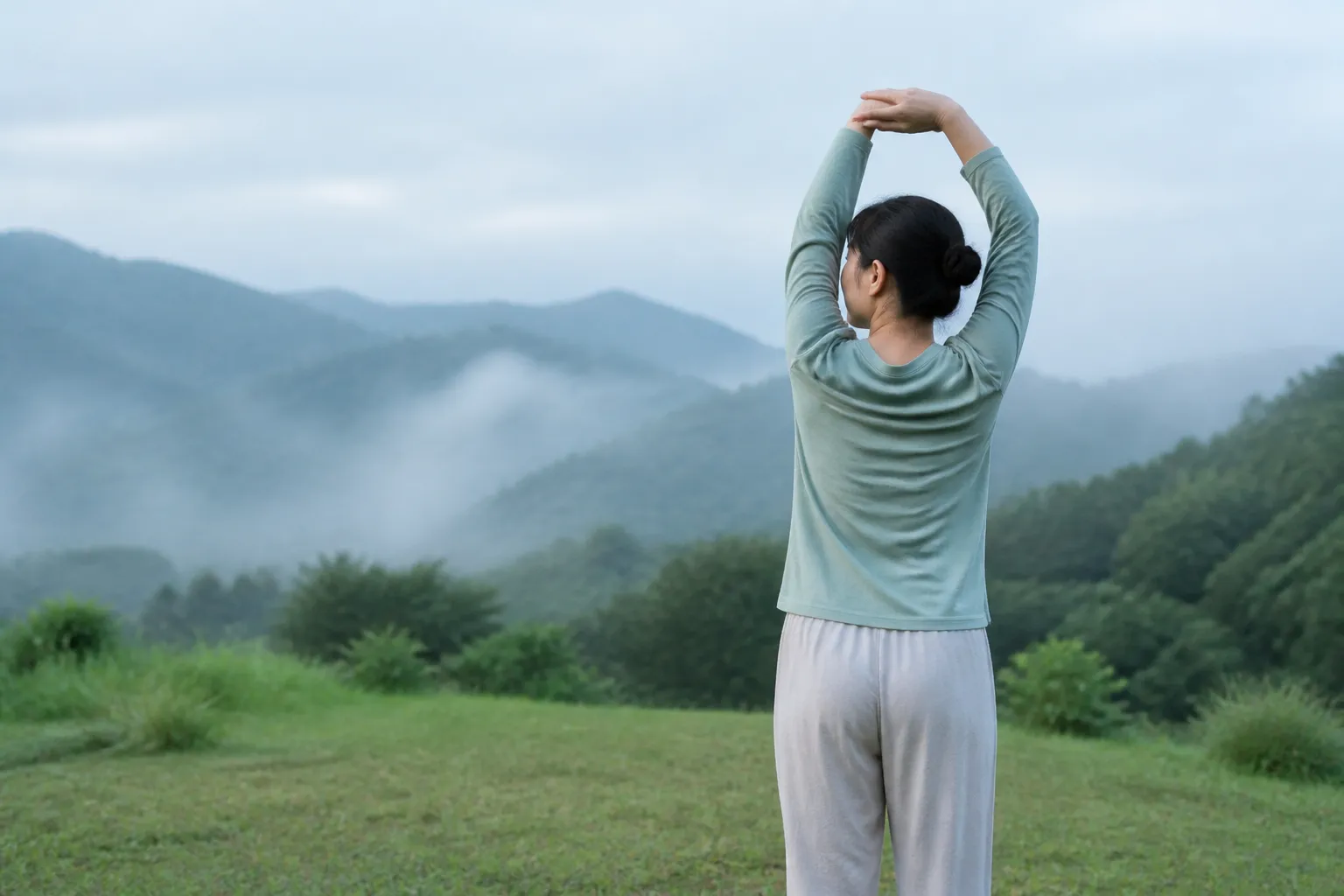
Person stretching at dawn before a morning workout outdoors

Insights · General Health

Morning vs evening workouts: which is better?

Keep a schedule you can repeat. Morning, lunch, and evening each tilt habit, strength, or recovery differently, and TCM reads that tilt against the day’s Yang and Yin.

In brief

Pick the workout window you can keep. Use morning for habit, alertness, and about 20% more stored-fat use when fasted; about 2–6pm for strength and endurance as body temperature peaks; evening for HIIT, speed, or stress relief if sleep stays steady. In TCM, Yang rises with the day and Yin builds toward night. Protect Yin if late intervals leave you wired. Book Sports Enhancement when plateaus, niggles, or sleep-and-training conflict keep repeating.

01 · Day rhythm

Why workout timing matters

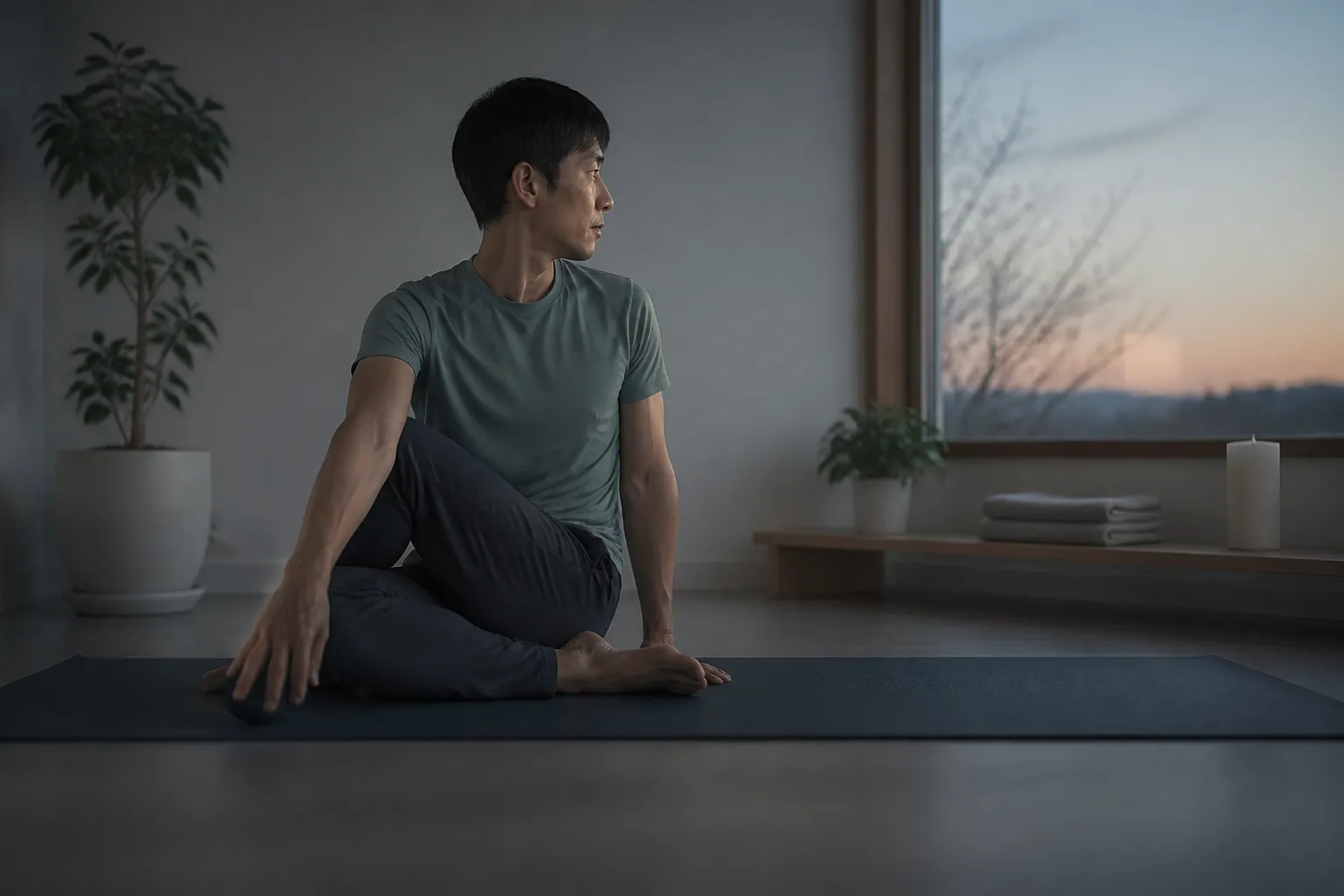
There is no single best hour to exercise. Keep a schedule you can repeat and you still reap the benefits. Morning, lunch, and evening each tilt habit, strength, or recovery differently. In TCM, Yang rises with the day and Yin builds toward night, so timing is a fit and recovery choice, not a moral score.
02 · TCM read

How TCM reads training and recovery

Exercise moves Qi and Blood. How you feel the next morning often says more about timing than the clock alone.

  • Rising Yang in the morning supports activation once you are warm. Hard training deep into the night can pull against Yin as the body turns toward rest, especially when sleep is already light.
  • Qi and Blood strain after hard weeks often shows as heavy limbs, flat mood, or DOMS that lingers. Yin strain more often shows as wired evenings, dry mouth, or easy waking after late intervals.
  • Singapore heat and late office hours matter: outdoor noon work under strong sun loads Heat; a 9pm HIIT after a long desk day can leave the nervous system too Yang for sleep.
  • Acupuncture, tuina, and a Sports Enhancement plan enter when plateaus, soft-tissue niggles, or sleep-and-training conflict keep repeating after you have already adjusted load and timing.

03 · At a glance

Morning, afternoon, and evening compared

Match the window to the goal you can keep: habit and fat use in the morning, strength toward mid-afternoon, speed or stress relief later, with Yin protected if nights fray.

Workout timing at a glance
When Physiology lean TCM read Caution
MorningHabit, alertness, fasted fat use. Stickier habits; cortisol and mood lift; ~20% more stored-fat use when fasted. Matches rising Yang once you are awake and warm. Hydrate; ease in if you wake cold or stiff.
AfternoonStrength and endurance peak window. Body temperature often peaks 2–6pm; late-afternoon HR/BP dip may ease injury risk. Day Yang is fuller; good for building work. Protect lunch fuel; ease Heat if you train hard outdoors.
EveningSpeed, endurance, stress relief. May support sleep for some; quickest reaction time; ~20% longer before exhaustion. Yin is building; keep hard intervals from spilling into deep rest. Sleep-fragile people may finish earlier or cool down longer.
Person stretching at dawn before a morning workout outdoors

04 · Morning

Morning workouts

Morning sessions often help exercise stick as a habit. You finish before deadlines and other commitments crowd the day, so you are less likely to skip.

  • People who train in the morning often feel less distracted by food afterwards and lean toward better food choices once the day has started on a healthy note.
  • A University of North Carolina study found that morning workouts raise cortisol, which can help you feel more awake.
  • Training upon waking and before breakfast is a fasted state. That pattern is often linked with about 20% more use of stored fat, which can suit weight-loss goals when the wider plan is sound.
  • Morning workouts have also been shown to lift productivity and mood for the rest of the day.

05 · Afternoon

Afternoon workouts

Body temperature keeps rising through the day and typically peaks between 2pm and 6pm. That is when muscle function, strength, and endurance often feel primed for harder work.

  • In the late afternoon, heart rate and blood pressure often dip to their lowest, which may decrease injury risk for some people.
  • If muscle gain is the main goal, afternoon sessions are often favoured because testosterone production tends to sit higher then, supporting strength gains.
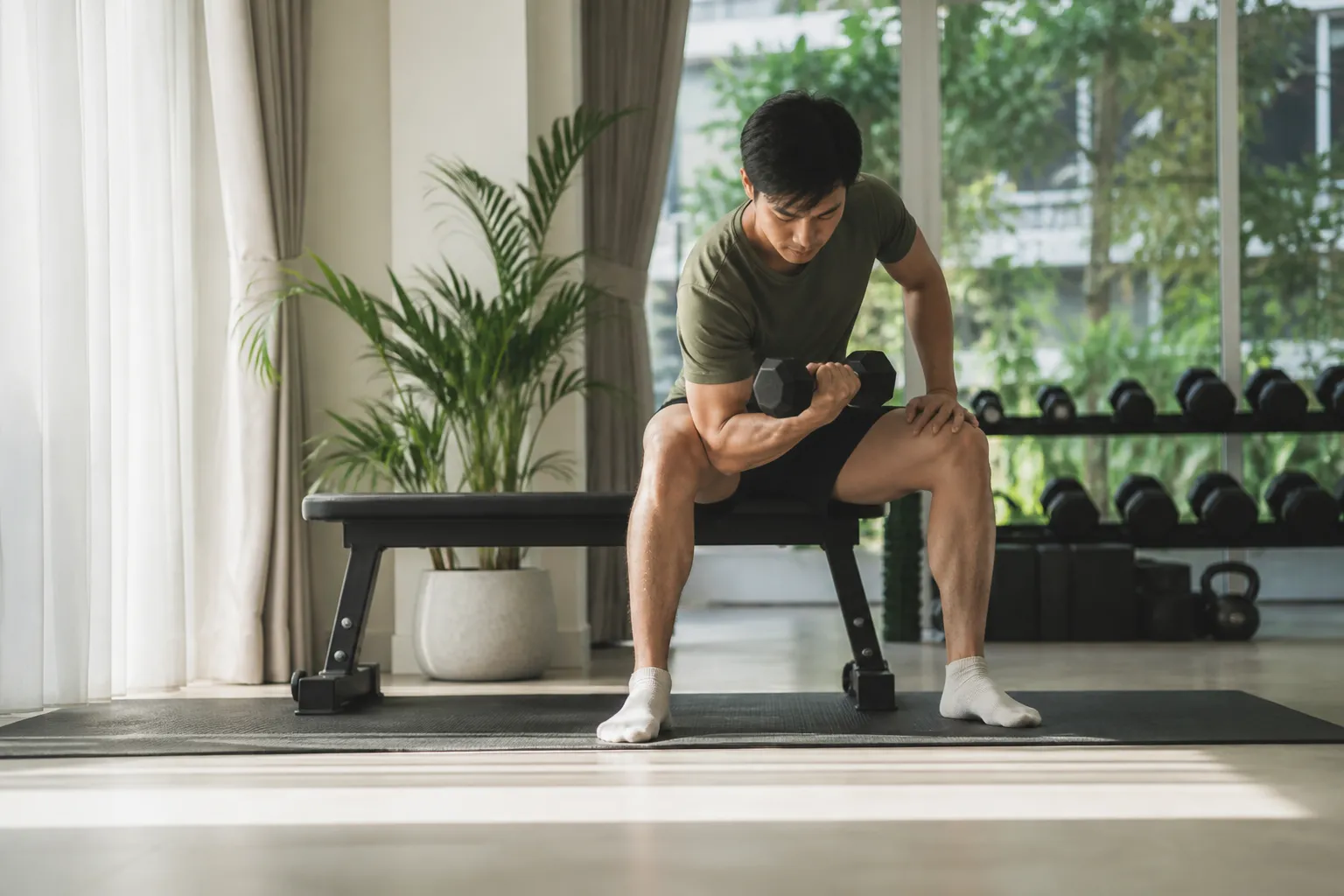
Person lifting a dumbbell during an afternoon strength workout

Plateau, lingering DOMS, or sleep after late HIIT?

When soft-tissue niggles, flat recovery, or wired nights keep interrupting the week you planned, Sports Enhancement can sit beside physiotherapy and sports medicine.

Person stretching on a mat during an evening workout cooldown

06 · Evening

Evening workouts

Some research finds that evening training can help people sleep better and longer. HIIT and sports that need speed often suit evenings, when reaction time tends to be quickest.

  • One line of research found that evening exercisers lasted about 20% longer before exhaustion, which can suit endurance sports and longer gym sessions.
  • Training at the end of a work day can relieve stress while raising endorphins, which may also support sleep.

Protect Yin late

Yin builds toward night. If hard intervals leave you wired or you wake easily, finish earlier, lengthen the cooldown, or keep late sessions gentler.

07 · Fit

Who leans morning versus evening

Constitution and sleep fragility shape which window feels sustainable. These leans are clinic patterns, not labels that fix your schedule forever.

1. Morning lean

People who feel cold, slow to warm up, or Yang-deficient often prefer morning movement once they are awake. Rising with the day can match Yang activation without fighting deep evening Yin.

2. Afternoon lean

When strength or hypertrophy is the priority and lunch fuel is reliable, the 2–6pm temperature peak is a practical window. It also suits people who cannot protect a dawn slot.

3. Evening lean

People who need a stress valve after work, or who chase speed and endurance, often thrive later. Sleep-fragile people should watch how late HIIT sits with rest and adjust early if nights fray.

4. When the clinic helps

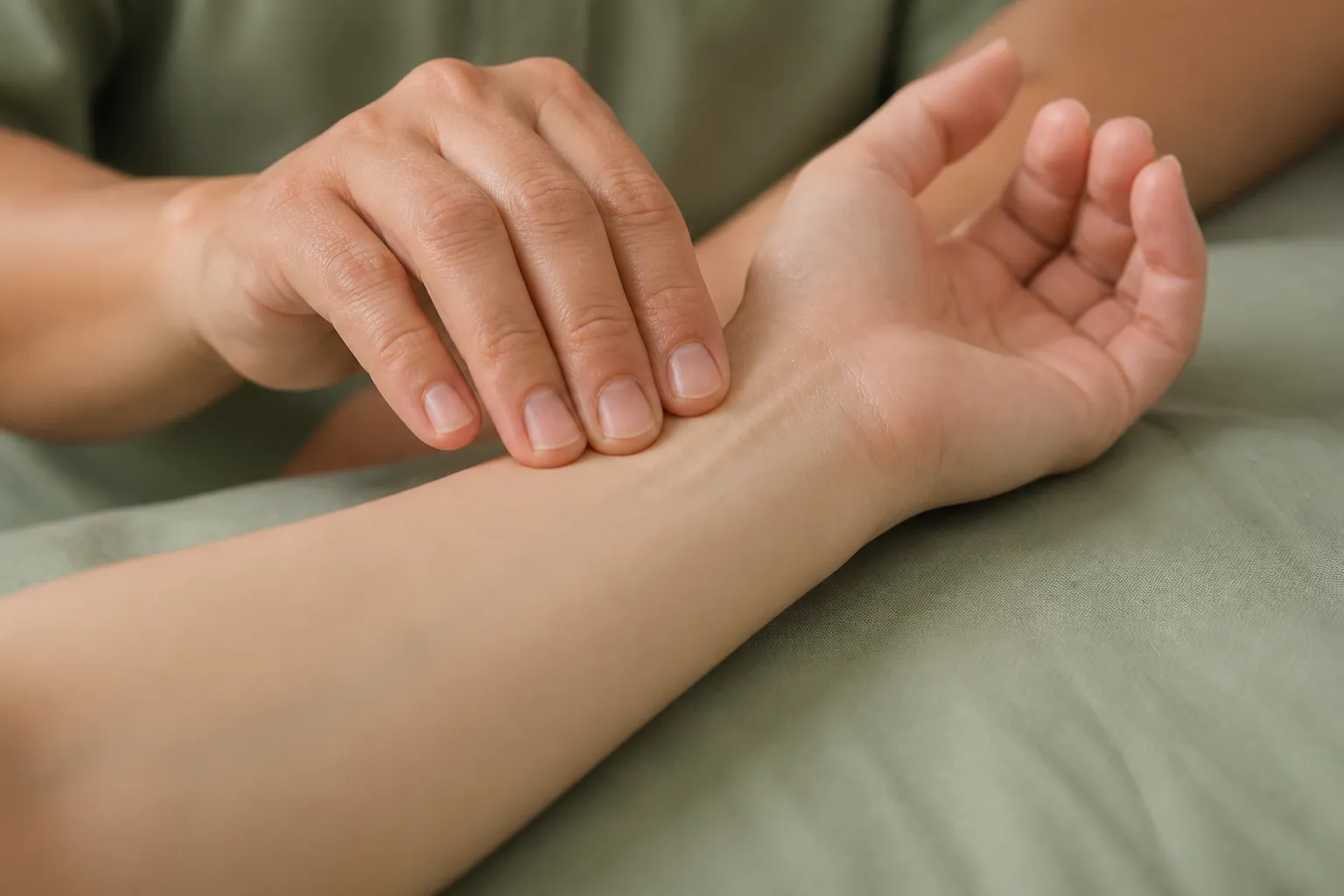
If recovery lags, pain interrupts sessions, or sleep and training fight each other, a physician can match timing to constitution after pulse and tongue. Bring your usual hours and how you feel the next morning.

08 · Habits

Habits that outrank the clock

Timing helps only when the week stays repeatable. These practices keep physiology and TCM rhythm in the same plan.

1. Protect consistency

Pick the window you can keep most weeks. A middling hour you honour beats a perfect hour you skip.

2. Space meals and training

Fasted morning work needs clear hydration and an honest exit if you feel light-headed. Afternoon and evening sessions still need enough fuel without a heavy meal right before hard intervals.

3. Cooldown into rest

Especially after evening work, take a short wind-down so heart rate and mind can settle before bed. That protects Yin when the day has been Yang-heavy.

4. Listen to recovery

Rising resting heart rate, flat mood, or persistent niggles mean the clock is secondary. Adjust load, sleep, or book care before you force another hard week.

5. Plan for heat and late desks

In Singapore, shift outdoor work away from peak sun when Heat leaves you drained, and treat a late condo-gym HIIT after long office hours as optional, not mandatory, if sleep frays.

09 · What may help

What may help

Constitution fit, sleep repair, and clinic sports care sit beside the clock. These paths do not replace physiotherapy or sports medicine.

Physician assessing body constitution patterns at PULSE TCM

Insight · Constitution

Understand your body constitution

Nine constitution types shape how cold, Heat, Qi, and Yin show up in daily energy. Matching workout timing to the pattern often starts here.

Read body constitution
Person resting in bed at night, seeking calm sleep

Insight · Sleep

Acupressure and TCM tips for insomnia

When evening training sits with light sleep or 1–3am waking, pattern care and home presses can work alongside your training hours.

Read insomnia tips
Sports performance and recovery care at PULSE TCM

Programme · Sports

Sports Enhancement

Performance, recovery, and plateau support when soft-tissue niggles or delayed recovery keep interrupting the week you planned.

Explore Sports Enhancement
Dr Sim Beng Joo

Clinically reviewed

Reviewed by Sim Beng Joo

Advisor (Science & Strategy) / Consultant Physician · TCMPB T1303003A

MOH-licensed TCM physician and biomedical scientist, with clinical work in digestion, pain, sleep or fatigue, and constitution patterns that shape training recovery.

View full profile

Educational information based on clinical experience, exercise-science reporting, and TCM principles. Not a substitute for personalised consultation, sports medicine, or urgent care. Speak with your physician before starting a new training plan in pregnancy, after injury, or with a chronic condition. Seek urgent care for chest pain, collapse, or sudden severe shortness of breath with exercise. TCM complements physiotherapy and medical care; it does not replace them.

FAQs

Questions, answered

Common questions on workout timing, fat burn, sleep, TCM recovery, Singapore heat, and when to book Sports Enhancement.

Is there a best time of day to exercise?

No single clock time wins for everyone. Regular practice usually matters more than whether you train at dawn or after work. Morning, afternoon, and evening each favour different benefits; choose the window you can keep.

Do morning workouts burn more fat?

Training soon after waking and before breakfast is a fasted state. That pattern is often linked with about 20% more use of stored fat than fed training, which can suit weight-loss goals when the overall plan is sound. Hydration and how you feel still come first.

Does evening exercise ruin sleep?

The old rule that evening training always ruins sleep is not supported by every study. Some people sleep better and longer after evening sessions, especially when training also lowers work stress. If you are sleep-fragile, finish hard intervals earlier and keep a short cooldown.

Why do afternoon workouts favour strength?

Body temperature often keeps rising through the day and peaks between about 2pm and 6pm. In that window muscle function, strength, and endurance often feel primed. Late afternoon is also when heart rate and blood pressure tend to sit lower, which may ease injury risk for some people.

How does TCM think about workout timing?

TCM reads the day as Yang rising in the morning and Yin building toward night. Morning movement can match rising Yang; late hard training can pull against rest. Next-day heavy limbs or flat mood may lean Qi and Blood strain; wired evenings or easy waking after late intervals may lean Yin strain. Timing is a fit and recovery choice, not a moral score.
Who should lean morning versus evening?

People who feel cold, slow to warm up, or Yang-deficient often prefer morning warmth once they are awake. People who wake easily after late HIIT may protect Yin by training earlier or keeping evenings gentler. A physician can match timing to constitution after pulse and tongue.

How should Singapore heat and late office hours change workout timing?

Strong midday sun can add Heat load to outdoor sessions, so many people shift hard outdoor work earlier or later and keep hydration honest. After a long desk day, a late condo-gym HIIT is optional if it leaves you wired; finish earlier or keep the cooldown longer when sleep frays.

When should I book Sports Enhancement?

Book when training plateaus, recovery lags, or pain and stiffness keep interrupting your schedule. Bring your usual workout times, sleep quality, and any recent injuries. The Sports Enhancement programme can sit beside physiotherapy and sports medicine.

References

Selected sources

  1. Fitness First Singapore. Morning vs Evening workouts: Which is better? (source article for this Insight). https://www.fitnessfirst.com.sg/blog/morning-vs-evening-workouts-which-is-better
  2. TIME. What’s the Best Time of Day to Exercise? https://time.com/5533388/best-time-to-exercise/
  3. Healthline. What’s the Best Time to Work Out? (afternoon or night section). https://www.healthline.com/health/fitness-exercise/best-time-to-workout#The-Case-for-Sweating-in-the-Afternoon,-or-Night
  4. WebMD. What’s the Best Time to Exercise? https://www.webmd.com/fitness-exercise/features/whats-the-best-time-to-exercise#1
  5. CNET. When should you exercise: morning, afternoon, or night? https://www.cnet.com/health/fitness/when-should-you-exercise-morning-afternoon-or-night/
  6. Forbes. When’s the Best Time to Exercise: Morning or Evening? https://www.forbes.com/sites/nomanazish/2019/02/28/whens-the-best-time-to-exercise-morning-or-evening/
  7. Business Insider. How morning exercise can increase productivity. https://www.businessinsider.com/how-morning-exercise-can-increase-productivity-2018-11
  8. PubMed. PMID 23340006. https://pubmed.ncbi.nlm.nih.gov/23340006/
  9. British Journal of Sports Medicine. Exercise timing and performance. https://bjsm.bmj.com/content/54/13/776
  10. Chronobiology International. Effects of exercise timing (Taylor & Francis). https://www.tandfonline.com/doi/full/10.3109/07420521003778773
  11. Journal of Strength and Conditioning Research. Effects of resistance exercise timing on sleep. https://journals.lww.com/nsca-jscr/Fulltext/9000/00000/Effects_of_Resistance_Exercise_Timing_on_Sleep.97150.aspx
  12. Loyola Marymount University. Exercise timing study (digital commons). https://digitalcommons.lmu.edu/cgi/viewcontent.cgi?article=1262&context=ce
  13. National Center for Complementary and Integrative Health. Traditional Chinese medicine: What you need to know. 2019. https://www.nccih.nih.gov/health/traditional-chinese-medicine-what-you-need-to-know/
  14. Ministry of Health Singapore. TCM practitioners (Healthcare Professional Portal). https://hpp.moh.gov.sg/tcm-practitioners/
  15. World Health Organization. Traditional, complementary and integrative medicine. https://www.who.int/health-topics/traditional-complementary-and-integrative-medicine

Next step

Plateau, lingering DOMS, or sleep fighting training?

Bring your usual workout times, how you feel the next morning, and any soft-tissue niggles. We will name the pattern in plain language and decide what belongs beside your plan.

Hours
Most clinics daily 11:00 AM – 8:00 PM
Care
Physician-led consultation