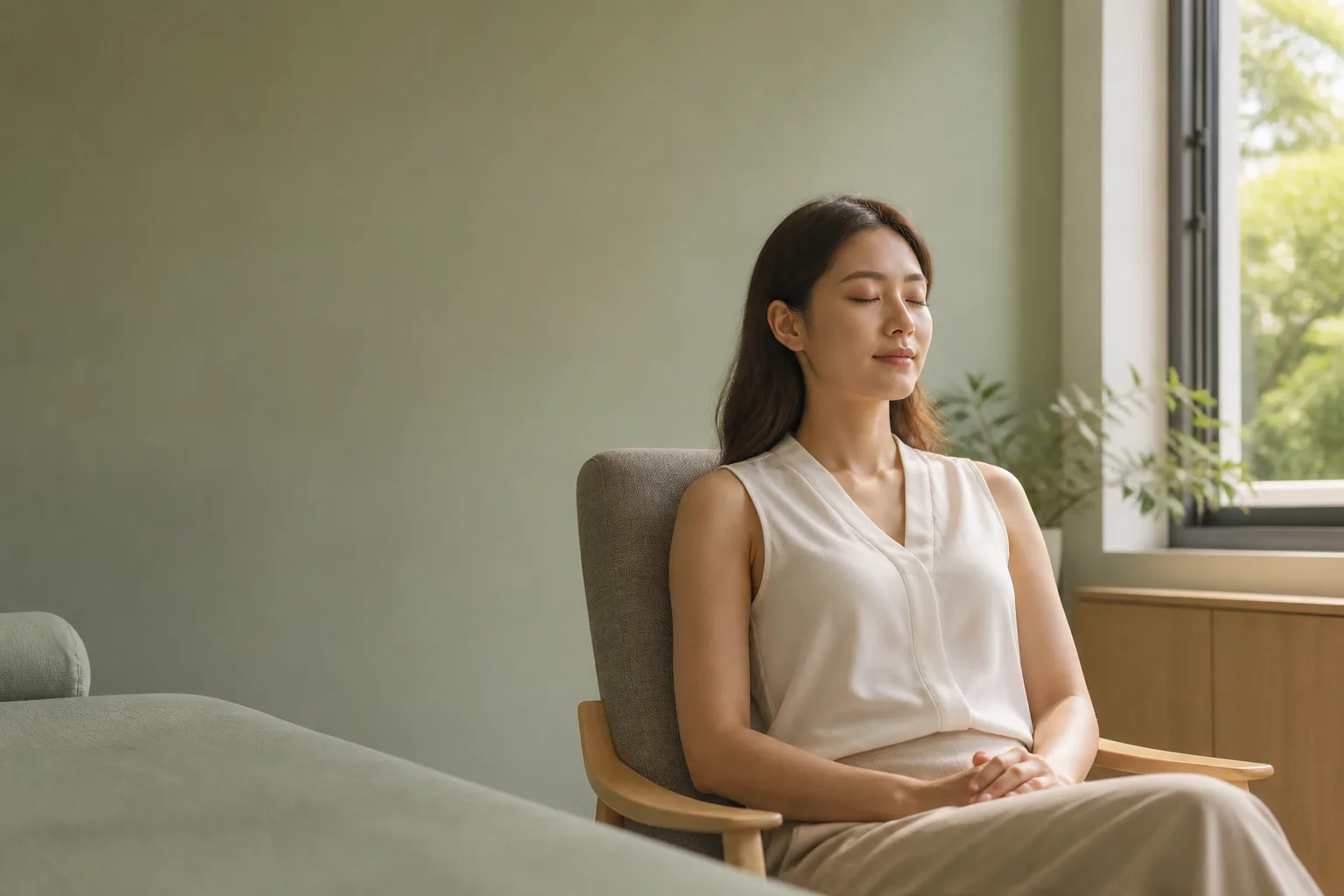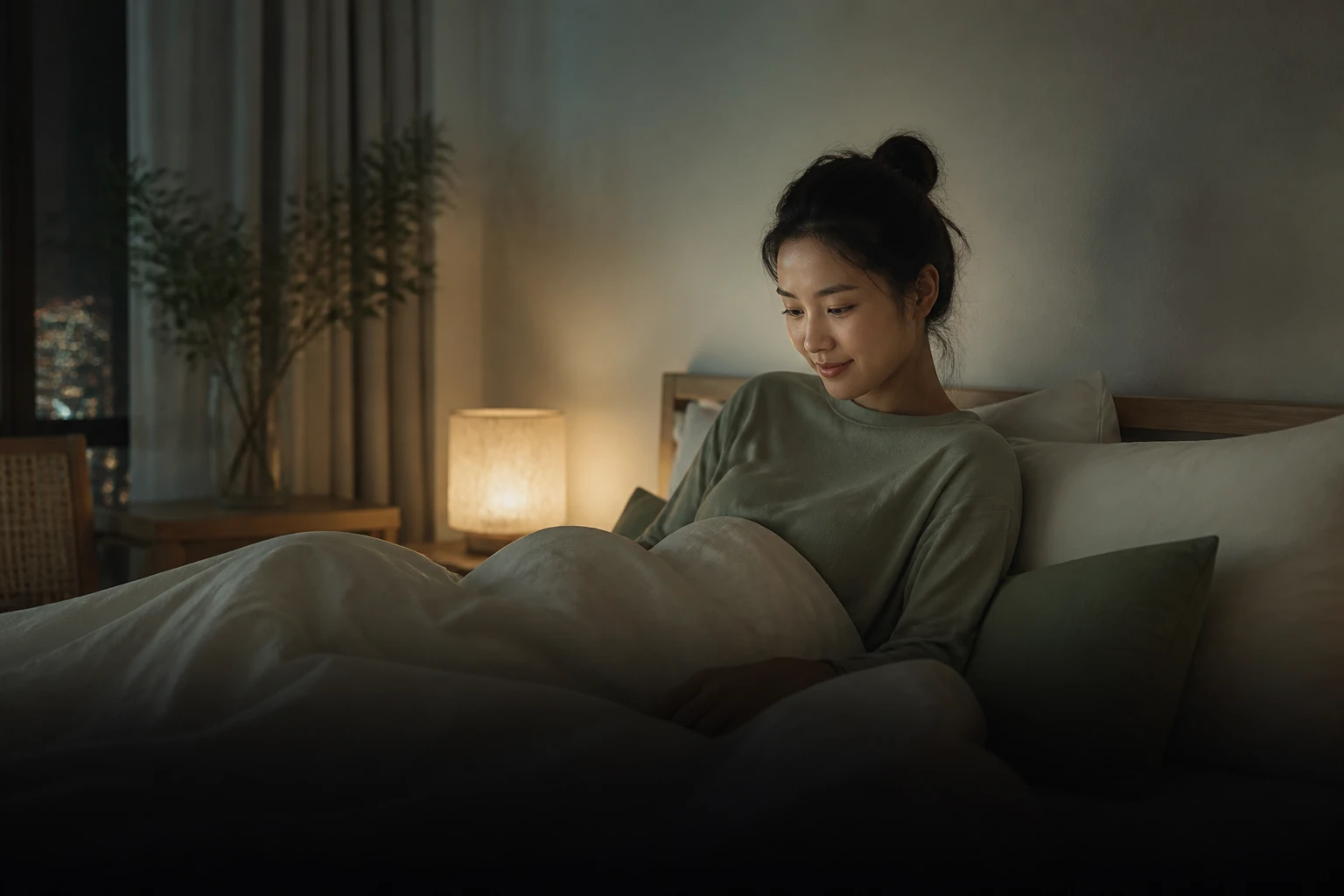
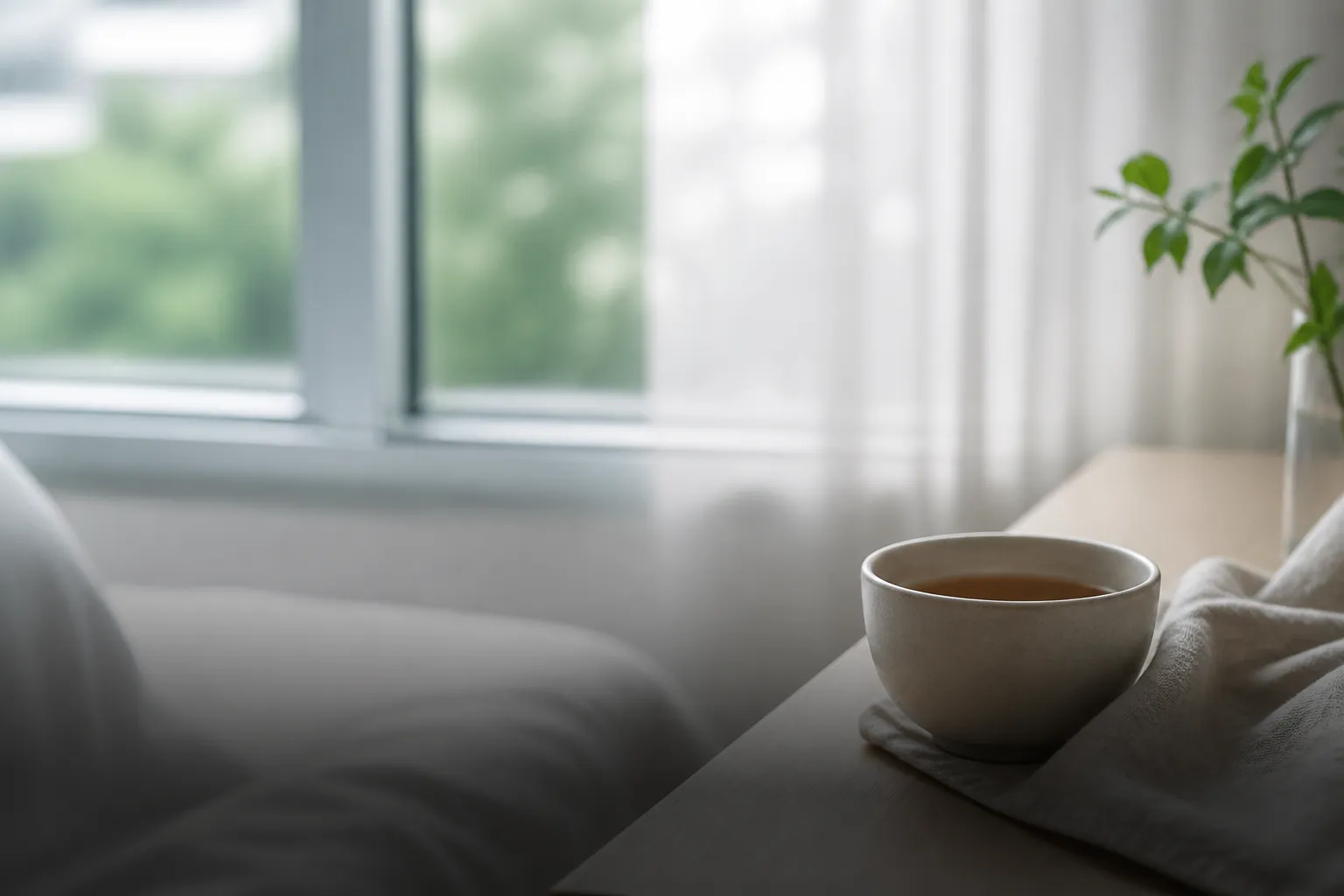
Quiet morning self-care ritual with tea and soft natural light

Insights · Well-being

13 daily self-care habits for stress and sleep

Small daily habits protect mood, sleep, and Qi. Practise these thirteen moves for mind, body, rest, and connection, then deepen care when stress or rest will not settle.

In brief

Thirteen daily self-care habits for mind, body, rest, and connection: kind notes, a 15–30 minute unplug, a body check-in, movement, warmer nourishing food, a five-minute breath sit, sleep wind-down aiming for about 11pm, one joyful act, naming feelings, kindness, self-forgiveness, box breathing, and real connection. Book when sleep debt, mood, digestion, or pain under stress keep returning.

01 · Shen and Qi

Why small daily habits protect Shen

Self-care is everyday work, not a spa day. In TCM, it means keeping Qi (vital energy) moving and Shen (the settled mind-spirit) quiet enough to rest, digest, and feel. When news load, late nights, and bottled feelings stack, the body often answers with tight shoulders, restless sleep, or a gut that will not settle.

These thirteen habits are simple on purpose. Practise a few most days. They do not diagnose or treat mood disorders, and they do not replace psychology, psychiatry, or urgent care when safety or sleep collapses. Use them between visits, then book when the pattern keeps returning.
02 · At a glance

Thirteen daily self-care habits at a glance

Mind, body, rest, and connection each need a little attention. Start with the habit that matches what feels hardest this week.

Thirteen daily self-care habits
Habit What to do When it helps
1. Positive notes Sticky notes you see at wake-up Harsh self-talk or low morning mood
2. Unplug 15–30 min away from feeds Heavy news load, phone in bed
3. Check-in Body scan and name one emotion Tension you notice only at night
4. Get moving Walk, stretch, or a short workout Desk stiffness, stuck mood
5. Eat well Warm, nourishing meals Iced-drink crash, heavy comfort food
6. Live in the moment Five-minute breath sit Worry about past or future
7. Sleep hygiene Devices off, wind down by about 11pm Light, broken, or late sleep
8. One joyful thing One small joy each day Days that are only duty
9. Acknowledge feelings Name how you feel out loud Bottled emotion, sharp later crash
10. Kind deed One helpful act for someone else Isolation or flat mood
11. Forgive yourself Release one stuck regret Harsh self-judgement that lingers
12. Breathe Box breathing (four counts each) Chest tightness, rising agitation
13. Stay connected Message or meet someone trusted Carrying load alone

03 · Mind

Mind and attention

Singapore days fill fast with screens, deadlines, and news. These four habits lower mental load before the body has to shout.

1. Write yourself positive notes

Everyone needs a cheerleader. Being there for yourself shapes self-worth and esteem. Write short encouragement on sticky notes and place them where you will see them first thing in the morning: on the kettle, mirror, or desk.

2. Unplug regularly

MRT scrolls, late news, and phone-in-bed feeds stack worry without you noticing. Take a short digital break for at least 15–30 minutes each day. Walk the corridor, stretch, or sit without swapping one screen for another.

3. Check in with yourself

Ask yourself “How are you?” Scan jaw, neck, chest, and gut for pain or tightness, then name one emotion that fits. Catching load at lunch is easier than waiting until 1am.

6. Live in the moment

Worry about what has not happened and regret about what already did can feed stress and low mood. Sit quietly, close the eyes, and observe each inhale and exhale for at least five minutes. Keep it simple. You do not need an app.

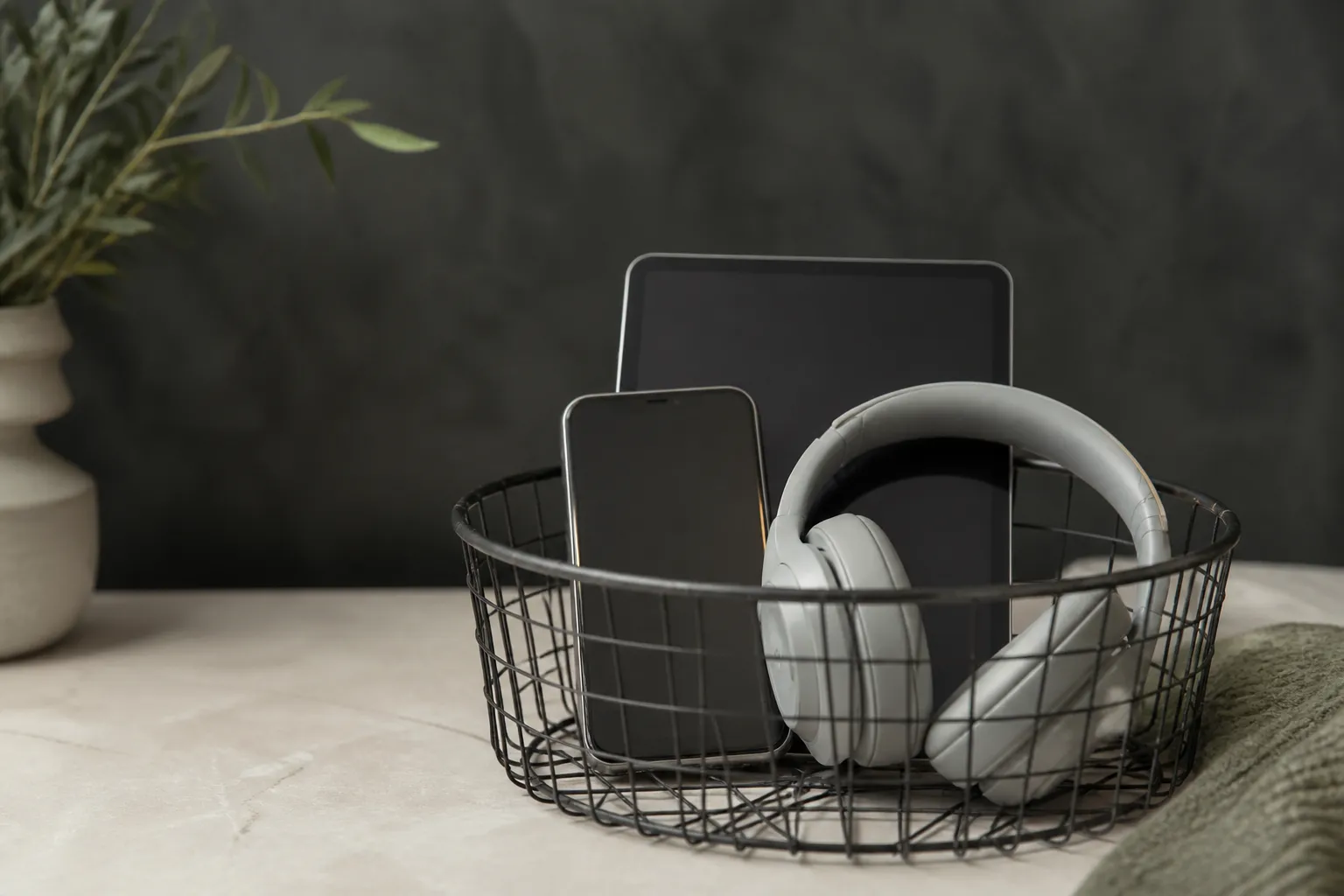
Wire basket holding phone, tablet, and headphones for a daily digital unplug

Unplug

Put the devices down

A short daily break from feeds is one of the fastest ways to lower sensory load before sleep and focused work.

04 · Body

Move and fuel

Qi stagnates when the day is all sitting and iced drinks. Movement and steadier food give the Spleen and Liver less to fight.

4. Get moving

A lunchtime walk around the block, a stretch between meetings, or a harder workout all count. Movement lifts mood and keeps Qi from sitting still in the chest and shoulders after long desk hours.

05 · Eat well

5. Eat to spare the Spleen

Comfort food has a place, but daily ultra-processed sugar, late greasy meals, and constant iced drinks are a poor treat. Prefer warm, nourishing plates that fuel body and mind without slamming digestion. In TCM, the Spleen transforms food into usable Qi and Blood.

  • Build most meals around cooked vegetables, protein, and grain rather than dessert as dinner.
  • In Singapore air-con and humidity, go easy on iced drinks and raw-cold snacks when you already feel bloated or tired after meals.
  • Eat at roughly regular times. Skipping lunch then grazing late often taxes Spleen Qi more than one steady plate.
Food for health: flavours and natures

06 · Rest

7. Protect sleep quality

Quality often matters more than clock hours. Late CBD nights, phone light in bed, and irregular wind-downs leave Shen restless. Aim to be asleep by about 11pm when life allows.

  • Shut devices about an hour before bed. Charge the phone outside the bedroom when you can.
  • Use one short wind-down: a warm shower, gentle breath, or a few journal lines to clear the day.
  • Keep the room dark and cool enough for Singapore nights. Avoid scrolling if you wake.
Why sleep matters in TCM

07 · Breath

12. Box breathing for rising agitation

Breath settles stress and agitation when you practise it on purpose. Soften the shoulders. Stop if you feel dizzy. This guide does not teach cold-exposure breath methods.

  • Sit upright with feet on the floor.
  • Inhale through the nose for a count of four.
  • Hold gently for four.
  • Exhale through the mouth or nose for four.
  • Hold empty for four, then repeat for three to five rounds.

Caution

Skip forceful holds if you are pregnant, lightheaded, or have uncontrolled high blood pressure or heart disease. Seek care if chest pain or breathlessness is new.

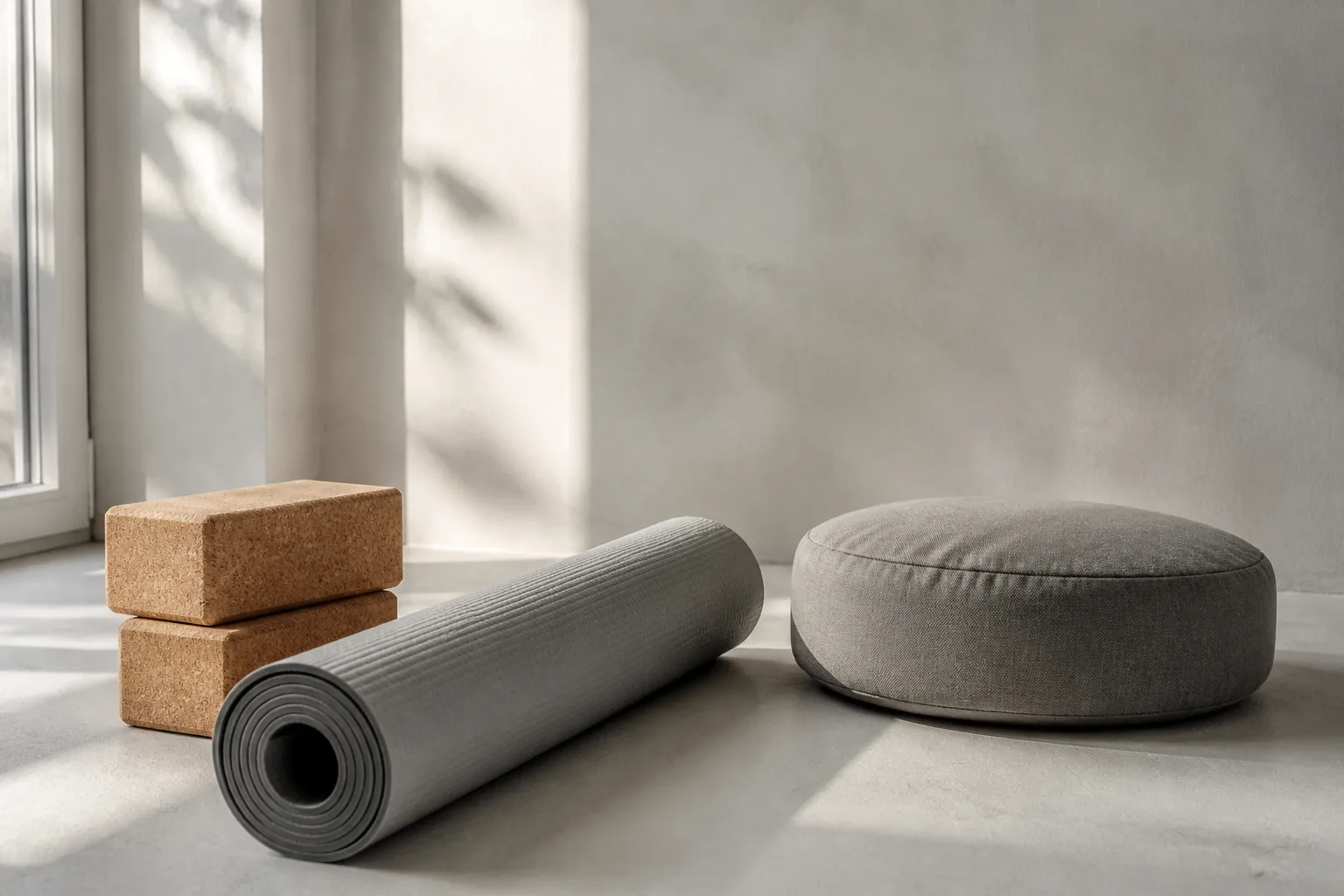
Yoga blocks, mat, and meditation cushion for a daily breath pause

May help

When the neck clamps or sleep will not start

Desk tension, a racing mind at lights-out, and thin sleep often need a short press, stretch, or kitchen tea beside the daily habits.

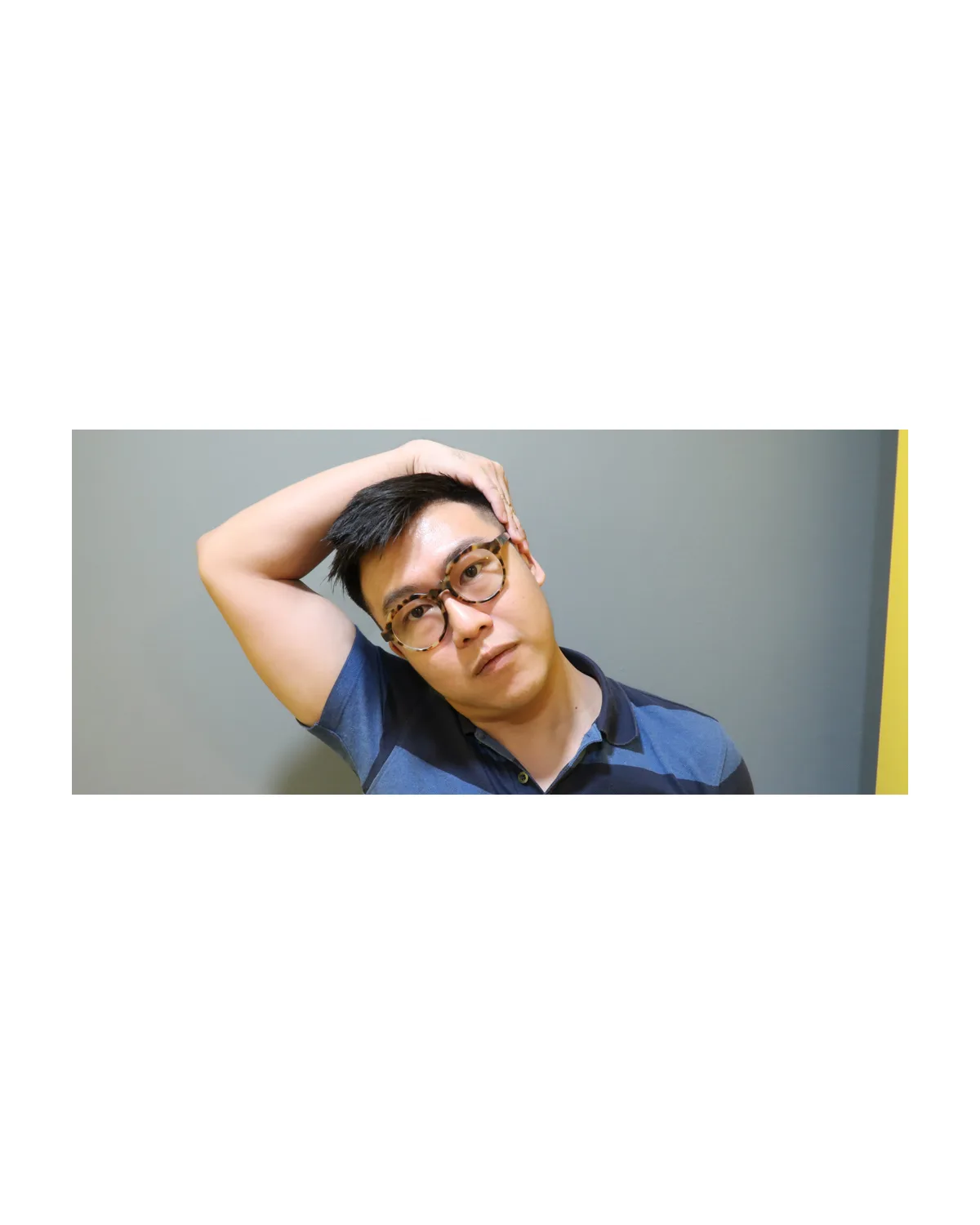
Person doing a gentle standing neck stretch for stress-linked tension

Move

Three moves when stress clamps body and mind

Neck stretch, child pose, and 4-7-8 breathing when desk tension and rising anxiety sit together.

Try the three moves
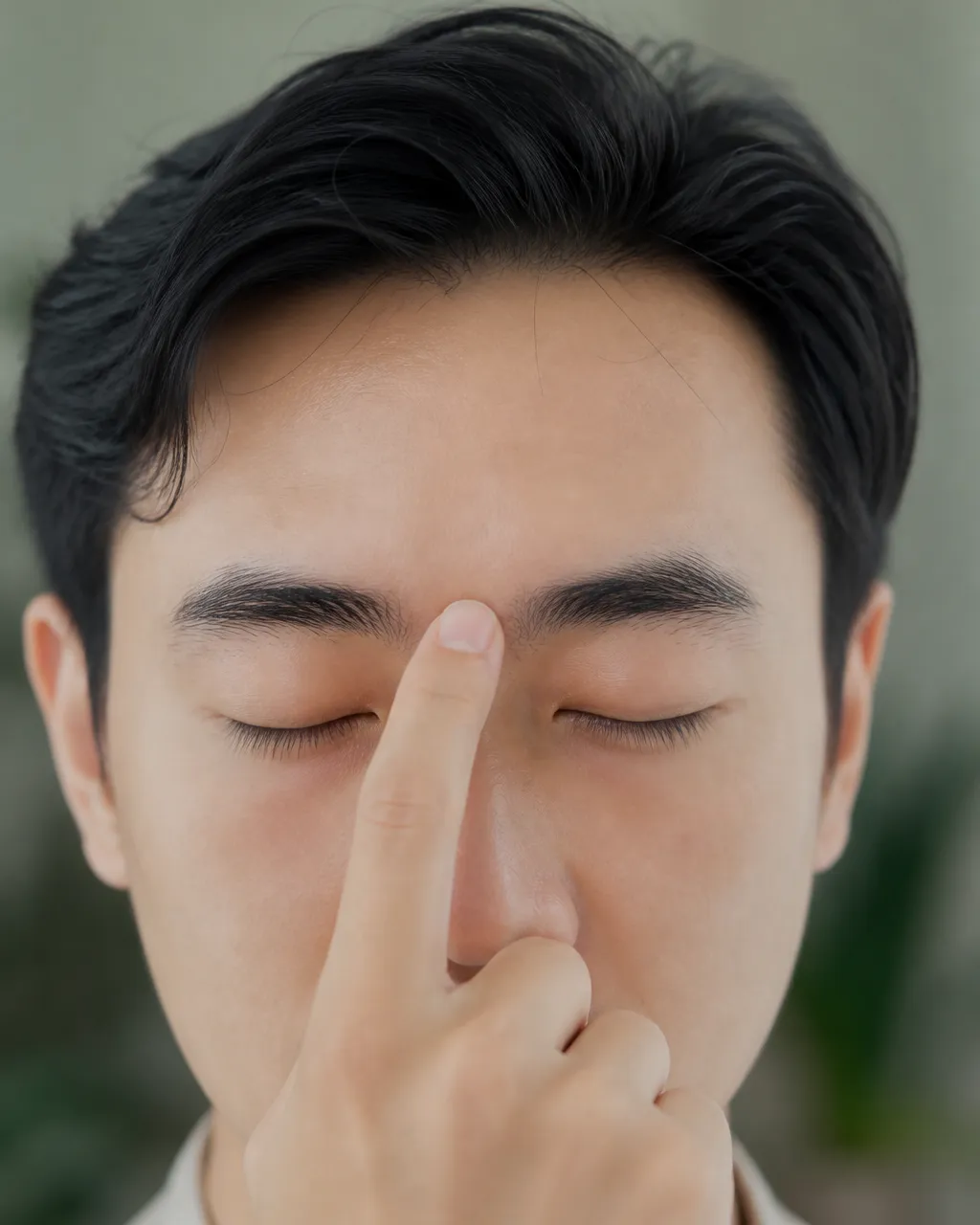
Finger locating Yin Tang EX-HN3 between the eyebrows

Acupoint · EX-HN3

Yin Tang between the brows

Hold the midpoint between the eyebrows for about five seconds, then stroke up to the hairline about fifteen times when falling asleep feels hard.

Soft pressure only. Stop if the press turns sharp.

Press Yin Tang
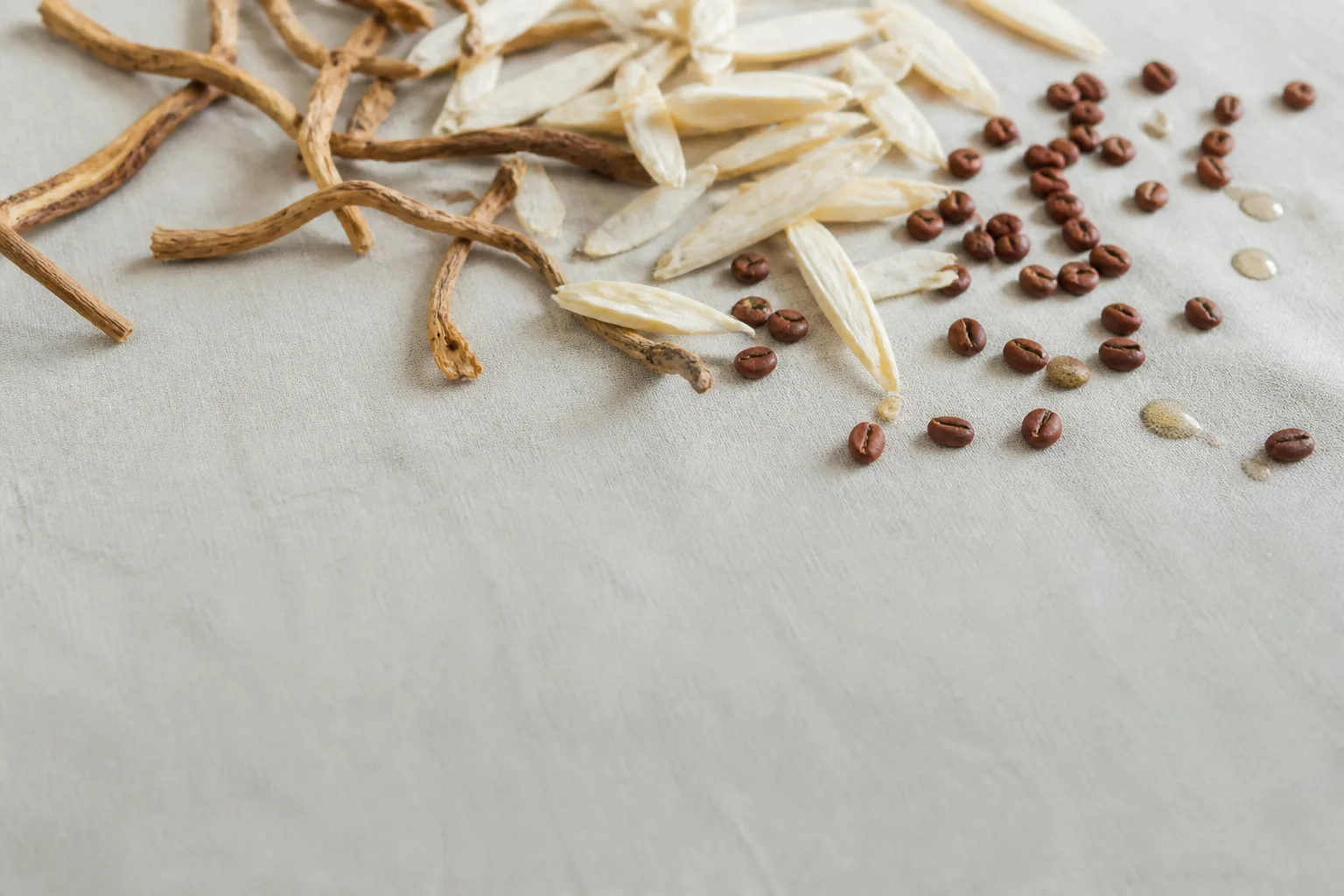
Dried polygala root, ophiopogon slices, and spine date seeds for Dreamful Sleep Tea at PULSE TCM

Tea

Dreamful Sleep Tea

Polygala, ophiopogon, and spine date seeds steeped for Heart-Shen calm when the mind will not settle at bedtime.

If there is any chance of pregnancy, do not use this tea.

Steep Dreamful Sleep Tea
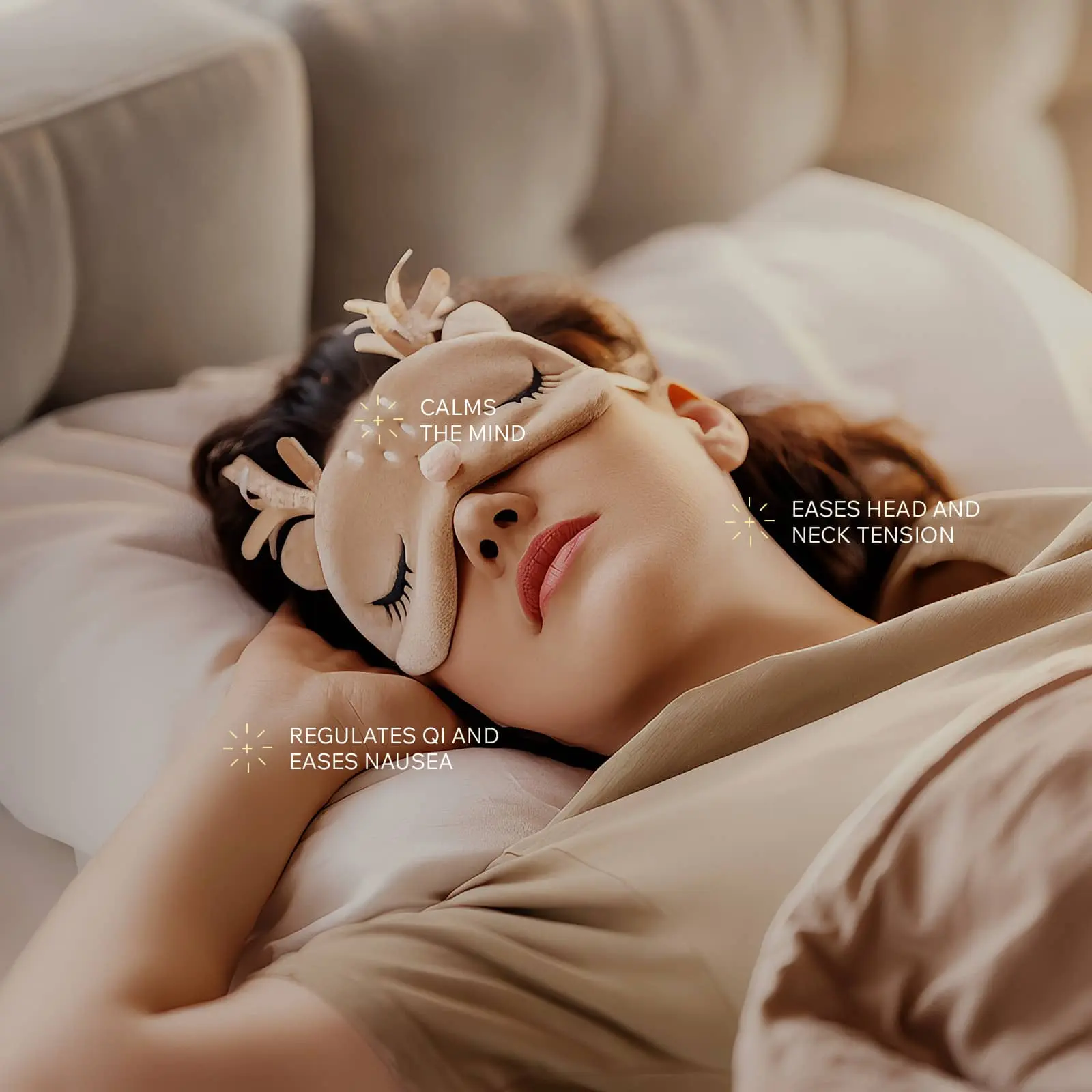
Quiet rest illustrating the Sleep and Stress programme at PULSE TCM

Programme

Sleep and stress that will not settle

When restless nights and stress load keep returning after daily habits, Sleep & Stress care can sit beside psychology and GP follow-up.

08 · Connection

Heart, kindness, and people

Emotions are meant to move. Joy, naming feelings, kindness, self-forgiveness, and real conversation keep Qi from bottling and protect Shen through warmth.

8. Do at least one thing that makes you happy

Dance, cook a favourite dish, tend plants, or any small joy that is yours. Aim for at least one each day so the Singapore work week is not only duty.

9. Acknowledge your feelings

Feelings are meant to flow, not stay bottled. Name how you feel, knowing that states pass. Holding everything in often ends in a sharper crash later.

10. Do a kind deed

Kindness to others is also kindness to yourself. A helpful act often lifts mood. In TCM, warmth between people protects Shen.

11. Forgive yourself

Many people judge themselves harder than they judge others. When regret rises, release the past so you can step forward with clearer intention, rather than carrying the same weight for weeks.

13. Stay connected

People need people. Message or meet a friend or loved one when feelings feel stuck. Real conversation protects mood better than carrying load alone.

09 · Clinic

When daily habits are not enough

Keep the thirteen habits as your baseline. Book a consult when sleep debt, low mood, anxiety, digestion change, or pain under stress keep returning despite them.

Bring how long the pattern has lasted, what already helps, and any GP or psychology notes. We will name the picture in plain language and decide whether acupuncture, herbs, or the Sleep & Stress programme belongs beside your plan.

Seek urgent medical care for sudden mood or safety collapse, thoughts of self-harm, chest pain, or acute illness. TCM complements psychology and medical care. It does not replace them.

Dr Sim Beng Joo

Clinically reviewed

Reviewed by Sim Beng Joo

Advisor (Science & Strategy) / Consultant Physician · TCMPB T1303003A

MOH-licensed TCM physician and biomedical scientist, with clinical work in digestion, pain, sleep or fatigue, and constitution patterns that show as stress load on Shen and Qi.

View full profile

Educational information based on clinical experience and TCM principles. Not a substitute for personalised consultation, psychology, psychiatry, or urgent care. Speak with your physician before starting herbs or new self-care in pregnancy or with a chronic condition. Seek urgent help if mood, safety, or sleep collapse suddenly, or if you have thoughts of self-harm.

FAQs

Questions, answered

Common questions on daily self-care habits, sleep hygiene, box breathing, and when to book.

What are simple daily self-care habits?

Practical habits you can repeat most days: kind self-notes, a short digital unplug, a body and emotion check-in, movement, steadier food, a few minutes of quiet breath, sleep wind-down, one joyful act, naming feelings, kindness to others, self-forgiveness, box breathing, and real connection. None replaces clinical care when symptoms persist.

How long should a daily digital detox last?

Aim for at least 15–30 minutes away from news feeds and social scroll each day. Use the window to walk, stretch, or sit quietly rather than swapping one screen for another. Longer breaks help when load is high, but consistency matters more than a perfect day.

What is good sleep hygiene for self-care?

Quality often matters more than raw hours. Shut devices about an hour before bed, then use a simple wind-down such as a warm bath, gentle breath, or journaling. TCM body-clock teaching also favours being asleep by about 11pm when life allows.

How do you practise box breathing?

Sit comfortably. Inhale for a count of four, hold for four, exhale for four, hold empty for four, then repeat for a few rounds. Soften the shoulders. Stop if you feel dizzy or lightheaded. This guide does not teach cold-exposure breath methods.

How does TCM view emotions and self-care?

Emotions are meant to move. When feelings stay bottled, Qi can stagnate and Shen (the settled mind-spirit) can feel restless. Naming how you feel, breathing, sleep, and kind connection are everyday ways to keep Qi and Shen circulating between visits.

When are lifestyle self-care tips not enough?

Book when sleep debt, low mood, anxiety, digestion change, or pain under stress keep returning despite daily habits. Seek urgent medical care for sudden mood or safety collapse, thoughts of self-harm, chest pain, or acute illness. TCM complements psychology and medical care. It does not replace them.

Can kindness and connection support mood?

Doing a kind deed and staying in touch with people you trust often lifts mood and reduces isolation. TCM has long treated social warmth as protective for Shen. Reach out when feelings feel stuck rather than carrying them alone.

When should I book a TCM consult for stress or sleep?

Book when restless sleep, desk tension, digestion under stress, or mood load persist after you have tried basic habits. Bring how long the pattern has lasted and what helps or worsens it. The Sleep & Stress programme is for ongoing pattern-led care.

References

Selected sources

  1. National Eating Disorders Association. 5 ways to care for yourself during tough times. https://www.nationaleatingdisorders.org/blog/five-ways-to-care-for-yourself-tough-times
  2. Singapore Management University. Take care of yourself during these tough times. https://www.smu.edu/News/2020/COVID-19/Take-care-of-yourself-during-these-tough-times
  3. Michigan State University WorkLife. Taking care of yourself in times of uncertainty. https://worklife.msu.edu/blog/taking-care-yourself-times-uncertainty
  4. Voices of Youth. How to take care of yourself during stressful times. https://www.voicesofyouth.org/campaign/mental-health-wellbeing-guide-how-take-care-yourself-during-stressful-times
  5. The Body Is Not An Apology. 7 tips for taking care of yourself when dealing with difficult times. https://thebodyisnotanapology.com/magazine/7-tips-for-taking-care-of-yourself-when-dealing-with-difficult-times/
  6. Positivity Blog. 7 awesome reasons to be present and how to do it. https://www.positivityblog.com/7-awesome-reasons-to-be-present-and-how-to-do-it/
  7. Mindwise. The importance of social connection. https://www.mindwise.org/blog/uncategorized/the-importance-of-social-connection/
  8. Mayo Clinic Health System. The art of kindness. https://www.mayoclinichealthsystem.org/hometown-health/speaking-of-health/the-art-of-kindness
  9. Authenticity Associates. Emotions are energy: the bodymind connection and e-motion. https://www.authenticityassociates.com/emotions-are-energy/
  10. Original source: Fitness First Singapore. 13 daily self-care strategies that work (2021). https://www.fitnessfirst.com.sg/blog/2021-aug-13-daily-self-care-strategies-that-work

Next step

Book when daily habits are not enough

Bring how long sleep, mood, or stress load has lasted, and what already helps. We will name the pattern and decide whether Sleep & Stress care belongs in your plan.

Hours
Most clinics daily 11:00 AM – 8:00 PM
Care
Physician-led consultation