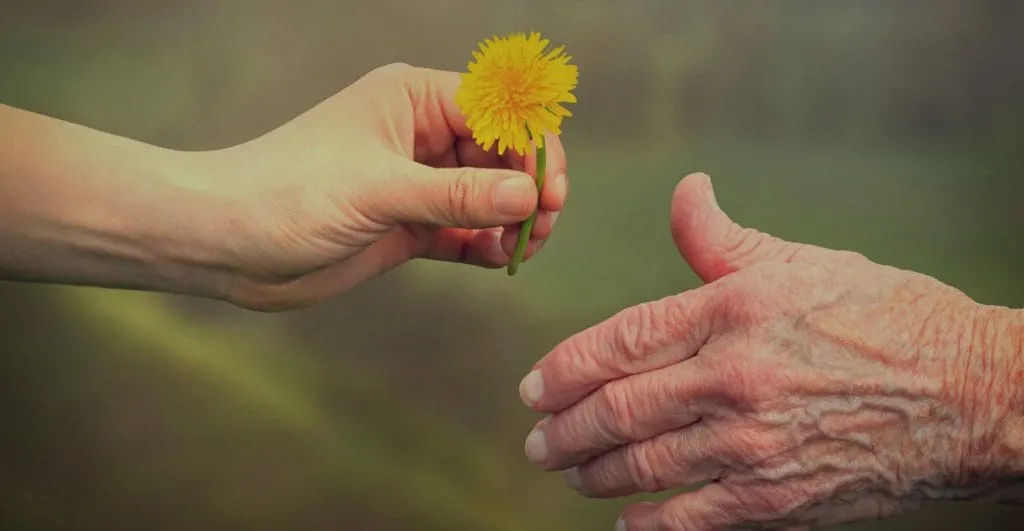
Young and older hands meeting over a yellow dandelion, showing ageing continuity

Insights · Well-being

Ageing and what you can do about it

Ageing is inevitable, yet the pace of decline is not fixed. TCM care and daily habits can support cell renewal, immunity, and energy so you stay steadier for longer.

In brief

Ageing reflects oxidative DNA damage and immune senescence, and in TCM often maps to thin Kidney Jing, Spleen Qi, or Liver Qi and Blood. Signs include fatigue, weaker immunity, digestion change, sallow skin, hair change, lower muscle tone, slower metabolism, and more body fat. Acupuncture, herbs, and cupping support Qi, Blood, and yin-yang balance. Five habits help between visits: steadier food, open mindset, rest from overwork, sleep before 11pm for the liver meridian, and regular cardio. Book when energy, immunity, or recovery keep sliding.

01 · Drivers

What is ageing?

Oxidative DNA damage · Immune senescence

Ageing is a common bodily process that raises disease risk and lowers the activity we once had. It is inevitable, yet the pace is not fixed. Clinic care and daily habits can help cells stay active longer and keep immune tone steadier, so decline feels less steep.

Two major drivers sit behind age-related change: oxidative damage to DNA in cells, and immune senescence (when defence cells renew less well). Both link to the signs many people notice as the years stack.
02 · TCM map

Kidney Jing, Spleen, and Liver

肾精 · 脾 · 肝 · Qi · Blood

Beside the biology above, TCM reads healthy ageing through stored essence and the organs that move Qi and Blood day to day. The map below is educational: constitutions differ, and a physician names your pattern in clinic.

Organ map for healthy ageing in TCM
Focus What it governs When it runs thin
Kidney Jing (肾精)Stored essence Growth, bones, teeth, hair colour and quality, reproductive foundation, and long-term reserves. Early greying or thinning hair, low back or knee weakness, night sweat or chill pictures, slower recovery after load.
Spleen QiFood to Blood Transforms food into Qi and Blood that feed muscle tone, immunity, and day energy. Fatigue after meals, bloating, loose stools, soft muscle tone, easier weight gain when damp stacks.
Liver Qi and BloodFlow and storage Keeps Qi moving, stores Blood, and links to eyes, tendons, and the evening wind-down clock. Tight shoulders, irritability, restless sleep after 11pm, dry or tired eyes, tendon stiffness.

Acupuncture, herbs, and cupping in the sections below aim to replenish or move these layers, not to “stop” calendar age.

03 · Signs

Age-related signs, and where to go next

Notice · Pattern · Deeper read

These are common pictures when oxidative damage, immune senescence, and thin Jing, Spleen, or Liver tone stack. They are not a diagnosis on their own.

Age-related signs and deeper reads
Sign What you may notice TCM often reads Related read
Senility and weaker immunity Cognitive slowing; infections that linger or return. Thin Wei Qi / Zheng Qi beside Kidney and Spleen tone. Boosting immunity with TCM
Fatigue and digestive issues Lower day energy; a gut that settles less easily after meals or stress. Spleen Qi not transforming food into Blood and energy. Food for health
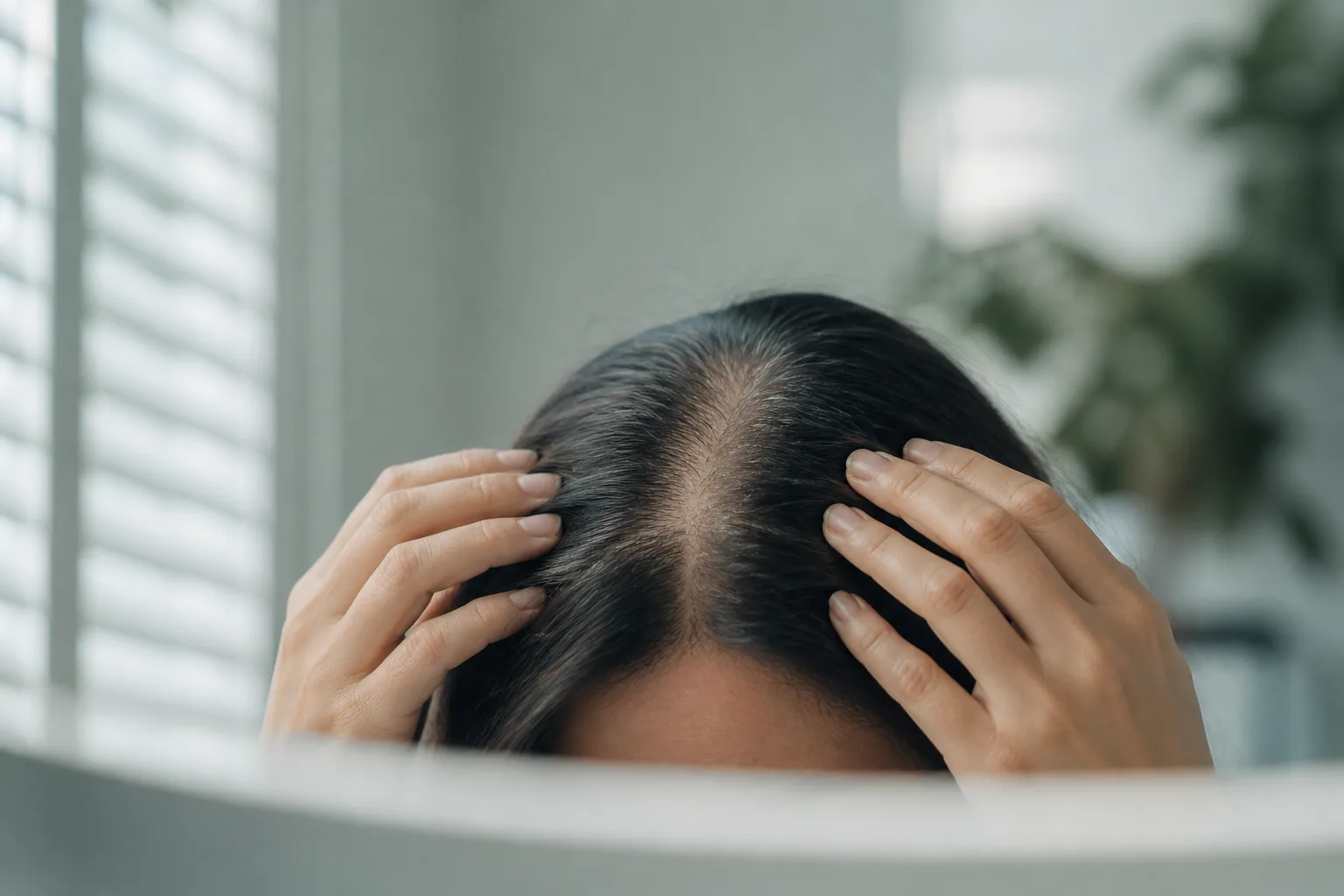
Sallow skin, white hair, and hair loss Dull complexion; hair that greys or thins as renewal slows. Blood and Kidney Jing not nourishing skin and hair. Chinese medicine for hair loss
Lower muscle tone and visual sharpness Softer muscle tone; vision that feels less crisp than before. Spleen Blood for muscle; Liver Blood for eyes and tendons. Combating dry eyes
Slower metabolism, lower energy, more body fat Metabolic rate drops; energy falls and body fat can rise even when the plate looks familiar. Spleen damp or thin Yang fire beside low activity. 13 daily self-care habits
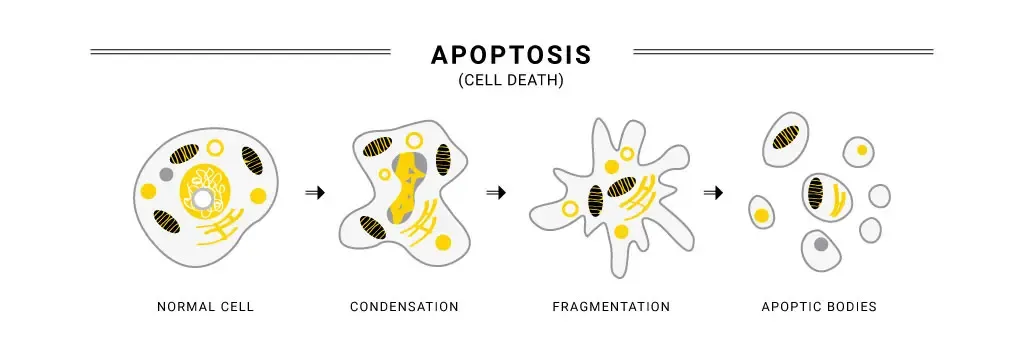
Four-stage apoptosis diagram: normal cell, condensation, fragmentation, and apoptotic bodies

04 · Who

Who is affected?

Cell death · Immunomodulation · Metabolic age

Ageing does not belong only to the elderly. Every day the body runs cell death and immune renewal. Age, living and eating habits such as smoking, activity, and mental health change how quickly you recover.

A woman in her 20s can carry the metabolic age of a 40-year-old when stress or long inactivity stack. A good balance of diet and exercise can lower the risk of age-related conditions, yet work often crowds out that maintenance.

05 · Care

How TCM works

Acupuncture · Herbs · Cupping

Three clinic modalities sit at the centre of this framing. Each supports Qi, Blood, and constitution tone so cells and tissues renew more steadily.

Acupuncture, herbs, and cupping for healthy ageing
Modality How it supports ageing care
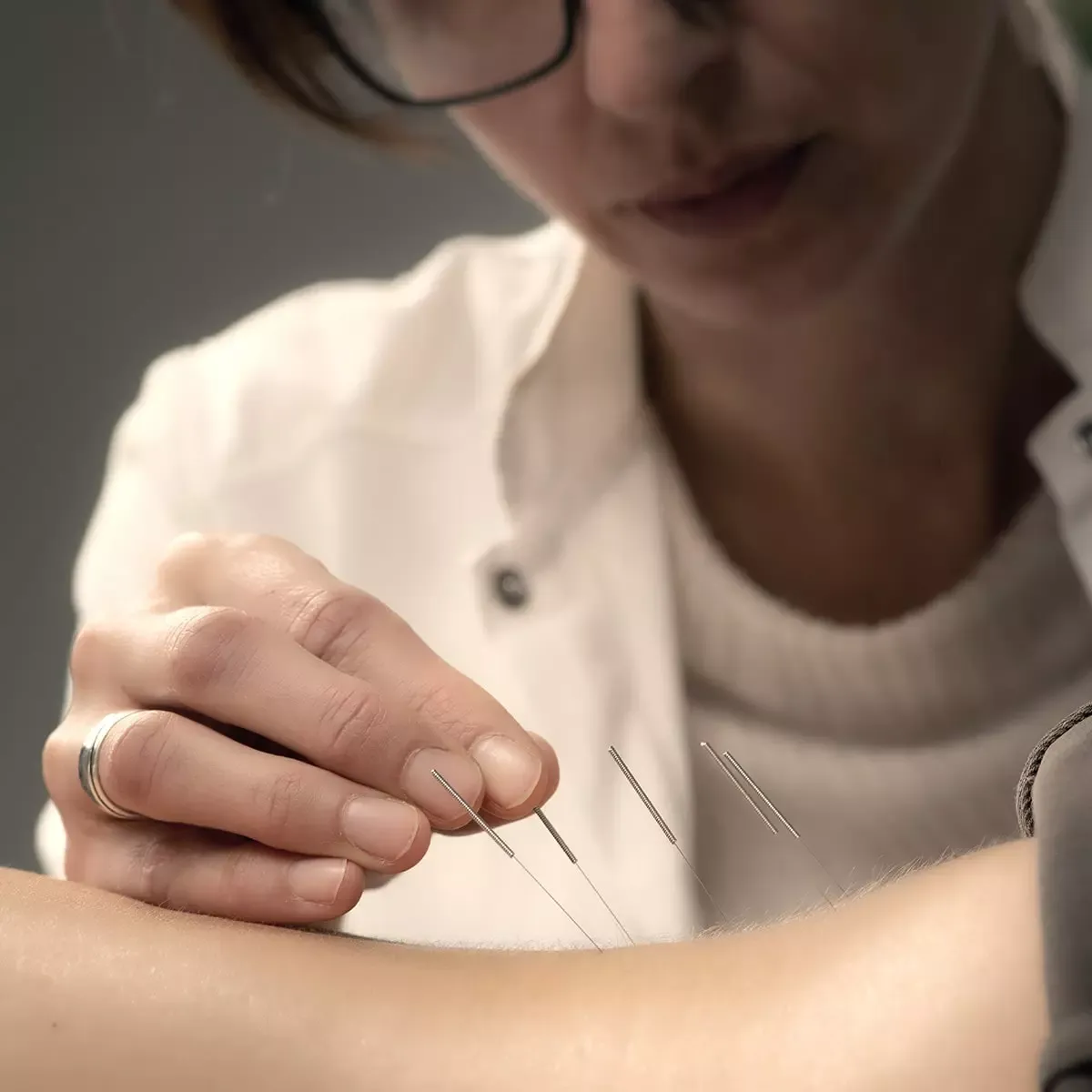
Acupuncture
  • Needles along meridian pathways help the body settle toward balance.
  • Local points can ease soft-tissue and muscle tightness where conductance and Qi gather.
  • Better Qi and Blood flow supports cell renewal and recovery.
  • Replenishing yin (Blood, fluid, essence) and yang (energy, flow, strength) is framed as antioxidant support in this teaching.
  • Steadier constitution and cell tone may slow how abnormal cell patterns progress.
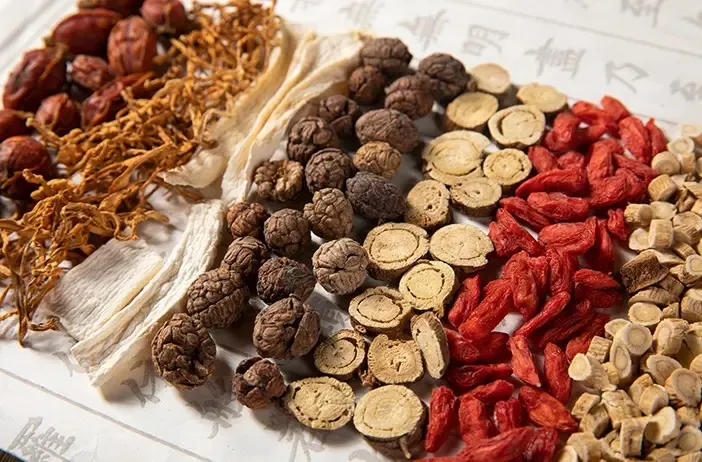
Herbal medication
  • Herbs deliver nutrients through the gut as part of a matched formula.
  • Categories vary with the physician's read of your constitution (for example, Kidney, Spleen, or Liver pictures).
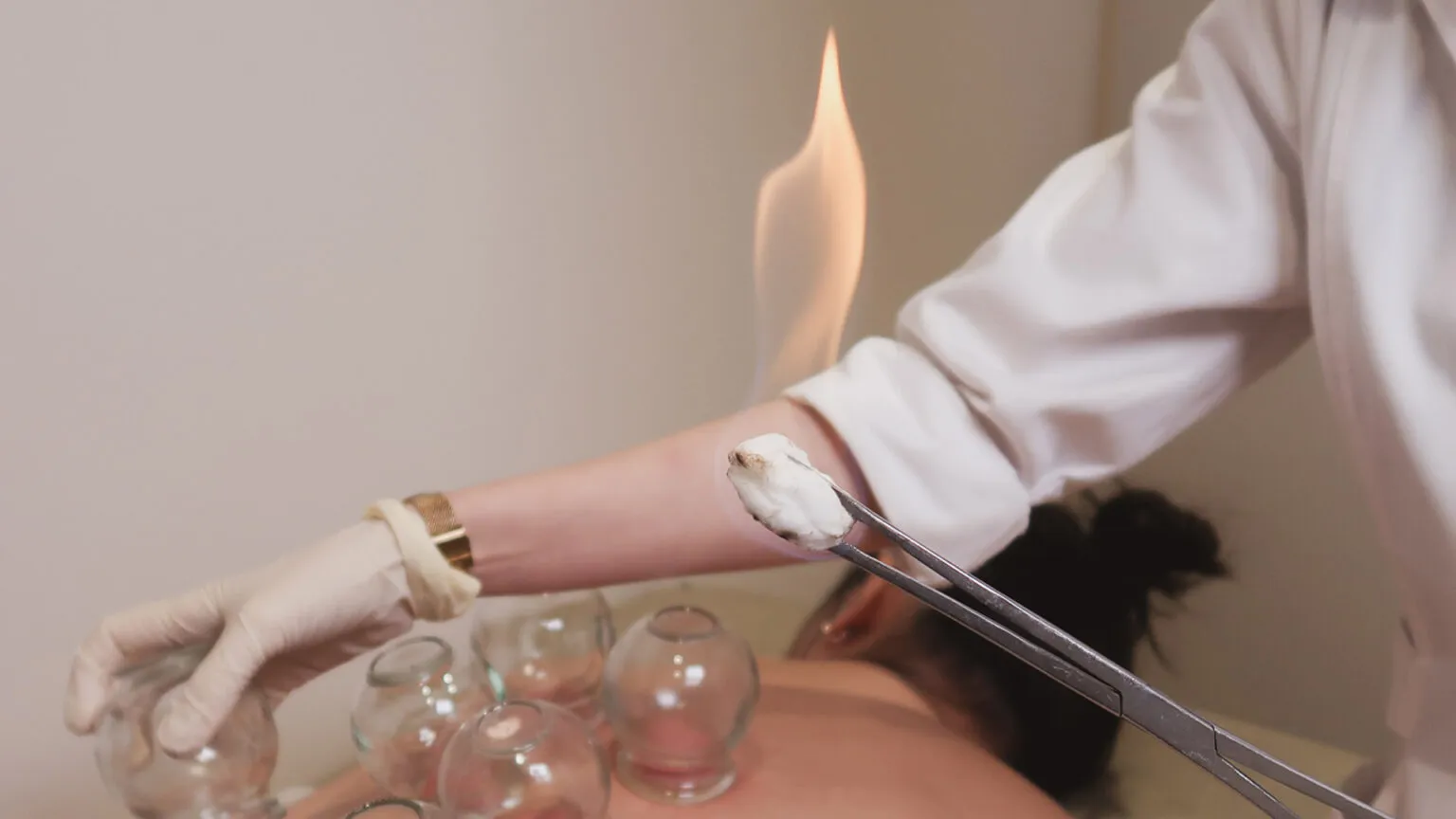
Cupping
  • Suction on the body, mostly on the back, for a massaging and warming effect along meridian lines.
  • Often pairs with acupuncture and herbs to wake surface circulation and nerve tone.

06 · Self-care

What you can do on your own

Five daily levers sit between clinic visits. They do not replace a pattern read when fatigue, immunity, or recovery keep sliding.

1. Balanced diet

A well-nourished plate matters. Limit deep-fried, oily, fatty, and spicy food as much as you can. Match flavours and natures to your constitution when meals are the main lever.

2. Positive, open mindset

A steadier outlook helps cut unnecessary stress that accelerates metabolic age and stagnates Liver Qi.

3. Time off work

Step back from the desk to prevent mental over-exertion that drains Kidney and Spleen reserves.

4. Sleep before 11pm

Sleep before 11pm to nourish the liver meridian and support overnight clearing. Restless nights that keep returning deserve clinic attention beside habit change.

5. Regular cardio exercise

Enough cardio strengthens the heart and supports muscle tone so Spleen-fed tissues stay steadier.

For habit depth, see 13 daily self-care habits and why sleep before 11pm matters.

Immunity & Vitality

When lifestyle alone is not enough

If energy, immunity, or recovery keep sliding despite food, sleep, and movement, pattern-led care can sit beside your habits.

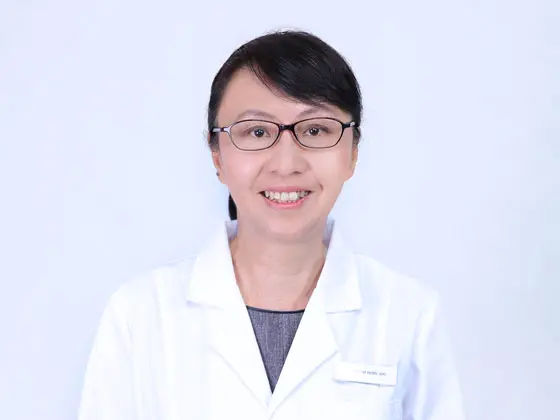
Dr Sim Beng Joo

Clinically reviewed

Reviewed by Sim Beng Joo

Advisor (Science & Strategy) / Consultant Physician · TCMPB T1303003A

MOH-licensed TCM physician and biomedical scientist, with clinical work in digestion, pain, sleep or fatigue, and constitution patterns that show as immune and vitality load with age.

View full profile

Educational information based on clinical experience and TCM principles. Not a substitute for personalised consultation, medical care, or urgent attention. Constitutions differ; speak with a licensed TCM practitioner for diagnosis and treatment. Seek urgent care for sudden weakness, chest pain, breathlessness, or neurological change.

FAQs

Questions, answered

Common questions on ageing drivers, Kidney Jing, acupuncture, herbs, cupping, lifestyle levers, and when to book.

What drives ageing in this TCM framing?

Two major drivers sit behind age-related change: oxidative damage to DNA in cells, and immune senescence. Together they link to senility, weaker immunity, fatigue, digestive issues, sallow skin, white hair, hair loss, lower muscle tone, reduced visual sharpness, slower metabolism, lower energy, and more body fat. TCM also maps the same pictures through Kidney Jing, Spleen Qi, and Liver Qi and Blood.

Does ageing only affect the elderly?

No. Every day the body runs cell death and immune renewal. Age, smoking, activity, and mental health change the rate of recovery. A woman in her 20s can carry the metabolic age of a 40-year-old when stress or long inactivity stack. Diet and exercise help, yet work often crowds out that maintenance.

How do Kidney Jing, Spleen, and Liver relate to ageing?

Kidney Jing (肾精) stores essence for growth, bones, hair, and long-term reserves. Spleen Qi turns food into Qi and Blood for muscle and day energy. Liver Qi and Blood keep flow, eyes, tendons, and the evening wind-down clock. When these run thin, fatigue, hair change, digestion load, and restless sleep often show together.

How does acupuncture support healthy ageing?

Needles along meridian pathways help the body settle toward balance: ease local soft-tissue tightness, improve Qi and Blood flow for cell renewal, replenish yin (Blood, fluid, essence) and yang (energy, flow, strength), and steady constitution so abnormal cell patterns progress more slowly.

How do herbs and cupping fit healthy ageing?

Herbal medication delivers nutrients through the gut. Categories vary with the physician's constitution diagnosis. Cupping uses suction, often on the back, for a massaging and warming effect along meridians, and often pairs with acupuncture and herbs to wake surface circulation and nerve tone.

What can I do on my own for healthy ageing?

Keep a balanced diet and limit deep-fried, oily, fatty, and spicy food; hold a positive, open mindset to cut unnecessary stress; take time off work to avoid mental over-exertion; sleep before 11pm to nourish the liver meridian and support overnight clearing; and exercise regularly for cardio load that strengthens the heart and muscle tone.

When should I book a TCM consult for ageing-related decline?

Book when fatigue, weaker immunity, digestion change, skin or hair change, or slow recovery keep returning despite lifestyle habits. Bring how long the pattern has lasted and what already helps. The Immunity & Vitality programme suits ongoing pattern-led care. Seek urgent Western care for sudden weakness, chest pain, breathlessness, or neurological change.

References

Selected sources

  1. National Center for Complementary and Integrative Health. (2019, April). Traditional Chinese medicine: What you need to know. NCCIH. https://www.nccih.nih.gov/health/traditional-chinese-medicine-what-you-need-to-know/
  2. Ministry of Health Singapore. TCM Practitioners. Healthcare Professional Portal. https://hpp.moh.gov.sg/tcm-practitioners/
  3. World Health Organization. (2019, November 25). Traditional, complementary and integrative medicine. https://www.who.int/health-topics/traditional-complementary-and-integrative-medicine
  4. Original article author: Physician Victoria Tan.

Next step

Book when decline keeps sliding

Bring how long fatigue, immunity, digestion, or recovery has been changing, and what already helps. We will name the pattern and decide whether acupuncture, herbs, or Immunity & Vitality care belongs in your plan.

Hours
Most clinics daily 11:00 AM – 8:00 PM
Care
Physician-led consultation