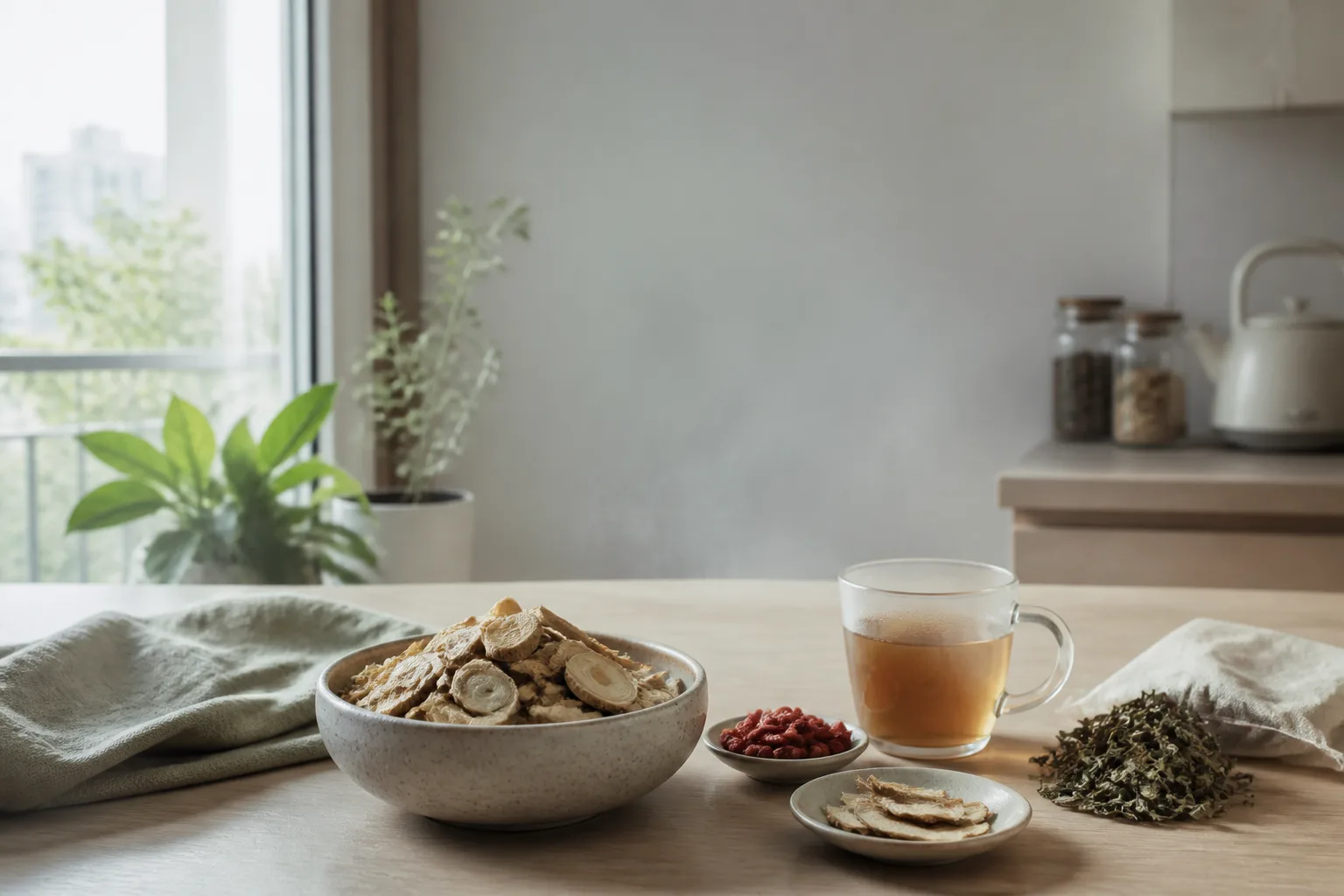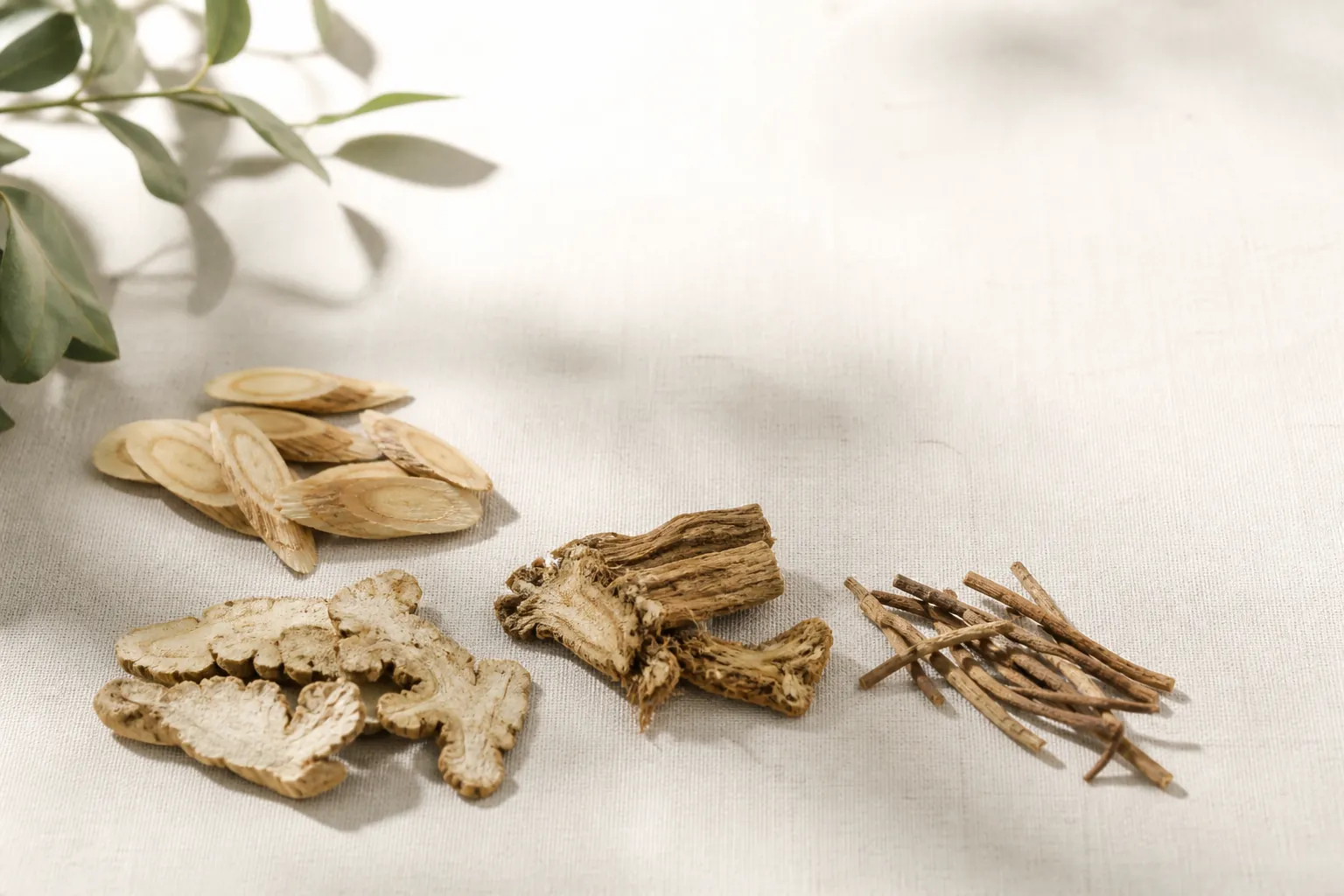
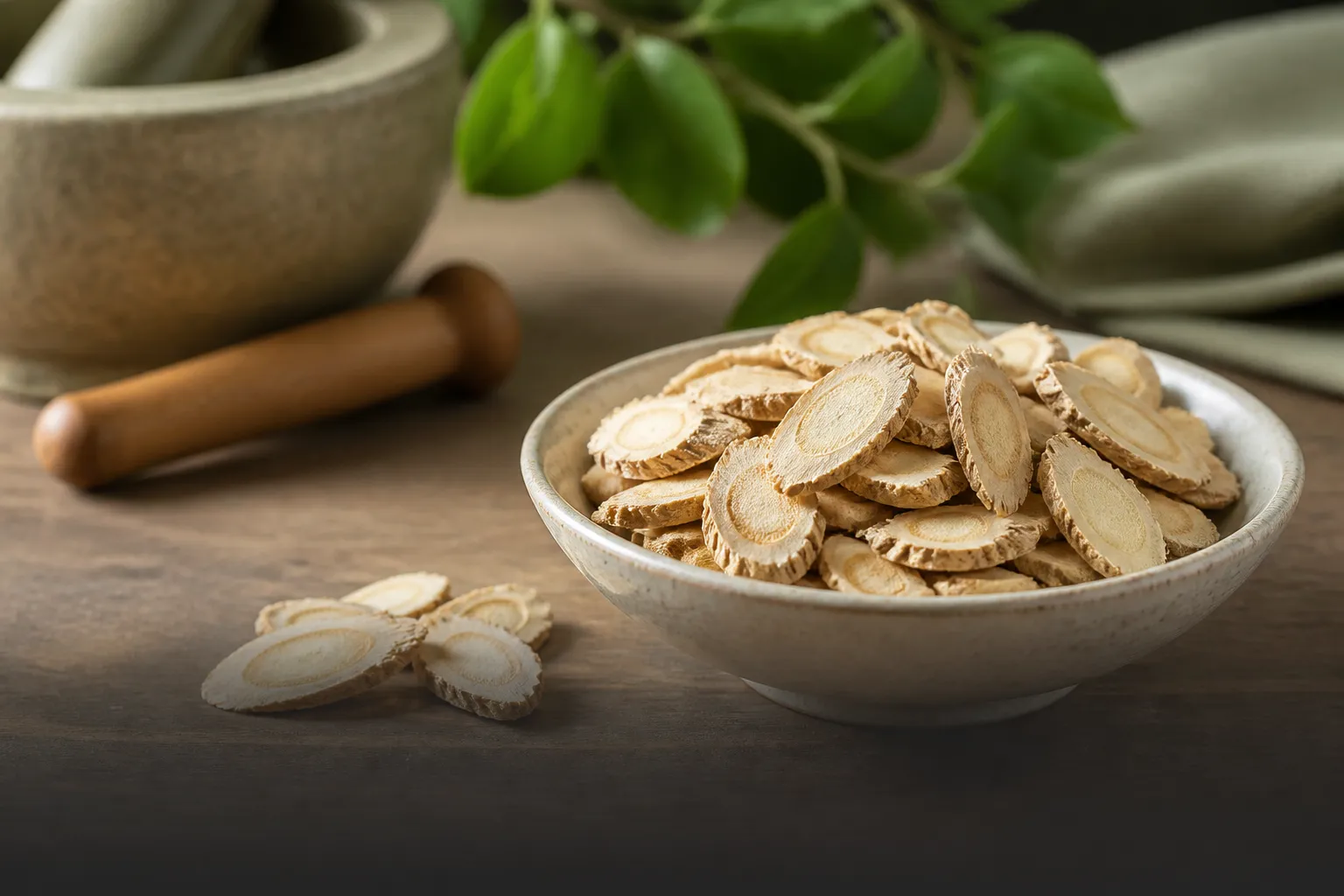
Ceramic bowl of dried Huang Qi astragalus root slices for boosting immunity with TCM

Insights · Immunity

Boosting immunity with TCM

Strong Zheng Qi and Wei Qi still matter beside hygiene. Rest, Lung-Spleen points, movement, and matched kitchen pots help keep resistance steady.

In brief

TCM teaches 正气存内,邪不可干: when Zheng Qi (upright Qi) and Wei Qi (defensive Qi) hold, pathogens are less likely to take hold. Hygiene still helps; thin resistance still leaves you open. Everyday support centres on the Lungs and Spleen through rest by 11pm, LU7 LI4 ST36 RN12, moderate movement, and kitchen pots matched to the picture: tonify with Huang Qi and Bai Zhu when fatigue and recurrent flu stack; cool with honeysuckle and wild chrysanthemum when heatiness and flu signs stack.

01 · Zheng Qi

正气存内,邪不可干

正气 · 卫气 · Wei Qi

As long as upright Qi (正气, Zheng Qi) holds strong, pathogenic factors find it harder to invade. Hygiene and masks still help. A compromised immune picture still leaves you open to infection.

Wei Qi (卫气, defensive Qi) is the everyday outer shield in this framing. Rest, Lung and Spleen tone, movement, and matched kitchen pots support that resistance.
02 · Rest

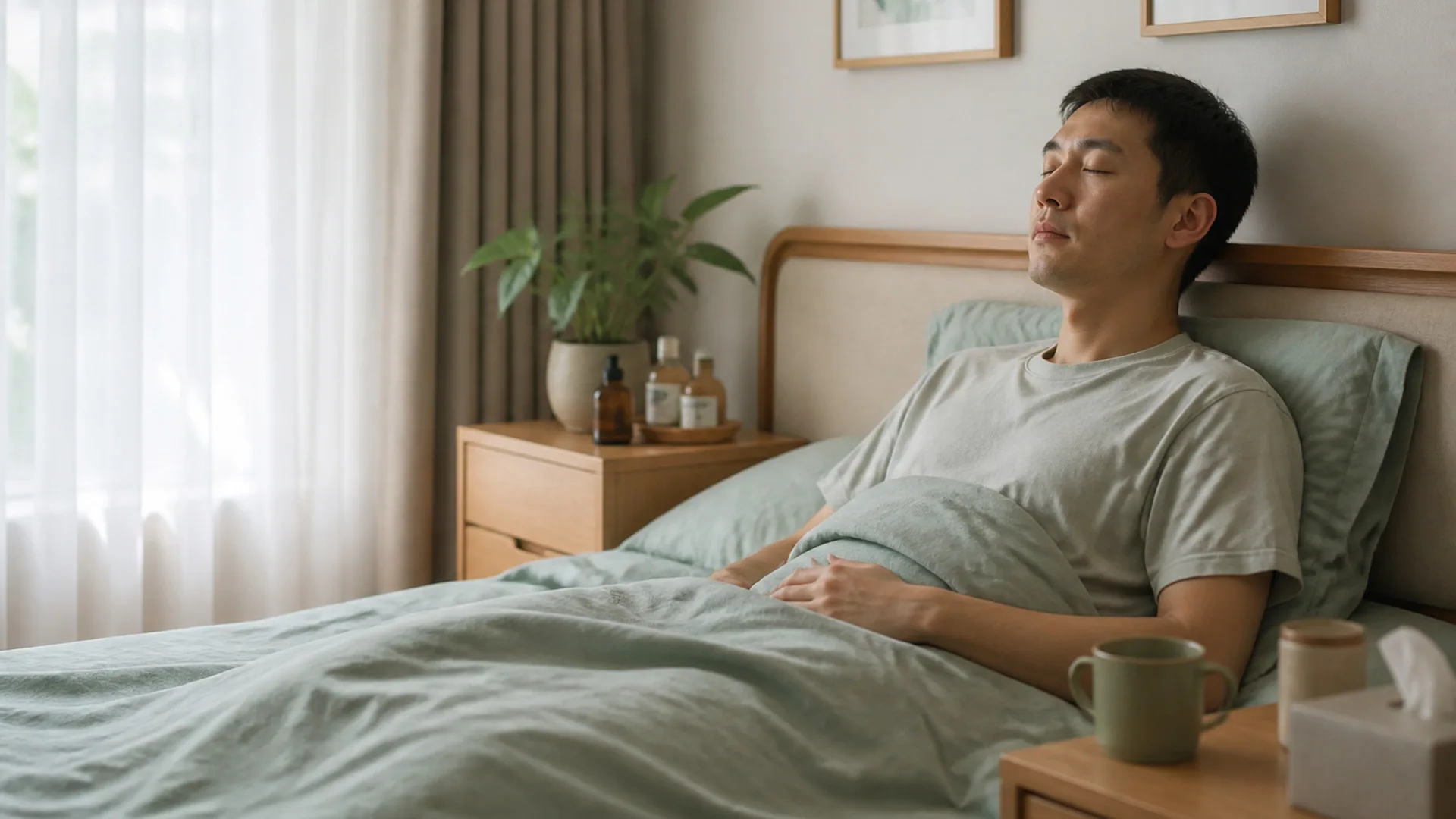
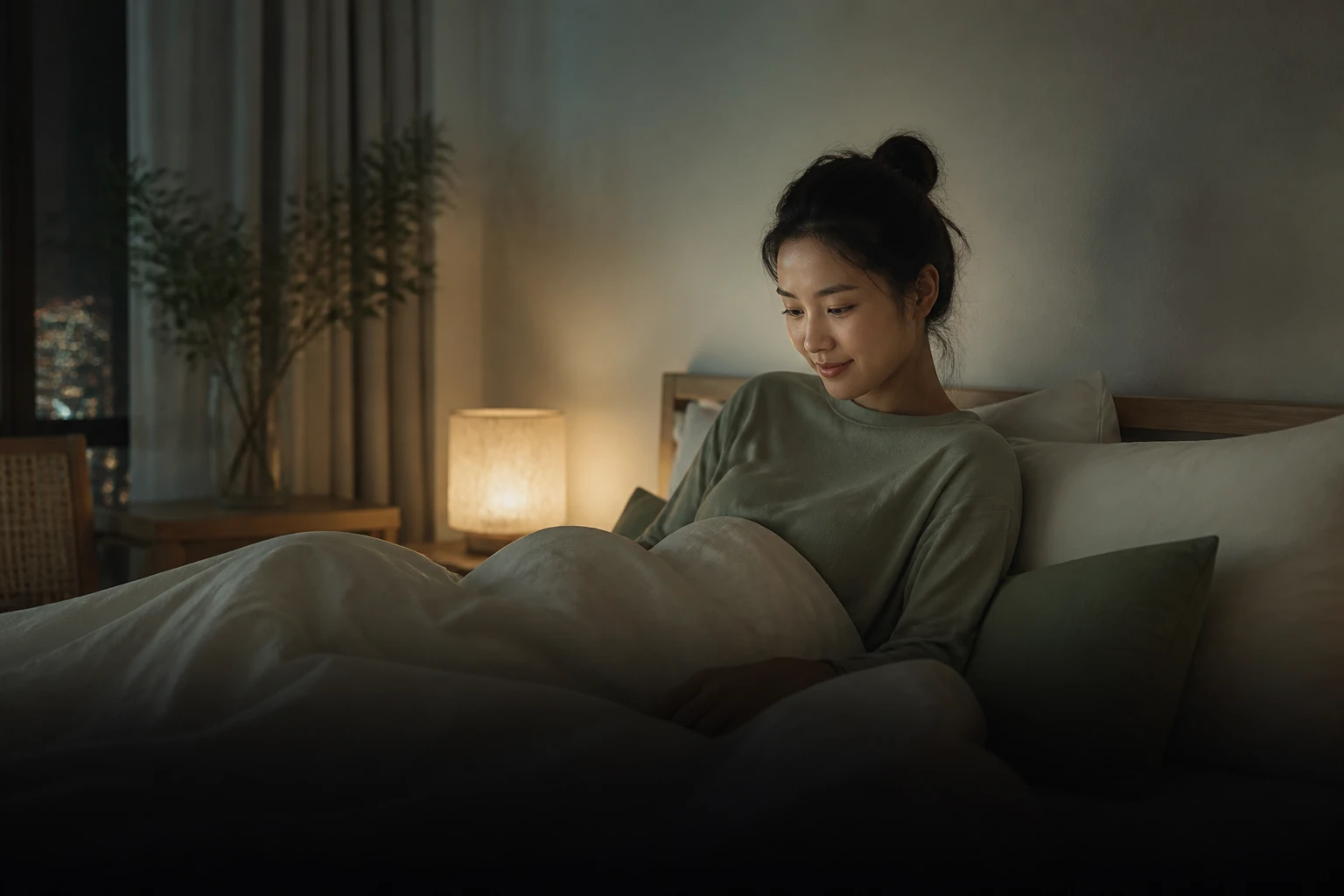
Get sufficient rest

胆 · Gallbladder clock · 11pm

Sleep supports cell repair, toxin clearance, white blood cell production, and other functions that keep immune tone steady.

  • Hours: Most adults need about 7–8 hours of sleep each night.
  • Timing: Bedtime matters as much as duration. TCM teaching favours sleep by 11pm, when the Gallbladder (胆, dan) is most active, so other organs can rejuvenate in that window.
  • When rest keeps failing: See why sleep before 11pm matters when fatigue and poor rest stack together.

03 · Organs

Lungs and Spleen for everyday immunity

肺 · 脾 · Wei Qi

Two organs sit closest to immune tone in this map: the Lungs and the Spleen.

  • Lungs: First contact for many environmental pathogens that enter through the skin or openings of the face.
  • Spleen: Circulates nutrients that feed immune cells throughout the body.
  • Practice: Keeping both healthier gives the body a better fighting chance if infection arrives. LU7, LI4, ST36, and RN12 sit on related meridians for regular self-massage.

04 · Singapore

Everyday habits that thin Wei Qi here

Iced drinks · AC · desk hours · haze

A hot climate does not cancel internal cold or Lung strain. Common Singapore loads still drain Spleen and Lung tone.

  • Iced load: frequent bubble tea, iced kopi, and cold desserts sit hard on Spleen Yang when fatigue and loose stools already stack.
  • Air-conditioning: long desk days with midriff or feet uncovered invite wind-cold into the surface channels the Lungs guard.
  • Haze and recirculated air: dry or dusty air hits the face openings first; recurrent sniffles often follow thin Wei Qi.
  • Late nights: finishing work after 11pm cuts into the Gallbladder rest window that steadies next-day resistance.

05 · Acupressure

Four points for Lung and Spleen tone

LU7 · LI4 · ST36 · RN12

Regular home press on Lung- and Spleen-related points may help support everyday Wei Qi. Stay kind. A dull ache is the usual cue; sharp pain means ease off.

Pregnancy

If there's any chance of pregnancy, don't use He Gu (LI4). Ask a physician before new abdominal press habits.

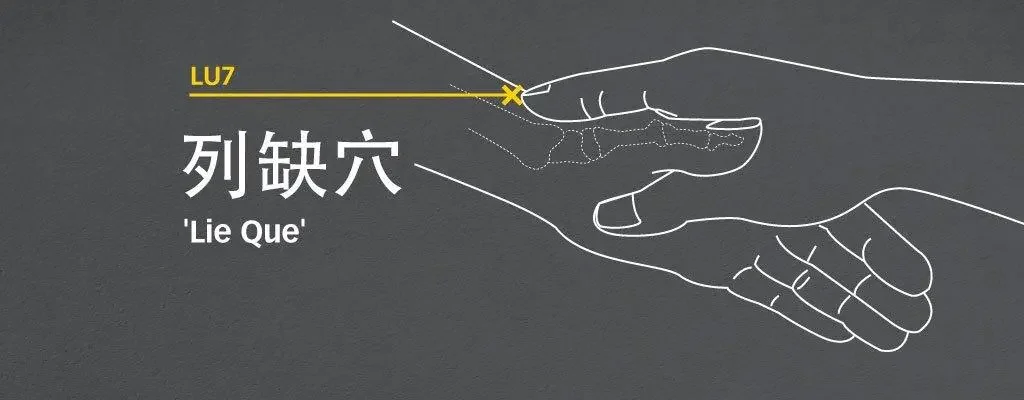
Line diagram locating Lie Que (LU7) on the radial wrist with the crossed-hand cue for immunity acupressure

Acupoint

Lie Que (列缺, LU7)

Regulates Lung energy and helps dispel external wind load. Thumb circles for about one minute on the radial forearm above the wrist crease.

Press LU7
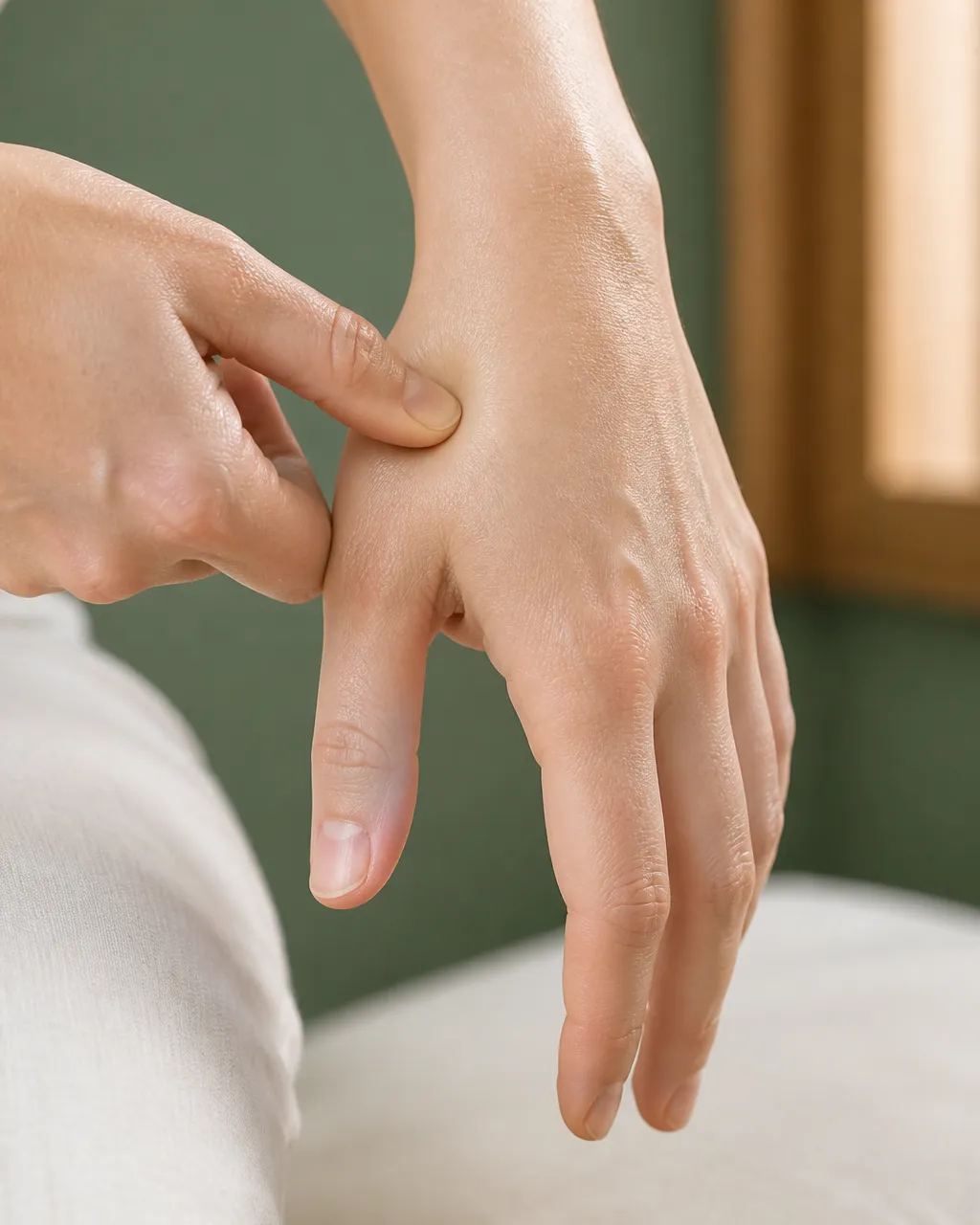
Thumb pressing He Gu LI4 in the fleshy webbing between the thumb and index finger on the hand dorsum

Acupoint

He Gu (合谷, LI4)

Supports immune tone and Qi-blood circulation. Firm thumb press for about 30 seconds; soreness is expected. Skip in pregnancy.

If there's any chance of pregnancy, don't use this.

Press LI4
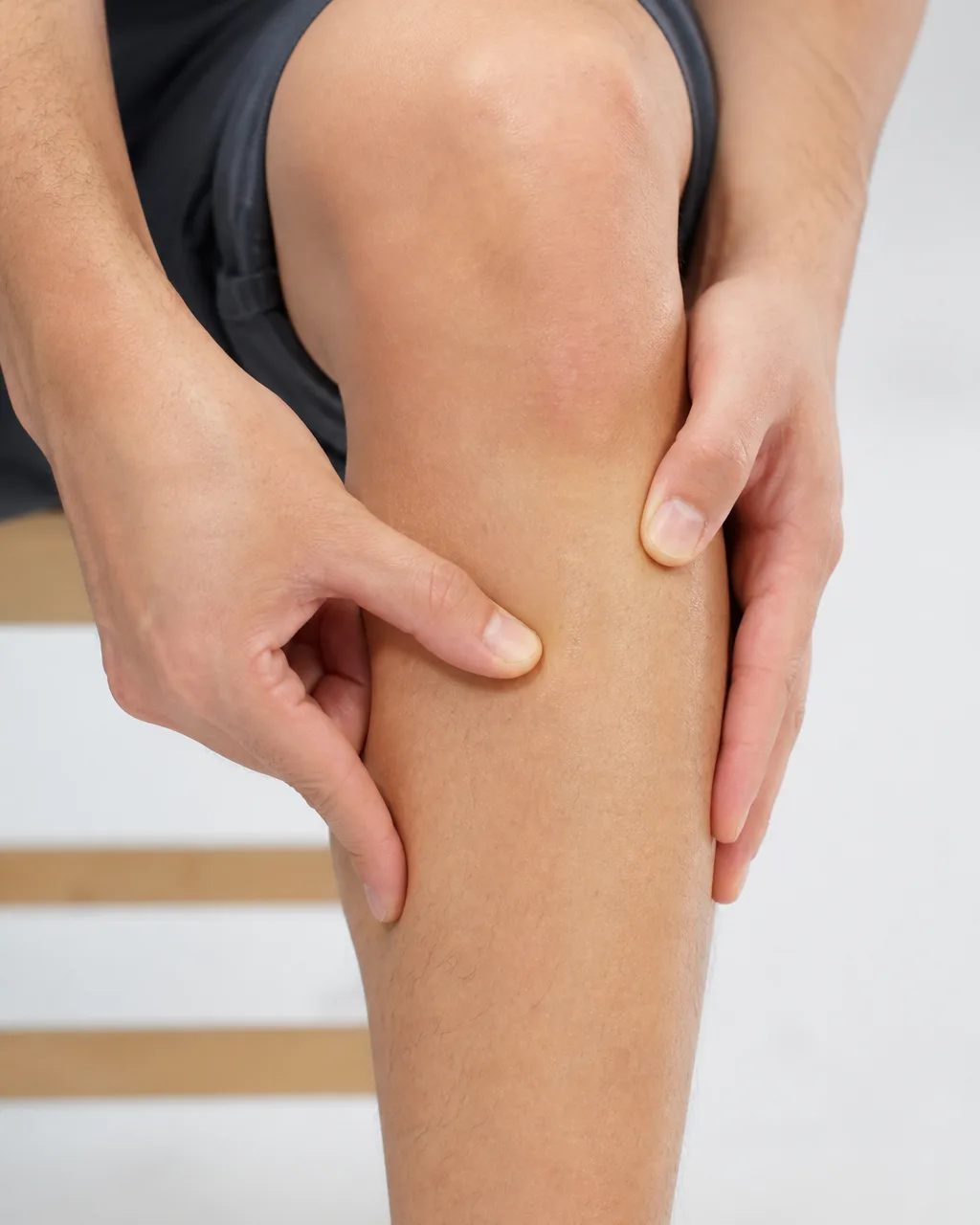
Hands measuring four finger-widths below the kneecap to locate Zu San Li ST36 on the outer shin

Acupoint

Zu San Li (足三里, ST36)

Nourishes Stomach energy and helps clear Spleen dampness. Firm thumb circles for about one minute below the outer kneecap.

Press ST36
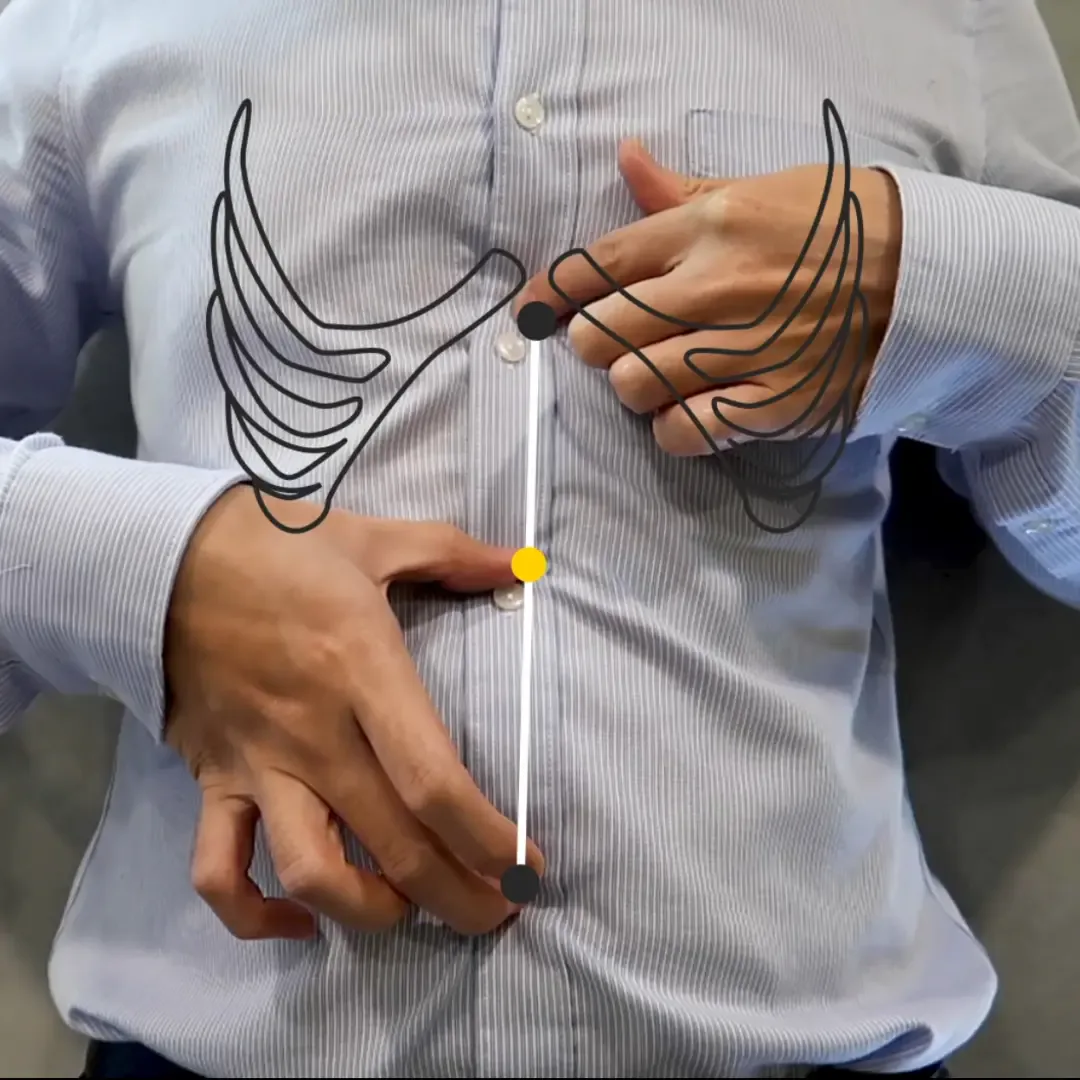
Hands marking the xiphoid and navel on the abdomen midline with Zhong Wan RN12 between them

Acupoint

Zhong Wan (中脘, RN12)

Nourishes Spleen and regulates Stomach energy; helps clear dampness. Overlap the palms on the midline above the navel and circle with the right-thumb direction for 2–3 minutes.

Press RN12

Clinic care

When recurrent flu and fatigue keep stacking

If sniffles, low energy, or digestive heaviness keep returning, a physician can name your pattern and decide whether acupuncture, herbs, or the Immunity & Vitality programme belong in your plan.

06 · Movement

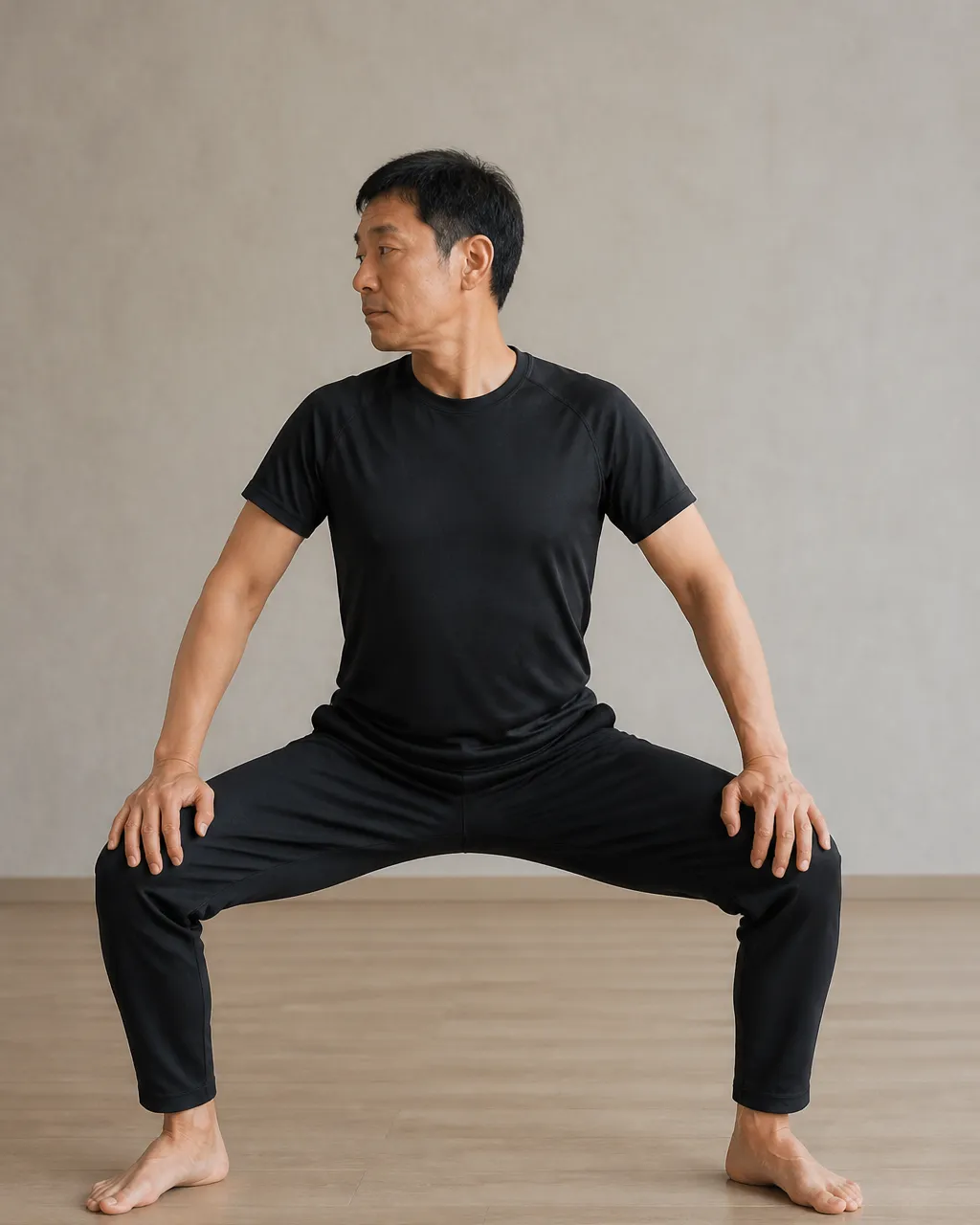
Moderate exercise and Ba Duan Jin

八段锦 · HPB activity mins

Regular moderate exercise supports blood circulation so immune cells can work more efficiently, and endorphins help with stress load that drains overall immunity. Singapore HPB guidance is about 150 minutes of moderate activity a week, or 75 minutes vigorous.

Person in a wide squat with hands on knees for Ba Duan Jin sway-the-head exercise

Move

Three Ba Duan Jin moves

Sway the Head and Shake the Tail, Separate Heaven and Earth, and Bouncing on the Toes: six repetitions each for heart-lung tone, Spleen-Stomach regulation, and smoother Qi flow.

Practise the three moves

07 · Nutrition

Tonify or cool? Read the food picture

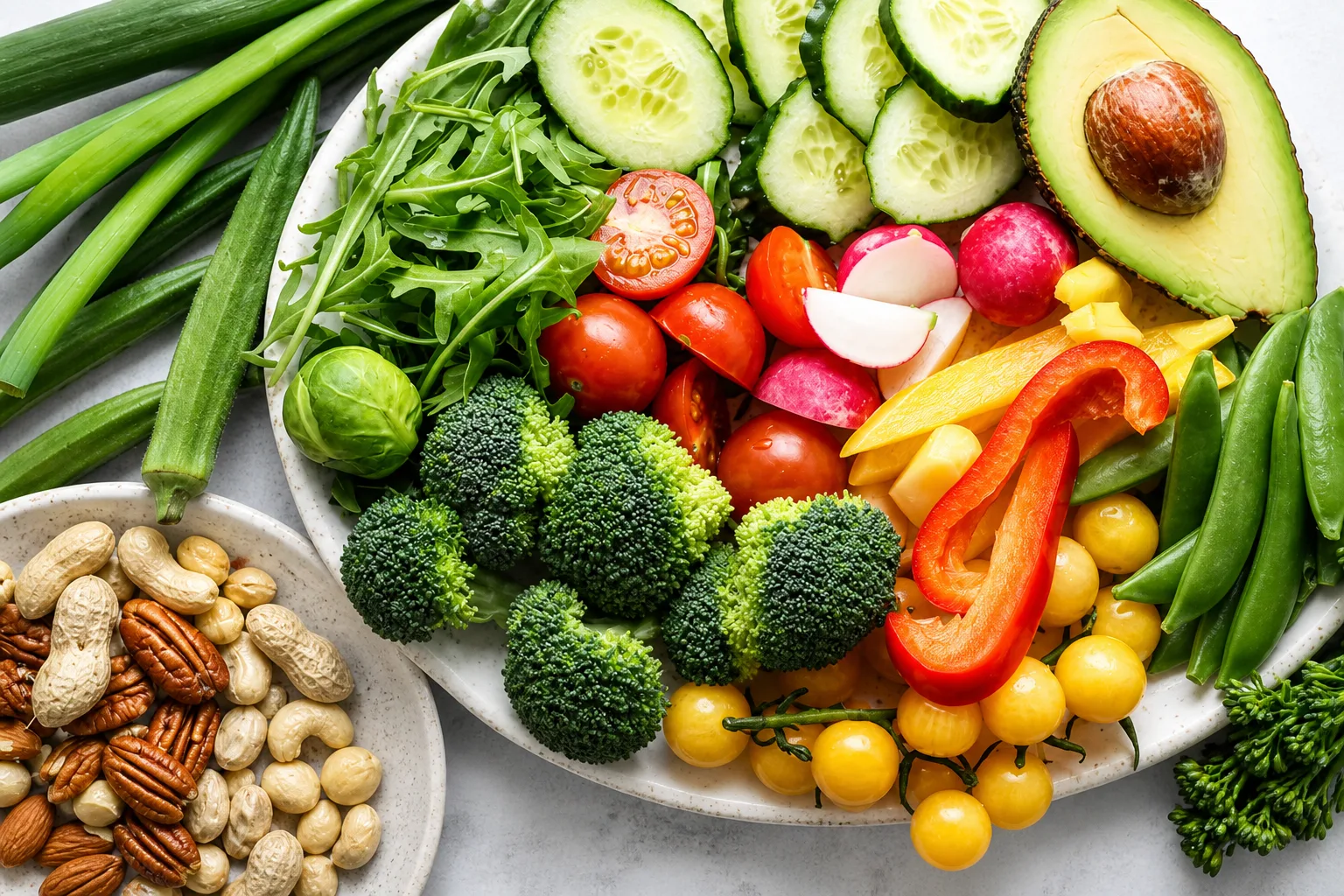
Cold drinks and foods that are raw, sweet, spicy, fatty, or oily place a burden on the Lungs and Spleen. Match the pot to the cluster in front of you, not to a single herb name.

1. Tonify when Spleen-Lung Qi runs thin

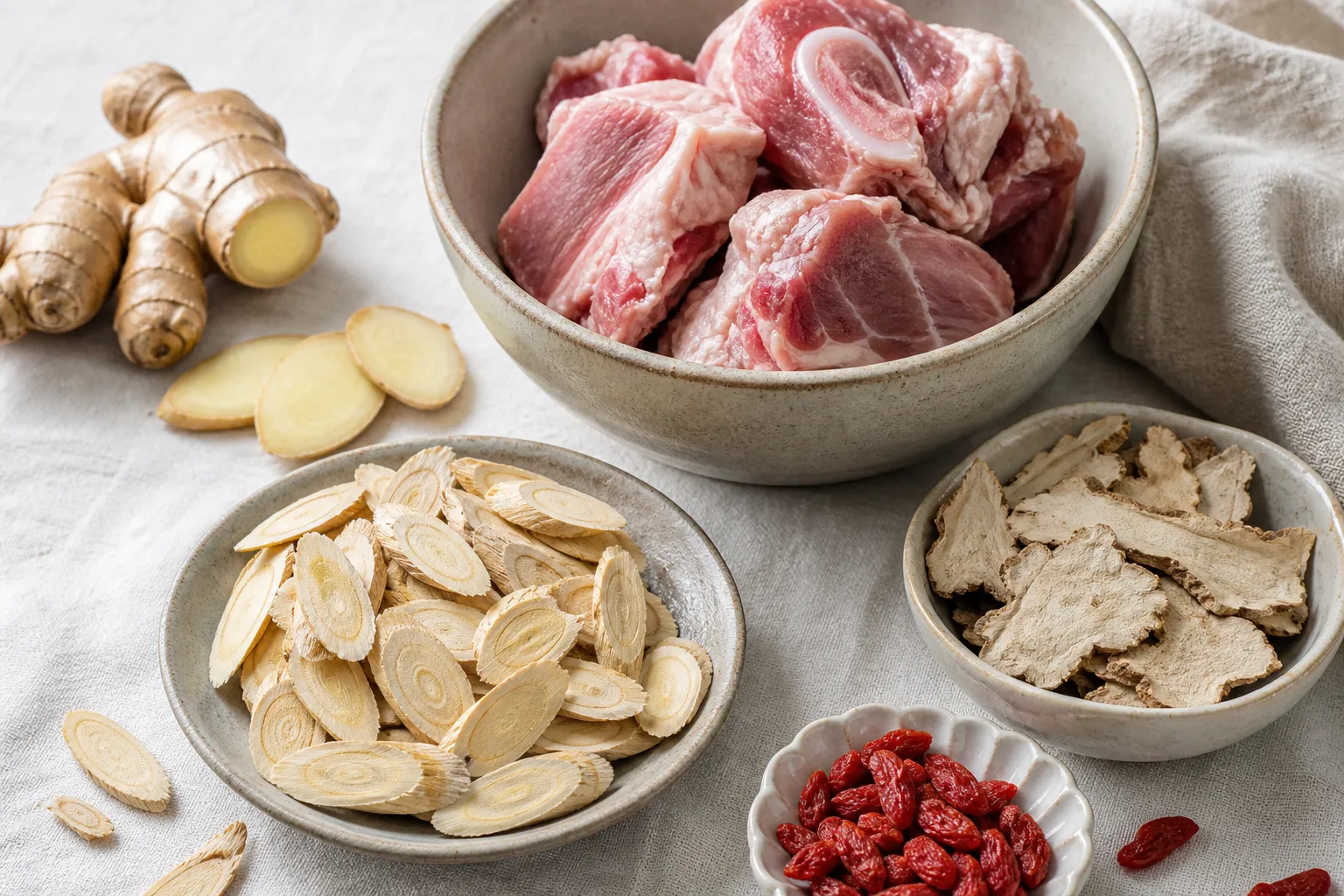
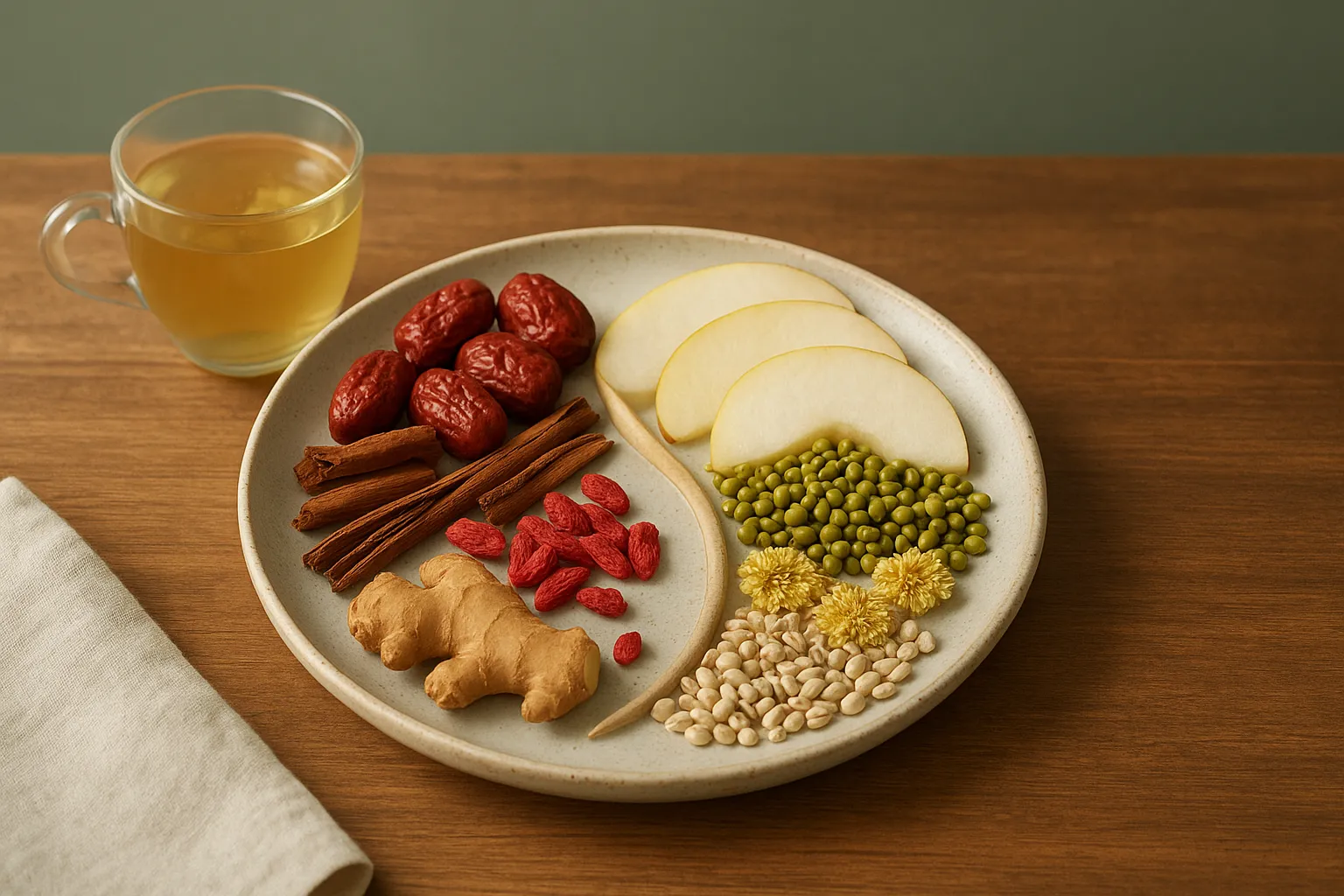
Bloating, poor appetite, loose stools, chronic fatigue, and recurrent flu often signal deficiency. 黄芪 (Huang Qi) and 白术 (Bai Zhu) sit in a nourishing pork-bone pot for that picture.

2. Cool when heatiness and flu signs stack

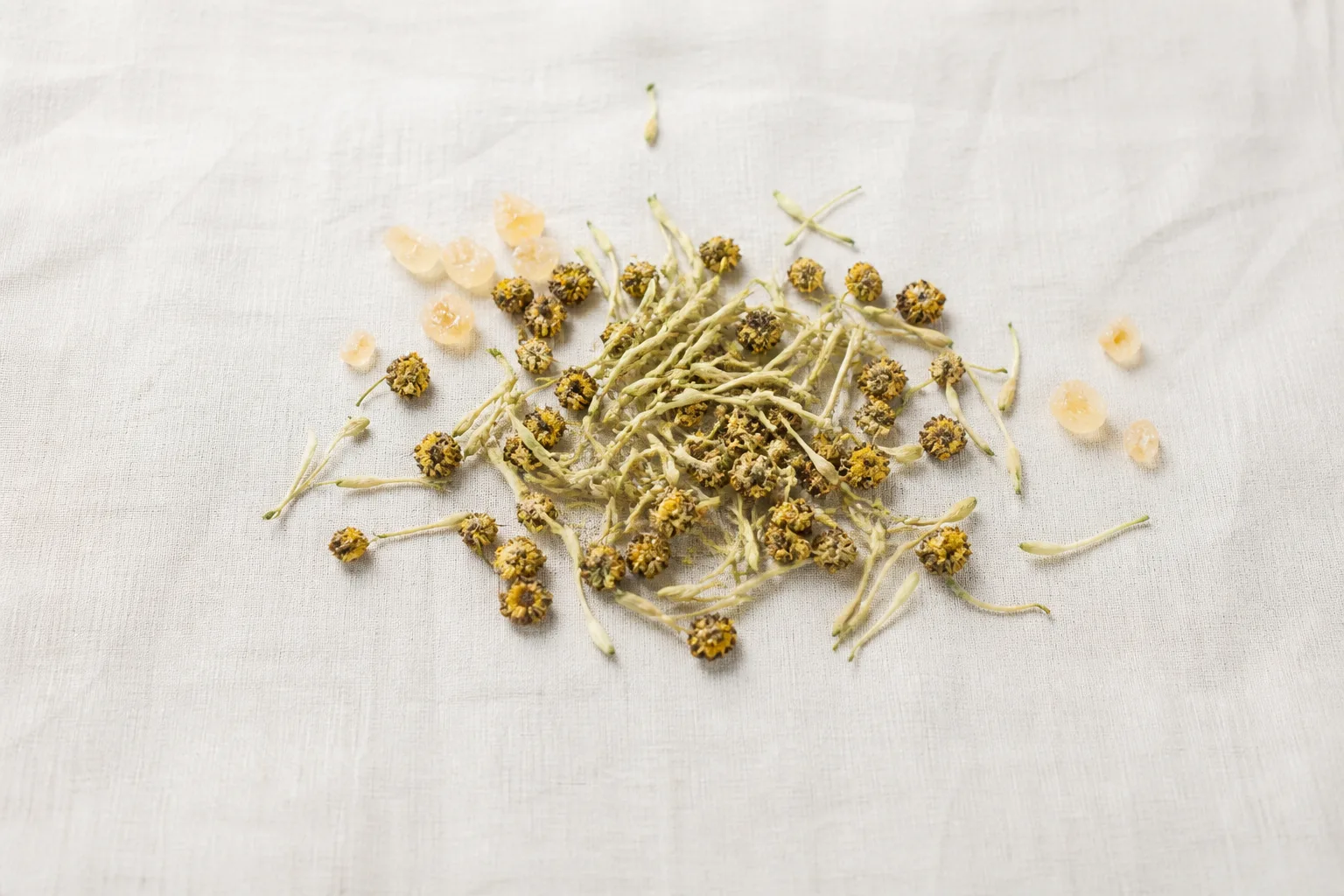
Thirst, mouth ulcers, yellowish phlegm or urine, and uneasiness with an approaching flu lean toward clearing heat. 金银花 (Jin Yin Hua) and 野菊花 (Ye Ju Hua) belong in that short cooling steep.

3. Ease everyday food load either way

Iced drinks, raw salads, heavy sweets, spice, and oily meals still tax Lung and Spleen tone. Moderation supports Wei Qi whether you tonify or cool.

08 · What may help

Two kitchen pots for Wei Qi

食疗 · soup · tea

Tonify when fatigue and recurrent flu stack. Cool when heatiness and flu signs stack.

Dried Huang Qi and Bai Zhu with pork bone, ginger, and goji for immunity soup at PULSE TCM

Soup

Huang Qi and Bai Zhu pork bone soup

Pork bone with Huang Qi, Bai Zhu, ginger, and goji. Nourishes Spleen and Lungs when fatigue, bloating, poor appetite, loose stools, or recurrent flu lead.

Make the Huang Qi pork bone soup
Dried Japanese honeysuckle, wild chrysanthemum, and rock sugar for tea at PULSE TCM

Tea

Japanese honeysuckle and wild chrysanthemum tea

Jin Yin Hua and Ye Ju Hua with rock sugar. Dispels heatiness when thirst, ulcers, yellowish phlegm or urine, and uneasiness stack with an approaching flu.

Physician-strength cooling. If there's any chance of pregnancy, don't use this.

Make the honeysuckle wild chrysanthemum tea
Dr Sim Beng Joo

Clinically reviewed

Reviewed by Sim Beng Joo

Advisor (Science & Strategy) / Consultant Physician · TCMPB T1303003A

MOH-licensed TCM physician and biomedical scientist, with clinical work in digestion, pain, sleep or fatigue, and constitution patterns that show as thin Wei Qi, recurrent flu, or Spleen-Lung deficiency.

View full profile

Educational information based on clinical experience and TCM principles. Not a substitute for personalised consultation, medical care, or urgent attention. Speak with your physician before herbs, strong cooling teas, or new self-press in pregnancy. Seek urgent care for high fever, breathlessness, chest pain, or a flu that worsens fast.

FAQs

Questions, answered

Common questions before you change rest, press points, or simmer a pot.

What does 正气存内,邪不可干 mean for immunity?

It means when upright Qi (正气, Zheng Qi) is stored within, pathogenic factors (邪) find it harder to invade. In clinic language, strong Wei Qi (卫气, defensive Qi) is the everyday shield. Hygiene still matters; thin resistance still leaves you open.

Why does TCM say sleep by 11pm?

Most adults need about 7–8 hours of sleep for cell repair and immune function. TCM also times rest to the organ clock: the Gallbladder (胆) is most active around 11pm to 1am. Sleeping by 11pm is taught so that organ window can rejuvenate with the rest of the system.

Which acupoints help boost immunity?

Four points often used for everyday Lung and Spleen support: Lie Que (LU7), He Gu (LI4), Zu San Li (ST36), and Zhong Wan (RN12). Press gently to a dull ache, then follow each Bite for locate detail. Skip He Gu if there is any chance of pregnancy.

Can I press He Gu (LI4) in pregnancy?

No. If there's any chance of pregnancy, don't use He Gu (LI4). Choose other points or ask a physician before new self-press habits.

What is Huang Qi Bai Zhu pork bone soup for?

It nourishes Spleen and Lungs when chronic fatigue, bloating, poor appetite, loose stools, or recurrent flu suggest deficiency. It is not the first pot when strong Heat and yellow phlegm lead.

When should I drink honeysuckle wild chrysanthemum tea?

When heatiness stacks with an approaching flu: thirst, ulcers, yellowish phlegm or urine, uneasiness. It is physician-strength cooling. Do not brew it every day for weeks, and skip it in pregnancy.

What is Ba Duan Jin and how does it help immunity?

八段锦 (Ba Duan Jin), The Eight Brocade Exercises, is traditional medical qigong. Three short extracts (sway the head, separate heaven and earth, bounce on the toes) support circulation and Spleen-Stomach tone. Pair them with HPB guidance of about 150 minutes of moderate activity a week.

When should I book for recurrent flu or fatigue?

Book when sniffles, fatigue, or digestive heaviness keep returning, or when home habits are not enough. The Immunity & Vitality programme is a physician-led path for thin resistance and post-viral recovery. Seek urgent care for high fever, breathlessness, or a flu that worsens fast.

References

Selected sources

  1. National Center for Complementary and Integrative Health. (2019, April). Traditional Chinese medicine: What you need to know. NCCIH. https://www.nccih.nih.gov/health/traditional-chinese-medicine-what-you-need-to-know/
  2. Ministry of Health Singapore. TCM practitioners (Healthcare Professional Portal). https://hpp.moh.gov.sg/tcm-practitioners/
  3. World Health Organization. (2019, November 25). Traditional, complementary and integrative medicine. https://www.who.int/health-topics/traditional-complementary-and-integrative-medicine
  4. Original article author: Physician Tan Yuan Ming.

Next step

Ready for physician-led immunity care?

Bring how often you catch colds, how you sleep, and what your digestion does after meals. We will name the pattern and decide whether acupuncture, herbs, or the Immunity & Vitality programme belong in your plan.

Hours
Most clinics daily 11:00 AM – 8:00 PM
Care
Physician-led consultation