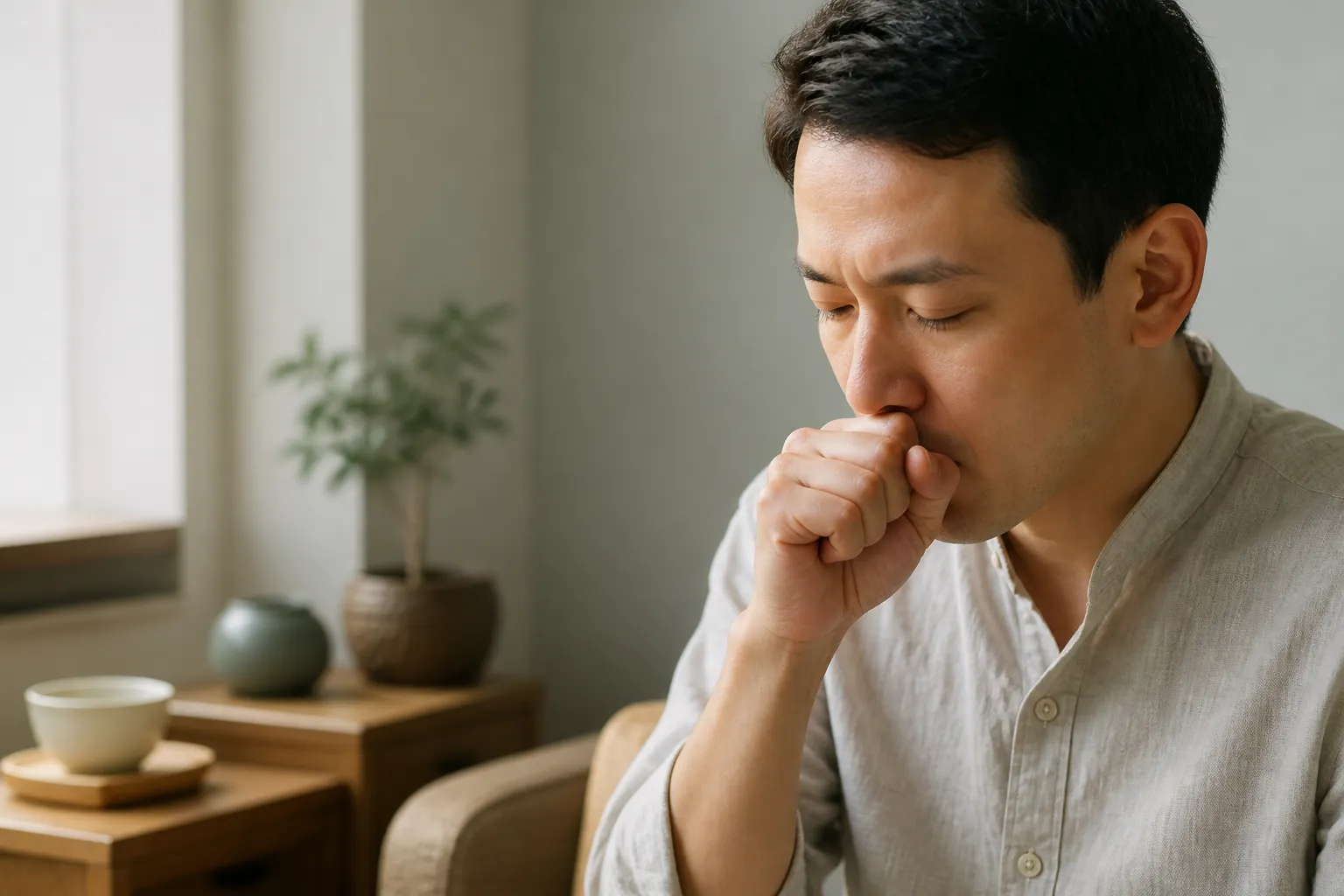
Adult covering a cough with a closed fist, with a cup of herbal tea nearby

Insights · Immunity

Understanding cough and its remedies

A cough that will not quit is often a pattern, not only an irritant. TCM reads wind, phlegm, and which organ is out of balance so food and points can match the type.

In brief

Thick yellow phlegm with a sore throat often reads a heaty cough; clear watery phlegm with chills often reads a cold cough. TCM also splits sudden coughs after weather change (external wind, 外感) from longer coughs tied to digestion or stress (internal patterns, 五脏六腑). Chicken is heaty and may aggravate a wind-heat cough, not every cough. Pei Pa Koa suits heaty and dry types, not a catch-all. Teas, soups, and self-press may support the pattern.

01 · External vs internal

External wind vs internal organ coughs

外感咳嗽 · 五脏六腑

External coughs often start suddenly after weather change. Internal coughs usually build more slowly, last longer, and flare with meals, weather, or emotion.

The Lungs are delicate and easily hit by wind, cold, heat, or dryness. Coughs sit in two buckets: sudden coughs after weather change (external wind, 外感咳嗽) and longer coughs tied to digestion, dampness, or stress (internal organ imbalance, 五脏六腑).
02 · Assessment

How TCM diagnoses your cough

A physician assesses the pathogen and your constitution, not only a viral or bacterial label. Four clues usually sit together. Seek urgent care for high fever, breathlessness, chest pain, or blood in sputum.

1. Duration and onset

Did it start suddenly (acute), or has it lingered for weeks or months (chronic)?

2. Timing and triggers

Is it worse in the morning, at night, after eating, in cold air, or after emotional stress?

3. Sputum (phlegm)

Clear or white often reads cold. Yellow and thick often reads heat. Hard to bring up often reads dryness.

4. Accompanying signs

Runny nose, sore throat, feverish feel, headache, or digestive heaviness help name the pattern.

03 · External (外感咳嗽)

External cough types (外感咳嗽)

External pathogens can invade the Lungs through the mouth, nose, and skin. Sudden weather change is a common trigger. Shared acute signs can include aversion to cold or heat, with headaches. Pei Pa Koa is formulated for heaty and dry coughs; a cold cough with clear watery phlegm can worsen on a cooling syrup.

Acute cough types
Type Phlegm Recipe
Wind-cold (风寒)After a draft or chill: the body feels tight or frozen. Runny nose with clear mucus, chills, body aches.
  • Clear or white, thin, and watery
  • Easy to bring up
Ginger and spring onion soup
Wind-heat (风热)Warmer weather, a seasonal change, or a cold that turns heaty. Sore red throat, feverish feel, thirst, sweating.
  • Sticky, thick, or yellow
  • Frequent, heavy coughing
Mulberry and chrysanthemum tea
Wind-dryness (风燥)Autumn or dry air. Itchy ticklish throat, dry lips and nose, flaky skin.
  • Little to none, or very sticky
  • Dry, hacking cough
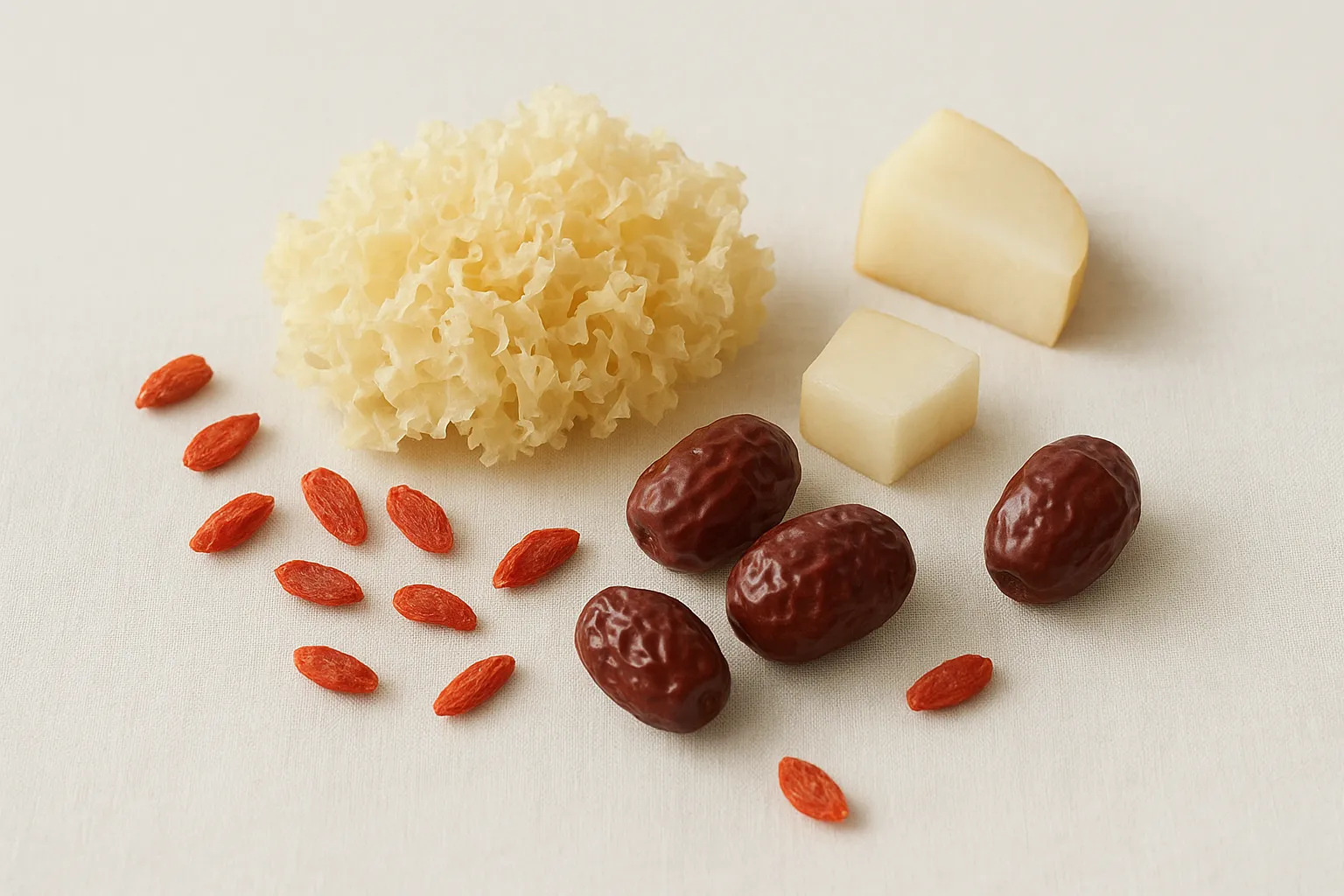
Snow fungus and pear soup

04 · Internal (五脏六腑)

Chronic cough from internal organ imbalances (五脏六腑)

Spleen · Liver · Lung Yin

The Yellow Emperor’s Inner Canon says every organ can cough, not only the Lungs (五脏六腑皆令人咳,非独肺也). Chronic coughs often build from digestion, dampness, heat, or stress rather than a fresh chill.

Prolonged disharmony in the Spleen, Stomach, Liver, or Large Intestine can feed a persistent cough. A weakened Spleen may fail to transform fluids, so dampness and phlegm collect and are stored in the Lungs. Over time that can exhaust Lung Qi (defensive energy) and make recovery slower. Shared chronic signs: coughing for more than three weeks, recurring, and fluctuating with time of day, weather, or emotion.

Chronic cough types
Type Phlegm Triggers and signs
Damp cough (痰湿咳嗽)Often from poor digestion or a rich diet: internal moisture and sluggishness collect.
  • Productive, wet, and heavy cough
  • Clear, white, thin, or watery phlegm
  • Easy to bring up
  • Triggers: sweet, oily, or fried foods
  • Signs: fatigue, abdominal bloating, physical heaviness, poor appetite, loose stools
Damp-heat cough (痰热咳嗽)Internal dampness stagnates and generates heat, with thick chest congestion.
  • Chesty cough with a rattling sound or feeling
  • Thick, sticky, or yellow phlegm
  • Difficult to bring up
  • Triggers: heat exposure or hot environments
  • Signs: hasty or rapid breathing, dry or sticky mouth, persistent thirst, feeling overly warm
Liver-fire cough (肝火犯肺)Stress and frustration rebel upwards, irritating the Lungs and throat.
  • Dry, continuous, and transient cough
  • Globus sensation (plum-pit Qi / 梅核气)
  • Feeling of a lump in the throat with no physical obstruction
  • Triggers: emotional upset, stress, or frustration
  • Signs: bitter taste in the mouth, dizziness, tightness or bloating in the chest and ribs
Lung Yin-deficiency cough (肺阴虚咳嗽)The Lungs lack cooling moisture, often after a long illness.
  • Dry, hacking cough
  • Little to no phlegm
  • If present, highly sticky and sparse
  • Triggers: often more severe at night or early morning (3:00 AM to 5:00 AM)
  • Signs: dry throat, night sweats, hot flushes, flushed cheeks

Physicians weigh the sound of the cough, duration, and accompanying signs, then tailor herbs and acupuncture to constitution. Internal patterns usually need a formula, not only a soup.

When to book for a lingering cough

Seek urgent care for high fever, breathlessness, chest pain, or blood in sputum. If the cough has lasted more than three weeks, keeps returning, or sits with yellow phlegm or night sweats, a physician can name the pattern and decide whether herbs, acupuncture, or food shifts belong in your plan.

05 · Daily habits

Daily habits that match the type

Food and rest change how much dampness and heat the Lungs have to handle.

Foods and habits that change a cough
Food or habit When it may aggravate When it may fit
ChickenHeaty in TCM. Wind-heat: yellowish phlegm, sore throat, or constipation Wind-cold with clear phlegm and chills is a different picture
Raw citrus (oranges) Wet, phlegmy cough: raw cold fruit can add dampness Lightly steamed fruit, such as steamed pear
Dairy and sugary drinks Children recovering: Milo, Yakult, and sweetened yoghurt can promote mucus Ease off while the cough is wet
Sweet, spicy, greasy food Burdens the Spleen, so dampness (phlegm) can collect Light, warm meals while phlegm is high
Short sleep Late nights tax the overnight repair window Aim for at least seven hours, asleep by 11:00 PM
Irregular stools Constipation can hold internal heat The Lungs and Large Intestine are paired; regular stools support respiratory comfort

06 · Food therapy

What may help, matched to the type

Food therapy supports the pattern.

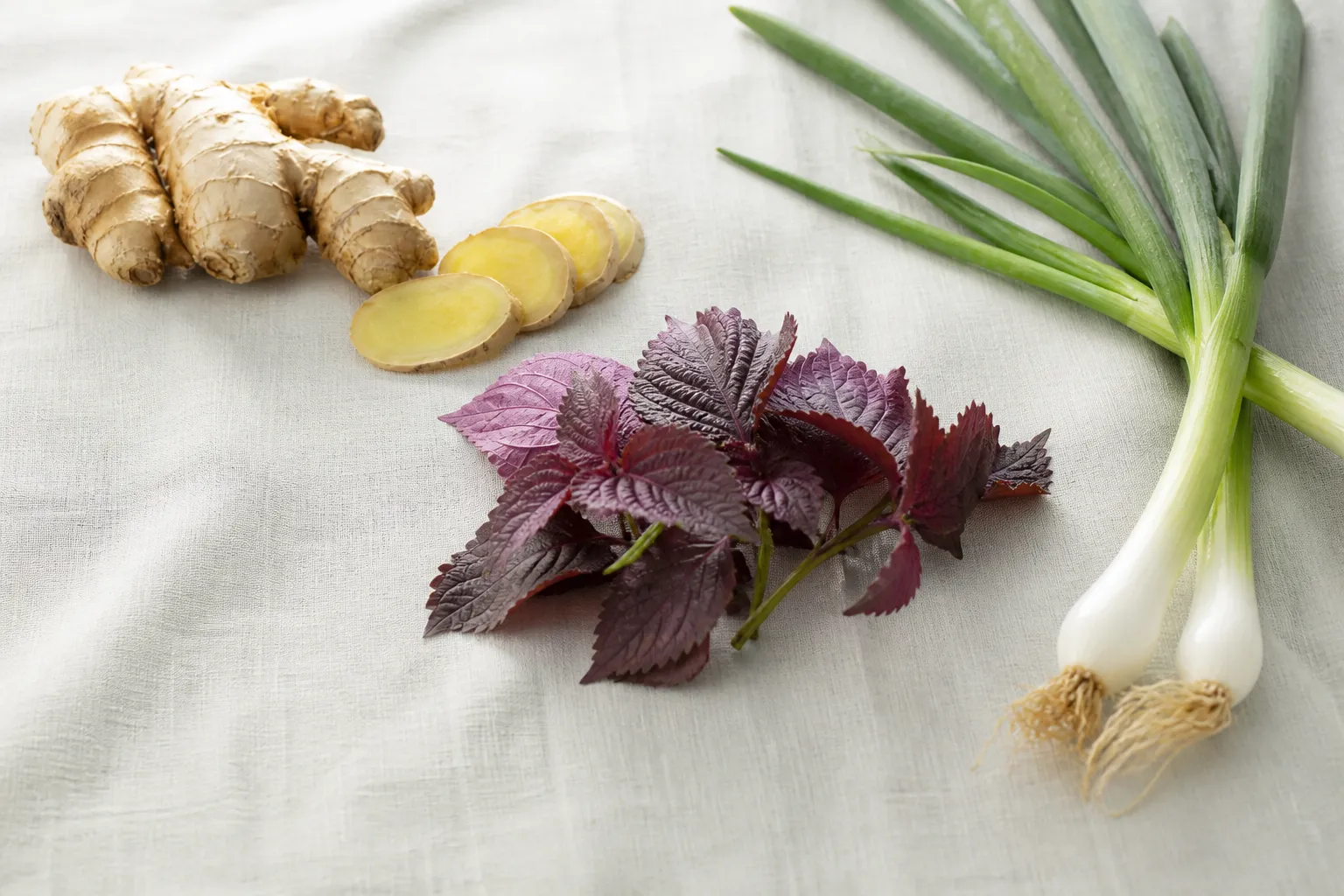
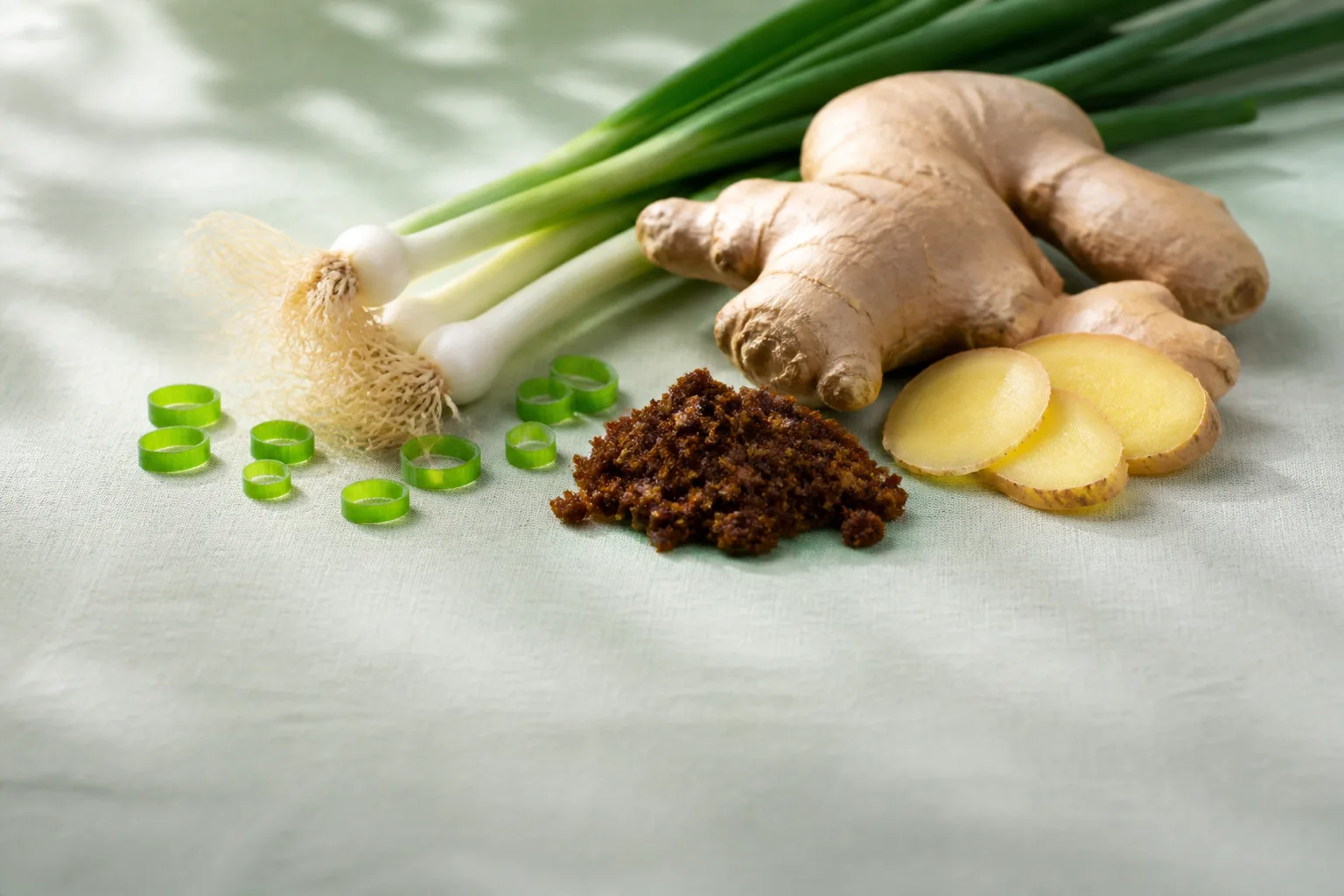
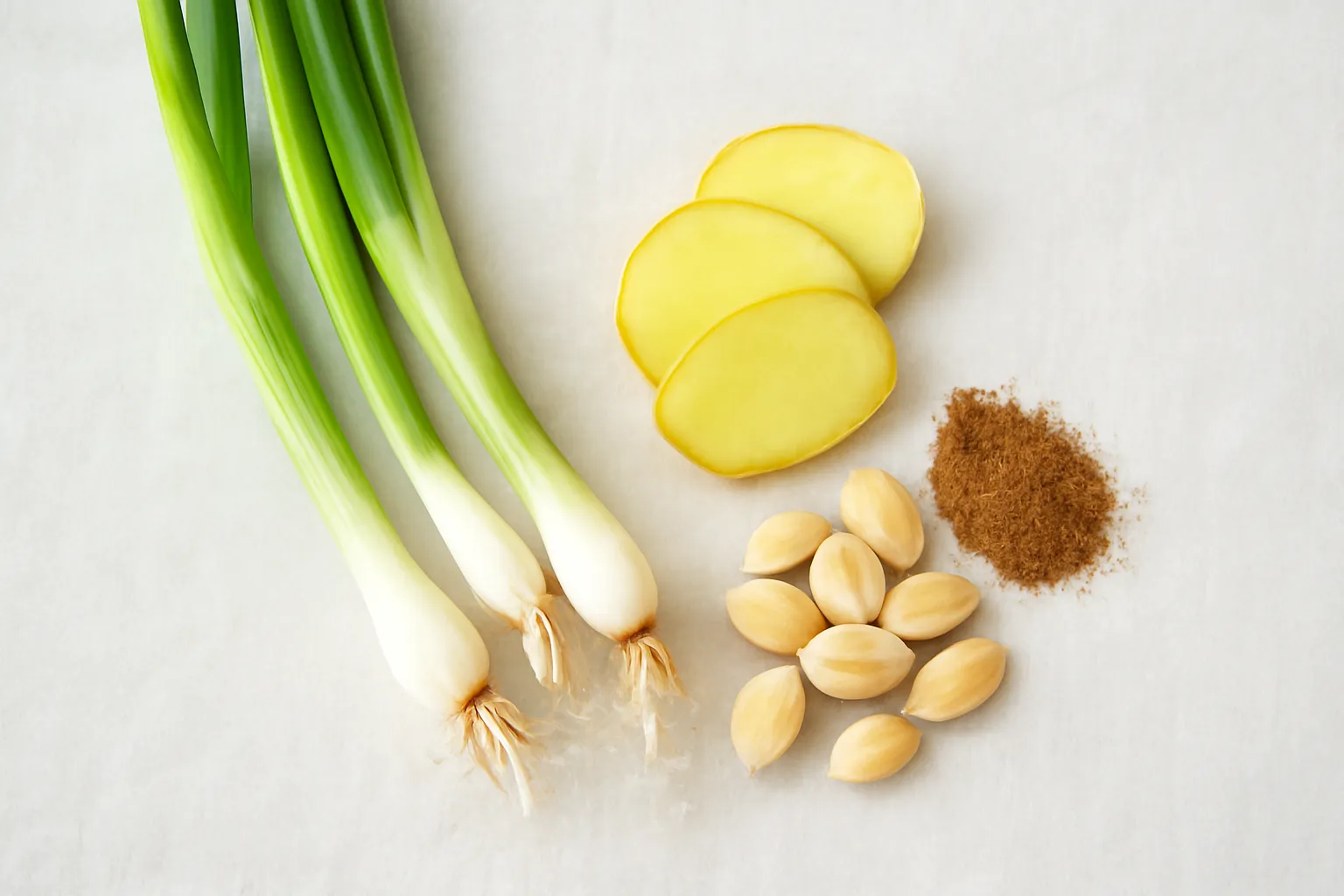
Spring onion, ginger, and apricot kernels for soup at PULSE TCM

Wind-cold · 风寒

Ginger and spring onion soup

Spring onion with the white bulb and roots, ginger, a pinch of cinnamon, and apricot kernels. Simmer about 10 minutes and sip warm.

Skip apricot kernels in pregnancy or for young children. Not a fit for thick yellow phlegm and a red sore throat.

Make the ginger spring onion soup
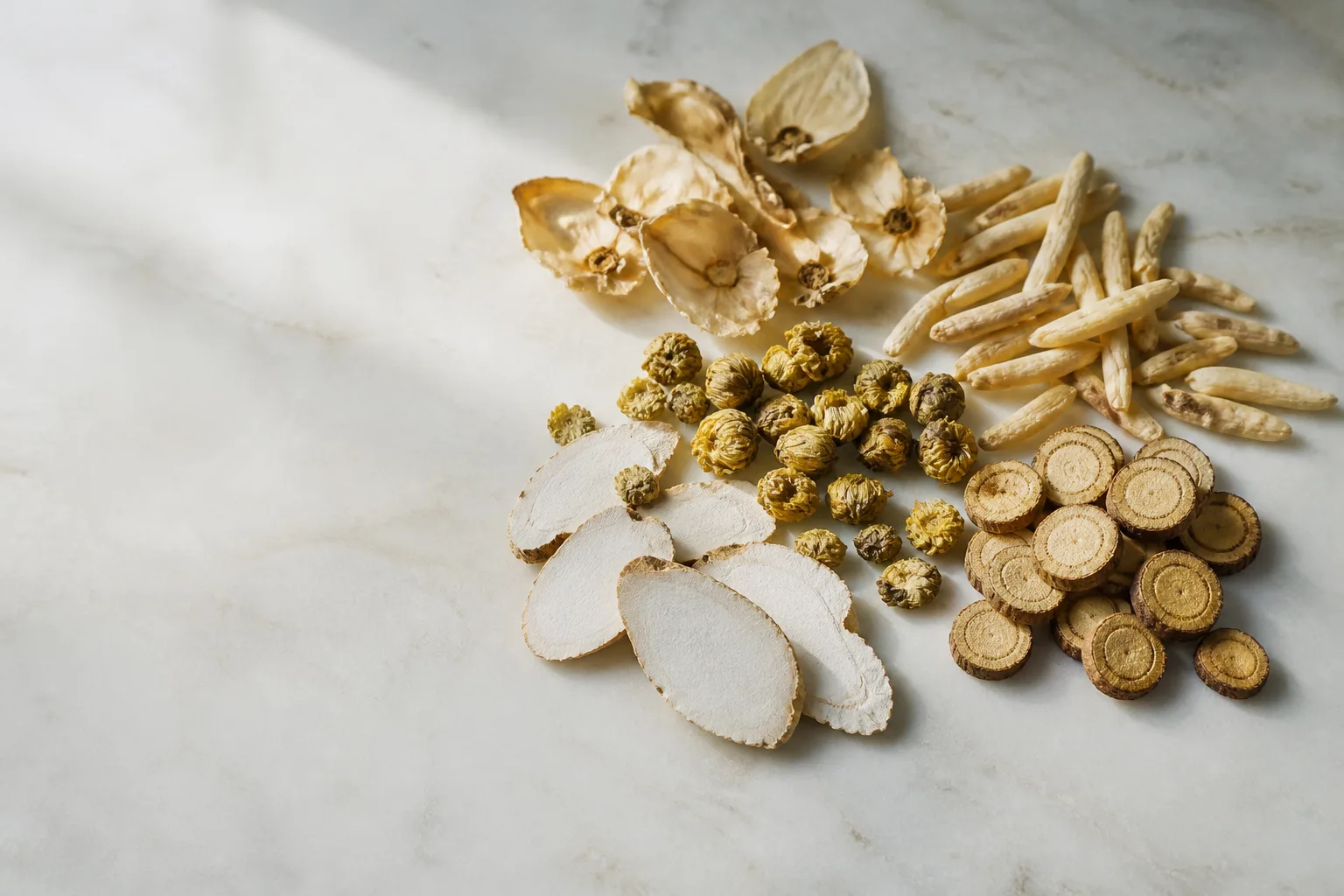
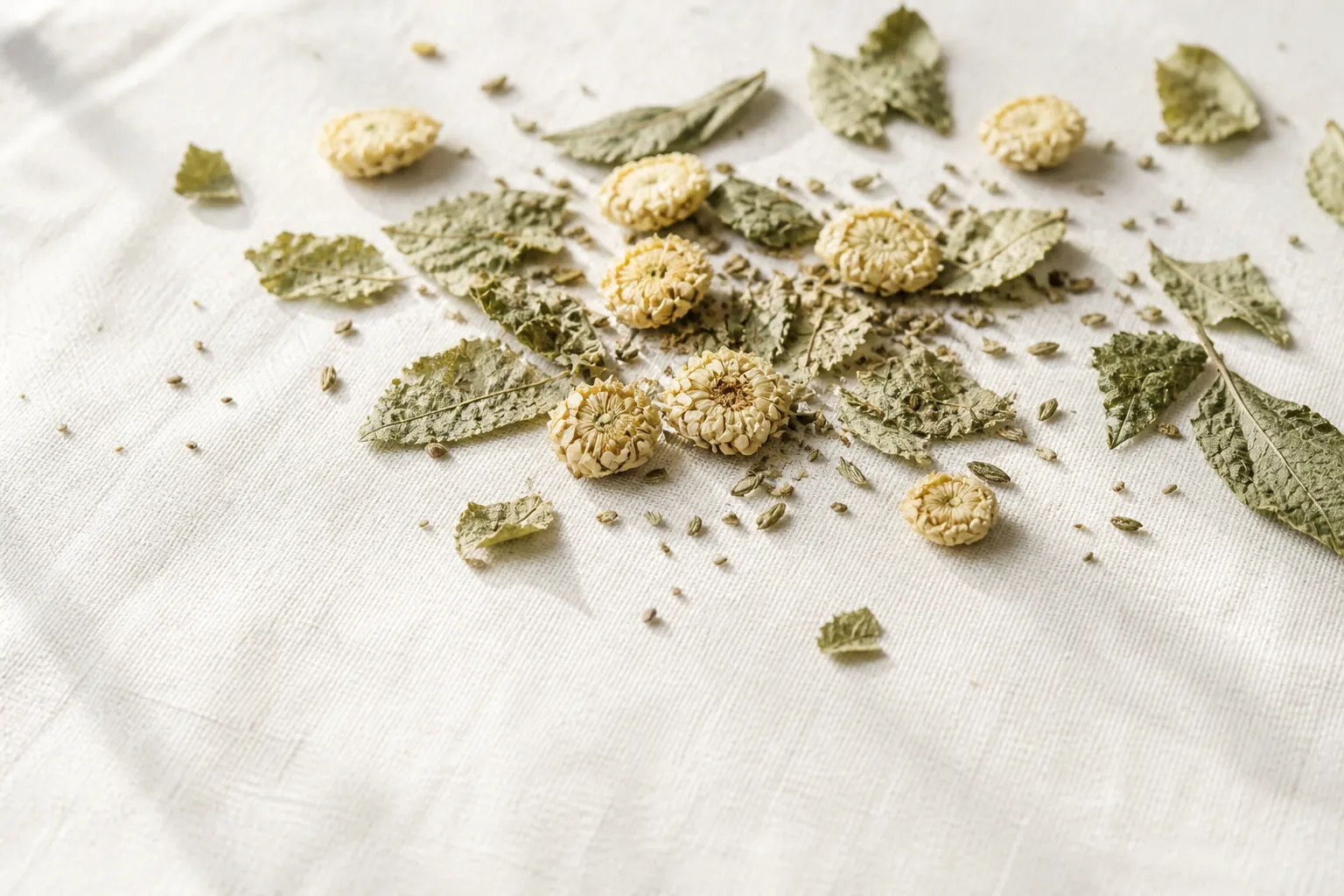
Dried mulberry, chrysanthemum, and peppermint for tea at PULSE TCM

Wind-heat · 风热

Mulberry and chrysanthemum tea

Mulberry leaf, chrysanthemum, burdock seed, and peppermint added last. Strain and sip warm.

Peppermint is not a casual pregnancy herb. Cooling teas may not fit a cold cough with clear watery phlegm.

Make the mulberry chrysanthemum tea
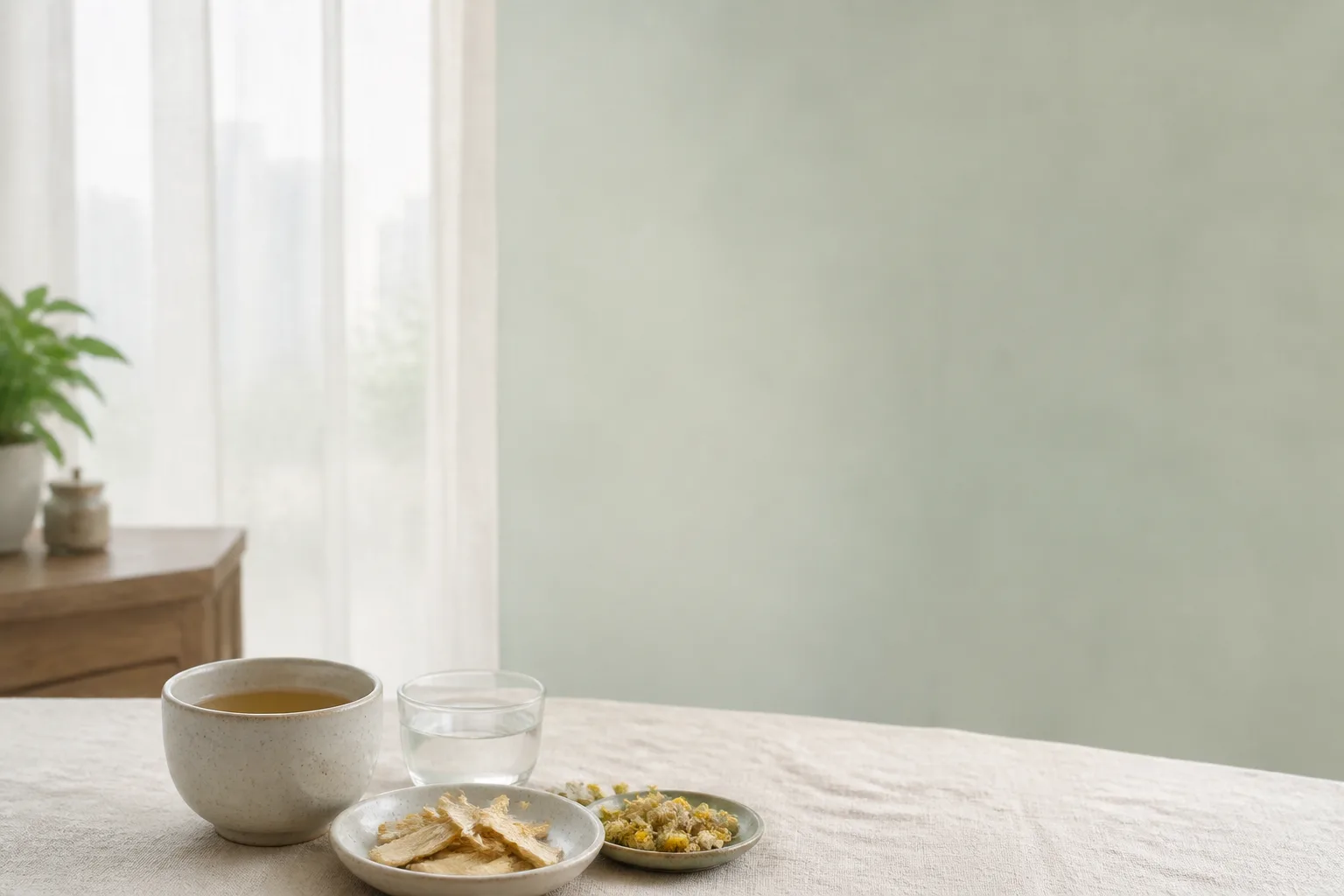
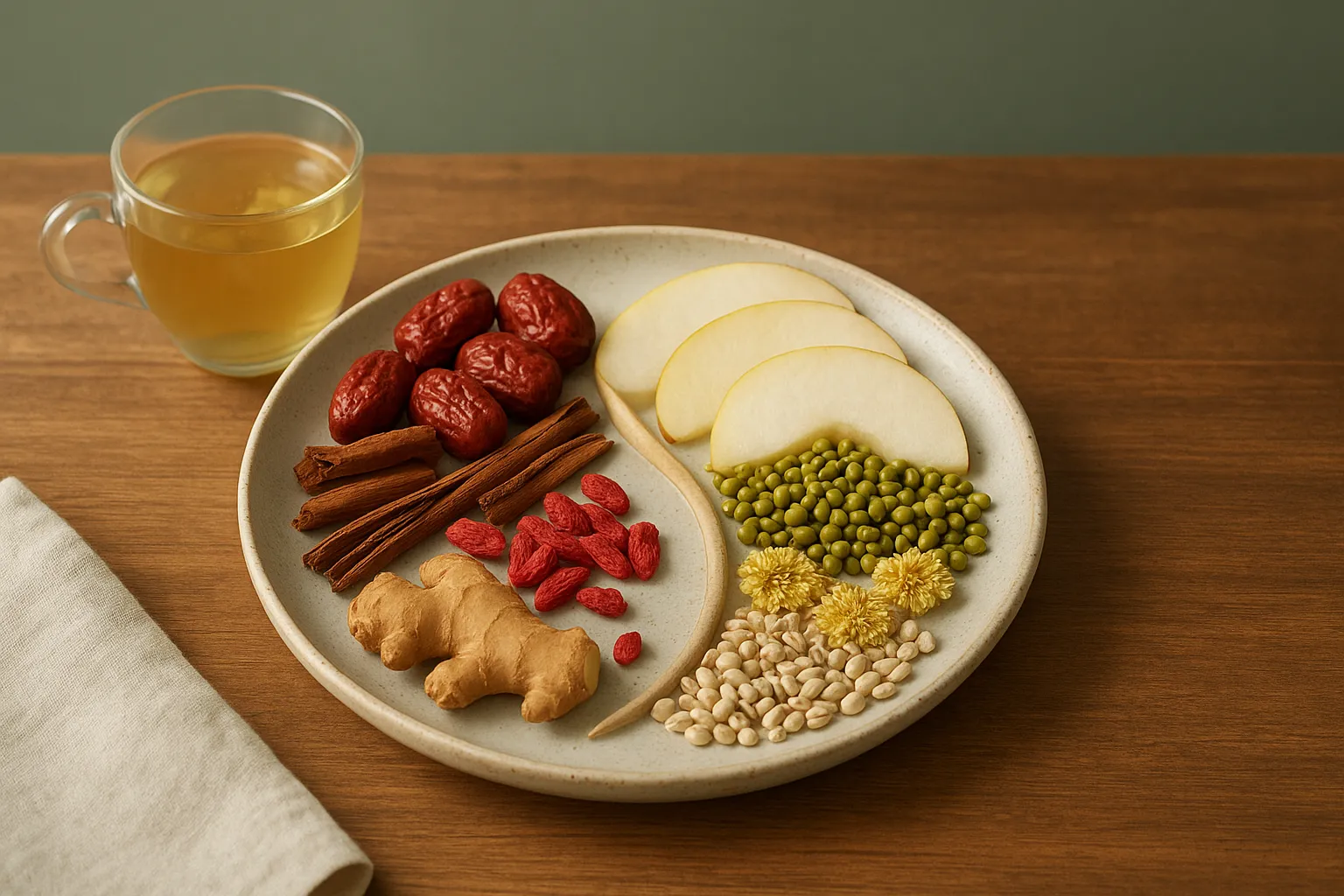
Dried snow fungus, pear, goji, and red dates for soup at PULSE TCM

Wind-dryness · 风燥

Snow fungus and pear soup

Snow fungus with Chinese pear. The cough variant adds apricot kernels (南北杏) and a honey date, simmered about 30 minutes.

Skip apricot kernels in pregnancy or for young children.

Make the snow fungus pear soup

07 · Self-press

Acupressure points for cough and dry throat

Gently massage these points at home alongside prescribed care.

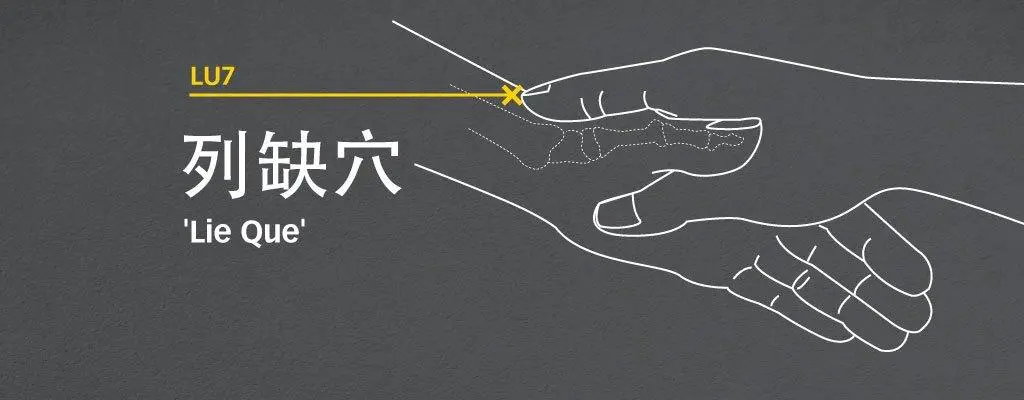
Line diagram locating Lie Que (LU7) on the radial wrist

Lie Que (LU7)

列缺穴

Inner forearm, about four finger-widths above the wrist crease. One minute. General cough, early wind, and tightness at the back of the neck.

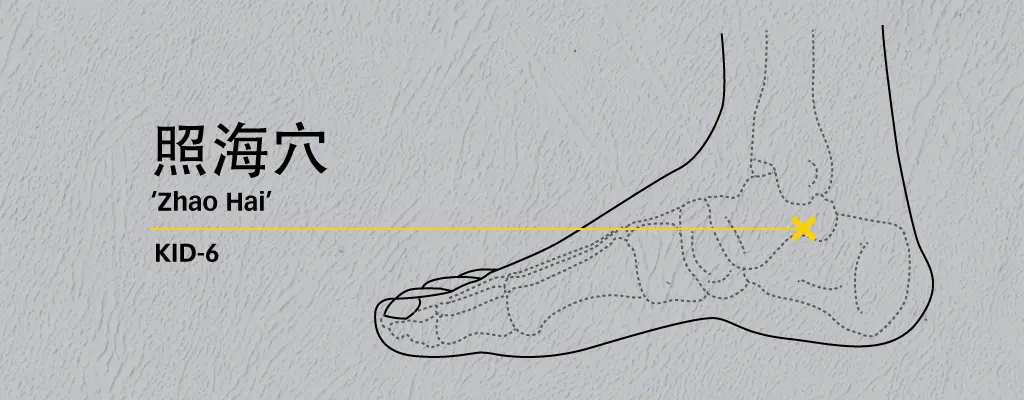
Zhao Hai (KI6)

照海穴

Inner ankle, in the hollow below the inner ankle bone. One minute. Moistens a dry unproductive cough and scratchy throat.

Line diagram locating Zhao Hai (KI6) on the inner ankle
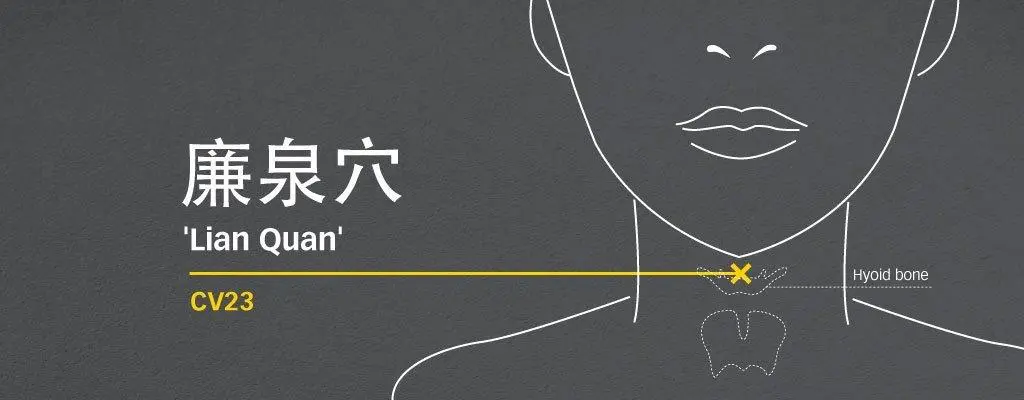
Line diagram locating Lian Quan (CV23) above the hyoid

Lian Quan (CV23)

廉泉穴

Midline of the neck, just above the Adam’s apple. Thirty seconds only. Local throat tickle and stubborn phlegm. Light pressure.

Press caution

Do not press over cuts or swelling. CV23 sits on the front of the neck: keep the press light. This is not care for sudden breathlessness or difficulty swallowing.

Press the three-point routine
Dr Sim Beng Joo

Clinically reviewed

Reviewed by Sim Beng Joo

Advisor (Science & Strategy) / Consultant Physician · TCMPB T1303003A

MOH-licensed TCM physician and biomedical scientist, with clinical work in digestion, pain, sleep or fatigue, and constitution patterns that show as cough, phlegm, or heaty versus cold signs.

View full profile

Educational information based on clinical experience and TCM principles. Not a substitute for personalised consultation, medical care, or urgent attention. Speak with your physician before starting herbs, apricot kernels, peppermint teas, or new self-care in pregnancy or for young children. Seek urgent care for high fever, breathlessness, chest pain, or blood in sputum. A cough lasting more than three weeks still needs a proper assessment.

FAQs

Cough questions

Common questions before you change food, syrups, or book a first visit.

Is Pei Pa Koa (Pi Pa Gao) good for all types of coughs?

No. Pei Pa Koa is popular, but it is not a catch-all. It is formulated for heaty and dry coughs, with cooling herbs such as Chuan Bei Mu that moisten the Lungs. A cold cough with clear watery phlegm and chills can worsen if you take a cooling syrup. Name the type first.

Can I eat oranges or other citrus fruits when I have a cough?

For a wet, phlegmy cough, TCM usually eases off raw citrus such as oranges. Vitamin C is useful, but raw cold fruit can add dampness and further burden the Spleen’s handling of fluids, which may mean more phlegm. Lightly steamed fruit, such as steamed pear, is often a kinder option.

Can I take TCM herbal medicine and Western cough medicine at the same time?

You can use both, but not in the same swallow. Physicians usually leave at least two hours between Western medicines (antibiotics or cough suppressants) and Chinese herbal remedies so absorption stays clearer and interactions are less likely. Tell both clinicians what you take.

How do I quickly tell the difference between a heaty cough and a cold cough?

Look at phlegm and the throat. A heaty cough often comes with a sore, red throat, dry mouth, and thick sticky yellow or green phlegm. A cold cough typically shows an itchy throat, chills, a runny nose, and clear or white watery phlegm.

Are TCM cough remedies and food therapies safe for pregnant women?

Mild food therapy such as snow fungus and pear soup is often nourishing. Active herbs used to expel pathogens, including peppermint and some apricot kernels, need stricter caution. Pregnant people should consult a licensed TCM physician rather than self-medicating with herbs.

Can I eat chicken when I have a cough?

It depends on the pattern. Chicken is considered heaty in TCM. If you have a wind-heat cough (yellowish phlegm, sore throat, or constipation), chicken may aggravate the heat. A wind-cold cough with clear phlegm and chills is a different picture. This is food-nature guidance, not a blanket ban.

References

Selected sources

  1. National Center for Complementary and Integrative Health. Traditional Chinese medicine: What you need to know. 2019. https://www.nccih.nih.gov/health/traditional-chinese-medicine-what-you-need-to-know/
  2. World Health Organization. Traditional, complementary and integrative medicine. https://www.who.int/health-topics/traditional-complementary-and-integrative-medicine
  3. Ministry of Health Singapore. TCM practitioners (Healthcare Professional Portal). https://hpp.moh.gov.sg/tcm-practitioners/
  4. Chen X, Liu Y, Li H, et al. Clinical efficacy of acupuncture as adjunctive therapy for cough variant asthma: study protocol for a pilot randomized controlled trial. J Asthma Allergy. 2026;19:586197. https://doi.org/10.2147/JAA.S586197
  5. Liu W, Jiang HL, Mao B. Chinese herbal medicine for postinfectious cough: a systematic review of randomized controlled trials. Evid Based Complement Alternat Med. 2013;2013:906765. https://doi.org/10.1155/2013/906765
  6. Hanyu F, Zheng H, Deming LI, et al. Formulation of international standards of Chinese medicine technology: clinical practice guide of Chinese medicine for cough. J Tradit Chin Med. 2024;44(2):396–402. https://doi.org/10.19852/j.cnki.jtcm.20231016.001
  7. Wong WC, Lee A, Lam AT, et al. Effectiveness of a Chinese herbal medicine preparation in the treatment of cough in uncomplicated upper respiratory tract infection: a randomised double-blinded placebo-control trial. Cough. 2006;2:5. https://doi.org/10.1186/1745-9974-2-5
  8. Lee B, Kwon CY, Jeong YK, et al. Acupuncture-related therapy for chronic cough: a systematic review and meta-analysis. Integr Med Res. 2025;14(1):101121. https://doi.org/10.1016/j.imr.2025.101121
  9. Original article author: Physician Kang Ting.

Next step

Ready for a cough pattern read?

Bring how long it has lasted, what the phlegm looks like, and any GP notes. We will name the pattern in plain language and decide what belongs in your plan.

Hours
Most clinics daily 11:00 AM – 8:00 PM
Care
Physician-led consultation