
Physician placing a fine needle beside the nose for sinus congestion at PULSE TCM

Insights · Immunity

TCM View of Sinusitis

A blocked nose with facial pressure and thick mucus often means sinusitis. Acupuncture, herbs, and home points on the nose and hand usually work alongside rest.

In brief

A blocked nose with facial pressure and thick yellow or green mucus often reads as sinusitis (鼻窦炎; TCM 鼻渊). Clear watery mucus with itch and sneezing often reads as allergic rhinitis, and uncleared mucus can infect. Wind-cold or wind-heat weakens the Lung as first-line defence. The Spleen produces phlegm and the Lung stores it (脾为生痰之源,肺为储痰之器). Clinic care uses acupuncture at Ying Xiang (LI20) and He Gu (LI4), plus herbs. Home press and physician-guided brews support the pattern.

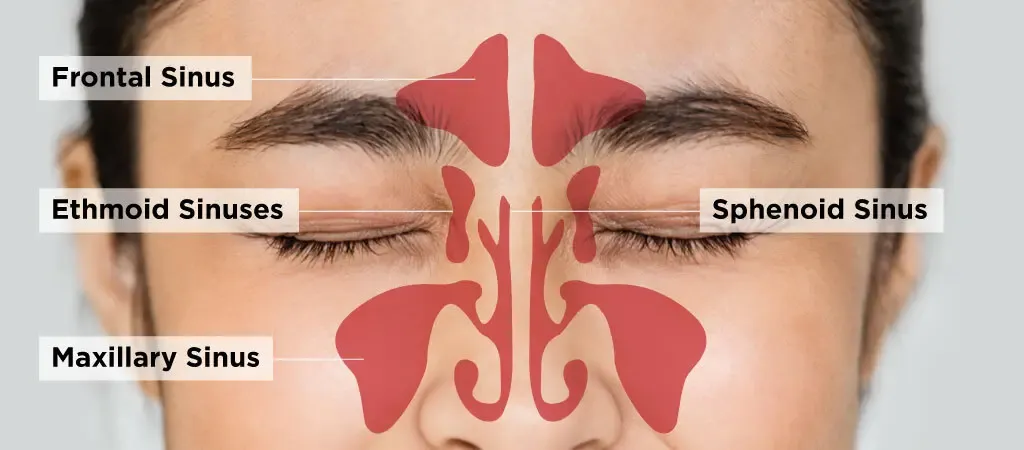
Diagram of frontal, ethmoid, sphenoid, and maxillary sinus cavities on the face

01 · What it is

What sinusitis is

鼻窦炎 · 鼻渊

A blocked nose with facial pressure and thick yellow or green mucus often follows inflamed sinuses (hollow cavities in the skull). That is sinusitis: 鼻窦炎, named 鼻渊 in TCM.

As the mucous membrane secretes more mucus, it swells and the nose blocks. Signs include a reduced sense of smell, a stuffed nose, headache, and facial pain. Excess mucus can flow back into the mouth, so some people also cough or feel a sore throat.

High fever, severe facial swelling, sudden vision change, or breathlessness needs urgent or ENT care.

02 · Signs

Sinusitis versus allergic rhinitis

Allergic rhinitis (过敏性鼻炎, also 鼻鼽) also inflames the nasal canal, but the trigger is an allergen such as dust or pollen. Uncleared mucus from rhinitis can become infected with bacteria or a virus and lead to sinusitis.

Sinusitis and allergic rhinitis
Picture Typical signs Mucus
Sinusitis (鼻窦炎 / 鼻渊)Inflamed sinus cavities after a virus or bacteria.
  • Congested nose
  • Reduced sense of smell
  • Headache or facial pain
  • Cough or sore throat from post-nasal drip
Yellowish or greenish mucus
Allergic rhinitis (过敏性鼻炎 / 鼻鼽)Inflammation from allergens such as dust or pollen.
  • Sneezing
  • Itchy nose and eyes
  • Blocked nose and loss of smell when the lining swells
Clear and watery mucus

03 · Causes

How TCM reads sinusitis

An old line says the Spleen produces phlegm while the Lung stores it (脾为生痰之源,肺为储痰之器). External wind and internal damp both end as mucus in the respiratory tract.

External and internal loads
Type Mucus / signs May help
Wind-heat (风热)After a heaty cold or a seasonal change. The Lung is the first line of defence.
  • Sticky, thick, yellow or green mucus
  • Feverish feel, thirst, a blocked heaty nose
Cang Er Zi San-style brew
Wind-cold (风寒)After a draft or chill. The Lung is the first line of defence.
  • Clear or white, thin, watery mucus
  • Chills, a tight body, a runny cold nose
Magnolia flower and perilla leaf brew
Spleen damp from eating habitsIrregular meals and damp-producing food weaken the Spleen.
  • A weakened Spleen fails to transform fluids
  • Dampness congeals into phlegm, which the Lung stores and expels as mucus
Warm cooked meals; ease off dairy and iced drinks
Liver constraint from stress and sleepAn aggravated Liver weakens the Spleen in turn.
  • Late nights, pressure, or poor sleep thicken damp into phlegm
  • Flare-ups that track stress more than a recent cold
Steady sleep; less late-night stress

04 · Clinic care

How TCM can help with sinusitis

A physician diagnoses the root pattern from consultation, pulse, and tongue, then matches acupuncture and herbs. Acute pictures often settle in days to a week. Chronic sinusitis or long-standing allergic rhinitis typically needs 1 to 3 months of consistent care. Leave 1 to 2 hours between Western medicines and herbal brews.

Seek urgent or ENT care for high fever, severe facial swelling, sudden vision change, or breathlessness.

Acupuncture

Fine acupuncture needle at a point on the hand

迎香 LI20 · 合谷 LI4

Ying Xiang (LI20) and He Gu (LI4) are commonly used to unblock stagnant qi, improve local circulation, and ease facial pressure and a blocked nose. The set is chosen after pulse and tongue.

Acupuncture at PULSE

Chinese herbal medicine

Chinese herbal granules prepared at a PULSE TCM dispensary

苍耳子散 · clinic granules

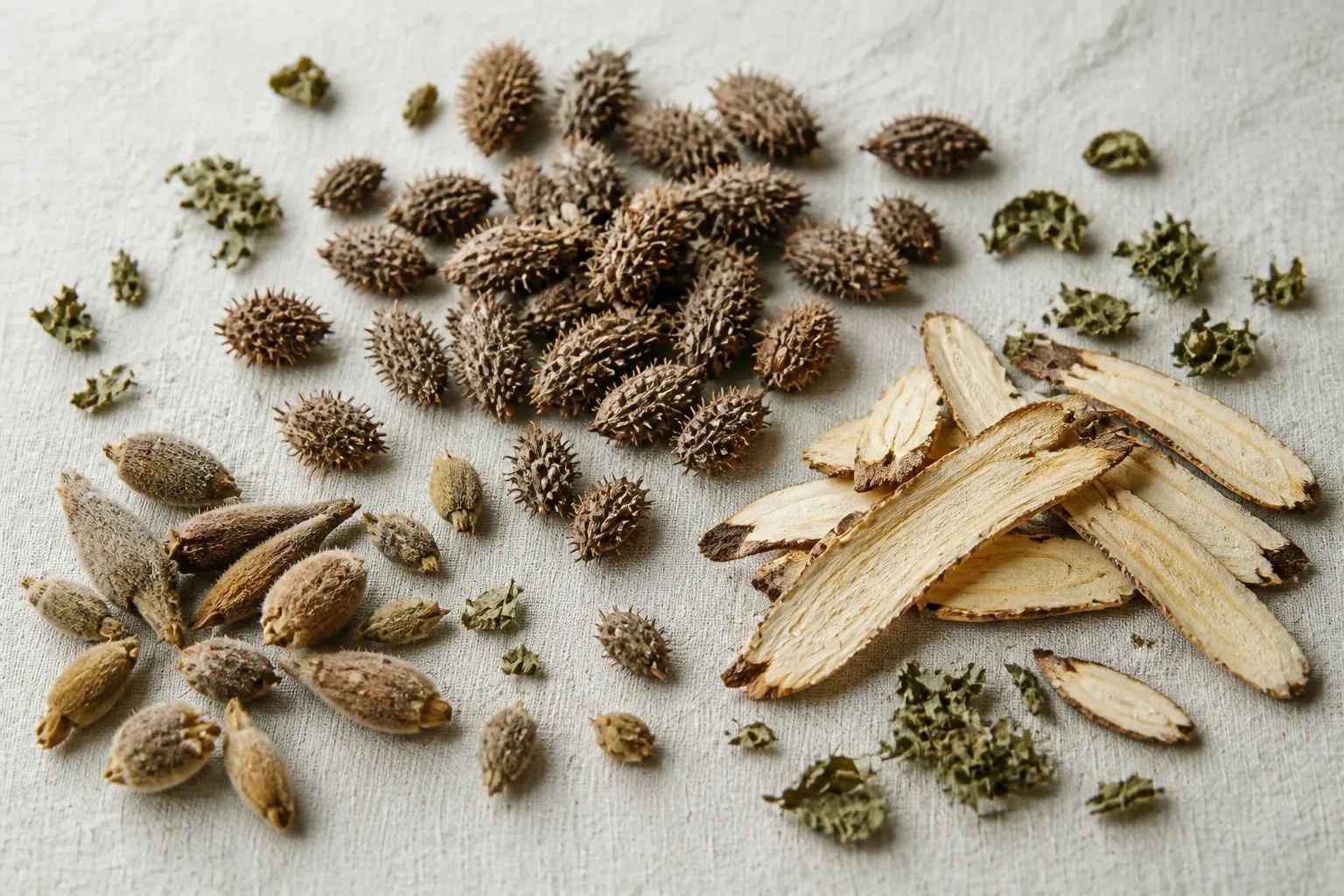
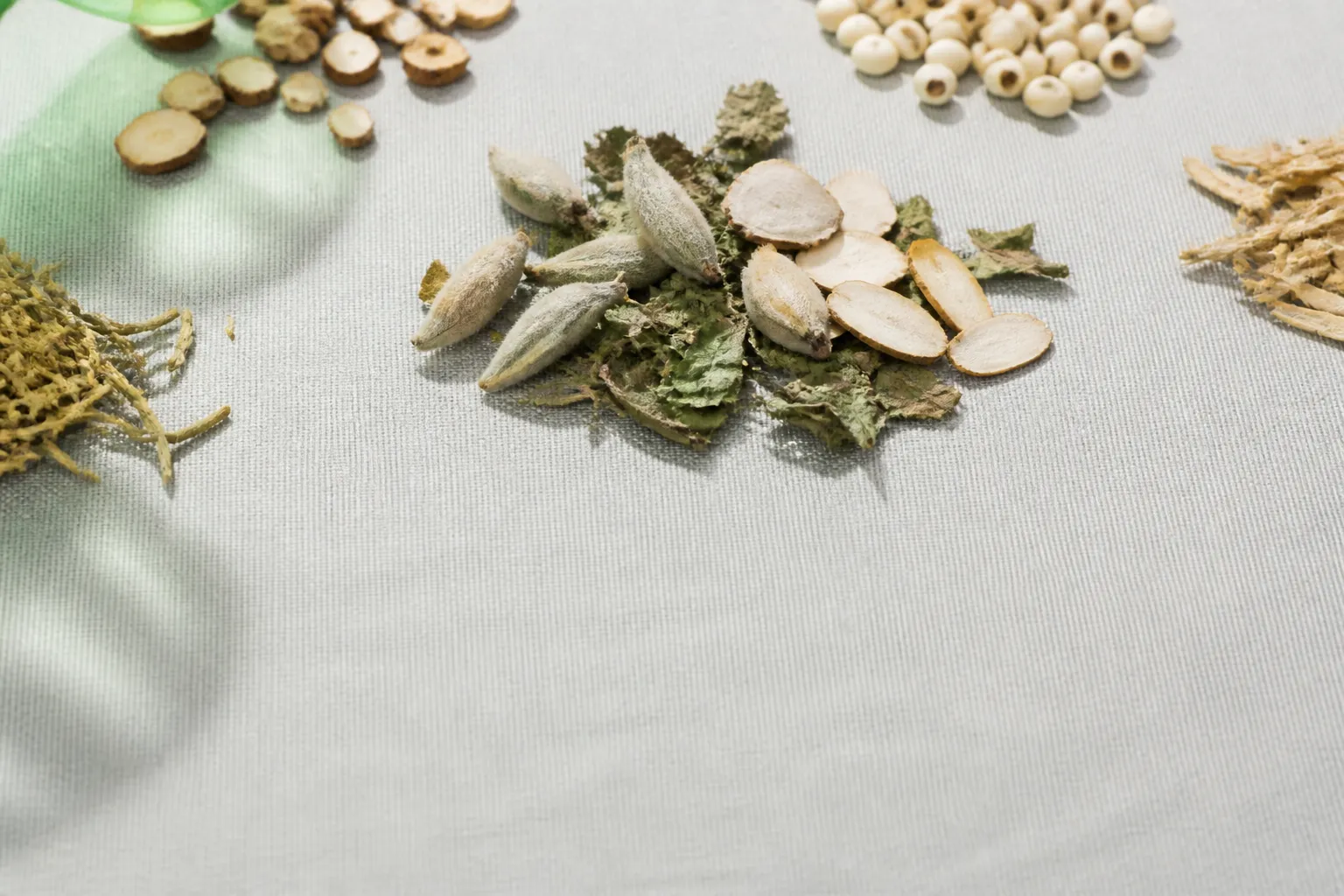
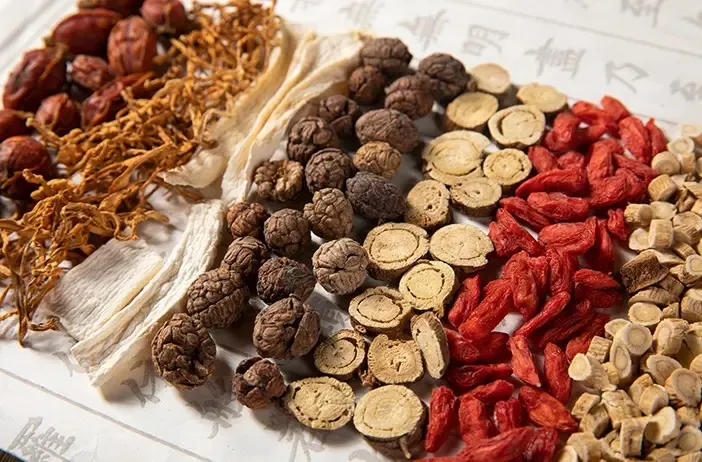
Cang Er Zi San is a classic nasal shape: 苍耳子 (Cang Er Zi), 辛夷 (Xin Yi), 白芷 (Bai Zhi), with 薄荷 (Bo He) or 苏叶 (Su Ye) as the wind picture asks. Matched after pulse and tongue. Dosing is clinic-only.

Chinese herbal medicine

Paediatric tuina

Paediatric tuina for childhood sinus and allergy patterns at PULSE TCM

Children · 小儿推拿

For children with chronic runny noses and allergies, physicians often use paediatric tuina to stimulate acupressure points, with milder child-friendly herbal formulations, instead of traditional acupuncture.

Paediatric TCM

When to book for sinus congestion

If yellow-green mucus, facial pain, or a blocked nose keeps returning, or allergic rhinitis never quite clears, a physician can name whether it reads as Lung wind or Spleen damp and decide which methods belong in your plan.

05 · Home care

Self-help TCM tips for sinusitis

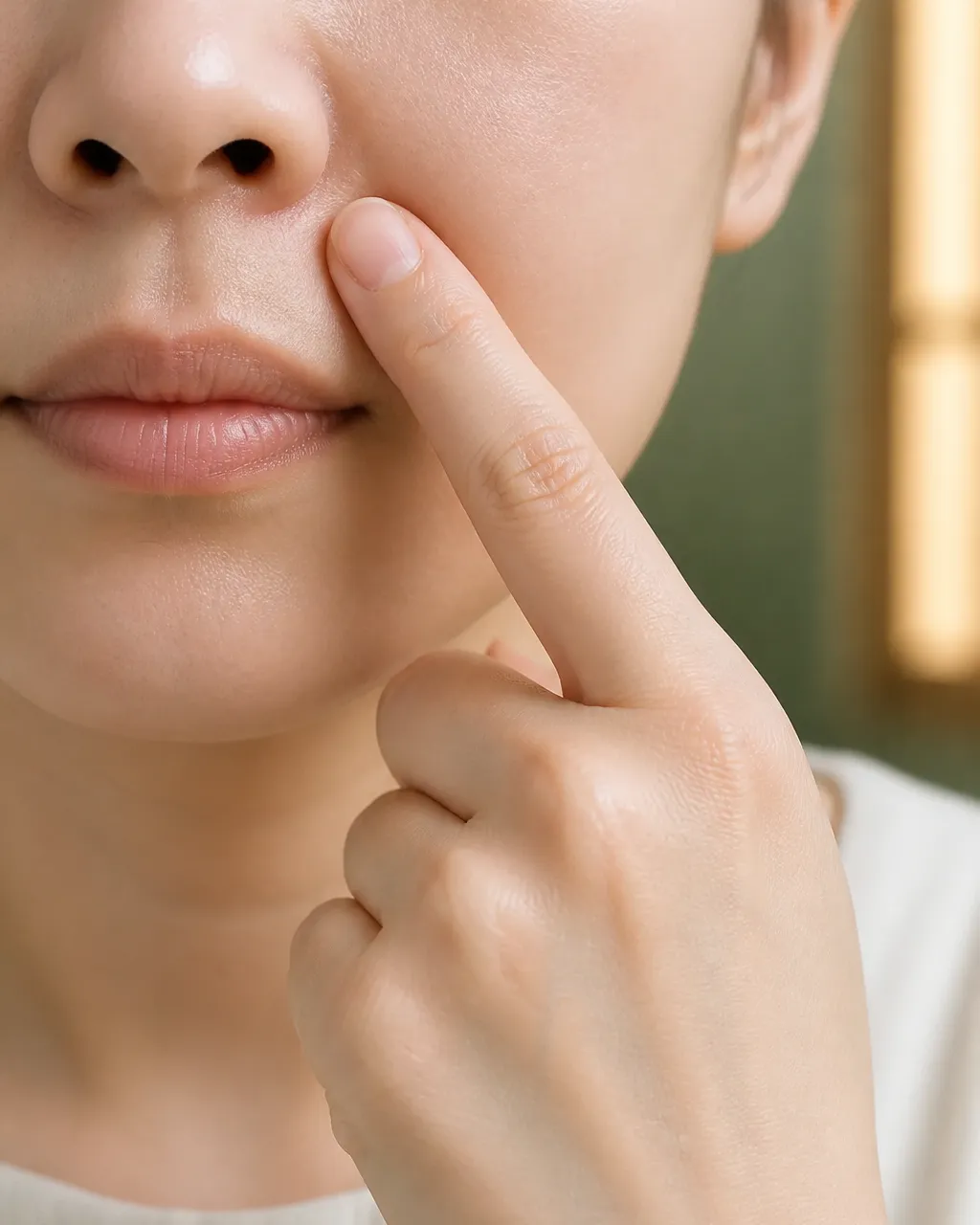
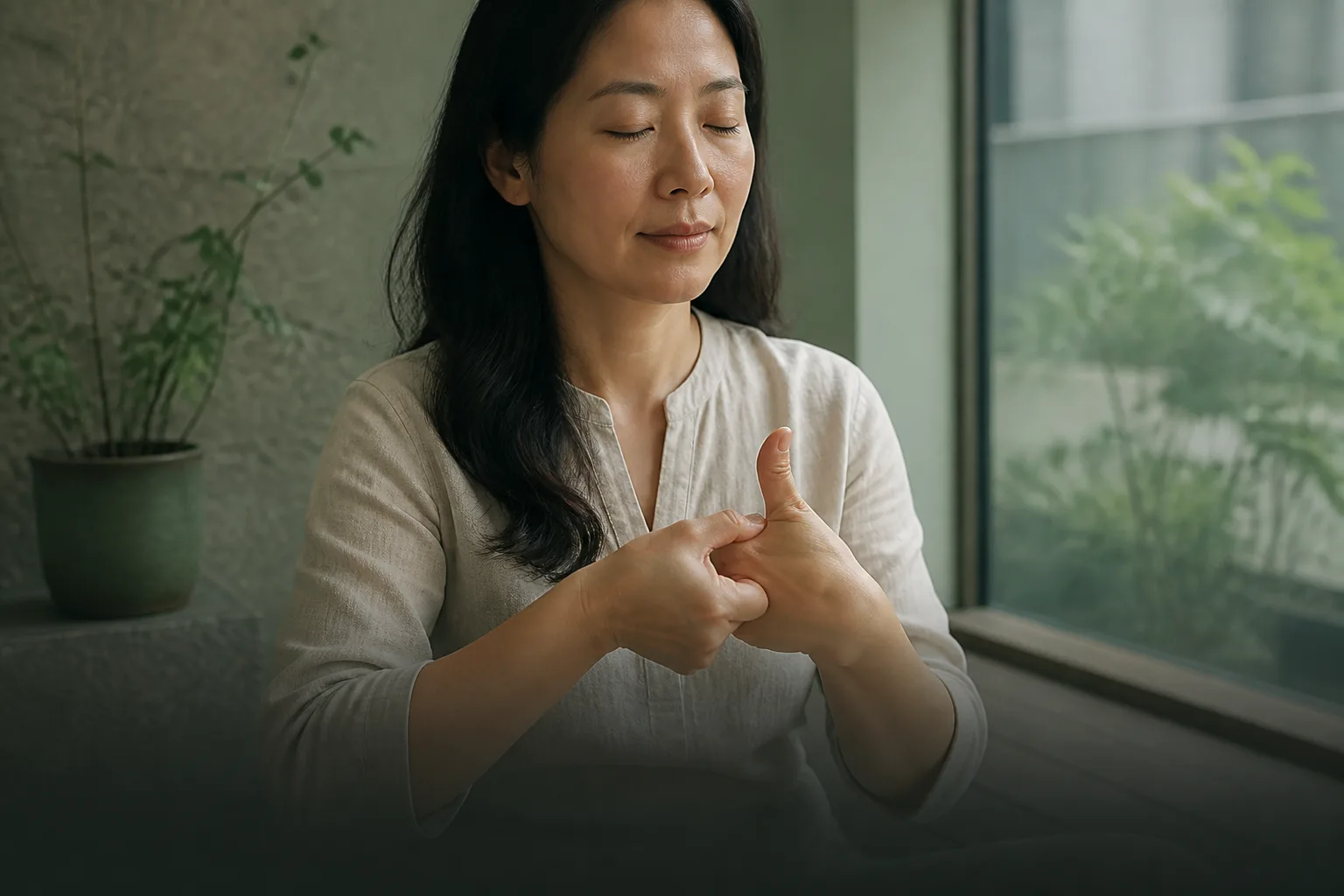
Ying Xiang (LI20) sits beside the nostril in the groove between nose and cheek. He Gu (LI4) sits in the webbing between thumb and index finger. Skip He Gu in pregnancy.

Finger locating Ying Xiang LI20 beside the nostril

Ying Xiang (LI20)

迎香穴

Beside the nostril, in the groove between nose and cheek. Press one minute on both sides. Local nasal point for obstruction and a sensitive, reactive nose.

He Gu (LI4)

合谷穴

On the back of the hand, in the webbing between thumb and index finger. Press one minute on both hands. Used to move qi and blood toward the nose.

Press caution

Skip He Gu in pregnancy. Ease off over cuts, rash, or a boil beside the nostril.

Press Ying Xiang and He Gu
Finger locating He Gu LI4 in the hand webbing

Foods and habits that change mucus

Damp-producing food weakens the Spleen. Office air-con and iced drinks add a cold load on the Lung.

  • Ease off dairy (milk, cheese, cream) while mucus is high
  • Skip salads, sushi, and iced drinks; prefer warm cooked meals
  • Lighter meals; skip oily, spicy food and refined sugar during a flare
  • Cover the nose and neck in cold office air-con; haze days can aggravate rhinitis
  • Regular sleep, less late-night stress, and allergen avoidance for rhinitis

Cang Er Zi San-style brew

Dried Cang Er Zi, Bai Zhi, Xin Yi, and mint for Siberian Cocklour Fruit tea

苍耳子散

Cang Er Zi San is a classic nasal shape for wind-heat sinus with yellow mucus. Cang Er Zi must be professionally processed.

Skip notes

Use processed Cang Er Zi from a licensed physician or dispensary. If there's any chance of pregnancy, don't use this. Skip for young children, or if you have herb sensitivities, unless a physician has already matched it.

Make Siberian Cocklour Fruit tea

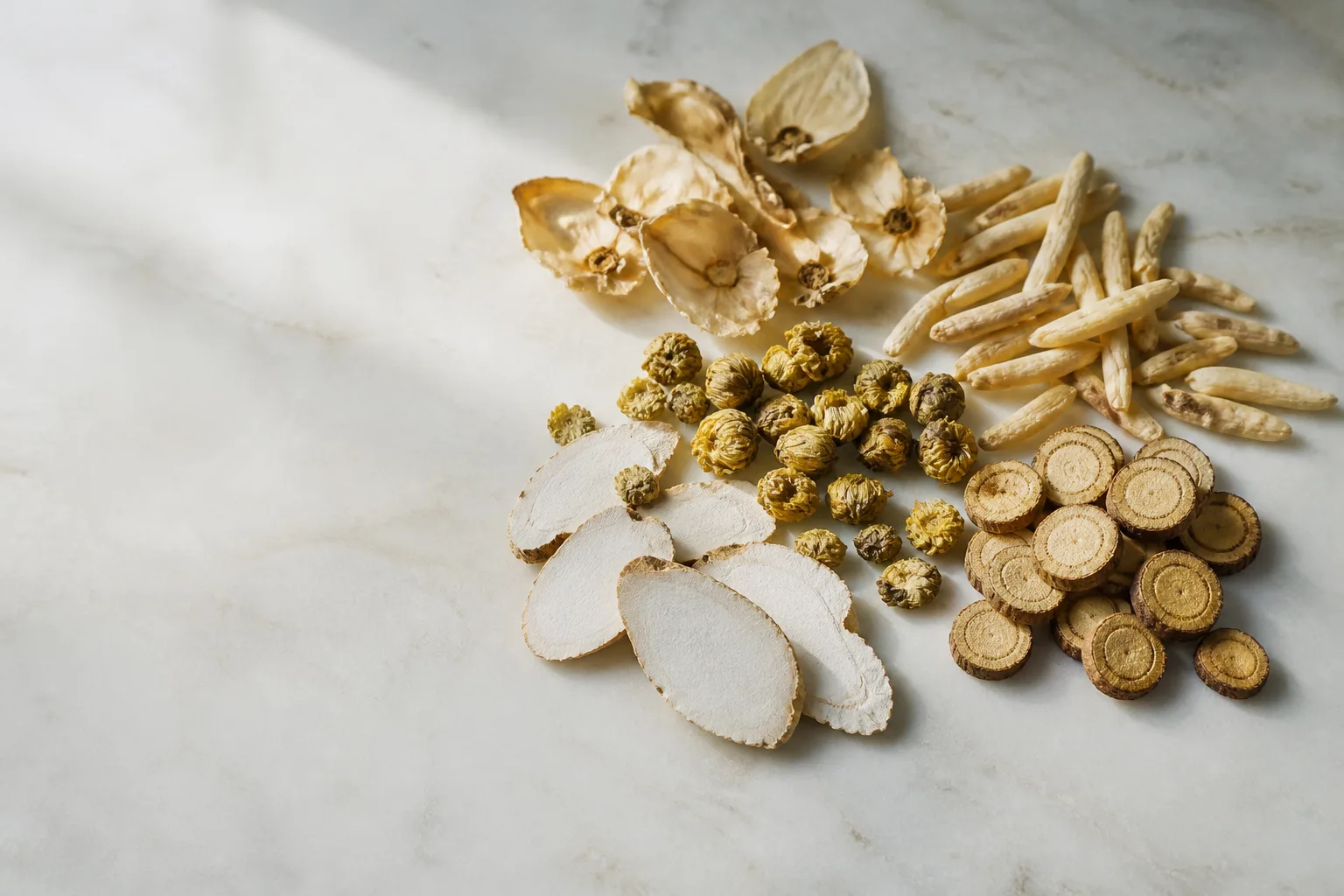
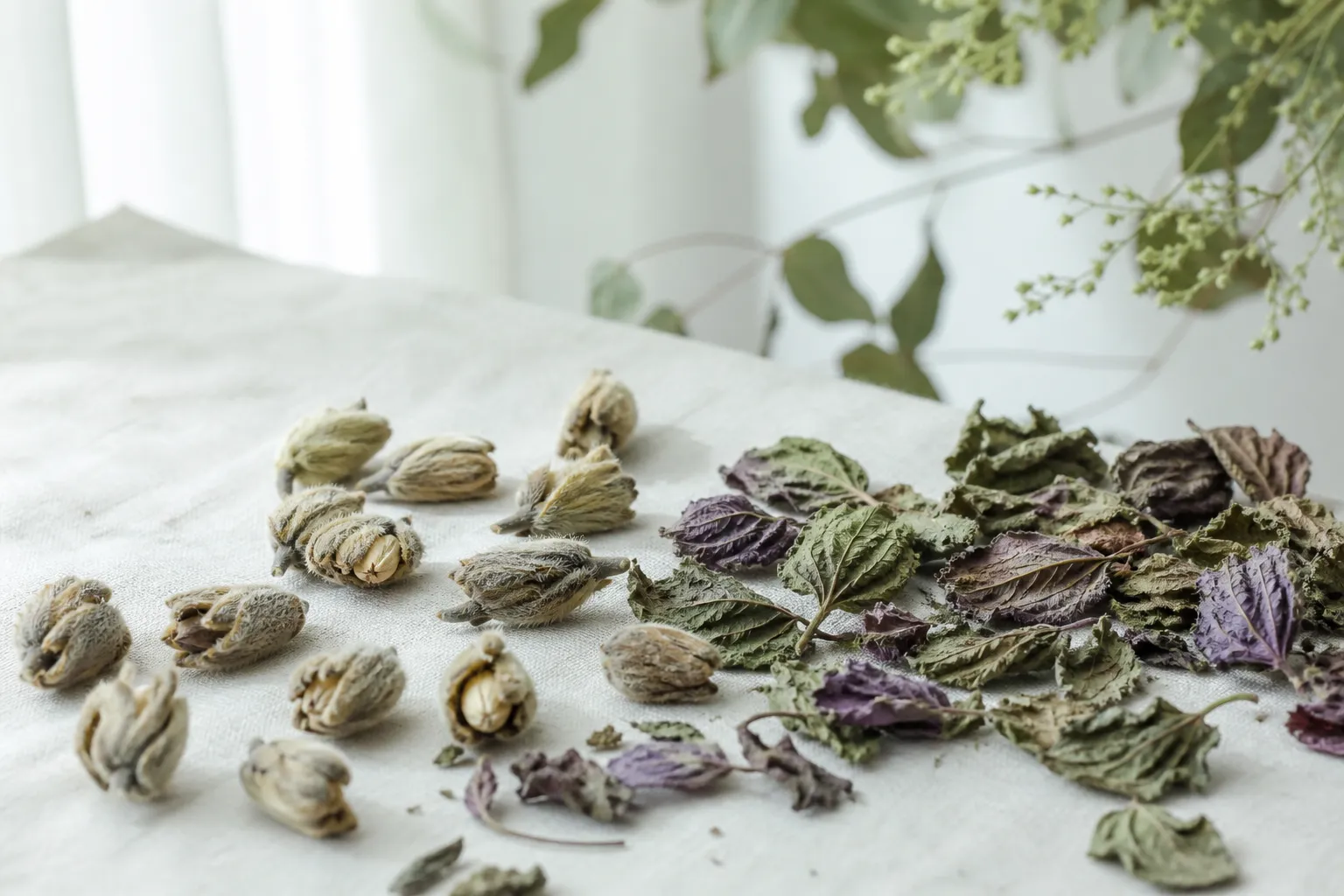
Magnolia flower and perilla leaf brew

辛夷苏叶茶

A physician may dispense this shorter wind-cold nasal brew to clear mucus and settle local inflammation.

  • Perilla leaf (苏叶, Su Ye) 6 g
  • Magnolia flowers (辛夷, Xin Yi) 2 g
  • Water 300–500 ml

Skip notes

Ask a physician before using this brew in pregnancy or for young children. Individual pictures differ; pulse and tongue decide which formula fits.

When this shape has been dispensed: put all of the ingredients together, add boiling water, and simmer for 15 minutes. Drink once a day, to clear mucus from the sinuses and reduce inflammation. Xin Yi is often wrapped so fibres do not irritate the throat.

Dr Sim Beng Joo

Clinically reviewed

Reviewed by Sim Beng Joo

Advisor (Science & Strategy) / Consultant Physician · TCMPB T1303003A

MOH-licensed TCM physician and biomedical scientist, with clinical work in digestion, pain, sleep or fatigue, and constitution patterns that show as phlegm, sinus congestion, or heaty versus cold signs.

View full profile

Educational information based on clinical experience and TCM principles. Not a substitute for personalised consultation, medical care, or urgent attention. Speak with your physician before starting Cang Er Zi, Xin Yi, peppermint, or new self-care in pregnancy or for young children. Seek urgent care for high fever, severe facial swelling, sudden vision change, or breathlessness. Cang Er Zi must be professionally processed; it is not a pantry tea.

FAQs

Questions, answered

Common questions before you change food, press points, or book a first visit.

Can TCM completely cure chronic sinusitis?

TCM focuses on the root pattern rather than only drying the mucus. Care aims to clear internal dampness, remove pathogens, and strengthen the Lung and Spleen. Whether flare-ups stay quiet depends on severity and constitution. Consistent treatment can reduce how often and how hard episodes return, and many people live with few symptoms between visits.

Is acupuncture effective for a blocked nose and sinus pressure?

Acupuncture is often used to ease sinus congestion and facial pressure. Needling points on the face and body, such as Ying Xiang and He Gu, is used to unblock stagnant qi, improve local circulation, and settle inflammation in the nasal passages. Many patients notice relief from a blocked nose during or soon after a session.

How long does it take for Chinese medicine to work for sinus issues?

Timing depends on whether the picture is acute or chronic. For acute sinusitis after a recent cold or flu, custom herbal medicine can often clear mucus and relieve pressure within a few days to a week. For chronic sinusitis or long-standing allergic rhinitis, it typically takes 1 to 3 months of consistent treatment to rebuild resistance and clear deep-rooted dampness.

What foods should I avoid for sinusitis according to TCM?

Diet plays a large role in mucus production. Damp-producing foods that weaken the Spleen are the usual skip list: cold and raw foods (salads, sushi, iced drinks); dairy (milk, cheese, heavy creams); greasy and spicy meals, which introduce excess heat; and refined sugars (sweets and processed carbohydrates).

Can I take TCM herbs while using Western medication for my sinuses?

Generally you can use TCM alongside Western treatments such as antihistamines or prescribed nasal sprays, with careful management. Tell your licensed TCM physician and your medical doctor about every medicine and supplement you take. Practitioners usually leave a gap of 1 to 2 hours between Western medication and TCM herbal brews.

Can children receive TCM treatments for allergic rhinitis and sinusitis?

Yes. Paediatric TCM is modified to be gentler. Instead of traditional acupuncture, physicians often use paediatric tuina (a specialised therapeutic massage) to stimulate acupressure points, alongside milder, child-friendly herbal formulations to support developing respiratory and immune systems.

References

Selected sources

  1. National Center for Complementary and Integrative Health. Traditional Chinese medicine: What you need to know. 2019. https://www.nccih.nih.gov/health/traditional-chinese-medicine-what-you-need-to-know/
  2. World Health Organization. Traditional, complementary and integrative medicine. https://www.who.int/health-topics/traditional-complementary-and-integrative-medicine
  3. Ministry of Health Singapore. TCM practitioners (Healthcare Professional Portal). https://hpp.moh.gov.sg/tcm-practitioners/
  4. Lee B, Kwon CY, Park MY. Acupuncture for the treatment of chronic rhinosinusitis: a PRISMA-compliant systematic review and meta-analysis. Evid Based Complement Alternat Med. 2022;2022:6429836. https://doi.org/10.1155/2022/6429836
  5. Brinkhaus B, Ortiz M, Witt CM, et al. Acupuncture in patients with seasonal allergic rhinitis: a randomized trial. Ann Intern Med. 2013;158(4):225–234. https://doi.org/10.7326/0003-4819-158-4-201302190-00002

Next step

Ready for a sinus pattern read?

Bring how long the blockage has lasted, what the mucus looks like, and any GP or ENT notes. We will name the pattern in plain language and decide what belongs in your plan.

Hours
Most clinics daily 11:00 AM – 8:00 PM
Care
Physician-led consultation