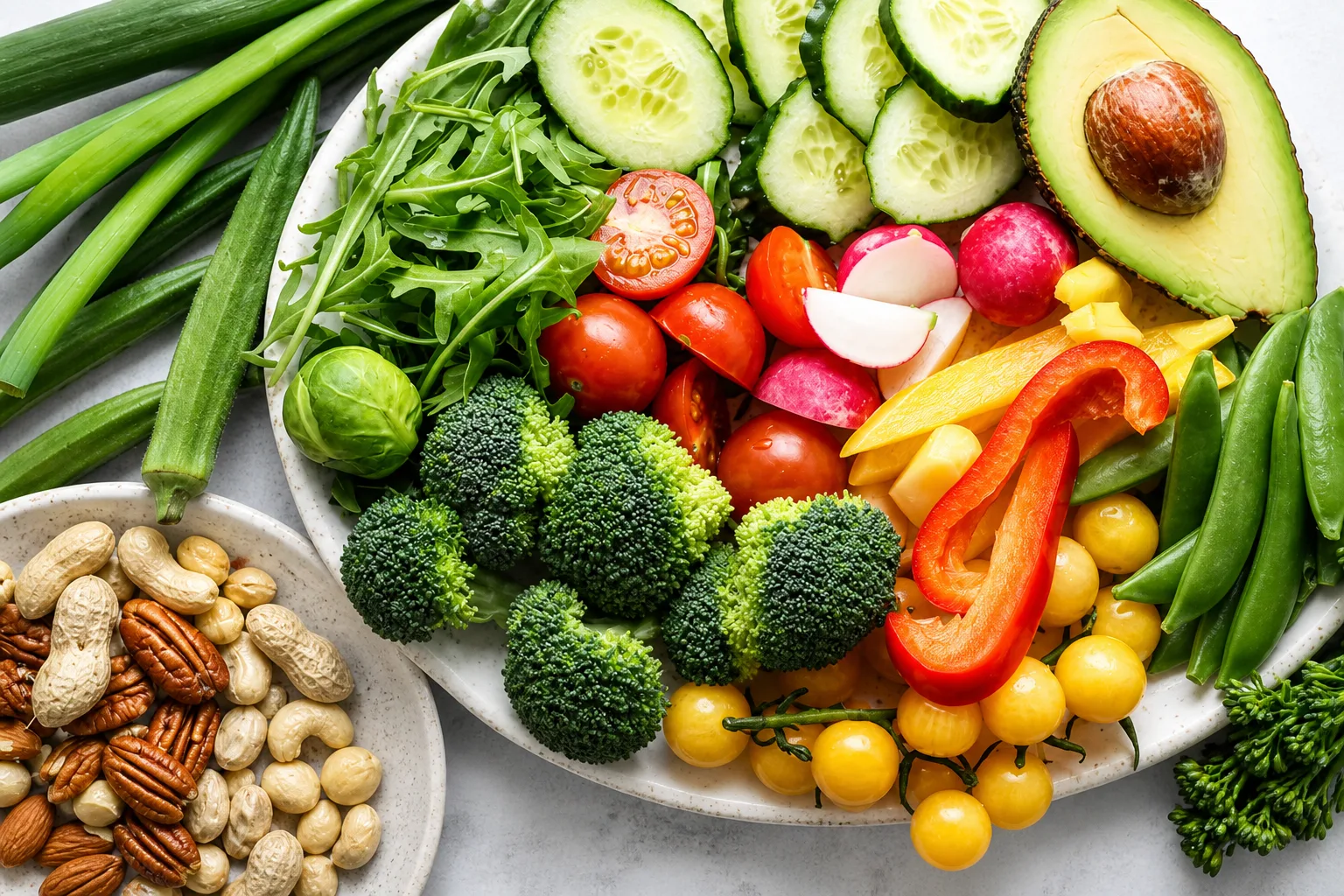
Flat-lay of fibre-rich vegetables, avocado, and mixed nuts on a platter

Insights · General Health

The importance of fibre: eating for mental wellness & immunity

Fibre is unglamorous, yet it steadies bowels, supports Wei Qi, and feeds the gut-brain axis. TCM reads it through Spleen and Stomach, then matches foods to heat, damp, deficiency, or stagnation.

In brief

What is fibre? It is the plant carbohydrate that passes largely intact through the gut. Soluble fibre forms a gel (Yin); insoluble fibre adds bulk and motility (Yang). In TCM, steady fibre supports Spleen and Stomach transformation, clears stagnation and internal heat, and strengthens Wei Qi. Gut microbes ferment fibre into short-chain fatty acids that support barrier and immune tone. Benefits also span bowels and skin heat load, mood via the gut-brain axis, cholesterol and Phlegm load (often cited reductions around 10–15% with adequate intake), steadier blood sugar via a lower glycaemic index, and a lower long-term picture for diabetes, heart disease, and some cancers. Low GI is not the same as low sugar. In Singapore, aim for about 20–26 g daily from whole foods, raised gradually with enough water.

01 · What fibre is

A plant carbohydrate that stays intact

Spleen · Stomach · Middle Jiao

Dietary fibre is the part of plant carbohydrate that passes largely intact through the gut. Simple sugars absorb within about twenty minutes; starch takes longer; fibre feeds the gut ecosystem on the way through.

In TCM the gut is the root of postnatal life. The Spleen’s job is transformation and transportation: turning food into usable qi and blood. Too little fibre lets waste linger, which can read as stagnation and internal heat. Steady fibre helps the Middle Jiao (中焦, Zhōng Jiāo) stay clear and supports Wei Qi (卫气, Wèi Qì), the protective qi at the surface.

Where fibre sits among carbohydrates
Type What happens in the gut
Simple carbohydrates Fully digested and absorbed within about 20 minutes.
Starch (complex) Fully digested in about two hours; longer with protein, fat, or fibre.
Fibre (complex) Passes relatively intact; splits into soluble and insoluble forms.
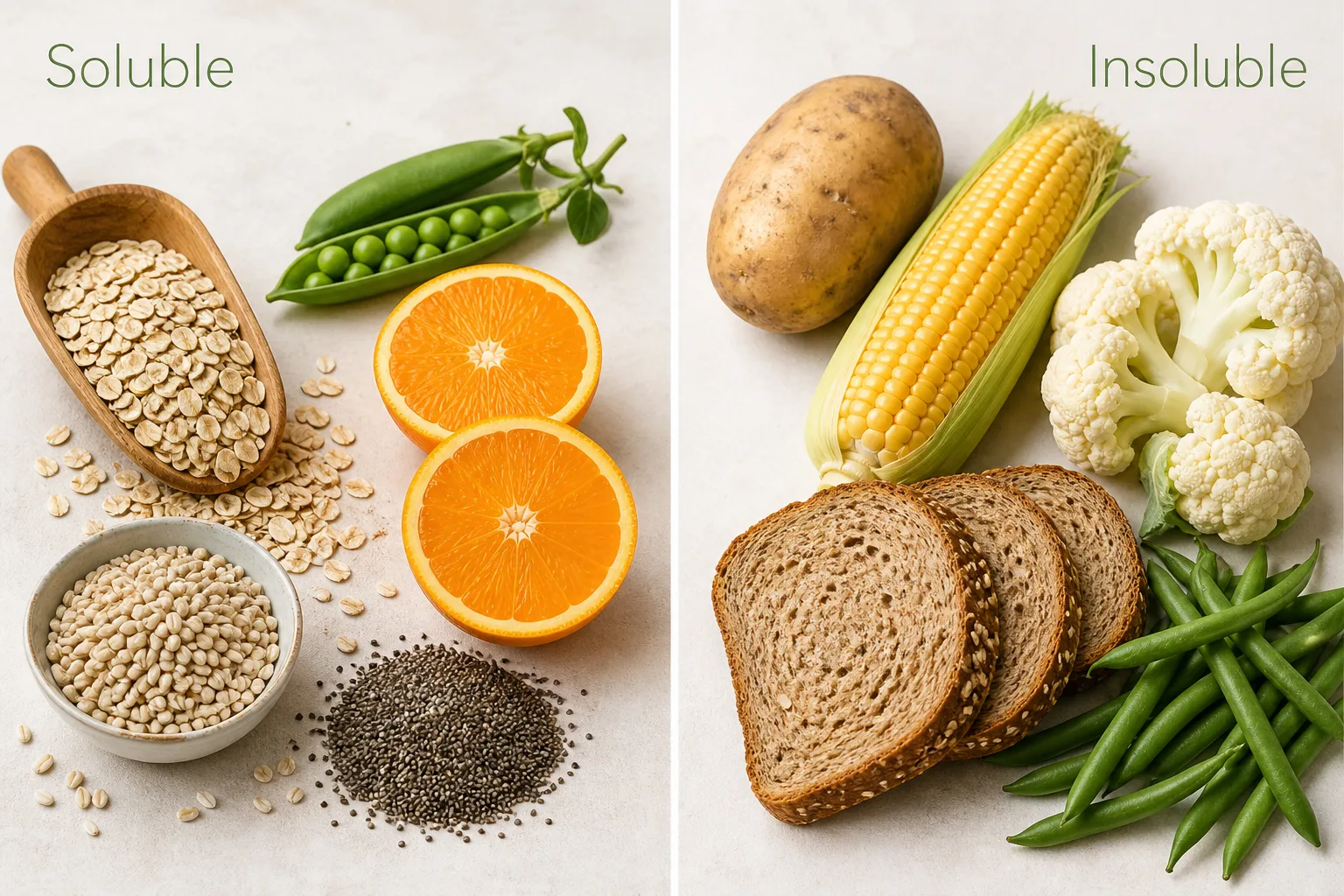
Two-panel food collage: soluble fibre foods oats citrus peas barley chia beside insoluble potato corn cauliflower wholegrain bread

02 · Soluble and insoluble

Yin gel and Yang sweep

Yin · Yang · damp-heat

Soluble fibre moistens and binds; insoluble fibre bulks and moves. Both belong on a mixed plate when the Spleen can handle them.

Soluble versus insoluble fibre in TCM terms
Type Action Common foods
Soluble fibre (Yin) Dissolves in water to form a gel; steadies cholesterol and glucose; moistens the tract Oats, peas, citrus, barley, chia
Insoluble fibre (Yang) Does not dissolve; promotes motility and stool bulk; helps sweep waste so damp-heat is less likely to linger Whole-wheat, nuts, beans, cauliflower, spinach, green beans, potato skins

03 · Five benefits

5 key health benefits of a high-fibre diet

A high-fibre pattern supports more than regularity. In humid Singapore, clearing waste also limits internal heat and damp load.

1. Regulating bowels and clearing heat

Insoluble fibre adds bulk, helps move waste, and limits damp-heat in humid Singapore. That clears Stomach Fire and internal heat that often show as bloating, sticky stools, or skin breakouts such as acne or eczema when motility slows.

2. Strengthening the immune system

Roughly 70% of immune tissue sits along the gut. Prebiotic fibre feeds microbes that make short-chain fatty acids (SCFAs), which helps modulate immune tone. That aligns with strengthening Wei Qi, the protective layer that helps keep external pathogens such as colds and flu at bay. SCFAs are not a treatment for a named infection or for cancer already present. Detail on the fermentation chain is under short-chain fatty acids.

3. Mood via the gut-brain axis

The gut influences the brain through the vagus nerve, immune messengers, neurotransmitter synthesis, and SCFAs that calm acute nervous-system inflammation and keep intestinal walls sound so bacterial products are less likely to stress the blood-brain barrier. TCM has long linked Stomach Fire or stagnant qi with irritability, anxiety, and unsettled sleep. A moving, fibre-nourished gut supports a calmer, more focused mind; this is not a mood cure claim. See also SCFAs from fibre.

4. Heart health, cholesterol, and Phlegm

Soluble fibre can bind bile acids so the body draws on cholesterol stores to replace them. With adequate intake, blood cholesterol can fall by up to about 10–15%. TCM may frame sticky lipid load as Phlegm; plant fibre supports clearing that picture when diet and pattern care match.

5. Blood sugar, glycaemic index, and Spleen qi

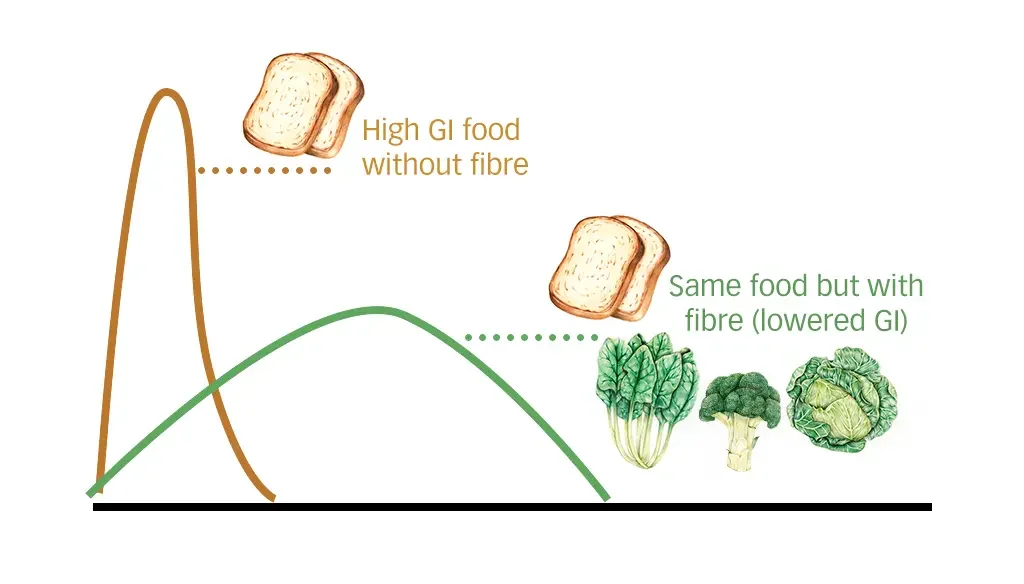
Fibre slows carbohydrate absorption and helps blunt sugar spikes, which protects Spleen qi from the drain of bare simple sweets and the fatigue that can follow. Steady fibre patterns also sit with a lower long-term diabetes risk picture. Low GI is not the same as low sugar. How the same starch rises with and without fibre is under glycaemic index.

04 · SCFAs

From fibre to short-chain fatty acids

Prebiotics · probiotics · postbiotics

Prebiotic fibre feeds gut microbes. Those microbes ferment it into postbiotic short-chain fatty acids. Which acids dominate depends on the fibres you eat and your own microbiome; the three main ones work together.

How fibre becomes SCFAs
Step What it is On the plate / in the body
Prebiotics Fibre and related plant compounds microbes can ferment Wholegrains, beans, fruit, vegetables, garlic, seeds
Probiotics Beneficial microbes in the gut community The living community that ferments the fibre you eat
Postbiotics · SCFAs Short-chain fatty acids from that fermentation Butyrate fuels colon cells and barrier tone; propionate ties to metabolic and immune signals; acetate is often the most abundant and feeds wider host pathways
  • Help modulate differentiation and movement of immune cells
  • Support cytokine balance and other anti-inflammatory tone
  • Help keep intestinal walls sound so gut bacteria are less likely to leak into surrounding tissue
  • Anti-proliferative signals on cancer or tumour cells in research settings; useful for lower long-term cancer risk talk, not a reason to skip treatment if cancer is already present

Variety of fibre across the week matters: different fibres feed different microbes and shift which SCFAs lead.

Chart comparing a sharp blood-sugar spike from high-GI food without fibre versus a lower flatter curve when the same food is eaten with fibre

05 · Glycaemic index

Same starch, different rise

GI · sugar spikes · Spleen qi

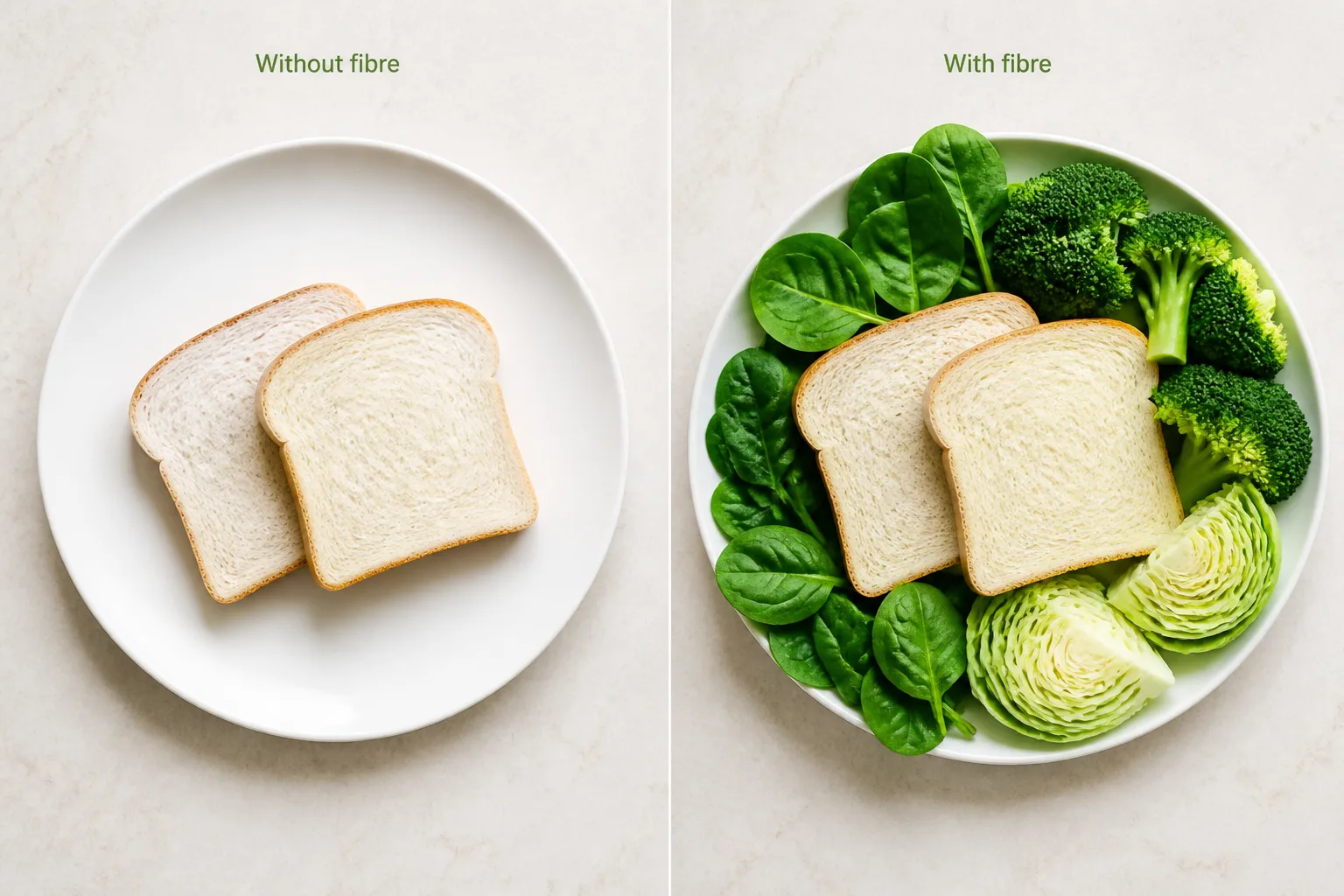
White bread alone can spike blood glucose quickly. The same bread with leafy greens and crucifers adds fibre, slows the rise, and is kinder to Spleen qi than sweets eaten bare.

GI is not a label for “low sugar” or “no carb.” Pair fibre with the carbohydrate you already eat; a low-GI sticker does not mean the plate is light on sugar. Bare simple sweets dampen and drain Spleen qi; fibre on the same plate steadies transformation and softens the crash after rice, bread, fruit, or dessert.

Brown rice and white rice are the same plant; brown keeps more of the fibre-rich outer layers, so the meal’s glycaemic rise is usually gentler. That is the main reason brown is advised over white when fibre intake is the goal.

Two plates comparing white bread alone versus white bread with leafy greens and broccoli for fibre

Pair fibre with the starch you already eat

Leafy greens and crucifers beside white bread slow the glycaemic rise of the same starch without claiming the plate is low sugar.

06 · Foods by pattern

Match fibre foods to the picture

Heat · Damp · Qi Deficiency · Blood Stagnation

Lotus root and pear suit heat with dry stools or acne; Coix and celery suit damp bloating or loose stools; oats and pumpkin suit weak appetite and fatigue; wood ear suits sharp or fixed pain and cycle irregularity. Pulse and tongue still decide the live pattern.

TCM-oriented high-fibre foods by condition
Condition Foods Benefit Cue
Internal Heat Lotus root, Asian pear, apples Clear heat and lubricate the bowels Constipation, dry mouth, acne
Dampness Coix (Job’s tears), celery Drain fluid and move stagnation Bloating, sluggishness, loose stools
Qi Deficiency Oats, pumpkin, sweet potato Strengthen Spleen qi and sustain energy Fatigue, poor appetite
Blood Stagnation Black fungus (wood ear) Circulate blood and cleanse vessels Sharp pains, irregular cycles
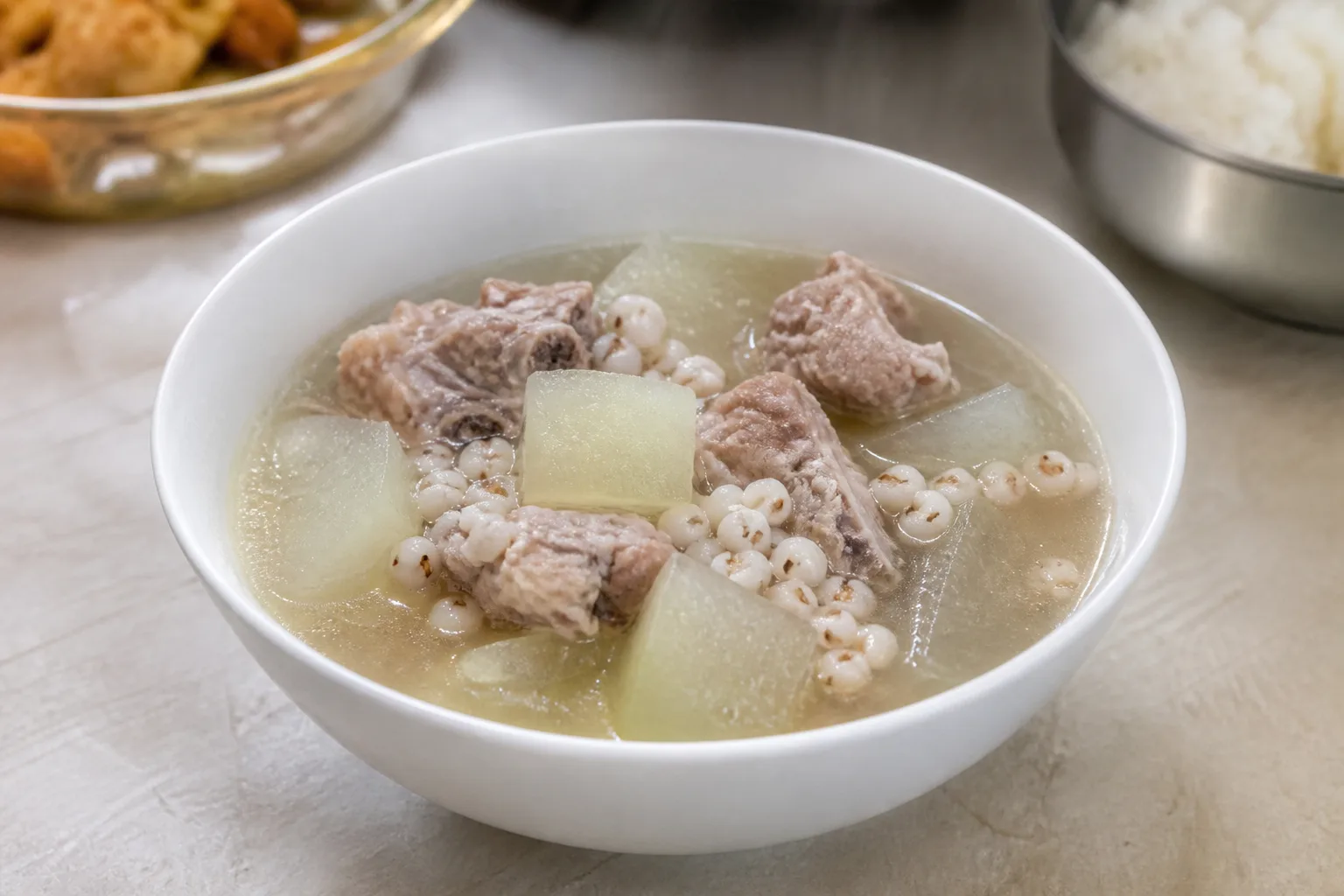
Bowl of coix seed and winter melon pork rib soup

Soup · damp digestion

Coix winter melon rib soup

Coix, winter melon, white hyacinth bean, and chen pi in one Singapore-climate pot when the gut feels heavy and damp.

Ease off if stools already run loose.

Make the coix soup
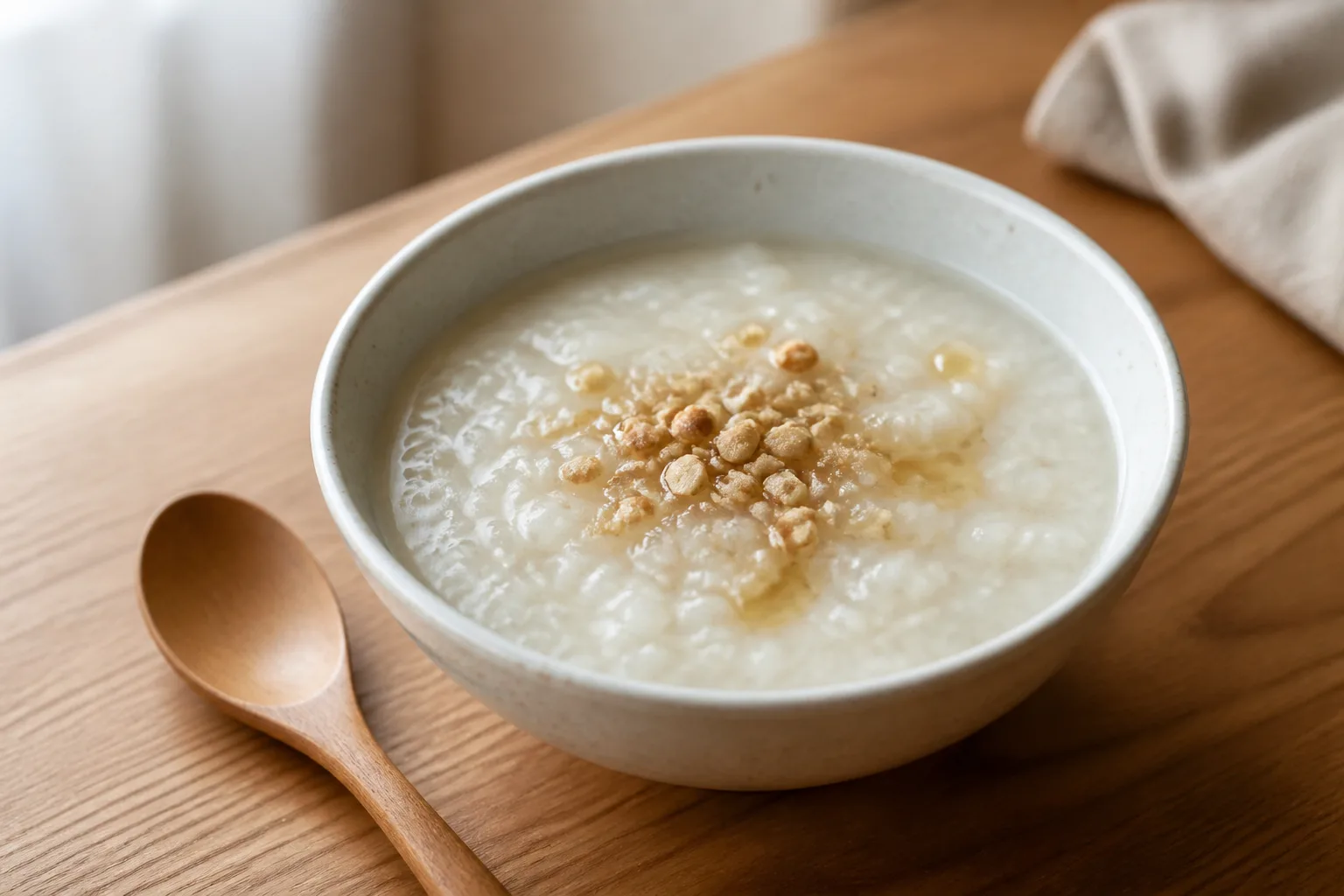
Bowl of biota seed rice porridge with a drizzle of honey

Porridge · dry stools

Biota seed porridge

Crush biota seeds into rice porridge when stools are dry and sleep is unsettled.

Moistening food therapy, not a stimulant laxative.

Cook biota porridge
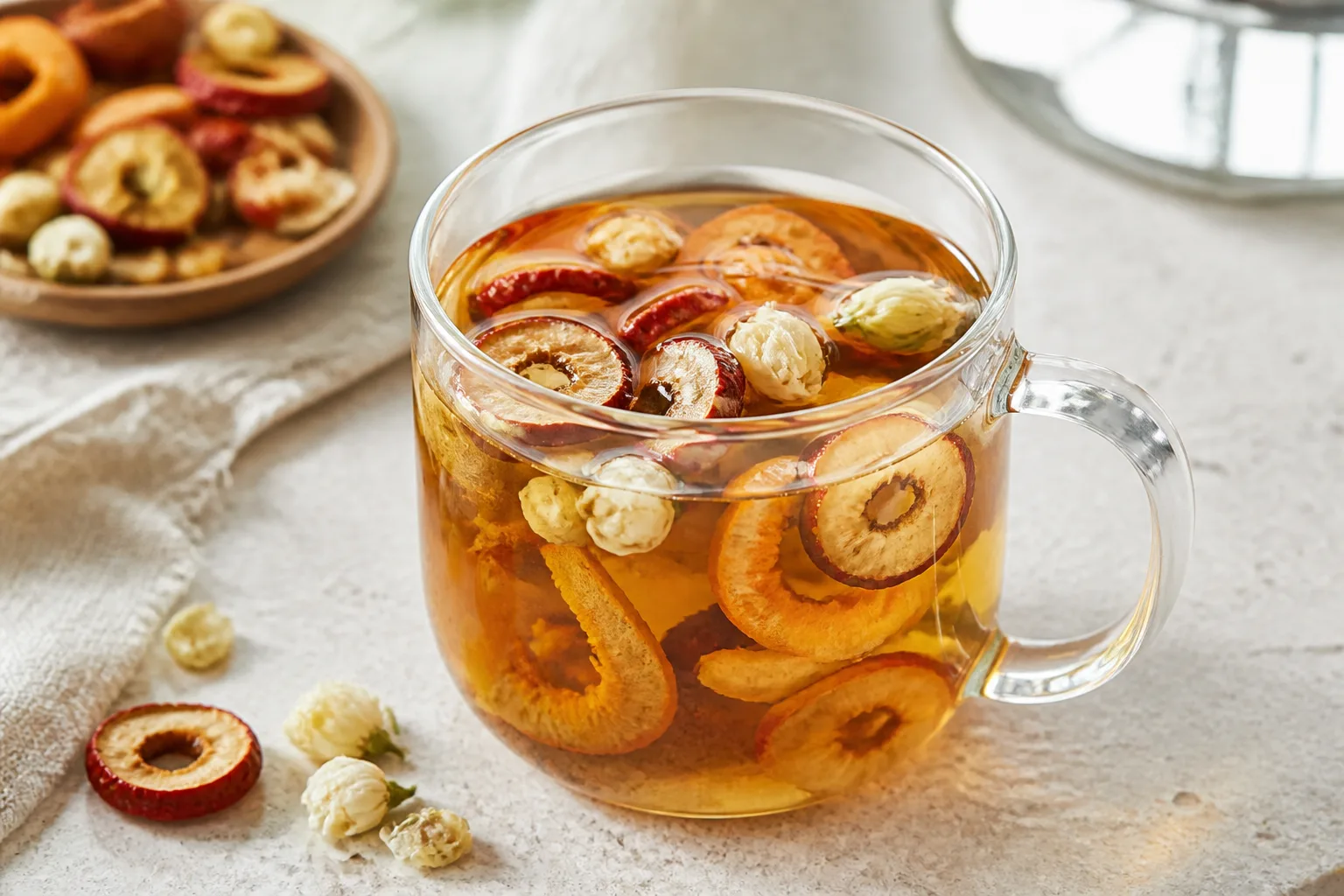
Glass mug of chen pi, hawthorn, and jasmine tea on a stone counter

Tea · food accumulation

Chen pi hawthorn jasmine tea

Dried mandarin peel, hawthorn, and jasmine after a heavy or irregular meal.

Skip strong daily hawthorn use in pregnancy unless advised.

Make the chen pi tea
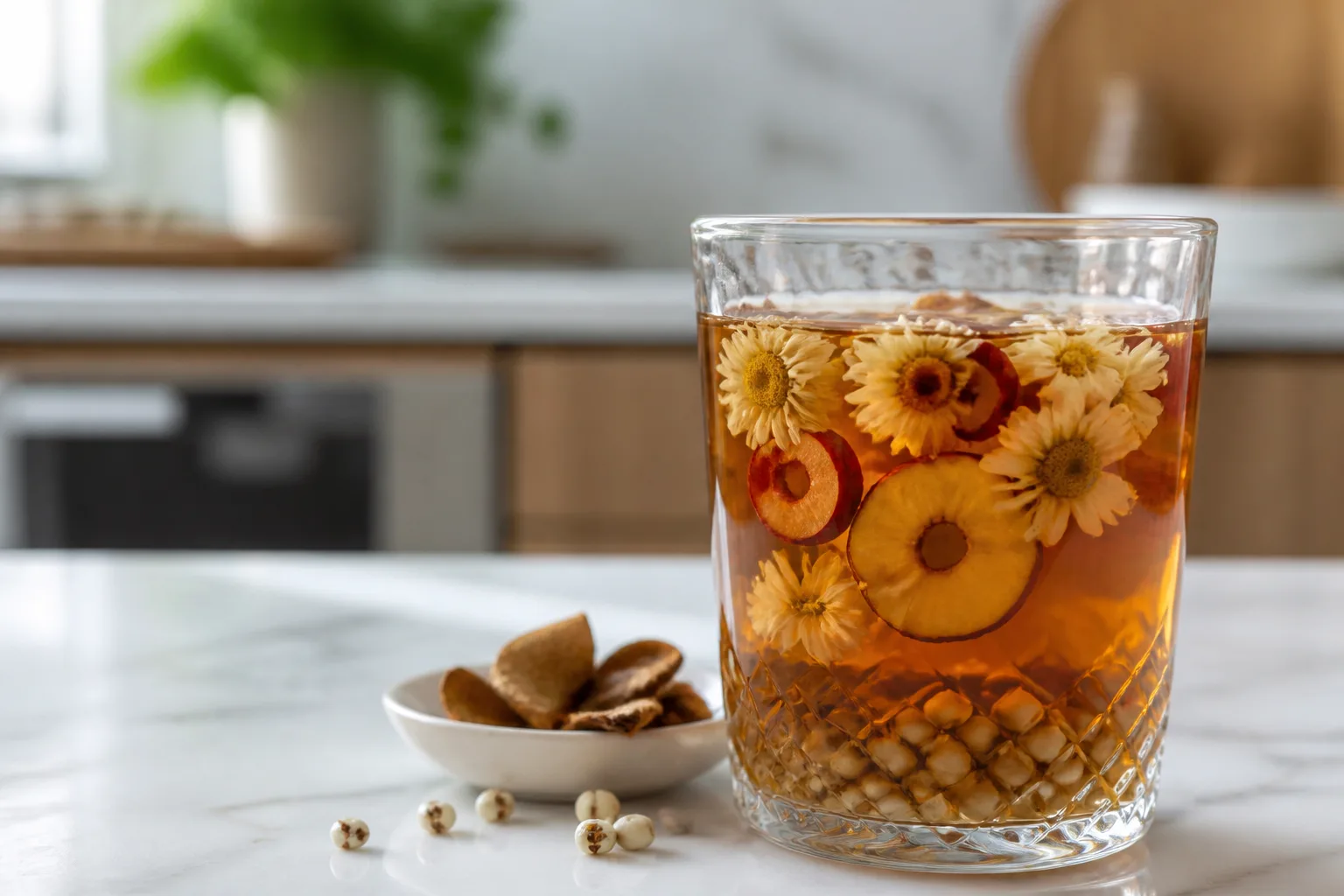
Glass of hawthorn, chrysanthemum, chen pi, and Chinese barley tea

Tea · post-meal damp

Weight management homemade tea

Chinese barley, chrysanthemum, hawthorn, and tangerine peel about 30 minutes after a meal.

Skip in pregnancy; ease off with reflux, diabetes, or a cold constitution.

Make the post-meal tea
Wooden bowls of mixed wholegrains and seeds for a high-fibre Singapore plate

07 · Singapore intake

Raise daily fibre without stalling qi

HPB · wholegrains · water

Health Promotion Board guidance for adults is about 20–26 g of fibre per day. A workable plate often looks like brown rice or barley, a fist of leafy greens, and whole fruit instead of juice, raised gradually with enough water.

  • Mix it up · Rotate soluble and insoluble sources across the week so the microbiome sees variety and the Spleen is not stuck on one texture.
  • Go whole · Prefer brown rice or whole-wheat over white, and whole fruit over juice, where fibre is stripped in processing. See also TCM for constipation when stools lag.
  • Food over supplements · Whole foods bring fibre with minerals, antioxidants, and diverse prebiotics. Powders can bridge a short gap; they are not a full Gu Qi substitute.
  • Hydrate · Without fluid, extra bulk can sit and read as Qi Stagnation: gas, cramping, and incomplete stools. Warm drinks suit weak Spleen Yang better than iced gulps.

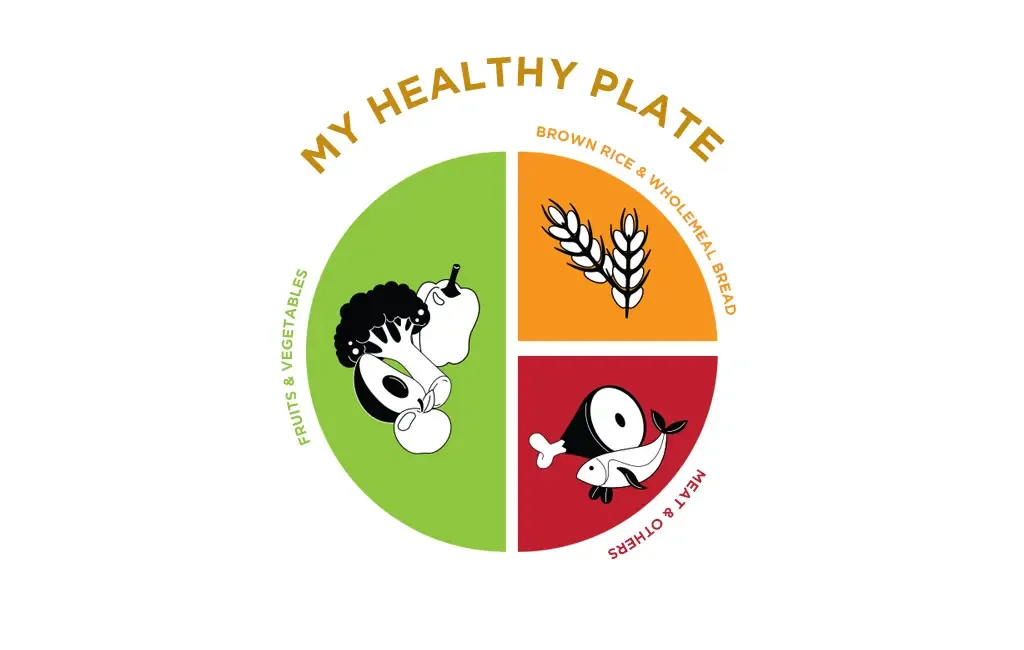
For plate shape outside clinic, see HealthHub’s Healthy Plate guidance alongside the pattern map above.

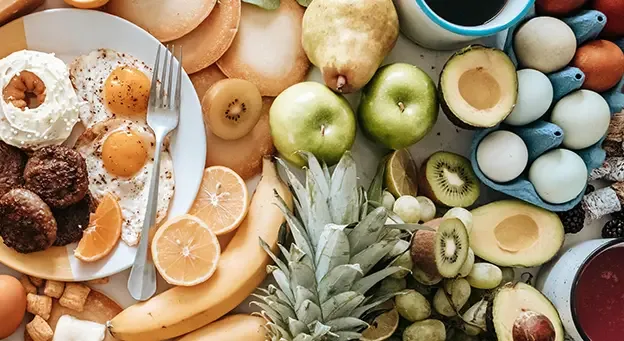
Breakfast fruit spread with citrus, kiwi, avocado, and whole fruit for dietary fibre

08 · East meets West

Spleen-Stomach foundation and modern dietetics

Dietary therapy · Medical Nutrition Therapy

Plant fibre supports qi flow and limits damp and stagnation when the Middle Jiao is the frame. Western dietetics measures grams, glycaemic load, and lipid response. Both lenses belong in one consult when symptoms persist.

Medical Nutrition Therapy (MNT) is dietitian-led, evidence-based planning for chronic disease, gut intolerance, food sensitivities, and sub-health. It can only be conducted by a certified dietitian. Plans factor illnesses, medications, body condition, and food preferences, so advice is less rigid than generic “eat more / avoid these” lists. At PULSE it can sit beside physician pattern care when weight, appetite, Wei Qi, or metabolic load need a closer food prescription. See Medical Nutrition Therapy. Pattern-led dietary therapy matches foods after pulse and tongue.

When fibre changes are not enough

If bloating, damp-heaviness, irregular stools, low resilience, or weight and appetite keep stacking despite gradual fibre and water, book a pattern read. Bring what you eat in a usual day and any dietitian notes.

Dr Sim Beng Joo

Clinically reviewed

Reviewed by Sim Beng Joo

Advisor (Science & Strategy) / Consultant Physician · TCMPB T1303003A

MOH-licensed TCM physician and biomedical scientist, with clinical work in gastrointestinal syndromes, nutrition-linked patterns, and constitution pictures that show as bowel change, damp load, or low Wei Qi.

View full profile

Educational information based on clinical experience and TCM principles. Not a substitute for personalised consultation, medical care, or urgent attention. Speak with your physician or dietitian before large diet changes in pregnancy, IBS flare, or with a chronic gut condition. Seek urgent care for blood in the stool, severe abdominal pain, persistent vomiting, black stools, high fever, or a sudden inability to pass gas or stool.

FAQs

Questions, answered

Common questions before you raise fibre, change how you cook vegetables, or book for gut and damp-load patterns.

What is soluble vs insoluble fibre in TCM?

Soluble fibre reads Yin: it dissolves into a gel, moistens the tract, and helps steady cholesterol and glucose. Insoluble fibre reads Yang: it adds bulk, promotes motility, and helps sweep waste so damp-heat is less likely to linger. Most people need both on a mixed plate when the Spleen can handle the load.

What are short-chain fatty acids from fibre?

When prebiotic fibre reaches the colon, gut microbes ferment it into short-chain fatty acids (SCFAs), mainly butyrate, propionate, and acetate. Together they help modulate immune cells, support anti-inflammatory tone, and keep intestinal walls sound. That picture aligns with strengthening Wei Qi. SCFAs are a fermentation product of a varied fibre pattern, not a stand-alone supplement claim or a cancer treatment.

Does low GI mean low sugar?

No. Glycaemic index describes how fast a carbohydrate food raises blood glucose, not whether sugar or starch is present. High-fibre plates tend to lower the GI of the same starch by slowing absorption. In TCM, bare simple sweets dampen Spleen qi; fibre on the plate helps blunt the spike and the energy crash that can follow.

Is it better to get fibre from raw or cooked vegetables in TCM?

Over-eating raw, cold vegetables can weaken Spleen Yang and leave you bloated or sluggish. Raw produce keeps some vitamins, yet TCM often prefers light steaming or blanching so the Spleen can transform and transport food into usable qi more easily.

Why do I feel bloated even though I eat a high-fibre diet?

Rising fibre too fast without enough water is a common cause. In TCM this often reads as Qi Stagnation: weak Spleen qi cannot move the extra bulk, so it sits and ferments. Increase fibre gradually, drink enough fluid, and use warm ginger tea to support digestive fire when needed.

Can a lack of fibre cause dampness in the body?

Yes. Dampness is an accumulation of metabolic waste. Without enough insoluble fibre to sweep the tract, waste lingers and can show as heavy limbs, brain fog, or oily skin. Coix (Job’s tears) and adzuki beans are classic kitchen supports to drain damp when the pattern fits.

Does a high-fibre diet help with natural weight loss?

High-fibre foods are filling and help steady blood sugar, which can curb cravings and overeating. Excess weight in TCM often tracks Phlegm and Dampness; plant fibre from whole foods supports draining that load when paired with pattern-led care. It is not a guarantee of weight change.

When is the best time to eat high-fibre foods according to the TCM body clock?

Stomach and Spleen peak between 7:00 AM and 11:00 AM. A warm, fibre-rich breakfast such as cooked oats, pumpkin, or barley porridge in that window supports digestion, absorption, and steadier qi for the day.

I have a sensitive stomach or IBS. Should I avoid high-fibre foods?

Not always. Type and preparation matter. Many people with IBS tolerate cooked soluble fibre (oats, pureed squash, peeled apple) better than raw roughage such as raw kale or heavy bran. A physician and dietitian can tailor a plan that supports the lining without triggering flares.

Are over-the-counter fibre supplements just as effective as whole foods?

Psyllium and similar powders can help short-term constipation, yet they lack the antioxidants, minerals, and diverse prebiotics in real food. TCM emphasises Gu Qi from whole, seasonal foods to nourish qi and blood rather than relying on isolated supplements alone.

References

Selected sources

  1. Wu X. N. (1998). Current concept of Spleen-Stomach theory and Spleen deficiency syndrome in TCM. World Journal of Gastroenterology, 4(1), 2–6. https://doi.org/10.3748/wjg.v4.i1.2
  2. Yue, S. J., et al. (2019). Gut microbiota modulation with traditional Chinese medicine: A system biology-driven approach. Pharmacological Research, 148, 104453. https://doi.org/10.1016/j.phrs.2019.104453
  3. Feng, W., Ao, H., Peng, C., & Yan, D. (2019). Gut microbiota, a new frontier to understand traditional Chinese medicines. Pharmacological Research, 142, 176–191. https://doi.org/10.1016/j.phrs.2019.02.024
  4. National Center for Complementary and Integrative Health. (2019). Traditional Chinese medicine: What you need to know. https://www.nccih.nih.gov/health/traditional-chinese-medicine-what-you-need-to-know/
  5. World Health Organization. Traditional, complementary and integrative medicine. https://www.who.int/health-topics/traditional-complementary-and-integrative-medicine
  6. Li, D., et al. (2023). An overview of traditional Chinese medicine affecting gut microbiota in obesity. Frontiers in Endocrinology, 14, 1149751. https://doi.org/10.3389/fendo.2023.1149751
  7. Feng, W., et al. (2023). Gut microbiota: A new target of traditional Chinese medicine for insomnia. Biomedicine & Pharmacotherapy, 160, 114344. https://doi.org/10.1016/j.biopha.2023.114344
  8. Luo, T., et al. (2024). Modulatory effects of traditional Chinese medicines on gut microbiota and the microbiota-gut-x axis. Frontiers in Pharmacology, 15, 1442854. https://doi.org/10.3389/fphar.2024.1442854
  9. Xue, X., et al. (2024). The impact of traditional Chinese medicine and dietary compounds on modulating gut microbiota in hepatic fibrosis: A review. Heliyon, 10(19), e38339. https://doi.org/10.1016/j.heliyon.2024.e38339
  10. Liu, R., et al. (2024). Traditional Chinese medicine for functional gastrointestinal disorders and inflammatory bowel disease: narrative review of the evidence and potential mechanisms involving the brain-gut axis. Frontiers in Pharmacology, 15, 1444922. https://doi.org/10.3389/fphar.2024.1444922
  11. Ministry of Health Singapore. TCM practitioners (Healthcare Professional Portal). https://hpp.moh.gov.sg/tcm-practitioners/

Next step

Ready for a gut and fibre pattern read?

Bring stool form, meal timing, how fast you raised fibre, and any GP or dietitian notes. We will name the Middle Jiao picture in plain language and decide what belongs in your plan.

Hours
Most clinics daily 11:00 AM – 8:00 PM
Care
Physician-led consultation