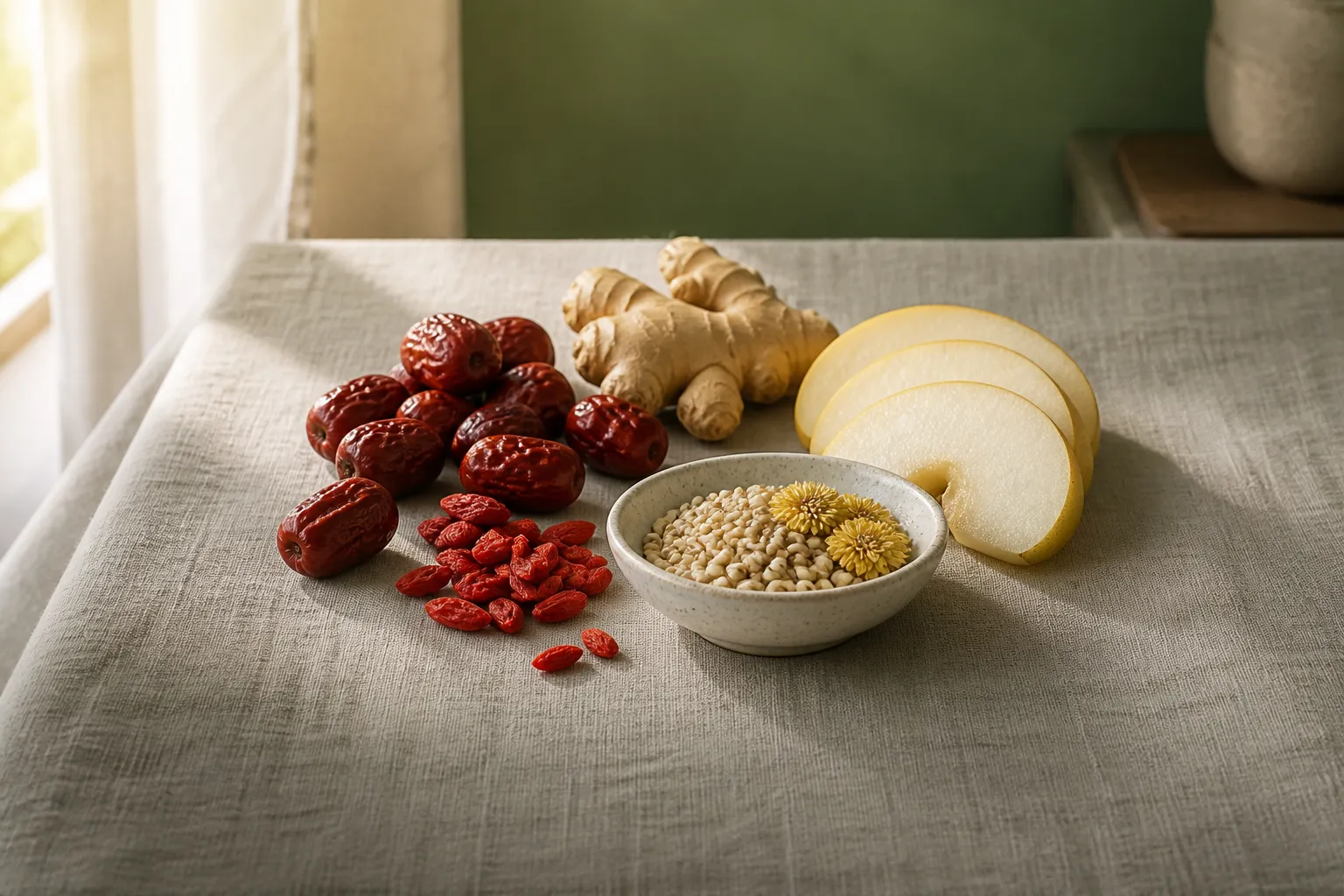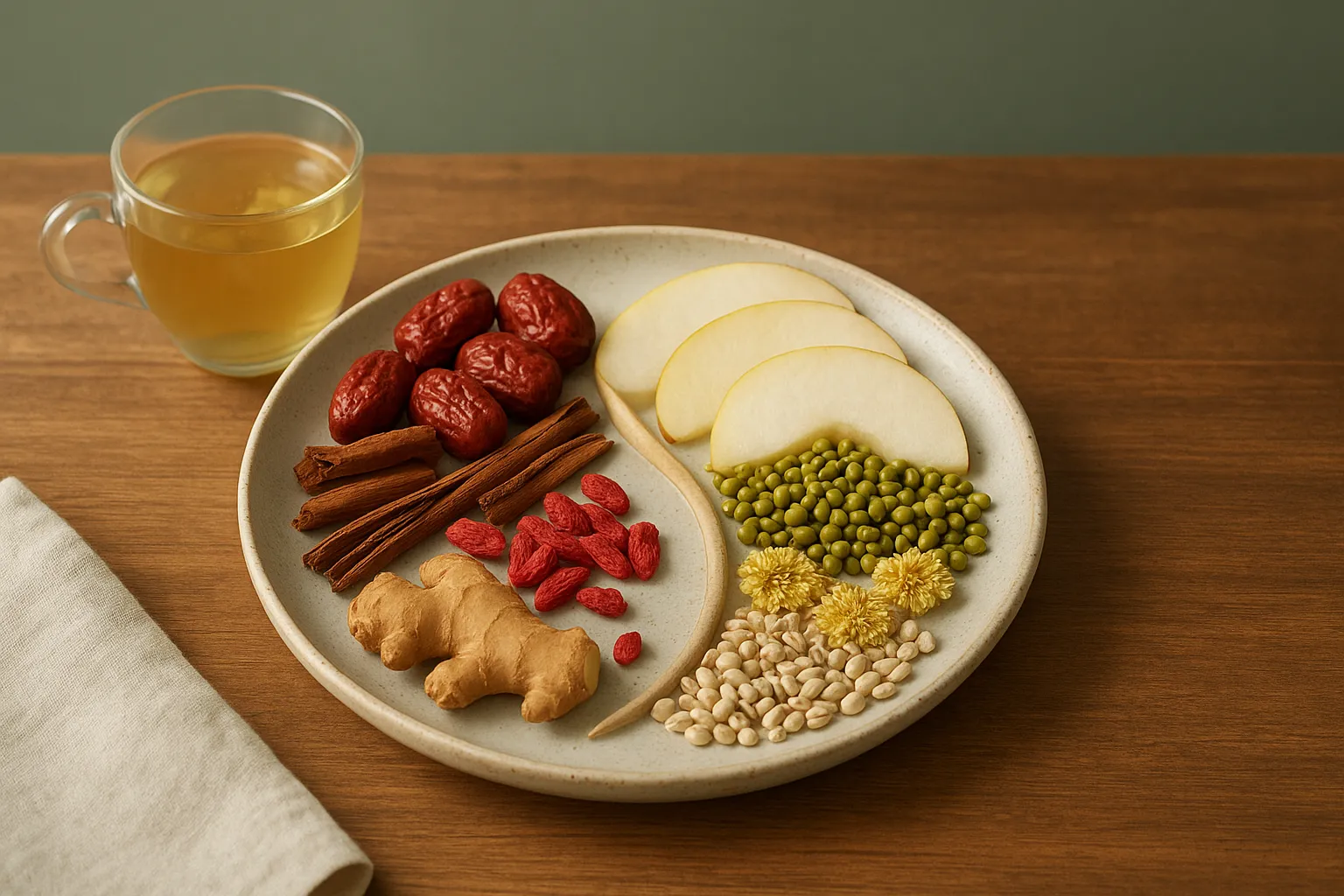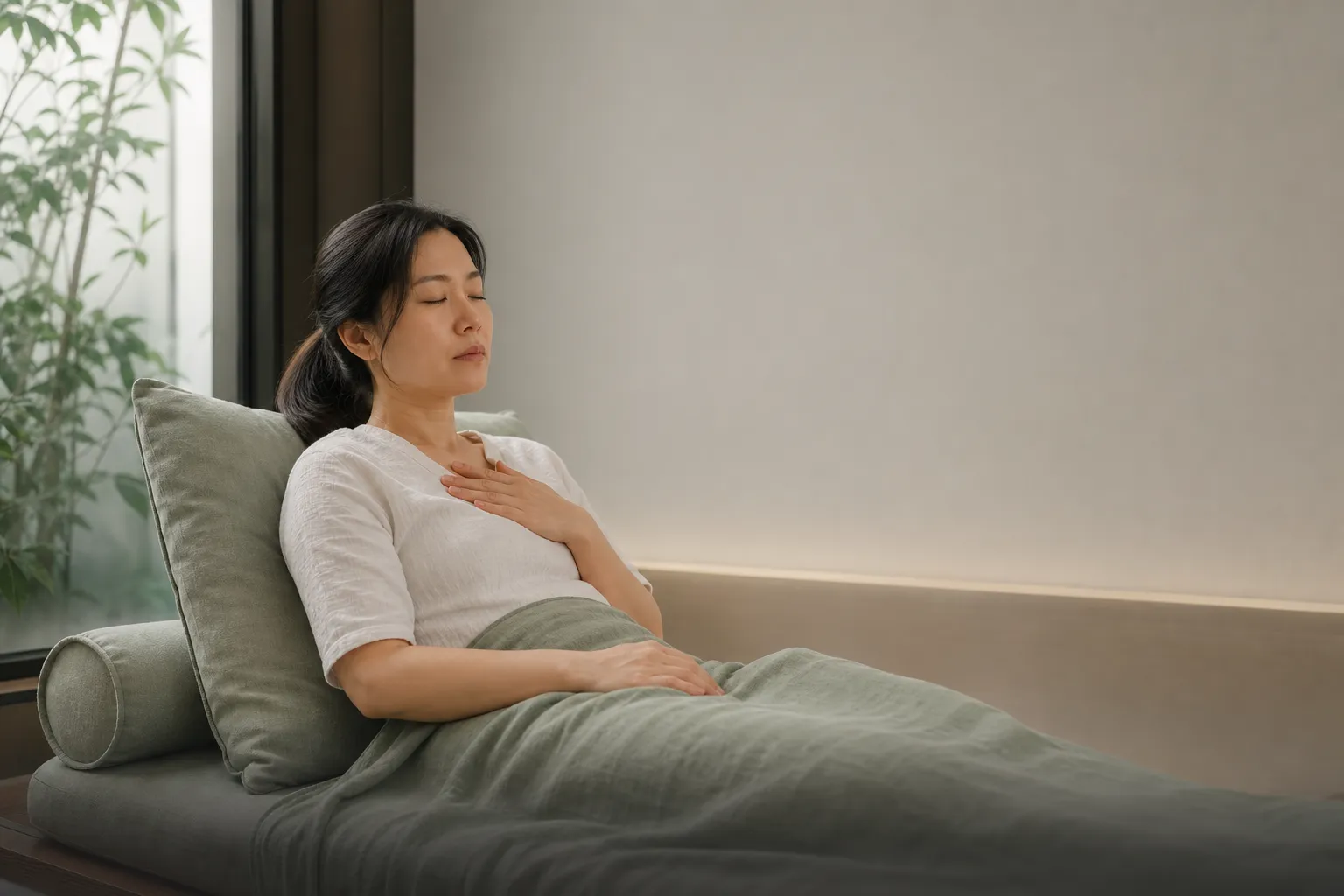

Physician gently assessing the abdomen during a TCM digestive consult at PULSE

Insights · General Health

Common digestive issues: how TCM can help

Bloating after meals, sluggish stools, and IBS-type swings are often a pattern, not only a bad meal. TCM reads Spleen, Liver, and intestinal heat or damp so food, points, and clinic care can match the picture.

In brief

Bloating after meals, upper-belly fullness, sluggish stools, or IBS-type swings often read as named TCM patterns. Indigestion often tracks Spleen deficiency with food stagnation or Liver-Stomach disharmony. About one in ten people in Singapore report IBS-type symptoms: IBS-D often tracks Liver depression with Spleen deficiency; IBS-C often tracks intestinal dryness heat. Clinic care may combine acupuncture, herbs, and dietary therapy. At home, chen pi tea, biota porridge, coix soup, and short press sets support the matching picture.

01 · Indigestion & bloating

Indigestion and bloating as a pattern

Spleen · Stomach · Liver

Upper-belly fullness, early satiety, burning, nausea, or post-meal bloating often track Spleen load or stress-bound Liver qi. In TCM the Spleen transforms food and fluids into qi and blood.

Two common frames sit behind everyday indigestion. Spleen deficiency with food stagnation follows overeating, greasy or spicy meals, and irregular timing. Liver-Stomach disharmony follows stress that binds Liver qi and weakens the digestive axis. Pulse and tongue decide which picture leads.
02 · Indigestion patterns

Two indigestion syndromes

Cause, symptoms, and tongue signs help separate food stagnation from stress-linked disharmony. Mixed pictures are common.

1. Spleen deficiency with food stagnation (脾虚食滞)

Common after overeating, greasy or spicy food, and irregular meals. The Spleen is overworked; food pools in the Stomach. Look for reduced appetite, abdominal pain or bloating, and foul burping or wind. Tongue is often plump and pale-pink with teeth marks and a thick white or yellow coat. Home support: chen pi tea plus PC6, ST36, and CV12.

2. Liver-Stomach disharmony (肝胃不和)

Stress obstructs Liver qi, which then insults Stomach and Spleen. Look for reduced appetite with headaches, breast tenderness, frequent sighing, and chest tightness. Tongue is often redder with dark lines, teeth marks, and a dry or cracked white or yellow coat. Home support: the same press set, plus a short daily stress outlet.

03 · Home support

Tea and points for indigestion support

PC6 · ST36 · CV12 · kitchen tea

Nei Guan, Zu San Li, and Zhong Wan are a short press set for upper-belly fullness. Chen pi with hawthorn is a classic steep when food sits heavy; barley with chrysanthemum suits post-meal damp load.

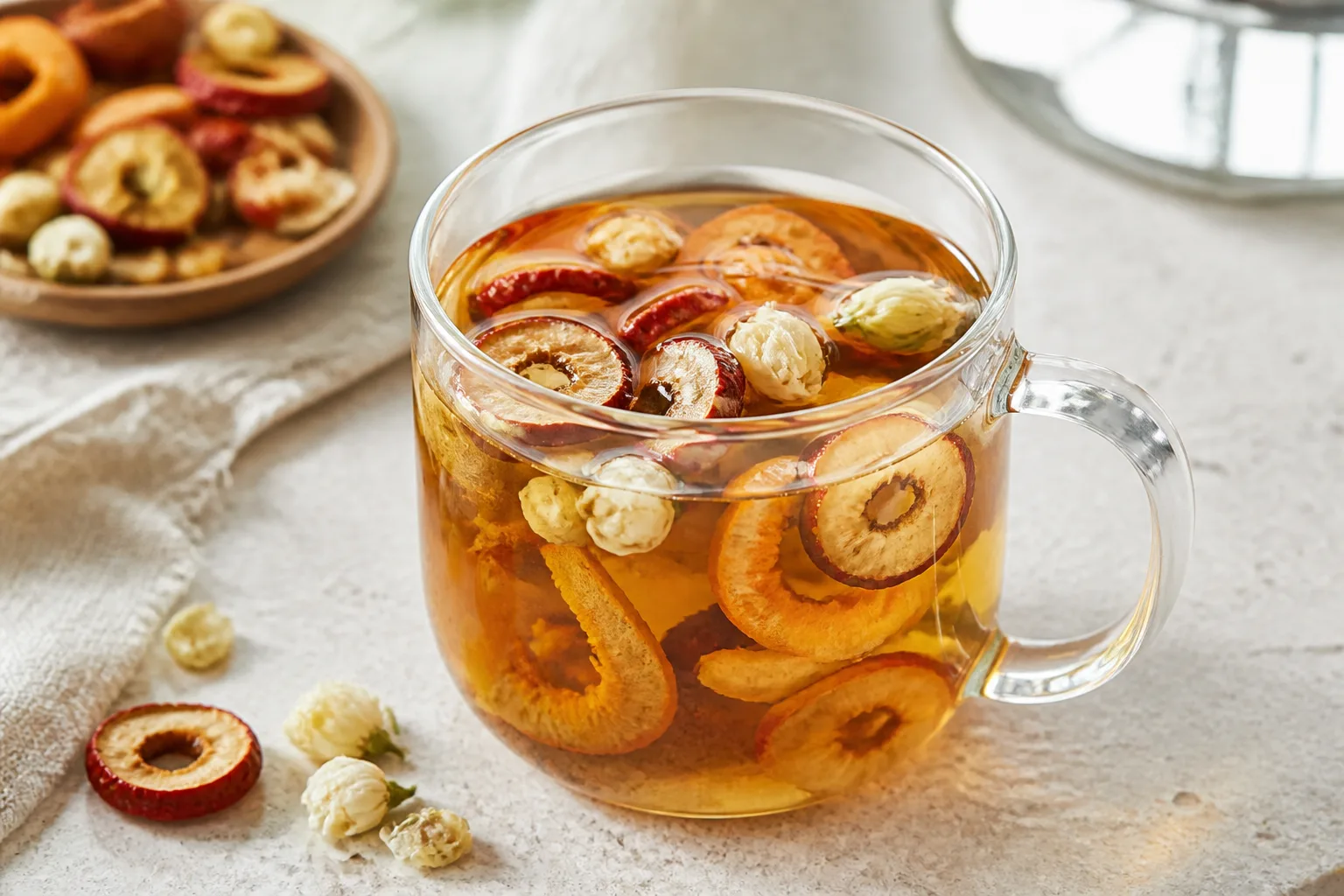
Glass mug of chen pi, hawthorn, and jasmine tea

Tea · food accumulation

Chen pi hawthorn jasmine tea

Dried mandarin peel, hawthorn, jasmine, and a pinch of brown sugar. Steep five minutes after a heavy or irregular meal.

Skip strong daily hawthorn use in pregnancy unless advised.

Make the chen pi tea
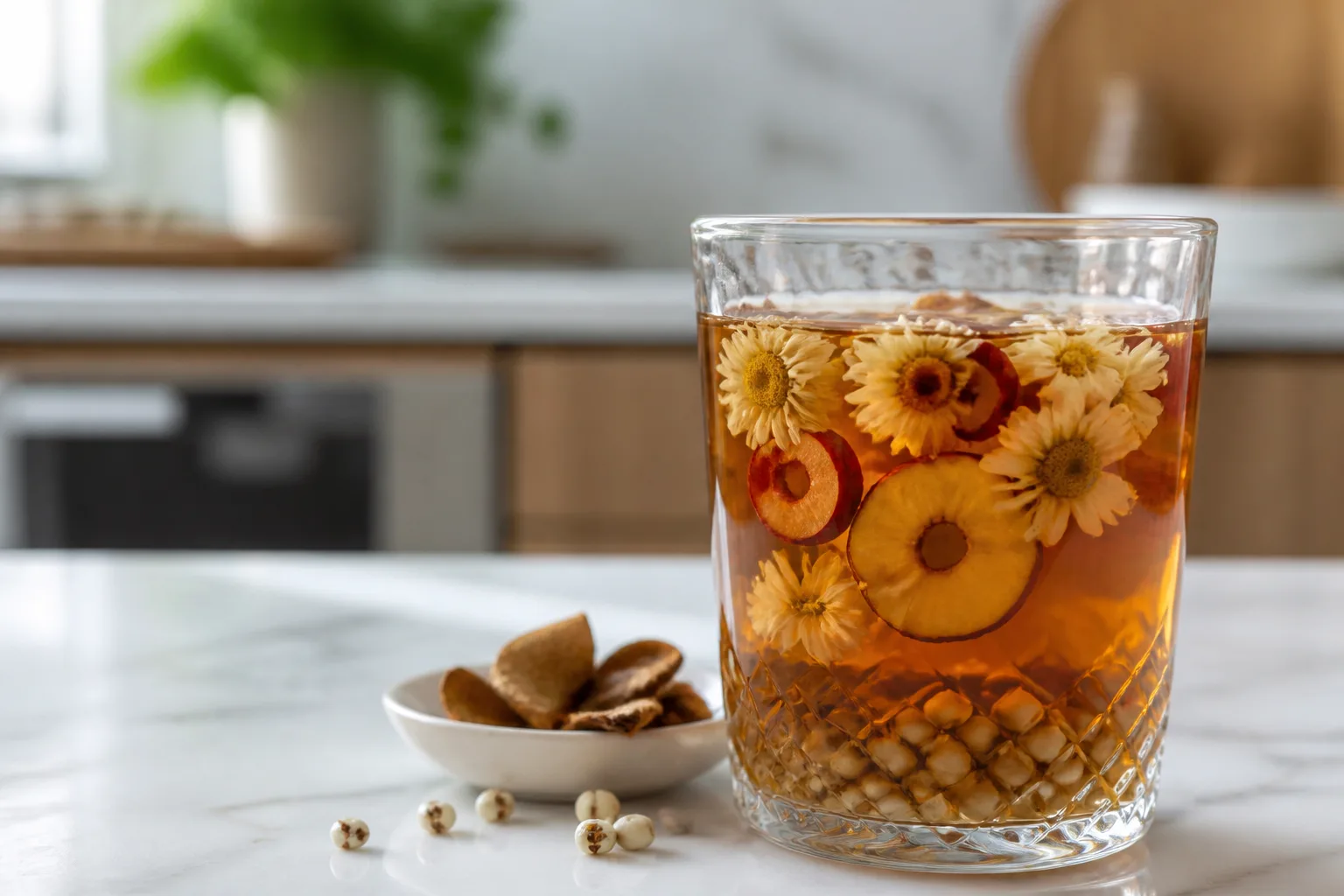
Glass of hawthorn, chrysanthemum, chen pi, and Chinese barley tea

Tea · post-meal damp

Weight management homemade tea

Chinese barley, chrysanthemum, hawthorn, and tangerine peel. Simmer, then sip about 30 minutes after a meal.

Cool pot. Skip in pregnancy; ease off with reflux, diabetes, or a cold constitution.

Make the post-meal tea
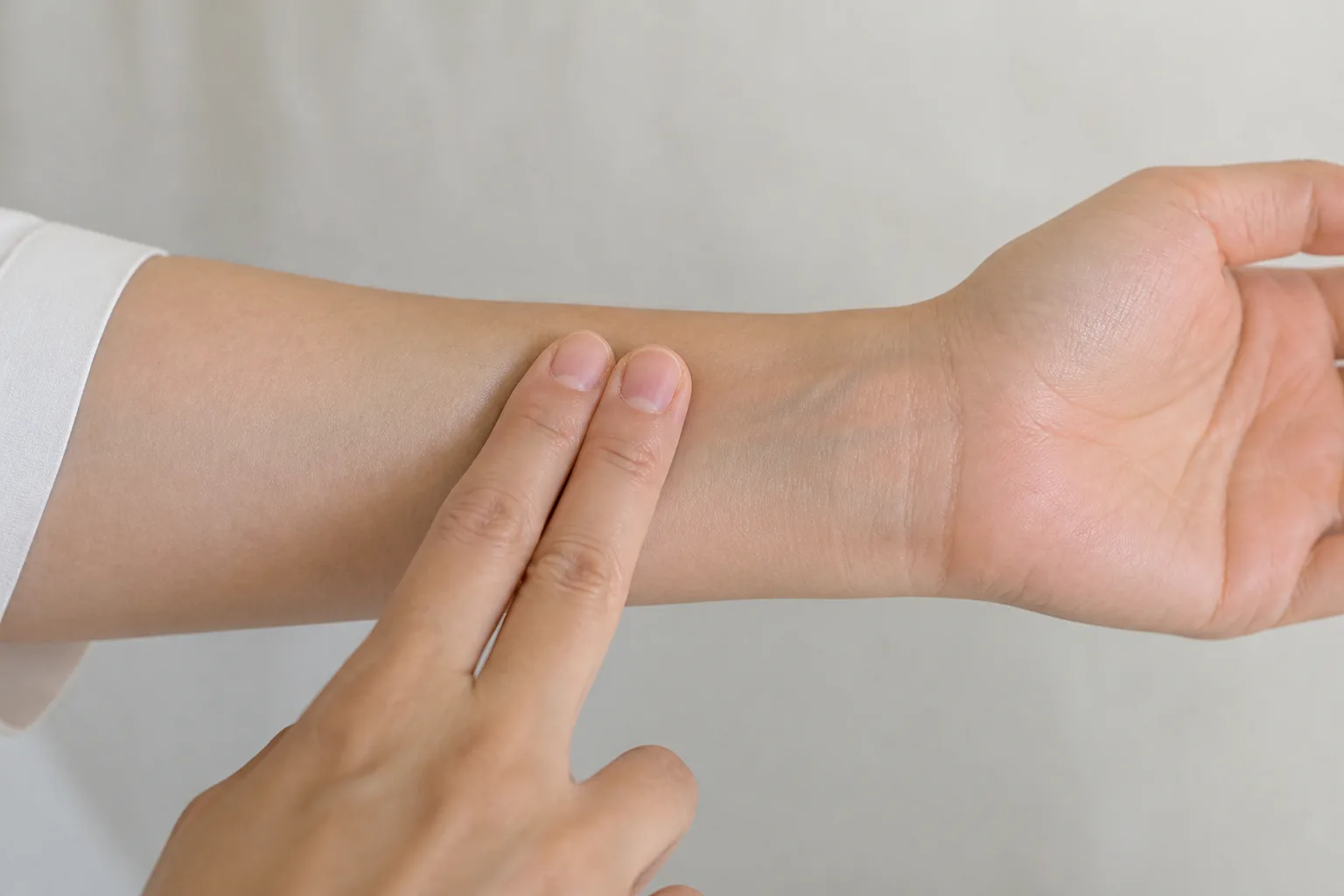
Fingers pressing Nei Guan PC6 on the inner forearm

Acupoint · indigestion

Press PC6, ST36, and CV12

Nei Guan settles nausea and chest tightness. Zu San Li supports Spleen and Stomach. Zhong Wan sits over the stomach centre.

Soft circles one to two minutes; skip strong belly pressure over pain.

Press the indigestion set

04 · Constipation

Constipation patterns on this map

Constipation here means stools less often than every three days, or hard, incomplete passes with bloating. Three map frames are enough to orient. For four types, diet by type, and the SJ6-HT7-ST25 home set, open the dedicated constipation Insight.

Open TCM for constipation

Constipation frames on this digestive map
Pattern Typical tells Home next step
Spleen deficiency with food stagnation (脾虚食滞)Often children; food accumulation slows the Large Intestine. Reduced appetite; belly pain; bloating; foul wind; plump pale tongue with thick coat
Intestinal damp-heat (肠胃湿热)Spicy, oily meals; young adults. Bad breath; dry mouth; mouth ulcers; flushed face; dark urine; small dry stools; red tongue with thick yellow coat
Qi and Blood deficiency (气血两虚)Ageing, chronic illness, or postpartum. Normal or dry stools; straining; fatigue after passing; pale complexion or nails; dizziness; pale tongue with teeth marks

05 · Home support

Porridge and points for sluggish stools

SJ6 · ST36 · Mo Fu · biota porridge

Zhi Gou, Zu San Li, and clockwise Mo Fu circles are the press set on this map. Biota seed porridge moistens dry stools when sleep is unsettled. The constipation Insight holds the fuller SJ6-HT7-ST25 routine.

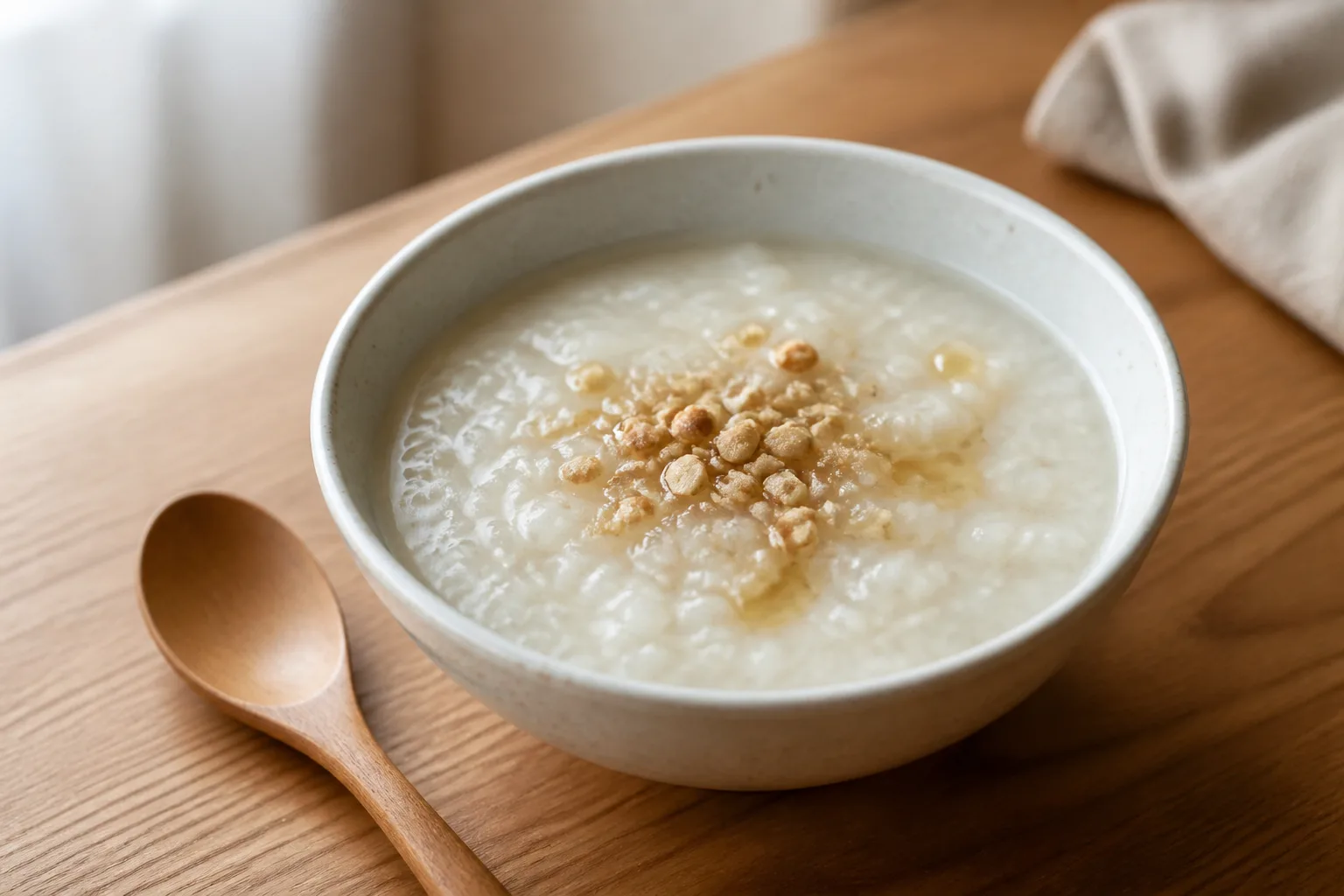
Bowl of biota seed rice porridge with honey

Porridge · moistening

Biota seed porridge

Crush 10 g biota seeds into rice porridge. Optional honey after cooking. Used when dry stools sit with restless sleep.

Ease off if stools loosen.

Make the biota porridge
Fingers pressing Zhi Gou SJ6 on the outer forearm

Acupoint · constipation map

Press SJ6, ST36, and Mo Fu

Zhi Gou moves the intestines. Zu San Li supports Spleen and Stomach. Mo Fu is a light clockwise palm circle on the abdomen.

Skip belly work during diarrhoea.

Press the constipation map set

06 · IBS

IBS in Singapore: stress, damp, and intestinal heat

Liver · Spleen · Large Intestine

About one in ten people in Singapore report IBS-type symptoms: cramping, bloating, constipation, diarrhoea, or incomplete emptying. Diet, poor sleep, microbiota shifts, and stress often sit on top of the picture.

TCM does not treat IBS as one pattern. Stress-linked loose stools often read Liver depression with Spleen deficiency. Dry, irritable constipation often reads intestinal dryness heat. A live pulse and tongue read still decides the lead pattern. For dietetics, psychology, and the fuller IBS-D / IBS-C tables beside clinic care, see the 3-in-1 approach to managing IBS.

07 · IBS patterns

IBS-D and IBS-C in zang-fu terms

Mood, stool form, and tongue coat separate the two headline frames. Mixed IBS is common.

1. IBS-D · Liver depression with Spleen deficiency (肝郁脾虚)

Stress weakens fluid transport and water absorption, so stools turn watery. Look for mood swings, irritability, reduced appetite, belly distension, fatigue, and irregular menses. Tongue is often redder with dark lines, teeth marks, and a dry or cracked white or yellow coat. Home support: coix soup when damp heaviness leads, plus LR3, HT7, SP6, and SP9.

2. IBS-C · Dryness and heat in the intestine (热结肠燥)

Qi stagnation builds heat that dries Large Intestine fluids, so stools turn dry and difficult. Look for flushed face, dry throat, bad breath, dark urine, and a hot temper. Tongue is often dark red with a thick, dry yellow coat. Home support: moistening food and the constipation press sets; ease strong cooling soups.

08 · Home support

Soup and points for IBS swings

LR3 · HT7 · SP6 · SP9 · coix soup

Tai Chong and Shen Men settle stress. San Yin Jiao and Yin Ling Quan support damp diarrhoea pictures. Coix with winter melon and ribs suits humid Singapore weather when the Spleen feels heavy.

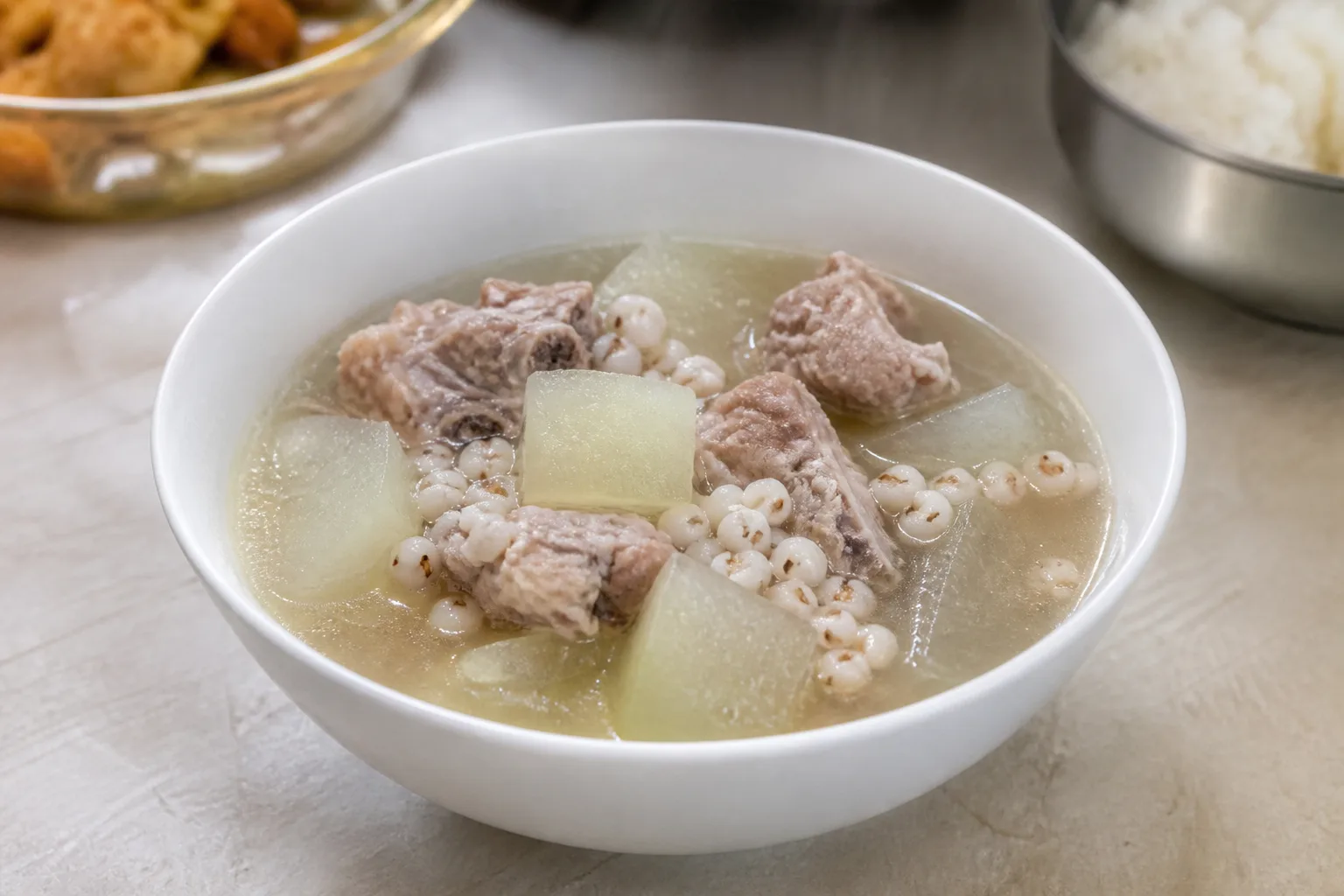
Bowl of coix seed and winter melon pork rib soup

Soup · damp

Coix winter melon rib soup

Coix, white hyacinth bean, chen pi, winter melon, and pork ribs. Supports Spleen and drains damp in humid weather.

Ease off if stools already run loose.

Make the coix soup
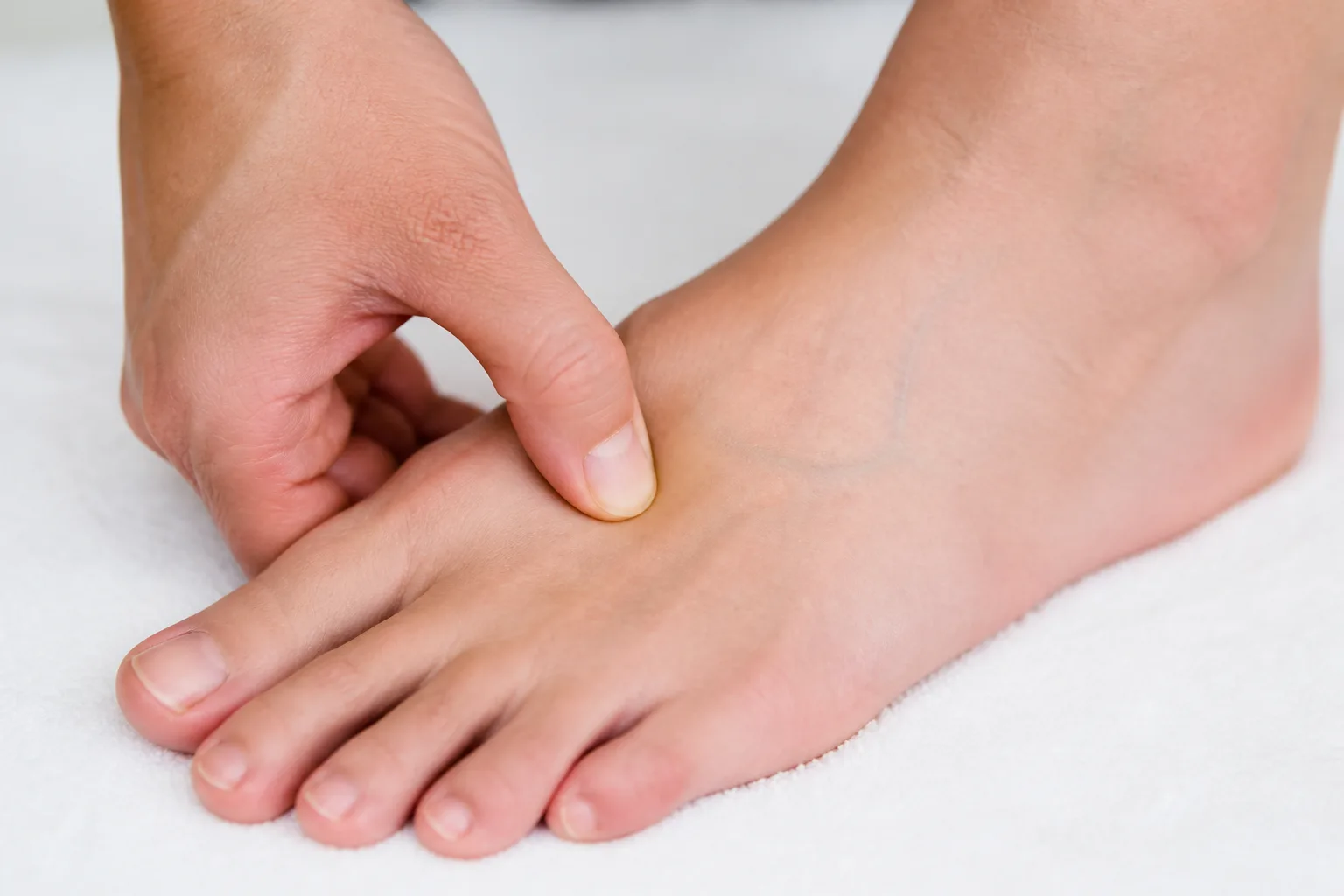
Thumb pressing Tai Chong LR3 on the top of the foot

Acupoint · IBS

Press LR3, HT7, SP6, and SP9

Tai Chong and Shen Men for stress-linked swings. San Yin Jiao and Yin Ling Quan when damp diarrhoea or heaviness leads.

Skip strong SP6 pressure in pregnancy unless advised.

Press the IBS set

09 · Habits

Self-care habits for a quieter gut

Food and stress are external loads. Small, steady habits reduce how often the Spleen and Liver are asked to catch up. These also help post-meal bloating between clinic visits.

1. Regular, smaller meals

Avoid overeating. Keep meal timing steadier so the Spleen is not forced through long gaps then sudden loads.

2. Ease dairy, cold, raw, and deep-fried food

Cold drinks, uncooked plates, dairy, and oily fried food often add damp or stagnate Stomach qi in a Singapore climate.

3. Protect sleep and work-life balance

Late nights and long desk hours keep Liver qi from circulating. A steadier sleep window supports both mood and motility.

4. Move at least three times a week

Walking or light exercise helps qi descend. Skip hard training on a full stomach; move before a meal or at least an hour after.

5. Give stress a short daily outlet

Yoga, meditation, or any brief down-shift reduces the Liver-Stomach loop that shows as sighing, chest tightness, and IBS-D swings.

6. Keep a regular toilet window

A same-time morning habit trains the urge. Do not ignore the call when it comes.

7. Do not exercise on a full stomach

Train before eating or wait at least an hour after a main meal so digestion and movement are not competing.

Fine acupuncture needle at a point on the hand

10 · Clinic care

What a digestive consult covers

Acupuncture · herbs · food therapy

Food and stress are external factors. Syndrome differentiation is the core of TCM care. A physician names the pattern from pulse, tongue, stool form, and stress load, then matches methods to that picture.

  • Acupuncture: points follow the pattern read for indigestion, constipation, and IBS-type swings. Acupuncture at PULSE.
  • Chinese herbal medicine: may moisten, move qi, clear damp-heat, or strengthen Spleen. Formulas are personal, not one fixed gut mix.
  • Dietary therapy: food nature and meal habits match the same pattern, including damp load in humid weather. Dietary therapy.
  • Bring: how long symptoms have lasted, stool form, meal timing, stress load, and any GP notes. Red-flag signs need urgent Western care first.

Ready for a digestive pattern read?

Book a consult or explore the General Health programme for ongoing constitution and gut support.

Dr Sim Beng Joo

Clinically reviewed

Reviewed by Sim Beng Joo

Advisor (Science & Strategy) / Consultant Physician · TCMPB T1303003A

MOH-licensed TCM physician and biomedical scientist, with clinical work in gastrointestinal syndromes, pain, sleep or fatigue, and constitution patterns that show as bloating, irregular stools, or IBS-type swings.

View full profile

Educational information based on clinical experience and TCM principles. Not a substitute for personalised consultation, medical care, or urgent attention. Speak with your physician before starting herbs or new self-care in pregnancy or with a chronic condition. Seek urgent care for blood in the stool, severe abdominal pain, persistent vomiting, black stools, high fever, or a sudden inability to pass gas or stool.

FAQs

Digestive questions

Common questions before you change food, points, or book a first visit for gut symptoms.

How does TCM view common digestive issues?

TCM treats indigestion, constipation, and IBS-type symptoms as pattern pictures, not only organ labels. Lifestyle, diet load, and stress often sit underneath. A physician uses pulse, tongue, and accompanying signs to name Spleen, Liver, damp-heat, or deficiency patterns before matching food, points, and herbs.

What are the main TCM patterns for indigestion?

Two common frames are Spleen deficiency with food stagnation (脾虚食滞) after overeating, greasy or spicy food, and irregular meals, and Liver-Stomach disharmony (肝胃不和) when stress obstructs Liver qi and weakens digestion. Tongue shape, coating, and colour help tell them apart.

How does TCM explain IBS?

About one in ten people in Singapore report IBS-type symptoms. IBS-D often reads Liver depression with Spleen deficiency, with stress-linked loose stools. IBS-C often reads intestinal dryness heat, with dry stools, flushed face, and irritability. Mixed swings are common and need a live pattern read.

What does TCM say about bloating after meals?

Post-meal bloating often tracks Spleen load: irregular meals, greasy or spicy food, cold drinks, or stress that binds Liver qi. Spleen deficiency with food stagnation and Liver-Stomach disharmony are the common frames. Steady meal timing, less dairy and deep-fried food, and short press on PC6, ST36, and CV12 support the picture between visits.

Which acupressure points help digestion at home?

For indigestion, Nei Guan (PC6), Zu San Li (ST36), and Zhong Wan (CV12) are a common set. For constipation on this map, Zhi Gou (SJ6), ST36, and Mo Fu tummy circles are used. For IBS, Tai Chong (LR3), Shen Men (HT7), San Yin Jiao (SP6), and Yin Ling Quan (SP9) are often added. Soft pressure only; skip strong SP6 work in pregnancy unless advised.

What teas or soups support digestion in TCM?

Chen pi-hawthorn-jasmine tea is often used for food accumulation. Hawthorn, chrysanthemum, chen pi, and Chinese barley tea is a longer simmer for post-meal fullness with damp load. Biota seed porridge moistens dry stools when sleep is unsettled. Coix and winter-melon rib soup supports Spleen and drains damp in humid weather. Kitchen pots support a named pattern; they are not a cure claim.

How is this page different from the TCM for constipation Insight?

This article is the digestive map across indigestion, constipation patterns, and IBS. The constipation Insight is the deep dive on four constipation types, diet by type, and the SJ6-HT7-ST25 press set. Use both: map here, detail there.

When should I see a TCM physician for gut symptoms?

Book when bloating, irregular stools, or IBS-type swings keep returning, limit work or sleep, or do not settle with simple habit changes. Seek urgent Western care for blood in the stool, black stools, severe pain, persistent vomiting, high fever, or a sudden inability to pass gas or stool.

References

Selected sources

  1. National Center for Complementary and Integrative Health. Traditional Chinese medicine: What you need to know. 2019. https://www.nccih.nih.gov/health/traditional-chinese-medicine-what-you-need-to-know/
  2. Ministry of Health Singapore. TCM practitioners (Healthcare Professional Portal). https://hpp.moh.gov.sg/tcm-practitioners/
  3. World Health Organization. Traditional, complementary and integrative medicine. https://www.who.int/health-topics/traditional-complementary-and-integrative-medicine
  4. Original article author: Physician Chelsea.

Next step

Ready for a digestive pattern read?

Bring how long symptoms have lasted, stool form, meal timing, stress load, and any GP notes. We will name the pattern in plain language and decide what belongs in your plan.

Hours
Most clinics daily 11:00 AM – 8:00 PM
Care
Physician-led consultation