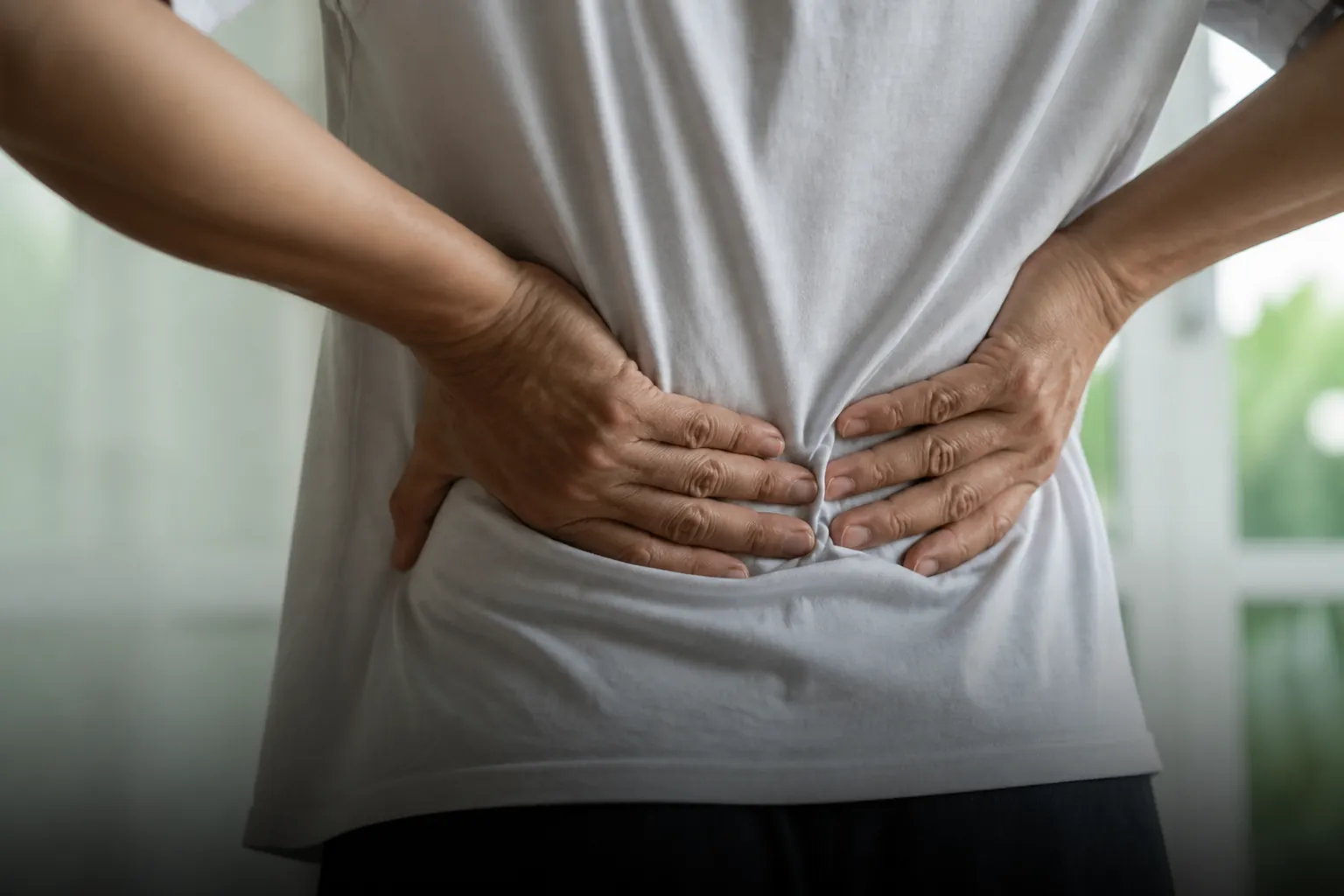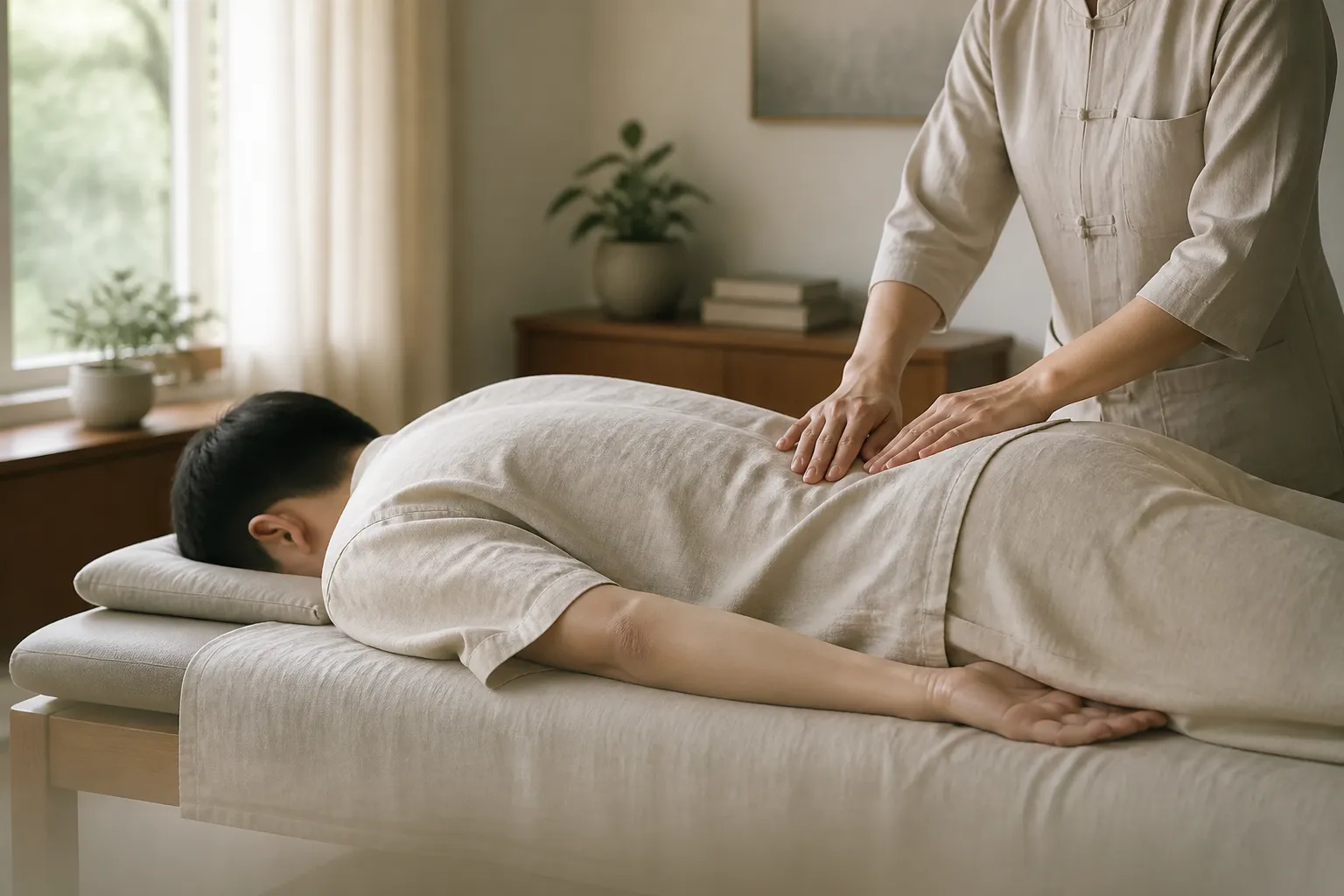
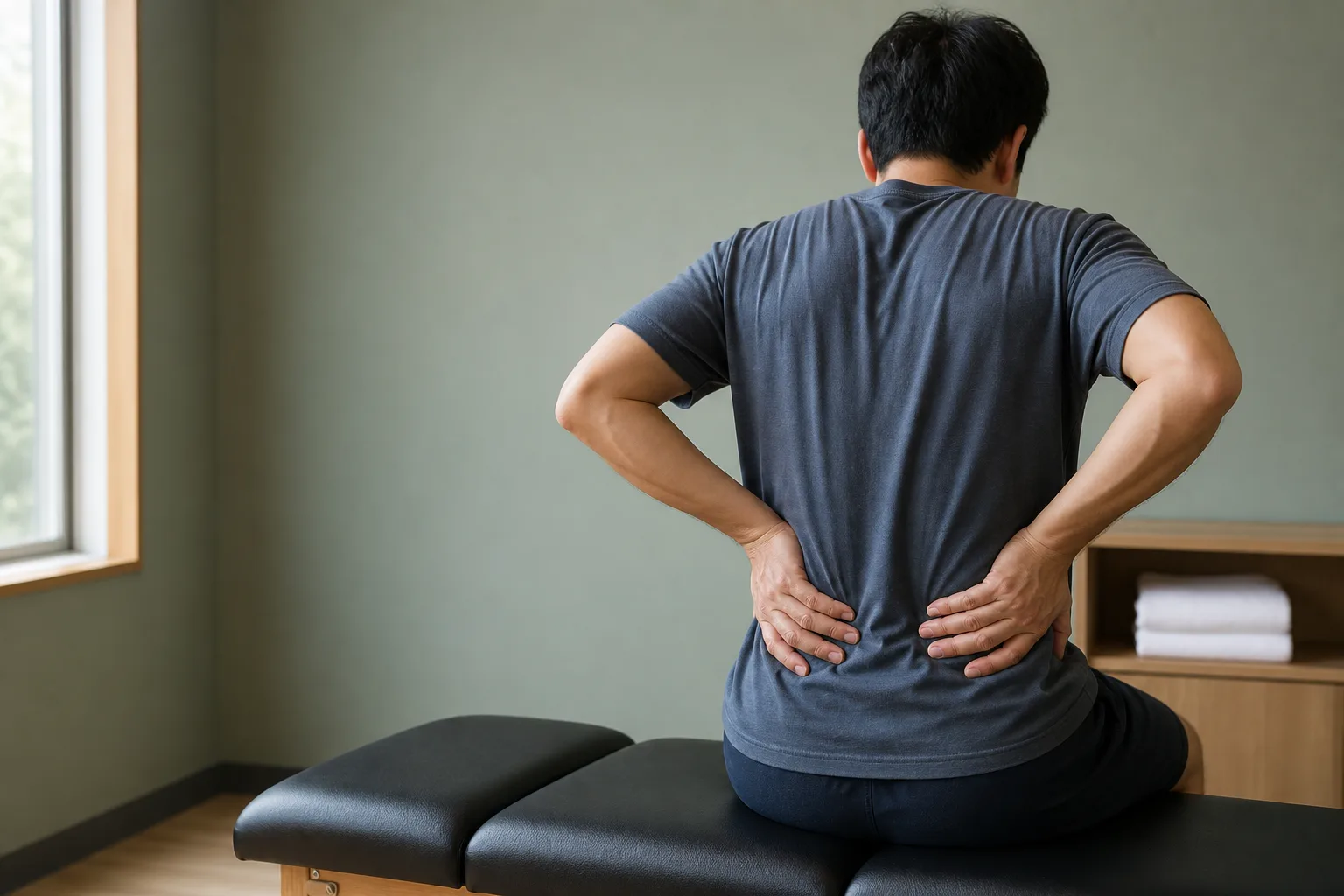
Hands holding the lower back where chronic lumbar pain sits

Insights · Pain & Injuries

Managing Pain & Injury with TCM

Pain is acute or chronic by duration. TCM names channel obstruction or organ weakness so acupuncture and a physician-led plan can share one map.

In brief

Pain is acute or chronic by how long it has lasted; soreness and numbness are common sensations. TCM often reads obstruction in the channels, or weakness in an organ system, with blood stasis and phlegm as frequent blockers after trauma, wind, heat, cold, or dryness meets constitution. Acupuncture can ease nociception and inflammation and sits in a wider physician-led plan that may also use tuina, cupping, and herbs. Stretching and a matched diet support the same aim: ease pain now and reduce how often soft tissue fails again.

01 · Duration

Acute or chronic by how long it lasts

Pain is first sorted by duration. Soreness and numbness are the two sensations people most often name once the line is irritated.

1. Acute

Recent onset after a twist, knock, or sudden load. The tissue picture is still settling; swelling or sharp local ache often sits in this window.

2. Chronic

Pain that has lasted longer, often with repeated soft-tissue strain or an unfinished pattern. Dull ache, stiffness, and numbness appear more often here.

3. Soreness and numbness

Common companion sensations, not separate diagnoses. A physician still reads pulse, tongue, and the injured line before naming the pattern.
02 · Theory

Obstruction, deficiency, and what blocks the channels

Chinese medicine often reads pain as obstructed meridian channels, or as weakness in an internal organ system that fails to nourish those channels and the signals that travel with them.

Common blockers and drivers behind pain
Reading What sits behind it Typical feel
Blood stasisSluggish or stuck Blood in the local line. Often after trauma or long posture strain. Fixed, sharp, or night-worse ache.
PhlegmThick pathological matter that clogs flow. Can follow damp load or slow metabolism of injury debris. Heaviness, swelling feel, or stubborn stiffness.
Organ-system deficiencyChannels under-nourished from within. Constitution weakness after overwork, age, or chronic illness. Dull ache that returns when you tire.
External factors × constitutionTrauma, wind, heat, cold, or dryness meeting your baseline strength. The same cold office or humid run lands differently on different people. Flare with weather, AC, or a fresh knock.

Care aims to ease the pain you feel now, strengthen soft tissue so the same line fails less often, and keep the balance between those pathological loads and your protective qi.

03 · Sites

Where pain often shows

The same obstruction picture often lands at the head, neck, shoulder, elbow, knee, or lumbar line. Site and pattern together decide which methods fit.

Common pain sites
Site Typical picture Next read
HeadacheBase of skull and temple lines. Tension or migraine-type load across the nape and temples. Migraine self-care and pattern tips.
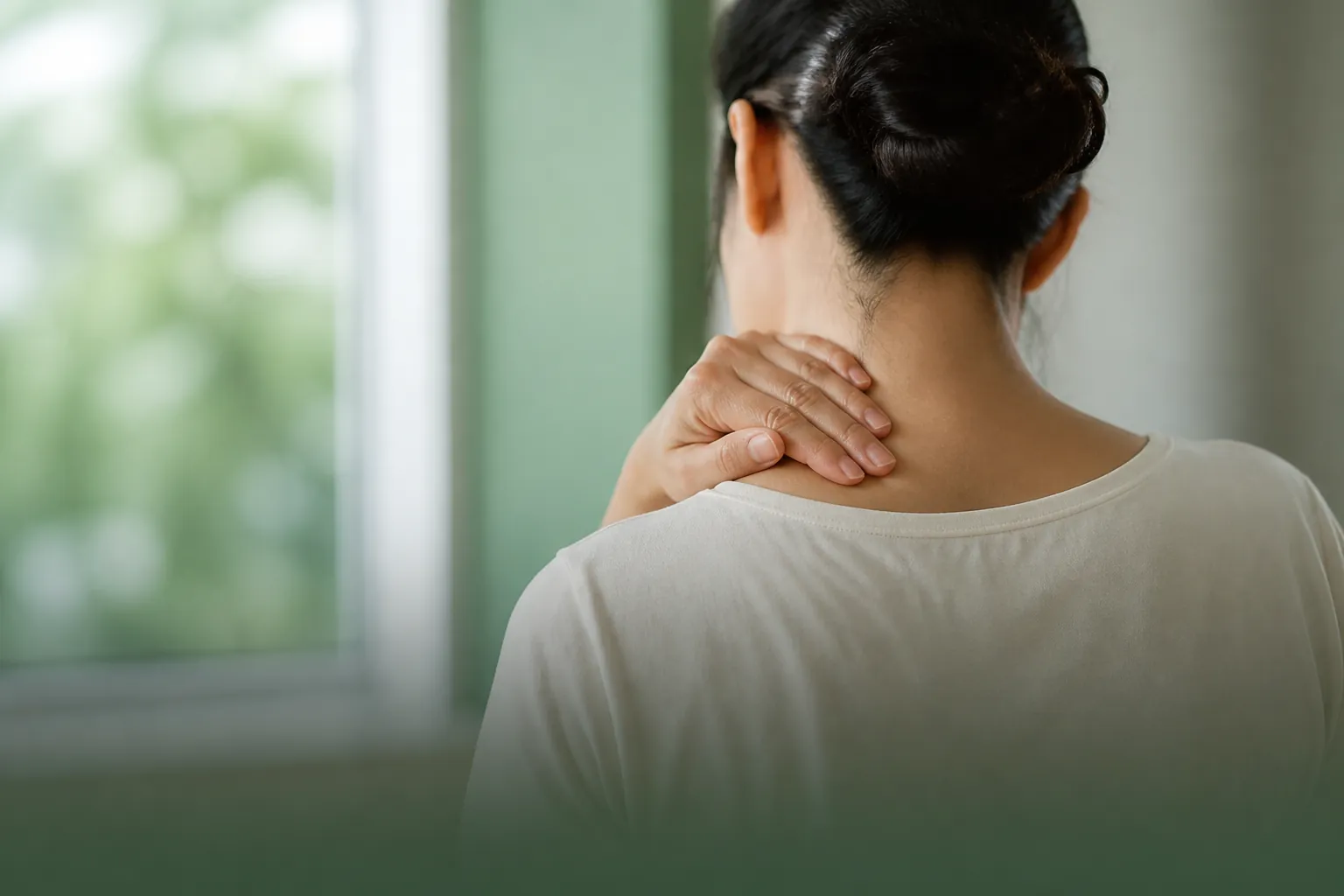
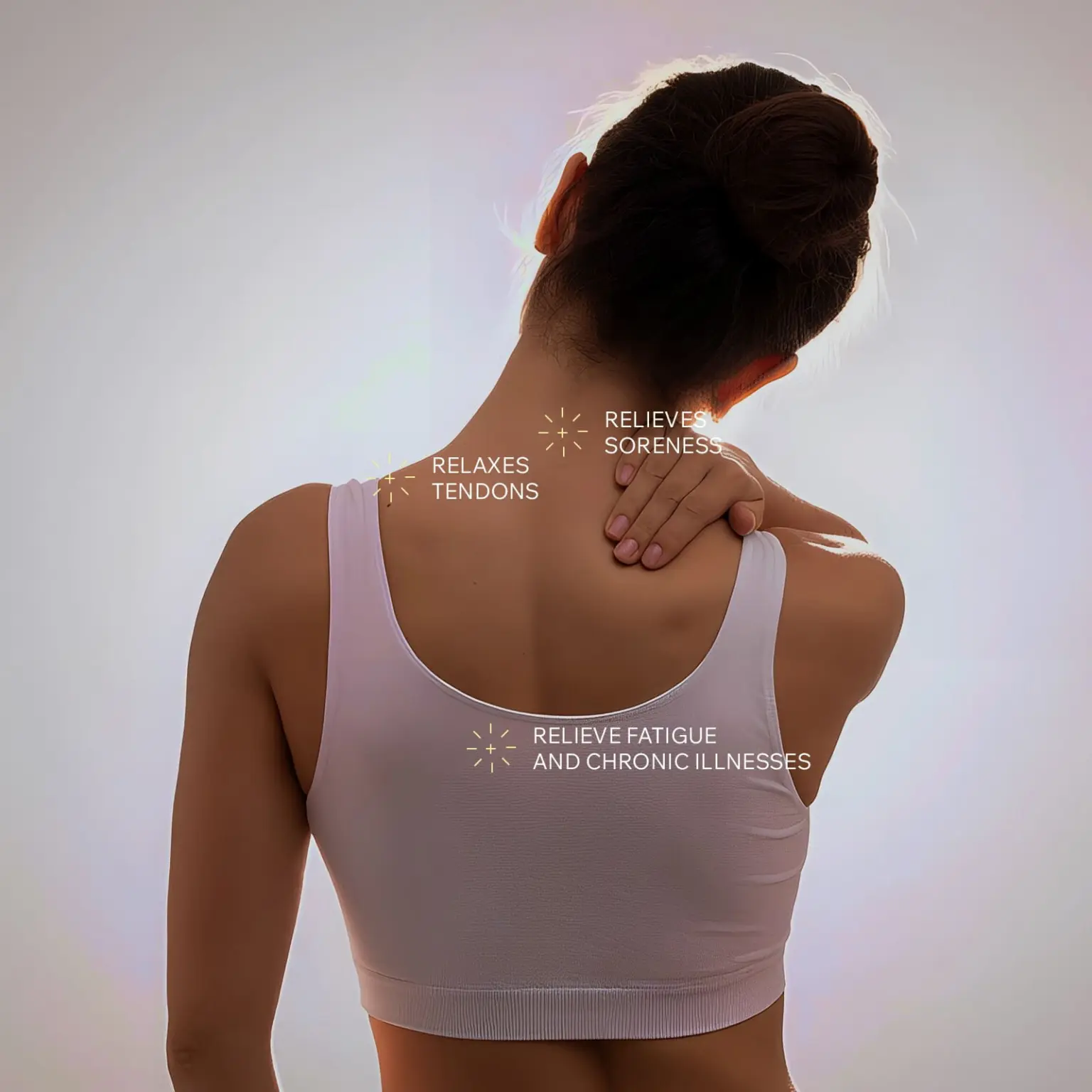
Neck painCervical stiffness and 落枕. Morning lock, desk hunch, or wind-cold on the neck line. Stiff neck (落枕) patterns and clinic methods.
Shoulder painScapula and outer shoulder. Restricted raise or reach; frozen-shoulder stages when motion stalls. 冻结肩 stages, points, and home stretches.
Elbow joint painOuter elbow / tennis elbow line. Repetitive grip or racket load at the lateral elbow. Acupuncture for soft-tissue elbow load.
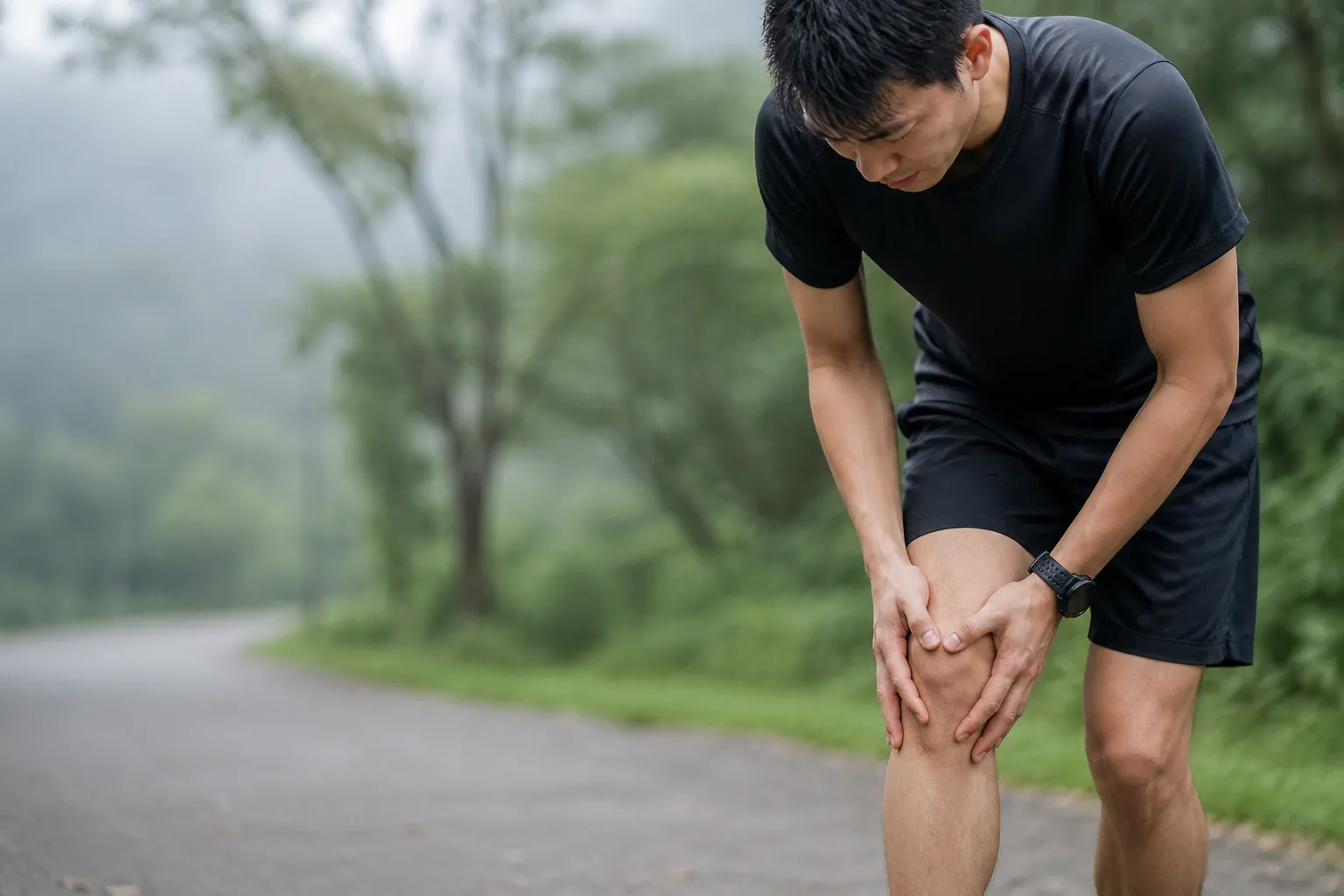
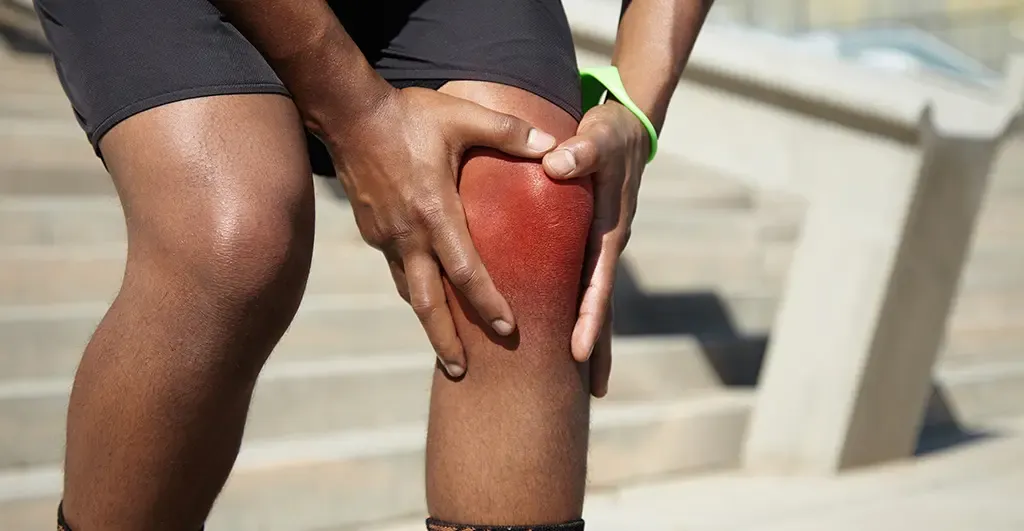
Knee joint painFront, sides, or back of the knee. Sprain, overuse, or degenerative load around the joint. 膝痛 pictures from sprain to osteoarthritis.
Lower back painLumbar 腰痛 between rib and gluteal fold. Damp, blood stasis, or Kidney-deficiency ache after desk or lift load. Lumbar patterns, clinic methods, and home points.

Singapore

Local load that keeps soft tissue stuck

In Singapore the same obstruction picture often sits with long desk hours under cold air-conditioning, humid evenings that make recovery feel slower after sport, and MRT stairs or HDB flights that load the neck, back, and knees in short bursts. Heat and humidity do not cause every injury alone, but they change how hard a strained line feels the next day.

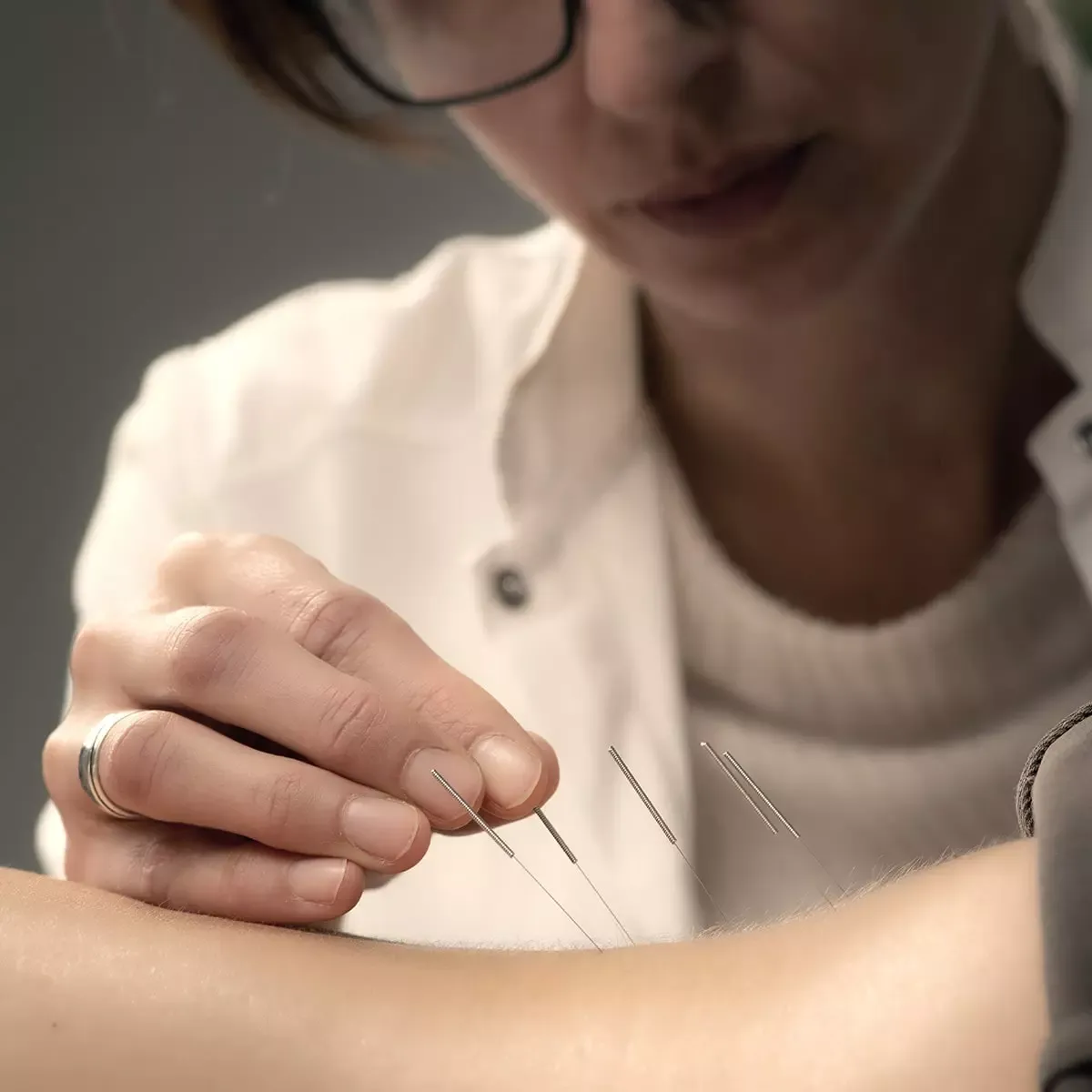
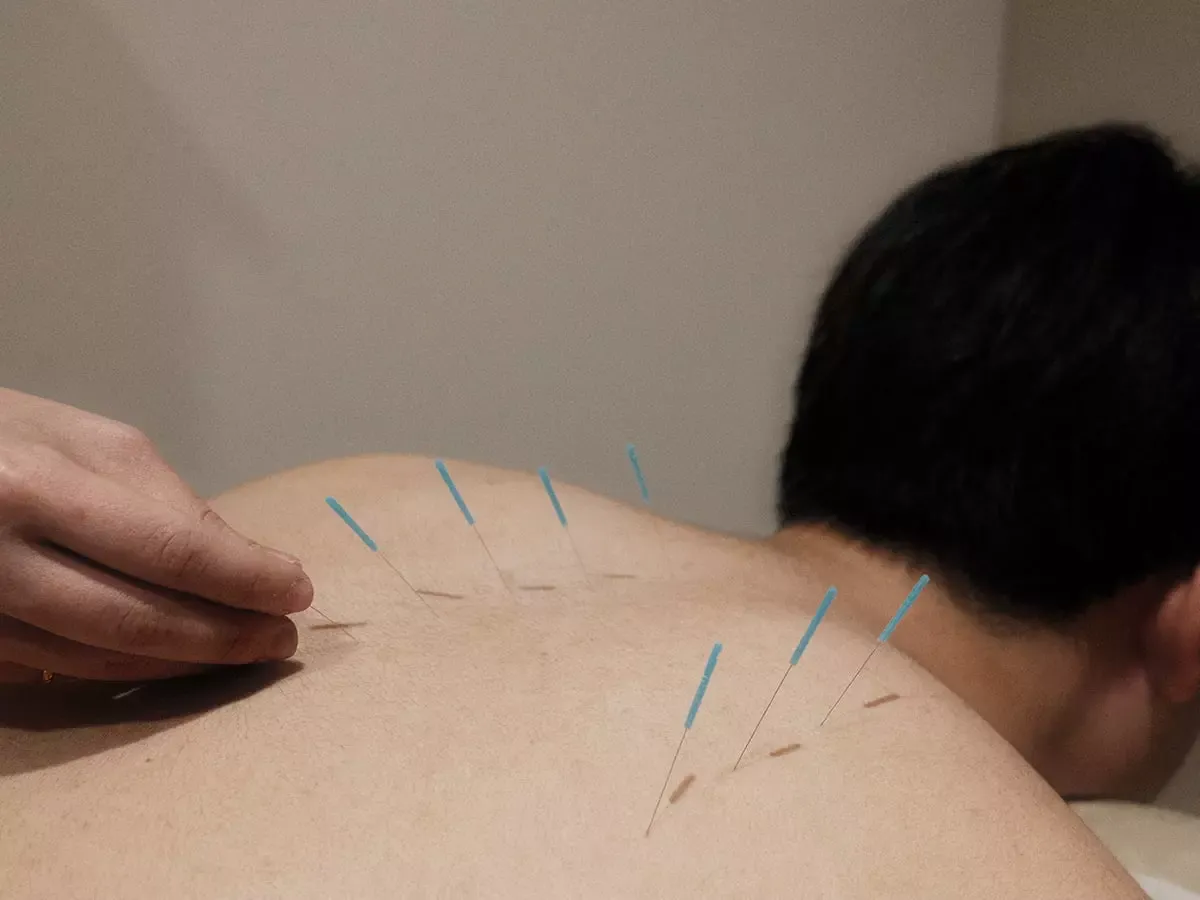
Acupuncture needles along the upper back for soft-tissue pain care

04 · Acupuncture

Needling for pain and soft-tissue repair

The World Health Organization has recognised acupuncture for more than 70 conditions. Pain-related examples include neck and back pain, tennis elbow, knee pain, rheumatoid arthritis, sciatica, and temporomandibular joint dysfunction.

In clinic, needling is used to ease pain signalling (including nociceptor drive), reduce local inflammation, and support chronic soft-tissue pictures. Scientific acupuncture combines meridian channels with muscle-group anatomy so the needle plan matches both the channel map and the injured tissue.

Research has also explored electrical properties around selected acupoints. That work sits beside, not instead of, a full physician pattern diagnosis.

05 · Clinic

A targeted plan, not a one-method fix

A TCM physician aims for a natural, well-targeted plan matched to your pattern after pulse and tongue. Acupuncture often leads; tuina, cupping, and herbs join when the soft-tissue or constitution read calls for them.

1. Acupuncture

Meridian and muscle-group needling to move qi and blood and ease nociception where the obstruction sits.

2. Tuina

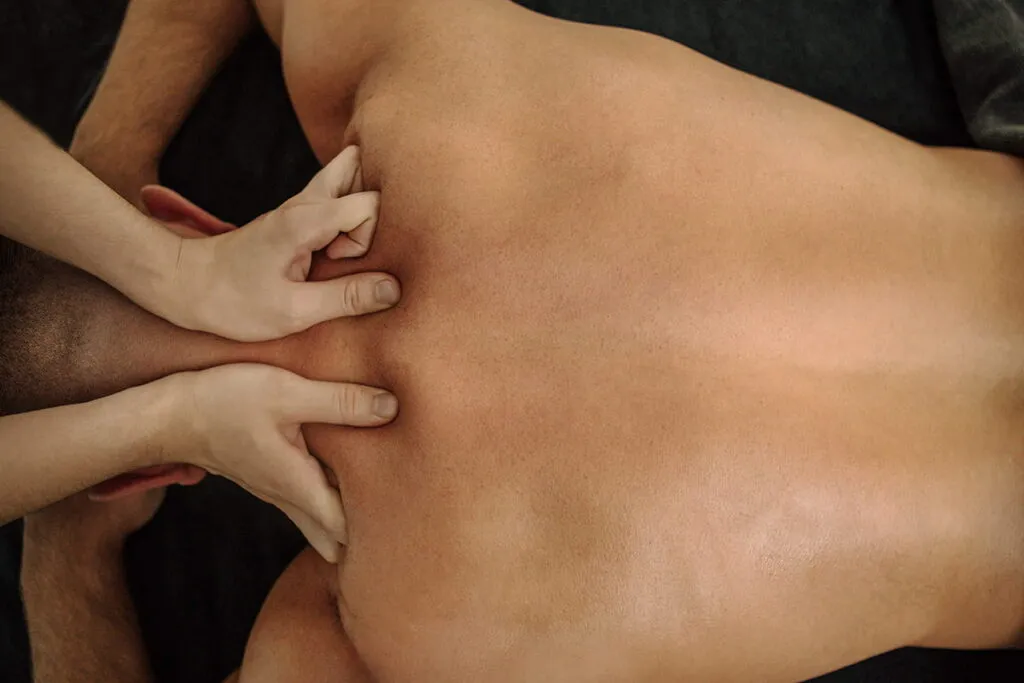
Hands-on work along points and meridians when tight muscle and restricted joint play dominate.

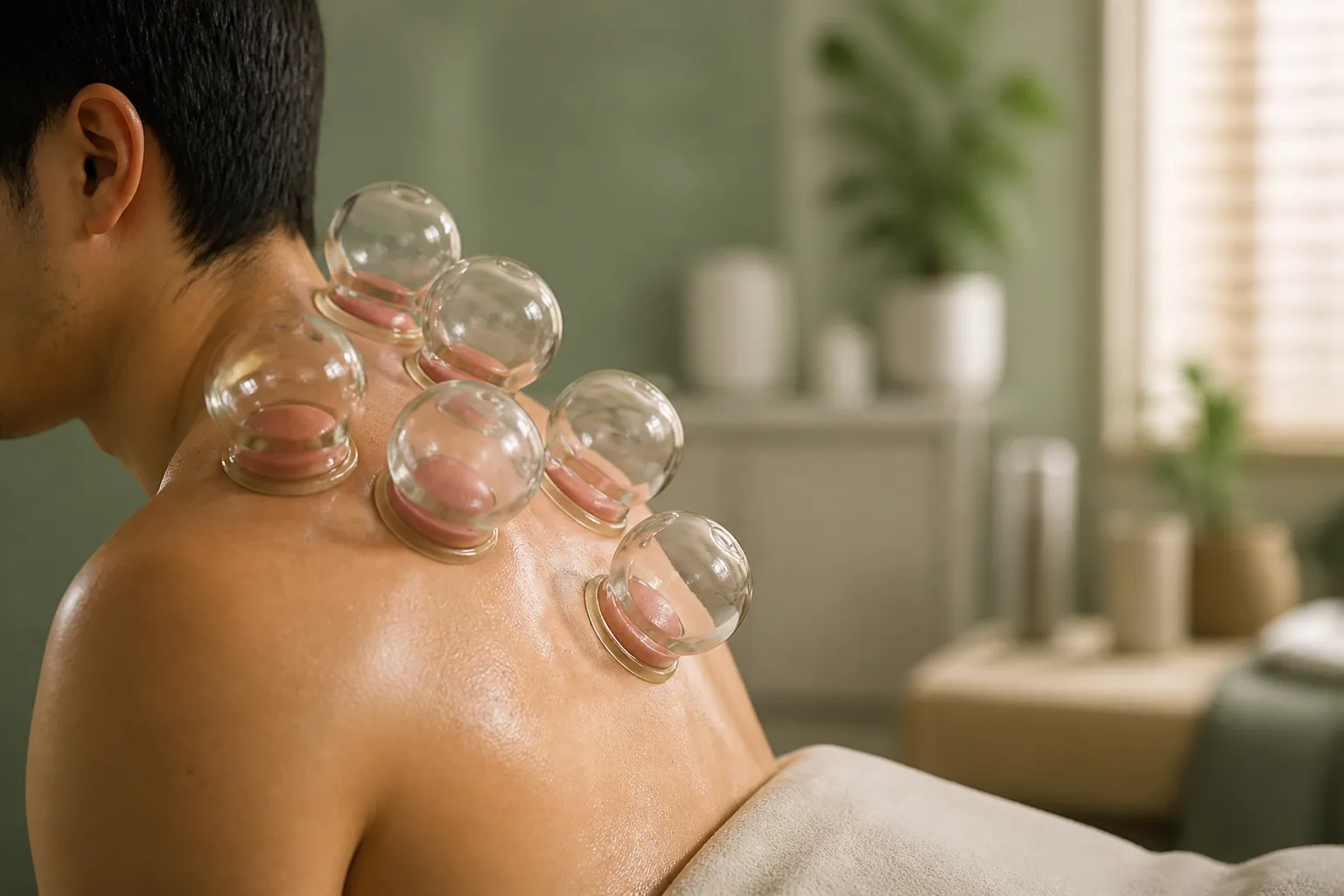
3. Cupping

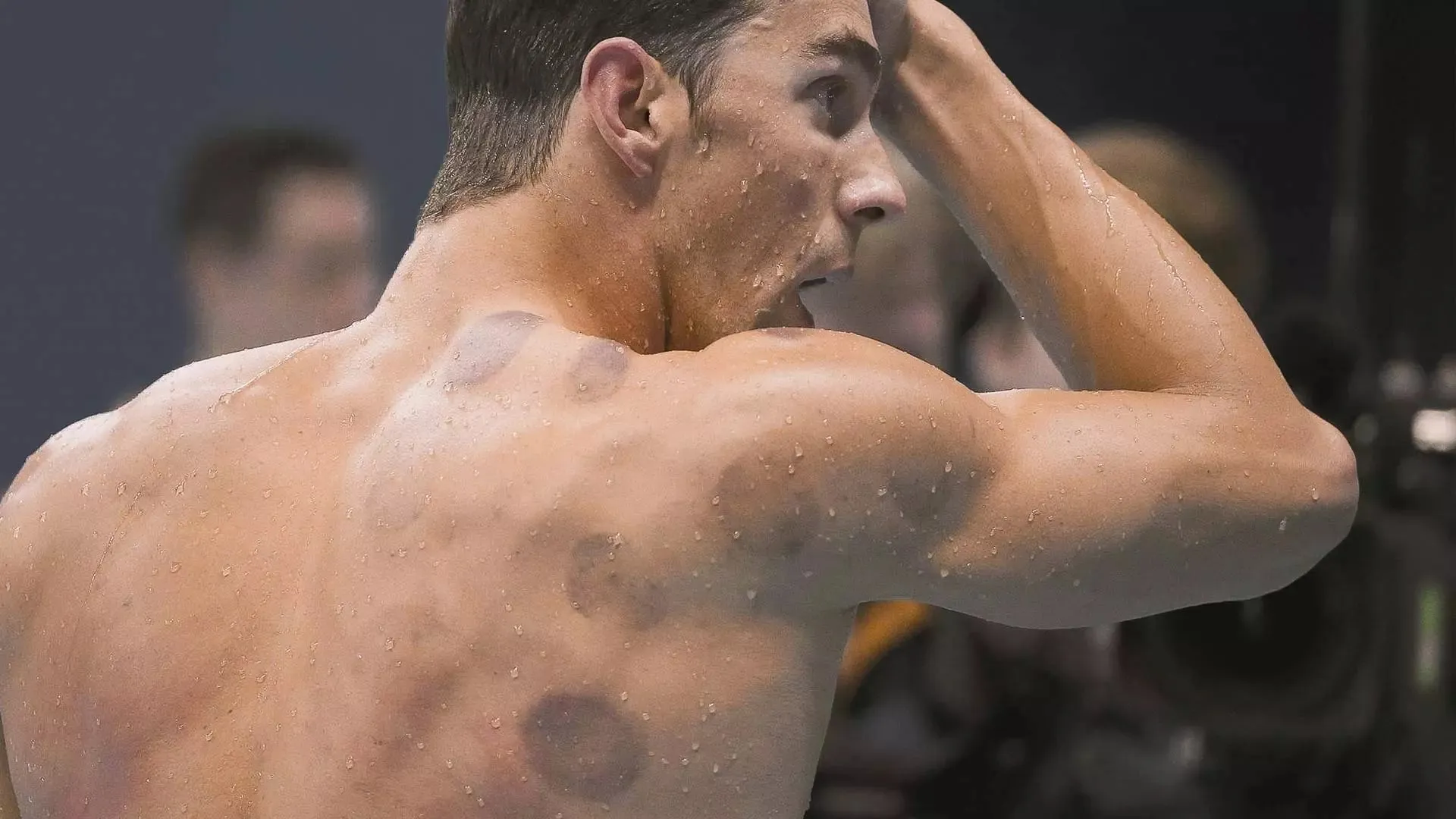
Suction to lift tissue and ease stagnation pain in the back or limbs when the pattern fits.

4. Herbs when indicated

Oral or external formulas after consult when blood stasis, phlegm, or organ deficiency needs systemic support.

For chronic pain, sports strains, and joint mobility across our clinics, see the Pain & Injuries programme.

Programme

Pain & Injuries at PULSE

Physician-led care for chronic pain, sports injury, and joint mobility, with acupuncture, tuina, and cupping as indicated.

06 · Home

Stretching and diet beside the clinic

Clinic methods ease the current picture. These habits help soft tissue stay stronger so the same load returns less often.

1. Keep the line mobile

Gentle stretching that respects sharp pain keeps the injured meridian and muscle group from locking. Stop if a move turns sharp or numb.

2. Physician-guided diet

Food plans follow the pattern: warming and circulating choices often suit cold or stasis ache; cooling, lighter meals may suit heat or damp pictures. Your physician matches the plate after consult.

3. Mind cold AC on a fresh strain

Long desk hours under cold air-conditioning can settle cold on a tight neck, shoulder, or lumbar line. Keep the area covered while the acute window is still settling.

4. Ice early, warmth later

Ice can suit the first hours of visible swelling after a knock. Once swelling settles, warmth is usually kinder for chronic dull ache and desk stiffness.

07 · Safety

When conventional care comes first

Seek urgent or orthopaedic assessment first for severe trauma, a suspected fracture, a deformed joint, sudden inability to bear weight, fever with a hot swollen joint, bowel or bladder change, or numbness that spreads. TCM complements that path; it is not the primary treatment in those cases.

Dr Sim Beng Joo

Clinically reviewed

Reviewed by Sim Beng Joo

Advisor (Science & Strategy) / Consultant Physician · TCMPB T1303003A

MOH-licensed TCM physician and biomedical scientist, with clinical work in digestion, pain, sleep or fatigue, and soft-tissue patterns after injury.

View full profile

Educational information based on clinical experience and TCM principles. Not a substitute for personalised consultation, medical care, or urgent attention. Speak with your physician before starting herbs or new self-care in pregnancy or with a chronic condition. Seek urgent care for sudden severe trauma, a deformed joint, inability to bear weight, fever with a hot swollen joint, bowel or bladder change, or numbness that spreads. TCM complements orthopaedics and physiotherapy; it is not a primary path for fracture or red-flag neurological symptoms.

FAQs

Questions, answered

Acute versus chronic pain, channel obstruction, acupuncture, home care, and when to seek urgent help.

How does TCM classify acute versus chronic pain?

Duration is the first split. Acute pain is recent; chronic pain has lasted longer and often sits with repeated soft-tissue strain or an unresolved pattern. Soreness and numbness are two of the sensations people most often describe. A physician still reads pulse, tongue, and the injured line before naming the pattern.

What does TCM mean by channel obstruction in pain?

Pain is often framed as blocked meridian flow, or as weakness in an internal organ system that fails to nourish the channels. Blood stasis and phlegm are common blockers. They can form after trauma, wind, heat, cold, or dryness settles in, and after that load meets how strong your constitution already is.

Can acupuncture help neck, back, knee, or elbow pain?

The World Health Organization has recognised acupuncture for more than 70 conditions, including neck and back pain, tennis elbow, knee pain, rheumatoid arthritis, sciatica, and temporomandibular joint dysfunction. Needling may modulate pain signalling, ease local inflammation, and support chronic soft-tissue care. Points follow your pattern, not a fixed menu.

Do stretching and diet matter beside TCM pain care?

Yes. Gentle stretching that respects sharp pain, and a diet matched to your pattern after consult, sit beside acupuncture, tuina, cupping, or herbs. Mind cold AC on a fresh strain; ice suits early swelling, warmth usually suits later dull ache. Home habits help soft tissue stay stronger so the same injury returns less often.

When should I seek urgent care for pain or injury?

Seek conventional care first for severe trauma, a suspected fracture, a deformed joint, sudden inability to bear weight, fever with a hot swollen joint, bowel or bladder change, or numbness that spreads. TCM complements orthopaedics and physiotherapy; it is not the primary path in those cases.

How does TCM pain care work at PULSE in Singapore?

A TCMPB-registered physician names the pattern after consult, then may mix acupuncture, tuina, cupping, and herbs as indicated. The Pain & Injuries programme covers chronic pain, sports strains, and joint mobility across our clinics. Bring when the pain started, what flares it, and any physio or imaging notes.

References

Selected sources

  1. National Center for Complementary and Integrative Health. Traditional Chinese medicine: What you need to know. 2019. https://www.nccih.nih.gov/health/traditional-chinese-medicine-what-you-need-to-know/
  2. Ministry of Health Singapore. TCM practitioners (Healthcare Professional Portal). https://hpp.moh.gov.sg/tcm-practitioners/
  3. World Health Organization. Traditional, complementary and integrative medicine. https://www.who.int/health-topics/traditional-complementary-and-integrative-medicine
  4. Original article author: Physician Victoria Tan.

Next step

Ready for a pain pattern read?

Bring when the pain started, what flares it, and any physio or imaging notes. We will name the pattern in plain language and decide what belongs in your plan.

Hours
Most clinics daily 11:00 AM – 8:00 PM
Care
Physician-led consultation