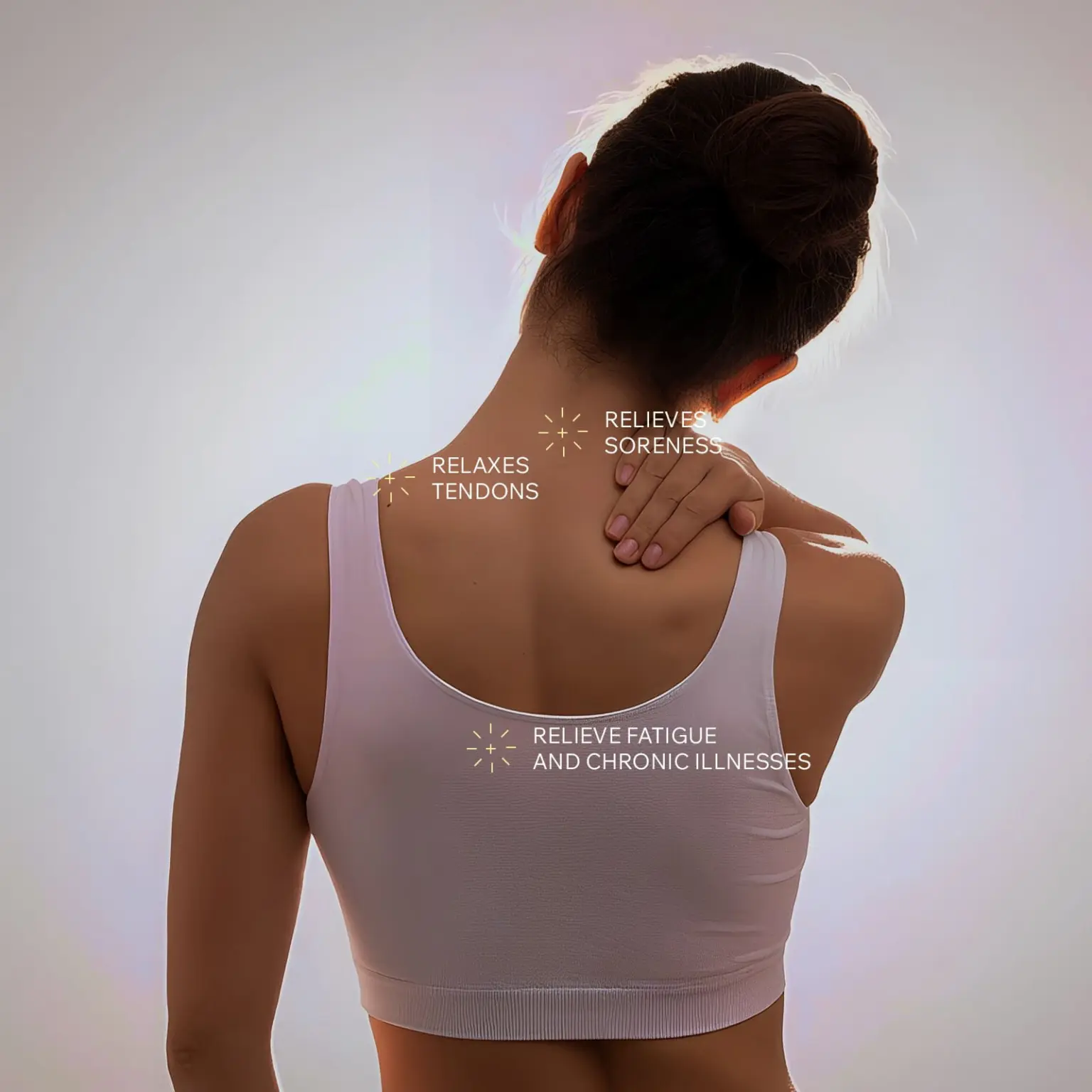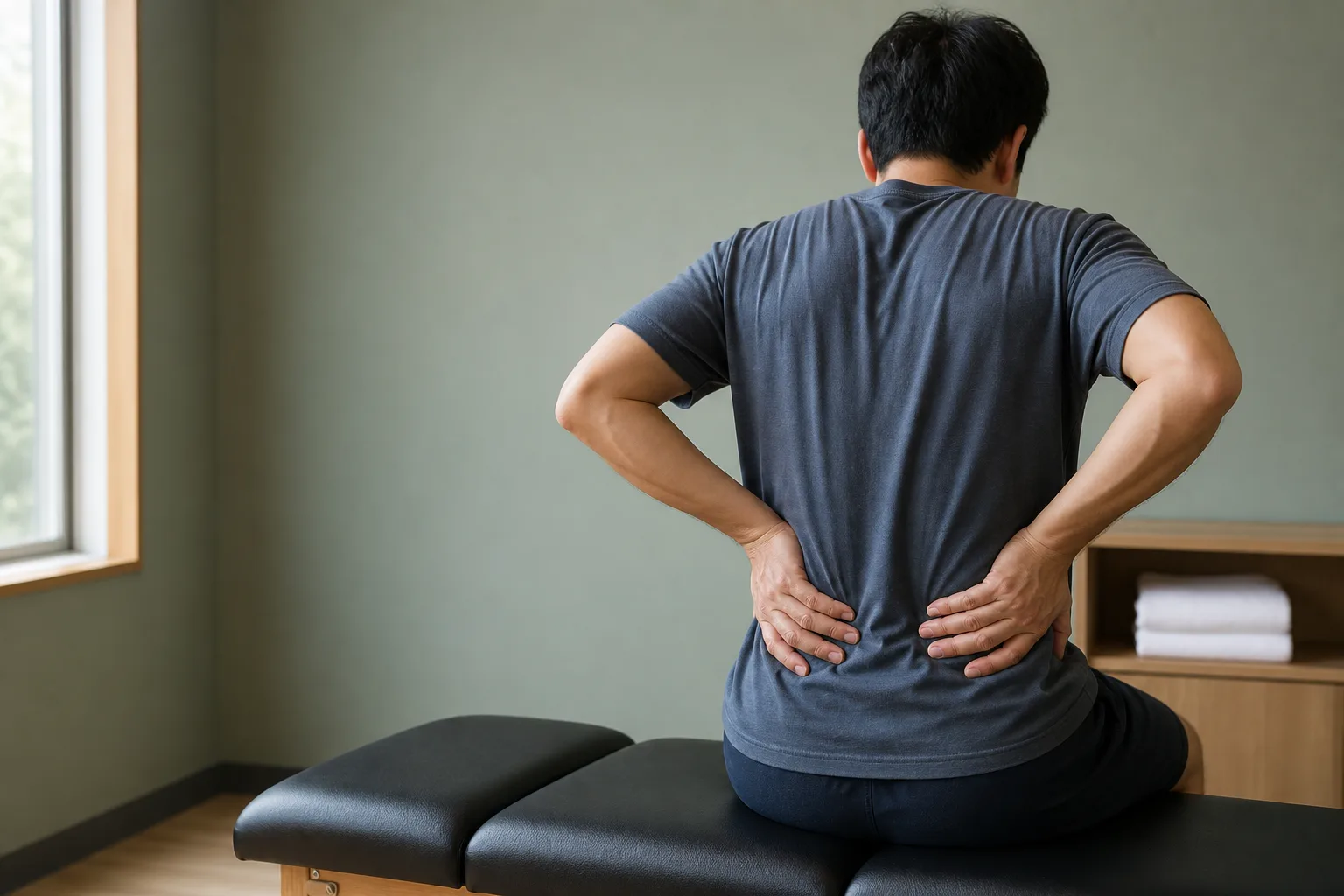
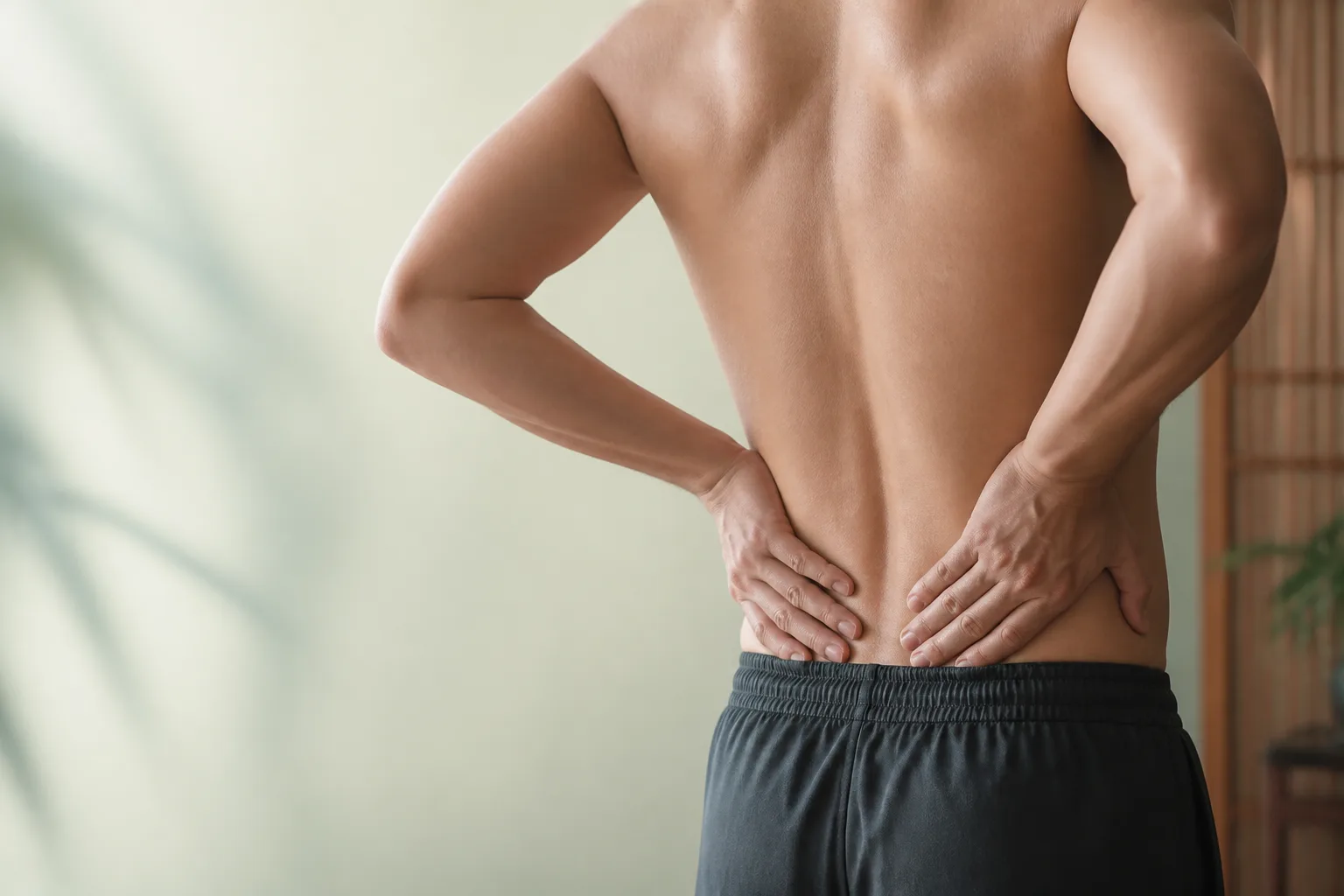
Hands holding the mid-back along the spinal column

Insights · Pain & Injuries

Spinal Cord & Related Disorders

Region maps for cord-related change, red flags that need urgent care, and how physician-led TCM sits beside rehab in Singapore.

In brief

The spinal cord is a column of nerves protected by myelin and secured by 31 vertebrae. Related disorders are often sorted by cervical, thoracic, lumbar, sacral, and coccygeal regions. This page maps those impairment clusters; it is not a checklist for everyday desk neck or lumbar ache. Sudden trauma, new limb weakness, bowel or bladder change, or spreading numbness needs urgent conventional care first. Soft-tissue load without those flags sits with sibling Insights and the Pain & Injuries programme. Higher lesions and greater extent often mean more severe change. TCM acupuncture and herbs may support remaining function beside rehab; they are not a primary path for acute trauma.

Anatomy

A column of nerves along 31 vertebrae

The spinal cord may look like a single piece, but it is a column of nerves protected by the myelin sheath and secured by 31 vertebrae extending down the length of the spine. Medical pathology of the cord and its related dysfunction is often sorted into four sections and one sub-part: cervical, thoracic, lumbar, sacral, and coccygeal. Implications can include nervous, musculoskeletal, sympathetic, and internal conditions.

Who this page is for

Cord-related change versus soft-tissue load

This Insight maps how cervical, thoracic, and lumbar-sacral impairment can show in the body. It is not a self-diagnosis checklist for everyday desk neck or lumbar ache.

Sudden trauma, new or worsening arm or leg weakness, bowel or bladder change, or numbness that spreads belongs in urgent conventional care first. TCM sits beside orthopaedics, neurology, and physiotherapy after that picture is named; it is not the first step in those emergencies.

When the main story is soft-tissue load without those red flags, start with TCM for lower back pain, TCM tips for a stiff neck, or Managing Pain & Injury with TCM. The Pain & Injuries programme is the usual clinic path for that group.

Not every listed symptom below proves a spinal cord impairment. A physician still assesses the myriad of symptoms and identifies the root problem.
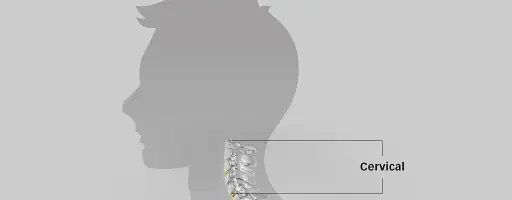
Anatomical diagram of the cervical spine in a neck silhouette

01 · Cervical

Cervical impairments and the upper cord

When the cervical segment is impaired, function and sensation can change in the limbs, cognition can shift, and upper-body conditions may appear together.

  • Loss of function or sensation in the arms and legs
  • Compromised cognitive abilities such as memory loss
  • Compromised upper body conditions such as a headache, blurred vision, tinnitus, thyroid change, and calcification of the spinal process

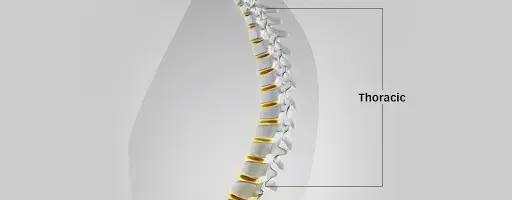
02 · Thoracic

Thoracic impairments and the mid trunk

Thoracic impairment can open onto breathing, cardiac, and digestive pictures, and onto systemic signs that sit below the chest line.

  • Breathing and cardiac complications such as bronchitis, palpitations, asthma, and high blood pressure
  • Digestive system dysfunctions such as acid reflux, flatulence, and bad breath
  • Anaemia
  • Limb coldness
  • Blood sugar abnormality
  • Calf numbness
Anatomical diagram of the thoracic spine in a torso silhouette
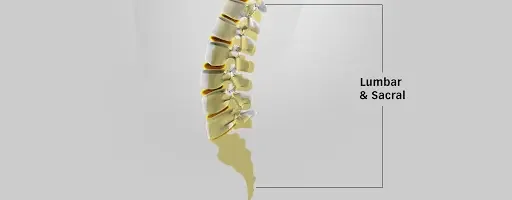
Anatomical diagram of the lumbar and sacral spine

03 · Lumbar & sacral

Lumbar and sacral impairments below the waist

When lumbar and sacral segments are impaired, bowel and bladder control, chronic back pain, sciatica, and hormone or fertility pictures may appear.

  • Bowel and bladder control weakness
  • Chronic back pain
  • Sciatica
  • Hormonal imbalance
  • Malnourishment
  • Sexual dysfunctions
  • Infertility

04 · Shared signs

Common indicative signs across regions

These signs often sit with spinal cord-related impairment alongside the region lists above. They still need a physician read.

  • Pain or pressure
  • Muscle stiffness
  • Muscle spasms
  • Diminished or extreme reflex activities
  • Muscle weakness
  • Difficult breathing
  • Palpitations
  • Digestive problems
  • Loss of bowel and bladder control
  • Sexual dysfunction and sensitivity

05 · Red flags

When to seek urgent care first

These pictures belong in conventional emergency or specialist care before any TCM plan. Do not wait for a clinic slot.

1. Sudden severe trauma

A fall, crash, or impact with new back or neck pain, especially with any limb change, needs urgent conventional assessment first.

2. New or worsening limb weakness

Arm or leg power that drops or worsens quickly is a neurological red flag, not a soft-tissue wait-and-see.

3. Bowel or bladder change

Loss of control, new retention, or sudden change in bowel or bladder habit with back symptoms needs same-day medical care.

4. Numbness that spreads

Sensory loss that climbs or widens, or saddle numbness with back pain, is an emergency path, not a first TCM visit.

06 · Severity

Higher lesions, lasting change, and early rehab

The higher up the injury in the vertebral column, the more severe the symptom picture often is. Severity also depends on the extent of the impairment, and most spinal cord injuries leave lasting change.

A rehabilitation programme should begin as soon as it is safe. Orthopaedics, neurology, and physiotherapy remain the backbone. TCM at PULSE joins that plan when a physician names a pattern that acupuncture or herbs can support; it does not reverse every loss.

07 · TCM

What TCM is for beside rehab

After the acute neurological picture is under conventional care, a TCMPB-registered physician may use clinic methods to support remaining nerve and soft-tissue function, ease pain signalling, and steady constitution load that sits with long rehab.

1. Acupuncture

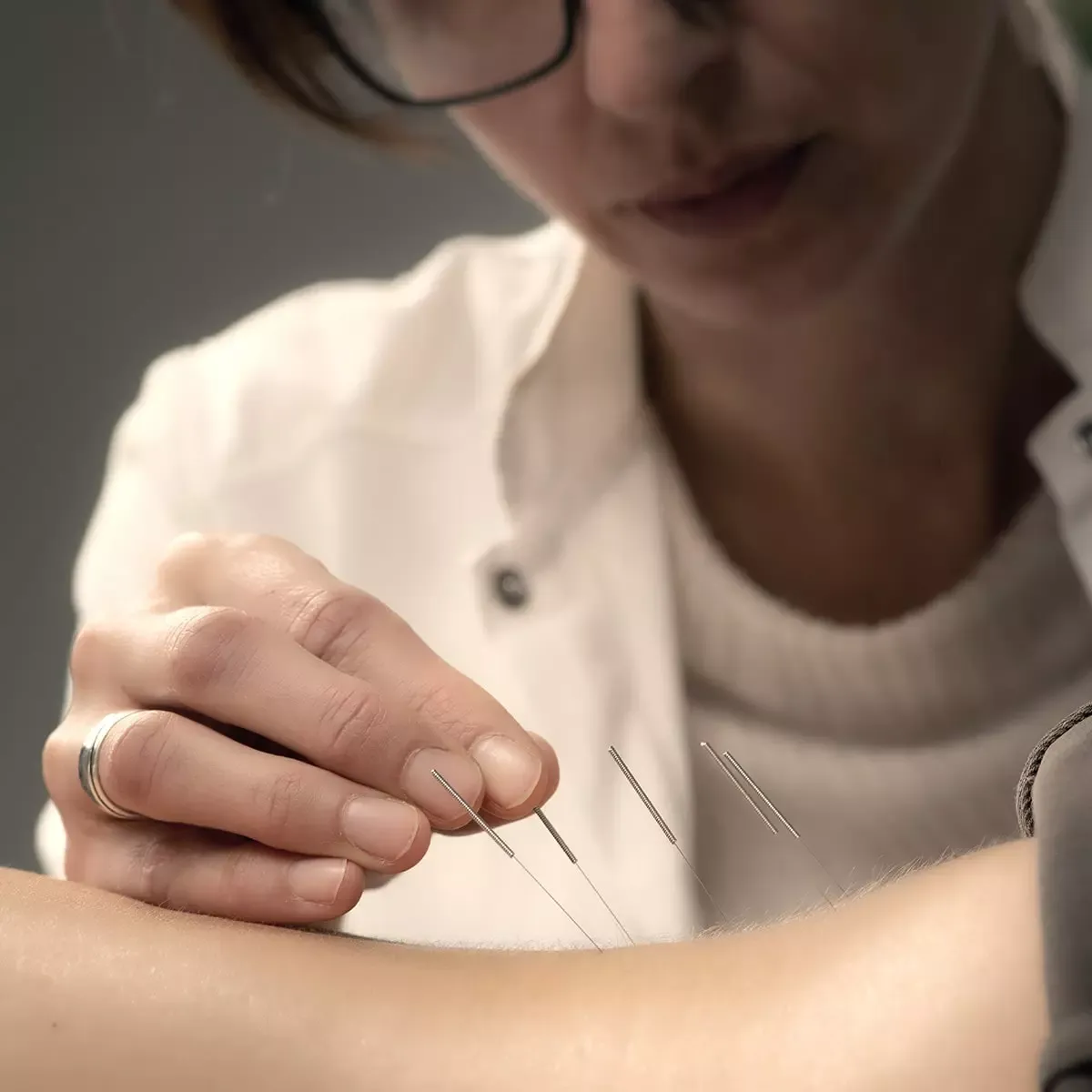
Needling may ease pain signalling and support soft-tissue comfort along lines that still fire. Point choice follows your pattern and imaging notes, not a fixed menu. See acupuncture for the treatment shell.

2. Chinese herbal medicine

Formulas after consult when blood stasis, damp load, or organ deficiency sits with the cord-related picture and the physician judges oral or external herbs safe beside rehab medicines.

3. Tuina and cupping when soft tissue dominates

Hands-on work and cupping belong when tight muscle and stagnation pain are the main load after the neurological red flags are cleared. They are not a primary path for acute cord injury.

4. What TCM is not

Not a substitute for acute trauma care, complete cord injury management, or emergency bowel and bladder change. Not a guarantee of nerve regeneration. Process language only: support remaining function beside rehab.

For chronic pain and soft-tissue load across our clinics once red flags are clear, see the Pain & Injuries programme.

Pain & Injuries

Ready for a physician-led pain plan?

Bring imaging or rehab notes if you have them, when symptoms started, and what flares them. We will name the picture and decide whether acupuncture, tuina, cupping, or herbs belong beside your rehab course.

Dr Sim Beng Joo

Clinically reviewed

Reviewed by Sim Beng Joo

Advisor (Science & Strategy) / Consultant Physician · TCMPB T1303003A

MOH-licensed TCM physician and biomedical scientist, with clinical work in digestion, pain, sleep or fatigue, and soft-tissue patterns after injury.

View full profile

Educational information based on clinical experience and TCM principles. Not a substitute for personalised consultation, medical care, or urgent attention. Speak with your physician before starting herbs or new self-care in pregnancy or with a chronic condition. Seek urgent care for sudden severe trauma, new or worsening arm or leg weakness, bowel or bladder change, or numbness that spreads. TCM complements orthopaedics, neurology, and physiotherapy; it is not a primary path for acute spinal cord injury or red-flag neurological emergencies.

FAQs

Questions, answered

Cord vs soft-tissue load, region symptoms, red flags, and how TCM sits beside rehab in Singapore.

Is this page for everyday neck or lower back pain?

No. This Insight maps cervical, thoracic, and lumbar-sacral cord-related impairment. Everyday desk neck or lumbar ache without red flags belongs on the stiff-neck and lower-back Insights, or the Pain & Injuries programme. Not every listed symptom proves cord damage; a physician still assesses the root picture.

What regions of the spinal cord are named in related disorders?

Medical pathology of the cord and related dysfunction is often sorted into cervical, thoracic, lumbar, sacral, and coccygeal regions. The cord itself is a column of nerves protected by myelin and secured by 31 vertebrae along the spine. Implications can reach nervous, musculoskeletal, sympathetic, and internal systems.

What symptoms can follow cervical, thoracic, or lumbar-sacral impairment?

Cervical change can affect limb sensation, cognition, and upper-body conditions such as headache or tinnitus. Thoracic change can affect breathing, cardiac, and digestive pictures, plus anaemia, limb coldness, blood sugar abnormality, and calf numbness. Lumbar and sacral change can affect bowel and bladder, chronic back pain, sciatica, hormones, nutrition, sexual function, and infertility. Shared signs across regions can include pain or pressure, stiffness, spasms, reflex change, and weakness.

When should I seek urgent care for spinal cord symptoms?

Seek conventional care first for sudden severe trauma, new or worsening arm or leg weakness, bowel or bladder change, or numbness that spreads. TCM complements neurology and physiotherapy; it is not the first step in those emergencies.

Can TCM help after a spinal cord injury?

Many spinal cord injuries leave lasting change. Early rehabilitation with orthopaedics and physiotherapy is the backbone of care. At PULSE, a TCMPB-registered physician may use acupuncture and herbal medicine to support remaining nerve and soft-tissue function beside that rehab plan, and tuina or cupping when soft-tissue load dominates after red flags are clear. TCM is not a primary path for acute trauma or complete cord injury, and it does not reverse every loss.

How does TCM pain care work at PULSE in Singapore when red flags are clear?

A TCMPB-registered physician names the pattern after consult, then may mix acupuncture, herbs, and soft-tissue methods as indicated. The Pain & Injuries programme covers chronic pain and joint mobility across our clinics. Bring imaging or rehab notes, when symptoms started, and what flares them.

References

Selected sources

  1. National Center for Complementary and Integrative Health. Traditional Chinese medicine: What you need to know. 2019. https://www.nccih.nih.gov/health/traditional-chinese-medicine-what-you-need-to-know/
  2. Ministry of Health Singapore. TCM practitioners (Healthcare Professional Portal). https://hpp.moh.gov.sg/tcm-practitioners/
  3. World Health Organization. Traditional, complementary and integrative medicine. https://www.who.int/health-topics/traditional-complementary-and-integrative-medicine
  4. Original article author: Physician Victoria Tan.

Next step

Ready for a spine-related pattern read?

Bring imaging or rehab notes if you have them, when symptoms started, and what flares them. We will name the picture in plain language and decide what belongs in your plan beside orthopaedic care.

Hours
Most clinics daily 11:00 AM – 8:00 PM
Care
Physician-led consultation