Cause 2: Dampness and phlegm stagnation (湿热痰瘀证)
Spleen · dampness · phlegm
Greasy, spicy, or sweet food can tax the Spleen, so dampness builds and rises to deep cysts on the chin and jaw.
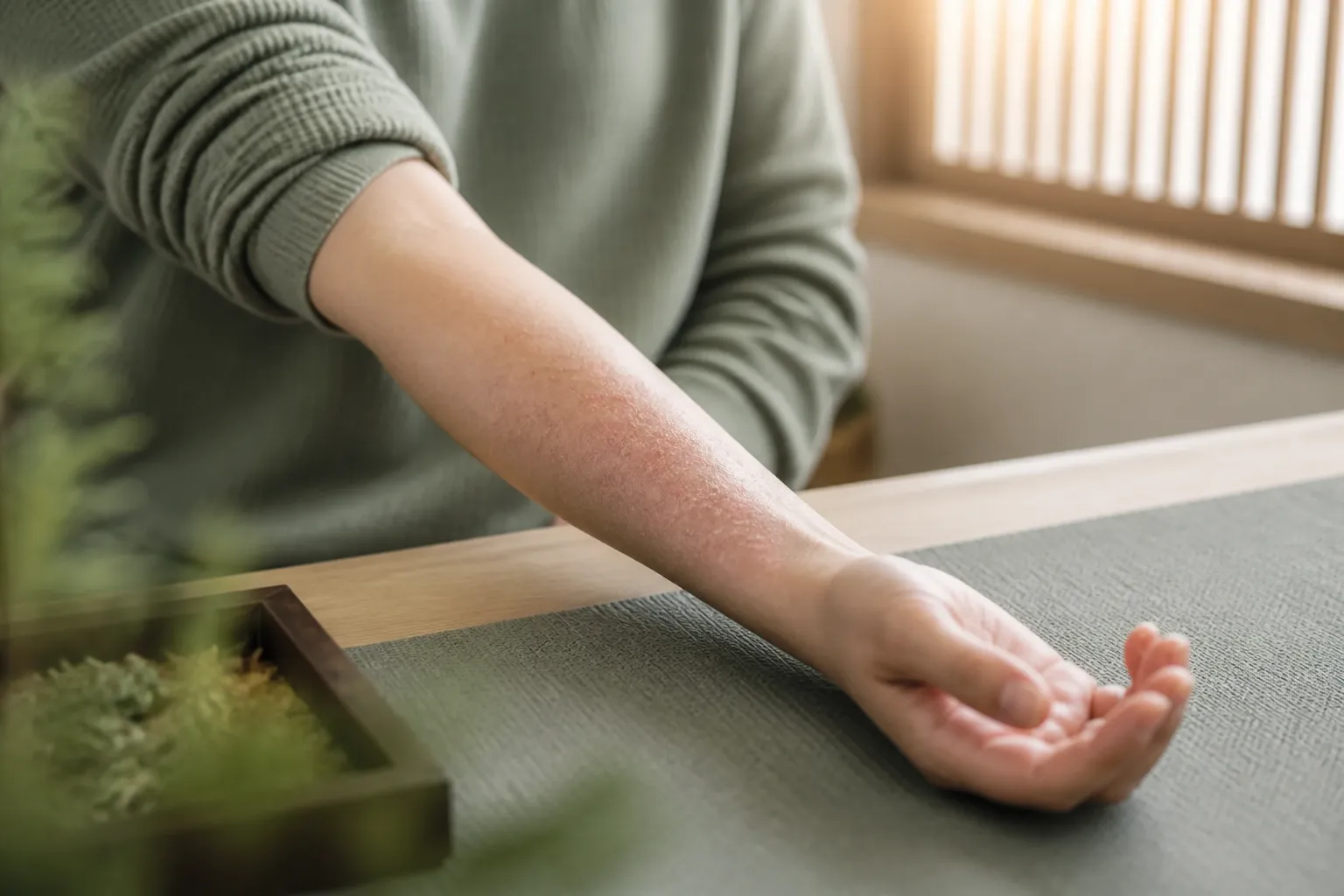
- Acne type: deep, cystic, or nodular acne that takes a long time to heal and leaves scars. Skin tends to be very oily.
- Face mapping: often concentrated around the mouth, chin, and jawline.
- Accompanying signs: bloating, poor appetite, sticky stools, and a feeling of heaviness in the body.
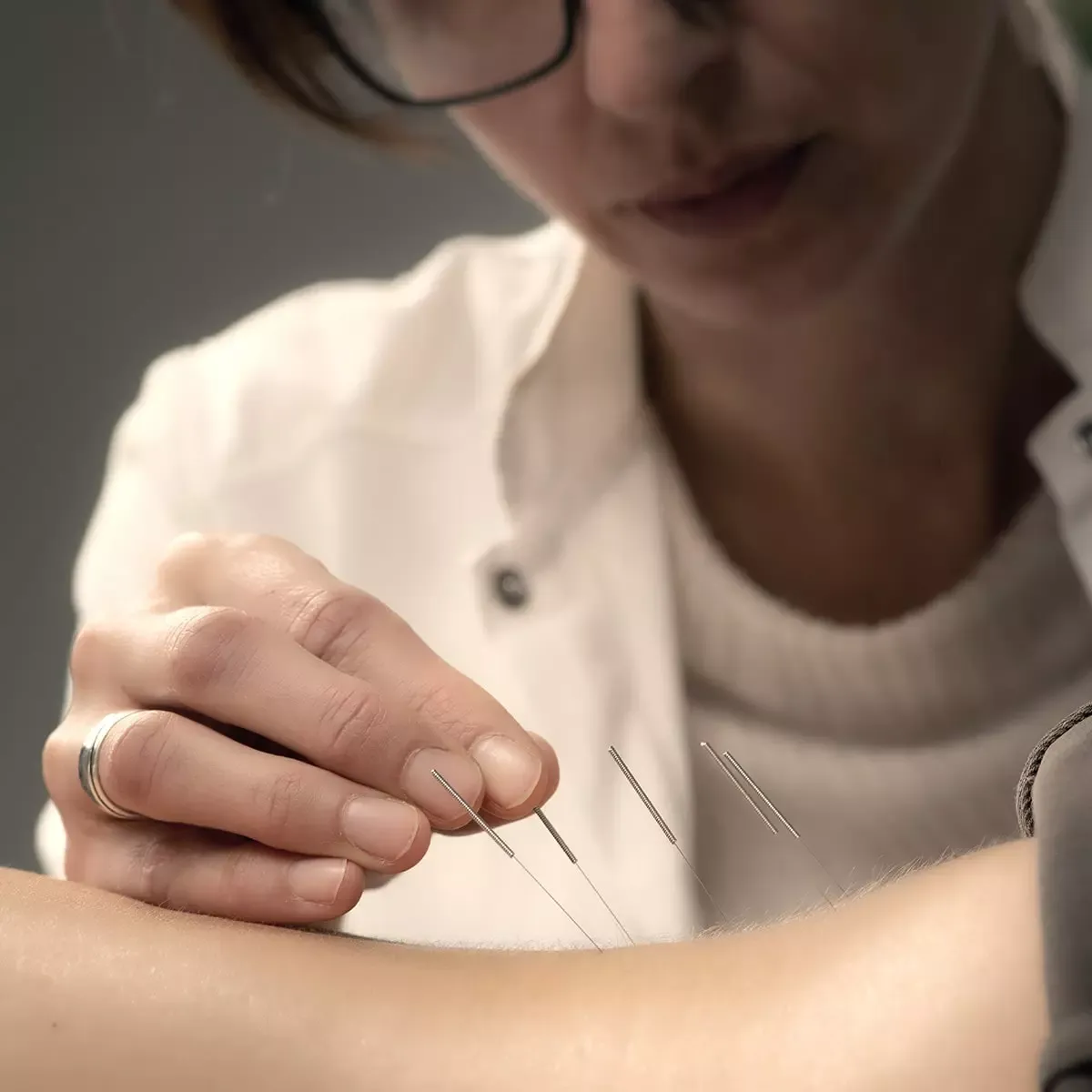
- Clinic care: strengthen the Spleen, resolve dampness, and support digestion.
Dampness can be viewed as heavy water in the body. It is slow and sinking. It is generally a result of a diet high in spicy, oily, and sweet food, a humid environment, and frequent drinking or smoking.
Phlegm in the body is similar to the phlegm of a cough or flu. It resembles a viscous liquid such as honey: sticky, heavy, slow, and prone to clump. It is normally a result of a diet high in oily, sweet, and cold food, a humid environment, lack of exercise, and Spleen imbalance.
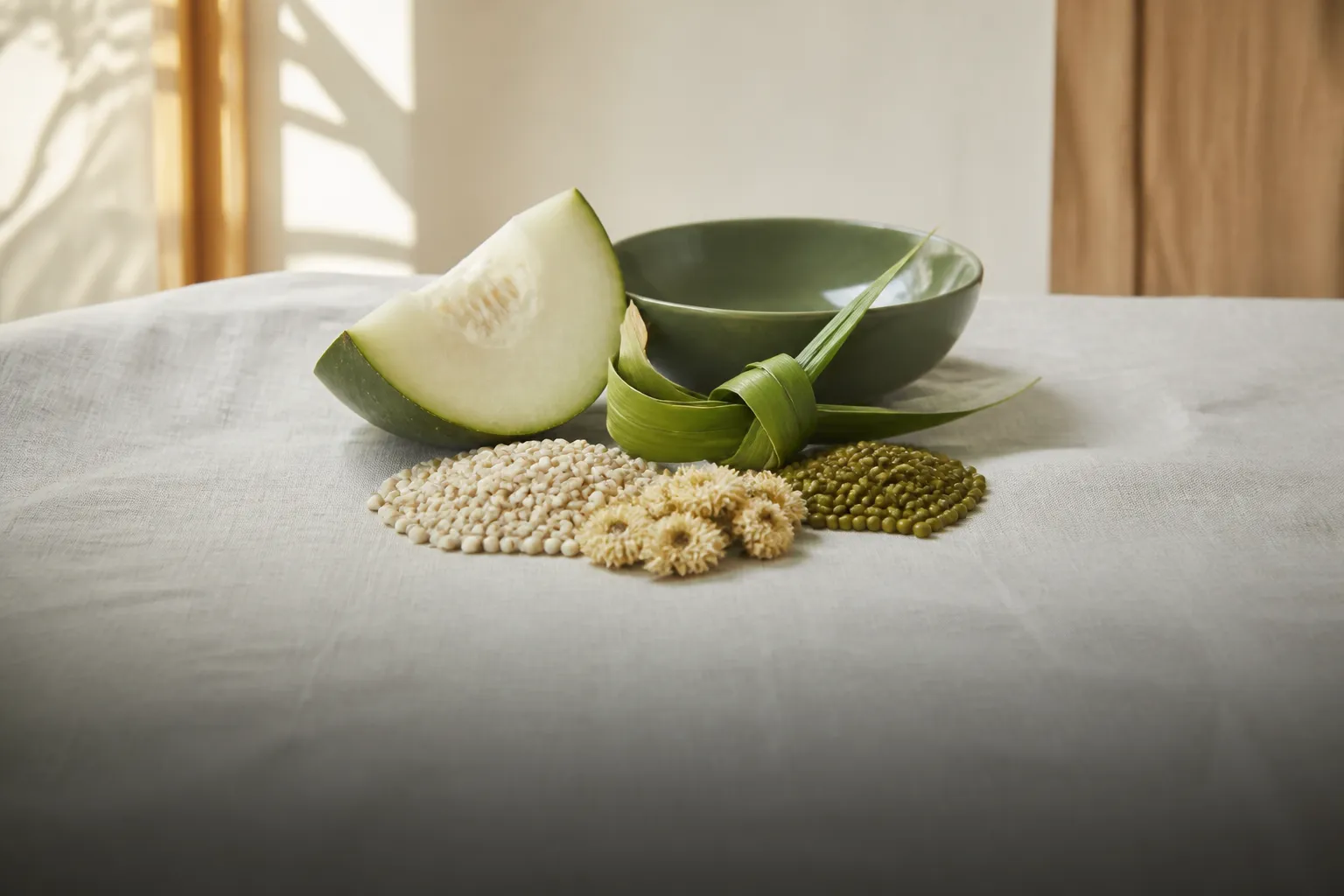
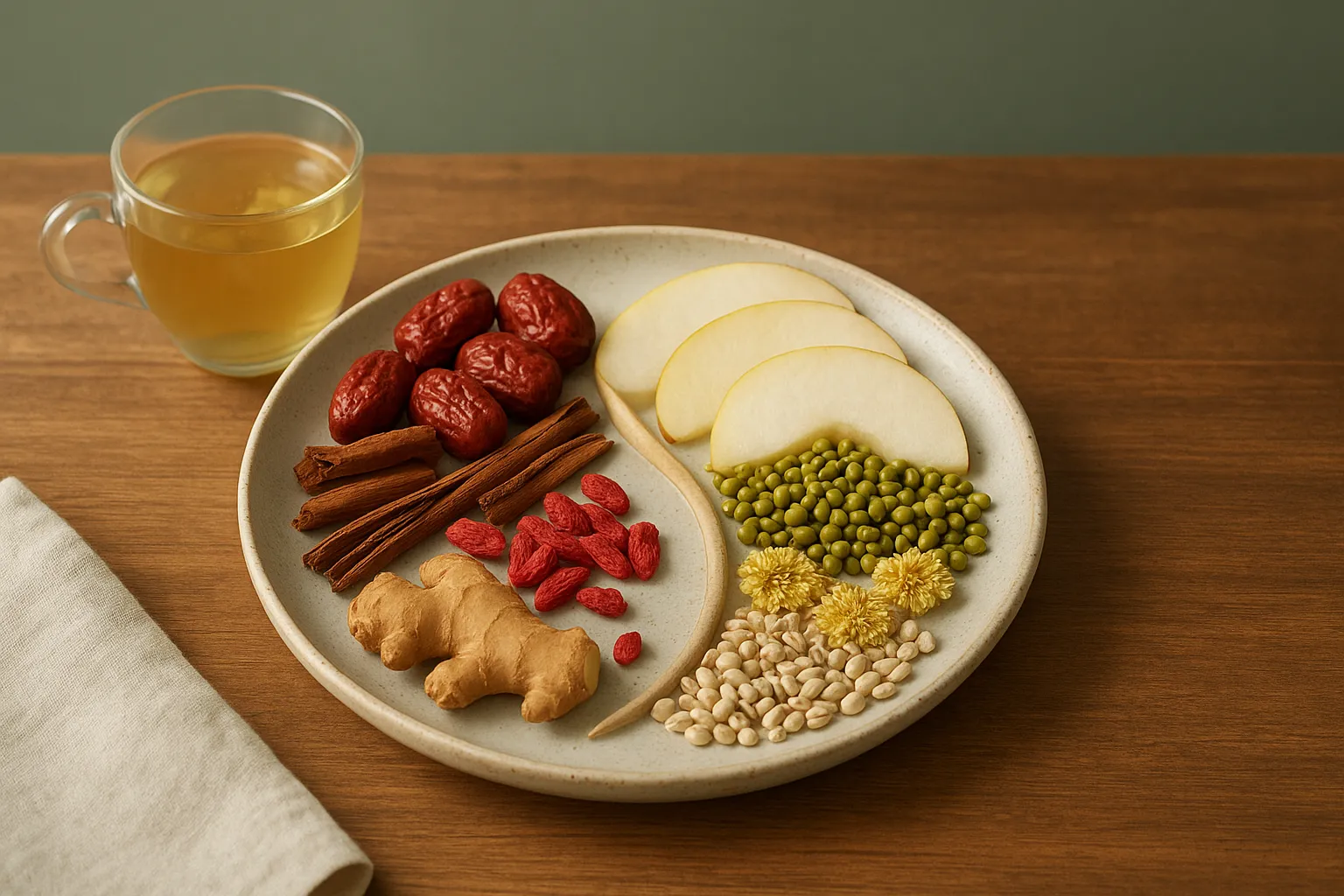
When dampness and phlegm sit together, Qi and blood flow stagnate. Nutrients reach the skin more slowly, metabolism slows, and pores clog. Heat then aggravates the picture into acne. For heat-dampness, Chinese barley with mung beans clears heat and drains dampness. Fragrant mung bean soup with pandan is a sibling cooling soup. For phlegm-dampness, dried orange peel (陈皮) and poria (茯苓) tea is a classic brew.
Heat-dampness
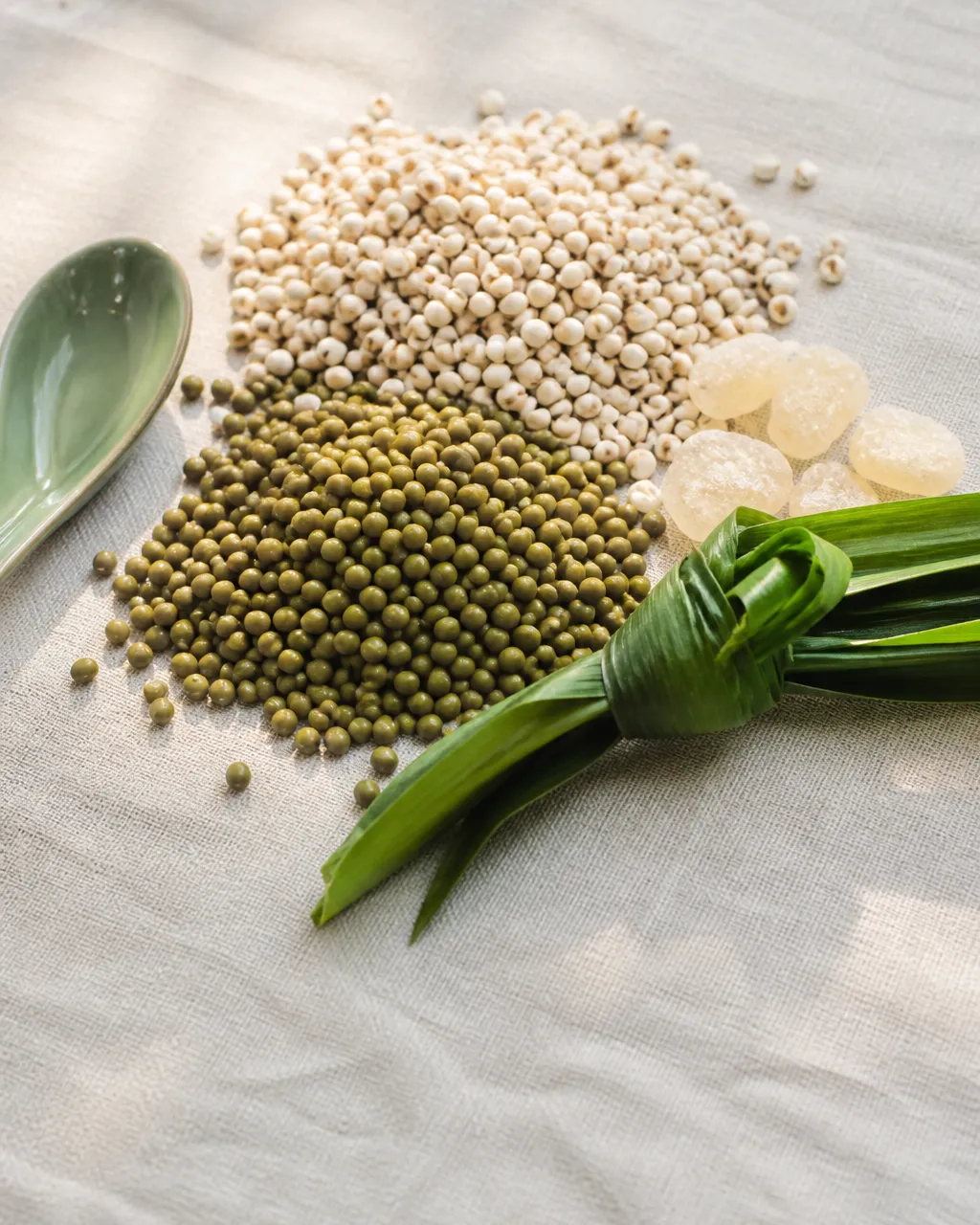
Chinese barley and green bean dessert
Chinese barley with mung beans is a classic clearing soup when diet heat and dampness stack as oily, slower-healing acne.
Ease off or stop if stools loosen.
Chinese barley and green bean dessert recipe →
Heat-dampness
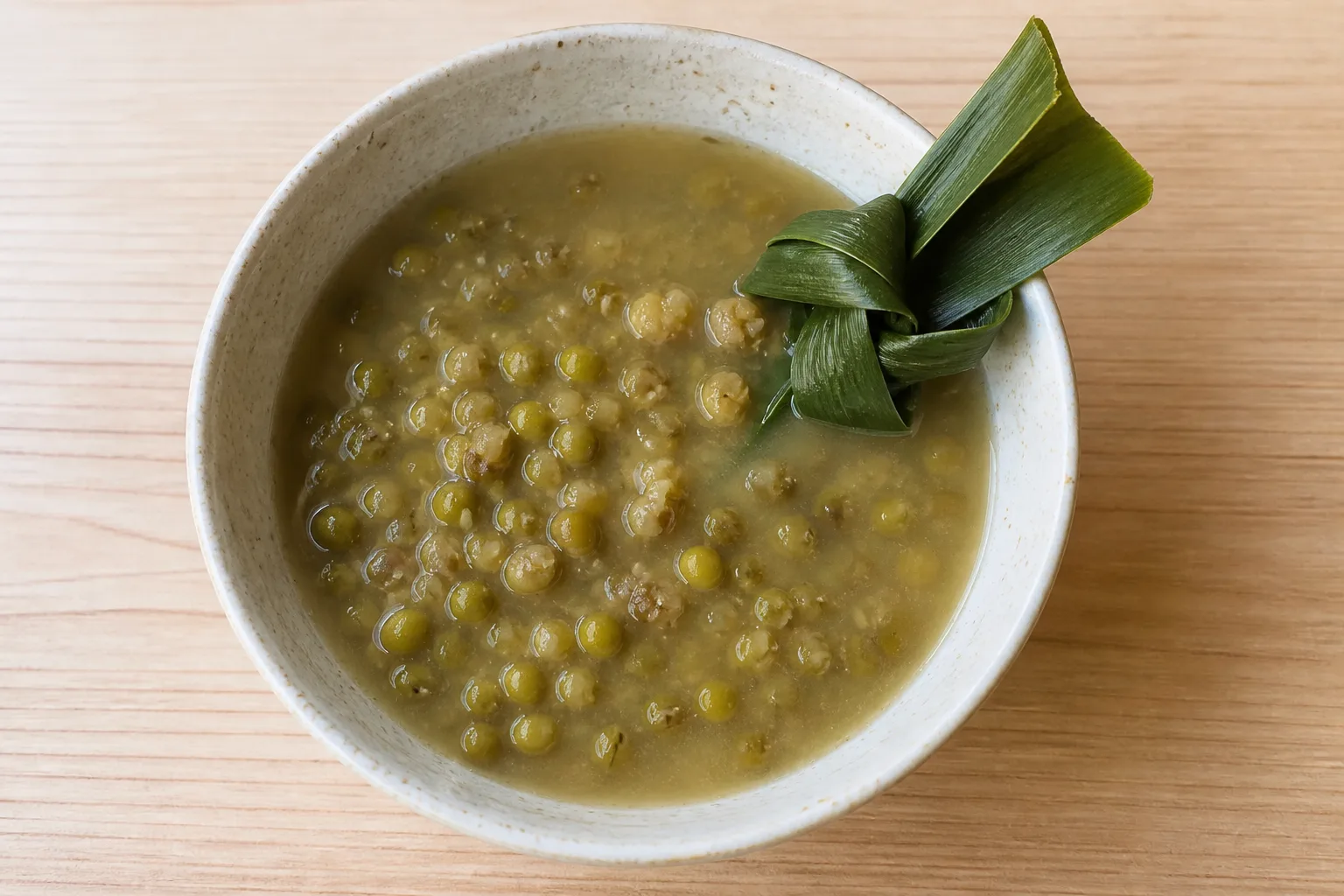
Cooling mung bean soup
Fragrant mung bean soup with pandan is a sibling cooling soup when diet heat sits on the nose and gut.
Ease off or stop if stools loosen.
Cooling mung bean soup recipe →